Middle East conflict sends Dalal Street into panic: India’s markets collapse due to Iran vs US-Israel war; Sensex, Nifty fall, investors’ wealth worth $240 billion wiped out in just a week

Middle East conflict sends Dalal Street into panic: India's markets collapse due to Iran vs US-Israel war; Sensex, Nifty fall, investors' wealth worth $240 billion wiped out in just a week
Oil above $100, market in red: How Iran war caused $240 billion blow to Indian investors

India’s stock markets have suffered a major blow after geopolitical tension. middle east A wave of global financial uncertainty began and accordingly market The recent selloff wiped out nearly $240 billion of investors’ wealth in just one week, according to data compiled from the Bombay Stock Exchange and the National Stock Exchange of India. The selloff shows how quickly international conflict, in this case the Iran versus US-Israel war, can spill over into financial markets, especially in economies like India that are deeply linked to global trade, energy supply chains and foreign investment flows.Reserve Bank of India Governor Shaktikanta Das had earlier highlighted the risks that global geopolitical tensions pose to financial stability. “Elevated geopolitical tensions and global financial market volatility remain key risks to the economic outlook,” Das said during the press conference of the 2024 Monetary Policy Committee held at the Reserve Bank of India headquarters in Mumbai after the RBI monetary policy announcement.The sudden collapse of funds has sent the entire brokerage street into shock, with benchmark indices falling sharply and investors struggling to reassess risk exposure. Analysts say the turmoil highlights the delicate balance between global geopolitics and financial markets, where even distant conflicts could jolt emerging economies.

Sudden blow to investors’ wealth in India amid Iran vs US-Israel war

The latest market meltdown has wiped billions of dollars off the value of companies listed on Indian exchanges. According to reports, the combined market capitalization of Indian equities fell dramatically as investors rushed to sell risky assets amid rising geopolitical tensions. The losses are part of a broader trend that has seen trillions of rupees wiped off investors’ wealth since the conflict began, reflecting widespread panic in financial markets.Nilesh Shah, managing director of Kotak Mahindra Asset Management Company, warned that global uncertainty generally forces investors to reduce investments in risky markets. “Markets dislike uncertainty, and geopolitical developments could lead to sharp changes in capital flows as investors reevaluate risk appetite,” Shah had said during the 2023 Kotak Mutual Fund Annual Investor Conference, where global macroeconomic risks and market outlook were discussed with institutional investors.

Dalal Street Panic: Middle East war leads to massive selloff, $240 billion missing from Indian markets

Dalal Street Panic: Middle East war leads to massive selloff, $240 billion missing from Indian markets

Stock markets generally react quickly to geopolitical instability and the current recession is no exception. Traders and institutional investors alike have adopted a cautious stance, leading to heavy selling pressure in sectors ranging from banking and automobile to infrastructure and aviation.

Oil prices rising due to Iran vs US-Israel war

At the center of the market turmoil is the escalating conflict in West Asia, which has sent global oil prices soaring and raised fears of a broader economic downturn. The war has already pushed crude oil prices above $100 a barrel, raising concerns about inflation, energy security and trade deficits for oil importing countries like India.Dr Indranil Pan, chief economist at Yes Bank, had warned that rising crude oil prices could have macroeconomic consequences for India. “A sustained rise in crude oil prices could widen India’s current account deficit and also lead to inflationary pressures for the economy,” Pan had said in Yes Bank’s 2023 Macro Economic Outlook presentation to investors and analysts.India is the world’s third-largest importer of crude oil, meaning any sharp rise in energy prices directly impacts its economy. Higher oil costs increase transportation and manufacturing expenditures, ultimately raising consumer prices and weakening economic growth prospects. The situation is worsened by fears of disruption to the strategic shipping route, the Strait of Hormuz, through which a significant portion of the global oil supply passes. If the conflict escalates and shipping routes are disrupted, energy prices could rise even faster.

Sensex And nifty Iran vs Iran falls amid panic selling over US-Israel war

The impact of these developments is clearly visible on India’s major stock indices. Both BSE Sensex and Nifty 50 have fallen sharply in recent trading sessions as investors rushed to reduce exposure to riskier assets. At one point, the Sensex fell by more than 1,300 points in a single session, while the Nifty also fell sharply.According to Kranti Bathini, director of equity strategy at Wealthmills Securities, geopolitical tensions along with rising oil prices weigh heavily on investor sentiments. “When crude oil prices rise sharply due to geopolitical tensions, it creates uncertainty about inflation and growth expectations, which typically leads to volatility in equity markets,” Bathini said in a 2024 Wealthmills Securities Investor Strategy Note.

Sensex falls, investors surprised: Middle East crisis caused massive market instability in India.

Sensex falls, investors surprised: Middle East crisis causes massive market instability in India

The selloff dragged both indices near one-year lows and pushed them into technical correction territory, meaning they had fallen more than 10% from their recent peaks. For investors, the sudden downturn is a reminder of how quickly markets can change direction when geopolitical risks increase.

Foreign investors pull out billions of dollars from India amid Iran vs US-Israel war

Another major reason for the market decline is the massive withdrawal of foreign investments from Indian equities. Foreign portfolio investors (FPIs) have pulled billions of dollars from the market in recent weeks as global uncertainty increases. In the first half of March, foreign investors pulled out about ₹52,704 crore (about $5.7 billion) from Indian stocks.Global investors often shift capital out of emerging markets during geopolitical crises, according to Andrew Holland, chief executive officer of Avendus Capital Public Markets Alternate Strategies. “Periods of increased geopolitical risk typically push investors toward safer assets and developed markets, which may lead to capital outflows from emerging economies,” Hollande said during the 2023 Avendus Capital Global Markets webcast for institutional investors.Such capital outflows could increase market volatility as foreign institutional investors have large positions in Indian equities. When they sell shares rapidly, stock prices can fall rapidly. The withdrawals have also put pressure on the Indian rupee, which weakens as foreign capital leaves the country.

Widespread losses in all sectors in India amid Iran vs US-Israel war

The decline in the market is not limited to any one sector. Instead, losses have been widespread across the economy, reflecting a broader wave of risk aversion among investors. Financial stocks, which typically dominate Indian indices, have been worst affected. Banking stocks and financial institutions fell sharply as investors worried about the potential impact of slowing economic growth.Automobile companies have also suffered heavy losses, with the sector recording one of its worst weekly performances in years. Rising fuel costs and economic uncertainty could reduce consumer spending on large purchases such as vehicles. Infrastructure and aviation stocks have also come under pressure, as investors anticipate higher operating costs associated with rising energy prices.

Global markets are also feeling the heat of Iran vs US-Israel war

The turmoil in India’s markets is part of a broader pattern of volatility in global financial markets. Whenever geopolitical conflicts intensify, investors shift money towards safe assets such as gold, US government bonds and the US dollar.

​Geopolitical tensions in the Middle East have created a wave of global financial uncertainty.

Geopolitical tensions in the Middle East have created a wave of global financial uncertainty.

Emerging markets, including India, often see capital outflows during such periods. This global “risk-off” sentiment has contributed to selling pressure in Indian equities.

Domestic investors provide some support amid Iran vs US-Israel war

Despite selling by foreign investors, domestic institutional investors, including mutual funds and insurance companies, have continued to buy stocks in an effort to stabilize the market. However, analysts say domestic purchases alone may not be enough to offset huge foreign outflows if geopolitical tensions persist.Retail investors, who have played a major role in India’s market rally in recent years, are also taking a wait-and-see approach amid the current volatility.

Experts urge investors to remain calm amid Iran vs US-Israel war

Market regulators and financial experts have appealed to investors not to panic in the current period of uncertainty. Historically, geopolitical crises often trigger temporary market corrections rather than long-term structural declines. Analysts say markets usually stabilize once the geopolitical situation becomes clear.Investors are being advised to focus on long-term fundamentals rather than short-term volatility. The future direction of Indian markets will largely depend on developments in the Middle East conflict and global energy prices. If tensions ease and oil prices stabilize, the market could recover relatively quickly. However, prolonged conflict could lead to sustained instability, especially if energy supply routes are disrupted or inflation rapidly increases.The growing influence of geopolitics on the global economy has often been emphasized by Kristalina Georgieva, Managing Director of the International Monetary Fund. “Geo-economic fragmentation and geopolitical tensions are creating new uncertainties for the global economy,” Georgieva said during her opening remarks for 2023 at the IMF-World Bank annual meeting in Marrakesh.At the moment, the $240 billion decline in market assets is a stark reminder of the interconnected nature of the global economy, where conflicts thousands of kilometers away can rapidly shake financial markets in one of the world’s fastest-growing economies. As investors deal with this uncertain environment, the coming weeks will determine whether the recent selloff represents a temporary setback or the beginning of a deeper market correction.(Disclaimer: The recommendations and views given by experts on the stock market, other asset classes or personal finance management are their own. These opinions do not represent the views of The Times of India)


Source link

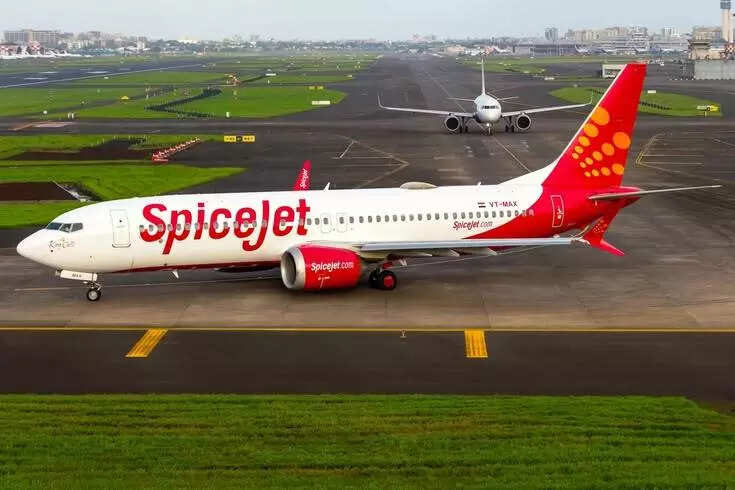
SpiceJet launches special flights from Fujairah in UAE to India to help passengers stranded amid Iran vs US-Israel war

SpiceJet launches special flights from Fujairah in UAE to India to help passengers stranded amid Iran vs US-Israel war
Stranded in UAE? SpiceJet launches special flights from Fujairah to India amid travel disruptions due to Iran vs US-Israel war

Amid ongoing disruptions in air travel across the country middle eastIndian budget airline SpiceJet has launched a series of special flights from Fujairah in the United Arab Emirates to several cities in India, providing relief to hundreds of passengers stranded due to regional tensions and aviation disruptions. The move comes as airlines struggle to restore connectivity between the Gulf and South Asia after flight cancellations, airspace restrictions and unpredictable security situations disrupted travel across the region.The special operations highlight the importance of the India-Gulf Aviation Corridor, one of the world’s busiest international travel routes, while also demonstrating how airlines are increasingly adapting to geopolitical crises that have impacted flight schedules across West Asia.

SpiceJet’s emergency flights to clear travel backlog amid Iran vs US-Israel war

SpiceJet announced that it will operate a number of special flights from Fujairah to major Indian destinations including Delhi and Mumbai over several days in March. These additional flights were launched specifically to help passengers whose journeys were disrupted due to regional tensions, which forced airlines to suspend or reschedule services across the Gulf.According to airline statements, special operations include:

  • Multiple flights from Fujairah to Delhi
  • Direct flights from Fujairah to Mumbai
  • Additional flights from united arab emirates Other Indian cities like Pune and Kochi

These flights were coordinated with airport authorities and aviation regulators to ensure smooth passenger handling and quick turnaround time.

Why did Fujairah become a major departure hub in the UAE amid the Iran vs US-Israel war?

The selection of Fujairah as the launch point for these special flights is no coincidence. While larger airports such as Dubai and Abu Dhabi experienced operational restrictions and congestion during the crisis, Fujairah offered a less crowded alternative for emergency flight operations. Located on the east coast of the UAE along the Gulf of Oman, Fujairah offers airlines a strategic gateway for regional travel and cargo movement.

​Travel boost: SpiceJet to operate emergency flights from Fujairah to India amid Iran vs US-Israel war

Travel boost: SpiceJet to operate emergency flights from Fujairah to India amid Iran vs US-Israel war

The emirate’s airports have come to be used as secondary aviation hubs when major Gulf airports face disruption or capacity limits. This flexibility allowed airlines like SpiceJet to arrange additional flights without putting additional pressure on already busy airports in the western emirates of the UAE.

Travel disruption across Gulf amid Iran vs US-Israel war

The sudden need for special flights emerged after regional geopolitical tensions caused widespread disruption to air travel in the Middle East. Airspace restrictions, security alerts and changes in flight routes forced airlines to cancel or reschedule many services connecting the Gulf to South Asia and Europe. Thousands of passengers, many of them migrant workers returning to India, found themselves stranded in the UAE and neighboring countries.Airlines were forced to deploy additional aircraft and alter schedules to meet the backlog of passengers waiting to return home. The situation was particularly challenging as the Gulf region hosts millions of Indian expatriates who regularly travel between the two regions for work, family visits and business.

Airlines intensify relief operations amid Iran vs US-Israel war

SpiceJet’s special flights are part of a broader effort by multiple carriers to restore connectivity between the Gulf and India. Several airlines, including Air India and Air India Express, have also added additional services to help stranded passengers reach their destinations. In some cases, airlines have also launched non-scheduled or emergency flights specifically designed to repatriate passengers affected by the cancellations.For passengers, these additional flights have provided much-needed relief after several days of uncertainty due to the sudden schedule change. The UAE-India aviation route is one of the most trafficked international travel corridors in the world. Millions of passengers travel between the two countries each year, via:

  • There is a large number of Indian expatriates in the UAE
  • trade and business relations between countries
  • Tourism and family travel
  • religious travel including pilgrimages

When disruption occurs in this corridor, the impact can be immediate and widespread, impacting airlines, airports and passengers alike. The special flights launched by SpiceJet help stabilize this essential travel link during times of crisis.

SpiceJet’s role in emergency connectivity amid Iran vs US-Israel war

Established in 2005, SpiceJet is one of India’s leading low-cost carriers and operates a fleet of Boeing 737 and turboprop aircraft serving domestic and international routes. Airlines have often stepped in during travel disruptions to operate special services for stranded passengers. By deploying additional flights from Fujairah, the carrier is continuing this role as a quick-response operator at a time of aviation uncertainty.

​Additional flights alert: SpiceJet opens Fujairah route to India for stranded passengers amid Iran vs US-Israel war

Additional flights alert: SpiceJet opens Fujairah route to India for stranded passengers amid Iran vs US-Israel war

Officials say the airline coordinated closely with airport authorities and ground-handling teams to ensure that passengers were processed quickly and safely. Although the introduction of special flights has helped ease the travel crisis, aviation experts say it may take time for programs across the Middle East to fully return to normal. Airlines are still monitoring the evolving geopolitical situation and adjusting operations accordingly.For now, passengers are advised to frequently check flight updates as schedules are subject to change depending on security conditions and airspace availability. For many travellers, the special Fujairah flights represent a lifeline after days of uncertainty. Workers anxious about returning to their jobs, students needing to resume classes, and families hoping to be reunited have benefited from the additional capacity created by these emergency services.As airlines gradually restore their regular schedules, special flights launched by SpiceJet and other carriers are helping to bridge the gap, ensuring that passengers can continue to move between the Gulf and India even during the region’s most challenging aviation period in recent years.

Source link

Robots that can lift 500 kg: Dubai deploys AI-powered drones, aquatic rescue bots on beaches to enhance coastal security

Robots that can lift 500 kg: Dubai deploys AI-powered drones, aquatic rescue bots on beaches to enhance coastal security
Drones, robots to patrol Dubai’s beaches in major security upgrade

Dubai has once again turned to cutting-edge technology to enhance public safety, this time on its beaches. For the first time at the regional level, authorities have introduced aquatic rescue robots and aerial water-rescue drones on public beaches to assist lifeguards and respond faster to emergencies at sea. The initiative reflects the emirate’s broader strategy of combining artificial intelligence and robotics with traditional security systems to protect residents and tourists enjoying its popular beaches.Developed as part of a new technology-driven coastal safety framework, the system integrates advanced robotics, drones, surveillance equipment and trained lifeguards into a single response network designed to prevent drowning incidents and improve rescue efficiency.

Aquatic rescue robots in Dubai: a first for the region

Officials call the initiative the first deployment of its kind middle eastWhich is a major milestone in the use of AI-enabled technology for beach safety. At the heart of the new system is a remote-controlled aquatic rescue robot designed to reach swimmers in distress much faster than human lifeguards. The equipment is self-propelled and capable of operating even in difficult sea conditions and carrying victims safely to shore. The robot can travel up to five times faster than traditional lifeguard rescue, dramatically reducing response times in emergency situations. Equally impressive is its strength. The machine can pull up to 500 kg, allowing it to assist multiple swimmers or support rescue teams during complex operations in the water. For lifeguards, this means dangerous rescues can now begin without putting human responders at risk.

Meet ‘Udaan’ lifebuoy‘: Aerial water-rescue drone in Dubai

Complementing the aquatic robot is an aerial water-rescue drone, sometimes described as a “flying lifebuoy”. Drones act as eyes in the sky for beach safety teams. Equipped with a live-feed camera, it can fly rapidly over large coastal areas to identify swimmers in distress and transmit real-time video to lifeguard stations.Once a potential emergency is detected, the drone can:

  • reach out directly to the victim
  • land on water surface
  • Provide immediate flotation assistance

By holding swimmers down to something until rescuers arrive, a drone can buy precious minutes that could ultimately save lives. The aerial perspective also helps lifeguards to more accurately assess the situation, allowing them to coordinate rescue operations with greater precision.

Dubai’s integrated smart security system

Rather than replacing lifeguards, robots and drones are designed to support and augment human rescue teams. Dubai’s new system integrates several elements into a coordinated network:

  • aquatic rescue robot in water
  • aerial surveillance and rescue drone
  • Lifeguard teams deployed on beaches
  • Centralized Monitoring and Control System

This integrated model allows authorities to monitor vast coastal areas and respond quickly to emergencies – even during peak tourist season when beaches are crowded. Officials say the technology is especially valuable during complex rescue situations where time is critical and ocean conditions can pose risks to human rescuers.

Technology providing public safety in Dubai

According to Dubai Municipality officials, this initiative reflects a proactive approach towards security driven by innovation. Officials stress that the goal is not only rapid rescue but also preventive surveillance. Real-time aerial monitoring helps lifeguards quickly detect potential hazards, including:

  • fast currents
  • swimmers drifting far from shore
  • overcrowded swimming areas

By identifying risks before they escalate into an emergency, the system can significantly reduce accidents.

Protecting one of Dubai’s most popular attractions

Dubai’s beaches attract millions of visitors every year, making them one of the most important leisure destinations in the emirate. Public beaches managed by the municipality include popular locations such as:

  • Umm Suqeem Night Beach
  • Jumeirah Beach Area
  • Al Mamzar Beach Park

These sites are open year-round and are especially busy during holidays, weekends, and the winter tourist season. Thousands of people enter the water every day, so maintaining high safety standards is vital to the city’s tourism industry and overall public welfare.

Part of Dubai’s smart city vision

The deployment of rescue robots and drones fits perfectly into Dubai’s long-term vision of becoming one of the most technologically advanced cities in the world. Over the past decade, the emirate has invested heavily in smart technologies across public services, including:

  • AI-powered traffic management
  • smart police station
  • autonomous delivery robot
  • Drone-assisted emergency response

Beach safety is the latest sector to benefit from this digital transformation. By integrating robotics into everyday services, Dubai aims to create future-ready public spaces that prioritize safety, efficiency and quality of life.

Global Trends: Technology in Survival

Dubai is not alone in exploring robotic solutions for water conservation. Around the world, coastal security authorities have begun experimenting with robotic lifeguards and rescue drones to improve response times. Some equipment can reach victims far more quickly than traditional methods and can operate in dangerous situations where human rescuers might struggle. However, Dubai’s new system is different because it combines multiple technologies into an integrated beach security network rather than deploying different devices separately. For lifeguards, technology offers many benefits. Robots can reach swimmers in distress before lifeguards enter dangerous waters. Drones can quickly detect emergencies and guide rescue teams to the exact location. The live video feed allows lifeguards to assess conditions before launching a rescue operation. Larger stretches of coastline can be monitored more efficiently.In essence, the technology acts as an additional layer of protection for both swimmers and rescuers. Officials believe the new system will significantly increase security on Dubai’s beaches while cementing the emirate’s reputation as a global leader in innovation. By combining human expertise with robotics and artificial intelligence, Dubai is creating a next-generation coastal protection model that could influence beach management strategies around the world.

Source link

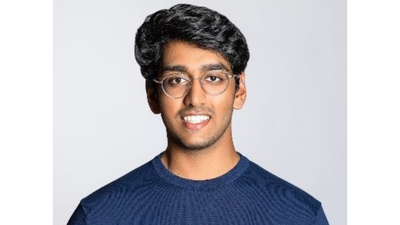
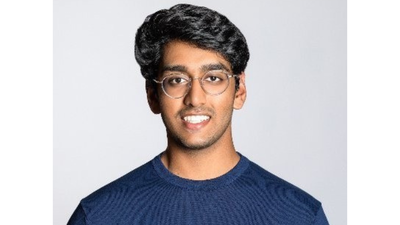
Meet Aman Gottumukkala: The Indian-origin founder joins xAI after building a million-dollar startup with a team of just three. world News

Meet Aman Gottumukkala: The Indian-origin founder joins xAI after building a million-dollar startup with a team of just three

The rapid rise of artificial intelligence has created a new generation of founders building powerful tools with remarkably small teams. One of them is Indian-origin software engineer Aman Gottumukkala, who recently announced that he is joining XAI to work on advanced coding AI systems. Gottumukkala gained attention after founding Firebender, an AI coding assistant for Android developers, which reportedly generated millions of dollars in revenue while being created by a team of only three people. His move to XAI places him among a growing group of engineers working on next-generation artificial intelligence systems.

million-dollar startup Produced by Aman Gottumukkala

Gottumukkala is best known as the founder of Firebender, a developer tool designed to help programmers write and manage Android code more efficiently. The software acts as an AI coding assistant that integrates into developer environments like Android Studio and JetBrains IDE.Firebender quickly gained popularity among developers and engineering teams, becoming widely used to automate coding tasks and improve developer productivity. Despite operating with a very small team, the startup reportedly raked in millions of dollars in revenue, highlighting the growing potential of AI tools to enable small teams to build highly profitable products.

Background in engineering and startups

Before launching Firebender, Gottumukkala worked as a software engineer at Paradigm, where he focused on technical projects related to the crypto and technology ecosystem.He was also selected as a KP Fellow, a highly competitive fellowship program that connects talented engineers and founders with leading venture capital firms in Silicon Valley. Fellowships often serve as a launchpad for entrepreneurs creating new technology startups.

Education and early educational path

Gottumukkala studied computer science at Texas A&M University, where she completed her undergraduate degree between 2017 and 2021. Before university, he attended the Texas Academy of Mathematics and Science, a selective early-college program designed for high-performing students in science and mathematics.He also attended Klein Oak High School in Texas. His educational path reflects a strong focus on engineering and technical subjects from an early stage.

Joining xAI to build the future of coding AI

Gottumukkala announced on Sunday that he would be joining xAI, the artificial intelligence company founded by Elon Musk. The company focuses on developing advanced AI models and systems that aim to compete with leading AI laboratories around the world.Gottumukkala said his work at XAI will focus on next-generation coding AI, tools designed to assist developers and automate complex programming tasks. Their announcement also mentioned collaboration with SpaceX-affiliated teams, reflecting XAI’s broader interest in integrating AI with real-world technologies.

A sign of the changing startup landscape

The story of Gottumukkala and the Firebender highlights a sea change in the technology industry. AI-powered tools are making it possible for very small teams to create products that previously required large engineering organizations.Startups that once needed dozens of developers can now launch sophisticated platforms with just a handful of engineers. As AI models continue to improve, founders like Gottumukkala are helping shape a new generation of developer tools designed to accelerate software creation.His move to XAI also reflects the growing competition among AI companies to recruit talented engineers who have already proven they can create successful AI products.

Source link

UAE offers free Faza membership in ‘Year of Families 2026’: Here’s who can apply

UAE offers free Faza membership in 'Year of Families 2026': Here's who can apply
Huge discounts ahead: UAE announces free Faiza membership for families

Aiming to strengthen social cohesion and improve the quality of life for families across the emirate, the UAE has announced that resident families will receive free Faza membership as part of the nationwide “Year of the Family 2026” initiative. The programme, launched through a collaboration between the Ministry of Family and Faiza Initiative, seeks to recognize the contribution of families living and working in the country as well as providing them access to a wide range of lifestyle benefits and discounts.The initiative reflects the UAE’s broader strategy to put families at the center of social development. By expanding the benefits program, previously limited mainly to specific areas, to resident families, officials hope to foster a stronger sense of community, support household stability and reduce the costs of everyday life.

What does UAE’s new free Faiza membership initiative offer?

Under the scheme, eligible families will receive a free Faiza discount membership valid until 2026, giving them access to a wide network of services and deals in the UAE and internationally. Among the key benefits offered to members are:

  • Discounts at over 34,000 retail stores in the UAE and abroad
  • Special offers on 28,000 food and consumer products through Fazaa stores
  • Discounts on travel and accommodation at over 500,000 hotels worldwide through the Faza Amakin platform
  • Up to 70 percent off on entertainment and activity through Faza mobile app

These benefits cover many areas of everyday life, from shopping and dining to travel, health care and leisure, making memberships a potentially valuable tool for families who want to manage the cost of living more effectively.

Who can apply for UAE’s free Faiza membership

Free membership is open to families resident in the UAE that include at least one child, ensuring that the program focuses on households rather than individuals. Eligible families can apply online through the official Faza platform, where they can submit the required documents and activate their digital membership cards. Authorities have also set up technical support channels to assist applicants and answer questions about the process.Once approved, the membership will remain valid for the duration of the family year and will expire at the end of 2026. Officials say the initiative sends a deeper message beyond financial gain. According to government representatives, the program aims to express appreciation for the families who have chosen the UAE as their home, as well as reinforce the idea that strong families form the foundation of a stable and prosperous society.The UAE’s development model has long emphasized social cohesion and community integration, especially given the diverse population of citizens and expatriates in the country. By providing benefits to resident families, officials aim to strengthen a sense of belonging and shared responsibility.

What is the Fazaa program in UAE?

The Fazaa Initiative itself is one of the UAE’s most recognized social assistance programmes. Originally designed to benefit government employees and specific professional groups, this program provides members with discounts, services and financial benefits in a number of areas.These benefits typically include:

  • Low prices on shopping and dining
  • Discounts on travel and hotel bookings
  • Special healthcare offers
  • Savings on entertainment and lifestyle services
  • Transport and fare discounts

The overarching objective of the program is to help members manage the cost of living while encouraging community engagement and economic activity. The free membership initiative is closely linked to the UAE’s declaration of 2026 as the “Year of the Family”. This nationwide campaign aims to highlight the importance of family stability, well-being and social integration as pillars of national development. The program is also in line with the country’s long-term social policies that focus on strengthening households and supporting the next generation.Within this framework, various initiatives ranging from community programs to lifestyle benefits are expected to be launched throughout the year to support families and encourage stronger relationships within society. The Faiza membership initiative also reflects a broader trend across the UAE, where government institutions and private organizations often launch programs aimed at improving the quality of life of residents.In recent weeks, a number of community initiatives have emerged across the country, ranging from free admission to major attractions and special discounts on leisure and hospitality experiences for residents. These programs are designed to encourage families to spend time together and make everyday activities more accessible. Such initiatives often gain rapid popularity among residents, highlighting the strong demand for family-oriented programs that combine social engagement with financial savings.Early indications suggest that the free Faza membership program may prove extremely popular. Reports indicate that residents attempting to apply for membership immediately following the announcement faced long online queues, reflecting the high level of interest among families wishing to benefit from the discounts and services offered through the programme. For many families, especially those with children, membership can result in significant savings on travel, entertainment and everyday shopping.

Strengthening the UAE’s social model

Beyond the immediate financial benefits, the initiative also reflects the UAE’s broader social philosophy of building a community where residents, regardless of nationality, are considered active participants in the country’s development. By extending programs like Fazaa to resident families, the government is reinforcing a message that the well-being of society begins with the well-being of each family living in the country. This approach has been a hallmark of the UAE’s governance model, which often combines economic growth with policies designed to improve the quality of life of residents.As the Year of the Family begins, expect to see more initiatives aimed at supporting families in the UAE. The free Faiza membership program could be the beginning of a wide range of policies designed to strengthen families, encourage social cohesion and ensure that residents continue to see the UAE as a place where they can build long-term, stable lives.For thousands of families across the emirate, this initiative represents both a practical benefit and a symbolic gesture – highlighting the country’s ongoing commitment to community, inclusion and shared prosperity.

Source link

‘Misleading claims’: UAE official rebukes Iranian top minister, rejects accusation of aggression amid Iran vs US-Israel war

'Misleading claims': UAE official rebukes Iranian top minister, rejects accusation of aggression amid Iran vs US-Israel war
UAE condemns Iran’s ‘aggression’ claim, says allegations are misleading

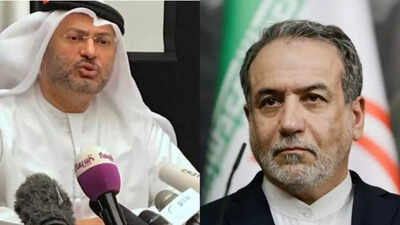
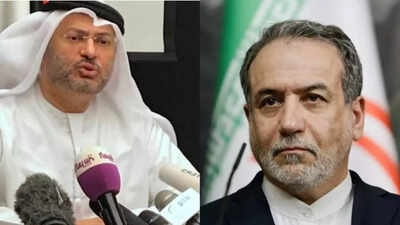
Acrimonious diplomatic talks have erupted between the UAE and Iran after Iranian Foreign Minister Abbas Araghchi accused the UAE of carrying out “aggression” against Tehran. The claim was quickly rejected by senior Emirati officials, who described the allegation as misleading and insisted that the UAE’s actions had been defensive in nature amid a rapidly escalating regional crisis.The dispute comes at a time when the Gulf region is already grappling with increased instability following missile and drone attacks linked to the broader conflict involving Iran, Israel and the United States. Against this volatile backdrop, the UAE has sought to clarify its position, urging restraint and diplomacy.

Amidst war with America-Israel, UAE hits back at Iran’s allegations

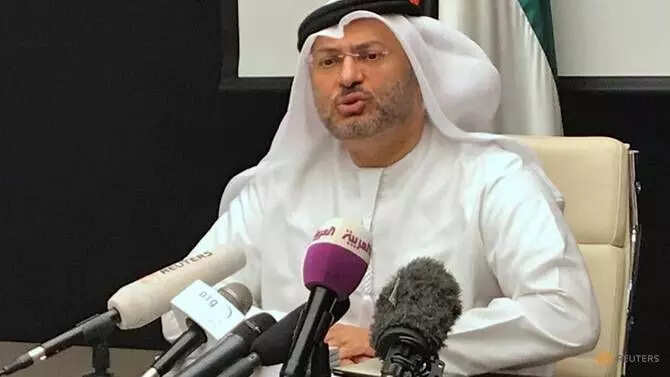
The latest dispute began when Iranian Foreign Minister Abbas Araghchi accused the UAE of participating in hostile actions against Iran. In response, Anwar Gargash, diplomatic advisor to the UAE President, publicly rejected the claim and said the allegation reflected a misunderstanding of the situation and ignored the reality of the ongoing attacks on Gulf states. Gargash argued that the UAE was acting in self-defense rather than aggression. He said Iran’s allegations are particularly shocking given that Gulf countries have faced numerous missile and drone attacks during the current conflict. According to Emirati officials, the country is emphasizing restraint while reserving the right to defend its territory and citizens.The diplomatic confrontation cannot be separated from the broader geopolitical crisis currently unfolding middle east. The situation deteriorated following a series of recent military confrontations involving Iran, Israel, and the United States. These developments triggered retaliatory attacks across the region and pushed the Gulf countries into a tight security situation. The UAE has reported intercepting missiles and drones targeted at its territory, while several civilian infrastructure sites have been targeted during the conflict. The attacks have caused numerous casualties and disrupted travel, energy infrastructure and business operations across the Gulf. These developments have turned the UAE into an unexpected frontline state in the broader geopolitical conflict.

UAE says it is acting in self-defense amid Iran vs. US-Israel war

In response to Tehran’s accusations, Gargash stressed that the UAE’s policies are based on defensive measures rather than escalating tensions. He said the country retains “the right to defend itself” against attacks but continues to prioritize restraint and diplomatic solutions.This position reflects the UAE’s long-term strategy of balancing strong security responses with calls for regional de-escalation. Officials argue that protecting infrastructure and stopping incoming threats does not constitute aggression, but a necessary response to protect civilians and national assets.

Iran’s claims and regional tensions amid war with America and Israel

However, Iran has said that Gulf countries, including the United Arab Emirates, have indirectly supported military action against it by allowing Western allies to operate in the region. Tehran has also alleged that some facilities in the Gulf state were used to launch attacks on Iranian targets, but Emirati officials have strongly denied this claim.The dispute reflects a military conflict as well as a broader information battle, with both sides attempting to shape international perception of responsibility for the escalating violence.

UAE calls for de-escalation amid Iran vs US-Israel war

Despite the harsh rhetoric, the UAE has repeatedly urged all parties involved in the conflict to adopt a diplomatic solution. At international forums, Emirati representatives have called for an immediate reduction in hostilities and a return to negotiations. He warned that continued tensions could destabilize the entire Gulf region and jeopardize global energy markets. The Gulf remains strategically important as it hosts some of the world’s most important oil and gas shipping routes, particularly through the Strait of Hormuz. Any disruption in the region could have significant consequences for the global economy.

Impact of Iran vs. US-Israel war on the Gulf and beyond

Tensions between Iran and the Gulf countries have already caused wide-ranging impacts in many regions. Airspace closures and security concerns have forced airlines to cancel or divert flights in the Middle East. Fears of conflict near the Strait of Hormuz, through which about a fifth of the world’s oil supply passes, have caused volatility in global oil prices.Many Gulf countries have increased defense measures after stopping missile and drone attacks. These developments demonstrate how quickly a regional dispute can affect global trade, travel and energy markets.

UAE’s strategic balancing act between Iran vs US-Israel war

The UAE’s response highlights the delicate balancing act it faces in the current geopolitical environment. On the one hand, the country maintains strong strategic partnerships with Western allies, including the United States. On the other hand, it has historically sought to maintain diplomatic channels with regional powers such as Iran.This dual approach, combining security cooperation with diplomatic outreach, has been a cornerstone of Emirati foreign policy for years. The UAE appears to be continuing this strategy, by rejecting Iran’s accusations as well as calling for de-escalation.

Information war and misinformation between Iran vs. US-Israel war

Another dimension of the conflict is the spread of misinformation online. Authorities in the United Arab Emirates have warned against sharing unverified content related to the crisis, arguing that misleading narratives could fuel panic or undermine national security. In the latest crackdown, authorities arrested dozens of individuals accused of spreading fabricated footage or false claims about the conflict on social media.

Anwar Gargash, Diplomatic Advisor to the UAE President and UAE Minister of State for Foreign Affairs

Anwar Gargash, Diplomatic Advisor to the UAE President and UAE Minister of State for Foreign Affairs

Officials say maintaining accurate information is essential during a crisis when rumors can spread rapidly. With tensions still high, analysts have warned that diplomatic confrontation between Iran and Gulf states could escalate if the broader regional conflict continues. However, many experts believe that Gulf countries, including the UAE, will continue to insist on a diplomatic solution rather than direct military confrontation.The UAE rejects accusations of aggression and emphasizes that any defensive action is aimed only at protecting its territory and citizens. The diplomatic dispute between the UAE and Iran underlines the fragile security environment in the Gulf today. While accusations and counter-allegations dominate the headlines, many regional leaders continue to stress the importance of restraint, dialogue and international cooperation.

Source link

‘You should be ashamed’: Protest outside Zara after girl attacked by group in Bristol, UK

'You should be ashamed': Protest outside Zara after girl attacked by group in Bristol, UK

Angry protesters gathered outside the Cabot Circus store in Bristol on Sunday after a dangerous street attack on a child on March 4.About 20 people gathered outside a Zara store at lunchtime on Saturday (March 14). They could be heard shouting “Shame on you” or “Shame on you” and “What do we want? Accountability”. When do we want it? Now.”Pictures showed Zara looked mostly deserted, with only a few security guards inside, while the doors were closed as the crowd chanted slogans and carried placards with slogans such as ‘Shopping should be safe’. Police were also present, BristolLive reports.The protest came after a girl was attacked outside Cabot Circus on March 4, leaving her hospitalized. A total of five arrests have now been made after a teenage girl was attacked in Philadelphia Street, Cabot Circus, at around 7.45pm on Wednesday, March 4. Five teenagers arrested in connection with the incident, which took place on Wednesday March 4, have been released on bail.The fashion retailer told BristolLive its ‘thoughts are with the victim.’ A Zara UK spokesperson said: “Our thoughts are with the victim of this horrific incident. The victim was in our store for a short time before leaving, after which the situation was defused away from the store.“We are assisting the police with their investigation and will continue to support them in any way we can.”

What happened on 4th March?

A group of youths attacked a girl at Cabot Circus, leaving her requiring hospital treatment. The attack was filmed. The girl’s father said that she is so shocked by this incident that she has not gone to school. He also described the video that was shot when his daughter was attacked.The girl’s father, who we’re calling Phil to protect the family’s identity, told the BBC he felt “disappointed” that witnesses did not intervene.“He was seen walking around Cabot with, you know, 25 people chasing him,” Phil said.“They were chasing him for 25 minutes…Nobody wanted to help. Nobody wanted to say are you safe?”A video of the attack has circulated widely on social media, and is believed to be linked to a recent trend encouraging students to fight each other.

Source link

Rishi Sunak on Iran crisis: ‘If you want peace, be prepared for war’

Rishi Sunak on Iran crisis: 'If you want peace, be prepared for war'

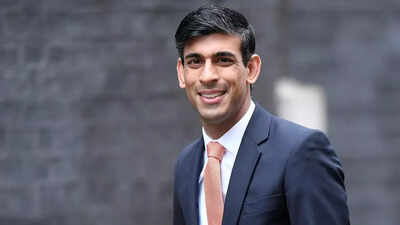
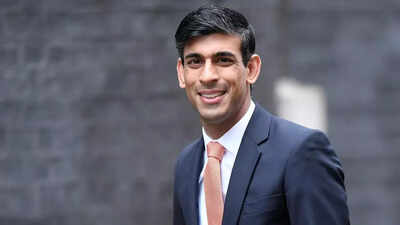
Former British Prime Minister Rishi Sunak said the current Middle East crisis is the fourth supply shock this decade, the first being the Russia-Ukraine war and the second and third being China’s ban on rare earth exports. Writing for The Times, the former British Prime Minister said Britain had to build in flexibility because Britain has very limited strategic gas reserves that are barely enough for a few days’ supply.“The assumption was that Iran would not ultimately close the Strait of Hormuz because more than three quarters of its revenue comes from products exported through its waters. But the Iranian regime is trying to close it to all but friendly traffic. They are trying to put a dagger in the throat of the world economy to make it too costly to continue this conflict,” Sunak wrote. “If the Americans cannot keep the strait open the consequences will be serious, and not just economically. An important role of global hegemony is to keep international shipping lanes open. This is what the Royal Navy did in the 19th and early 20th century and what the US has done since 1945. One of the reasons we joined with the Americans in bombing the Houthis when I was prime minister is the Bab-el-Mandeb Freedom of navigation through the strait had to be maintained. If the US could not open the Strait of Hormuz, it would be another puncture in the Pax Americana.” The closure of the Strait of Hormuz will have impacts far beyond the oil fields. “Already, restaurants in Bengaluru are closed due to gas shortages; South Korean electronics makers are worried they will soon run out of helium, a key ingredient in chip manufacturing; and domestic farmers here are threatened by rising fertilizer prices. They are currently applying the first round of nitrogen to winter wheat and winter barley. Planting of spring barley, one of our major crops, is also underway. This increase in fertilizer prices could not have come at a worse time,” he wrote. Sunak wrote that Covid taught companies and governments to be mindful of supply chain vulnerabilities and there are now encouraging signs that companies have learned this lesson. “One company, which would be important in any European war, insists on its suppliers not to use inputs from Taiwan because it is at risk of being attacked, nor China because it would be aggressive, nor the US because of its current unpredictability. This requires suppliers who supply from these locations to keep one year’s stock. A major defense firm has used its increased orders to purchase four years’ stores of rare earths as insurance against any interruption during the war,” he wrote. The events at the Strait of Hormuz should remind everyone of the risk to Taiwan of even larger supply shocks. “Preventing any conflict in the Taiwan Strait is essential. But there is a real danger that China sees how the US has already used up more than a year’s supply of Tomahawk missiles and Patriot interceptors in this war, and seizes the opportunity. Even before this conflict, analysts believed the United States would run out of long-range, precision munitions by the end of the first week of fighting on Taiwan,” he wrote. He said, “We must accelerate the production of munitions. It is alarming that it will take Lockheed Martin seven years to quadruple production of the Patriot interceptor. If we do not want the West to decline and fall, it is time to remember what the Romans taught us: Si vis pacem para bellum (If you want peace, prepare for war).”

Source link

‘Only defending its own people’: Iran rejects Trump’s claim of ‘wanting a deal’, says ‘no reason for talks’

'Only defending its own people': Iran rejects Trump's claim of 'wanting a deal', says 'no reason for talks'
Iran’s Minister Araghchi (file photo)

Iran rejected on Sunday donald trumpClaim that they want an agreement, but also say that they do not want to negotiate. Foreign Minister Abbas Araghchi criticized America and President Trump while boasting of his ‘strength’“We don’t see any reason why we should talk to the Americans, because we were talking to them when they decided to attack us,” Araghchi said in an interview with CBS.“It’s not a good experience to talk to Americans,” he said.Further defending Iran, he said, “We are stable and quite strong. We are only protecting our people,” adding, “We never asked for a ceasefire, and we never asked for negotiations.”Addressing disruptions around the key trade route through the Strait of Hormuz, Tehran FM claimed the countries are negotiating for safe passage. “I can’t mention any country in particular, but we have been contacted by several countries who want safe passage for their ships,” he said.A day earlier, Trump had alleged that Iran wants a deal, but is not ready to compromise on the current terms, without giving further details.Trump also cast doubt on whether Iran’s new supreme leader “is even alive.” He said he was “surprised” that Tehran decided to target other Middle Eastern countries following the joint US-Israeli military campaign, and claimed that US strikes on Kharg Island had “completely demolished” much of the island, adding that the US might attack it a few more times “just for fun”.

Source link

‘I’m no secret Nazi’: Graham Platner defends controversial tattoo, says critics misunderstood it

'I'm no secret Nazi': Graham Platner defends controversial tattoo, says critics misunderstood it

Maine Senate candidate Graham Platner said he no longer apologizes for the Nazi-related tattoo with which he was caught last year and claimed Jewish leaders have accepted his explanation, in comments to ZTE published last week.Plattner, an oyster farmer and Marine veteran who is running for the Democratic nomination for Senate, said the headlines have given voters the impression that his tattoos have a more obvious connection to Nazis, the New York Post reports.“I had a meeting a while ago with a number of Jewish leaders in New York, we started talking about it and when we started, someone said, ‘Wait a second. We thought you had a swastika,'” Plattner told ZTE.“When I explain the real story, almost everyone says again, ‘That sounds like a very reasonable thing.'”Plattner has long claimed that he got a tattoo resembling the Totenkopf or “death’s head” symbol used by the notorious Nazi SS secret police force in Croatia while intoxicated in 2007. He insisted that he was “not a secret Nazi.” Last time, he had a tattoo on it, which he described as a “Celtic knot with some imagery around dogs”.During the interview, Plattner spoke in a more condescending tone than his earlier apology.He said, “I will say frankly: The more they talk about it, the more I’ll talk about the fact that I got that because I was a combat Marine. That’s why I had that.”“It was the battle I participated in in Iraq that resulted in me and other machine gunners getting skull and crossbones tattoos. If we want to continue talking about my military service, I would be very pleased.”At one point, Plattner praised “Come and See,” a 1985 Soviet film about resistance to Nazi forces during World War II, which features the Totenkopf symbol prominently on some uniforms.“There’s no such thing as an anti-war film, except maybe ‘Come and See’.” Everyone should watch ‘Come and See,'” he told the outlet.Plattner previously said he did not know what the symbol was.“I didn’t realize that this tattoo looked like a Nazi symbol until I started hearing from reporters and D.C. insiders,” Plattner told Politico in October. “If I had known this I would not have gone through my life carrying it on my chest – and to hint that I did is disgusting.”A former confidant of Plattner previously told The Jewish Insider that Plattner bragged about it at a D.C. bar in 2012, saying, “Oh, this is my Totenkopf.”“He said it in the sweetest little way.”It also found that Plattner had discussed Totenkopf in a Reddit post seven years earlier, and his former political director later claimed that the oyster farmer is “a buff of military history,” and “he knows very well what it means,” according to Politico.Last year, exposed Reddit and other social media posts revealed that Plattner had said “Police are useless. Actually, all of them,” and responded to a post that said, “White people are not as racist or stupid as Trump thinks,” writing “Living in white rural America, I’m afraid to tell you that they really are.” Plattner also reflected on why black people “don’t tip.” After this he has apologized for those previous posts.Plattner is vying against Maine Governor Janet Mills (D) for the Democratic nod to compete against incumbent Senator Susan Collins (R-Maine) in November.

Source link