Breaking News
‘Fiction of imagination’: Pakistan rejects reports of failure to launch US, Iran talks

'Fiction of imagination': Pakistan rejects reports of failure to launch US, Iran talks

Pakistan on Saturday rejected media reports that claimed its efforts to facilitate talks between the United States and Iran to resolve the ongoing conflict in West Asia have hit hurdles after an initial exchange of peace proposals.“We have seen several reports in the media, including social media, citing so-called official government sources about the ongoing conflict in the region and Pakistan’s efforts to promote peace and dialogue,” Foreign Office spokesperson Tahir Andrabi said, PTI reported.

Watch

West Asia crisis: India’s balanced approach won global trust, Pakistan’s intermediary gamble faltered

“We categorically reject these false allegations reported by purported official sources as baseless and a figment of the imagination. Any allegation given to official sources in this regard is false,” he said.The Dawn newspaper reported that, according to an unnamed official, some progress had been made through an exchange of messages between Washington and Tehran, but the lack of a clear response from Iran has slowed progress at this crucial stage.Pakistan moved forward rapidly after the conflict began, motivated in part by its obligation to protect saudi arabia In case of Iranian attack.Although it has so far been unable to broker a ceasefire, it has managed to stay out of direct involvement in the war.The United States and Israel launched joint strikes on Iran on February 28, reportedly killing Supreme Leader Ayatollah Ali Khamenei along with several senior commanders. In response, Iran expanded its retaliation throughout the Gulf region, with the conflict significantly disrupting energy supply chains, particularly around the Strait of Hormuz.

Source link

Why Trump’s ‘God Squad’ decision to expand oil drilling in Gulf of Mexico is a vote for a whale’s extinction | World News

Why Trump’s ‘God Squad’ decision to expand oil drilling in Gulf of Mexico is a vote for a whale’s extinction
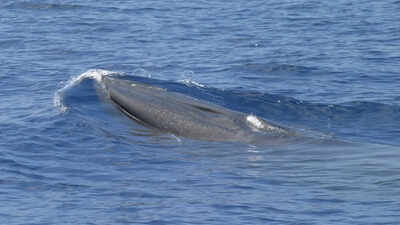
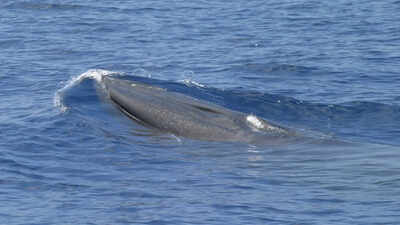
This photo provided by NOAA Fisheries shows a Rice’s whale at the surface in the Gulf of Mexico. (NOAA Fisheries (Permit #779-1633) via AP)

A rarely used federal panel with the authority to override endangered species protections has approved a request from the Trump administration to expand oil and gas drilling in the Gulf of Mexico, as the White House moves to accelerate domestic production in line with its “drill, baby, drill” agenda, with officials pointing to geopolitical tensions and energy supply risks. Scientists and environmental groups say the decision could push already vulnerable marine species closer to extinction, including the Rice’s whale, a species with fewer than 50 individuals remaining.

A rarely used power invoked

The body at the centre of the decision is the Endangered Species Committee, more commonly referred to as the “God Squad” because of its ability to permit projects that could determine the survival of protected species. Created in 1978 under the Endangered Species Act, a 1973 law designed to prevent the extinction of at-risk plants and animals, the committee can grant exemptions when it determines that a project serves national or regional interests and that there are no reasonable alternatives. Its decisions effectively allow activities that would otherwise be prohibited because they could harm or kill endangered species.
Federal 'God squad' exempts oil and gas drilling in the Gulf from endangered species rules

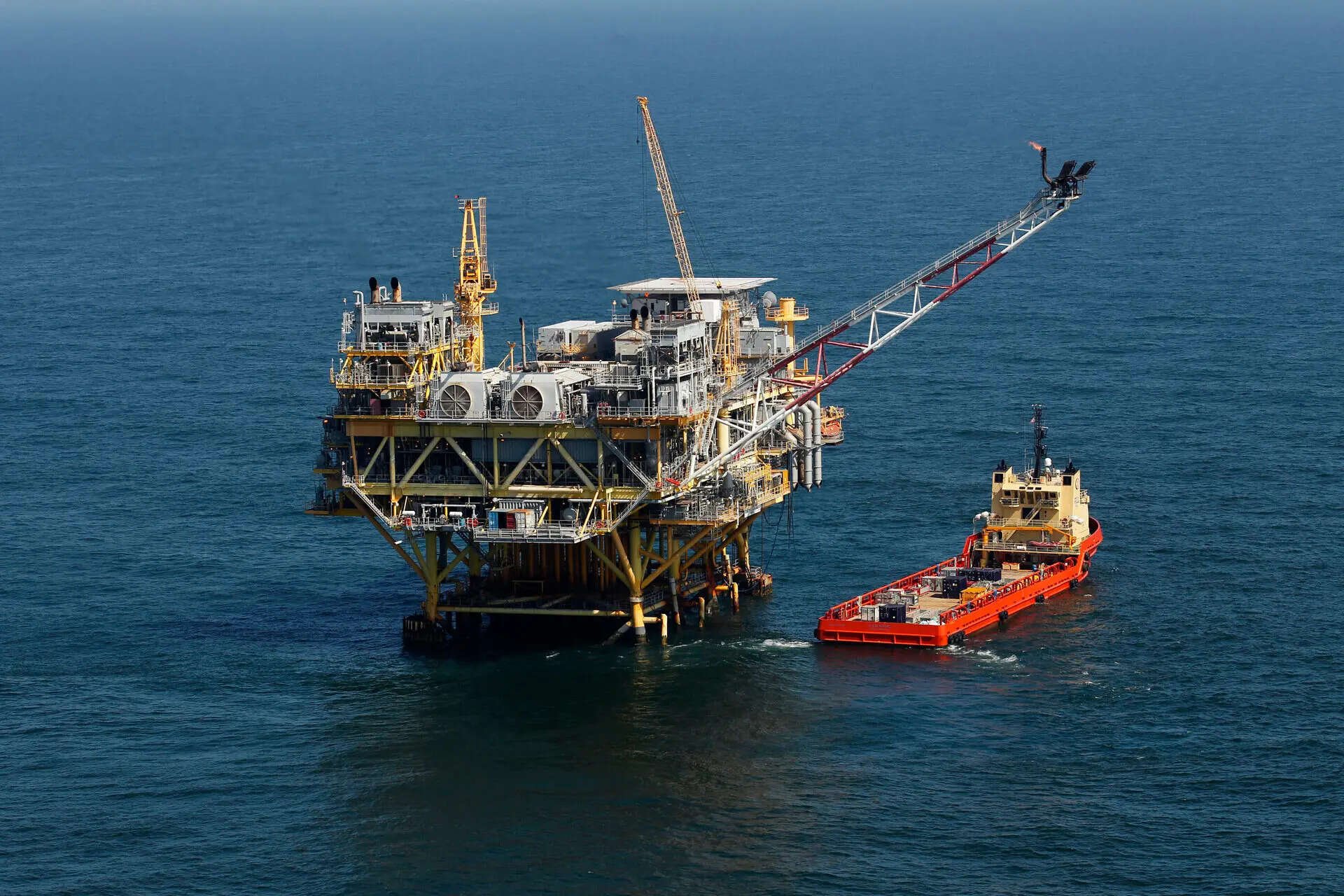
FILE – A supply vessel boat sits near an oil rig in the Gulf of Mexico, off the coast of Louisiana. April 10, 2011. (AP Photo/Gerald Herbert, File)

The committee is composed of senior federal officials, chaired by the Secretary of the Interior, with representation from agencies including agriculture, the army and the Environmental Protection Agency, as well as a vote shared by affected states. A minimum of five votes is required to approve an exemption. Until this week, it had done so only twice in more than five decades. On Tuesday, it voted unanimously to approve an exemption for expanded oil and gas activity in the Gulf of Mexico, the third such decision in its history.

National security framing and geopolitical pressure

The request was submitted by Pete Hegseth, who argued that domestic oil production had become a matter of national security in the context of escalating tensions with Iran. In remarks to the committee, Hegseth pointed to disruptions in global oil supply following military escalation in late February, when US and Israeli strikes on Iran were followed by Tehran effectively closing the Strait of Hormuz, one of the world’s most critical energy corridors.The closure of the strait has already disrupted global supply chains, constraining oil shipments and pushing prices higher across markets. In the United States, average gasoline prices have climbed above $4 per gallon for the first time in nearly four years, highlighting the immediate impact on consumers.The exemption request itself predated the escalation with Iran, but Defense Secretary Pete Hegseth framed the situation as evidence of the risks of relying on external supply.This comes as US President Donald Trump downplayed the stakes, insisting the country does not rely on the Strait of Hormuz. “We don’t need it. We haven’t needed it, and we don’t need it,” he said, while also claiming, “We produce more oil & gas than Saudi Arabia & Russia combined, & that number will soon be substantially higher.” At the same time, Hegseth told the committee that ongoing litigation by environmental groups had slowed energy development, and that the exemption would allow what he described as the “integration of oil and gas production with responsible endangered species protection.”

A fragile ecosystem with a recent history of catastrophe

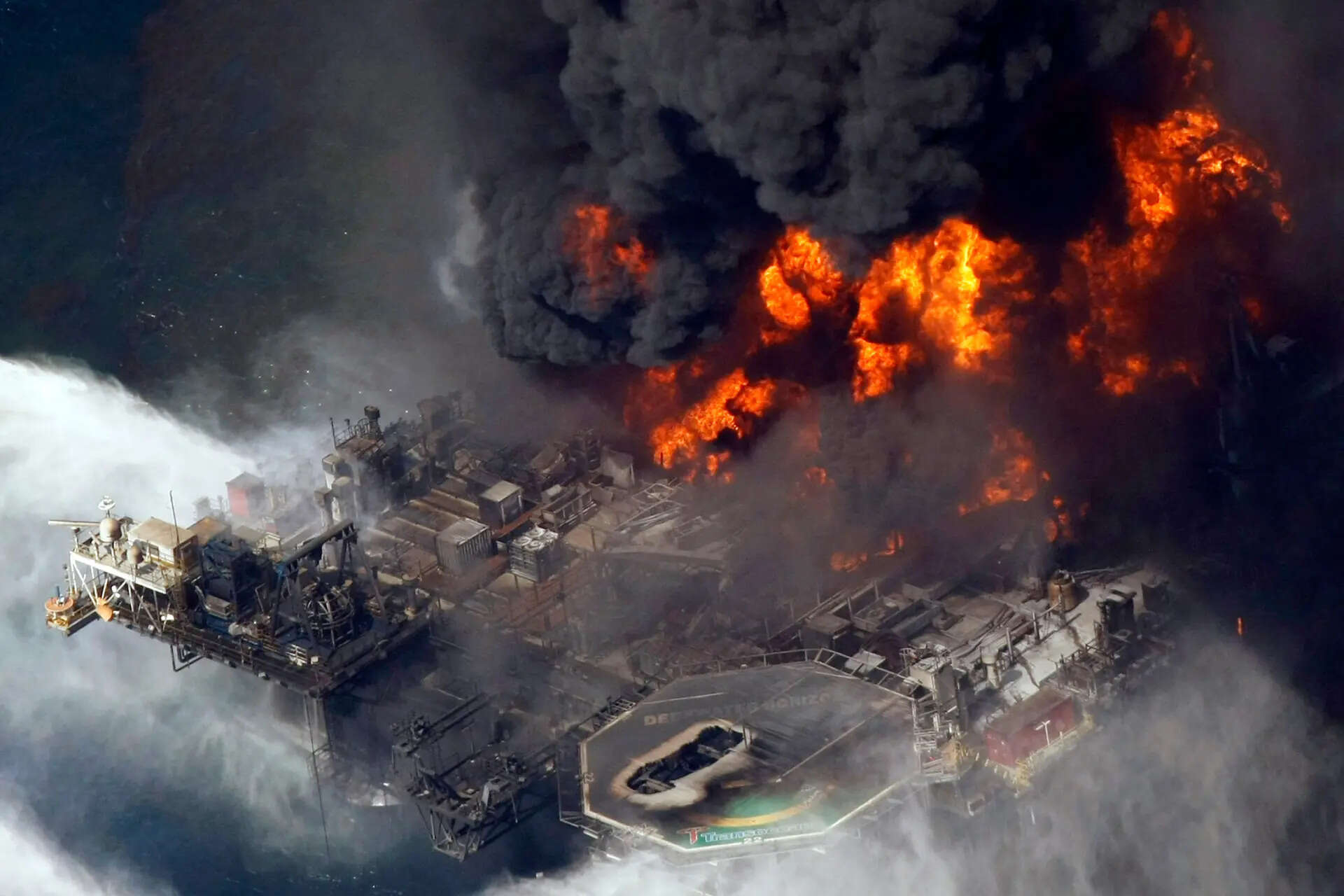
The Gulf of Mexico, where the expanded drilling is expected to take place, is one of the most biologically diverse marine regions in the United States. It is home to at least 20 threatened and endangered species, including sea turtles, corals, manta rays, manatees and multiple species of whales. It is also a region with a well-documented history of environmental damage linked to oil extraction. On April 20, 2010, the Deepwater Horizon oil spill began when an offshore drilling rig exploded roughly 52 miles off the Louisiana coast. Over the following 87 days, an estimated 134 million gallons of oil were released into the Gulf, making it the largest marine oil spill in US history.
Trump administration to rejoin offshore drilling agencies separated after 2010 Gulf oil spill

FILE – The Deepwater Horizon oil rig burns, April 21, 2010, in the Gulf of Mexico more than 50 miles southeast of Venice, La. (AP Photo/Gerald Herbert, File)

The effects were immediate and widespread. Tens of thousands of marine animals died, including dolphins, whales, sea turtles and seabirds. Every species of cetacean in the Gulf, a group that includes whales, dolphins and porpoises, was exposed to oil. While the scale of the damage was visible at the time, scientists have continued to assess its longer-term consequences, particularly for species that were not yet fully understood.More recently, the region has seen fresh incidents that underscore the persistence of such risks. In late March, a large oil spill spread more than 373 miles (600 kilometres) across waters off Mexico’s Gulf coast, seeping into seven nature reserves and disrupting coastal ecosystems. According to reporting by the Associated Press, the spill originated from a vessel, yet to be identified, anchored near the port city of Coatzacoalcos in Veracruz state, along with two “natural seepages.

Mexico Oil Spill

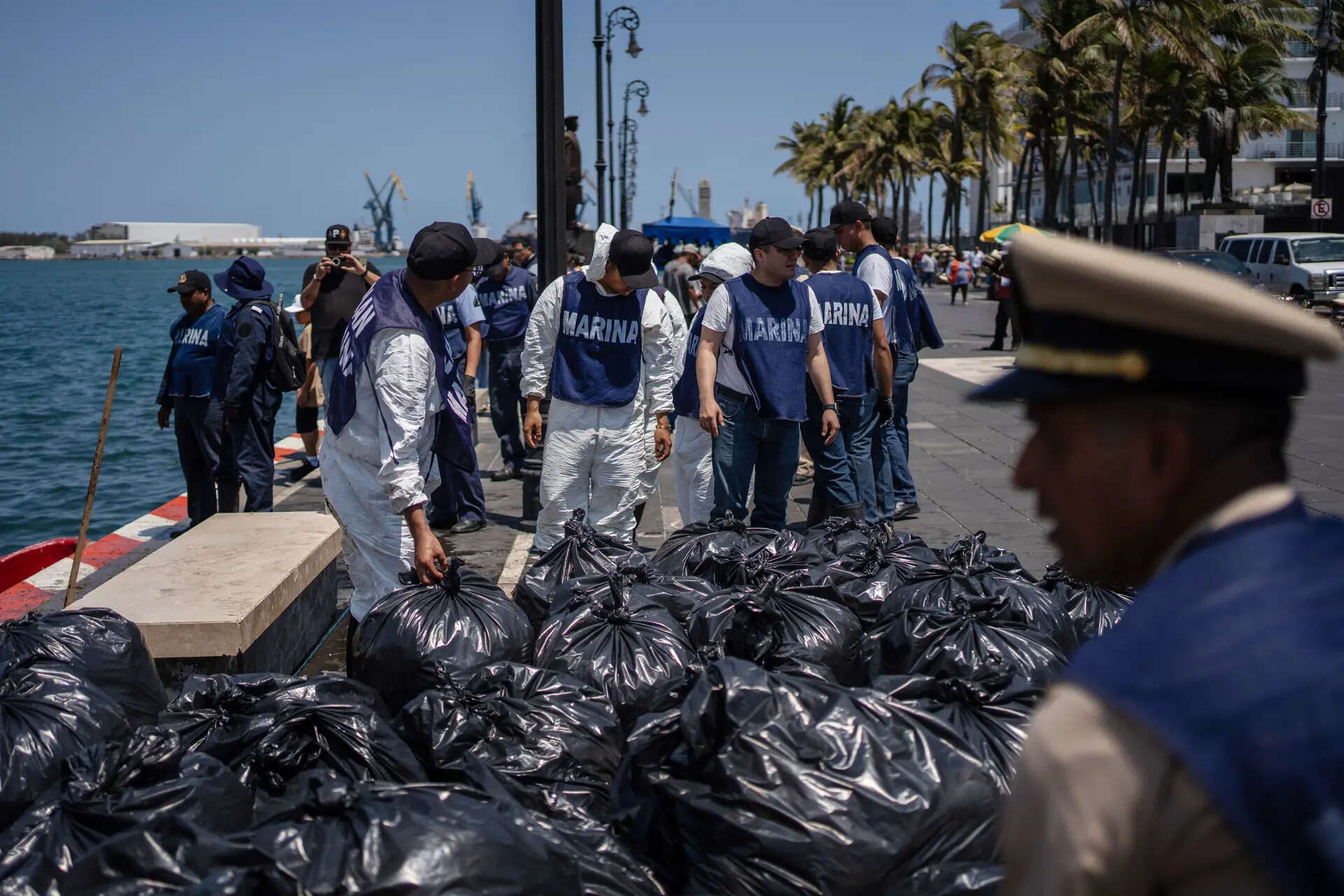
Bags filled with oil-stained sargassum collected by Mexican Navy sailors sit at a port in Veracruz, Mexico, Thursday, March 26, 2026, after Mexican authorities said an oil spill in the Gulf of Mexico originated from an unidentified vessel and two natural oil seeps. (AP Photo/Felix Marquez)

Authorities said around 430 tonnes of hydrocarbons had been collected along the coasts of three Mexican states and ruled out severe environmental damage, but local reports and images showed dead turtles, eels and fish washing up on beaches and near shorelines, while fishing activity in Veracruz, typically at its peak ahead of Holy Week, was sharply affected.

The whale discovered too late

Among those species is the Rice’s whale, a large baleen whale that lives exclusively in the Gulf of Mexico. Although whales of this type had been observed for decades, they were only formally recognised as a distinct species in 2021, following genetic and anatomical analysis of a stranded individual found in the Florida Everglades in 2019. The species was named after marine biologist Dale W. Rice, who in 1965 was the first to write about the presence of what was thought to be Bryde’s whales in the Gulf. Rice’s whales can grow to around 40 feet in length and are believed to inhabit a narrow band of waters in the northeastern Gulf, typically at depths between 100 and 400 metres. Their behaviour makes them particularly vulnerable: they dive to the seabed during the day to feed on specific prey such as silver-rag driftfish, and return closer to the surface at night, where they are more exposed to vessel strikes.
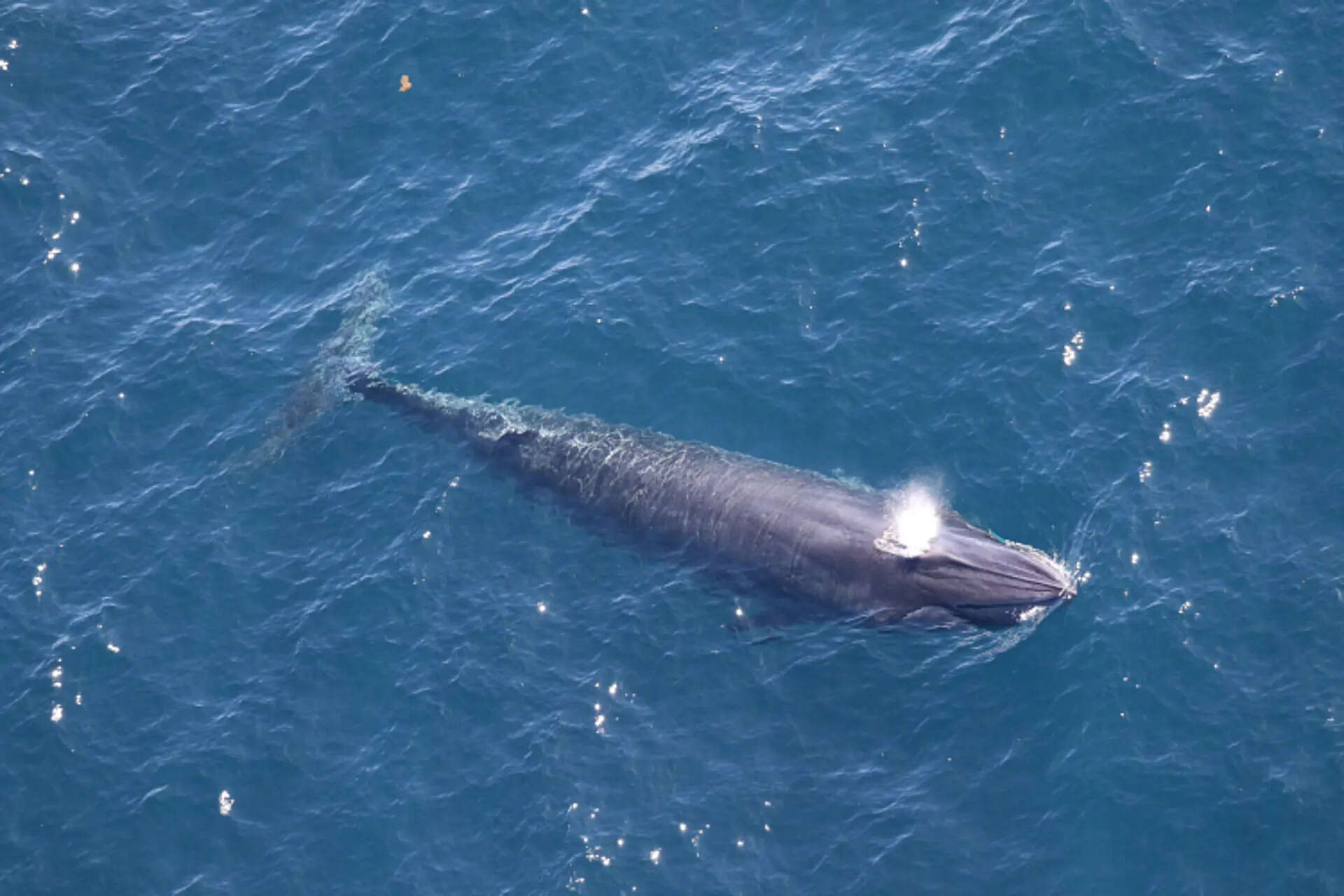
Things to know about Rice's whale, a rare species at risk from Trump plans for more Gulf drilling

In this 2024 image provided by NOAA Fisheries, a Rice’s whale is visible from onboard the NOAA Twin Otter aircraft off the coast of Texas in the Gulf of Mexico. (Paul Nagelkirk/NOAA Fisheries (Permit #21938) via AP)

Their population is critically small. Scientists estimate that fewer than 100 individuals remain, with some assessments suggesting the number could be closer to 50. The impact of the Deepwater Horizon spill on this species has only become clear in recent years. According to the National Oceanic and Atmospheric Administration, exposure to oil contributed to a decline of more than 20% in the population. Jeremy Kiszka, a biological sciences professor at Florida International University, told PBS that the species is “quite living on the edge,” noting that its restricted habitat, specialised diet and exposure to human activity leave little margin for additional stress.

How expanded drilling could affect marine life

Scientists and conservation groups have outlined several ways in which increased oil and gas activity could affect the Gulf’s ecosystem. Direct risks include the possibility of new spills, which could replicate or compound past damage. Even without a major incident, routine operations introduce noise, vessel traffic and pollution into the environment. Noise from drilling and exploration can interfere with whales’ ability to communicate and forage. Increased ship traffic raises the likelihood of collisions, particularly for species like Rice’s whales that spend time near the surface at night. Changes associated with fossil fuel extraction also contribute to broader environmental shifts. As ocean temperatures and conditions change, the distribution of prey species can shift, affecting animals that rely on specific food sources.
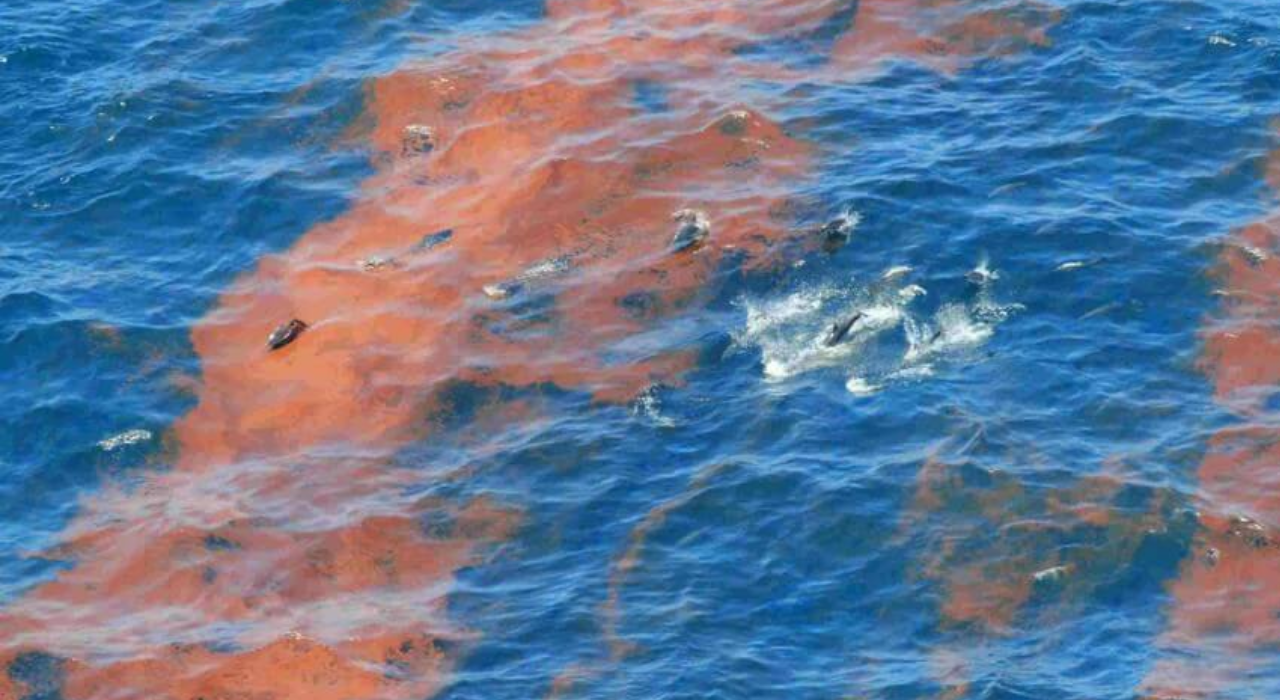
Dolphins swimming in oiled waters in the Gulf (Source: NOAA)

Dolphins swimming in oiled waters in the Gulf (Source: NOAA)

Letise LaFeir, chief of conservation and stewardship at the New England Aquarium, told PBS that many of the broader impacts of climate change are already “baked in,” but added that the expansion of drilling is “just compounding the immediate risks locally and the longer-term risks.” The effects are not limited to whales. Michael Jasny, who directs the marine mammal protection project at the Natural Resources Defense Council, told PBS that the consequences extend across species, listing “sea turtles, manatees, whooping cranes, various seabirds, Rice’s whales, sperm whales” and “endangered corals,” and adding that “it is every endangered or threatened species in the Gulf of Mexico.”

Protections set aside

Prior to the exemption, federal agencies had assessed the impact of oil and gas activity on the Gulf’s ecosystem. In 2025, the National Marine Fisheries Service concluded that such activity would likely lead to the extinction of the Rice’s whale and recommended measures to reduce harm, including limits on vessel speeds. Those measures will no longer apply under the exemption. The decision has drawn strong criticism from environmental organisations, some of which attempted to block the vote through legal action before it was held.
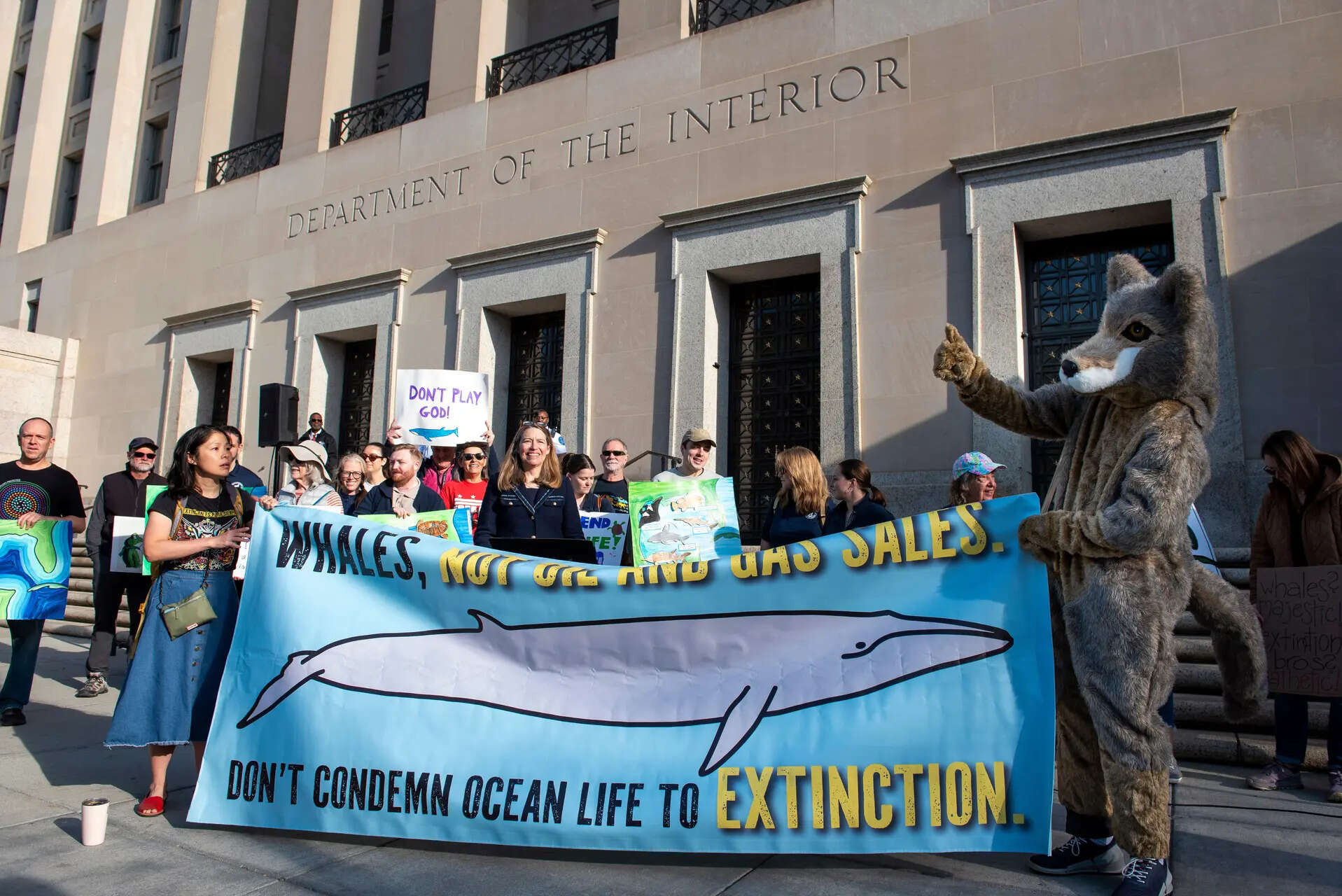
Trump Oil God Squad

Conservation groups rally to oppose the Trump administration’s convening of the Endangered Species Committee, at the Interior Department in Washington, Tuesday, March 31, 2026. (AP Photo/Cliff Owen)

Brett Hartl, government affairs director at the Center for Biological Diversity, told the BBC that “Americans overwhelmingly oppose sacrificing endangered whales and other marine life so the fossil fuel industry can get richer.”There are also concerns about the precedent set by the decision. Michael Jasny warned that if exemptions can be granted in this context, it raises the possibility of similar decisions elsewhere.Jasny said the Trump administration could “turn this … into a thing that could be invoked at any time, almost for any purpose,” questioning, “If it can be done for drilling in the Gulf, why not California? Why not Alaska?”

Industry response and next steps

Industry representatives have defended the decision, arguing that offshore energy development can be carried out alongside environmental safeguards. Andrea Wood, a spokesperson for the American Petroleum Institute, told the BBC that the industry has “a long track record of protecting wildlife while developing offshore energy responsibly,” adding that there needs to be a balance between “science-based protections” and “meeting growing energy demand.” Environmental groups have said they intend to pursue further legal action in response to the exemption.


Source link

Saudi Arabia: Planning for Hajj 2026? Key updates, visa rules, Nusuk registration and important deadlines you shouldn’t miss. world News

Planning for Hajj 2026? Key updates, visa rules, Nusuk registration and important deadlines you shouldn't miss
Haj 2026 preparations ramp up with early visas, strict deadlines and Nusuk booking as registrations exceed 1.2 million globally / Image: File

saudi arabia Preparations for Hajj 2026 (1447 AH) have been accelerated, with earlier visa processing, strict timelines and a fully digital system introduced to manage millions of pilgrims.According to the official timeline, the Hajj is expected to take place between May 24 and May 29, 2026, with international arrivals scheduled from April 18 to May 21.In a major change, the Haj and Umrah ministry started issuing visas from February 8, 2026, a few months before the pilgrimage. This initial rollout is intended to improve coordination and avoid last-minute travel chaos.Saudi authorities have also imposed strict booking deadlines, instructing governments and private operators globally to finalize arrangements well in advance to secure accommodation and transportation.

Nusuk registration, and new Saudi rules

For Hajj 2026, Saudi Arabia has made the Nussuq platform the central system for the entire pilgrimage process. This integrated digital platform now handles everything from visa applications to on-ground services, eliminating the need for multiple intermediaries.Through Nusuk, pilgrims can not only register but also book and manage key components of their journey. These include accommodation and guided service packages in Mecca and Medina intercity transportation. One of the most sought-after features is the ability to book Rawdah (Riyaz ul Jannat) travel permits to the Prophet’s Mosque in Madinah, which are issued in limited slots and must be reserved in advance.The platform also allows pilgrims to:

  • Choose official Hajj packages with approved service providers
  • Arrange airport transfers and internal transportation between holy sites
  • Permission to access major ritual sites
  • Track application status, payment and documentation

Officials say the system improves transparency and prevents fraud, especially after taking action against about 1,800 foreign travel agencies for service violations.As per the latest available updates, more than 1.2 million pilgrims globally have already registered or started applying, indicating strong demand. Final participation is expected to surpass 2 million, similar to pre-pandemic levels.Pilgrims can access Nusuk through its official website (nusuk.sa) or mobile app, and are advised to rely only on authorized channels for booking.

strict deadlines

Saudi Arabia has tightened rules for the transition from Umrah to Hajj in an effort to better manage crowds and prevent unauthorized migration. The government has clearly defined cut-off dates for Umrah pilgrims, ensuring that only registered Hajj participants remain in the country during peak days.Authorities stressed that these measures are necessary to maintain security in Mecca and Medina, where millions of people gather within a short period of time. The focus this year is on strict enforcement, with officials closely monitoring entry, exit and accommodation records through an integrated digital system.Broader regulatory efforts also include improved licensing rules for hotels and transportation providers, ensuring that only approved operators serve pilgrims during the season.

Travel, Flights and Hotels

From a travel perspective, Hajj 2026 is expected to be better organised, but slightly more complicated due to tighter controls and global uncertainties. Airlines in the Gulf and South Asia have already begun adjusting schedules to accommodate the initial travel window, with additional Hajj flights likely to begin operating closer to the departure dates.However, ongoing tensions in the region, particularly between the United States and Iran, have led to some airspace adjustments. Aviation experts say flights are unlikely to be cancelled, but there could be route changes and minor delays, especially on routes crossing sensitive areas.Hotel accommodation in Mecca and Medina is also undergoing strict regulation this year. Saudi authorities have introduced a seasonal licensing system to ensure quality standards, which may lead to limited availability and slightly higher prices in prime areas near the Grand Mosque.Pilgrims are advised to finalize bookings early, stick to authorized platforms and be flexible in travel plans. Those traveling from Gulf countries such as the UAE, Qatar and Oman are expected to benefit from reduced travel times, but will still have to follow the same strict documentation and scheduling requirements.

What does it mean?

For Gulf-based pilgrims, the 2026 Hajj season offers better planning tools but demands tighter discipline. Early visa rollouts and digital systems make the process more efficient, but missing deadlines or failing to meet the requirements may result in disqualification.Saudi Arabia’s approach reflects a broader shift toward a technology-driven, tightly regulated pilgrimage system aimed at improving safety and managing record participation levels. Additionally, changing geopolitical circumstances mean travelers should remain mindful of advisories and plan with extra caution.

Source link

Saudi Arabia travel rules: Saudi Arabia travel ban: Fine up to SR30,000, 5-year ban for banned countries in new ministry rules | world News

Saudi Arabia travel ban: Fine up to SR30,000, 5-year ban for banned countries under new ministry rules
Visit restricted countries? Saudi warned of SR30,000 fine, 2-year ban / Image: File

saudi arabia Introduced new travel rules for its citizens, imposing financial fines and travel bans on those traveling to restricted countries without official approval. The updated rules fall under the Kingdom’s Travel Document Law, which was implemented through executive regulations approved by Interior Minister Prince Abdulaziz bin Saud bin Naif.Under these rules, the Ministry of the Interior is responsible for identifying and updating the list of prohibited sites based on security, political or health considerations.Officials say the move is aimed at tightening compliance and protecting citizens from traveling to high-risk or conflict-affected areas.

Saudi travel penalties explained

The new framework clearly outlines penalties for violations. Citizens traveling to restricted countries without permission face fines of up to SR30,000 and a travel ban of up to two years.However, the punishment becomes much harsher for repeat offenders. In such cases the fine may double to SR60,000, while the travel ban may extend to five years.Officials also indicated that penalties for travel to conflict zones or high-risk areas could increase further, reflecting the seriousness of such violations.In parallel provisions under the same law, misuse of travel documents, including forgery or allowing others to use them, can result in a fine of up to SR100,000 and a travel ban of up to five years, with such cases being referred to the public prosecution.

Why are countries banned?

Saudi Arabia’s travel restrictions are primarily motivated by security, political and public safety concerns, with authorities regularly updating the list of prohibited destinations.According to the Saudi Interior Ministry, citizens are currently barred from traveling to several countries without prior official approval. These typically include nations facing ongoing conflict, political instability or fragile security situations.In recent advisories, the banned list has included countries like Iran, Afghanistan, Yemen, Syria, Lebanon and Somalia, which have been flagged by the authorities from time to time.Officials have clarified that the list is not static and may change depending on global developments, including geopolitical tensions or health emergencies. Travel to these destinations is permitted only in exceptional circumstances and requires prior government approval.The ministry emphasizes that these restrictions are preventive, designed to protect Saudi citizens from entering high-risk environments and avoid legal, diplomatic or security complications abroad.

impact on citizens

The rules are enforced through official travel systems, meaning violations can result in immediate consequences, including being stopped at departure points or flagged upon return.Although the law is strict, limited exceptions may apply. Authorities have noted that penalties may be reduced in specific cases, such as family ties in the destination country, short transit stays of more than 48 hours, or travelers over 60 years of age.Additionally, additional penalties exist for related violations. Providing false information in travel documents can result in a fine of up to SR5,000, while more serious offenses involving document tampering or misuse can be escalated to legal authorities.Authorities have urged citizens to check official advice before traveling and obtain necessary approvals, warning that ignoring the law will not give violators immunity.

Source link

How to Survive Over Enemy Territory After a Jet Goes Down – The Downed Pilot’s High-Risk Journey

How to Survive Over Enemy Territory After a Jet Goes Down - The Downed Pilot's High-Risk Journey

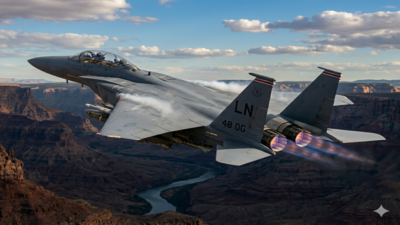
Military aviation experts have outlined what it takes for a fighter pilot whose jet was shot down to hide behind enemy lines, survive and be rescued by extraction troops, as US crews conduct search and rescue operations after a US Air Force F‑15E Strike Eagle was reportedly downed by Iran on Friday.According to reports, one crew member – possibly the pilot – has been rescued, and the search is on for the other crew member.

Watch

On camera: Iran shoots down Israeli F-16 fighter after hitting 4 US jets, helicopters?

Read this also US jet shot down in Iran: Israel says one pilot rescued, search for second underwayRetired US Air Force Brigadier General Houston Cantwell recalled to AFP, “You’re like, ‘Oh my God, I was in a fighter jet two minutes ago flying at 500 miles an hour and a missile exploded 15 feet from your head.’Cantwell explained that a pilot’s training – known as survival, evasion, resistance and escape (SERE) – would likely begin before parachuting to the ground. He added, “Your best view of where you want to go or where you want to avoid is when you’re coming down with your parachute.”Read this also Iran has announced a reward of $ 60,000 for American pilots after shooting down the fighter jet.He warned that parachuting carries the risk of foot, ankle and leg injuries. The former airman said, “There are many stories of Vietnam survivors who suffered serious injuries simply because of ejection – compound fractures.”Once on the ground, pilots must immediately assess their situation. “Take stock of yourself to find out what state I am in? Can I even move? Am I even dynamic?” Cantwell observed.They then determine their location, whether they are behind enemy lines, and how best to hide or communicate. He added, “Try to avoid enemy capture as long as you can. And if I were in a desert environment, I’d try to find some water.”Read this also ‘Can anyone find our pilots? Please?’: Iran mocks US after loss of US jetCombat Search and Rescue (CSAR) teams play a vital role. “It gives you peace of mind … they’ll do everything they can to get you. Plus, they’re not going to be on a suicide mission,” Cantwell said.For a missing crew member, concealment is the top priority. “I want to try to get to a place where I can be fired.” Movement is usually safest at night, using rooftops in cities or fields in rural areas suitable for helicopter pickup.Cantwell also noted that pilots often carried personal weapons, such as pistols, to increase their chances of survival.‘Extraction soldiers are always ready’Meanwhile, Scott Fells, a retired master sergeant and former CSAR member, said evacuation troops are always on standby whenever American aircraft fly over enemy territory.Read this also ‘One after another’: Iran shoots down another US jet after F-15E crashes in Hormuz; WatchFales, who worked as a pararescue jumper, played a key role in the “Black Hawk Down” incident in Mogadishu, Somalia in 1993.“Before carrying out any operation… there is always a CSAR plan,” he told AFP.Also, intelligence teams collect and analyze every detail about the missing aviator. “Everything from human intelligence to imagery intelligence to all the different drones that we’re looking at – all the way to signals intelligence,” Fels explained. “All of this is being done to try to find this guy.”Once the aviator is located, a rescue plan is developed in real time inside the helicopter. He said, “They’re watching the gunners and looking for threats; the pilots are looking for a place to land, we’re getting to that downed aviator.”On the ground, the crew confirm the pilot’s identity and assess threats against medical needs. Fels described the process: “What kind of immediate danger are we in? How much time do we have to get this person out? What kind of injuries do they have? And then we’ll make up our mind what type, amount of treatment is necessary at the scene – or will we just grab and go, depending on the danger?”

voting

Should the US government continue to prepare CSAR plans for future military operations?

With a fellow soldier still missing in southwestern Iran, Fales remains cautiously optimistic. He said, “I’m hoping friendly people have found him and are hiding him, or he’s still escaping.”The US has suffered several air casualties during the ongoing United States-Israeli military campaign against Iran, which the Trump administration has dubbed Operation Epic Fury. In early March, three F‑15E jets were downed in a friendly fire incident in Kuwait, although all six crew members were recovered safely. A few days later, a KC‑135 Stratotanker crashed in western Iraq, killing all six crew.

Source link

Petrol shock, free travel and more: How Pakistan is dealing with Hormuz energy crisis?

Petrol shock, free travel and more: How Pakistan is dealing with Hormuz energy crisis?

The Middle East crisis has dragged on for more than a month, causing a stir around the world. While some countries are increasing fuel prices, others are introducing other measures to protect consumers from the impact while balancing energy reserves. Pakistan is no stranger to current energy instability as the country imports about 85% of its supplies through the Strait of Hormuz. The Pakistani government has already increased petrol prices several times since the conflict began, with the last increase taking place on Friday. The sharp rise in fuel prices prompted the government to impose emergency relief measures, including free public transport in key areas, as public anger spilled onto the streets. Commuters in Islamabad and Punjab will not have to pay fares on government transport for the next 30 days, officials announced on Friday.

Balancing the Hormuz Crisis and Consumer Interest

Large scale unrest broke out after petrol prices were increased by 42.7% to Rs 485 per liter overnight, leading to protests and long queues at fuel stations. However, following public outcry, Pakistan PM Shehbaz Sharif later revised the hike, bringing petrol down to Rs 378 per litre. “This reduction will be in place for at least a month,” he said during a televised address, adding, “I promise I will not rest until your life returns to normal.”Talking about diesel prices, the government had increased the price of HSD by PKR 184.49 per liter from PKR 335.86 to PKR 520.35, but abolished the levy, bringing some relief to citizens.Giving details of the relief measures, Interior Minister Mohsin Naqvi said, “All public transport in Islamabad will be made free for the general public for the next 30 days starting tomorrow (Saturday),” noting that the government will bear the cost of Rs 350 million.Punjab, reflecting this move, has removed fares on public transport and introduced “targeted subsidies” for trucks and buses. CM Maryam Nawaz Sharif also appealed to transport operators not to burden passengers, saying, “We promise to relieve the public from the financial burden as soon as the situation improves.”In Karachi, similar steps have been taken by the Sindh government, which has announced subsidies for motorcyclists and small farmers.

Pakistan is under stress due to Middle East tension

The development comes against the backdrop of escalating global energy disruptions linked to the US-Israel war over Iran, which began on February 28. The conflict led to retaliatory attacks across the Gulf and disrupted movement through the Strait of Hormuz, a vital route for energy supplies, particularly to Asia.To manage the strain, Pakistan has introduced a series of fuel-saving measures, including a four-day workweek for many government offices, extended school holidays and, in some cases, a shift to online classes.Economic pressures are being felt sharply in a country where about 25% of its population of 240 million lives in poverty, according to World Bank data. Earlier in March, fuel prices had already been raised by 20 per cent, with officials initially opposed to further hikes.Protests broke out in Lahore on Friday, where protesters demanded the government to roll back the hike. Protester Naveed Ahmed, 39, said, “The government has dropped ‘petrol bombs’ on its own people overnight.” “Our country cannot tolerate this situation right now. This storm of inflation has to be stopped and the public has to be provided relief.”Another protester, Hafiz Abdul Rauf, questioned the logic behind the increase, saying, “The increase we are seeing is not because of the (Iran) war, but because of pressure from the IMF, the pressure must be resisted. For God’s sake, step back from these demands and show some compassion for the people.”The pressure is not limited to Pakistan. Bangladesh also increased the prices of liquefied petroleum gas and compressed natural gas by 29%. Meanwhile, the International Monetary Fund warned earlier this week that weaker economies face not only rising energy costs but also disruptions to supply chains. On March 28, it said it had reached a preliminary agreement with Pakistan on a $1.2 billion support package.

Source link

‘One after another’: Iran shoots down another US jet after F-15E crashes in Hormuz; Watch

double kill! Iran destroys A-10 Warthog attack jet after dramatic F-15 crash report

Iran shot down another US jet, an A-10, which crashed in the Strait of Hormuz just after shooting down the F-15E. The Iranian Embassy in South Africa shared a footage of the incident on Twitter and taunted, “You are not watching the movie again and again.It said, “Nowadays, you see such scenes a lot. You don’t see movies again and again. These are American fighter planes being shot down one by one. This time it was an A-10 jet.”

Watch

double kill! Iran destroys A-10 Warthog attack jet after dramatic F-15 crash report

A US Air Force fighter plane crashed in the Persian Gulf region on Friday, the NYT reported, quoting two Americans, whose sole pilot was rescued safely.The Fairchild Republic A-10 Thunderbolt II went down near the Strait of Hormuz at the same time as a McDonnell Douglas F-15E Strike Eagle was shot down over Iran, officials said.Officials have shared limited details about the A-10 crash, including the circumstances and exact location.In the earlier incident, one crew member was rescued while search and rescue teams are still trying to locate the other pilot.

Source link

Boiling continues in Middle East: Iran rejects US’s 48-hour ceasefire proposal

Boiling continues in Middle East: Iran rejects US's 48-hour ceasefire proposal

Iran has reportedly rejected a US offer of a short-term ceasefire, according to an unnamed source cited by the country’s semi-official Fars news agency. As cited by Reuters, the source told Fars that the resolution, which called for a halt to hostilities for 48 hours, was put through an unnamed mediating nation on Wednesday. The rejection comes as the Middle East enters its fifth consecutive month of war, with no end in sight. Earlier on Friday (local time), Iran targeted another US aircraft near the Strait of Hormuz, shooting down an A-10 Warthog attack aircraft, US officials confirmed. The Iranian military claimed responsibility for the attack. This is the second US jet shot down by Iran this week, after an F-15 fighter plane was shot down in the previous attack.As the war has escalated, efforts to mediate between the two sides by regional countries, including Pakistan, have also failed to make progress. Iran has told mediators that it does not intend to hold talks with US officials in Islamabad in the coming days and considers the US demands unacceptable. Additionally, Türkiye and Egypt are also exploring alternative venues for possible discussions, with Qatar and Istanbul also being considered.Tension has also increased due to the recent comments of US President Donald Trump. A senior Iranian official rejected Trump’s claim that Iran’s “new regime president” had called for a ceasefire. In response, the official dismissed Trump’s social media posts saying, “The President of Iran’s new regime … has called for a ceasefire with the United States!”According to a senior Iranian source cited by Reuters, Tehran is instead pushing for a guaranteed ceasefire that would end the conflict permanently. The source said that although mediators reached out on Tuesday to continue diplomatic engagement, there was no discussion about a temporary ceasefire.Iranian officials have also publicly opposed Trump’s statements. The Consulate General of Iran in Mumbai criticized his remarks in a post on Twitter, saying, “On April Fool’s Day, it’s almost poetic that Donald Trump still managed to outdo the jokes; talking about a “new” Iran president when Dr. Pezeshkian has been in office the entire time.”“Reality check: Presidents aren’t replaced with tweets…that’s what elections are for,” it said.Meanwhile, Iran’s Foreign Ministry reiterated its stand and rejected the claim that Tehran had sought a ceasefire. “Trump’s statements about Iran’s ceasefire request are false and baseless,” spokesman Esmail Baqai was quoted as saying by state television.This development comes as the Middle East crisis has gone on for over a month and tensions are still rising. After the United States and Israel launched joint attacks on Iran, Tehran responded by blocking the key Strait of Hormuz, sending global oil markets into turmoil.

Source link

‘Game changer’: English town stopped mowing 8 miles of grass and nature immediately came back, saving £25,000 a year world News

'Game changer': English town stopped mowing 8 miles of grass and nature instantly came back, while saving £25,000 a year.

A quiet policy change in Rotherham has become one of the most talked-about examples of low-cost environmental change. In 2013, the city decided to stop mowing large sections of roadside grass and replace them with wild flowers. What happened next was unexpected. Maintenance costs dropped significantly, wildlife returned in noticeable numbers and the once plain shores transformed into colorful corridors of life. Today, the project is widely seen as a simple but powerful model of how cities can save money while supporting biodiversity.

How £25,000 was saved without mowing and nature was revived

The initiative began as part of a broader rethinking of how urban green spaces are managed. Rather than treating roadside verges as areas that required constant trimming, the council explored whether they could serve a more ecological purpose.Approximately 8 miles of meadows were selected and replanted with a mixture of carefully selected wild flowers. These were designed to ensure blooms throughout the season, constant color and a steady food source for pollinators. The project soon became known as the “River of Flowers”.Before the change, maintaining these banks required repeated mowing, labor and traffic management, increasing costs. By reducing logging and switching to seasonal maintenance, the city significantly reduced its expenses.The result was a saving of around £25,000 per year, showing that environmental initiatives do not always require large investments. In this case, doing less work actually produced better results.One of the most surprising results was how quickly the wildlife responded. As the wild flowers took hold, the verges began attracting bees, butterflies and other pollinators almost immediately.Birds also returned, attracted by the increase in insects and seeds. These roadside strips effectively became miniature ecosystems, helping to restore habitats that had been disappearing for decades across Britain.

more than letting the grass grow

Despite its simplicity, the project wasn’t just about stopping mowing entirely. This involved planning and design.The flower mix was selected as follows:

  • bloom at different times of the year
  • provide a constant nectar source
  • Maintain visual appeal in all seasons

In some areas, a narrow strip near the road was still regularly mowed to ensure safety and visibility, while the rest was left to grow.

'Game changer': English town stops mowing 8 miles of grass, saves £25,000 and revives nature

The perspective of seeing cities as ‘clean’ is changing

The project also challenged long-held ideas about what urban space should look like. Traditionally, neatly cut grass is seen as a sign of care, while tall vegetation is often seen as neglect.Rotherham’s approach showed that the wild look could be both deliberate and beneficial. Over time, public perception began to change as residents saw the environmental and aesthetic value of the change.The success of the project has attracted the attention of other councils and environmental groups. It has become an example of how small, practical changes can lead to multiple benefits.As cities look for ways to reduce costs and improve sustainability, similar initiatives are being considered and adopted elsewhere.

What does this mean for individuals

The idea behind the project is not limited to councils. Individuals can apply the same principles on a smaller scale.Allowing parts of the garden to grow wild, planting native flowers or reducing the frequency of mowing can all contribute to local biodiversity. Even a small piece of land can support pollinators and create micro-habitats.Rotherham’s Wildflower Verge shows that meaningful environmental change does not always require complex solutions. By rethinking a routine practice, the city managed to save money, support wildlife, and reshape the way we perceive the urban landscape.It’s a reminder that sometimes, the most effective action is to simply step back and let nature do the work.

Source link

Tipu’s ghost and Trump’s jibes haunting the transatlantic Franco-American rift

Tipu's ghost and Trump's jibes haunting the transatlantic Franco-American rift

TOI correspondent from Washington: In the hallowed halls of the White House and the Elysee Palace, the United States and France have managed to make a centuries-old alliance seem more contemporary: a full-blown, transatlantic group chat gone wrong.The latest rift in this historic alliance – the bond dates back to when the French were helping Americans avoid British tea taxes at the expense of India – did not come through the wine dispute or the cheese dispute. Instead, it was presented with the flair of a man who treats the global stage like a domestic debate. During a private lunch on Tuesday, US President Donald Trump suddenly pivoted from the intricacies of the Persian Gulf naval blockade to the dynamics of the Macron marriage.Mocking President Emmanuel Macron’s hesitation to fully commit French forces to the offensive mission, Trump launched a volley of personal jabs, claiming that Macron’s wife treats him “extremely badly” and that he is “still recovering from the jaw.” The comment, made in a dramatic French accent to mock Macron, referred to a viral video of Macron’s domestic feud, which has been widely exploited by the tabloid media. From the Elysee Palace, the response was vintage Macron: chilling, intellectual and devastatingly sarcastic. “Neither elegant nor up to standard,” Macron sneered, effectively informing the leader of the free world that he was behaving like a man who puts ketchup on a Michelin-starred steak. “We all need stability…peace,” she said in French, “This is not a TV show!”

Watch

Internal turmoil in the US leadership has increased due to Trump’s dismissal of top officials amid the Iran war. Watch

Behind the personal squabbling lies a growing geopolitical divide. While Washington has been banging the drums of war on Iran, Paris has adopted a posture of strategic autonomy, with Macron insisting that NATO – an organization that Trump describes with an affection usually reserved for the persistent rash – is a “Euro-Atlantic” alliance, not a global delivery service for American intrusions.The irony of this ingratitude is not lost on those who remember that if it had not been for the French the present United States would have been a collection of very polite British colonies. In 1778, King Louis XVI not only sent thoughts and prayers; He sent a fleet that broke the back of the British at Yorktown.However, French generosity came with a price to be paid in Deccan India. While helping the Americans, France was simultaneously ghosting Tipu Sultan, who famously pleaded for French aid. But Louis XVI had spent so much treasure on the Americans that he had nothing left for his allies in the East. By 1783, the Americans had gained their independence, and France, by failing to support Tipu, had essentially paved the way for British dominance in India. It seems that the American Dream was partly financed by the abandonment of the Tiger of Mysore. Fast forward to 2026, and the Brotherhood of Franco-American Revolutions looks like a messy, public divorce. In the halls of the Elysee, there is a growing feeling that the Statue of Liberty was a gift that should have come with a 250-year return policy. Yet, for all the drama, Franco-American relations have proven remarkably resilient. After all, this is a partnership that has survived revolutions, world wars, trade disputes, and prolonged debates over cheese. What makes the current moment unusual is not just the policy divergence, but also the style. Macron speaks the language of norms, institutions and carefully vetted diplomacy. Trump employs the language of rallies, headlines, and off-handed comments about other people’s weddings. It is less a clash of nations than of political cultures.

Source link