Breaking News
Expatriate alert: Dubai tightens housing rules, shared apartment violations could attract Dh1 million fine

Expatriate alert: Dubai tightens housing rules, shared apartment violations could attract Dh1 million fine
Bed-space living under fire in Dubai as new law raises fine from Dh500K to Dh1 million

Dubai has introduced a sweeping new law aimed at regulating shared accommodation and split-style living arrangements, with violators facing fines of up to Dh500,000 and repeat offenders up to Dh1 million. The law is one of the strongest steps yet taken by the emirate to tackle overcrowding, illegal “bed-space” rentals and unsafe housing practices at its growing properties. market.The new regulation comes at a time when Dubai’s population and rental demand is growing, leading some residents to turn to shared housing arrangements that often fall into legal gray areas. Officials say the law aims to balance affordability for residents with strict safety and quality standards for housing.

Why is Dubai now targeting shared housing?

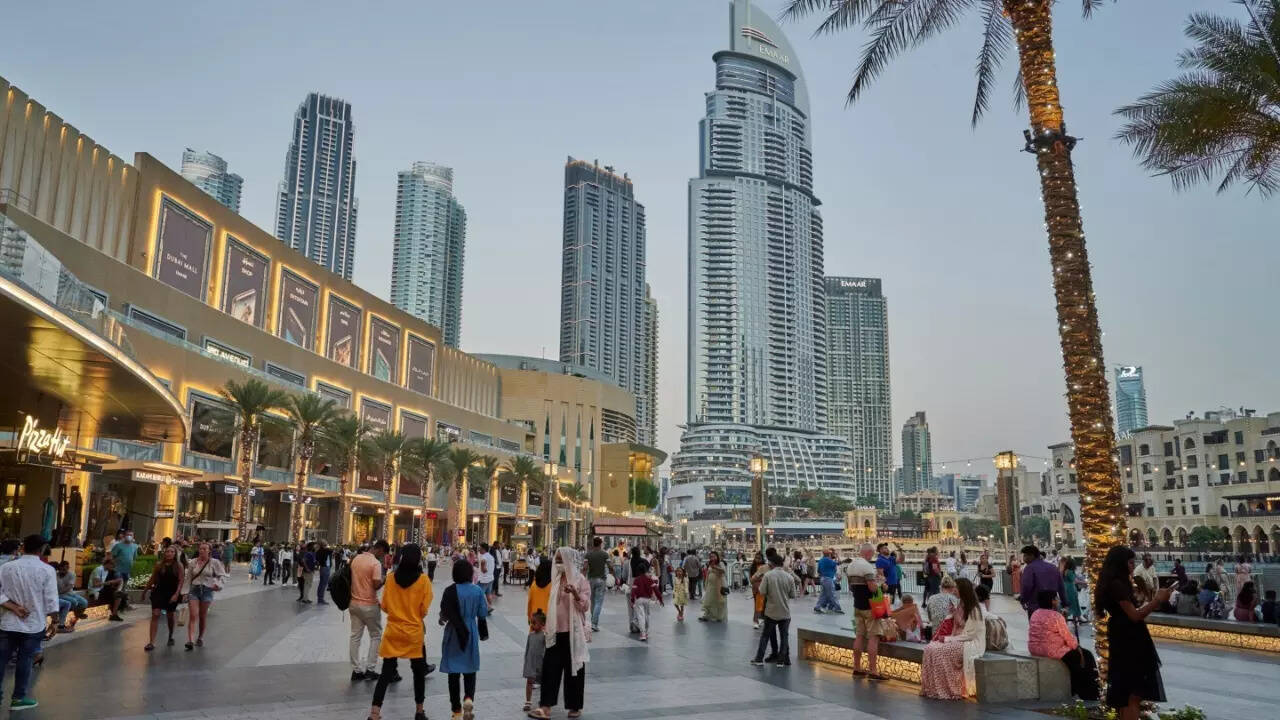
Shared housing, sometimes known locally as “bed space” living, has long been common in Dubai, especially among low- and middle-income expatriate workers trying to manage rising rents. In many neighborhoods, landlords or tenants convert apartments into multiple partitions or rental beds, allowing multiple people to live in the same unit.
Renting a bed-space in Dubai? The new law may cost you up to five lakh dirhams

Renting a bed-space in Dubai? The new law may cost you up to five lakh dirhams

However, such setups can create serious safety, sanitation, and overcrowding concerns, especially when properties are modified without approval or occupancy limits are ignored. Officials have previously warned that illegal partitions could block ventilation, compromise fire safety and make emergency evacuation difficult. Dubai’s latest law is designed to curb these risks while bringing greater transparency to the rental market.

Dubai’s main rule: Permit required for shared accommodation

The central provision of the new law is straightforward: No individual or company can designate a property as shared accommodation without obtaining an official permit. This means that landlords, property managers and companies must obtain regulatory approval before operating or advertising shared housing units.Authorities will regulate many aspects of shared accommodation, including:

  • occupancy limit
  • safety standards
  • Sanitation and living conditions
  • suitability of building
  • operators license

By introducing formal licensing requirements, Dubai aims to move shared housing from an informal arrangement to a regulated segment of the property market.

Dubai Housing faces fines of between Dh500,000 and Dh1 million for repeat offenses

The law comes with some of the harshest penalties seen in the emirate’s housing sector. Violations can result in fines ranging from Dh500 to Dh500,000, depending on the severity of the offence. If the same violation is repeated within a year, the fine can double to a maximum of Dh1 million.Authorities also have the power to impose additional restrictions, including:

  • suspending activity for up to six months
  • cancellation of permit
  • Cancellation of business license
  • disconnecting public utilities
  • Evicting occupants from non-compliant units

These measures reflect Dubai’s intention to aggressively enforce the new law.

Problem of overcrowding in Dubai apartments

Overcrowding has long been a major issue in some districts with high concentrations of shared housing. Dubai’s housing regulations generally require a minimum amount of space per resident, with overcrowding defined as more than one person occupying five square meters of living space.Industry guidance often translates this into practical limits such as –

  • Studio Apartment: up to 2 residents
  • 1-bedroom units: about 4 inhabitants
  • 2-bedroom units: about 6 residents
  • 3-bedroom units: about 9 residents

When landlords exceed these limits by renting out partitions or beds, it can lead to cramped living conditions and raise safety concerns.

A long-running issue in Dubai’s rental market

Illegal partitioning and subletting has been a persistent challenge for Dubai authorities. Inspections carried out by municipal teams previously targeted neighborhoods such as Al Barsha, Deira, Satwa and Al Rigga, where overcrowded apartments and unauthorized partitions were found. In many cases, tenants subdivide rooms using temporary walls or wooden boards to create additional sleeping areas. Although this allows residents to share the cost of rent, it often violates building regulations and tenancy agreements.

Dubai's new housing law could shut down illegal bed-space rentals

Dubai’s new housing law could shut down illegal bed-space rentals

Under existing rental laws, tenants are already prohibited from sub-letting or sharing apartments without the landlord’s permission, and all occupants must be registered on a tenancy contract (Ejari). The new shared accommodation law strengthens these rules and introduces clearer enforcement mechanisms.

Why does shared housing exist in Dubai?

Despite regulatory concerns, shared housing remains a reality in Dubai’s housing ecosystem. The emirate’s rapid economic growth has attracted millions of expatriate workers, many of whom earn modest wages and rely on shared accommodation to defray the cost of living.For example:

  • A single room in central Dubai apartment This can cost thousands of dirhams monthly.
  • Bed-space rental, where individuals rent a single bed rather than an entire room, can reduce costs significantly.

This has created a thriving informal market for shared living spaces. However, officials say regulation rather than prohibition is the goal. By licensing shared accommodation operators, Dubai hopes to allow affordable living options while ensuring safety and compliance.

Impact of new housing law on landlords and property owners in Dubai

The new law will have a significant impact on landlords and property investors. Property owners who previously allowed informal bed-space rentals may now be required to:

  • apply for permit
  • Modify properties to meet security standards
  • limit occupancy numbers
  • Register Tenants Officially

Failure to comply can result in heavy fines or suspension of rental activities. However, for landlords operating legally, the law may actually help reduce unfair competition from illegal operators.

What Dubai tenants need to know

For tenants, the new rules have several implications:

  1. Check if your accommodation is licensed – Tenants should ensure that the necessary permits are in place for the shared accommodation arrangement.
  2. Avoid illegal bed-space rental – Living in unauthorized shared accommodation can lead to eviction if the authorities close the property.
  3. Make sure your name is on the tenancy contract – Official registration protects tenant rights and avoids legal complications.
  4. Keep an eye on the risks of overcrowding – Unsafe living conditions may violate the law and subject tenants to penalties.

Dubai’s comprehensive effort to improve housing standards

The shared housing regulation is part of a broader strategy by Dubai to increase safety, quality and transparency in its property sector. In recent years, the emirate has introduced a number of reforms targeting building safety standards, worker housing regulations, illegal partitioning and sub-letting, and tenant protection mechanisms.Officials say these policies are necessary as Dubai’s population is growing rapidly and demand for housing is increasing. Industry experts believe the new law could reshape parts of Dubai’s rental market.Possible outcomes include:

  • Less illegal partitioning and bed-space rent
  • More regulated shared accommodation facilities
  • High compliance costs for landlords
  • Better safety standards for residents

Some analysts also speculate that stricter enforcement could temporarily reduce the supply of low-cost housing, potentially increasing demand for regulated shared living developments. Dubai’s new shared accommodation law sends a clear message that affordable living arrangements are allowed, but only if they meet safety and legal standards.By imposing fines of up to Dh500,000 and potentially Dh1 million for repeat violations, authorities are signaling that overcrowding and unlicensed housing will no longer be tolerated. For a city that prides itself on world-class urban planning and high standards of living, this action is another step towards ensuring that rapid growth does not come at the expense of safety or quality of life.

Source link

Indian passenger flees Doha after Chennai to Barcelona flight stuck amid Iran vs US-Israel war, crosses desert to reach Riyadh

Indian passenger flees Doha after Chennai to Barcelona flight stuck amid Iran vs US-Israel war, crosses desert to reach Riyadh
Indian man stranded in Doha when Iran vs US-Israel war broke out, dared to flee the desert to Riyadh

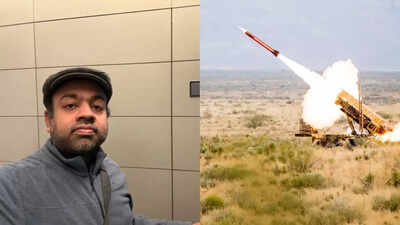
The dramatic story of an Indian traveler stranded in Qatar has gone viral after he decided to skip waiting for flights and take a long desert road trip. saudi arabia To continue your journey home. The incident, highlighted in a viral video report, reflects the wider travel crisis spanning the world middle east The conflict involving Iran, Israel and the United States disrupts airspace and leaves thousands of passengers stranded at major transit hubs.The passenger, Varun Krishnan, was originally flying from Chennai in India to Barcelona in Spain when heightened regional tensions forced airlines to suspend or divert flights across the Gulf. When his journey stopped in Doha, Krishnan decided that the quickest way forward would be not through the airport but across the desert.

A routine flight that suddenly stopped amid the Iran vs. US-Israel war

Krishnan’s journey began as a routine international trip, a flight from southern India to Europe with a connection in Qatar, but as soon as he landed in Doha, the security situation in the region deteriorated rapidly. Military attacks linked to the escalating Iran–Israel–US conflict led to widespread airspace restrictions in parts of the Gulf. Airlines began suspending flights, diverting routes, and canceling schedules.Major transit hubs such as Doha and Dubai, among the world’s busiest aviation gateways, suddenly faced massive disruption. Thousands of travelers were left stranded as airlines canceled thousands of flights, one of the biggest travel disruptions since the COVID-19 pandemic. For passengers like Krishnan, this meant an indefinite wait at the airport with no certainty as to when flights would resume.

Chose desert route instead of airport while stuck between Iran vs US-Israel war

Faced with increasing uncertainty, Krishnan decided not to wait. Instead of staying in Qatar in hopes of resuming flights, they chose an unusual route to cross the desert from Qatar to Riyadh in Saudi Arabia. The plan involved leaving Doha by road, crossing the Qatar–Saudi Arabia border, reaching Riyadh airport and attempting to continue their international journey from there.This journey meant traveling for hours through remote desert highways, a stark contrast to the convenience of modern air travel, but in a crisis where flights disappear overnight, such routes may become the only viable option.

Travel chaos in the Middle East amid Iran vs. US-Israel war

Krishnan’s story is not an isolated case. Thousands of travelers, tourists, migrant workers and transit passengers are stuck in similar situations across the region as the conflict escalates. Airspace closures and security alerts have forced airlines to cancel flights or reroute planes to longer and more expensive routes.In some cases, governments have advised their citizens to stay indoors until the security situation stabilizes. The scale of the disruption has been huge. Reports suggest thousands of passengers have been forced to leave for flights out of the Middle East during the crisis as airlines struggle to restore operations.With airports overcrowded and tickets selling out fast, many travelers have resorted to alternative routes, including long road trips, emergency visas or transit through multiple countries.

Indians also among most affected travelers amid Iran vs US-Israel war

Indian citizens have been particularly affected by the crisis due to the large number of Indian workers and tourists in the Gulf countries. Thousands of Indians travel through Gulf airports every day as the region serves as a major transit hub connecting India with Europe, North America and Africa. When flights were disrupted due to the conflict, many Indian passengers found themselves stranded in Doha.Reports suggest that more than 500 Indians were stranded in Qatar during the crisis, prompting diplomatic efforts and special flights to bring them home. In the days following the disruption, the Indian Embassy in Doha coordinated evacuation flights, helping hundreds of stranded passengers return to cities such as Delhi, Mumbai and Kochi. However, many travelers still had to find their own solution while waiting for official assistance.Krishnan’s road trip mirrors other notable travel stories emerging from the crisis. One widely reported case involved an American doctor stranded in Qatar whose flight was forced to turn back after hostilities escalated. To reach home, he traveled through several countries, including Saudi Arabia, Ethiopia and Italy in a 62-hour journey across four continents before reaching the United States.Such stories highlight how quickly modern travel networks can collapse during geopolitical emergencies. For travelers stranded in the middle, returning home may require buses, taxis, multiple flights and complex long-distance routes.

Why does airspace closure cause global travel chaos?

Airspace disruption in the Middle East has global implications as the region sits at the crossroads of international aviation. Flights between Europe, Asia and Africa often pass through the Gulf air corridors. When these routes are closed, airlines have to either cancel flights or reroute planes thousands of kilometers around conflict areas.This produces several cascading effects:

  • flight cancellation
  • long travel time
  • High fuel costs for airlines
  • Huge passenger backlog at airports

The result is a chain reaction that disrupts global travel beyond the region.

Governments and airlines rush to help stranded passengers amid Iran vs. US-Israel war

As the crisis unfolded, airlines and governments began introducing emergency measures to assist stranded passengers. These efforts include:

  • special evacuation flights
  • Flexible ticket changes and refunds
  • Consular assistance from embassies
  • Temporary transit arrangements in neighboring countries

Many airlines operating in the region, including major Gulf carriers, have gradually begun to resume flights as airspace conditions improve. However, officials warned that disruptions could continue as long as regional tensions persist.

travel to conflict zones

For many travelers, the crisis is a reminder of how quickly geopolitics can disrupt everyday life. Air travel has become so routine that most travelers rarely consider the delicate network of air corridors, diplomatic agreements and security conditions that keep planes flying safely across borders. But when war breaks out near major aviation routes, the consequences can be immediate.Flights disappeared from departure boards. Airports become filled with stranded passengers and travelers suddenly have to improvise new routes in unfamiliar countries. In that sense, Varun Krishnan’s journey from Doha to Riyadh is more than just a dramatic travel story and reflects the larger impact of geopolitical conflict on ordinary people.What started as a routine international flight became an impromptu land expedition into the desert, just to continue the journey that millions of travelers make every day. As airlines slowly resume operations and governments work to evacuate stranded citizens, the episode stands as a reminder that even in the age of instant global connectivity, the world’s travel networks remain vulnerable to the shocks of war and politics.

Source link

AloneTrades’ Dubai Statement Goes Viral Amid Iran vs US-Israel War: Why Crypto Trader Says He Was Asked To Get License To Post Online In UAE Emirate

AloneTrades' Dubai Statement Goes Viral Amid Iran vs US-Israel War: Why Crypto Trader Says He Was Asked To Get License To Post Online In UAE Emirate
Crypto Twitter explodes after influencer claims he is seeking permission to post in Dubai

A viral A tweet from crypto trader AlonTrades, founder of Signal Labs, has sparked new debate about the rapidly evolving regulations governing social media content in the UAE. The trader, who describes himself as “crypto since 2017” onTaking to his social media handle, he tweeted, “Moved to Dubai to not bother with rules and bureaucracy. I have been ordered to get a license and permit to post on social media.” The complaint quickly gained popularity on crypto Twitter and digital-nomad forums, with many debating whether the UAE, often marketed as a tax-friendly haven for entrepreneurs, was quietly tightening control over the influencer economy and online discourse.However, behind the viral tweets lies a complex interplay of digital media regulation, geopolitical tensions, and the UAE’s efforts to professionalize its rapidly growing creator economy.

The incident that sparked the AlonTrades vs UAE controversy

According to reports circulating online, the controversy began when AlonTrades posted a video of a large explosion at the Fairmont The Palm, a luxury hotel in Dubai’s iconic Palm Jumeirah. The footage captured dramatic scenes during a period of heightened regional tensions following missile and drone attacks linked to the wider Iran versus US-Israel conflict that reportedly hit parts of the Gulf.The video quickly went viral, reportedly garnering over 1.7 million views on X, but the popularity of the footage may have also attracted the attention of the authorities. The trader later claimed that he was placed on the public prosecutor’s list for “publishing illegal content” and his X account was subsequently blocked in the UAE. He also alleged that officials told him that social-media creators in the country must obtain specific licenses before publishing certain types of content.The claims immediately sparked widespread discussion online, with supporters arguing that such rules run contrary to Dubai’s reputation as a free-market innovation hub. However, experts say the situation may reflect a misunderstanding of the country’s new digital advertising rules, which come into effect in 2026.

Explained about the new UAE social media permit

From February 01, 2026, the UAE introduced a mandatory advertiser permit for anyone publishing promotional content on social media. This permit was introduced under updated media rules designed to regulate digital advertising and improve transparency in the influencer industry.Under the rules:

  • Anyone posting promotional or sponsored content online must obtain a permit from the UAE Media Council.
  • This rule applies to residents, citizens and even visiting creators targeting UAE audiences.
  • Influencers must also have a trade license or freelance permit to conduct advertising activities legally.
  • Violations may result in fines and legal penalties

This policy applies not only to paid brand collaborations, but also to certain types of unpaid promotions, such as giveaway campaigns or affiliate marketing. Officials say the goal is to ensure that the rapidly growing digital advertising ecosystem operates with the same standards applied to traditional media.

Why are UAE and other governments controlling influential people?

The UAE is not alone in closely monitoring social-media content. Around the world, governments have begun implementing regulations targeting influencers, digital advertisers and online content creators. Officials argue that the explosive growth of social media has blurred the line between personal expression and commercial advertising. In many cases, influencers promote products without clearly disclosing sponsorship, potentially misleading consumers.The UAE’s new permit system aims to:

  • Improve transparency in digital advertising.
  • Protect consumers from misleading promotions.
  • Ensure producers comply with national media laws.
  • Formalize the influencer industry as a legitimate business sector.

Legal analysts say the policy reflects the emirate’s broader strategy to regulate fast-growing digital industries without hampering economic growth.

Dubai: Impressive economy worth billions of dollars

Dubai has become one of the world’s biggest hubs for social-media influencers, digital entrepreneurs, and crypto traders. With zero personal income tax and business-friendly policies, the city has attracted thousands of creators, YouTubers, and online entrepreneurs over the past decade. According to industry estimates, the UAE’s influencer marketing sector could reach nearly $100 million by 2030 due to tourism, luxury brands and global advertising campaigns.However, with that rapid growth has also come new challenges:

  • unannounced advertisement
  • misleading financial propaganda
  • Fake followers and engagement
  • unregulated financial advice

Regulators around the world have begun investigating influential people, especially in areas like cryptocurrency where financial risks are higher.

Crypto influencers under increasing scrutiny

The controversy surrounding ElonTrades also highlights increasing scrutiny of crypto influencers. Over the past few years, regulators in the US, Europe and Asia have cracked down on influencers who promote digital assets without disclosing paid sponsorships or financial interests.In some cases, influencers have faced lawsuits or penalties for promoting projects that later collapsed. Dubai has established itself as a global crypto hub, hosting blockchain companies, exchanges and venture funds, but officials have also stressed that financial incentives must follow regulatory guidelines designed to protect investors. For crypto traders with large social-media followings, this creates a complex regulatory environment.

Free speech debate in the United Arab Emirates

The ElonTrades controversy has also sparked wider debate about online expression during the crisis. During periods of geopolitical tension, authorities in many countries tighten controls on information sharing to prevent misinformation or panic. In the UAE, officials warned residents not to share unverified videos or rumors about missile attacks and other security incidents during the recent regional conflict.Violating such rules could potentially result in heavy fines or even imprisonment, especially if the content spreads panic or misinformation. Critics argue that such policies risk limiting free expression. Supporters say they are necessary to maintain stability during emergencies and prevent the spread of false information.For Dubai, the challenge is to maintain its reputation as a global business hub while also regulating the digital economy. The city’s leadership has long promoted it as a place where entrepreneurs, investors and innovators can flourish with minimal bureaucracy. At the same time, the rapid rise of social media and influencer marketing has created an entirely new economic sector that governments are still learning to regulate. Experts say Dubai’s approach reflects a broader global trend to treat influencers not as amateurs but as professional advertisers.

The truth behind ElonTrades’ viral tweet

While ElonTrades has criticized the permit requirement as overly bureaucratic, legal experts say the regulation is not intended to be a simple individual post. Instead, it primarily targets commercial content and advertising activities. In most cases, individuals sharing personal experiences or opinions on social media are unlikely to need a license.However, creators who monetize their platforms through brand deals, affiliate marketing or paid promotions may fall under the new rules. For professional influencers and crypto traders promoting products or services, compliance with the permit system is now essential.The viral tweet may have started as a complaint from a frustrated crypto trader, but the response to it highlights a larger change taking place on the global internet. As social media grows into a multi-billion dollar advertising ecosystem, governments are increasingly taking steps to regulate it.From impressive licensing in Dubai to strict disclosure rules in the US and Europe, the era of unregulated digital promotion is fast coming to an end. For creators, businesses, and influencers, the clear message is that social media may feel like a free space but in today’s world, it is also a regulated industry.

Source link

Pro-Iran hackers hit US medical device giant Stryker in shocking cyberattack after Israel strikes

Pro-Iran hackers hit US medical device giant Stryker in shocking cyberattack after Israel strikes
Cyber War Explodes: Iran Hackers Target US Hospital Technology After Israel Strikes

A suspected cyberattack linked to pro-Iranian hackers has shaken the global healthcare technology sector after targeting Stryker Corporation, one of the world’s largest manufacturers of medical devices used in hospitals and operating rooms. A company statement reported the attack on the major US medical device maker, as it disrupted the company’s internal systems and wiped access to thousands of corporate devices worldwide.Investigators believe the intrusion may be connected to escalating geopolitical tensions between Iran, Israel and the United States, raising concerns that cyber warfare is becoming an increasingly common tool in modern conflicts. Cybersecurity experts warn the incident could represent a worrying shift: healthcare companies and critical medical supply chains may now be strategic targets in global cyber conflicts.

What happened in the Stryker cyberattack?

The cyberattack triggered a global systems outage across Stryker’s network infrastructure, disrupting access to internal systems for employees and contractors. Reports indicate that remote devices running Microsoft Windows, such as laptops and smartphones connected to company networks, were suddenly wiped or disabled. Employees reportedly noticed the emblem of “Handala,” a pro-Palestinian hacker group believed by several cybersecurity firms to have links to Iran, appearing on login pages across affected systems. While Stryker said it found no evidence of ransomware or malware, the company confirmed it was dealing with a “global network disruption” linked to the cyberattack and was working with cybersecurity specialists to assess the damage.The company, headquartered in Michigan, employs about 56,000 people worldwide and reported more than $25 billion in revenue in 2025, producing equipment ranging from orthopedic implants to robotic surgical systems. Since its technologies are widely used in hospitals and surgical centers around the world, the attack immediately raised alarms across the healthcare industry.

Why would pro-Iranian hackers target a medical device company?

Experts say healthcare manufacturers represent an extremely sensitive point in the global health system. According to cybersecurity analysts, disrupting companies that supply hospitals with surgical tools, implants and critical equipment can have ripple effects across healthcare systems worldwide.

Stryker cyber attack: Has Iran added a new dimension to the US-Iran war? Why Iran-linked hackers targeted $100 billion medical giant Stryker Corp as stock crashed 4.5%

Stryker cyber attack: Has Iran opened a cyber front in the US-Iran war? Why Iran-linked hackers targeted $100B medical giant as stock slid 4.5%

Dr Jeff Tully, a medical cybersecurity specialist and Associate Clinical Professor, University of California San Diego School of Medicine; Co-Director, UC San Diego Center for Healthcare Cybersecurity, has repeatedly warned that healthcare infrastructure is becoming increasingly attractive to cyber attackers. He has argued that modern hospitals rely heavily on interconnected technology and medical devices, creating new vulnerabilities if security systems fail.“Healthcare networks and medical devices are part of critical infrastructure,” Tully has said in discussions on medical cybersecurity. When compromised, disruptions can quickly affect patient care. Dr Tully is a leading researcher in medical cybersecurity and hospital infrastructure protection. His work focuses on vulnerabilities in connected healthcare systems and the risks posed by cyberattacks on medical devices and emergency services.Another reason healthcare companies are attractive targets is the value of healthcare data. Patient records and medical systems contain sensitive personal and financial information, making them highly valuable on black markets.

A new front in the Iran vs US–Israel conflict?

Many analysts see the cyberattack as a part of a broader cyber dimension of the geopolitical confrontation involving Iran, Israel and the United States. Experts have long warned that military conflict often spills into cyberspace. According to cybersecurity researchers, Iranian-aligned hacking groups frequently operate through proxy “hacktivist” networks rather than directly claiming responsibility for attacks.These groups target organisations linked to countries perceived as adversaries or supporters of opposing geopolitical blocs. The suspected involvement of the Handala hacker group fits this pattern. The group has previously claimed cyberattacks against Israeli organisations and entities across the Gulf region.

Hospitals on Alert as Iran-Linked Hackers Launch Cyberattack on US Medical Device Maker

Hospitals on Alert as Iran-Linked Hackers Launch Cyberattack on US Medical Device Maker

Cybersecurity analysts say that such attacks allow governments or affiliated actors to send political messages without escalating to direct military confrontation.

The rise of cyber warfare

The attack highlights the growing role of cyber operations in modern geopolitics. Cyber warfare is no longer limited to espionage or data theft. Increasingly, it involves disruptive attacks on infrastructure, including energy systems, transportation networks and healthcare services.Iran has previously been accused of large-scale cyber operations targeting global infrastructure. One notable example was Operation Cleaver, a campaign that reportedly targeted dozens of critical infrastructure organizations worldwide, including hospitals, airports, and energy companies. Meanwhile, cyber operations have also been used by Western governments. The famous Stuxnet malware, believed to have been developed by the United States and Israel, was used to sabotage Iran’s nuclear program more than a decade ago. These incidents demonstrate how cyber operations have become an established tool of geopolitical competition.

Why healthcare systems are vulnerable to cyber attacks

Healthcare infrastructure presents unique cybersecurity challenges. Modern hospitals rely on thousands of interconnected devices, from imaging machines and robotic surgical tools to wearable monitors and smart infusion pumps. Researchers warn that these Internet-connected medical devices create new security vulnerabilities.One study on medical device cybersecurity found that attackers can manipulate connected healthcare systems by injecting false data, altering device settings, or disrupting their operation entirely. Another analysis of medical imaging equipment found that cyber intrusions could potentially tamper with diagnostic machines or disable them during critical medical procedures.Cybersecurity specialists refer to these attacks as “medical device hijacking” or “medjack” in which hackers exploit vulnerabilities in connected hospital devices to gain access to broader networks. Such attacks could theoretically affect everything from hospital imaging systems to life-support equipment.

Hospitals are already under cyber threat

Cyberattacks on healthcare institutions are not new. In 2017, the WannaCry ransomware attack crippled hospitals and healthcare systems around the world, including Britain’s National Health Service. Hospitals were forced to cancel surgeries, divert ambulances, and revert to paper records after computer systems became inaccessible.Another example occurred in 2021 when a ransomware attack shut down IT systems across New Zealand’s Waikato District Health Board, severely disrupting hospital operations for weeks. These incidents demonstrate the real-world consequences of cyberattacks on healthcare infrastructure.

Could patient care be affected by cyber attacks?

So far, there is no evidence that the Stryker cyberattack directly disrupted hospital operations. However, experts warn that attacks on medical technology manufacturers can still have major downstream effects. Since companies like Stryker supply equipment used in surgeries, orthopedics and medical imaging, disruptions to their operations could potentially affect:

  • Device maintenance and updates
  • Software patches and cybersecurity fixes
  • Supply chains for surgical tools and implants
  • Technical support for hospitals

Cybersecurity researchers say that such disruptions could ultimately affect patient care if not quickly resolved.

Experts warn of growing cyber risk

Cybersecurity experts believe the attack may signal a broader shift toward cyber conflict targeting healthcare infrastructure. Analysts warn that geopolitical tensions could encourage hackers to target industries that are both economically significant and symbolically powerful. Healthcare fits both categories. John Hultquist, Chief Analyst, Google Threat Intelligence Group (formerly Mandiant Intelligence) had said, “State-aligned cyber actors often operate through proxy groups and hacktivists to conduct disruptive attacks while maintaining plausible deniability.” His statement comes from recent threat intelligence analyses by the Google Threat Intelligence Group on state-aligned cyber actors. Hultquist is one of the world’s most cited analysts on nation-state cyber operations, particularly those linked to Iran, Russia and China.His research frequently examines how geopolitical conflicts spill into cyberspace. His observations about state-aligned hackers operating through proxy or hacktivist groups are based on ongoing intelligence assessments published by cybersecurity firms and government reports over the past decade, especially 2018–2025 threat intelligence briefings on Iranian cyber operations. Threat intelligence analyses consistently describe how nation-state actors use loosely affiliated hacktivist groups to maintain plausible deniability, a strategy widely documented in cyber conflict research.As per Kevin Fu, Professor of Electrical and Computer Engineering and Director of the Archimedes Center for Medical Device SecurityOrganisation: Northeastern University, “Medical devices and hospital technology are part of critical infrastructure, and vulnerabilities in these systems could have serious safety implications for patients.” This attributes to the ongoing research and regulatory discussions on medical device cybersecurity during the late 2010s and early 2020s.Fu is one of the most prominent experts on medical device cybersecurity, advising governments and regulators on how to protect connected healthcare technology from cyber threats. He has made similar warnings repeatedly in policy discussions, FDA advisory roles and academic work since roughly 2018 onward, especially regarding medical device cybersecurity risks. His research and policy commentary emphasise that medical devices are part of critical infrastructure and must be protected from cyber threats, a concern echoed in healthcare cybersecurity research and regulatory discussions.Experts also warn that medical device manufacturers may not always prioritise cybersecurity to the same degree as other sectors such as finance or defence. Connected medical technologies are often designed primarily for clinical performance rather than cybersecurity resilience, leaving potential vulnerabilities.

The future of cybersecurity in healthcare

The attack on Stryker could accelerate efforts to strengthen cybersecurity across the healthcare sector. Governments and regulatory bodies have increasingly pushed medical device manufacturers to incorporate stronger security measures.These include:

  • Mandatory cybersecurity testing for medical devices
  • Continuous software updates and patching
  • Segmentation of hospital networks
  • Real-time threat monitoring systems

Experts say that protecting healthcare infrastructure requires cooperation between governments, technology companies, hospitals and cybersecurity firms.

Cyber conflict is becoming the “invisible battlefield”

Perhaps the most important takeaway from the incident is how cyber warfare is reshaping modern conflict. Unlike traditional military attacks, cyber operations can strike targets thousands of miles away, often without clear attribution. This makes them a powerful tool for states and politically motivated groups seeking to disrupt adversaries without triggering full-scale war.In the case of the suspected Iranian-linked cyberattack on Stryker, experts say the incident illustrates how critical civilian industries, especially healthcare, are increasingly caught in the crossfire of geopolitical cyber conflict. As tensions continue to simmer across the Middle East and beyond, cybersecurity analysts warn that incidents like this may become more common.For the healthcare industry, the clear message is that protecting hospitals and medical technology from cyber threats is no longer just a technical challenge, it is now a matter of global security.

Source link

Arctic sea ice: Arctic sea ice heading toward one of lowest winter peaks on record: report

Arctic sea ice heading toward one of lowest winter peaks on record: report
AI image (Image credit: OpenAI via ChatGPT)

Arctic sea ice is on track to record one of its smallest winter peaks since satellite monitoring began four decades ago, according to data reviewed by news agency AFP, raising new concerns about climate change and its geopolitical impacts.Data from the National Snow and Ice Data Center show that Arctic sea ice extent reached approximately 14.22 million square kilometers on March 10. If the current trend continues to peak winter temperatures later this month, this level could be one of the five lowest ever recorded.Sea ice forms when ocean water freezes during the winter and melts during the summer. However, the total amount of snow returning each winter has been steadily declining due to human-driven global warming.

Record-low risk winter extremes

Seamus McAfee said the situation could still change slightly, but current data shows the Arctic is approaching historically low winter limits.“But so far, it looks like this could be a very significant limit, probably one of, if not the lowest on record,” McAfee was quoted as saying by AFP.Last year, Arctic sea ice reached its lowest winter maximum on March 22, covering 14.31 million square kilometers, according to the NSIDC. Previous lows were recorded in 2016, 2017 and 2018.Samantha Burgess said the 2026 level was likely to fall within the five lowest years on record.Meanwhile, polar oceanographer Giles Garrick said the current winter was already among the “top three” lowest levels ever recorded.

arctic warming much faster than the global average

Scientists say the shrinking ice cover reflects a broader warming trend in the Arctic.The past three years have been the hottest globally ever as greenhouse gas emissions continue to rise. The Arctic is warming much faster than the rest of the planet.“Given that the Arctic is warming 3-4 times faster than the global average rate, we are likely to see continued Arctic warming, continued multi-year ice loss,” Burgess told AFP.Experts have also warned that the return of El Nino later this year could further increase global temperatures.Lower sea ice levels in winter may also accelerate melting during summer months.

Threat to ecosystem and wildlife

Although melting sea ice does not directly lead to sea level rise, unlike the melting of glaciers or ice sheets, scientists warn that the loss of frozen sea cover threatens fragile polar ecosystems.Species such as polar bears and emperor penguins depend on sea ice for breeding, hunting and survival.Shy Wolf warned that shrinking ice cover could signal deeper climate threats.“The sirens are sounding that we are heading towards a hothouse planet causing massive destruction around the world,” Wolf told AFP.“But Arctic warming, driven by fossil fuels, puts us all at risk. We are closer than ever to an irreversible tipping point that will forever change the world we know.”Despite the Arctic reaching a record low, Antarctica saw improvement as its sea ice extent approached normal summer averages after four years of significant lows, according to an NSIDC report.

Melting ice is reshaping geopolitics

In addition to environmental risks, Arctic ice loss is also reshaping global geopolitics.As the ice retreats, new shipping lanes and access to untapped mineral and energy resources may emerge across the region.Elizabeth Chalecki said the melting Arctic could turn the region into a disputed maritime zone.“From a geopolitical perspective, the melting of sea ice caused by climate change is turning the Arctic into the new Mediterranean: a shared marine resource surrounded by competing states,” he told AFP.Russia is already expanding its economic and military presence along the Northern Sea Route, while the United States and Canada may need to increase their activity in the region.Meanwhile, US President Donald Trump has previously expressed interest in acquiring Greenland, arguing that the Arctic region holds strategic importance amid growing competition with Russia and China.Scientists have warned that while new economic opportunities may emerge from melting ice, the environmental consequences could be far more severe if global emissions are not sharply reduced.

Source link

H‑1B Employer Data Hub goes offline, three years of records missing from USCIS website – when will it be back?

H‑1B Employer Data Hub goes offline, three years of records missing from USCIS website – when will it be back?

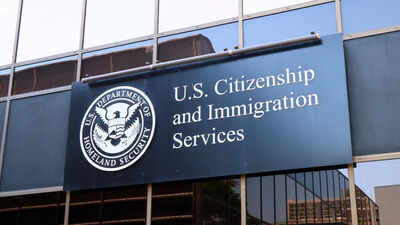
US government public database that shows which companies are hiring H-1B visa The employee is offline, and important search tools and recent data are missing.The H-1B Employer Data Hub was run by the U.S. Citizenship and Immigration Services (USCIS) and was used to analyze companies participating in the visa program.The site previously allowed users to search for H-1B petitioners by fiscal year, employer name, location and industry classification code. It also features an interactive map showing the concentration of H-1B employers across the US. Those search functions are now disabled, and the map interface has disappeared. Additionally, downloadable datasets for fiscal years 2024, 2025, and 2026 are missing. The pages that once offered these files are now labeled “Archived Content”, although they also show a “Last Reviewed/Updated” date of 07/01/2025. It is unclear when the files were stored and whether it is linked to technical issues.

When will it be back online?

A USCIS spokesperson told The Dallas Express via email, “We are aware that our various USCIS employer data hubs are currently experiencing technical difficulties. Our team is actively working to resolve the issue. We apologize for any inconvenience and appreciate your patience as we work to restore normal service.”The H-1B Employer Data Hub was launched to improve public access to information about the H-1B program. In a 2019 announcement, USCIS said the hub would allow the public to “search for H-1B petitioners by fiscal year (prior to FY 2009), NAICS code, employer name, city, state, or ZIP code”, allowing users to calculate approval and denial rates and identify which employers were using the visa program.USCIS said at the time that the purpose of the hub was to expand transparency around employment-based visa programs. On Facebook in 2019, the agency posted, “We have launched an H-1B Employer Data Hub to give you information about employers who are petitioning for H-1B workers. The Data Hub is part of our ongoing effort to increase transparency in employment-based visa programs.The disappearance of the hub’s functionality follows a report by The Dallas Express that examined which companies across Texas employ the most H-1B workers. Those reports analyzed concentrations of H-1B workers in major cities and identified employers responsible for the largest number of visa petitions.The H-1B program allows US employers to temporarily hire high-skilled foreign workers for roles such as technology and defense. Most of the visa programs are used by Indians and Chinese.

Source link

‘People don’t just come to ICE facility’: Big controversy over Sunny Naqvi’s ‘custody’ in Chicago, woman called ‘lying fraud’

'People don't just come to ICE facility': Big controversy over Sunny Naqvi's 'custody' in Chicago, woman called 'lying fraud'

A major controversy erupted after the federal administration refuted claims by Sunny Naqvi’s family members that he was detained for nearly 43 hours after arriving at the Chicago airport, although Naqvi is a US citizen. The Department of Homeland Security said the claims were completely false. Naqvi was sent for secondary inspection which delayed him by 90 minutes. And he was not detained or transferred to ICE for detention. After DHS’s claim, many social media users investigated Sunny Naqvi’s old cases and called him a lying fraud.

Ex-boyfriend accused of sexual harassment, assault

Citing old reports, he claimed that Naqvi was the same woman who was accused of intimidating and unlawfully restraining her in 2019. Her ex-boyfriend at the time complained that after their breakup, Naqvi had contacted her to remove a social media post on Reddit where the ex-boyfriend had posted something about a sexual harassment investigation involving Naqvi and a professor. Naqvi came to meet him along with another person and got the post deleted from his computer by showing him a knife.

‘Flawed, broken’: ICE whistleblower exposes Kristi Noem in fiery immigration crackdown hearing

Naqvi was later acquitted of intimidation as the court found many inconsistencies in what Naqvi said. This brings to light yet another case involving Naqvi, who has accused former University of Illinois professor Joseph Petrie of sexual harassment. Petrie claimed that his accuser had blackmailed him and he resigned.

Detained by ICE or not

Naqvi’s sister claimed that she was detained at O’Hare International Airport as she was returning from a trip along with five others. He was then transferred to an immigration facility in Broadview, Illinois, and then to the Dodge County Jail in Wisconsin. The family claimed this all happened between Thursday and Saturday and he was released from the Dodge County Jail on Saturday morning. She said her phone location showed up at an ICE facility, although federal authorities told family members she was not in custody. Cook County Commissioner Kevin Morrison defended the family’s side of the story and said authorities were lying because no due process was followed in detaining the American citizen. Dodge County Sheriff Dale Schmidt said that Naqvi’s family was lying because there was no record of Naqvi being taken into custody. Reed Showalter, a Democratic candidate for Congress from Illinois, said the administration was lying because he was with Naqvi’s family when he went missing. “I was on the ground for this entire thing. The scary thing is not just that this administration is disappearing people. But the entire time they were held in custody, the official story was that they had already been released. While Sunny was in Broadview IL, and her phone showed her location there, ICE claimed they never even saw any of the women. When he was released across the street from another ICE detention center in Juneau WI, they were claiming he was never detained. People don’t just show up to the ICE facility in Juneau WI, Showalter wrote.

Source link

CNN anchor says sorry for calling NYC bombing an attack targeting Mayor Zohran Mamdani

CNN anchor says sorry for calling NYC bombing an attack targeting Mayor Zohran Mamdani

CNN anchor Abby Phillip has issued an apology after sparking a major controversy after she suggested that the ISIS-inspired attack in New York City last Saturday was an attack against socialist Mayor Zohran Mamdani. “After the attempted terrorist attack against New York Mayor Zoharan Mamdani, two Republicans say Muslims don’t belong here and Speaker of the House Mike Johnson doesn’t actually say anything to condemn those comments,” Phillips said. The two Republicans mentioned by Phillips were Andy Ogles and Randy Fine. Investigators said the attack was targeted at anti-Islam protesters outside Mamdani’s Gracie Mansion. Amir Balat, 18, and Ibrahim Qayoumi, 19, were charged with providing material support to a designated foreign terrorist organization and using a weapon of mass destruction. Both of them are American citizens. Philip issued a correction, saying, “I want to correct what I said last night. The bombs thrown into New York City over the weekend by ISIS-inspired attackers were thrown into a crowd of anti-Muslim protesters and were not specifically targeted at Mayor Mamdani. Those words were misspelled and I did not catch it ahead of time. I apologize for the error.” CNN was put in a difficult position regarding the NYC attack as they had to remove a social media post that described the attackers as ‘teenagers’ enjoying the NYC weather. The now-deleted post read, “Two teens from Pennsylvania arrived in New York City on Saturday morning for a typical day enjoying the city during unusually warm weather.” “But in less than an hour, their lives will change drastically as the pair will be arrested for throwing a homemade bomb during an anti-Muslim protest outside the home of Mayor Zohran Mamdani. This is what we know so far.”CNN issued a clarification and said the post was removed because it failed to reflect the seriousness of the incident. CNN said, “A post about two men arrested for throwing homemade bombs outside the home of New York City Mayor Zohran Mamdani failed to reflect the seriousness of the incident, violating the editorial standards required by all of our reporting. So it has been removed.”

Source link

‘King of the World’ statue of Trump and Epstein in titanic pose appears near US Capitol

'King of the World' statue of Trump and Epstein in titanic pose appears near US Capitol
People take photos of protest art representing President Donald Trump and Jeffrey Epstein on the National Mall near the Capitol (AP Photo)

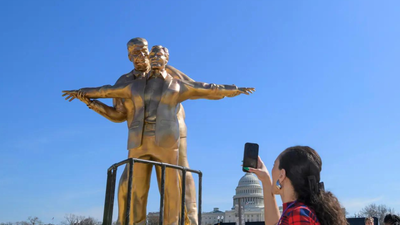
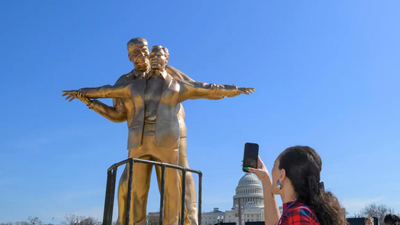
a statue depicting donald trump with a disgraced financier Jeffrey Epstein A protest was set up on the National Mall near the United States Capitol on Tuesday.The large statue, widely circulated on social media with the title “King of the World”, replicates the iconic pose from the 1997 film Titanic in which the film’s hero stands with his arms outstretched on the bow of the ship.A plaque attached to the base of the sculpture references the film, criticizing the alleged relationship between the two men. It read, “The tragic love story between Jack and Rose was built on luxurious travel, noisy parties and secret nude sketches.” “This memorial honors the bond between Donald Trump and Jeffrey Epstein.”Behind the statue, a row of banners displayed photos of Trump and Epstein along with the slogan “Make America Safe Again.”According to The New Republic, the installation is reportedly the latest protest artwork by an unknown activist group, Secret Handshake, the Independent reports. In September, the group erected another statue near the Capitol that depicted Trump and Epstein holding hands before it was removed by authorities.Secret Handshake has also staged other politically themed installations, including a sculpture mocking participants in the January 6 United States Capitol attack and a large reproduction of what was claimed to be a birthday letter Trump allegedly sent to Epstein.Scrutiny of Trump’s alleged past ties to Epstein has intensified since the United States Department of Justice began releasing documents under the Epstein Files Transparency Act, signed into law in November.Earlier this month, the Justice Department released additional documents that mention the 79-year-old president. Among them were three internal memos summarizing an FBI interview with a woman who alleged that Trump had sexually assaulted her. White House press secretary Carolyn Leavitt dismissed the claim as “completely baseless” and “supported by zero credible evidence.”Trump himself has repeatedly said he distanced himself from Epstein years before the financier’s arrest and has denied any wrongdoing, calling the controversy a political “hoax” instigated by Democrats.

Source link

‘Tragic love story’: Statue of Trump and Epstein in iconic 1997 Titanic pose seen in Washington DC

'Tragic love story': Statue of Trump and Epstein in iconic 1997 Titanic pose seen in Washington DC

A satirical statue depicting US President Donald Trump and convicted sex offender Jeffrey Epstein in poses inspired by the movie Titanic appeared on the National Mall in Washington DC on Wednesday.The sculpture was titled “King of the World” and featured figures representing Trump and Epstein standing on the bow of the ship, replicating the famous scene from the 1997 film in which the characters Rose and Jack stand at the front of the ship with outstretched arms. This statue is about 12 feet high and is painted with gold.This installation was created by anonymous artists known as “The Secret Handshake”. The group has previously placed other artwork referencing the relationship between Trump and Epstein on the National Mall.The statue was installed near the US Capitol area of ​​the National Mall and faces the Washington Monument. Several banners placed nearby showed photos of Trump and Epstein together as well as the slogan “Make America Safe Again.”A plaque attached to the sculpture contains satirical text referencing the romantic story of the Titanic. The inscription described a “tragic love story” built on “luxurious travel, noisy parties and secret nude sketches”, which has been compared to the alleged relationship between Trump and Epstein.People visiting the National Mall stopped to look at the statue and take photographs. The piece is one of several protest artworks by the same group focusing on Donald Trump’s past relationship with Jeffrey Epstein.Trump previously said he knew Epstein socially in Florida, but said the two had a falling out in the mid-2000s. She has also said that she had no knowledge of Epstein’s criminal conduct and pedophilia. Epsti, a financier convicted of sex-related crimes, died in prison in 2019 while awaiting trial on federal trafficking charges.The White House criticized this statue. A spokesperson suggested that the installation reflected political hypocrisy and questioned why similar artworks were not created about other Epstein-related figures.The National Mall has often been the site of protest art and temporary installations on political and social issues.

Source link