

Government to screen all children for diabetes, start lifelong free care under RBSK India News
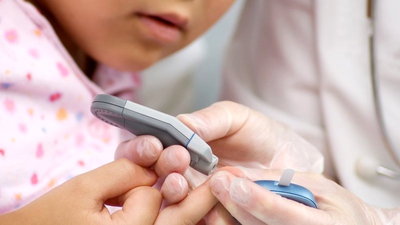
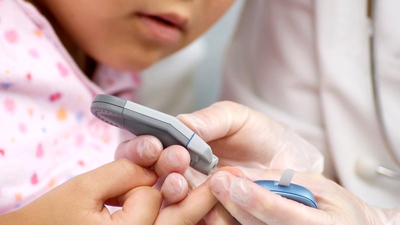
New Delhi: In a major policy shift, the Center will now screen all children from birth to 18 years for diabetes and provide free, lifelong treatment through the public health system, and expand its flagship Rashtriya Bal Swasthya Karyakram (RBSK) to address the growing burden of the disease in younger age groups.The guidance document, released by the Union Health Ministry at the National Public Health Summit, lays down a structured national framework for the screening, diagnosis, treatment and long-term management of childhood diabetes. It integrates community- and school-based screening with district-level care, aiming to ensure early detection and continuity of treatment.The rollout is part of the centre’s revamp of RBSK 2.0, which adopts a lifecycle approach from birth to 18 years and expands its “4D” framework to include mental health and behavioral conditions as well as non-communicable diseases such as diabetes. The guidelines also flag increased lifestyle risks – including poor diet, low physical activity and increased screen exposure – and introduce digital tracking and structured follow-up systems to strengthen continuity of care.Under the protocol, mobile health teams will screen children in schools and Anganwadi centers for symptoms such as frequent urination, excessive thirst, fatigue and weight loss – the “4T” warning signs. Suspected cases will undergo immediate blood glucose testing and will be referred to district NCD clinics for confirmation and treatment.This step has been taken amid increasing concern regarding diabetes in the young population. While type 1 diabetes is the most common type in children and requires lifelong insulin, the document notes an increase in type 2 diabetes in teens, largely due to increasing obesity and sedentary habits.Experts say prevention will be important. Dr Jugal Kishore, professor and former head of community medicine, director of Vardhman Mahavir Medical College and Safdarjung Hospital, said, “Obesity among children is increasing rapidly and with it we are seeing more diabetes. Lifestyle changes need to start early, especially at the school level, as habits formed over the years shape long-term health. It will be important to strengthen school-based health programs and ensure consistent implementation.”District hospitals are positioned as the backbone of care, offering a comprehensive free package that includes diagnostic services, lifelong insulin therapy, glucometers, test strips and regular follow-up. The program also includes counseling and training for families on insulin use, monitoring and emergency care.This framework combines early detection with advanced care and standardized treatment to prevent complications. Officials said timely diagnosis leads to normal development and better outcomes. The initiative aims to reduce mortality, reduce financial burden and ensure uninterrupted care, now the focus is on implementation.