

Tanya Bami: We’ve tried to transform comedy from a genre to a lens. hindi movie news
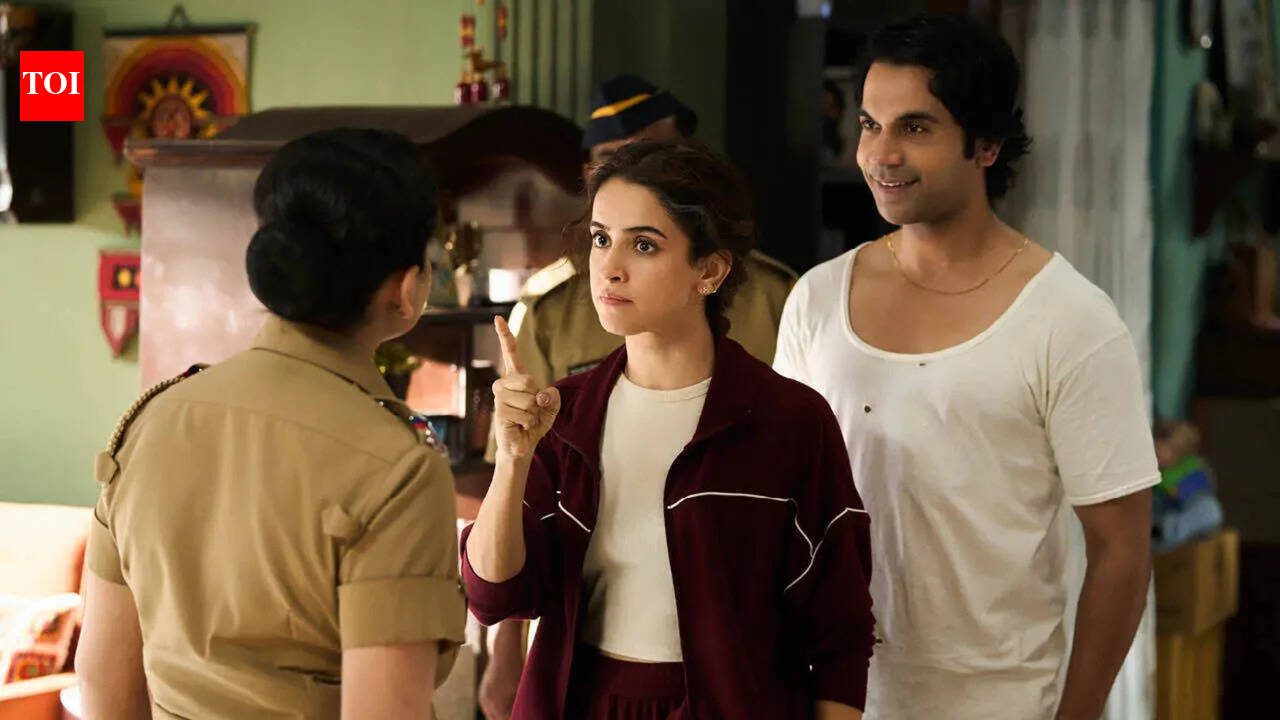
 Over the past few months – in fact, over the past few years – if you’ve found yourself laughing out loud at a show or returning to a comfort-watching comedy, chances are you’ve come across titles like Single Papa, Mamla Legal Hai, Toaster starring Rajkummar Rao. Sanya MalhotraOr even reruns of The Kapil Sharma Show. Netflix India, in particular, is constantly introducing new doses of chaotic, eccentric movies and series.In recent years, audiences have been drawn to stories that are simultaneously heartfelt and chaotic – what author Akshat Ghildiyal calls “sometimes really over the top”. as a writer Ishita Moitra It’s called: “A man finds a baby in the back seat of his car – it could be tragic, it could be comedy. A matter of perspective.”But what goes into creating shows that leave audiences literally rolling on the floor?“People don’t always realize that comedy is probably the hardest thing to write,” says Tanya Bami, head of series, Netflix India. One might assume that thrillers are the hardest to understand, but comedy needs to be culturally rooted, deeply relevant, and intense enough to hold attention in a world where people can easily tune in and tune out. We are incredibly grateful to the talented writers who bring their best work to Netflix.“This World Laughter Day, we spoke to the people who do the hardest job of all – making us laugh.

Tanya Bami, Series Head, Netflix India
‘Humor in fiction, non-fiction and films is a way of interpreting the world’“Across our portfolio, we have expanded the grammar of comedy. It’s no longer just stand-up or sketch – it’s about building whole worlds where humor drives the story,” says Tanya Bami, head of series, Netflix India.Even if it’s a scripted show the matter is legal or ease of The Great Indian Kapil ShowThe expectation remains the same, she adds: comedy should feel authentic to India.Tanya shares, “What is equally transformative is that our stand-up and non-fiction comedy is being showcased as premium storytelling. Vir Das’ global recognition Vir Das: Landing This was not just a victory for one special person – it opened up new possibilities for all of us. His special love for Kapil Sharma, I’m not done yetwas our first marker for our diverse audience. It showed actors, comics and creators that deeply personal, politically aware and culturally rooted humor could travel without compromise. “Continuous learning from our fans and members is embedded in everything we do – from how we present ideas to how we shape characters and narrative.”Tanya explains that humor in fiction, non-fiction and films is a way of interpreting the world – sometimes absurd, sometimes bitter, often deeply human. She shares, “Love movies beautiful heart Or Kathal: A Cutthroat Mystery Show that comedy can sit comfortably with crime, satire and social commentary. Ultimately, we’ve tried to transform comedy from a genre to a lens. We believe our titles are no longer just delivering punchlines; We’re bringing stories that can make someone laugh in Patparganj and yet resonate just as strongly halfway across the world.
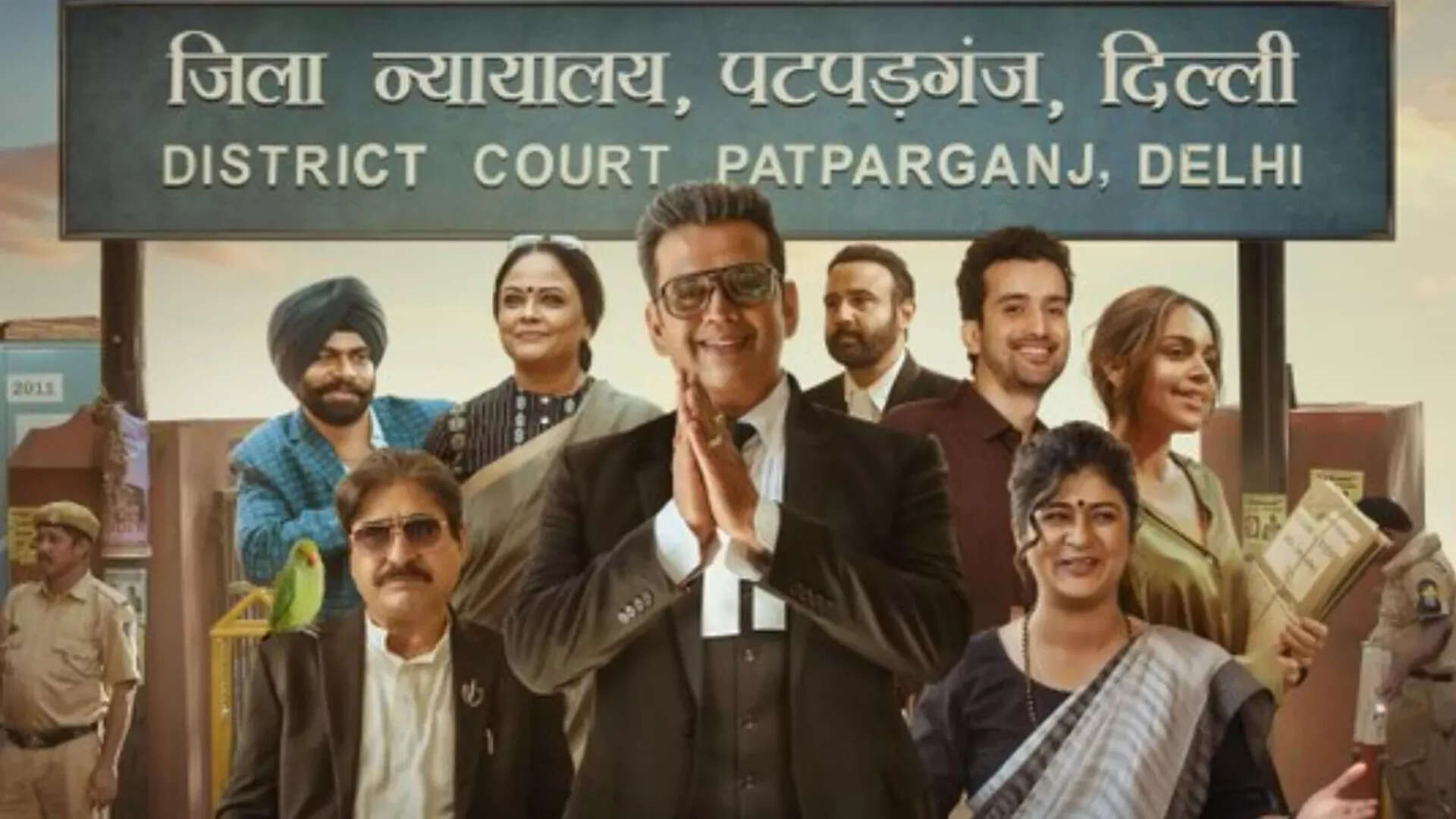
Kaas Legal Hai returns for a second season
‘Masla Legal Hai is in many ways a show written by fans’The case is legal, as stated, “based on true accidents.” The series is produced by Posham Pa Pictures, executive produced by showrunner Sameer SaxenaThe director is Rahul Pandey. Based on the world created by Saurabh Khanna and Kunal Aneja, the new season is written by Syed Shadan, Mohak Aneja and Tatsat Pandey.Tanya Bami, head of series, Netflix India, shared that MLH inspired new writers to come forward and write for the show. So, Case Legal is, in many ways, a fan-written show.How did the writers continue the magic of the first season into the second season?Kunal Aneja shares, “The second-guessing is that the audience is, at best, mediocre. The best sitcoms have a quality that they become like your friends, and like real life, you want them to grow and deal with new issues. When you do a new challenge with a sense of belonging, it makes you more involved in the show.” Before both seasons, the team visited courts and met lawyers and judges. Interestingly, one of the judges told him how the stakes were placed on his smile. The writers found it hilarious – some of those conversations were included in the show, though not many. How do they filter? Kunal explains, “I think the best way to deal with grief is to laugh at it because it makes it easier to accept in a way.” He further says, the incidents should not be cartoonish or so exaggerated that they seem impossible to the audience. Kunal says, “So, we always try to keep it grounded and real as it is really happening. It’s not like any particular scenario is from my imagination. If you really try to tell it as it is, it will be fun.”‘If seven out of ten laugh, the joke works’Many writers insist that comedy is one of the most difficult forms to get right. On Single Papa, which features actors like Manoj Pahwa, Ayesha Raza and Prajakta Koli, the writers say the process was rigorous and collaborative.Neeraj Udhwani explains, “You test your material constantly – like stand-up. Before going on set, there are multiple readings. By the time we’re shooting, we have a strong sense of which joke fits and which doesn’t.”Ishita Moitra says repetition can fade even the sharpest lines. “If you’ve heard a joke eight times, it stops being funny to you. So you read it to new people. If seven out of ten people laugh, it works. There will never be a joke that everyone finds funny.”Humor is inherently subjective, she says: “A play is either dramatic or not. Humor depends on the person. Some like silly humor, others like subtle or dry humor.”Both writers see comedy less as a distinct genre and more as a tonal shift. He says, “The story remains the same – whether drama, thriller or comedy. What changes is the perspective. You find humor in situations. A man finding a baby in his back seat can be very dramatic – but it depends on how you look at it.”Ishita Moitra says, “Humor often arises from very serious situations. A story like Single Papa could have been told as a straight drama or tragedy. But we decided to tell it with a touch of humor.”The authors also point to the importance of observation and collaboration.He explains, “Pop culture is constantly changing. You have to pay attention – what people are watching, reading, listening to. But the first skill is observation. Keep your eyes and ears open. Find humor in situations, in people.” On set, actors often improvise the material further. “There’s energy in comedy. The actors play off each other. Sometimes they take a line and make it completely their own,” he says.