
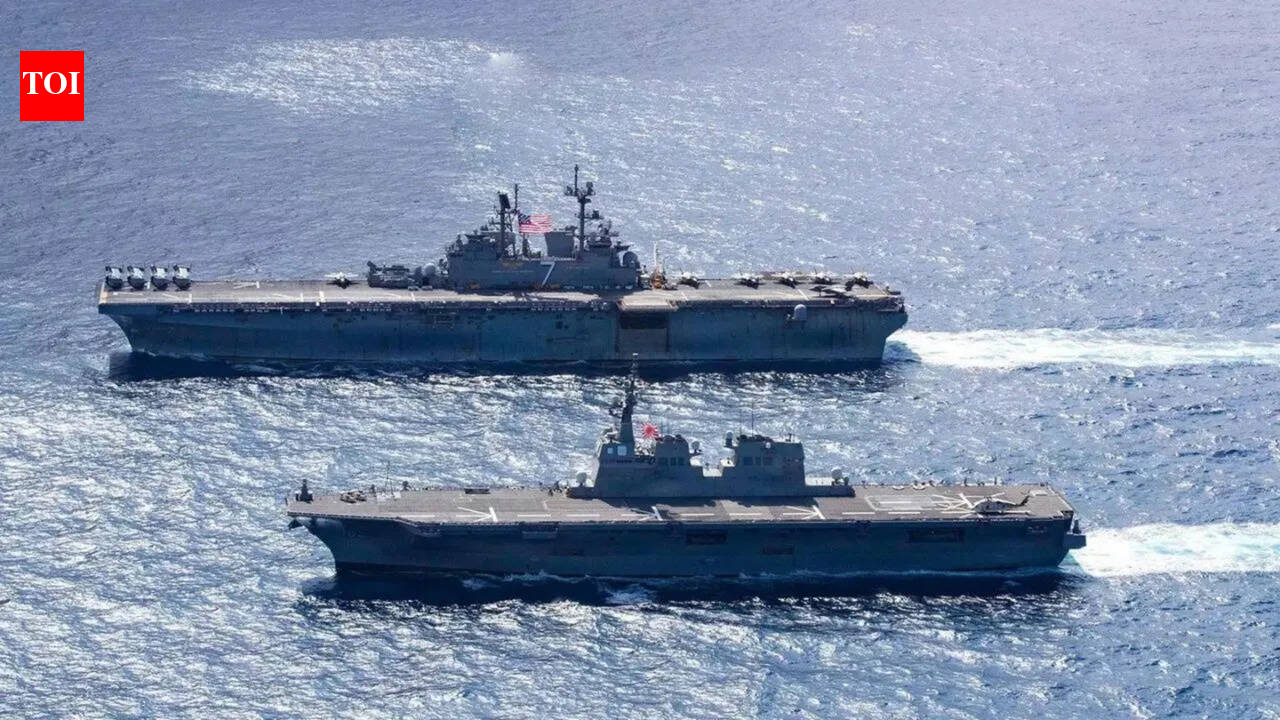

US Navy blockade: Sailors faced food shortages and mail delivery problems. world News
US naval blockade: What’s on the menu for sailors, marines on warships; New pictures surfaced
Families of US service members deployed on warships in the Middle East say their loved ones are going hungry, due to limited food supplies and poor quality food on ships amid the US naval blockade of Iranian ports.Photos shared by service members aboard the USS Tripoli and USS Abraham Lincoln, obtained by USA TODAY, show small portions: a lunch tray containing a small scoop of chopped meat and a folded tortilla; A dinner plate containing a handful of boiled carrots, a dry meat patty, and a gray slab of processed meat.“The food is tasteless and not nearly enough, and they’re hungry all the time,” said Karen Erskine-Valentine, a West Virginia pastor who is sending care packages to a sailor aboard the Abraham Lincoln. “That’s how your heart breaks.”Dan F., whose daughter is a Marine aboard the USS Tripoli, said she told him in sporadic messages that fresh produce was no longer available and that crew members were cutting supplies. A coffee machine on board broke; Dan said he has stopped drinking coffee in solidarity.“We have the strongest military in the world,” Dan, a 63-year-old former Marine who wished to be identified only by his first name to protect his daughter from retaliation, told USA TODAY. “You must not be short of food. We have the same thing at our opponents’ disposal.” [was] We fed our people.”A sailor aboard the Tripoli wrote to his family that crew members “eat when possible” and divided portions equally when one person got more than the others. “Supply is about to get really low,” he wrote on March 11. “Morale is going to be at an all-time low.”
Mail suspension blocks care packages
Efforts by families and community groups to send food, hygiene products and other essential items have been disrupted by the indefinite suspension of mail delivery to 27 military zip codes throughout the Middle East.According to Army spokesman Major Travis Shaw, the U.S. Postal Service halted deliveries in early April, citing “airfield closures and other logistics impacts due to the ongoing conflict.” “The suspension will remain in effect until further notice,” Shaw said.Mail already in transit is being held at secure Postal Service or military facilities “for future delivery when service resumes,” he said. No mail is being returned to senders.“Resumption of mail service is dependent on the reopening of airspace by civil authorities and the area commander’s assessment of regional transportation and delivery stability,” Shaw said.A Texas mother whose son, a Navy sailor, is aboard Tripoli, told USA TODAY she has spent at least $2,000 on care packages. No one has reached out to his son.Karen Turgeon, organizer of the annual Thanksgiving care package drive in Monson, Massachusetts, raced to organize an additional drive for four service members in her community sent to the Middle East. No package has arrived. Her group has instead redirected its efforts to sending cards and flowers to the families of deployed service members.Dawn Penrod, treasurer of the American Legion Auxiliary chapter in Edgewater, Maryland, said she spent an hour at the post office trying to send a care package to her nephew, an Army Reserve member deployed to Bahrain. A postal worker told her she could not send anything to a military address. The package is now kept in his living room.“They were delivering mail and packages all the time,” Penrod said of the previous deployment. “I don’t know why they can’t do it anymore.”
Extended deployment puts pressure on employees
The USS Tripoli has been at sea for more than a month after leaving its home port in Japan to join the Iran war. The 3,500 sailors and Marines aboard Tripoli and two accompanying warships are now tasked with enforcing the U.S. blockade of ships leaving Iranian ports, according to U.S. Central Command.The USS Abraham Lincoln has been deployed for even longer periods. On April 15, USS Gerald Ford broke the record for the longest deployment of any aircraft carrier since the Cold War, spending 295 days at sea. The carrier returned to Naval Support Activity Souda Bay on the island of Crete for maintenance on 23 March following a laundry fire and plumbing problems.
no end in sight
The military said there is no end date for the mail suspension despite a ceasefire in the Iran war. USPS spokesman David Coleman said the temporary suspension can be monitored on the Postal Service’s website.“We’re trying to cheer them up at home,” Turgeon said. “We send them an envelope full of things to send whenever they can.”

Russia attacks Ukraine with missiles and drones, 17 dead

Russia carried out one of the largest attacks on Ukraine so far this year, killing at least 17 people and wounding dozens in an attack with missiles and drones that targeted Kiev and other major cities overnight.Ukraine’s air defense said Russia launched more than 40 ballistic and cruise missiles as well as more than 650 drones of various types, calling it one of the worst attacks of the year so far. Along with the capital, Dnipro, Odessa, Kharkiv and Zaporizhia were also affected.Ukrainian President Volodymyr Zelensky told reporters during a visit to the Netherlands on Thursday that 17 people had been killed in the attacks. Ukraine and the Netherlands are discussing anti-ballistic air defense systems, he said, without elaborating. Children were among those killed in the barrage, which mostly damaged residential areas, according to the State Emergency Service and local officials. In Kiev, police and doctors who came to help the injured were also injured in follow-up attacks, Ukraine’s Prosecutor General’s Office said on Telegram. Russia regularly uses so-called doubletap attacks that target defense personnel responding to initial attacks.This is Bloomberg’s story
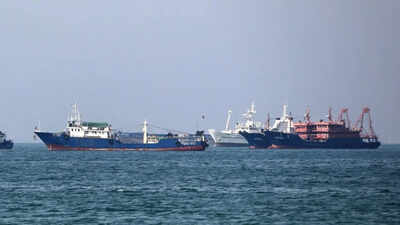
‘Targeting commercial shipping unacceptable’: India urges safe navigation through Strait of Hormuz at UN india news
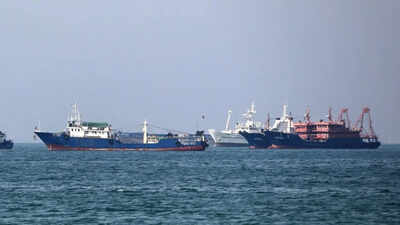
New Delhi: India on Thursday raised serious concerns at the United Nations over threats to commercial shipping in the Strait of Hormuz, urging immediate restoration of safe navigation and calling for restraint and de-escalation amid ongoing tensions in the Middle East.Addressing the UN General Assembly debate under the Veto Initiative on the “Situation in the Middle East”, India’s Permanent Representative Ambassador Harish P said maritime security was vital to India’s energy and economic interests.He said, “An aspect of particular concern to India’s energy and economic security relates to commercial shipping through the Strait of Hormuz. India condemns the fact that commercial shipping was targeted by military attacks in this conflict.”He said India strongly condemned the attacks on civilian maritime activities and stressed that such actions are unacceptable.“We reiterate that targeting commercial shipping and endangering innocent civilian crew members or otherwise hindering freedom of navigation and commerce in the Strait of Hormuz is unacceptable,” he said.Calling for adherence to international law, Harish urged the international community to ensure free movement of trade through the strategic waterway.“International law must be fully respected in this regard. We strongly urge that safe and unimpeded freedom of navigation and global commerce through the Strait of Hormuz be restored as soon as possible,” Harish said.Highlighting the humanitarian loss in the conflict, he said Indian civilians have also been affected.“Precious lives of Indian sailors aboard the ships have been lost during the conflict,” he said.Referring to the broader conflict in Iran and the Gulf region, Harish reiterated India’s consistent calls for restraint and diplomacy.“Since the outbreak of conflict in Iran and the Gulf region on 28 February 2026, India had expressed deep concern and urged all states to exercise restraint, avoid escalation of tensions and give priority to the safety of civilians,” he said.“We urge all states to promote dialogue and diplomacy to de-escalate tensions and purposefully address the underlying issues,” he said.Reaffirming India’s position on sovereignty, Harish said, “We have also called for respect for the sovereignty and territorial integrity of all states.”India’s comments come amid rising geopolitical tensions and growing concerns over potential disruptions in global energy supply routes through the Strait of Hormuz, one of the world’s most important maritime trade corridors.

कौशांबी में दर्दनाक सड़क हादसा, कंटेनर की टक्कर से बाइक सवार सिपाही की मौत

कौशांबी जिले में एक दर्दनाक सड़क हादसे ने सभी को झकझोर कर रख दिया। सैनी कोतवाली क्षेत्र के अटसरॉय गांव के पास नेशनल हाईवे पर देर रात तेज रफ्तार कंटेनर ने बाइक सवार युवक को टक्कर मार दी, जिससे उसकी मौके पर ही हालत गंभीर हो गई। सूचना मिलते ही पुलिस मौके पर पहुंची और घायल को अस्पताल भेजा, जहां डॉक्टरों ने उसे मृत घोषित कर दिया। मृतक की पहचान जौनपुर निवासी सिपाही के रूप में हुई है। इस घटना के बाद इलाके में मातम का माहौल है और पुलिस मामले की जांच में जुट गई है.
तेज रफ्तार कंटेनर बना हादसे का कारण
पुलिस के मुताबिक, मृतक की पहचान जौनपुर जिले के मड़ियाहूं निवासी विवेक कुमार (36) पुत्र कमलेश कुमार के रूप में हुई है, जो पेशे से सिपाही था. वह बाइक से कानपुर से प्रयागराज जा रहा था। रात करीब एक बजे जैसे ही वह नेशनल हाईवे पर अटसरॉय गांव के पास फ्लाईओवर के पास पहुंचा, तभी तेज रफ्तार और अनियंत्रित कंटेनर ने उसकी बाइक में जोरदार टक्कर मार दी। टक्कर इतनी जोरदार थी कि युवक सड़क पर गिरकर बेहोश हो गया।
राहगीरों की सूचना पर पुलिस पहुंची
घटना के बाद मौके से गुजर रहे राहगीरों ने तुरंत पुलिस को सूचना दी. सूचना मिलते ही सैनी थाना प्रभारी त्रिलोकी नाथ पांडे अपनी टीम के साथ मौके पर पहुंचे। पुलिस ने युवक के पास मिले आधार कार्ड से उसकी पहचान की और तत्काल एंबुलेंस की मदद से सामुदायिक स्वास्थ्य केंद्र सिराथू भेजा।
अस्पताल में डॉक्टरों ने उसे मृत घोषित कर दिया
सीएचसी सिराथू में डॉक्टरों ने जांच के बाद विवेक कुमार को मृत घोषित कर दिया। इसके बाद पुलिस ने शव को कब्जे में लेकर पोस्टमार्टम के लिए भेज दिया. इस घटना से मृतक के परिवार में कोहराम मच गया है.
पुलिस ने आगे की कार्रवाई शुरू कर दी
पुलिस का कहना है कि हादसे के बाद कंटेनर चालक मौके से भाग गया। उसकी तलाश के प्रयास किये जा रहे हैं. साथ ही घटना की पूरी जांच की जा रही है. पुलिस ने बताया कि मामले में आगे की कानूनी कार्रवाई की जा रही है.
(रिपोर्ट: राम किशन, कौशांबी)
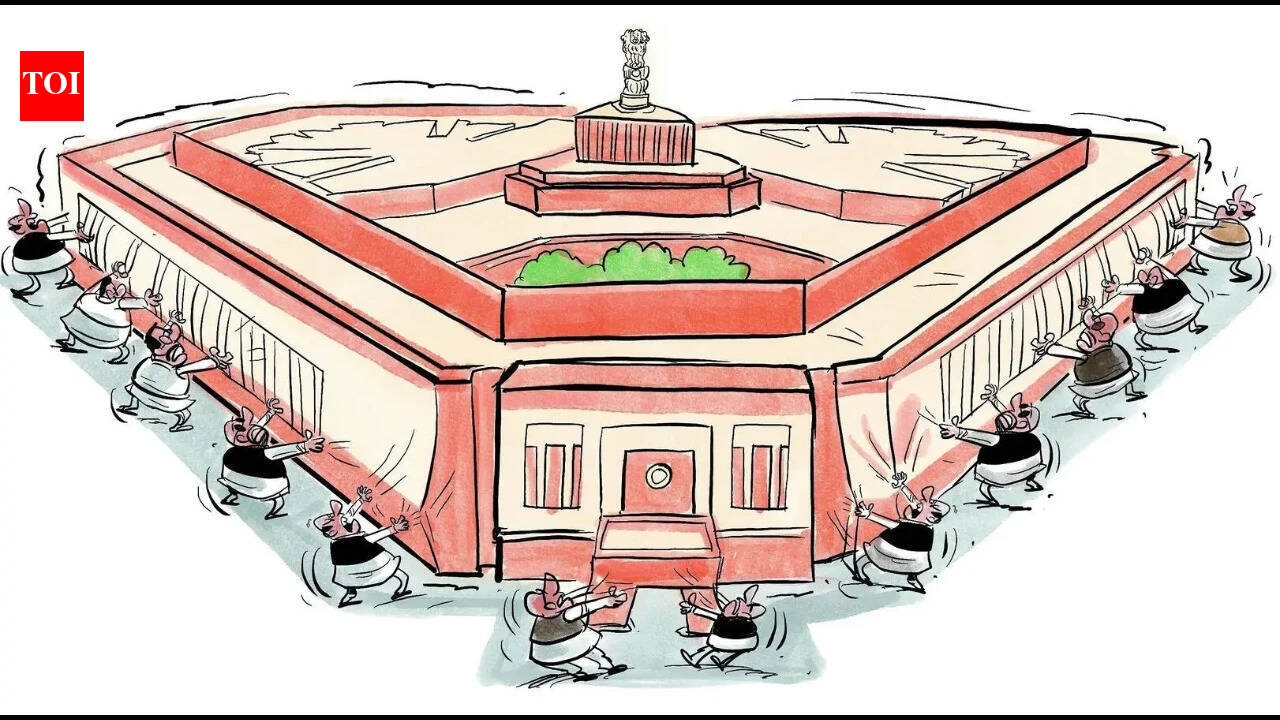
Women’s Quota Act of 2023 comes into force. india news
 Government sources said the introduction of the 2023 Act was notified as it was a “technical” necessity to seek further amendments to the constitutional provisions that were incorporated/amended therein.The Lok Sabha is currently debating three bills, including the Constitution (One Hundred and Thirty-first Amendment) Bill, 2026, which seeks to amend Articles 330A, 332A and 334A inserted through the Constitution (One Hundred and Sixth Amendment) Act, 2023. The Constitution Amendment Act of 2023 contemplated implementing women’s reservation after the first delimitation done on the basis of the relevant census after the commencement of the Act. However, the government, arguing that the next census (Census 2027) and the resulting delimitation will take a lot of time and delay women’s participation in politics, on Thursday introduced the Constitution (One Hundred and Thirty-First Amendment) Bill to make the delimitation exercise based on the population data of the latest published census, which is Census 2011.
उत्तराखंड: अब हर शिक्षक को संगठन के चुनाव में वोट देने का अधिकार, छुट्टियों के दौरान सिर्फ एक दिन होगा मतदान – उत्तराखंड सरकार ने राजकीय शिक्षक संघ के संविधान में संशोधन को मंजूरी दे दी है
सरकार ने राजकीय शिक्षक संघ के संविधान में संशोधन को मंजूरी दे दी. जिससे अब प्रत्येक शिक्षक को संस्था के चुनाव में वोट देने का अधिकार मिल गया है। खास बात यह है कि ब्लॉक, जिला, मंडल और प्रांतीय कार्यकारिणी के चुनाव अलग-अलग दिन नहीं बल्कि एक ही दिन होंगे। वहीं, शिक्षकों को इसके लिए कोई छुट्टी नहीं मिलेगी. छात्रों की पढ़ाई प्रभावित न हो, इसके लिए चुनाव गर्मी या सर्दी की छुट्टियों में होंगे।


The war has brought the US closer to being a net crude oil exporter for the first time since World War II.

The United States turned into a net crude exporter last week for the first time since World War II, as shipments neared record highs to meet demand from Asian and European buyers looking to replace West Asian supply cuts caused by the Iran war.Refiners in Asia and Europe that depend on those supplies have bought alternative cargoes wherever possible, leading to a sharp increase in demand for oil from the US. However, analysts say the US is rapidly approaching its export potential.Net imports of crude, or the difference between imports and exports, fell to 66,000 barrels per day last week, the lowest on record in weekly data dating back to 2001, while exports reached 5.2 million bpd, the most in seven months, according to US government data released on Wednesday. The data shows that the US was last a net exporter of crude oil in 1943.Countries like Greece have purchased US crude for the first time in recent months. About 2.4 million bpd, or about 47% of U.S. exports, headed to Europe last week, according to tracking service Kpler. About 1.49 million bpd, or about 37%, headed for Asia, up 30% from a year earlier.This is a Reuters story
How the interplay of caste, geography decides winners in Tamil Nadu. india news
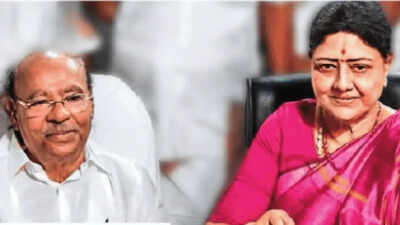
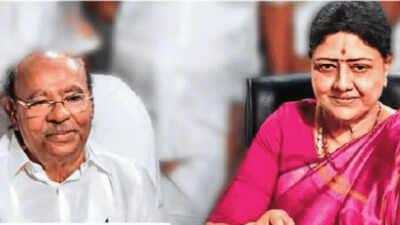
Elections in Tamil Nadu are not decided by party arithmetic alone. In all its regions, the dominant caste factions – Vanniyars in the north, Gounders in the west, Thevars in the south, and Dalit and Nadar communities in key areas – continue to shape alliances, candidate selection and, often, the final outcome.The Vanniyars are concentrated in the northern districts like Viluppuram, Dharmapuri, Krishnagiri, Salem, Cuddalore and Vellore. The influential OBC community rose to political prominence after the Vanniyar Sangam led by S Ramadoss led violent protests in 1989 before the M Karunanidhi government implemented the 20% quota for most backward classes.The community has since largely supported the PMK, which was founded by Ramadoss and is now under the disputed control of his son Anbumani Ramadoss. A large section of Vanniyars have also joined DMK and ADMK. This time, NDA member Anbumani’s PMK faction is contesting on 18 seats, while Ramadoss senior has fielded candidates on 35 seats, mostly in the northern belt.
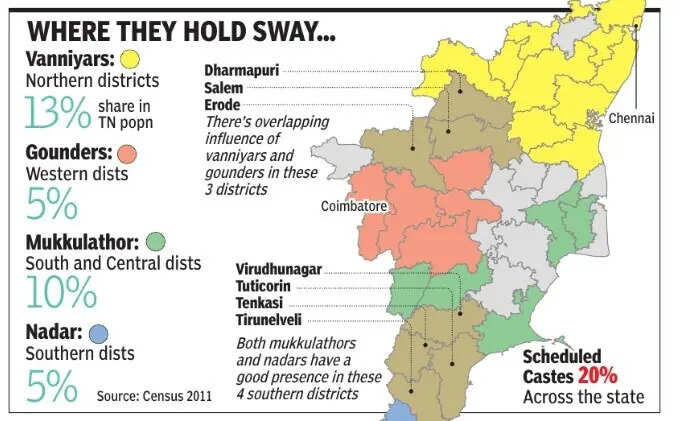
Shortly before the 2021 assembly elections, the ADMK government introduced a 10.5% internal quota for Vanniyars, but the Supreme Court struck it down. The incoming DMK government adopted a cautious approach, saying that only the Center has the legal authority to conduct the caste census.The DMK government has three senior ministers from the community. CN Ramamurthy, founder-president of the Vanniyar Federation, says, “Both the DMK and ADMK allot more seats to Vanniyars, which shows the importance of the community.” The DMK also got a boost last week when Guru Viruthambigai, daughter of late PMK leader Guru, met CM MK Stalin to extend support.If the Vanniyars are in the center of the north, the Gounders are dominant in western Tamil Nadu, especially in Coimbatore, Erode and Salem districts. A large section of community leaders like ADMK general secretary Edappadi K Palaniswami and former ministers SP Velumani and P Thangamani continue to support him. KA Sengottaiyan, another stalwart from the community, has joined Vijay’s TVK.In the 2021 assembly elections, the western belt was the only region that remained with the ADMK, winning 29 out of 48 seats there. This time Stalin has handed over this area to former minister V Senthilbalaji. “DMK candidates will win in many constituencies in the western region and we will form the next government,” Senthilbalaji said. times of India . In southern Tamil Nadu, Thevar influence remains strong in districts such as Ramanathapuram, Sivagangai, Virudhunagar, Theni and Madurai. The Mukkulathor group – comprising the Kallar, Maravar and Agamudaiyar communities – has long been considered a key support base of the ADMK, especially during the tenures of MGR and Jayalalithaa.But that base has shown signs of stress. The alleged insult by Palaniswami angered some sections of the community, which expelled three of its key leaders from the party: AMMK chief TTV Dhinakaran, former chief minister O Panneerselvam, and Jayalalithaa’s aide VK Sasikala. In 2021, the ADMK won just 16 out of 58 seats in the south, where the DMK and Congress won 33 and eight seats respectively.After this Panneerselvam joined DMK. Sasikala has launched the All India Puratchi Thalaivar Makkal Munnetra Kazhagam and has fielded 77 candidates with the stated objective of defeating the ADMK candidates. His campaign focuses on the theme of “Palaniswamy betrayer”.Dalits remain another major electoral force, with their population ranging from 15% to 34% in many districts, except Kanyakumari, where their numbers are relatively small. SCs like Paraiyar, Pallar and Arunthathiyar hold significant political importance.DMK ally VCK, led by Thol Thirumavalavan, remains a major voice among Dalit voters, especially among the Paraiyar community in the north.Among Pallar leaders, Puthiya Tamilgam’s S Krishnasamy is contesting independently on 60 seats after alliance talks with ADMK failed. In the NDA camp, Dalit organization chief John Pandian has been fielded from Rajapalayam on the BJP’s lotus symbol. Vijay’s TVK and Seeman’s NTK have also made some dent in the Dalit vote bank.In many southern areas, the results also depend on Nadars, the economically dominant community in Tirunelveli, Tenkasi, Thoothukudi, Virudhunagar and Kanyakumari. Historically, the community has been associated with the Congress, primarily because of former CM K Kamaraj, a Nadar, who played a key role in enabling reservation for backward classes through the First Amendment to the Constitution.After Jayalalitha’s death, the ADMK lost most of its Nadar support due to the leadership’s perceived affinity towards the Gounders and Vanniyars. The DMK has since captured part of that space, with Kanimozhi Karunanidhi, the party’s MP from Thoothukudi, focusing heavily on the area. BJP leaders Tamilisai Sundararajan and Pon Radhakrishnan are also counted among the prominent faces of the community.

Arshdeep Singh’s IPL resurgence under Ponting’s guidance leads PBKS to victory
Punjab Kings’ fan following is on the rise in the IPL and Arshdeep Singh believes he has played a role in it with his social media game. While Arshdeep keeps himself a funny character on social media with his reels, fellow cricketers are already becoming famous. Apart from this, he also posts a lot about his personal life, which has created a bond with his fans.
IPL 2026, MI vs PBKS: highlighted | Achievement:
During the match against Mumbai Indians, the Punjab franchise received plenty of vocal support as they continued their winning streak in the competition. Speaking at the post-match presentation, Arshdeep said that fans love his reels and he will continue making videos for them.
Arshdeep said, “I love the support. A lot of credit goes to my social media. I love making reels and posting stuff. They love me for it and I will keep doing that for them.”
How Ponting chat helped Arshdeep?
Arshdeep revealed how a simple conversation with Ricky Ponting helped him achieve his best form during the IPL 2026 season. Arshdeep was at his best as he demolished the Mumbai Indians top-order with a powerful spell before finally coming in and ensuring the hosts were confined to the Wankhede Stadium.
The left-arm pacer took 3 wickets for 22 runs in his four overs as MI were restricted to 195 in their 20 overs. PBKS won the match by seven wickets To go to the top of the table.
Speaking after the win, Arshdeep said that he had a frank conversation with the PBKS coach, where he told him that the ball was not coming out of his hands properly.
The Indian fast bowler said that Ponting gave him a clear mindset.
Arshdeep said, “It is related to the conversation with Ricky. I told him that the ball was not coming out of my hand properly. He gave me a clear mindset. Yesterday also I had a good spot bowling session and found that the ball was coming out of my hand well. I swung it and took control.”
The PBKS star said that there were no technical discussions with Ponting and the Australian tactician had asked him to stick to his fundamentals.
“Nothing technical. It kept myself mentally fresh. I was expecting a lot from myself. He told me that you are coming after winning the World Cup and it is never easy. He told me to stick to the basics,” Arshdeep said.
PBKS will take on LSG in their next match on Sunday, April 19 at New Chandigarh.
ipl 2026 | ipl schedule | ipl points table | ipl player stats | purple cap | orange cap | ipl video | cricket news | live score
– ends
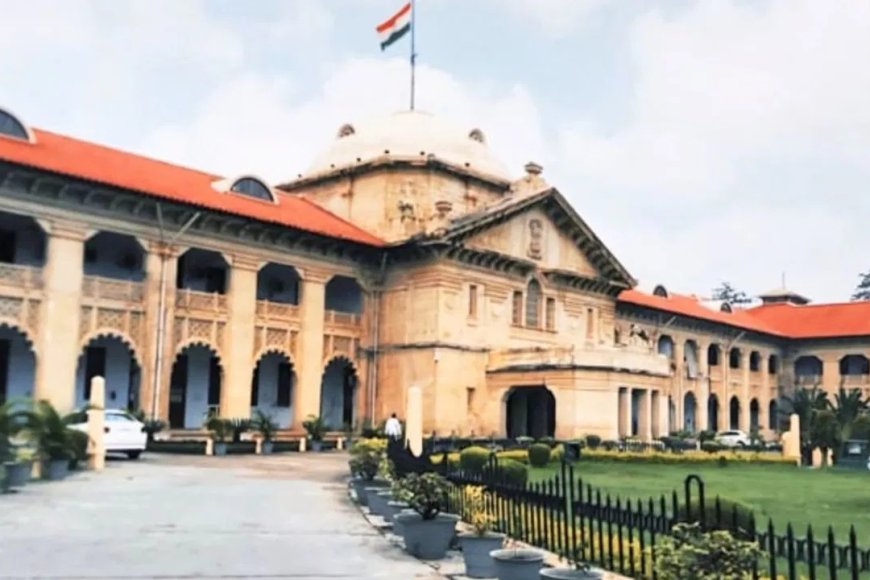
धर्मांतरण कानून का दुरुपयोग? झूठी FIR पर इलाहाबाद हाईकोर्ट सख्त, कहा- खतरनाक प्रवृत्ति
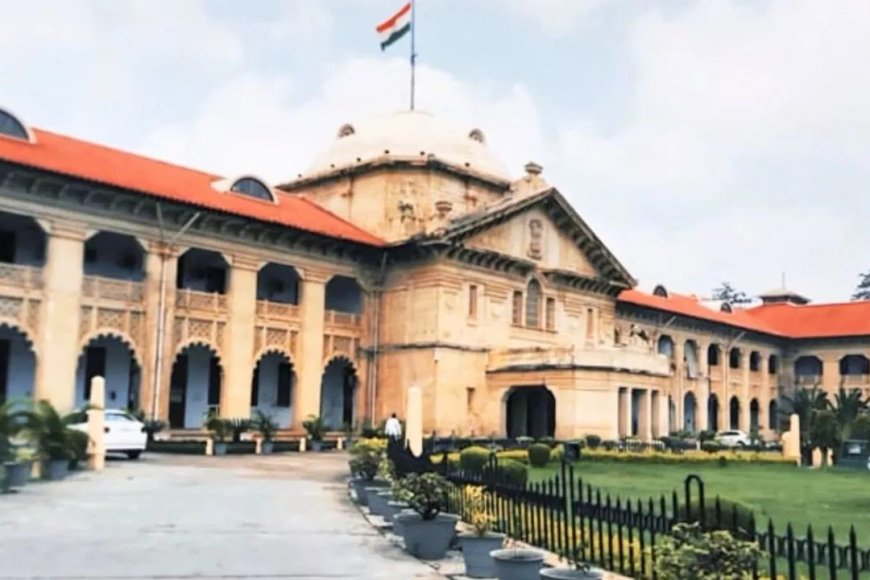
इलाहाबाद हाई कोर्ट ने एक अहम सुनवाई में उत्तर प्रदेश के ‘गैरकानूनी धर्म परिवर्तन निषेध अधिनियम, 2021’ के तहत दर्ज की जा रही एफआईआर पर गंभीर चिंता जताई है. कोर्ट ने कहा कि इस कानून के तहत तेजी से एफआईआर दर्ज की जा रही हैं, जो बाद में झूठी साबित हो रही हैं. कोर्ट ने इसे ”चिंताजनक प्रवृत्ति” बताया और कहा कि इस पर सख्ती से निगरानी रखने की जरूरत है.
सरकार से मांगा जवाब, हलफनामा दाखिल करने का आदेश
न्यायमूर्ति अब्दुल मोईन और न्यायमूर्ति प्रमोद कुमार श्रीवास्तव की पीठ ने राज्य के अतिरिक्त मुख्य सचिव (गृह) को व्यक्तिगत हलफनामा दाखिल करने का निर्देश दिया। कोर्ट ने पूछा है कि ऐसे मामलों में क्या कार्रवाई की जा रही है. यह आदेश मोहम्मद फैजान व अन्य की याचिका पर सुनवाई के दौरान दिया गया.
बहराईच की FIR पर उठे सवाल
यह मामला बहराइच जिले के एक थाने में दर्ज एफआईआर से जुड़ा है. यह आरोप लगाया गया था कि याचिकाकर्ताओं ने शिकायतकर्ता की 18 वर्षीय बेटी को लालच दिया और उस पर धर्म परिवर्तन करने और उससे शादी करने का दबाव डाला। याचिकाकर्ताओं ने इस एफआईआर को रद्द करने की मांग की थी.
पीड़िता के बयान से सच सामने आया
सुनवाई के दौरान कोर्ट को पीड़िता का बयान भी बताया गया, जो बीएनएसएस की धारा 183 के तहत दर्ज किया गया था. इसमें पीड़िता ने कहा कि वह अपनी मर्जी से पिछले तीन साल से याचिकाकर्ता के साथ रिश्ते में थी. उन्होंने धर्म परिवर्तन, जबरन शादी और किसी भी तरह के आरोपों से साफ इनकार किया. उसने यह भी कहा कि वह याचिकाकर्ता के साथ रहना चाहती है और किसी भी तरह की परेशानी नहीं चाहती.
कोर्ट ने जांच जारी रखने पर सवाल उठाए
अदालत ने पाया कि पीड़िता के बयान के बाद भी जांच अधिकारी ने केवल बलात्कार का आरोप हटा दिया, जबकि अपहरण, मारपीट और धर्मांतरण कानून की धाराओं के तहत जांच जारी रखी। कोर्ट ने इसे ”अजीब स्थिति” बताया और कहा कि जब आरोप झूठे साबित हुए तो आगे की जांच का कोई मतलब नहीं है.
19 मई तक जवाब दें, गिरफ्तारी पर रोक
कोर्ट ने पीड़िता के पिता को अगली सुनवाई में पेश होने का आदेश दिया है और पूछा है कि झूठी एफआईआर दर्ज कराने के लिए उनके खिलाफ कार्रवाई क्यों न की जाए. साथ ही अतिरिक्त मुख्य सचिव (गृह) को 19 मई तक हलफनामा दाखिल करने को कहा गया है. इस बीच, अदालत ने याचिकाकर्ताओं की गिरफ्तारी पर रोक लगा दी है और राज्य सरकार को 3 दिनों के भीतर सभी पक्षों को सुरक्षा प्रदान करने का निर्देश दिया है.