

Black Mambas Aren’t Actually Black: 10 Interesting Facts About The Fastest Snake On Earth
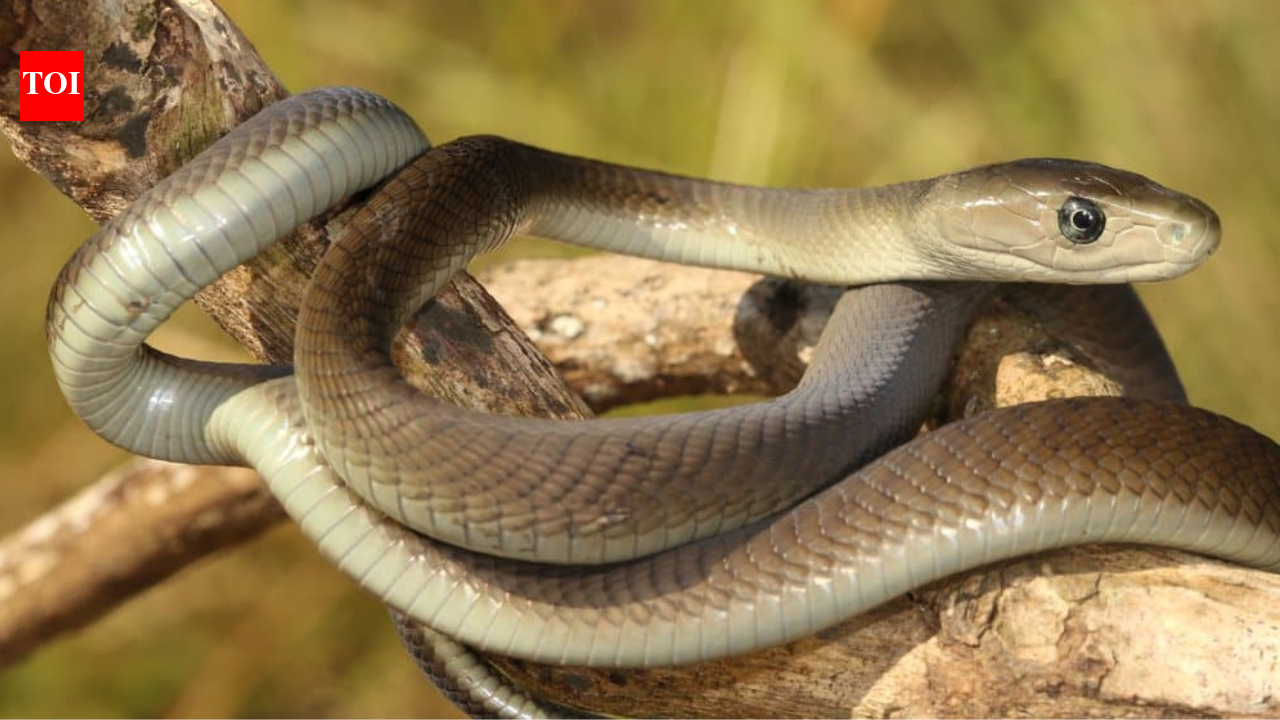
The black mamba is one of the scariest snakes on the planet, but much of its reputation is built on misunderstanding and myth. Native to sub-Saharan Africa, this highly venomous reptile is renowned for its incredible speed, powerful neurotoxic venom, and intimidating defensive display. Yet, despite its name, the snake is not actually black. Instead, its body is usually brown, olive, or gray in color, while the inside of its mouth is the deep inky color that inspired its name. Black Mambas are far more shy than many people assume, often avoiding confrontation whenever possible. Here are 10 interesting facts about the world’s fastest snake.
10 interesting facts about black mamba
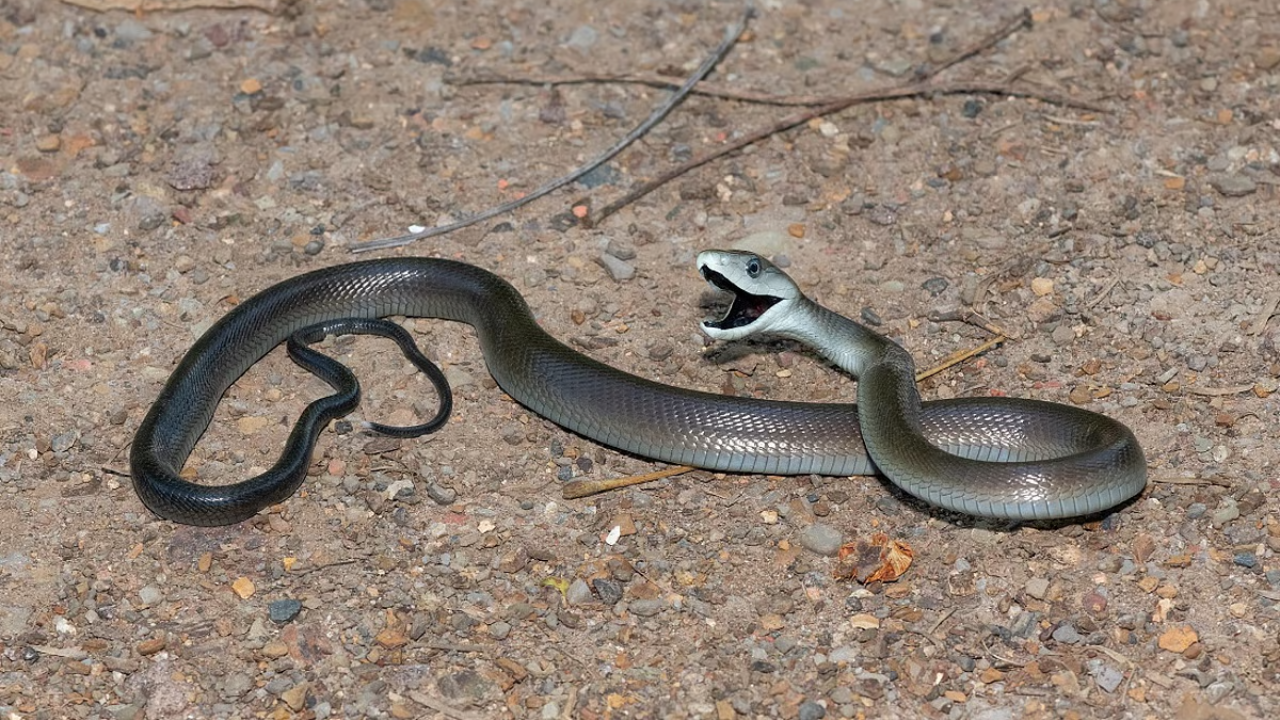
1. Black Mambas are not actually blackThe black mamba gets its name from the deep blue-black color of the inside of its mouth rather than the color of its scales. Its body is usually brown, olive, gray or brown, depending on age and habitat.When threatened, the snake opens its mouth wide as part of a defensive display, revealing the black interior that gave the species its famous name.This species is scientifically known as Black Mamba.2. It is the fastest snake on earthBlack mambas can move at speeds of about 20 kilometers per hour for short distances, making them the fastest known snake species on Earth.Their long, slender bodies and powerful muscles allow them to travel quickly across grasslands, rocky terrain and open savannas. However, they do not chase humans, despite popular myths suggesting the contrary.The fastest speed occurs when the snake is escaping danger rather than hunting.
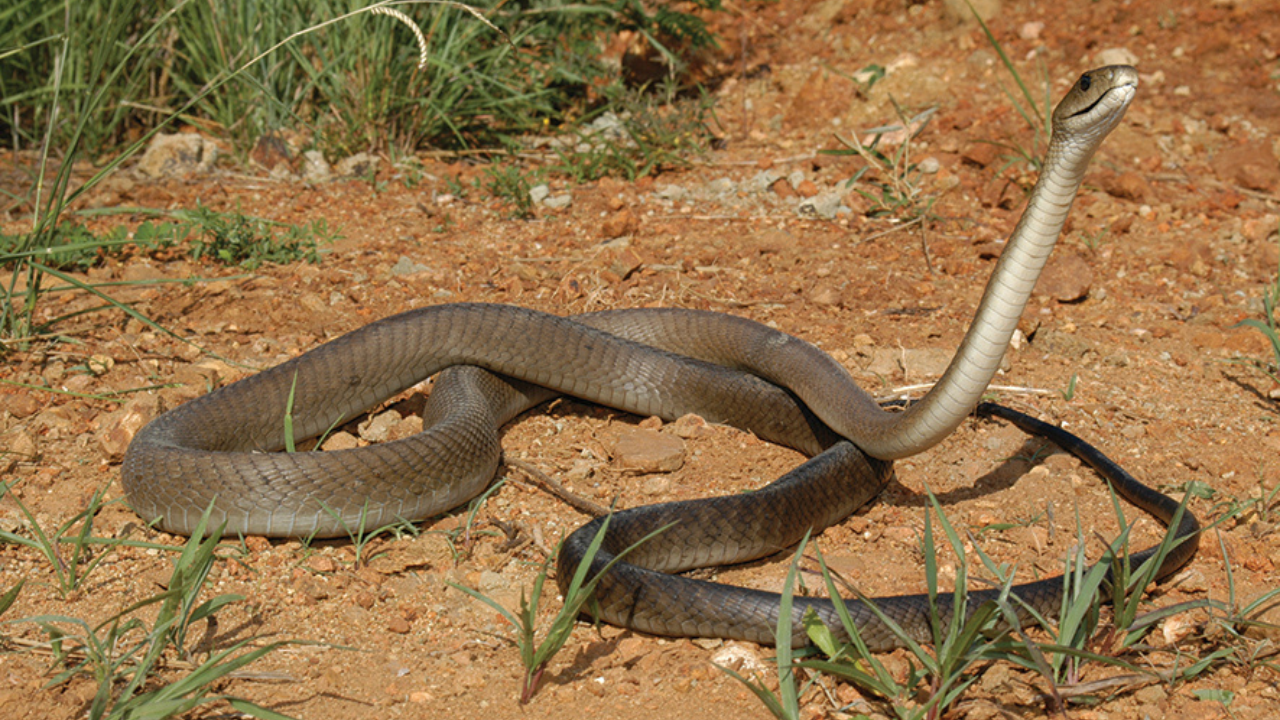
3. They can be incredibly tallBlack Mambas are among the longest venomous snakes in the world. Adults typically reach a length of 2 to 3 metres, although some individuals exceed 4 metres.Their size gives them an attractive appearance, especially when they raise a large part of their body above the ground during defensive behavior.Despite their length, they remain extremely agile and can move with remarkable precision.4. Their poison attacks Nervous systemBlack mamba venom is primarily neurotoxic, meaning it affects the nervous system. Without treatment, bites can lead to paralysis and respiratory failure.Symptoms may include dizziness, blurred vision, difficulty breathing, blinking, and loss of muscle control. Modern antivenom has greatly improved survival rates, but rapid medical treatment remains important.Although highly dangerous, black mambas generally prefer to avoid conflict and only bite when cornered or threatened.5. They are active mostly during the dayUnlike many snake species that are active at night, black mambas are diurnal, meaning they hunt and move primarily during daylight.They spend most of the day searching for prey or sunbathing to regulate body temperature. Their excellent vision helps them detect motion from great distances.At night, they often return to the same shelter, such as hollow trees, rock crevices or abandoned termite mounds.6. Black Mambas are highly intelligent huntersResearchers and wildlife experts often describe the black mamba as alert and highly aware of its surroundings. They rely on both vision and chemical sensing through their forked tongue to locate prey.Their diet consists mainly of small mammals, birds, and occasionally other reptiles.After biting the prey, the snake usually retreats and waits for its venom to stabilize before swallowing the animal whole.
7. They can lift most of their body off the groundOne of the most fearsome defensive behaviors of the black mamba is its ability to raise a large part of its body upright. Some individuals can raise about a third of their body length above the ground while slightly flattening their neck.This posture makes the snake larger and more dangerous to predators.When combined with hissing and its black mouth display, this behavior creates one of the most recognizable warning displays in the snake world.8. They live in most of sub-Saharan AfricaBlack mambas are found in many African countries, including Kenya, Tanzania, South Africa, Ethiopia, Namibia, and parts of the Democratic Republic of the Congo.They inhabit savannas, rocky hills, forests, and lightly wooded areas. Despite popular belief, they are not primarily wild snakes.This species prefers warm environments with suitable hiding places and ample prey availability.9. Female black mamba lay eggsBlack mambas reproduce by laying eggs rather than giving birth to live young. Females may lay 6 to 17 eggs in hidden, warm places such as rotting vegetation or hollows.The eggs incubate for several months before hatching.Young black mambas are venomous from birth and are able to hunt small prey soon after emerging.10. They play an important ecological roleDespite their fearsome reputation, black mambas play an important role in maintaining ecosystem balance. By controlling rodent populations and other small animals, they help regulate food chains in their habitats.Like many predators, they are an important part of biodiversity and ecological stability.Human expansion, habitat destruction, and direct killing by people remain constant threats to many snake populations throughout Africa.