

Ikigai in Bengaluru bengaluru news
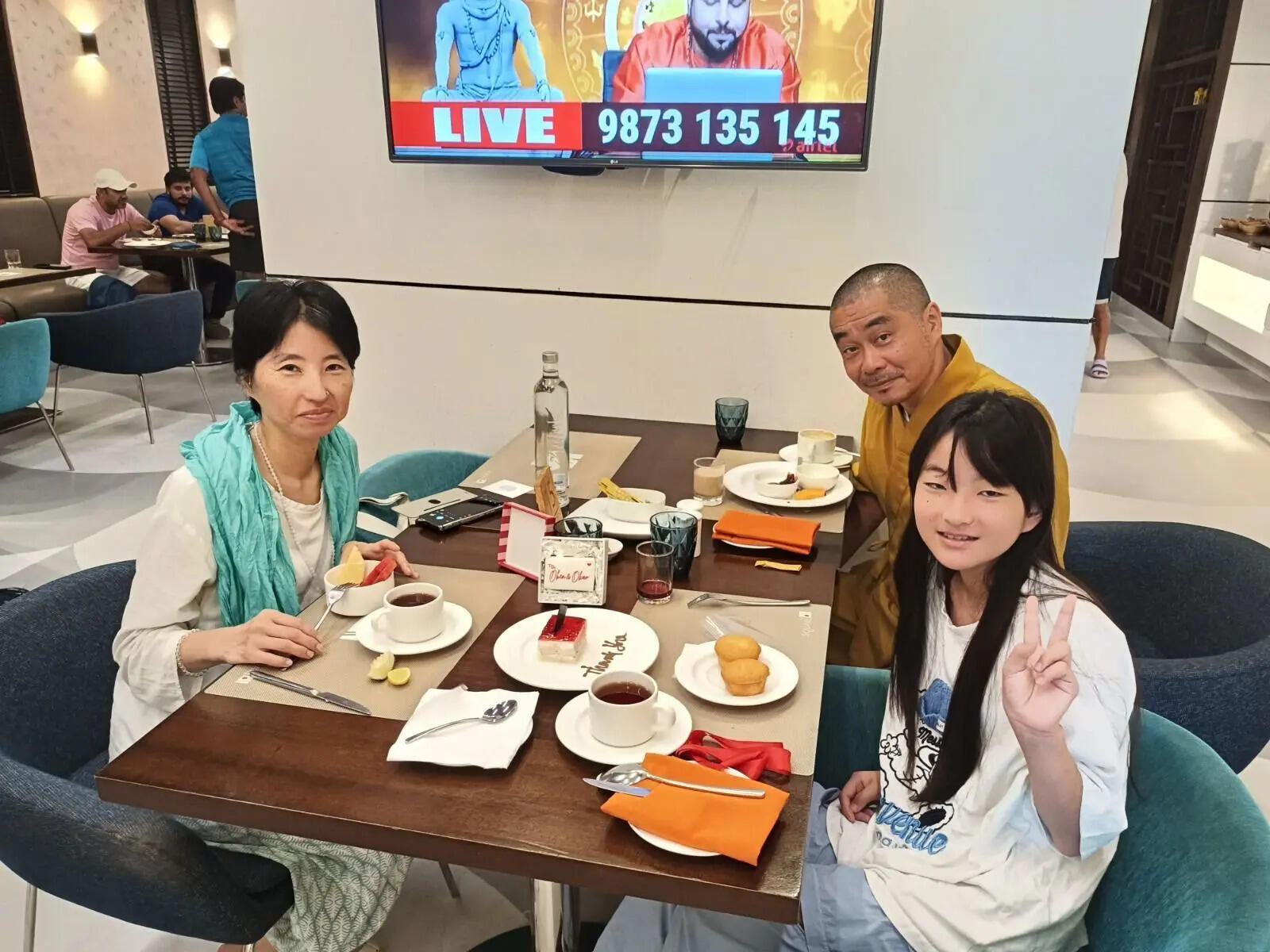
Many Japanese families in Bengaluru try to preserve the routines that make life feel stable.Shoes are left neatly at the entrance. Bento-style lunches packed for school or work. Seasonal customs are observed even when the weather outside does not match Japan’s memory. Spring festivals can be celebrated under the tropical sun. Children may speak Japanese at home, English at school and learn some Kannada or Hindi from drivers, neighbors and shopkeepers.Seven-year-old Japanese girl Konatsu Hasegawa won huge applause when she introduced herself in Kannada during the Kannada Rajyotsava function at her school last year.The Japanese presence in Bengaluru has increased with the city’s rise as a technology and manufacturing hub. Engineers, automotive experts, electronics professionals, business executives and their families have come together with companies who see Bengaluru as a place for innovation and long-term investment.Some people stay for a year or two, others much longer. Over time, what started as corporate migration became a community with its own habits, support systems, and familiar places.raising children in a distant country Yoshiki Hayashi’s children, Miyu and Sosuke, look forward to attending Japanese classes on the weekends at the Japanese Supplementary School (JSS). “We learn Japanese at Hosha Jugi (JSS),” says Miyu.The classes conducted by TRIO World Academy’s Sahakarnagar campus follow a curriculum approved by MEXT (Ministry of Education, Culture, Sports, Science and Technology of Japan) and overseen by the Japanese Consulate.Hayashi believes this initiative is important for families hoping to have their children return to Japan and re-enter the school system there.Kosuke Kiryu, chairman of the JSS’s management committee, has two children—Kanato, 14, and Rina, 9. Kiryu and his family are originally from Kagoshima, famous for Sakurajima, an active volcano, and its many relaxing hot springs (onsens). He works as the managing director of Tanita India and moved to Bengaluru two years ago. Citing his family’s example, Kiryu says JSS helps Japanese parents and children stay connected to their roots.The campus comes alive on weekends with a variety of sporting and cultural events, including traditional drumming sessions and activities that foster a sense of community and belonging.At JSS Sports Day, Grade 4 student Miyu wins a prize in a three-legged race with Hayashi. Hayashi and her children woke up early and practiced in their apartment at Brigade Cosmopolis in Whitefield well before the show. Hayashi smiles, “We aligned our bodies and minds, and practiced in harmony, aiming for victory.” He further said that it is more than a race and has deeper meanings.Like Miyu and Sosuke, most Japanese children learn their lessons in active lifestyles from playgrounds at an early age.How Terashima Found His Tribe Community life often gathers around schools, cultural associations, language circles, company networks, WhatsApp groups and informal gatherings.Koken Terashima from Tokyo, who has been in Bengaluru for the last two years, keeps in touch with friends through social media. “I also attend Buddhist ceremonies and festivals like Vesak and temple ceremonies,” he says.
Koken Terashima and his family, from Tokyo, are actively engaged in Japanese community activities
Restaurants are another important part of community life. Bengaluru has developed a vibrant Japanese food scene over the years, ranging from sushi bars in luxury hotels to small restaurants serving ramen, donburi, karaage, curry rice and teishoku cuisine. For the city’s Japanese residents, these places are not only about authenticity but also about comfort.A bowl of miso soup, grilled fish with rice, or a simple plate of curry can provide relief from homesickness after a long workday.And some people, like Terashima, don’t miss their homeland. Terashima is concerned about Bengaluru’s lack of water and vehicular roads, but despite such infrastructural inadequacies, he loves the city.Food, an anchor of identityThe Japanese expatriate community at Phoenix One Bengaluru West stays connected through a WhatsApp group. “There are about 110 Japanese nationals in our apartment.They go shopping by taxi, and on alternate days a car brings them Japanese groceries and food; One person has been running this delivery business continuously for about five years,” says resident N Ramakrishnan.Japanese residents in Bengaluru often seek out stores that stock imported staples: short-grain rice, miso, soy sauce, mirin, dashi, seaweed, tofu, curry roux, panko, noodles and green tea.“We shop at local supermarkets where you get fresh produce and international ingredients. We also buy from e-commerce sites like Licious.in and MainDish.in,” says Kiryu.Wang Tuo makes nutrient-rich miso soup for her husband, Hiromichi, who is from Fukui, Japan. Hiromichi eats rice balls and vegetables for lunch.Some people buy local vegetables that resemble familiar produce at home or learn to cook from what is available: Indian spinach in place of Japanese greens, local mushrooms instead of shimeji, river fish or imported seafood, depending on budget and access.Indiranagar resident Hiroki Emoto, who works at Sunpark, a Japanese restaurant chain, orders groceries online.“E-commerce sites like Blinkit deliver very fast and I’m really impressed with their service,” he says, adding that expedited delivery also exists in Japan, but it is unreasonably expensive. “For example, a small bottle of water may cost you Rs 100,” he says.
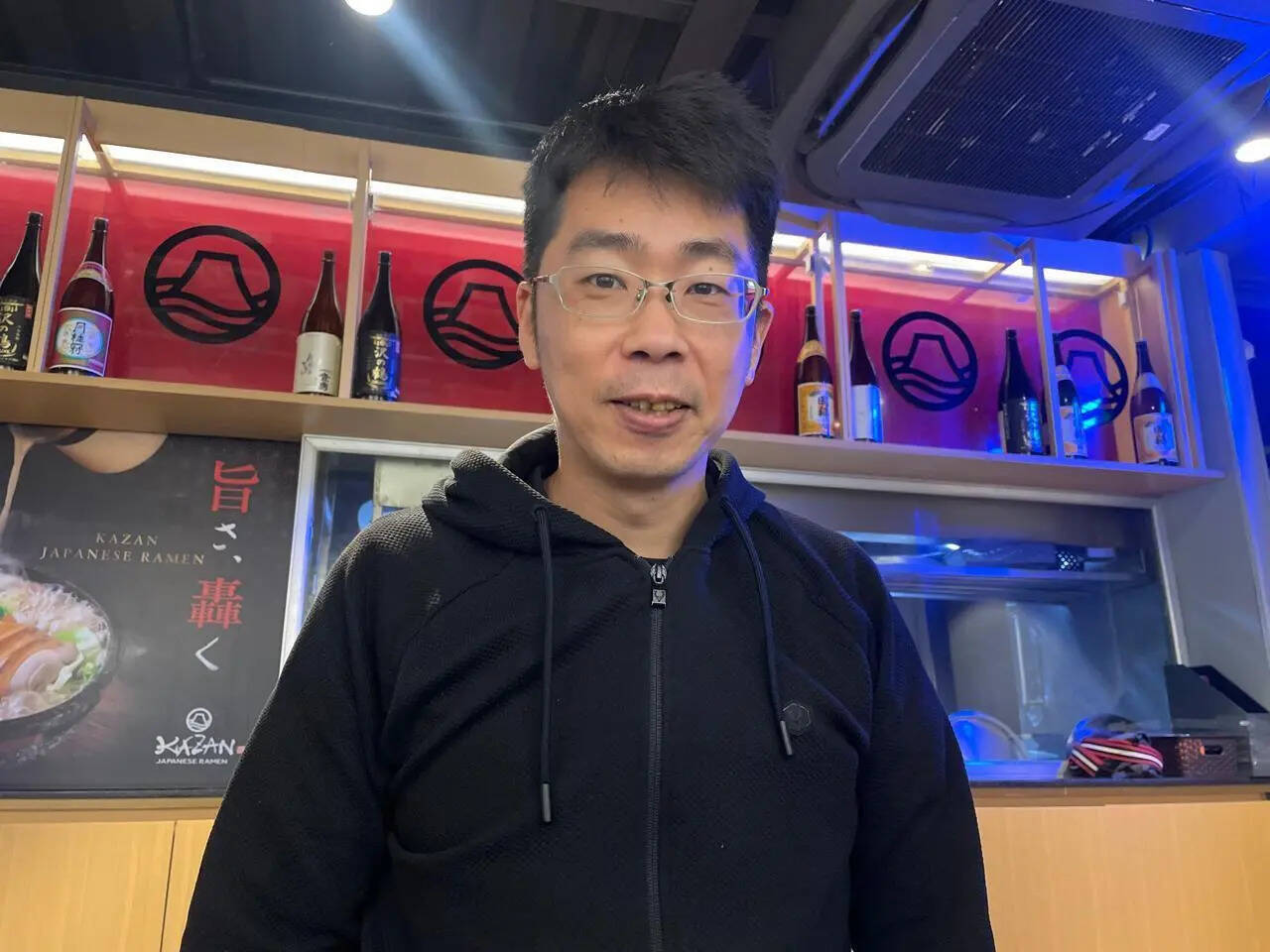
Hiroki Emoto likes Bengaluru’s weather but says unlike Japan, its seasons all look the same
Hiroki finds Indian food delicious but too spicy for his liking. He says, “I ask for zero spicy food. It still tastes too spicy.”Her favorite Indian food includes dosa and halwa. He usually eats dosa with a spoon, although with Indian friends he tries to eat it with his hands.Finding Ikigai amidst challenges Ikigai is a Japanese philosophical term meaning ‘that which makes life worth living’. Simply put, this is the reason you wake up in the morning. Japanese people believe that even small happiness matters. Together, they live a fulfilling life.Nagasaki resident Haruka Nagahashi says her ikigai is watching someone smile and take their first sip of matcha, a green tea of Japanese origin.Nagahashi, founder of Teka, a matcha café in Indiranagar, says his journey has been full of discoveries. “What I love most about Bengaluru is the energy and openness of the people.
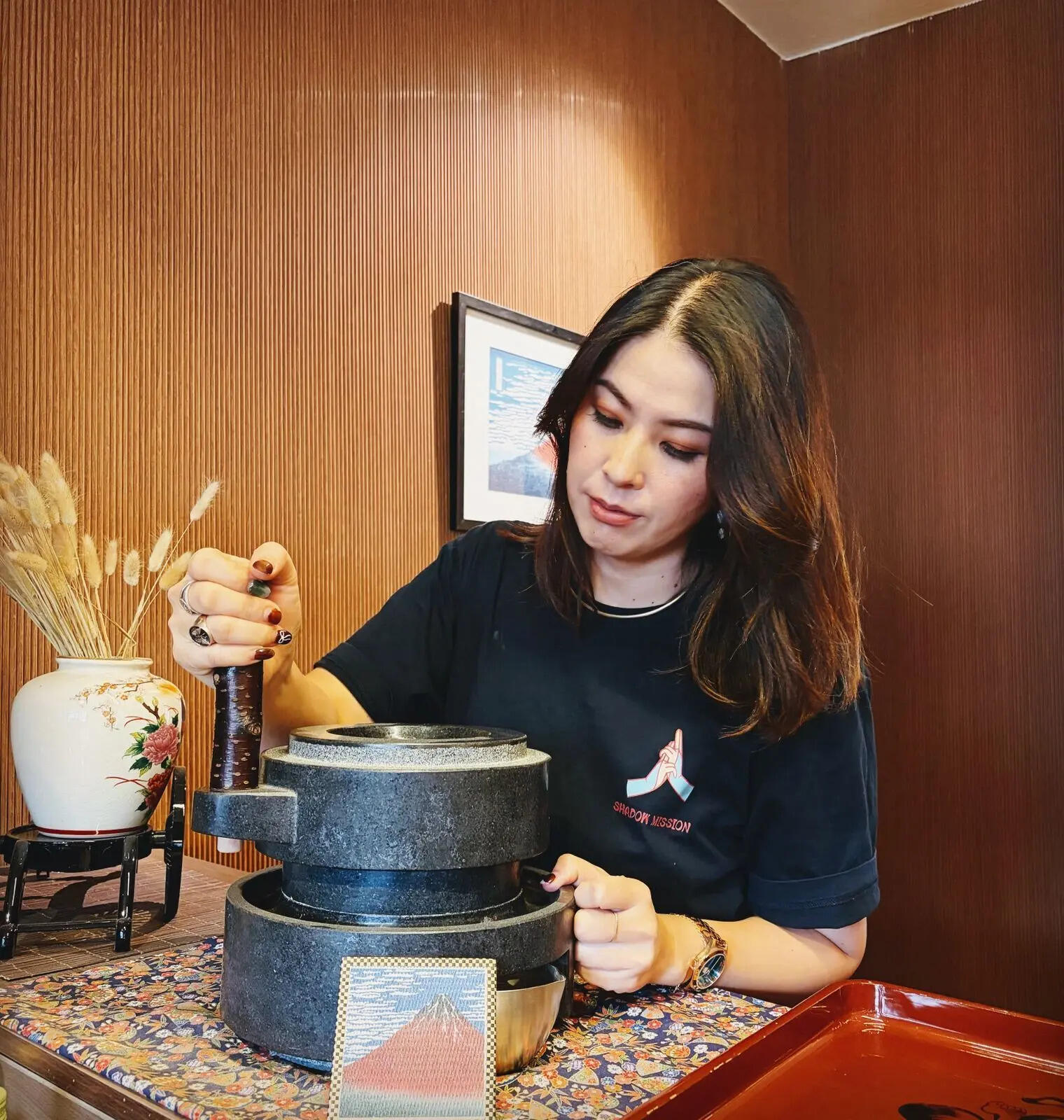
Bengaluru is a city of possibilities, says Nagasaki-based Haruka Nagahashi, founder of Teka, a matcha café in Indiranagar.
There is a strong sense of possibility here and people are very supportive of new ideas.” She sometimes misses Japan, especially the weather, food, and attention to detail. Meanwhile, she feels at home in Bengaluru, which offers tremendous opportunities or growth both personally and professionally.Running a café can be challenging, she says, but it is also very gratifying. Apart from work, she tries to take out small moments to relax, reflect and rejuvenate.Nagahashi is full of a strong sense of purpose and is the epitome of ikigai in many ways. She blends what she likes, what she’s good at, what the world needs, and what she can get paid for, skillfully and carefully, just like she crafts every cup of matcha.There are challenges, including traffic, infrastructure and sometimes the unpredictability of daily life. “Things are less structured in Bengaluru compared to Japan, but that also makes life here more dynamic,” says the 32-year-old.This is a story of routine, adaptation and quiet continuity. In a city built by migration and reconstruction, the Japanese community has made its home not by recreating Japan, but by carefully carrying forward its traditions and adopting local culture.