
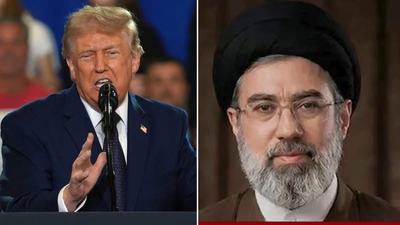

Iran rejects Trump’s ‘largely negotiated’ deal, claims control of Hormuz
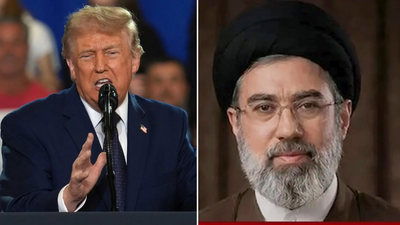
US President Donald Trump claimed on Sunday that the United States and Iran have “negotiated” a comprehensive deal that could reopen the Strait of Hormuz and potentially end the months-long conflict launched under “Operation Epic Fury”.“However, Iran does not appear to be aligned with the MAGA supremo on the Hormuz question in what Trump is calling a “largely negotiated” agreement.“An agreement has been substantially negotiated and is subject to finalization between the United States, the Islamic Republic of Iran, and various other countries,” Trump wrote on Truth Social.The announcement signaled possible progress toward reducing tensions after months of military escalation in the region. However, Trump also told his aides and regional allies that he still reserved the option to resume military strikes if Iran fails to comply with the terms of the temporary agreement under discussion, The Wall Street Journal reported.However, Iran rejected Trump’s claims. The Strait of Hormuz will remain under Iranian control under the latest proposal exchanged between Tehran and Washington, state-affiliated Fars news agency reported.Iranian media also said the proposal was still awaiting final approval from the office of Supreme Leader Mojtaba Khamenei.According to CNN, the latest draft of the memorandum of understanding being negotiated would gradually reopen the Strait of Hormuz, ease the US blockade of Iranian ports and halt hostilities between the two countries.The proposed agreement would also trigger at least 30 days of further talks focused on unresolved issues related to Iran’s nuclear program, particularly Tehran’s stockpile of near-weapons-grade uranium.Trump said discussions were still ongoing and warned that parts of the agreement could still change.Prime Minister of Pakistan Shahbaz Sharif A post on Twitter praised Trump’s peace efforts, although he did not directly mention the agreement or the Strait of Hormuz.Instead, Sharif noted the “very useful and productive telephone calls” made by Trump with the leaders of the Gulf countries, Turkey, Egypt, Jordan and Pakistan, who were represented by Army Chief Asim Munir.“The discussion provided a useful opportunity to exchange views on the current regional situation and how to advance the ongoing peace efforts,” Sharif said.Fars News again rejected Trump’s comments on reopening the Strait of Hormuz, calling them “not true” and “inconsistent with reality.”“Although Iran has agreed to allow the number of ships passing to return to pre-war levels, this in no way means ‘free passage’ as it existed before the war,” the outlet reported.Trump later said that talks with regional leaders focused on a memorandum involving Iran and “peace”.According to CNN, regional leaders urged Trump to move forward on the proposed framework deal. A diplomat involved in the discussion described the talks as encouraging.“The call was very positive. Good progress is being made. Regional leaders were supportive of the progress and the success achieved by President Trump in the talks,” a regional diplomat told CNN.Trump also revealed that he spoke separately with the Israeli Prime Minister benjamin netanyahu.“The final aspects and details of the deal are currently under discussion and will be announced soon. In addition to many other elements of the agreement, the Strait of Hormuz will be opened,” he said.However, Israel remains cautious. According to an Israeli source cited by CNN, Tel Aviv is concerned that any interim agreement could reopen the Strait of Hormuz and ease sanctions on Iran without fully addressing Tehran’s nuclear program and enriched uranium reserves.The US has reportedly assured Israel that the uranium issue will remain a priority in the talks.Netanyahu is expected to hold a high-level security meeting with ministers and intelligence officials to discuss the latest developments.Earlier, in an interview with Axios, Trump had described the chances of securing a deal with Iran as “solid 50/50” ahead of his talks with Gulf and regional leaders. He warned that negotiations could either lead to a “good” deal or the US could “force them to come to the States.”Officials from both the US and Iran indicated they may now be close to a temporary framework agreement after mediators from Qatar and Pakistan met in Tehran on Saturday. A regional source told CNN that the two sides are moving toward a broad future agreement.