
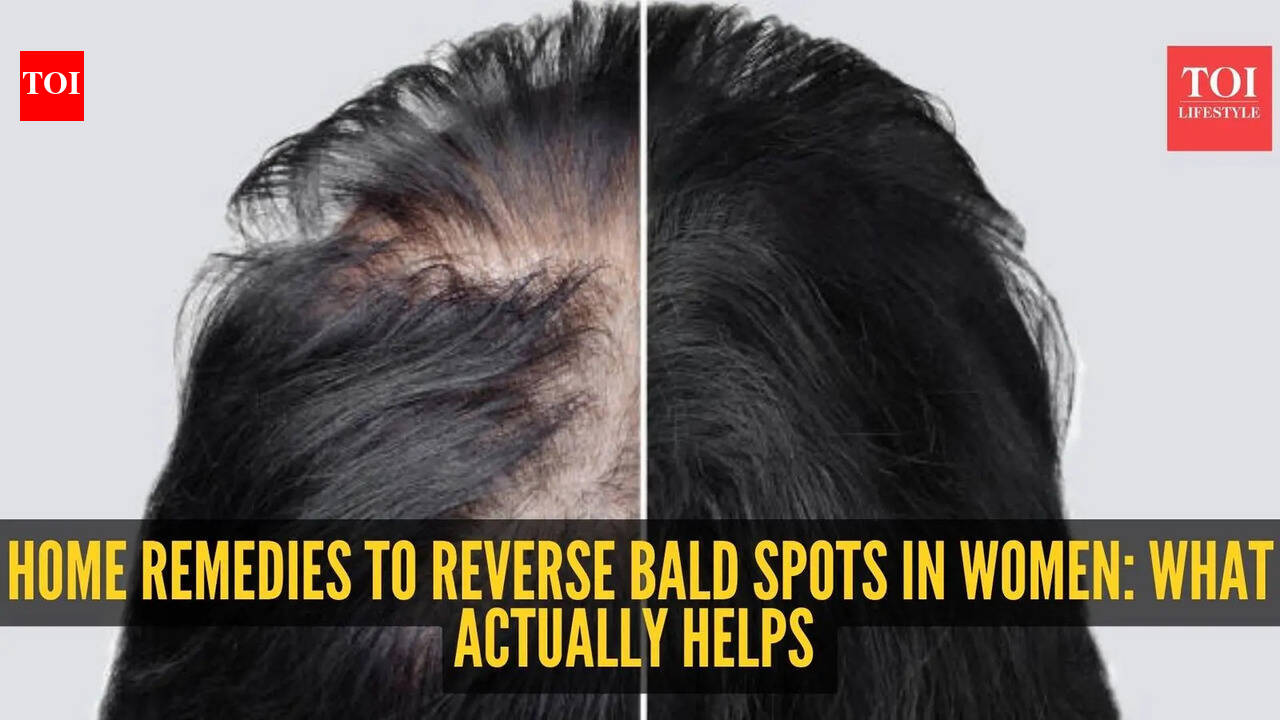

Alopecia Areata Treatment: Home Remedies to Cure Baldness in Women
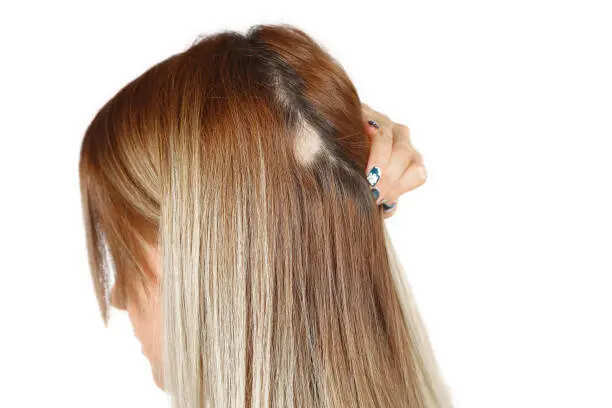
Seeing a bald spot can be a real shock. It’s a scary feeling — one day you’re styling your hair as usual, and the next day, you’re suddenly tilting your head in the mirror, trying to figure out how to cover up that patch that definitely wasn’t there last week. If you’re going through this right now, we want you to know that you’re not alone, and more importantly, you don’t have to just sit there and accept it.Before we get into what you can do at home, let’s be real for a second: Hair loss in women is complicated. This can be triggered by anything from high stress and hormonal changes to not getting enough iron or wearing your ponytail too tight for too long. Home remedies are great for aiding regrowth, but they work best when you’re also looking at the “why” behind the hair loss.That said, if the space is relatively new or looks bland, these natural approaches can do wonders to wake up your scalp and get things moving in the right direction.
coconut oil massage :old school classic
Coconut oil isn’t something your grandmother swore by; There is real science in this. Unlike many other oils, it actually goes deep into the hair roots to prevent protein loss, which keeps your hair from breakage. But the real secret isn’t just the oil – it’s the massage.How to do it: Heat a little oil so that it is comfortable to touch. Spend 5 to 10 minutes gently massaging the area using circular motions with your fingers.“Why”: That physical massage gets blood flowing straight to the follicles, which acts as a wake-up call to dormant hair.Frequency: Aim for 2-3 times a week. Leave it on overnight if possible, or at least for a few hours before washing off.
Onion Juice: Smells awesome, works great
I know, the smell is strong. But onion juice has become a massive trend for a reason. It is rich in sulfur, an important building block for collagen and hair proteins.How to do it: Grate or blend an onion, squeeze out its juice and apply it directly on the patch. Leave it on for about 20 to 30 minutes before washing it off thoroughly.“Why”: It is known to promote blood circulation and has been shown in some studies to actually help with hair fall.Pro Tip: If the smell is too strong, add a few drops of rosemary or lavender essential oil to help mask it.
aloe vera : Scalp Reliever
Sometimes, hair stops growing because there is too much stress on the scalp — think inflammation, dryness, or irritation. Aloe vera is basically a spa day for your hair follicles.
How to do it: Use fresh gel if you can get it. Rub it directly on your scalp and leave it on for 30-40 minutes before washing it off with lukewarm water.“Why”: It clears clogged follicles and calms any inflammation, creating the “perfect soil” for hair growth.Frequency: You can do this 2 or 3 times a week quite easily.
Castor Oil: Thick, Sticky, and Gritty
Castor oil is a “heavy hitter” of hair oils. It is rich in ricinoleic acid, which is famous for helping in thickening of hair.How to do it: Because it’s so thick (almost like honey), mix it with a little almond or coconut oil to make it easier to spread. Massage with this and leave it overnight.“Why”: It deeply nourishes the roots and provides a protective barrier that keeps the scalp healthy.Frequency: Once or twice a week is enough – this is very heavy, so don’t overdo it.
Fenugreek (Methi): Underrated Powerhouse
If you have fenugreek seeds in your kitchen, you have a powerful remedy for hair. These seeds are rich in nicotinic acid and protein, which form hair.How to do it: Soak the seeds overnight, grind them into a paste the next morning and apply that “mask” on your scalp. Leave it on for 30 minutes.“Why”: This is one of the best traditional ways to strengthen roots and speed up growth in thin areas.
Garlic Oil: High Intensity
Like onion, garlic is also a sulfur powerhouse. This is great for stimulating the area if you feel that growth has completely stopped.How to do it: Crush some cloves and heat them in some coconut oil. Let it cool, strain and use that oil as a spot treatment once a week.
Stress control: the solution we all ignore
We can apply all the oil in the world to our scalp, but if our cortisol levels are at their peak, our hair will remain in the “rest” phase. Stress-related shedding (telogen effluvium) is incredibly common in women.The Plan: We know “don’t stress” is easier said than done, but try prioritizing 7-8 hours of sleep and maybe five minutes of deep breathing or yoga. When your nervous system settles down, your hair cycle usually falls into line.
Eat for your hair: growth starts from the inside
Your hair is the last part of your body to receive nutrients; Your heart and lungs get first dibs. If you’re not eating enough, your hair is the first thing to “shut down” your body.Focus on: getting enough protein (lentils, eggs, cheese), iron (spinach and dates), and healthy fats (nuts and seeds). If you are iron deficient, no amount of onion juice will fix the problem.
what you need to stop doing
Sometimes, what you stop doing is more important than what you start. If you have bald spots, avoid these:High-Tension Style: No tight buns, braids, or ponytails that pull at the roots.
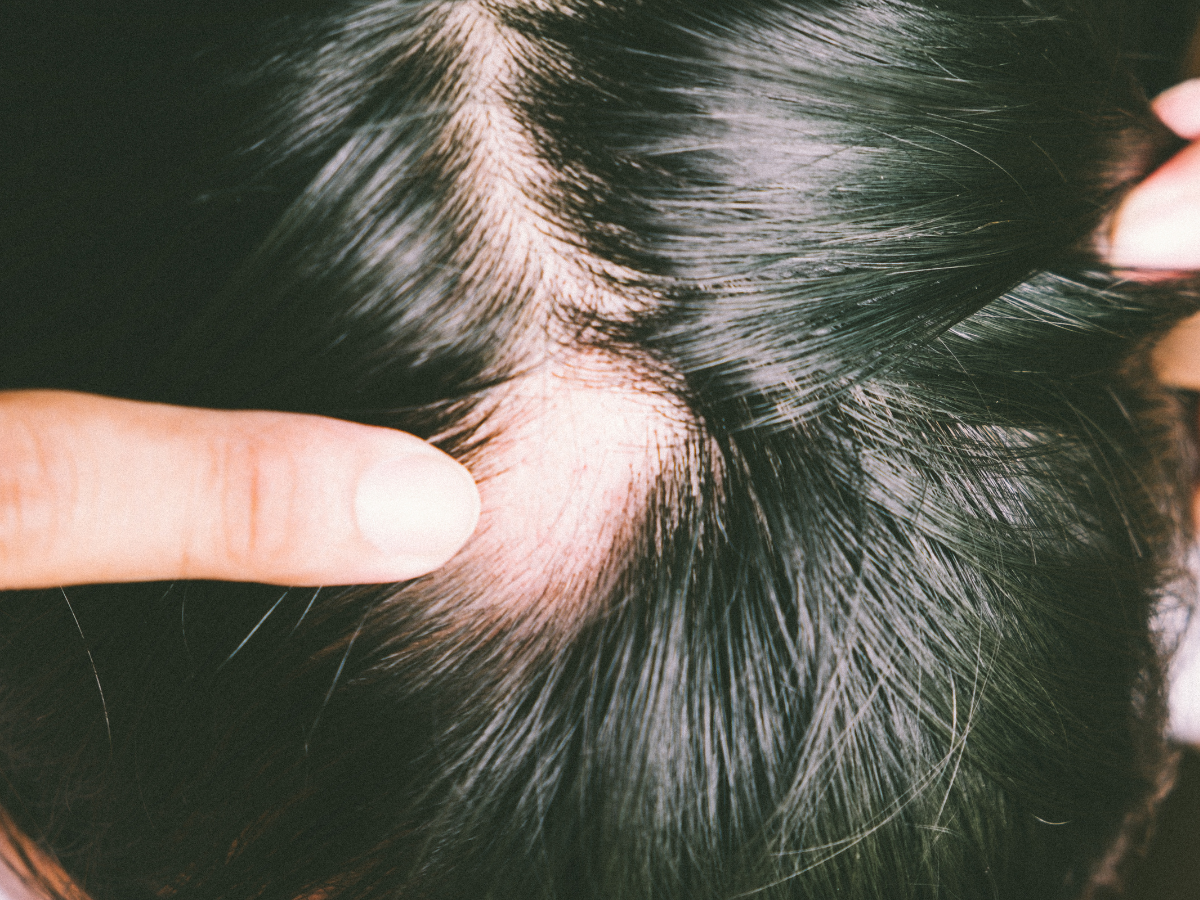
Stop hair fall naturally with these effective home remedies: Coconut oil massage: Nourishes the scalp and strengthens the hair follicles. Aloe Vera Gel Applications: Soothes the scalp, reduces inflammation, and promotes hair growth. Onion Juice Treatment: Rich in sulphur, it promotes collagen production and reduces hair fall. Egg Mask Therapy: Provides proteins and nutrients to nourish and strengthen hair. Green tea rinse: Stimulates hair growth and prevents breakage.
Excessive heat: Put the flat iron away for a while.Harsh chemicals: Avoid strong bleaches or perms until you see regrowth.
How long does it actually take?
Here’s the honest, unvarnished truth: Hair growth is a slow game. By Friday you will not see hair on your entire head.4-6 weeks: You may start to see small, fluffy “baby hairs.”2-3 months: You will notice the patch starting to fill in more significantly.Consistency is the only way it works. If you change treatments every three days, you will not see results.
When it’s time to see a professional
Home remedies are great, but they’re not magic. You should definitely call a dermatologist if:This place is getting bigger very fast.Your scalp feels painful, itchy, or looks very red.Your hair is falling out in large clumps.You have other symptoms like extreme fatigue or irregular periods (which may point to thyroid or PCOS problems).Dealing with baldness is an emotional rollercoaster, but it usually isn’t permanent. Think of these tips as a way to be kind to yourself and your scalp. Be patient, consistent, and give your body the nutrients and rest it needs to do its job.Hair takes time to grow… but it really does happen. Just keep at it.