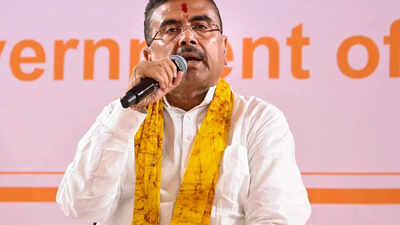
मुजफ्फरनगर विद्युत पेंशनर्स परिषद का भव्य वार्षिक अधिवेशन सम्पन्न, कपिल देव अग्रवाल ने मांगों के समाधान का दिया आश्वासन।
मुजफ्फरनगर विद्युत पेंशनर्स परिषद की जिला शाखा का वार्षिक सम्मेलन लिंक रोड स्थित न्यू दावत पार्टी हॉल में गरिमामय माहौल में आयोजित हुआ. कार्यक्रम की अध्यक्षता परिषद के अध्यक्ष इंजीनियर एमडी शर्मा ने की, जबकि विभिन्न जिलों से आये पेंशनर्स प्रतिनिधियों एवं अतिथियों की उपस्थिति ने कार्यक्रम को विशेष महत्व दिया.
सम्मेलन का उद्घाटन सेवानिवृत्त मुख्य अभियंता इंजी लोकेश चंद्रा, राजकीय पेंशनर्स कल्याण संगठन के अध्यक्ष इंजी बीआर शर्मा एवं केंद्रीय संरक्षक सदस्य इंजी. एससी गर्ग एवं अन्य अतिथियों के साथ दीप प्रज्ज्वलन एवं माल्यार्पण किया गया।
आसपास के जिलों से भी पहुंचे प्रतिनिधि, क्षेत्रीय स्तर का मंच बना सम्मेलन
कार्यक्रम में शामली, सहारनपुर, बिजनौर और मेरठ समेत आसपास के जिलों से पेंशनर्स संगठनों के पदाधिकारी भी शामिल हुए। विभिन्न संगठनों के प्रतिनिधियों की सक्रिय भागीदारी से सम्मेलन क्षेत्रीय स्तर पर समन्वय एवं संवाद का एक महत्वपूर्ण मंच बन गया।
अध्यक्ष इंजीनियर बीबी गुप्ता एवं सचिव योगेन्द्र कुमार शर्मा ने सभी अतिथियों का स्वागत किया तथा परिषद की गतिविधियों एवं पेंशनरों से जुड़े मुद्दों पर प्रकाश डाला।
सम्मेलन में प्रस्तुत किया गया मांग पत्र, समस्याओं के समाधान पर चर्चा
बैठक का संचालन करते हुए इंजीनियर उमेश चंद्र वर्मा ने परिषद द्वारा तैयार किये गये मांग पत्र को उपस्थित अतिथियों के समक्ष प्रस्तुत किया. इसमें पेंशनभोगियों से जुड़ी विभिन्न प्रशासनिक, वित्तीय एवं सेवा संबंधी समस्याओं के समाधान की अपेक्षाएं व्यक्त की गईं।
मांग पत्र में पेंशन भुगतान व्यवस्था, कार्यालयों में सम्मानजनक व्यवहार, चिकित्सा सुविधा एवं अन्य प्रशासनिक प्रक्रियाओं के सरलीकरण से संबंधित मुद्दों को प्रमुखता से रखा गया.
राज्य मंत्री कपिल देव अग्रवाल ने समाधान का आश्वासन दिया
सम्मेलन में मुख्य अतिथि के रूप में राज्य मंत्री (स्वतंत्र प्रभार) पहुंचे। कपिल देव अग्रवाल कहा कि वरिष्ठ नागरिक समाज की अमूल्य धरोहर हैं और उनके अनुभवों से समाज को लाभ मिलता रहना चाहिए।
उन्होंने परिषद द्वारा प्रस्तुत मांग पत्र पर सकारात्मक रुख दिखाते हुए आश्वासन दिया कि शासन स्तर से जुड़ी समस्याओं को प्राथमिकता के आधार पर हल कराने का प्रयास किया जाएगा।
वरिष्ठ कोषाधिकारी एवं क्षेत्रीय मुख्य अभियंता ने भी सहयोग का आश्वासन दिया
कार्यक्रम में वरिष्ठ कोषाधिकारी रमेश चंद यादव एवं क्षेत्रीय मुख्य अभियंता इंजीनियर वी.के. उपस्थित रहे। गुप्ता ने पेंशनरों की समस्याओं के समाधान के लिए अपने स्तर से हरसंभव सहयोग का आश्वासन भी दिया।
उन्होंने कहा कि कार्यालयों में पेंशनरों के साथ सम्मानजनक व्यवहार एवं त्वरित सेवाएं उपलब्ध कराने के निर्देश अधीनस्थ अधिकारियों को पहले ही दिए जा चुके हैं। लंबित मामलों के शीघ्र निस्तारण के भी प्रयास किये जा रहे हैं।
आठवें केंद्रीय वेतन आयोग से संबंधित विषयों पर जानकारी साझा की गई
गवर्नमेंट पेंशनर्स कल्याण संगठन के वरिष्ठ उपाध्यक्ष इंजीनियर डीपी जैन, महासचिव इंजीनियर डीके गुप्ता और इंजीनियर रामबीर सिंह ने आठवें केंद्रीय वेतन आयोग के तहत पेंशन मान्यकरण अधिनियम से संबंधित नवीनतम जानकारी साझा की।
उन्होंने पेंशनरों को आश्वासन दिया कि संगठन उनके अधिकारों की रक्षा के लिए निरंतर प्रयास करेगा और भविष्य में भी सहयोग जारी रहेगा।
वरिष्ठ पेंशनरों का सम्मान कर आभार व्यक्त किया गया
सम्मेलन के दौरान बिजली विभाग के वरिष्ठ पेंशनर्स इंजीनियर एससी गर्ग, बीआर शर्मा, सीडी शर्मा, केसी त्यागी, बृजपाल सिंह, केएस वर्मा, केडी सैनी, वेदपाल शर्मा और सुरेंद्र कुमार मित्तल को शॉल और स्मृति चिन्ह देकर सम्मानित किया गया।
यह सम्मान समारोह वरिष्ठ पेंशनभोगियों के योगदान के प्रति संगठन की कृतज्ञता को दर्शाता है।
वार्षिक चुनाव निर्विरोध संपन्न, नई कार्यकारिणी गठित
सम्मेलन के दौरान परिषद के वार्षिक चुनाव भी कराये गये, जिसमें श्री शिवकुमार त्यागी को अध्यक्ष एवं योगेन्द्र कुमार शर्मा को सचिव चुना गया। चुनाव प्रक्रिया शांतिपूर्ण एवं निर्विरोध संपन्न हुई।
नई कार्यकारिणी से अपेक्षा की गई कि वह संगठन को और अधिक सक्रिय एवं प्रभावी बनाएगी।
सैकड़ों पेंशनभोगियों की भागीदारी से सम्मेलन एक सफल आयोजन बन गया।
कार्यक्रम में जयपाल मलिक, भोपाल सिंह, जसवीर सिंह, केपी सिंह, महेंद्र वर्मा, बिजेंद्र वर्मा, अमरनाथ त्यागी, धीर सिंह, बीबी शर्मा, सोम सिंह, योगेंद्र कुमार, एमजी रोहिला, सुरेश चंद शर्मा, कालूराम रोहिला, राजकुमार गर्ग व मांगे सिंह सैनी सहित बड़ी संख्या में पेंशनर्स मौजूद रहे।
सम्मेलन के दौरान संगठनात्मक एकजुटता, अधिकारों की सुरक्षा और समस्याओं के समाधान के लिए सामूहिक प्रयासों की आवश्यकता पर विशेष जोर दिया गया।
‘Mahatma Gandhi is on fire brother’. india news
New Delhi: “Mahatma Gandhi is on fire brother” – a fireman’s frantic exclamation, captured on video, has become the focal point of the investigation into the fire that broke out at Justice Yashwant Verma’s official bungalow in the capital last year. At around 11.35 pm on March 14, police and fire personnel reached 30 Tughlaq Crescent (Verma’s residence) in Central Delhi. Two fire tenders were sent to the spot and they, along with police personnel, brought the fire in the store room under control within 15 minutes. This was supposed to be the end of an emergency response, but as first responders walked through the thin curtain of smoke, they were shocked – the store room contained, among other things, wads of partially burnt high denomination Indian currency notes. This comment, captured on video – a direct reference to the image of Gandhi on burnt Rs 500 notes – turned an emergency call into a scandal that reached the highest levels of the judiciary, besides leading to a young officer – who quickly realized the gravity of what happened to his men and alerted his superiors – being labeled a “whistleblower”, simply because he showed his presence of mind. By the afternoon of March 15, when Justice Verma was returning to the capital midway from his visit to the Satpura Tiger Reserve in Madhya Pradesh, Delhi Police Commissioner Sanjay Arora was already briefing Delhi High Court Chief Justice DK Upadhyay about the incident. A formal report supported by WhatsApp video of the cash-laden wreck was sent to the Union Home Ministry.
संदिग्ध आतंकी गिरफ्तार: IMA, ISBT और PHQ थे निशाने पर; पाकिस्तान भेजी गई थी लोकेशन – देहरादून में संदिग्ध आतंकी गिरफ्तार आईएमए, आईएसबीटी पीएचसी थे निशाने पर पाकिस्तान भेजी गई थी लोकेशन
झाझरा से गिरफ्तार संदिग्ध आतंकी विक्रांत से पूछताछ में चौंकाने वाले खुलासे हुए हैं. इनमें शहर के संवेदनशील और भीड़-भाड़ वाले इलाकों को निशाना बनाने की साजिश का खुलासा हुआ है. पूछताछ के दौरान आरोपी ने बताया कि वह पंजाबी गायक सिद्धू मूसेवाला का कट्टर प्रशंसक था और उसकी हत्या से बेहद नाराज था.
इसी भावना से वह सोशल मीडिया के माध्यम से पाकिस्तान स्थित शहजाद भट्टी के संपर्क में आया, जिसने सिद्धू मूसेवाला की हत्या का बदला लेने से संबंधित भड़काऊ पोस्ट और रील डाले थे। इसके बाद उन्हें अलग-अलग काम दिए जाने लगे. शुरुआत में उन्हें देहरादून और आसपास के इलाकों, खासकर पुलिस स्टेशनों और महत्वपूर्ण स्थानों के वीडियो बनाकर भेजने के लिए कहा गया था।
जांच में पता चला कि आरोपियों ने पुलिस चौकी झाझरा की लोकेशन और वीडियो फुटेज पाकिस्तान भी भेजी थी। इसके बाद उन्हें और भी गंभीर काम दिए गए जिनमें आईएमए, आईएसबीटी और पुलिस मुख्यालय (पीएचक्यू) जैसे संवेदनशील संस्थानों की रेकी करना और उनके वीडियो भेजना शामिल था. इनमें से कुछ जगहों की तस्वीरें और वीडियो भी उसने पाकिस्तान को भेजे थे.
पूछताछ में आरोपी विक्रांत ने बताया कि उसे पाकिस्तानी से निर्देश मिले थे कि तुम्हें इन जगहों को बम से उड़ाना है, बम, हथियार और पैसे गुर्जर नाम का शख्स देगा. घटना को अंजाम देने से पहले ही आरोपी को गिरफ्तार कर लिया गया.
‘The whole trip was fantastic’: Donald Trump lauds Artemis II crew after historic Moon mission, now sets their sights on Mars
Verma walks down in protest: ‘Asked to give mandatory answer’ india news
New Delhi: Justice Yashwant Verma of Allahabad High Court has probably submitted his resignation to the President. Draupadi Murmu on Friday, but he went down screaming. In a letter addressed to Supreme Court Justice Arvind Kumar, who heads the judges’ inquiry committee, the controversial HC judge faulted the committee’s process to test the veracity of allegations related to the discovery of huge amounts of unaccounted burnt cash from his official residence. Questioning the committee’s decision to proceed without any concrete evidence against him, Justice Verma said such a process left him no option but to withdraw, as his further participation would legitimize a process that “asks me to give unassailable answers – where did the money come from”. “Parallel to this, I have also written a letter to Her Excellency the President of India,” he said. The video, recorded by the first responders – firemen and police – of the fire incident at his residence in central Delhi on the night of March 14-15 last year and later uploaded on the Supreme Court website, proved Justice Verma’s murder. If his evidence before the committee was damning, it became even more trenchant during his cross-examination by Justice Verma’s lawyers, as they sketched the discovery of the cash and the conduct of the people present in the judge’s house that night. Justice Verma was considered very close to Justice DY Chandrachud, who had a two-year tenure as CJI from November 2022 to November 2024. An SC bench headed by him had in March 2024 quashed a CBI FIR and an ECIR by the Enforcement Directorate against Justice Verma, who, as a lawyer and before his appointment as an HC judge, had come forward as a non-executive director of Simbhaoli Sugar Limited in an alleged bank loan fraud case. One of his main complaints was that the committee had put the onus of proving his innocence on the basis of evidence collected by the inquiry committee constituted by the then CJI Sanjiv Khanna. He said the investigation report could not serve as evidence or be relevant to any future proceedings. His decision to challenge the inquiry proceedings, its report and the then CJI Khanna’s recommendation of removal motion was quashed by the SC bench of Justices Dipankar Datta and AG Masih on August 7 last year. Justice Verma said that the storeroom from where the burnt cash was allegedly found and where the video was recorded was never seized by the police. Moreover, since the room was accessible to all, it could not be the responsibility of the judge to keep track of who kept what in the vast complex of the official bungalow, which also included residential quarters for domestic help. Justice Verma said that he left it for the coming generation to decide “whether such an obligation can ever be discharged or can fairly be imposed on the occupants of such premises”. He said that there is no basis or evidence in the allegations and allegations made against him. Saying there was no concrete evidence to prove the charges against him, Justice Verma said the criminal trial would be conducted in a process undisclosed by law. “The burden of proof has effectively been reversed without making any substantive case.” Justice Verma said, “I am extremely disappointed that despite the serious nature of these proceedings, which could have the potential consequence of removing a sitting judge of a High Court from constitutional office, the Commission (Committee) did not intervene despite the shocking manner of the proceedings.”
अमेठी में गैस सिलेंडर की कतार में बेहोश हुई 10 साल की बच्ची, सिस्टम पर उठे सवाल

अमेठी के संग्रामपुर ब्लॉक के पास दिल दहला देने वाली घटना सामने आई है, जहां गैस सिलेंडर लेने के लिए लंबी लाइन में खड़ी 10 साल की बच्ची अचानक बेहोश हो गई. घटना प्रखंड मुख्यालय से करीब एक किलोमीटर दूर एक मैरिज लॉन के पास की है. लड़की सुबह से ही लाइन में खड़ी थी और चिलचिलाती धूप में घंटों इंतजार कर रही थी. इस घटना के बाद स्थानीय लोगों में आक्रोश बढ़ गया है और व्यवस्था पर सवाल उठने लगे हैं.
घंटों लाइन में खड़े रहने से हालत खराब हो गई
जानकारी के मुताबिक पारुल अग्रहरि नाम की 10 साल की बच्ची सुबह से गैस सिलेंडर के लिए लाइन में खड़ी थी. तेज धूप और भारी भीड़ के बीच वह लगातार इंतजार करती रहीं. काफी देर तक खड़े रहने के कारण उनकी तबीयत अचानक बिगड़ गई और उन्हें चक्कर आने लगे.
अचानक गिरने के बाद अफरा-तफरी मच गई
कुछ ही देर में बच्ची अचानक जमीन पर गिर पड़ी. यह देख मौके पर मौजूद लोगों में अफरा-तफरी मच गई। आस-पास के लोग तुरंत दौड़े और लड़की को उठाया और संभालने की कोशिश की.
लोगों ने उन्हें पानी पिलाकर संभाला
काफी देर तक लड़की को होश नहीं आया. वहां मौजूद लोगों ने उसे पीने के लिए पानी दिया और होश में लाने की कोशिश की. साथ ही उनके परिवार वालों को तुरंत इस घटना की जानकारी दी गई.
इलाज के लिए अस्पताल ले जाया गया
सूचना मिलने पर परिजन मौके पर पहुंचे और बच्ची की हालत देखकर घबरा गए। वे तुरंत उसे इलाज के लिए अस्पताल ले गए, जहां डॉक्टरों ने प्राथमिक उपचार शुरू किया।
गैस वितरण व्यवस्था पर उठे सवाल
इस घटना के बाद स्थानीय लोगों में भारी गुस्सा है. लोगों का कहना है कि गैस सिलेंडर के लिए हर दिन लंबी कतारें लगती हैं और समय पर गैस नहीं मिलती है. छोटे-छोटे बच्चों को भी लाइन में खड़ा होना पड़ रहा है। लोगों ने प्रशासन से व्यवस्था में सुधार कर जल्द समाधान निकालने की मांग की है.
(रिपोर्ट:बृजेश मिश्र,अमेठी)
‘Love Insurance Company’ box office collection Day 1: Pradeep Ranganathan starrer opens with Rs 9.93 crore worldwide | tamil movie news
Pradeep Ranganathan‘s new film Love Insurance Company has taken a good start at the box office. As per the latest reports, the science-fiction romance collected Rs 9.93 crore worldwide on its first day.love insurance company mini review
first day collection of ‘LIK’
According to Sacknilk, ‘Love Insurance Company’ collected Rs 6.85 crore nett from 3,202 shows on the first day in India. With this, India’s total earning till now has reached Rs 7.93 crore.Overseas markets added Rs 2.00 crore, taking the worldwide total to Rs 9.93 crore on Friday.
Language and occupancy for the film starring Pradeep Ranganathan
The Tamil version topped the list with earnings of Rs 5.45 crore and 37.0% occupancy from 2,117 shows. The Telugu version collected Rs 1.40 crore nett in 1,085 shows with 25.0% occupancy. The total occupancy on the opening day was 32.9%.
Story and concept of ‘LIK’
In ‘Love Insurance Company’, a man uses a mobile gadget to time-travel to the year 2035 in search of love. The story raises questions about whether an app can truly replace the heart in romance.
etimes review Kriti Shetty Starring
The ETimes review for the film reads, “Set in 2040, Vignesh Shivan’s Love Insurance Company grapples with a question that feels intensely contemporary: Can technology really portray something as unpredictable and deeply felt as love? Despite its sci-fi trappings, LIK is fundamentally an old-school romance between two people who have been shaped by opposing belief systems.”The film stars Pradeep Ranganathan, SJ Suryah, Kriti Shetty and Seeman in important roles.Disclaimer: The box office numbers and data in this article are compiled from public and industry sources. Unless explicitly noted, all figures are approximate, representing a fair representation of the film’s box office performance. These totals may change as official studio data is updated or additional international market reports are finalized. This data is provided by us for informational and entertainment purposes only.
IPL Play of the Day, RR vs RCB: Dhruv Jurel faces Vaibhav Suryavanshi attack
Be it commentators or common spectators, it was natural to assume that Vaibhav Suryavanshi’s breathtaking strike against Royal Challengers Bangalore in Guwahati had completely turned the game in favor of Rajasthan Royals. The young batsman’s fearless strokeplay started the chase and it looked like it would slip away from RCB in just a few overs.
But amid the fireworks, another innings was quietly shaping the outcome. Dhruv Jurel’s calmness, awareness and control under pressure proved equally decisive and assured Rajasthan Royals are on the way to their fourth consecutive win And maintain your unbeaten streak.
IPL 2026, RR vs RCB: Achievement: | highlight
There is probably a reason for that nature. Jurel comes from a family with deep ties to the Indian Army, his father being a veteran of the Kargil War. And on a night when the chase threatened to escalate, that discipline and restraint were on full display.
Suryavanshi’s aggressive pace undoubtedly put RCB on the backfoot. Their attack forced the bowlers into defensive zones and reactive plans. However, once his innings ended, the game suddenly reopened.
Krunal Pandya struck twice in succession, first removing Suryavanshi and then dismissing Shimron Hetmyer, who was moved up the order in an attempt to accelerate his finishing. Hetmyer’s dismissal by a well-directed short ball brought the momentum back to RCB. The pressure started to build with Josh Hazlewood also finding his rhythm.
The situation became even more tense when Riyan Parag fell, leaving Rajasthan still with work to do and only a few recognized batsmen left. From a position of dominance, the Royals suddenly felt that restraint was needed more than aggression.
This is where Jurrell stood out.
Like a soldier under constant fire, Jurel endured the pressure without allowing the situation to overwhelm him. He did not hold back nor was he swayed by the urgency of the occasion. Instead, he struck the right balance between caution and intention.
Jurel, along with Ravindra Jadeja, ensured that there were no further obstacles. While many wickets fell around him, he remained steady, taking the chase back to the safe zone. The partnership was built not on brute force but on clarity, communication and smart decision making.
Behind the chaos is Jurel’s calm control
The most underrated aspect of Jurel’s innings was how he kept Rajasthan ahead even during the match Explosive phase of Suryavanshi. While the spotlight was firmly on the latter, Jurel was a far from passive presence at the other end.
Unlike earlier instances this season, where partners had taken a back seat, Jurel matched the pace. He attacked when opportunities presented themselves and ensured that the pressure never fell entirely on the chasing side. His innings of 27 off just 10 balls in the powerplay was a statement of intent, showing that he was not just playing the second innings.
By the time Jadeja came in, Jurel had already laid a strong foundation by scoring 40 runs in 18 balls. From there, he adjusted his approach to suit the match situation. The next phase of his innings was not one of dominance but of control.
It took him a few balls to reach his half-century, but that slowness was a reflection of awareness rather than hesitation. As wickets fell at the other end, Jurel prioritized consistency without completely shutting down scoring opportunities. He continued to hit boundaries at crucial moments, ensuring that the chase never got into a risky phase.
Jadeja, on the other hand, played an excellent supporting role. Known for his ability to hold one end and rotate the strike, he complemented Jurel’s vision effortlessly. The left-hander did not need to increase the pace, allowing Jurel to dictate terms when necessary while maintaining overall balance.
With that determination, Jurel calmly took charge of the chase like a field commander executing a plan to perfection. There was no panic, no unnecessary risks, just a clear understanding of what was needed to get the job done.
In the end, while Suryavanshi’s innings provided the spark, it was Jurel’s composure under pressure that ensured the job was finished. In a contest swinging between chaos and control, it was his calm, almost battle-hardened approach that made the difference and took Rajasthan Royals home safely once again.
ipl 2026 | ipl schedule | ipl points table | ipl player stats | purple cap | orange cap | ipl video | cricket news | live score
– ends
How the BBC recreated a highly controversial 1974 psychology prison experiment to test human obedience
The idea of recreating one of psychology’s most controversial experiments for television should have been impractical from the beginning. When the BBC announced in 2002 that it would run a controlled prison simulation as a documentary series, it was immediately compared to the 1971 Stanford Prison Experiment, a study so widely criticized for its ethics that it is now taught as a warning as well as a discovery. program, title Useset out to revisit the same question of how ordinary people behave when given power over others, but under conditions designed to avoid the failures of the original.
What stanford The experiment was started to prove, and what went wrong
In August 1971, psychologist Philip Zimbardo and his colleagues constructed a mock prison in the basement of Stanford University. Twenty-four male students, selected from a larger group of volunteers undergoing physical and psychological health, were randomly assigned roles as “protector” or “prisoner”. They were paid $15 per day and told the study would last two weeks.The aim was based on a wide range of research on obedience and authority, building on the work of such as Stanley Milgram. famous obedience experiment Where participants obeyed authority figures by giving alleged electric shocks to others. Zimbardo wanted to test whether behavior could be shaped by the situation alone, whether psychologically stable individuals would adopt the behavior expected of their assigned roles within a system such as a prison.The simulation was built around a carefully designed structure, where prisoners were housed in small cells, identified by numbers rather than names, and subjected to routines that simulated loss of autonomy. Guards worked in shifts and were given broad powers to maintain order, although they were instructed not to use physical violence. Cameras and microphones recorded the entire conversation.The situation worsened within a few days. Shocking evidence emerged that guards were becoming increasingly aggressive and inhumane towards prisoners. The participants showed intense stress, anxiety, emotional breakdown and withdrawal symptoms, and five prisoners had to be released early. Zimbardo himself, who played the role of prison superintendent, became absorbed in the simulation and ignored the abusive behavior of the prison guards until graduate student Christina Maslach objected to the simulated prison conditions and the ethics of continuing the experiment.
This experiment, which lasted for 14 days, was stopped after six days. It later became one of the most cited studies in psychology, often used to support the idea that people conform to roles and situations can dominate individual personality. At the same time, it has been criticized on a number of grounds: lack of ethical safeguards, inadequate informed consent, psychological harm caused to participants, and questions about whether guards were incentivized to behave harshly. This would not be approved under modern standards Established research ethics framework.
Why did the BBC try this again?
Three decades later, psychologists Alex Haslam and Steve Reicher have teamed up with the BBC to produce a new study that will revisit the same basic question under strict scientific and ethical conditions. His aim was not simply to replicate Zimbardo’s findings, but to test them. Fifteen male participants were selected and placed in a purpose-built prison environment inside a television studio in Elstree. Like the original, they are randomly assigned roles as guards or prisoners. The study was to last eight days and was filmed continuously for broadcast.The experiment introduced stringent security measures to avoid failures of origin, operated under independent ethical oversight, allowed participants to withdraw at any time, ensured constant psychological monitoring, and prevented researchers from playing direct authority roles within the system. The objective was more specific than in 1971. Haslam and Reacher wanted to investigate how inequality is maintained or challenged, whether people accept or resist hierarchical roles, and under what circumstances authority stabilizes or collapses.
What really happened inside the BBC study
The results did not follow the trajectory of the Stanford experiment. From the beginning, the Guards struggled to create a cohesive identity. He was reluctant to assert authority and appeared uncomfortable with enforcing discipline. Without a shared sense of purpose or group solidarity, their position became tenuous. Conversely, prisoners began to develop a strong collective identity. Over time, they coordinated their actions, questioned the legitimacy of the guards’ authority, and resisted the imposed hierarchy. This change became more evident as the study progressed.
The BBC prison experiment showed prisoners forming alliances, refusing instructions, staging a prison break and later attempting a self-governing commune.
By the sixth day, the structure had effectively broken down, culminating in a prison break carried out by the participants, which made the guard-prisoner regime impractical. In its place, they attempted to create a self-governing commune based on shared decision-making, but it quickly collapsed amid internal tensions, particularly between those who had previously led the resistance. A smaller group then proposed creating a new regime, consisting of the protectors themselves, this time intending to impose a stricter and more authoritarian structure.At that time, researchers intervened and ended the study early, as emerging dynamics suggested a shift toward a more extreme system that could pose a risk to participants’ well-being.
What the BBC study found and why it matters
The BBC study was in contrast to the Stanford experiment, finding no evidence that individuals naturally conform to roles of authority or submission. Power does not automatically produce oppression. Instead, behavior depends on group dynamics, particularly whether individuals have identified their role and whether they can form a cohesive group around it. This is consistent with the psychological concept of indivisibilityWhere a person’s sense of personal identity becomes submerged within a group, making them more vulnerable to collective behavior seen in settings such as protests or crowd movements, where normal individuals can sometimes act in more extreme or unnatural ways. The Guard’s failure was not a rejection of authority in principle, but a lack of shared identity. Without unity, their authority remained weak. The prisoners’ ability to challenge the system emerged from the opposite situation: a growing sense of collective identity that allowed them to act together. These findings led Haslam and Reicher to argue that tyranny is not an inevitable consequence of power. It depends on social conditions, especially whether a dominant group can organize itself and whether those under it accept or resist that structure.
The study was later published academic journals and happens often quoted As a direct challenge to the findings of the Stanford experiment. This shifted the focus from individual conformity to group processes, suggesting that leadership, identity, and collective behavior are central to understanding how systems of power operate.
Two experiments, two conclusions
Put together, the two studies describe different mechanisms. A 1971 experiment suggested that roles and situations could lead individuals to extreme behavior even in the absence of prior tendencies. A 2002 study argued that roles alone are not enough, power depends on whether people believe in it, organize around it and accept its legitimacy.Both studies have important limitations and may not fully replicate real-world institutions. A key issue in each is the lack of ecological validity: artificial settings, whether a simulated prison or a controlled behavioral environment, do not capture the complexity, pressure, and unpredictability of real prison life or authority systems. As a result, while they provide insight into behavior in structured situations, their findings are constrained by the environments in which they originated.