Beyond the diagnosis: Rethinking Down syndrome in a more inclusive world india news

Beyond the diagnosis: Rethinking Down syndrome in a more inclusive world.

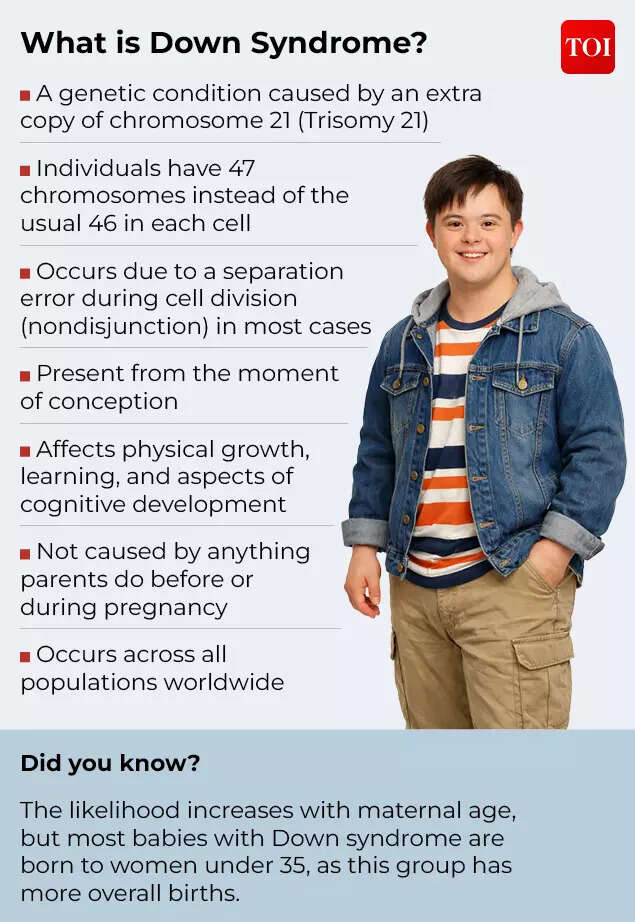
Every year on March 21 the world celebrates World Down Syndrome Day, a date that reflects the nature of the condition it represents. The symbolism of 3/21 refers to the presence of three copies of chromosome 21, a genetic variation that shapes the lives of millions of people around the world.Down syndrome, or trisomy 21, is the most common chromosomal condition worldwide. This occurs when a person has an extra copy of chromosome 21, resulting in each cell having 47 chromosomes instead of the normal 46, affecting aspects of physical growth, cognitive development, and social skill development. It is present from the moment of conception and occurs sporadically, meaning it is not caused by anything the parents did before or during pregnancy. Only a small portion of cases, about 1%, are hereditary, usually due to translocation, where genetic material is passed from parent to child.According to the Down Syndrome Federation of India, it affects about one in every 800 to 1,000 live births in India, that is, about 30,000 children every year.Yet, while its biology is relatively well understood, the story of Down syndrome is not defined by chromosomes alone. It is shaped by access to care, early intervention, inclusion and, perhaps most importantly, how society wants to see it.
Below

What is Down syndrome?

understanding genetics

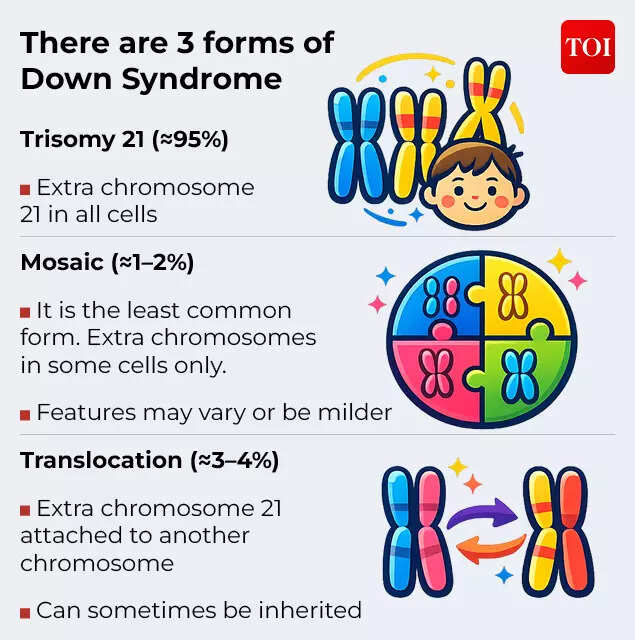
In about 95% of cases, Down syndrome is caused by nondisjunction, a process that occurs when two copies of chromosome 21 fail to separate during egg or sperm formation, resulting in a fertilized egg having three copies of chromosome 21 instead of two (trisomy 21). That is the main reason.However, there are two less common forms: mosaic And Transfer.Mosaic Down Syndrome – Here, the nondisjunction event occurs after fertilization in one of the early cell divisions. As a result, only a proportion of cells carry the extra chromosome. The degree of mosaicism can affect the severity of physical and cognitive symptoms, often making them less pronounced than with full trisomy 21.Translocation Down Syndrome – In this form, an extra copy of chromosome 21 attaches to another chromosome (often chromosome 14). Unlike nondisjunction, this form can sometimes be inherited from a parent who carries a balanced translocation, meaning the parents have no extra chromosomal material and may be unaffected.
down 2

3 forms of Down syndrome

Although less common, both forms highlight an important reality that Down syndrome is not the same.

Recognizing early symptoms and confirming the diagnosis

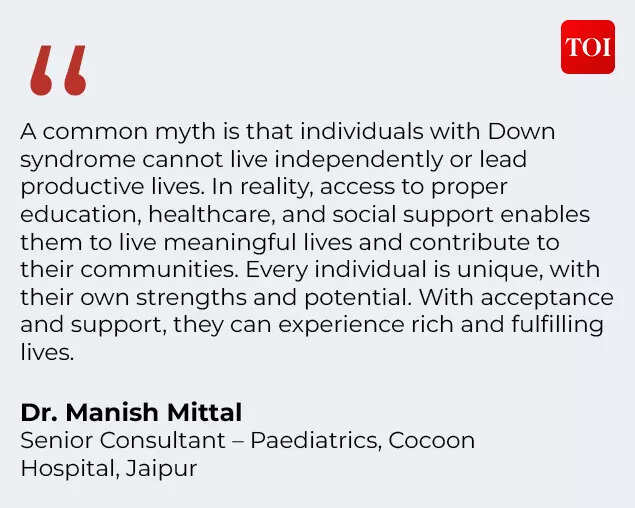
In infancy, early symptoms are often present in the form of developmental delays or certain physical characteristics.“Early symptoms of Down syndrome in infants may include certain physical features and developmental delays, such as slowed head control or delayed responses to stimuli,” explains. Dr. Manish MittalSenior Consultant-Pediatrician.However, these signals may overlap with specific developmental variations.He says, “A definitive diagnosis cannot rely on observation alone. Genetic testing is necessary to confirm the condition.”Doctors usually confirm the diagnosis through karyotype testing, which is a chromosome analysis performed on a blood sample. During pregnancy, screening methods such as ultrasound markers and maternal blood tests may indicate the possibility, followed by confirmatory procedures such as amniocentesis or chorionic villus sampling (CVS).“Early detection, along with timely medical evaluation and intervention, plays a vital role in ensuring better health and developmental outcomes,” says Dr. Mittal.
down 4

.

Physical characteristics and developmental differences

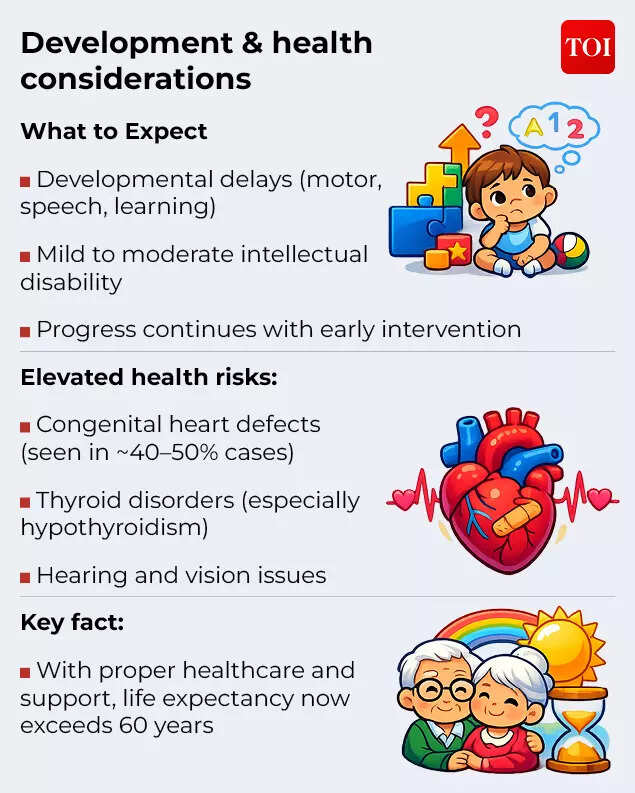
Down syndrome is associated with a variety of physical characteristics, although not all individuals will exhibit all of these characteristics.Common characteristics may include a flat face, small head, flat nose, upward-slanting eyes, a small mouth with a relatively large tongue, and generally low muscle tone. Individuals may also have small, drooping ears, short stature, wide hands with a deep crease on the palm, a bent fifth finger, and a noticeable gap between the toes. An increase in joint flexibility is also often observed.Along with these physical symptoms, developmental delays are also common, such as mild to moderate intellectual disability.“Children with Down syndrome are delayed in achieving their motor and cognitive milestones,” says Dr. Ratna Dua PuriChairman, Institute of Medical Genetics and Genomics, Sir Ganga Ram Hospital.
down 3

.

However, she emphasizes that these delays should not be seen as limitations. “Children with Down syndrome are able to achieve all of life’s major milestones and are increasingly participating in a wide range of activities. “However, these children can do everything in life. They will walk, they can go to school, and now they are doing different activities” adds Dr. Ratna.Thus, it is important to recognize that developmental delays in individuals with Down syndrome should not be considered an absolute developmental limitation to their potential as the pace of development may vary, but progress is still made.Although some individuals do not achieve higher education, many attend school and acquire life skills, and increasingly find employment opportunities.

Critical Window: Why early intervention matters

Prenatal screening methods, including ultrasound markers and maternal blood testing, can help identify the possibility of Down syndrome during pregnancy, allowing families to better understand the condition and prepare for prompt care and support.Early intervention plays a decisive role in shaping the outcomes.“This involves helping their muscle tone so they can sit, stand and hold their head up,” explains Dr. Puri. “It is also important to help them develop language and communication.”Therapies such as occupational therapy, physical therapy and speech therapy are the backbone of this support, often provided through specialized child development centers that bring together multidisciplinary care.But these structured sessions are only part of the process.She says, “These are just one-hour sessions. Parents need to incorporate what they learn into their daily interactions with the child in a fun and engaging way. That’s what gives the best results.”She also emphasizes reducing passive screen exposure and encouraging direct engagement, talking, playing and stimulating the child’s senses.It is in these everyday moments that growth accelerates. united nations It is also emphasized that access to adequate health care, early intervention programmes, inclusive education and appropriate research is important for the growth and development of individuals with Down syndrome.

Pregnancy, fertility and recurrence

One of the most common misconceptions about Down syndrome relates to maternal age. While the likelihood increases with age, the broader picture is more complex.A significant proportion of children with Down syndrome, about 85%, are born to mothers under the age of 35, mainly because more children are born in this age group.In families who already have a child with Down syndrome, the chances of having another child with the condition are slightly higher than the general population, in addition to the baseline risk associated with maternal age.Reproductive patterns also vary among individuals with Down syndrome. Men with Down syndrome usually have a low sperm count and may experience infertility as a result. However, women can have regular menstrual cycles and can conceive and carry a pregnancy to term, making proper counseling and health care guidance essential.

Health Considerations Throughout the Lifespan

Individuals with Down syndrome may face a variety of related health conditions, especially if not monitored early.Congenital heart defects are the most common, often requiring medical or surgical management in infancy. Thyroid disorders, especially hypothyroidism, are also frequently seen. Loss of hearing and vision, frequent infections, and low muscle tone can further affect early development.The risk profile evolves as a person ages. They are more likely to develop cataracts and other visual problems, as well as obesity, diabetes and metabolic syndrome. Mental health concerns, including depression, may emerge, especially during life transitions.The risk of early-onset dementia also increases, with symptoms similar to Alzheimer’s disease. In many cases, early signs may first appear as subtle changes in behavior rather than just memory, making close observation necessary.Additionally, individuals with Down syndrome have a lower risk of some conditions that occur in the general population, including atherosclerosis and some solid tumor cancers.With continued medical care and monitoring, many individuals today live longer, healthier lives, with life expectancy now increasing to approximately 60 years and beyond.

Education, transition and adulthood

The education landscape is constantly evolving. Increasingly, children with Down syndrome are included in mainstream classes on the basis of individual abilities, sometimes partially, often completely.Many complete schooling, pursue vocational training, and, in some cases, engage in post-secondary education.As they enter adulthood, new challenges and opportunities arise. Some individuals move into supported housing or independent living arrangements, pursue employment, and form social relationships.However, this change requires careful support. What determines these outcomes is not just ability, but access to early support and inclusive environments.

Education and inclusion in society

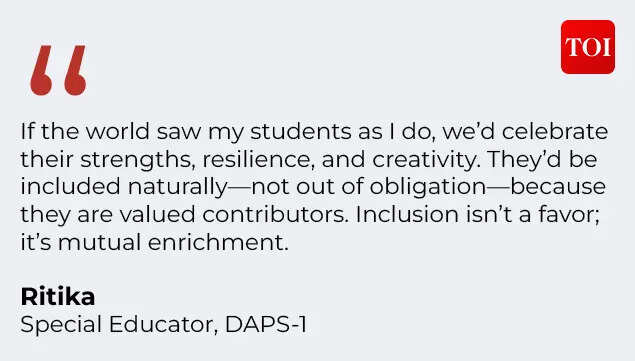
The conversation about Down syndrome is rapidly shifting from care to inclusion.Children today are part of classrooms, playgrounds and communities. Adults are entering workplaces, contributing in a variety of fields and building independent lives.Yet, true inclusion is not just about access, it is about perception.Special teacher Ritika explains that many societal beliefs underestimate what individuals with Down syndrome are capable of achieving.She reflects this perspective beautifully, “If the world could see my students the way I do, we would shift our focus from their limitations to their incredible strengths. We would celebrate their resilience, creativity, and infectious enthusiasm. Inclusion would no longer be an obligation, but a natural choice, because they are valuable contributors to society.My students will be asked not only about their situation, but also about their dreams, their ideas, and their passions. We will learn from their unique methods of problem-solving, their ability to find joy in ordinary moments, and their deep capacity for empathy and love. Ultimately, we will realize that inclusion is not a favor; It is a mutual enrichment”, she adds.
down 5

.

As the conversation about Down syndrome continues to grow, the change that is needed is not just in awareness, but also in action and acceptance. Inclusion must move beyond policy to everyday practice in education, health care, workplaces and communities. Ultimately, the question is not what individuals with Down syndrome can achieve, but rather whether society is prepared to create the supportive conditions that allow them to reach their full potential and truly support and accept them for who they are.
Source link

8,931 day milestone! PM Modi becomes the longest ruling head by defeating Pawan Kumar Chamling. india news

8,931 day milestone! PM Modi becomes the longest ruling premier by surpassing Pawan Kumar Chamling
PM Narendra Modi (Image/PTI)

New Delhi: Prime Minister Narendra Modi On Sunday, he became the longest serving head of a government by completing 8,931 days in office. He overtook the previous record of Pawan Kumar Chamling, who served as the Chief Minister of Sikkim for more than 24 years, with 8930 days remaining in office.PM Modi served as the Chief Minister of Gujarat for more than 13 years from 7 October 2001 to 21 May 2014. During this period, he became the longest serving Chief Minister of the state by winning four consecutive terms in 2001, 2002, 2007 and 2012.He later assumed office as the Prime Minister of India in 2014 and has since been re-elected in 2019 and 2024, making him a three-time Prime Minister.Defense Minister Rajnath Singh congratulated PM Modi for achieving a significant achievement in his long public service.Singh wrote in a post onHome Minister Amit Shah described PM Modi’s service in governance as ‘hard work and unwavering commitment’.In a post on Twitter, Shah wrote: “A milestone rooted in service, hard work and unwavering commitment. Today, PM Narendra Modi ji has overtaken former Sikkim CM Pawan Kumar Chamling’s record of 8,930 days, becoming the longest serving head of a government in India. 8,931 days in PM Modi ji’s public life, first as CM of Gujarat and now as Prime Minister as a nation-first Reflecting deep dedication to governance, integrity in action and tireless service to every citizen. A rare legacy built on unprecedented trust and unparalleled service.”This milestone comes with PM Modi’s growing global digital presence. Earlier, he had become the first world leader to cross the mark of 100 million followers on Instagram. His followers are more than double that of US President Donald Trump, who has more than 43 million followers.

Source link

Puducherry Assembly Elections: Puducherry Elections: BJP announces name of one more candidate for Karaikal South – see full list. india news

Puducherry elections: BJP announces name of one more candidate from Karaikal South - see full list

New Delhi: The Bharatiya Janata Party (BJP) on Sunday named M Arulmurugan as its candidate for the upcoming Puducherry Assembly elections to be held on April 9. The announcement comes a day after the BJP released its first list of nine candidates. Arulmurugan will contest from Karaikal South constituency in the Union Territory.With this, Bharatiya Janata Party (BJP) has announced all the candidates for the upcoming Puducherry Assembly elections. Earlier, the party had announced several candidates for the constituencies it will contest as part of the alliance. It did not announce a candidate for one seat because its alliance partner AIADMK, which was allotted two seats, insisted on one more seat.Here is the list of all the candidates

  • M Arulmurugan from Karaikal South
  • A Namassivayam will contest from Mannadipet.
  • E Theppanthan from Osudu (SC)
  • Kalapet to PML Kalyanasundaram
  • VP Ramalingame from Raj Bhavan
  • A Johnkumar from Mudaliarpet
  • Manaveli to Emblem R Selvam
  • Tirunallar to GNS Rajasekaran
  • Mahe Se A Dination

seat sharingBJP is contesting the elections in alliance with AINRC. Under the agreed formula, AINRC will contest on 16 seats, while BJP and its allies will contest on the remaining 14 seats. The BJP itself will contest in 10 constituencies, while the AIADMK and Jose Charles Martin’s Lachia Jananayaga Katchi (LJK) have been allotted two seats each following discussions on joining the alliance.puducherry electionsThe Election Commission has scheduled voting for all 30 seats in Puducherry in a single phase on April 9, and counting of votes will take place on May 4.As election preparations are underway, the Commission has completed the first randomization of Electronic Voting Machines (EVMs) and Voter Verifiable Paper Audit Trails (VVPATs). It added that detailed records will be shared with the candidates after the final list of contestants is prepared to ensure transparency in the process.There are about 9.44 lakh eligible voters in Puducherry, which includes about 4.43 lakh male voters, 5 lakh female voters and 139 third gender voters. The voters also include 23,033 first-time voters aged 18 to 19 years, over 6,000 voters aged 85 years and above and 12,204 persons with disabilities.Voting will be held at 1,099 polling stations, including 610 in urban areas and 489 in rural areas, with an average of 859 voters per booth.With the candidates announced and preparations underway, the focus now turns to the upcoming contest as parties prepare for next month’s voting.

Source link

Now nations can be weakened through cyber, economic warfare: Singh | india news

Now nations can be weakened through cyber, economic warfare: Singh

Dehradun: Defense Minister Rajnath Singh on Saturday said the nature of conflict has changed rapidly and nations can now be weakened not only through conventional warfare but also through economic, cyber, space and information warfare, reports Kautilya Singh.Virtually addressing the foundation day celebrations and diamond jubilee of Sainik School, Ghorakhal, he said, “War in the present times goes beyond borders, encompassing economic, digital, energy and food security in national security.”

Watch

The world on edge! Rajnath Singh warned of global consequences of Iran war

He said the changing nature of threats requires not only a strong army but also an alert and prepared citizenry. Singh said that every citizen has to be alert and prepared at all times. He stressed the need for a strong army supported by people capable of standing shoulder to shoulder to defend the country under any circumstances.Singh said the government is leaving no stone unturned in equipping the armed forces with advanced weapons and technologies and said citizens, especially the youth, need to build mental toughness and intellectual clarity through discipline and determination. He said that these qualities will help the country respond to any challenge.Describing the admission of girls in Sainik Schools as a historic decision, Singh said, “These girls will become the torchbearers of women power.”

Source link

From potholes to bad lighting: AI dashcam to detect 30 types of highway defects india news

From potholes to bad lighting: AI dashcam to detect 30 types of highway defects

New Delhi: The National Highways Authority of India (NHAI) will deploy AI-powered dashcam analytics services (DAS) on approximately 40,000 km of NH network that is under operation and maintenance contract. The decision has been taken amid complaints from passengers against ride quality and road conditions.For effective monitoring, NHAI has divided the country into five zones and contracts have been given for two years.This week, the Highways Ministry informed the Rajya Sabha that the number of public complaints on the quality of highway construction and condition of the riding surface of the NH has registered an increase of more than 60% this year compared to last year. As of March 12, such complaints increased from 7,030 to 11,340 in 2024-25. The ministry also said that 9,977 complaints have been resolved this year.An NHAI official said that dashcams will be installed in every highway patrol vehicle and these will record all the details including 30 types of defects and anomalies on the highways. The primary focus will be on the condition of the pavement, which will include issues such as potholes, cracks, ruts and surface deterioration as well as blurred lane markings, damaged crash barriers and non-functional street lights.“The recordings will be fed into a specialized IT platform, which will have dedicated modules for data management and AI analytics. It will generate reports within a day and identify faults. Based on this, instructions will be issued to agencies and officials concerned to rectify the issues,” an official said.The system will also identify other safety concerns, including illegal center openings, unauthorized signboards, encroachments and illegal parking.The survey will be conducted at least once a week, with night-time inspections conducted at least once a month to assess the performance of road signage, pavement markings, road studs and highway lighting. It will also cover important issues like water stagnation, missing drainage covers, vegetation growth and condition of bus bays.

Source link

Divers in search of rallyists. india news

Divers search the rocks in search of rallygoers

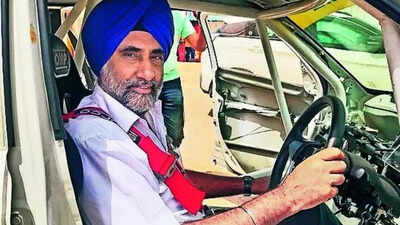
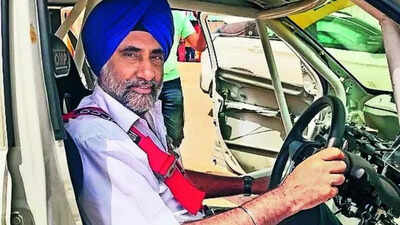
Chandigarh: The search and rescue operation for top Indian rally driver Hari Singh, 59, continued for the second day on Friday and rescue teams are now restricting their efforts to a stretch of coral reef near Vaavu Atoll in the Maldives, where the speedboat accident occurred on Thursday, reports Sukhmani Cooner. Special diving teams will search for them on Sunday. Hari Singh’s son, who had gone to the Maldives to oversee rescue efforts, is returning to India to live with his mother and sister. Singh’s close friends are staying in the Maldives and are coordinating with the Maldivian authorities and the Maritime Rescue Coordination Centre. Colleagues, friends and batchmates are in shock. Federation of Motor Sports Clubs of India director Raj Kapoor said Singh was exceptional, be it as a champion driver or transitioning into his role in the JK Tire Motorsport programme.

Source link

Home on wheels, freedom on call. india news

Home on wheels, freedom at the call

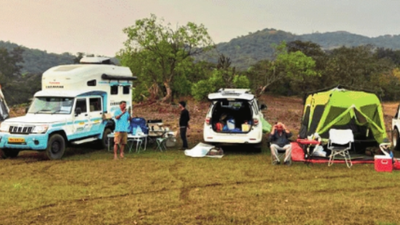
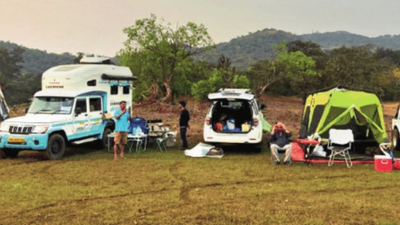
Caravan tourism is seeing a surge in popularity, driven by a growing tribe who eschew hotels and hyper-curated experiences in favor of traveling at their own pace, eschewing room service for spontaneity.Soon after sunrise, amidst the misty folds of Igatpuri and the Sahyadri ranges, Vaibhav Surve opens the door of his caravan and steps out barefoot. There are no hotel corridors, no reception desks, no buffet timings to worry about, only rolling hills in the distance, birdsong breaking the silence and a boiling kettle inside a compact kitchen on wheels.“You see nature in its raw, untouched form,” Surve says of his road trip in December with friends. “This is something a hotel room can never provide.”Across India, a small but growing number of travelers are discovering caravan tourism – particularly the joys of leisurely, in-depth travel. This form of tourism, or leisure, is not new around the world, but it is getting a renewed boost in India, largely led by urban explorers. Maharashtra Who have shunned crowded resorts, rigid itineraries and hyper-curated experiences.From sunrise drives on the Konkan coast to unusual sojourns in the forests of Tadoba or the winding Ghats of Goa, caravans are offering something rare in modern travel: control. You decide where to stop, how long to wait, and when to move on. Depending on the place and the circuit offered, renting a caravan costs between Rs 12,000 to Rs 15,000 per day. It’s not cheap, but the freedom is addictive for those who can afford it.Slow promotion, growing marketThis increase in interest is happening despite poor and irregular promotion by governments. Policies are in place, incentive schemes are announced, but at the grassroots level, awareness is still largely driven by word of mouth, social media and early adopters.“Mumbai is emerging as a major market for caravans,” says Prateek Athalaye of The Vacay Vans, one of Maharashtra’s well-known caravan providers. “Travelers are opting for everything – from raw camping to luxury city-to-city travel. “After managing Vans for six years, I have seen how increased awareness is driving strong demand.”This demand cuts across different age groups. Young professionals want road trips without the hassle of hotel booking. Families want safety, hygiene and flexibility. Elderly travelers prefer to keep their bed, toilet and kitchen with them at all times. Female travelers and pet owners, often deprived of traditional travel options, find caravans liberating.Akshay Mhadik, who recently traveled in a rented caravan, calls it “the perfect blend of adventure and homey comfort”. He misses a huge bed, a compact kitchen for quick meals and the luxury of choosing a destination at will. “If you’ve ever dreamed of picking a spot on a map and going there without worrying about a hotel or packing lights, this is the way to go,” he says.Why does Maharashtra fit into the caravan dream?Maharashtra is suitable for caravan tourism due to its 720 km long coastline, dense forests, heritage towns, wine trails, highways and hill ranges.Before the pandemic, in 2018-19, the state recorded 12.4 crore visitors, which translated into about 3.1 crore travel groups annually. Industry estimates suggest that to cater to even a 1% share of this market, around 1,725 ​​caravans would be required – enough to generate around Rs 465 crore annually in rental revenue at current rates.The state government has launched a caravan tourism policy with incentives aimed at attracting private players and young entrepreneurs. But industry insiders say implementation remains uneven, leaving much of the momentum to the private sector.The private sector is full of ideas to increase caravan travel but is hampered by a lack of finance options, says Rahul Soman, director of Vacations on Wheels (WOW), which launched caravan rentals in Maharashtra in 2016, the first to do so. “Individual investors are now keen to invest in Caravan, as Mahindra Caravan is being offered with bank finance option. But this business still does not fit into any finance scheme of the financial institutions.The organic growth of the market is such that WOW Caravan is setting up a network of dedicated parking spots at tourist locations across the state. This will give all caravan operators access to facilities at scenic parking locations near lakes, beaches, forests, forts, hills or river banks – such as clean sewage disposal facilities, and water and electricity supply. “However, funds to set up this caravan eco-system are difficult to get without any collateral,” says Soman.Another state where caravan holidays are seeing interest is Rajasthan, which, enthusiasts say, offers freedom, raw beauty and cultural immersion. Aman Verma, who recently hired a caravan to tour the state, recalls evenings spent around campfires, listening to folk music and watching Kalbeliya dance. Seeing the golden hues of the Thar Desert near Jaisalmer, or spending the night under the starry sky, feels truly magical, he says.“We sampled local sweets and explored havelis,” says Verma. “Our caravan became a cozy home on wheels, giving us the opportunity to stop wherever the view struck – whether it was wild camping in tranquil desert spots, near ancient temples, or pulling up for spontaneous tea with hospitable locals who shared stories. Rajasthan in a van or caravan isn’t just travel – it’s the royal, colorful heart of India, Living the rhythm of an open horizon one day at a time,” says Verma, who has a YouTube travel channel.private initiativeOne of the biggest initiatives in the caravan sector has come from private player Campervan Group, which has signed an MoU with it. Tamil Nadu The government is committing Rs 185 crore over the next three to five years to develop caravan infrastructure and entrepreneurs. The project is also expected to create 300 direct entrepreneurs and around 3,000 indirect jobs.Industry watchers believe that Maharashtra could be next. With Mumbai’s large base of road-trip enthusiasts and the state’s natural advantages, similar partnerships can unlock economic value if policy intent is translated into action.Campervan also recently announced a nationwide CARS (Caravan-as-Rental-Service) entrepreneurship program, which has a simple idea: to turn caravan tourism into a structured industry, not just a niche travel fad.Founder and director KM Vandhan says the goal was to establish caravan tourism as a large-scale industry in India. The company has contributed to the drafting of state tourism policies and the national AIS 207 Trailer Caravan Guidelines, which are now awaiting notification.To support operators and travelers, Campervan has also created TravelKit, a booking platform that connects caravan renters with operators and secure parking locations – from farmhouses and homestays to resorts and private land. Agrotourism in particular is seen as a win-win, providing farmers with a source of additional income.‘Not just a destination’However, for travelers like Surve, the appeal of caravan tourism remains intensely personal. “It’s not just about the destination,” he says. “It’s about waking up to the hills, sharing a meal under the open sky and feeling like a part of the landscape.”In a country racing towards fast, flashy tourism, caravan travel is quietly arguing for something slower, softer – and perhaps more meaningful. And on India’s long highways, that argument is finding more listeners by the day.

Source link

War stretches flights, crews and wallets india news

War stretches flights, crews and pockets

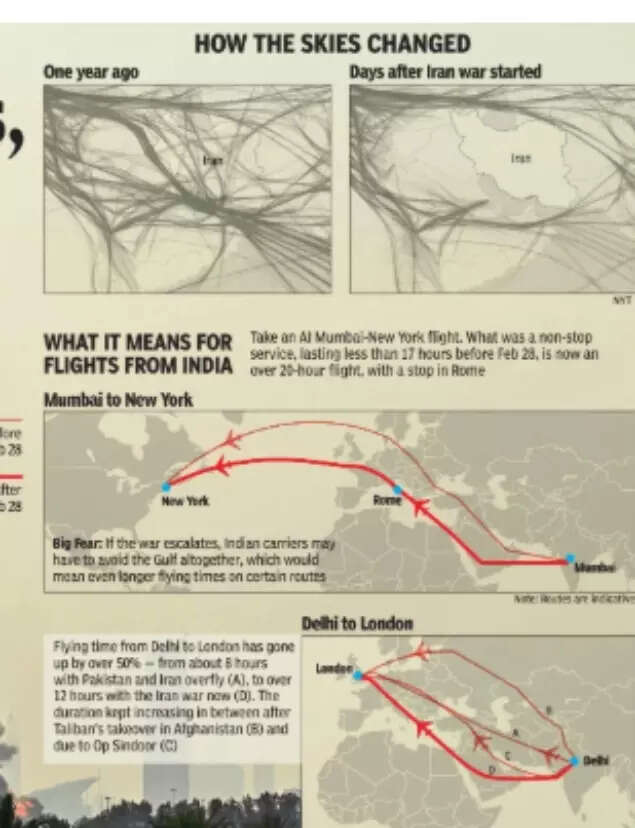
Passengers sitting (right or left) can see the Pyramids of Giza. weary pilots of air india Flights to and from the West now often make this declaration when flying over Egypt on extremely long routes imposed by the US–Israel war against Iran on days with clear visibility.Since February 28, going west from India – except for the west coast of North America – means flying over the Arabian Sea while avoiding Pakistan (for Indian carriers) and Iranian airspace (for all); Then turn right over Oman to Muscat, Saudi Arabia or beyond, via Cairo to Europe, Britain and North America. It is the same way back also. The war-zone air traffic corridor covering the airfields of Afghanistan (starting from Pakistan for Indian carriers), Iran, Iraq, Lebanon, Jordan, Israel has a deserted look due to almost all the aircraft flying under this route. Like parts of Saudi Arabia, utility corridors in the region are also being affected by the war.Impact: Air India’s Delhi-London non-stop flight time has increased by 50% from around eight hours after the Iran war – when both Pakistan (for Indian carriers) and Afghanistan airspace remained open – to now more than 12 hours. Its Mumbai-New York 13-14 hour non-stop has become onestop via Rome and the journey time is now close to 21 hours. IndiGo uses wide-body aircraft from Norway’s Norse Atlantic airline, which completely bypasses West Asia as advised by the EU regulator. They fly over the Arabian Sea to Africa, and then turn right to fly north to Cairo and beyond. Same route for everyone in return.Since February 28, travelers have faced a steep rise in airfares and a sharp decline in travel options due to the Iran war, while the Big Three – Emirates, Qatar Airways and Etihad – are out of the picture for the time being. Airlines have seen their operating costs skyrocket, less attractive Gulf flights, and fatigued pilots at the controls of their widebody planes. Here’s how it’s affecting various stakeholders:

.

Indian operatorShrinkable Network: Their daily flights between India and the West used to be between 400 and 500, this number has fallen sharply since February 28 due to the closure of airports in Bahrain and Doha, while in the UAE they remain open sporadically and offer slots. There are regular flights and air flights to only a few places in the region these days, such as parts of Saudi Arabia and Muscat.Half of IndiGo’s 300 daily international flights were to the west and have now dropped to a handful. Air India Express had 110 daily West Asia connections, which has now reduced to 50 “ad-hoc” connections. Air India had 254 weekly scheduled flights to West Asia and that has come down to 30-40. Akasa and SpiceJet have also seen a reduction in their Gulf flights.Rising Operating Costs: Since the Iran war began, aviation fuel (ATF) prices have effectively risen every time the rupee has hit a new low, which is now a daily feature. It currently costs around $817 per kilo liter (KL) in both Delhi and Mumbai – up from around $779 last month. But the INR-to-USD exchange rate has gone from Rs 91 to Rs 93.30. So all dollar-denominated costs – like lease rent and maintenance – have gone up.On top of that, routes have become much longer, meaning expensive fuel will cost a lot more. A Boeing 787 burns about five tons of fuel every hour and a B777 burns about 7.5 tons of fuel. If the flight time is increased by two hours, an additional 10-15 tons are burned per flight. At $817 per tonne and Rs 93.30 per tonne for international flights by domestic airlines, the additional expenditure on fuel alone comes to Rs 80,000 per hour. Air India has 358 weekly flights to the West – covering Europe, the UK and North America – which are still operating.Indian operators upload more fuel than usual from India these days so that planes can return home with passengers instead of getting stranded if fighting escalates in West Asia. More fuel means heavier aircraft. And the heavier the plane, the more fuel it burns.“At the current operating costs, it does not make sense to operate flights to the west. We’re doing this as a commitment to keeping our flyers engaged. Flying a plane has always meant challenging nature, with heavy metal tubes flying through the air. Now, after the Iran war, they are challenging economics also,” said a senior official. Airlines’ appeals to the government for some relief on ATF excise duty or VAT have so far been in vain.The effect of this is shocking for everyone, especially the Maharaja. AI Group, IndiGo and Akasa have imposed fuel surcharge ranging from Rs 199 to $200 on their flights. Insurance costs for flights to West Asia have increased to Rs 30-40 lakh for narrow-body return trips and Rs 90 lakh to Rs 1 crore for wide-body round trips.tired crewSince the aircraft are flying very long routes to and from the West, Air India sought and received exemption from flight duty time limit rules for its crew from the Directorate General of Civil Aviation (DGCA). The regulator has now allowed its pilots to fly for up to 11.5 hours, meaning two pilots can conduct longer flights without the need for a third pilot who would allow them to take turns taking rest en route. The pilots have been flying the long route since last April, when Pakistan’s airspace was closed during Operation Sindoor. The Iran war has made an already long road even longer.AI’s Boeing 787 Dreamliner pilots have been most affected as the plane’s cockpit seat allows limited reclining due to a safety issue. “We are pushing our bodies to the limits of human endurance,” said one B787 pilot, a sentiment echoed by others. “Imagine sitting in an uncomfortable office chair for 11.5 hours straight and being 100% present during the entire duration as we navigate GPS jamming and flying close to war zones from airspace near Pakistan to beyond Turkey. Airlines should be asked to increase pilot availability. God forbid, if something goes wrong, just blame the pilot. It’s a normal script.”Both AI and DGCA are aware of the difficulties, which they attribute to extraordinary circumstances. AI has replaced 30 B777 pilots on the Dreamliner and they are expected to start flying in two months.“We have formally sought coordinated flight time (FT) and flight duty period (FDP) exemptions from the DGCA. These exemptions are to be used only as long as the current Middle East airspace restrictions are in effect and are critical to maintaining schedule integrity and minimizing passenger inconvenience… All such exemptions are supported by safety risk assessments and will be implemented strictly as per the approved conditions,” AI’s senior VP (flight operations), Captain Manish Uppal, said recently. said in a mail to the pilots.unrest affects passengersWhen the Iran war broke out, travelers were forced to spend huge sums of money to reach their destination and India was no exception. An Indian student, who came to Delhi from Ireland in mid-February for his grandfather’s funeral, paid Rs 1.8 lakh for a one-way ticket to return to college.Many people have put their bookings on Emirates, Etihad, Qatar Airways for this summer. If the war does not end quickly and those airlines do not resume flights soon thereafter, airfares over other options in India will seriously decline in the summer travel months starting from early April.add capacityGulf carriers have historically carried a significant share of traffic between India and the rest of the world through their mega hubs such as Dubai, Doha and Abu Dhabi. The sudden unavailability of the Big Three has created a void, as passengers who had already booked with them for travel after February 28 are now looking for alternatives and thus, those making new bookings are pursuing the same limited options.Air India is adding as many additional flights to the West as possible. Lufthansa deployed its 500-seat Airbus A380 instead of the 280-seat A350 on the Munich-Delhi and Munich-Mumbai routes besides increasing frequency between Chennai and Frankfurt. SWISS will operate a second daily service between Delhi and Zurich from March 19-24. Lufthansa is considering the option of bringing more group airlines into India. Now only Lufthansa, Swiss and ITA fly to India; There are other group carriers that do not yet do this, including Austrian, Brussels Airlines, Discover and Eurowings.Away from flights, some of the ways in which India is being harmed by war…medical equipment : : Medical supplies like syringes and hospital disposables are being threatened by rising medical-grade plastic, freight and gas costs. Prolonged disruption could lead to production cuts and rising pricesPharma: Pharmaceutical plants in states have shut down due to propane shortages. Production of some essential medicines affectedFertilizer: Ammonia and urea production being affected ahead of Kharif season due to LNG disruptionRestaurant/Catering: Commercial LPG shortage is increasing costs and disrupting operationsAC: LPG and petrochemical shortages hurting air conditioner production just ahead of summer seasonAutomobile: Expensive components, gas shortage putting pressure on auto production

Source link

Adequate coal reserves to meet growing energy needs: Government | india news

बढ़ती ऊर्जा जरूरतों को पूरा करने के लिए पर्याप्त कोयला भंडार: सरकारIndia reached one billion tonne coal production level on March 20. It had recorded its highest-ever coal production of 1,048 million tonnes in the 2024-25 financial year.“This important milestone underlines India’s growing self-reliance in the energy sector and its commitment to ensure uninterrupted fuel supply to key industries,” the coal ministry said in a statement.The ministry said the increased and sustained coal production levels have enabled the country to effectively meet growing energy demands and allowed the power sector to maintain record stock levels in coal-based thermal power plants.Earlier this month, the government recorded 200MT coal production from commercial and captive coal mines.While over 53 MT of coal is available in thermal power plants – enough to meet about 23 days of demand at the current rate of consumption – pithead coal reserves in various captive and commercial mines are estimated to be around 147 MT, apart from stocks in transit, ports and storage. According to the Central Electricity Authority, power demand is likely to reach 265-270GW this year – with a higher quantity of coal being required during the summer months as power demand increases due to increased use of ACs. Although the share of renewable energy has reached about 52%, with about 250 GW of installed capacity, coal-based thermal power dominates India’s electricity generation.
Source link

CAPF Bill to create IG to DG posts for IPS officers to be introduced in Parliament soon India News

आईपीएस अधिकारियों के लिए आईजी से डीजी पद निर्धारित करने वाला सीएपीएफ विधेयक जल्द ही संसद में पेश किया जाएगा

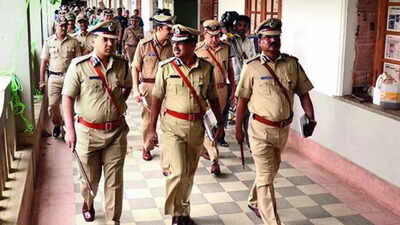
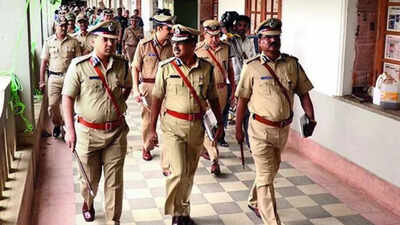
The Bill has a provision to earmark a minimum of 50% of IG level posts, 67% of ADG level posts and all DG and Special DG level posts in the CAPFs for deputation (Representational Image)

New Delhi: Citing the need to retain deputation of Indian Police Service (IPS) officers in the Central Armed Police Forces (CAPFs) for operational efficiency through better Centre-state coordination, the Home Ministry is set to bring a bill in Parliament to provide for deputation to a minimum of 50% Inspector General (IG) level posts, 67% Additional Director General-level posts (ADGs) and all Director Generals (DGs) and special officers in the CAPFs for deputation. DG-level posts will be earmarked.TOI was first to report on March 11 that the Union Cabinet had approved the draft of the CAPFs (General Administration) Bill, 2026, which provides for continued deputation of IPS officers to the CAPFs.The recruitment and service conditions of Group A General Duty Officers and other officers/members of the CAPFs are currently regulated by rules issued through an Executive Order. “In recent years, due to the absence of a comprehensive legislation, the regulatory provisions have evolved in a fragmented manner, resulting in numerous litigations on service-related matters and certain functional and administrative difficulties… There is a need to enact a comprehensive legislation to regulate the recruitment, deputation, promotion and other conditions of services of Group A General Duty Officers and other officers… to ensure legislative clarity, preserve their specific operational and functional requirements and comply with administrative and federal requirements and judicial directives To ensure the coherence of the “Statement of Objects and Reasons” outlined in the Statement of Objects and Reasons. Of the bill.The Bill effectively blunts the Supreme Court order passed in May last year, confirming the status of ‘Organized Services’ (OGAS) for Group A CAPF officers for all purposes and directing the government to progressively reduce the deputation posts of IPS officers in the Senior Administrative Grade (SAG) up to the rank of IG in the CAPFs. As per the current recruitment rules for CAPFs, 20% of the posts at DIG level and 50% of the posts at IG level are deputation posts for IPS officers.The CAPF (General Administration) Bill does not retain the 20% deputation quota for DIG level posts.The Supreme Court’s May 2025 decision was seen as a potential career boost for around 13,000 CAPF cadre officers who were complaining of discrimination due to IPS officers holding senior level posts.Noting that IPS officers serving on deputation are an integral part of the CAPFs, the text of the Bill underlines how the CAPFs perform national security and counter-insurgency duties in coordination with state authorities. “In the interest of maintaining Centre-State relations by ensuring close coordination between the Union and the States for effective operational functioning, it is necessary to maintain the existing system of deputation of IPS officers to the CAPFs,” it said.

Source link