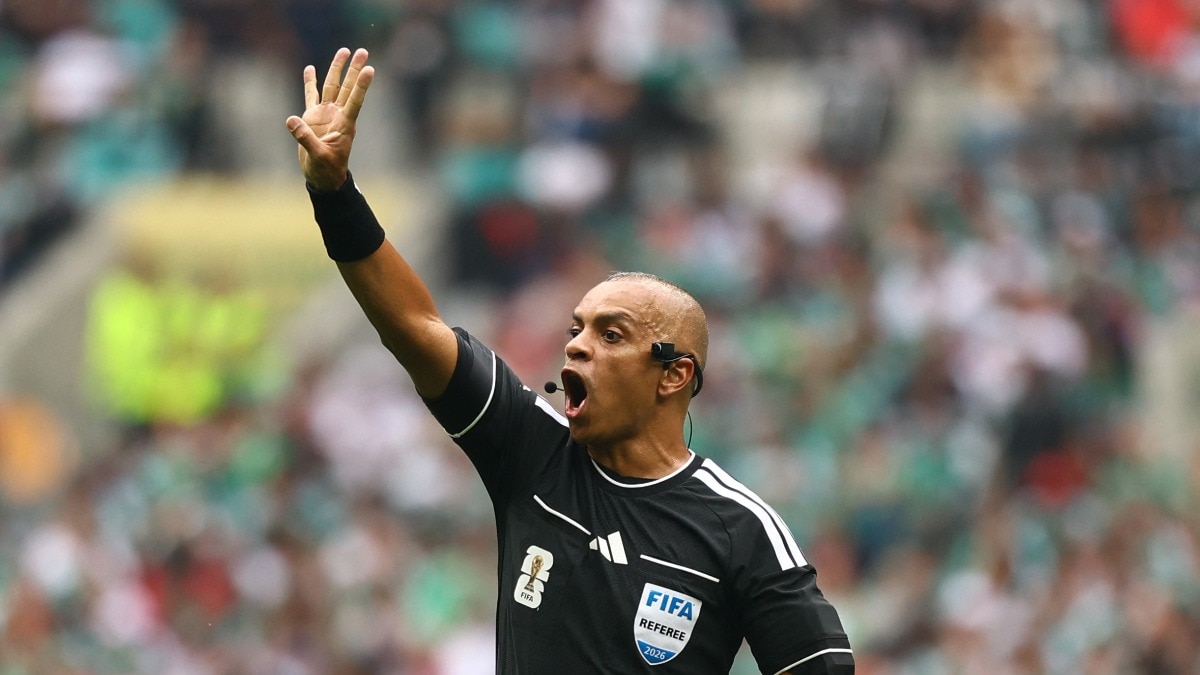
The FIFA World Cup 2026 had just begun when fans got something completely unexpected to talk about. As football took center stage in Mexico City’s opening match between hosts Mexico and South Africa, Brazilian referee Wilton Sampaio’s futuristic-looking headset quickly became one of the biggest talking points on social media.
Following a star-studded opening ceremony headlined by Shakira and Burna Boy at the iconic Estadio Azteca, the tournament officially began with a repeat of the 2010 World Cup. But within minutes of kick-off, many spectators were distracted by the unusual piece of equipment attached to Sampaio’s ear.
The device had a prominent over-ear attachment connected to the microphone system, giving the Brazilian official a distinctive futuristic appearance that many fans had never seen before during a World Cup broadcast.
Social media wasted little time in getting creative.
Some fans joked that the referee looked as if he was about to log into a virtual reality gaming session, while others compared the setup to an Xbox headset. However, the most popular comparison was to the iconic science-fiction character RoboCop, with countless memes appearing online within minutes of the match starting.
While the jokes continued to flow at the deadline, the match came to life almost immediately. Mexico forward Julin Quiones scored the first goal of the FIFA World Cup 2026 in the ninth minute, sending the packed Azteca crowd into celebration and officially tipping off the tournament.
With FIFA introducing a number of technological innovations for this expanded 48-team tournament, it remains to be seen whether the same equipment will be worn by officials during all 104 matches of the competition.
What is the equipment worn by World Cup referees?
Despite online speculation, the headset is not a camera or virtual reality device.
The equipment is a wireless referee communication system, called “RefCam” or “EarCam” (ref camera), which allows match officials to be in constant contact with the assistant referee, fourth officials and the video assistant referee (VAR) team.
The earpiece enables real-time communication during matches, allowing referees to instantly receive information about fouls, offsides, disciplinary decisions and potential VAR reviews.
While similar communication systems have been used in elite soccer for years, the design used during the World Cup opening appeared more visible than many fans would like, which helped trigger a wave of reactions online.
The headset is part of FIFA’s continuing effort to integrate technology into officiating while improving communication between match officials throughout the field.
What are the new technologies used in the World Cup 2026?
The futuristic referee headset seen during the opening match is just one part of FIFA’s biggest technological overhaul to date. With 104 matches spread across three countries, FIFA has leaned heavily on technology to improve officiating accuracy, enhance broadcasts and speed up decision-making throughout the tournament.
Some other big innovations in World Cup 2026 include:
Smart Match Ball: The official match ball has an integrated motion sensor chip that records touches, passes and deflections up to 500 times per second, providing real-time data to match officials and VAR operators.
Advanced semi-automatic offside technology: Each player was digitally scanned before the tournament, allowing the Hawk-Eye system to create highly detailed 3D body models accurate to within a millimeter or two for sharp offside calls.
ref chest camera: While the headgear doesn’t record video, officers actually wear special chest-mounted cameras. The broadcast gives viewers an intimate, viewpoint-based perspective of the intense action and player interaction straight from pitch level.
The combination of smart-ball tracking, body scans and advanced communication systems is designed to help VAR teams make decisions more quickly and with greater accuracy.
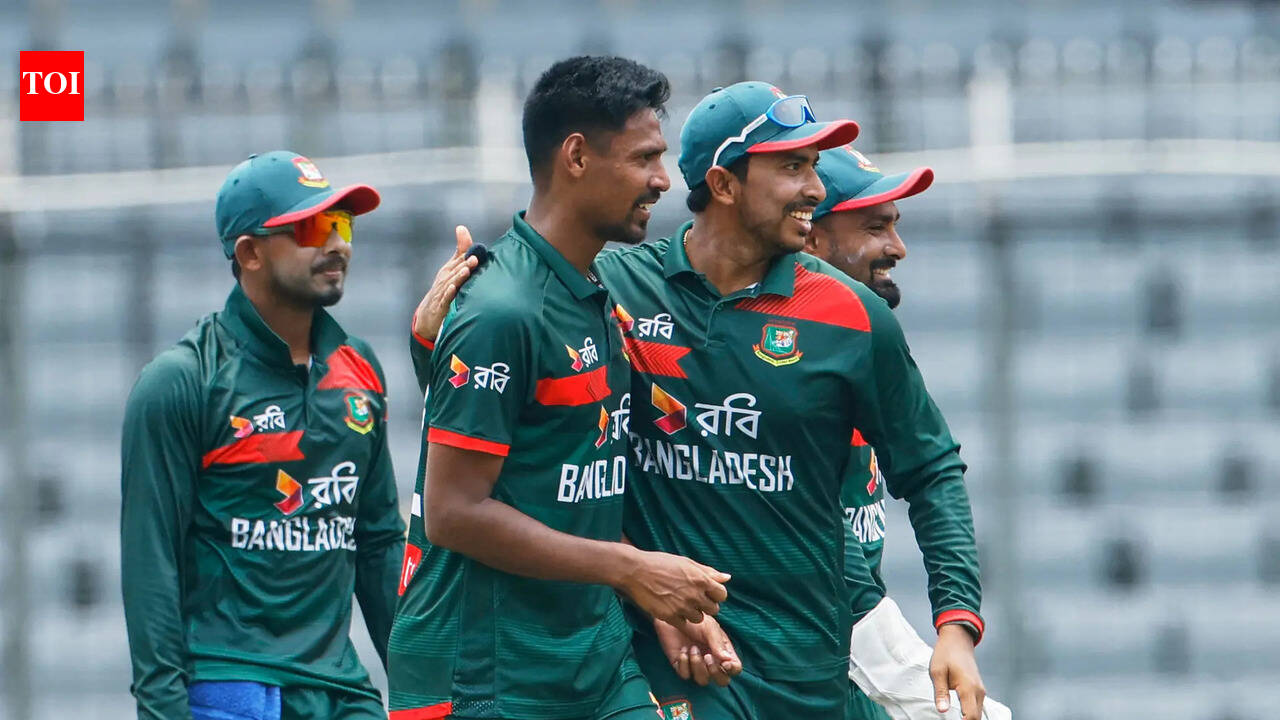
Mustafizur Rahman of Bangladesh, celebrating with teammates (AP Photo)
Bangladesh created history by securing their first ODI series win over Australia on Thursday, taking an unassailable 2-0 lead in the three-match contest with a five-wicket win in the second match.The long rain interruption of about two and a half hours forced the officials to revise Bangladesh’s target under the Duckworth–Lewis–Stern (DLS) method. Chasing 192 in 41 overs, the hosts reached 195 for 5 with six overs remaining, ensuring that the series was theirs with a match still in hand. The final ODI is to be held at the same venue on Sunday.The result was based on another disciplined all-round performance from Bangladesh after a poor start by Australia’s batting lineup. The visitors lost their first three wickets without scoring any runs, putting them under immediate pressure.Only flexible half-century from marnus labuschagne And Xavier Bartlett helped Australia recover from the early collapse. Labuschagne remained unbeaten on 55, while Bartlett contributed 52 as Australia eventually scored 187 for 8 in the allotted 42 overs.Bangladesh made just one change from the team that had won the opening ODI by 86 runs via the DLS method, bringing in opener Soumya Sarkar. The move paid off as Sarkar scored 42 runs and formed an important partnership with Nazmul Hossain Shanto, who also scored 42 runs.After a poor start, Shanto took charge of the innings and along with Sarkar added 86 runs to help Bangladesh chase the target. Riley Meredith eventually broke the stand when Shanto was caught behind, giving the fast bowler his first ODI wicket in five years since his return to the format.Despite being in good shape, Bangladesh collapsed to 144 for 5 in the 27th over, giving Australia a ray of hope. However, Tauheed Hridoy and captain Mehdi Hasan Miraj dashed those hopes with an unbeaten 51-run partnership that took the hosts over the finish line. Hridayoy remained unbeaten after scoring 40 runs in 55 balls.There was a worrying moment at the end of the chase when a ball from Nathan Ellis hit Mehdi on the helmet. The Bangladesh captain fell on his knees on the field and started vomiting. Although he declined the offer of a stretcher and continued batting, Shanto later revealed that Mehdi was taken to hospital for observation after the match.Australia’s decision to bat first backfired dramatically. Matthew Short recorded his third consecutive ODI duck, while Cooper Connolly and Matthew Renshaw were also out without opening an account. This is only the fourth time in ODI history that a team has lost its first three wickets even before opening its account.Mustafizur Rahman And Taskin Ahmed was the chief architect of Australia’s downfall. Both fast bowlers took three wickets each, Mustafizur took 3 wickets for 27 runs and Taskin took 3 wickets for 33 runs. Mustafizur also dismissed Alex Carey, who was caught at point.Things got worse for Australia when captain Josh Inglis was out at deep cover, leaving the visitors struggling at 68 for 5.Labuschagne, batting at number seven, started recovery along with Bartlett. The pair added 103 runs for the sixth wicket and allowed Australia to bowl at a very low score. Labuschagne’s innings was particularly significant as it was his first ODI half-century in 14 innings. He also got an early reprieve when Tanvir Islam missed the stumps in a run-out attempt with the batsman on just one run.Ultimately, however, Bangladesh’s batting depth and composure under pressure proved decisive as they achieved a historic ODI series win over Australia.
Somalia official Omar Abdulkadir Artan has been selected to referee at next month’s UEFA Super Cup, just weeks after their planned participation in the FIFA World Cup was derailed due to travel issues. The 34-year-old was originally included in FIFA’s list of match officials for the World Cup, which runs from June 11 to July 19. But he was unable to attend after being refused entry In the United States despite having a valid visa.
UEFA announced on Thursday that Arton’s appointment follows consultation with the Confederation of African Football (CAF) and is part of a wider cooperation agreement recently established between the two organisations. Arton will take charge of the Super Cup clash in Hamburg on August 12, where UEFA Champions League winners Paris Saint-Germain face Europa League champions Aston Villa.
“UEFA has today appointed Somali referee Omar Artan to officiate the 2026 UEFA Super Cup, which will take place on 12 August in Hamburg between UEFA Champions League winners Paris Saint-Germain and UEFA Europa League winners Aston Villa FC.”
“Despite his young age, Artan has established himself as one of the world’s top referees and has been on the FIFA international list since 2018. Among the most notable matches he officiated is the second leg of the 2025/26 CAF Champions League Final. In recognition of his performances, he received the CAF Men’s Referee of the Year Award 2025,” the UEFA statement said.
UEFA president Aleksandar Ceferin said he wanted to show his respect for Artan after the latest fiasco and praised him as an excellent referee.
“Omar Artan is an outstanding young but already experienced referee, who has proven himself at the highest competition level of the Confederation of African Football. Football is designed to connect people, and UEFA wants to show its respect for Omar and his excellent officiating skills, which earned him such a prestigious nomination. I am grateful to my friend CAF President Patrice Motsepe for enthusiastically supporting our initiative,” Ceferin said.
(Credit: UEFA)
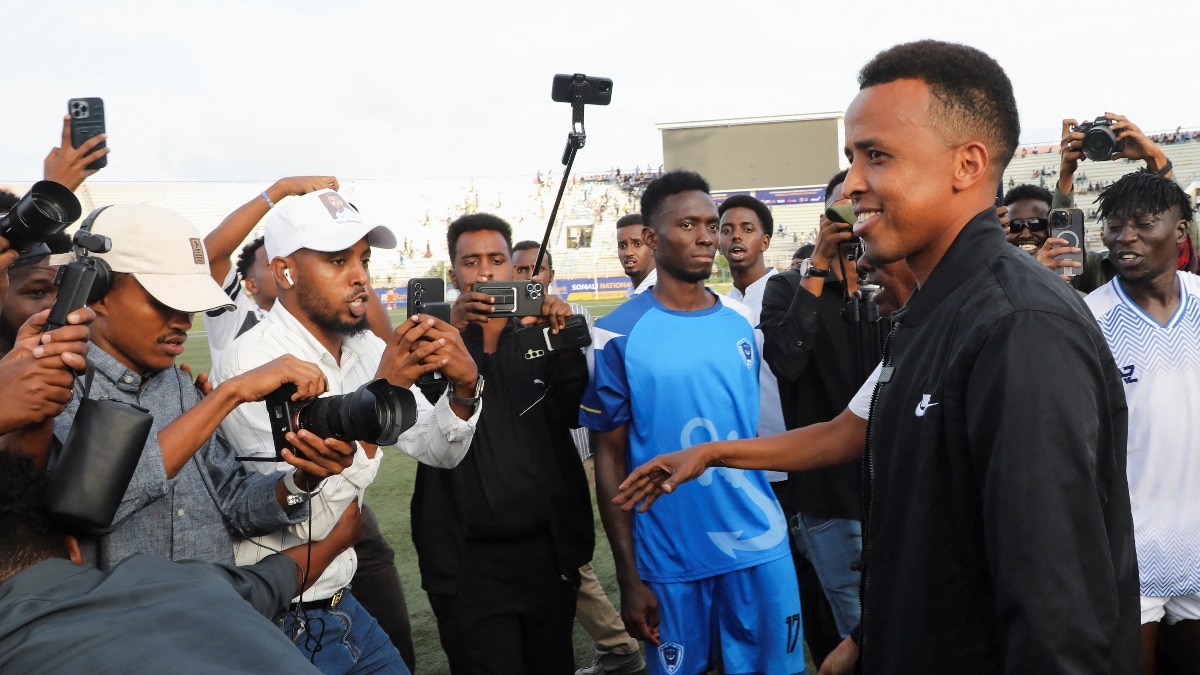
Ayrton received a hero’s welcome upon returning home
Somalia welcomed Artan as a hero He returned home from the United States after being denied entry to the World Cup. The 34-year-old player said he is hopeful of making it to the 2030 World Cup after the overwhelming welcome he received back home.
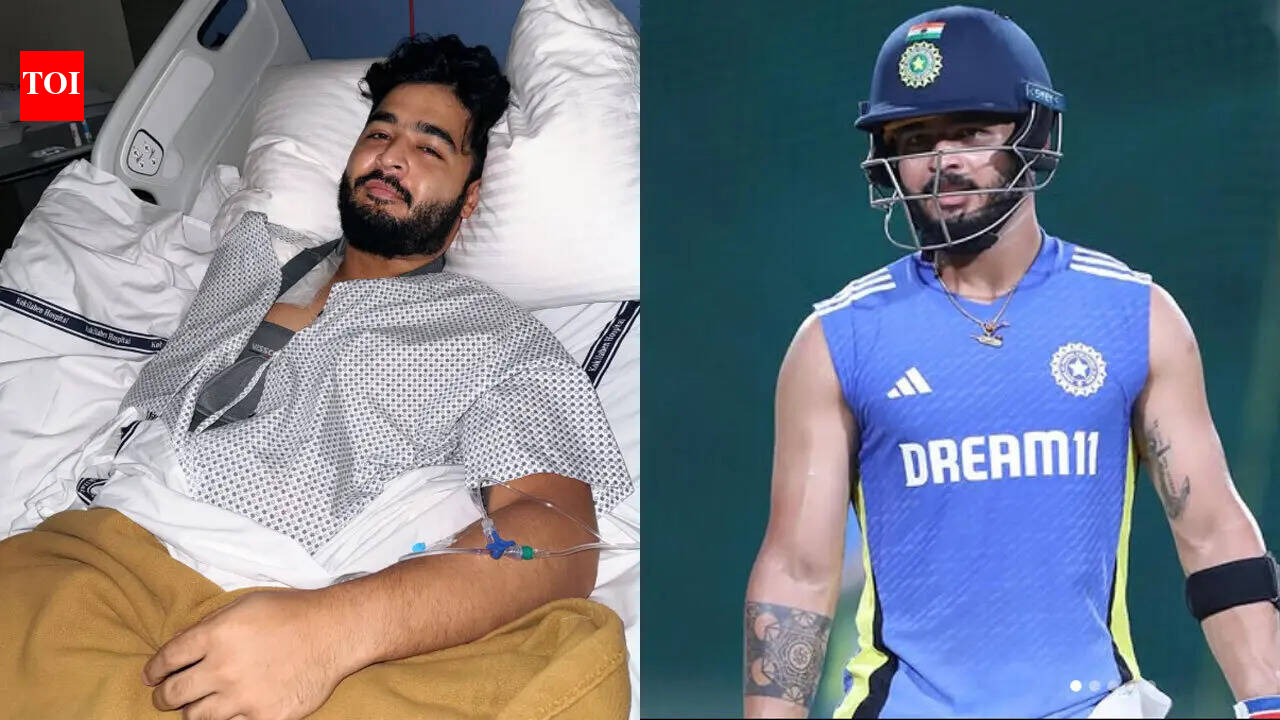
Mumbai: Rajasthan Royals captain Riyan Parag He underwent successful shoulder surgery at a hospital here on Thursday. The surgery was performed at Kokilaben Dhirubhai Ambani Hospital in Mumbai by renowned orthopedic surgeon Dr Dinshaw Pardiwala, who has operated on many top cricketers and sportspersons. Pardiwala is a consultant orthopedic surgeon. bcci.“Well, the shoulder won at last! For anyone who was asking, the surgery is done and well. The last two years have tested me in ways I never expected. There were good days, disappointing days, and days when just getting through the game was a challenge. But I wouldn’t have it any other way. Now comes a different challenge – recovery, rehab and patience. I will soon be back to doing what I love. “See you on the other side,” Parag posted on Instagram on Saturday along with his post-surgery picture. Parag is now expected to be out of action for a significant period of time, and is likely to miss the majority of the 2026–27 season, focusing on his recovery and rehab. Parag was initially named as the vice-captain for the India A team for the 50-over tri-series featuring Afghanistan A and hosts Sri Lanka A, but was replaced by Ruturaj Gaikwad after he was ruled out due to a hamstring injury. Parag’s rehabilitation will be managed by the BCCI Center of Excellence in Bengaluru.Parag had to miss a few matches in IPL-2026 due to shoulder and hamstring injuries, in which he scored 309 runs in 14 matches at a strike rate of 23.76 with two fifties at 157.65 as he led Rajasthan Royals to the playoffs. The batting all-rounder has played one ODI (15 runs @ 15.00) and nine T20Is (106 runs @ 17.66) for India in 2024. The 24-year-old Assam captain was embroiled in controversy during IPL-2026 when he was caught on camera vaping in the dressing room and was fined and warned by the BCCI.
India have retained their position at the top of the ICC men’s ODI team rankings after the annual update, but their lead over New Zealand has reduced from eight to five points.
After the update, India has dropped to 118 rating points from 119, while New Zealand has moved up two points to 113. Reigning ODI World Cup champions Australia are at third place with an unchanged rating of 109.
The only change in the top 10 is South Africa moving ahead of Pakistan to fourth position. South Africa now has 102 points, while Pakistan has slipped to fifth place with 98 points. With this update, the gap between ninth-placed Bangladesh and West Indies has also increased and now there is a difference of 10 rating points between the two teams.
Further down the table, Ireland have overtaken Zimbabwe into 11th, the United States have moved above Scotland into 13th, and the United Arab Emirates are now 19th, ahead of Canada.
The annual update reflects the results over a continuous period and underlines India’s consistency in the 50-over format. The Rohit Sharma-led side has been one of the most impressive ODI teams in recent years and continues to hold on to the top despite a slight dip in their rating points.
India’s capture of the No. 1 ranking comes at a time when the team is preparing for a new ODI cycle ahead of the 2027 World Cup in South Africa. The upcoming three-match ODI series against Afghanistan is expected to serve as a starting point for those preparations.
However, India has already suffered major setbacks before the series. All-rounder after Virat Kohli’s exit Hardik Pandya has also been sidelined Due to injury. Sources told India Today that Pandya is recovering from a quadriceps injury and is expected to take around three weeks to regain full fitness.
The injury dates back to IPL 2026, where Pandya was leading Mumbai Indians. The all-rounder featured in only 10 matches before missing the latter stages of the tournament due to fitness concerns.
The ODI series against Afghanistan will begin in Dharamsala on June 14, before moving to Lucknow on June 17 and Chennai on June 20. With senior players unavailable, the series could provide an opportunity for several young players to stake their claim in India’s ODI setup.
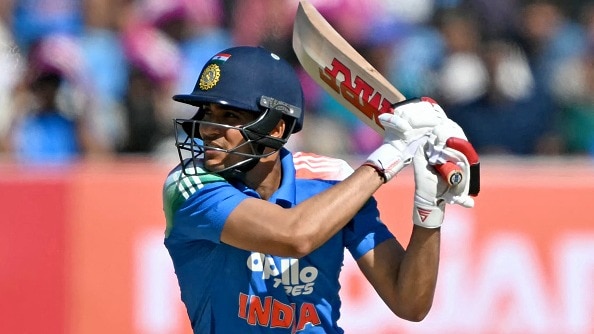
India’s updated ODI squad against Afghanistan: Shubman Gill (captain), Rohit Sharma, Virat Kohli, Shreyas Iyer, KL Rahul, Ishan Kishan, Hardik Pandya, Nitish Reddy, Washington Sundar, Kuldeep Yadav, Arshdeep Singh, Prince Yadav, Prasidh Krishna, Gurnoor Brar and Harsh Dubey.
India’s dominance is not limited to the ODI format. They also top the ICC men’s T20I team rankings after the annual update conducted last week. Meanwhile, Australia top the ICC Men’s Test Team Rankings and are also ranked No. 1 in both Women’s ODI and Women’s T20I.
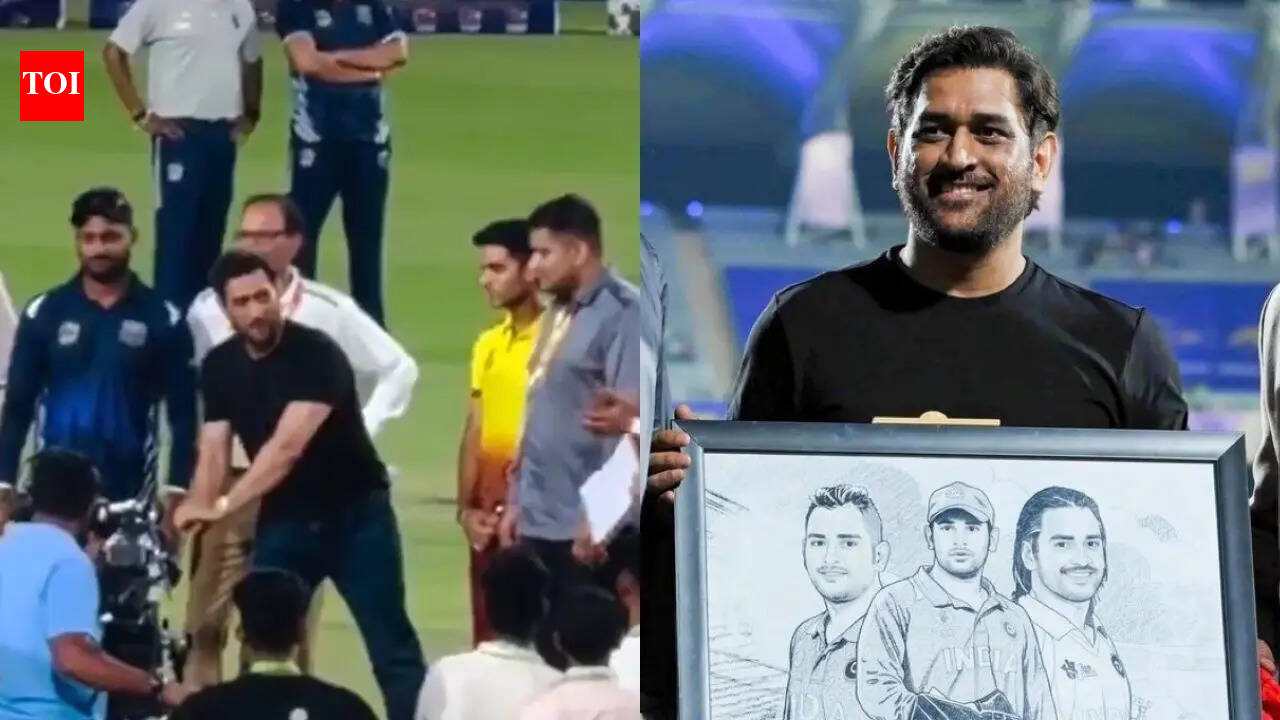
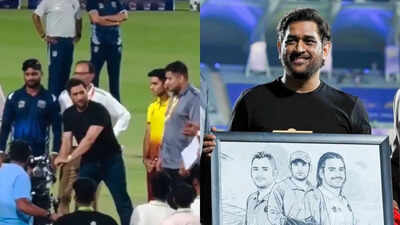
after full expenditure IPL 2026 season Away from the limelight, MS Dhoni made a welcome return to the cricket field on Wednesday when he attended the opening ceremony of the inaugural Jharkhand T20 League in Ranchi.A video of the event immediately caught the attention of fans, showing the former India captain stepping forward to perform the ceremonial coin toss before the opening match. It was a familiar scene for cricket fans who missed seeing Dhoni in action during the IPL season.The 45-year-old had to sit out of IPL 2026 due to injury, ending a remarkable run of participation in the tournament. For the first time since the start of IPL in 2008, Dhoni watched the entire season from the sidelines. Chennai Super Kings proceeded without their esteemed former captain.So his presence in Ranchi was important not only for the new tournament but also for the fans eager to get a glimpse of one of India’s greatest cricketers.Dhoni, dressed in a black polo shirt and sunglasses, looked relaxed and interacted with the officials and players before taking his place in the stands. The crowd responded with a loud cheer, a reminder of the affection he continues to enjoy in his home state.Watch: The competition features six teams – Ranchi Titans, Jamshedpur Steelers, Chhota Nagpur Royals, Koyalanchal Super Kings, Dhanbad Diamonds and Santhal Strikers.A total of 27 matches, including semi-finals and finals, will be played at the JSCA International Stadium Complex in the next two weeks.For Jharkhand cricket, Dhoni’s presence added instant credibility to the tournament.
“The World Cup is a true celebration of football and humanity.”
Oh, Peter Drury. We have come a long way since 2010.
Typically, the last few days before the World Cup are reserved for important debates. Who are the favourites? Is this finally Lionel Messi’s last dance? Can Cristiano Ronaldo somehow do it again? Which teen is going to be football’s next superstar? Which dark horse is going to ruin someone else’s summer?
Writing about the World Cup seems like a strange sentence.
For generations, this tournament has been football’s grand event that comes every four years and sends fans into a frenzy. This is usually the month when sport temporarily convinces us that nothing else is as important as 90 minutes and extra time.
Yet as the FIFA World Cup 2026 finally arrives, football’s biggest celebration brings a level of burden that few previous editions have had to deal with.
At its heart are geopolitical tensions that have increasingly come to the fore within the tournament. The ongoing conflict between the United States and Iran has further complicated regular World Cup preparations. Iran and other teams have had to deal with visa concernsLogistical uncertainty and even teams being forced to relocate their preparation venues, and questions about who can enter the host country and under what conditions have become a large part of the build-up.
The USA-leg of the FIFA World Cup 2026 has been a nightmare. (Reuters photo)
And Iran is hardly alone.
From visa disputes and supporter travel bans to security concerns, ticket-pricing controversies and growing questions around access, much of the build-up has felt as if football is sharing tabloid space with other global politics news.
Yet football has a habit of fighting back.
When the lights go up at the Estadio Azteca and Mexico takes the field against South Africa after an opening ceremony featuring Alejandro Fernandez, Tyla, J Balvin and Ryan Castro, none of them will be able to score.
Football finally got the stage back.
Whether it can regain full conversation in the next month is simply a waiting game.
Despite the chaos before kick-off, the World Cup atmosphere has managed to remain intact. (Reuters photo)
At the time of writing this, with huge sympathy for FIFA business chiefs, it was believed that this would be a safe World Cup.
The tournament was awarded to three countries with established infrastructure, huge stadiums and decades of experience hosting major sporting events. In comparison to some of the controversies surrounding Russia 2018 and Qatar 2022, North America was considered to represent stability.
Instead, the build-up has left every football fan with a sour taste of hype.
Iran’s training plans were disrupted. Somali referee Omar Artan, who was set to become his country’s first official to officiate at a World Cup, was denied entry to the United States. Fans from many participating countries have publicly shared stories of visa complications despite having already spent significant amounts of money on flights, accommodation and tickets.
Then there is the matter of tickets.
For years, supporters have dreamed of experiencing the World Cup in North America. Many people immediately discovered that the dream came with a frightening bill. Dynamic pricing, rising accommodation costs, expensive transportation and a resale market that often looks different from reality have all contributed to frustration among travel advocates.
A strange paradox is also looming over the tournament. FIFA talks of record revenues and record attendances, yet thousands of tickets remain available for some group-stage fixtures just days before kick-off.
Not many people can argue that when it’s the World Cup, it’s an easy assumption that the football will still be great.
But there is no denying the fact that the road to this World Cup has been much worse than anyone expected.
What does the FIFA World Cup mean?
Perhaps that’s why it’s worth remembering what the World Cup often represents when football is at its most powerful.
In October 2005, Ivory Coast qualified for its first FIFA World Cup.
At the time, the country was divided by civil war.
Didier Drogba and his teammates could have easily celebrated qualification. Instead, they gathered inside a dressing room, looked directly at the television cameras and appealed for peace. The players dropped to their knees and requested fellow Ivorians to lay down their weapons.
This World Cup makes the Drogba-led Ivory Coast story feel like a distant memory. (Reuters)
It is one of the most extraordinary moments in sports history.
For a brief moment, football achieved what politicians had struggled for years to achieve.
The World Cup has always brought that unique potential.
That’s why people still remember where they were when Zinedine Zidane shone in 1998, when Anders Iniesta broke Dutch hearts in Johannesburg, when Mario Gatz took control of a nation-sized dream in Rio or when Lionel Messi finally perfected football in Qatar.
This tournament has always been more important than football.
Twenty-one years after Drogba used football as a tool of unity, the sport’s biggest event comes as it wrestles with negotiations about borders, visas, access and geopolitics.
The irony of shedding tears.
Will noise take over the World Cup?
Probably not.
Because football has spent decades proving that it has a superpower that very few things on Earth can match.
It distracts.
Soon, the conversation will move away from visas and ticket prices and back to Messi, Ronaldo, Mbappé, Neymar, Jude Bellingham, Lamine Yamal and every other story that makes the World Cup impossible to resist.
Argentina arrived to defend their crown. Spain is a favorite of many people. France have enough attacking talent to scare anyone. Brazil believes Carlo Ancelotti can restore former glory. England are once again trying to convince themselves that this really could be that year.
The last dance of Ronaldo and Messi is the big headline of this World Cup. (Photo: Reuters)
Especially for Indian fans, the commitment required to follow this World Cup borders on the absurd. About 90 percent of the matches will start between midnight and sunrise. It screams how sleep schedules will collapse, followed by caffeine-fueled work hours.
Yet millions of people will do it anyway.
Tomorrow morning, offices across the country will be filled with people with dark circles under their eyes and huge smiles on their faces. Someone will be replaying some amazing goal or referee call.
And that’s why, despite all the noise surrounding this tournament, it would be foolish to win the debate against football once again.
FIFA World Cup 2026: All 12 groups
Along with the big chaos list, the definitive list for this World Cup has also become longer.
FIFA has expanded the 2026 tournament to 48 teams. The new format consists of 12 groups of four teams, replacing the familiar eight-group setup. From there, the top two sides and eight best third-placed teams in each group will advance to the newly introduced Round of 32, which will open the door to more countries, more knockout drama and, inevitably, some surprise runs.
* Group A: Mexico, South Africa, South Korea, Czechia * Group B: Canada, Bosnia and Herzegovina, Qatar, Switzerland * Group C: Brazil, Morocco, Haiti, Scotland * Group D: United States, Paraguay, Australia, Truckee * Group E: Germany, Curaçao, Ivory Coast, Ecuador * Group F: Netherlands, Japan, Sweden, Tunisia * Group G: Belgium, Egypt, Iran, New Zealand * Group H: Spain, Cape Verde, Saudi Arabia, Uruguay * Group I: France, Senegal, Iraq, Norway * Group J: Argentina, Algeria, Austria, Jordan * Group’s: Portugal, DR Congo, Uzbekistan, Colombia * Group L: England, Croatia, Ghana, Panama
Where can fans watch the 2026 FIFA World Cup in India?
Fans in India can watch all 104 matches of the FIFA World Cup 2026 on Zee’s Unite8 Sports television channels, while live streaming will be available through the Zee5 app and website after the broadcaster secured the rights shortly before the tournament begins.
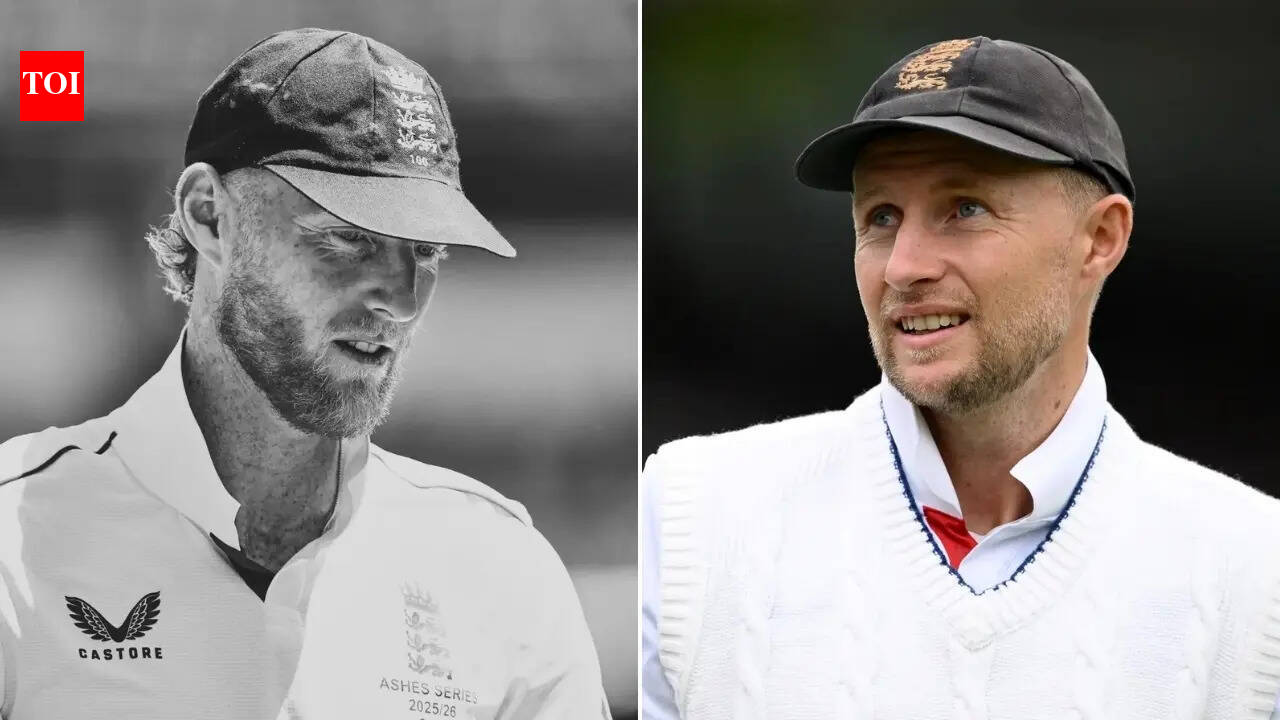
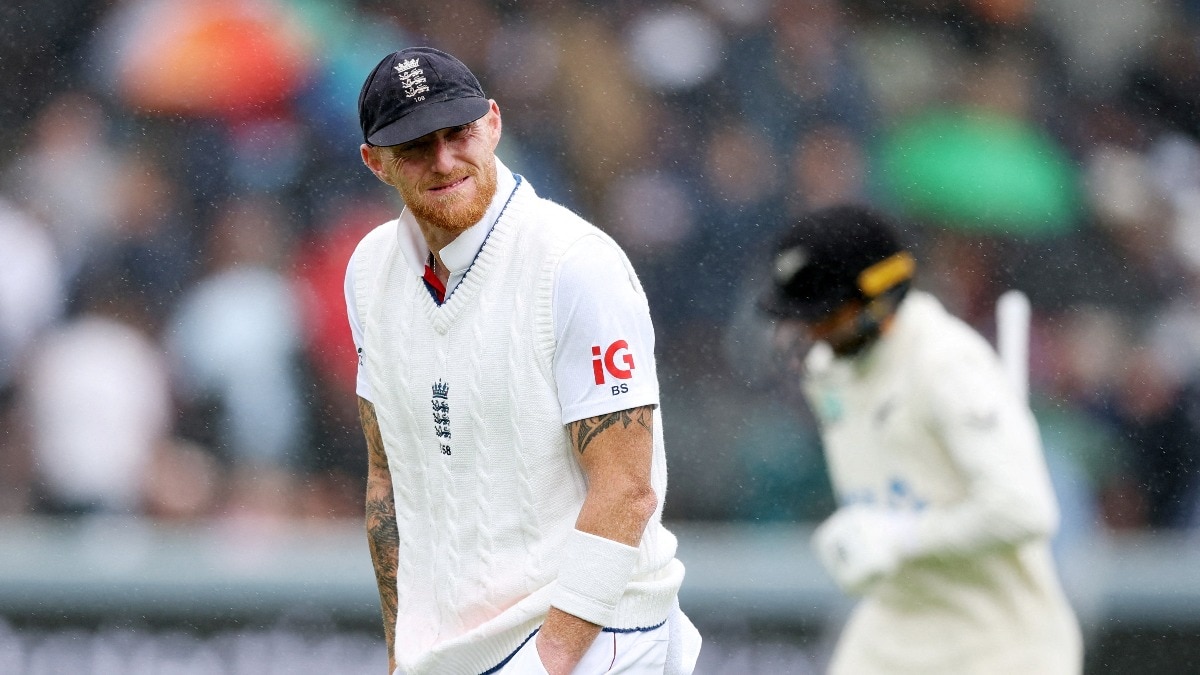
captain of england ben stokes Root, who will miss the second Test against New Zealand at the Oval after the nightclub incident, is set to lead the team as interim captain.Stokes has been dropped from the team along with fast bowler Gus Atkinson after the pair violated the team’s midnight curfew in the early hours of Monday.The England and Wales Cricket Board said that Stokes and Atkinson “have not been made available for selection.”The two players were in a nightclub when a member of England’s security staff was attacked by Saracens rugby player Totoa Auwa.Although Harry Brook is England’s vice-captain, he has not been selected to lead the side for the match.Brook was involved in an incident last year when he was punched by a bouncer outside a nightclub in Wellington on the eve of an ODI against New Zealand.Therefore, Root will return to captaincy for the first time after stepping down from the role in 2022. The former captain led England in a record 64 Test matches between 2017 and 2022.The 35-year-old player remains England’s highest run-scorer in Test cricket. He resigned as captain after England achieved one win in 17 Test matches and was succeeded by Stokes.England have also included fast bowler Joffra Archer and batsman Jordan Cox in the team that won the first Test against New Zealand by 115 runs at Lord’s.The second Test against New Zealand will start from June 17 at The Oval.Meanwhile, some reports have suggested that England’s Ben Stokes may also retire from cricket following the nightclub brawl involving him and teammate Gus Atkinson.The development comes after the England and Wales Cricket Board (ECB) launched an investigation into an incident involving Stokes and Atkinson at a nightclub in the early hours of Monday, hours after England’s 115-run win over New Zealand in the first Test at Lord’s.England Test Team: : Joe Root (captain), Rehan Ahmed, Jofra Archer, Sonny Baker, Shoaib Bashir, Jacob Bethel, Harry Brook, Jordan Cox, Ben Duckett, Matthew Fisher, Emilio Gay, James Reve, Ollie Robinson, Jamie Smith (wk), Josh Tongue.
Former England captain Michael Vaughan has backed Ben Stokes to remain as England Test captain despite the controversy over a breach of team protocol, arguing that the all-rounder has made a mistake but should not lose his job because of the incident.
Writing in The Telegraph, Vaughan said Stokes had clearly crossed a line by breaking the team curfew, but questioned whether the offense was serious enough that he should be removed as captain.
Vaughan wrote, “Yes, Ben Stokes broke curfew. Yes, he made a mistake. But is that a dismissable offense as England’s Test captain? I don’t think so.”
The former England captain said that although the England and Wales Cricket Board (ECB) has every right to take disciplinary action, he disagrees with any move to remove Stokes from the leadership role.
Vaughan wrote, “The ECB has to be brave and strong enough to do what it thinks is right. If it has to be sacked then so be it, but I do not agree with that decision on this issue.”
Vaughan’s defense of Stokes comes at a time when the England captain’s future has become a major talking point following a breach of team protocol. While acknowledging that disciplinary action may be necessary, Vaughan argued that punishment should be proportionate to the crime.
The former captain said one should not automatically lose the captaincy due to an error in judgment, especially considering the role Stokes has played in England’s recent success in Test cricket.
Stokes and fast bowler Gus Atkinson defied the team’s midnight curfew after celebrating England’s first Test win over New Zealand on Monday morning. The pair were present when a member of England’s security staff was attacked by Saracens rugby player Totoa Auwa.
The security staff member was reportedly left bloodied and required medical treatment following the incident.
With Stokes unavailable, England have turned to former captain Joe Root to lead the side at The Oval, sidelining Harry Brook despite his vice-captain role.
The ECB has denied reports that Stokes has been asked to resign and have instead given the 35-year-old time to consider his options.
brooke case
A significant part of Vaughan’s argument focused on what he believed was the ECB’s inconsistent handling of the previous disciplinary case involving Brook.
“The problem for ECB chief executive Richard Gould and cricket director Rob Key is that their poor handling of the Brook situation has set a precedent,” Vaughan wrote.
Brooke was involved in a nightclub incident in Wellington In October, the night before he was to captain England in a One Day International against New Zealand. The batsman was hit by a bouncer, details of the incident became public months later.
Following an investigation by the regulator of cricket, Brook received a final warning and was fined, while teammates Jacob Bethel and Josh Tongue were also investigated. No action was taken against Tong.
According to Vaughan, the ECB’s decision to allow Brook to remain captain while imposing only a financial penalty weakened its authority in dealing with future disciplinary breaches.
Vaughan wrote, “He allowed him to continue as captain, suppressed it and by being so lenient put himself in a position where he had to take strict action on any other minor breach of team rules in the future.”
calls for fellowship
Vaughan also questioned whether financial penalties alone are enough to deter players from repeating mistakes.
He wrote, “They fined Brooks, not a suspension. Fines are nothing to these boys. So when people at the highest levels of management allow a team to do a lot, don’t be surprised if it happens again.”
With Stokes and Atkinson under investigation, the ECB faces a key decision on how to respond. While Vaughan acknowledged that the England captain made an error in judgment, he believes that one lapse should not be enough to end Stokes’ tenure as captain.
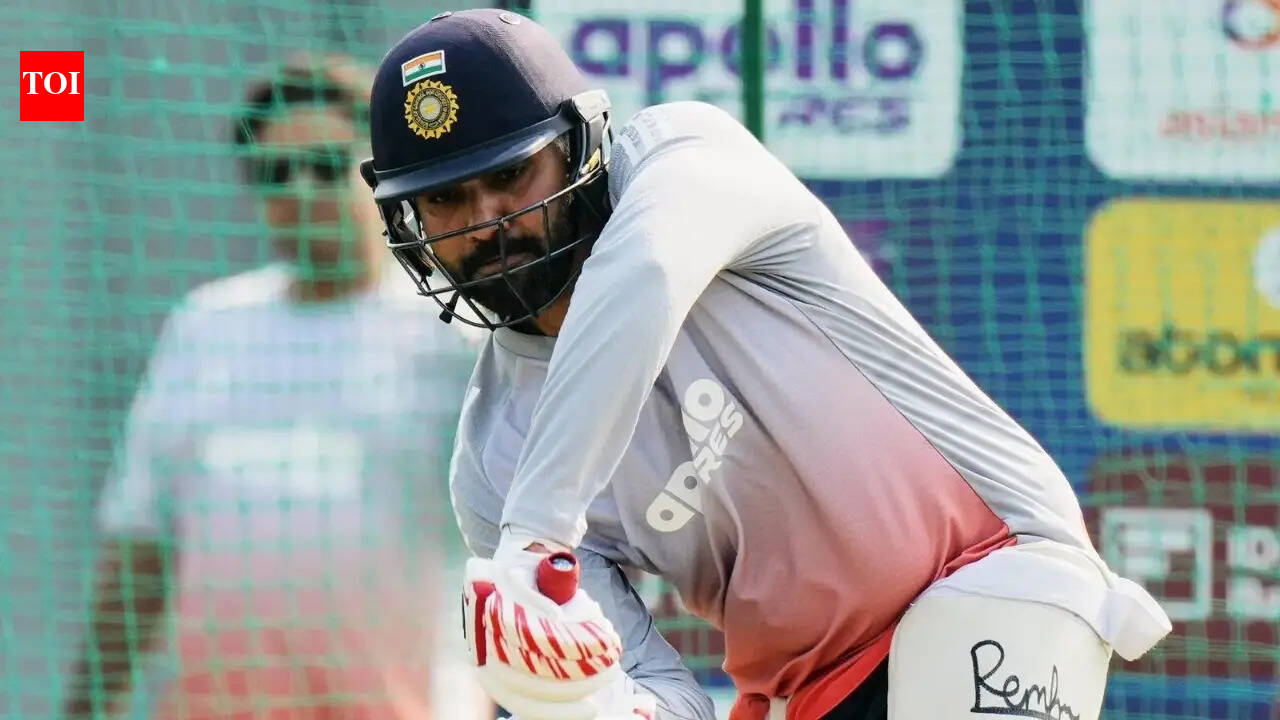
TimesofIndia.com in Mohali: A day after getting the green signal from the Center of Excellence (CoE), Rohit Sharma IS Bindra looked in good form during India’s optional training session at the PCA Stadium in Mohali on Wednesday.Rohit Sharma was the first one to step out of the team bus, and security officials and Punjab Police personnel took out their phones as the former India captain was flooded with selfie requests. He scored a few runs before going straight to the pavilion. The 39-year-old started with a light jog with his former Mumbai Indians opening partner Ishan Kishan before heading out to bat in the open nets.Rohit looked a little rough initially when Nitish Kumar Reddy hit the ball on his pads. But as the sun started setting, the right-handed batsman started looking in great form. Flicks, pulls, cuts and drives were all on display. None of the fast bowlers like Arshdeep Singh, Gurnoor Brar or Prince Sharma were able to trouble them.Rohit shared the fast bowling net Shreyas IyerAfter each over both batsmen finish switching. Ishan Kishan and Yashasvi Jaiswal became aggressive against the spinners in the side nets.After a good 45 minutes against the fast bowlers, Rohit Sharma was involved in a chat with batting coach Sitanshu Kotak. Next, he moved to the spinner nets, where he faced left-arm spinner Harsh Dubey and the Punjab Cricket Association (PCA) net bowlers. One thing was missing in Rohit’s batting that he never performed aggressively on the wicket against spinners or fast bowlers. He finished the session with fielding coach T Dilip taking some high catches.India’s new T20 captain Shreyas Iyer also looked in good form. The dashing batsman, who plays for Sobo Mumbai Falcons in the Mumbai T20 League, hardly looked troubled. Gurnoor Brar tested him with short-pitched balls.Except for Yashasvi Jaiswal, who played the only Test against Afghanistan in New Mullanpur, they opted out of the training session. Notable absentees were captain Shubman Gill, KL Rahul, Kuldeep Yadav, Prasidh Krishna and Washington Sundar.India won this test match by an innings and 300 runs. The first ODI of the three-match series will be played in Dharamshala on Saturday (June 13), followed by matches in Lucknow on June 17 and Chennai on June 20.