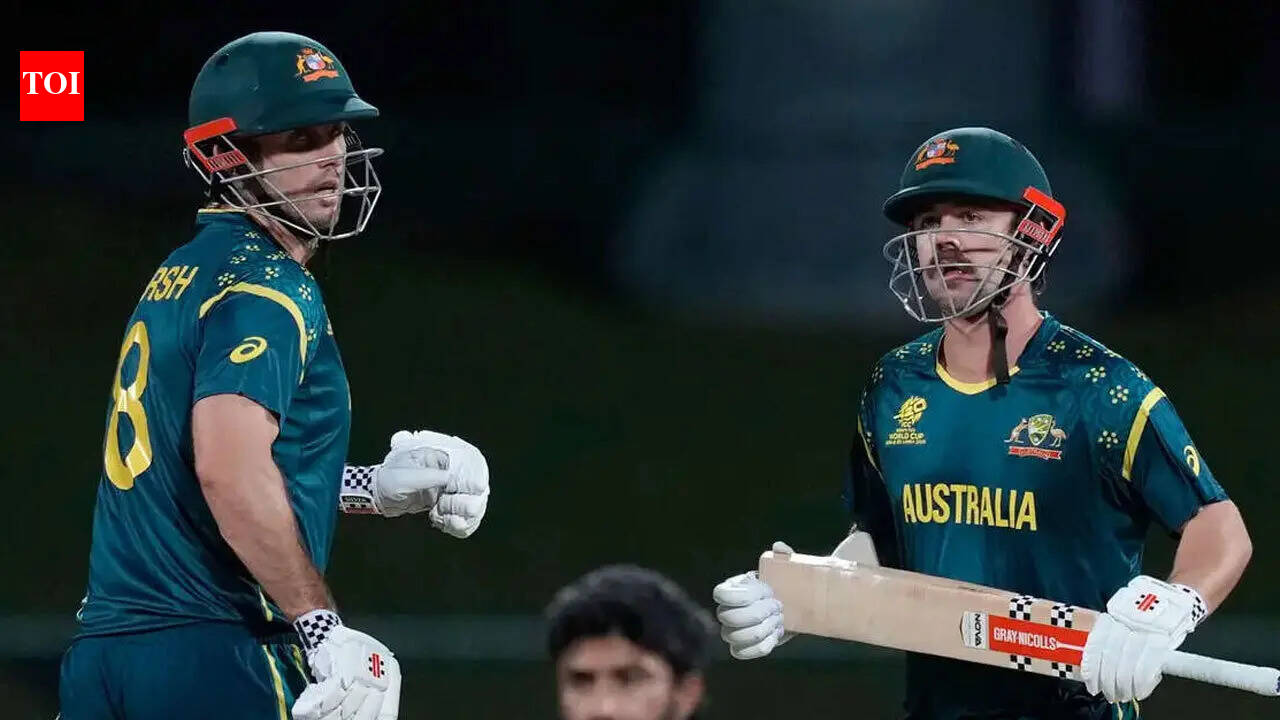
Australia will be without three key players in their upcoming white-ball tour of Bangladesh, with captain Mitch Marsh, star opener Travis Head and spinner Tanvir Sangha set to miss the match for different reasons.Marsh has been ruled out of the three-match ODI series with an ankle injury, while Sangha will miss the tour due to a hamstring injury. Meanwhile, Head has been granted personal leave for the entire tour as Australia manages the workload of one of its most important all-format players ahead of a busy international calendar.The absences forced changes to the squad, with Todd Murphy, Ollie Peake and Matt Short called up for the ODI leg of the series starting on Tuesday.With Marsh unavailable, wicketkeeper-batsman Josh Inglis will once again captain Australia in the 50-over matches after leading the team during the recent white-ball assignments against Pakistan.
Selectors returned replacements
Australia selector Tony Dodemide confirmed that Sangha’s participation in the tour has ended due to his injury.“Unfortunately, Tanvir Sangha suffered a hamstring injury during the second ODI against Pakistan and will not take any further part in the tour,” Dodemide said.The selector revealed that Marsh has not yet fully recovered from his ankle problem, although the all-rounder is expected to join the squad ahead of the T20 series in Bangladesh.“We were hopeful that Mitch Marsh would be available for the Bangladesh ODI series, although he is still working his way back to full fitness from an ankle injury. Mitch will join the group in Dhaka and begin preparations for the T20 series,” he said.Dodemide also revealed that Head, who was originally selected for both legs of the tour, had been given leave ahead of Australia’s busy period of Test cricket.“Travis was initially selected for the ODI and T20I legs of this Bangladesh tour, but was later granted personal leave for both. We look forward to seeing him again for the top Test series against Bangladesh,” he said.
New opportunities for Murphy, Peak and Short
The changes have opened doors for new faces. Off-spinner Todd Murphy has been included in the ODI squad for the first time, while Peake and Short have retained their places after impressing during the Pakistan tour.“We are excited to welcome Todd Murphy to the ODI squad for the first time, while it will be ideal for Ollie Peake and Matt Short to remain with the group following the Pakistan tour,” Dodemide said.Despite the high-profile absences, Australia are hoping their revamped team can carry the momentum before turning to a challenging Test schedule featuring Bangladesh, South Africa and New Zealand.Australia squad for Bangladesh ODI:
Josh Inglis (captain), Xavier Bartlett, Alex Carey, Cooper Connolly, Ben Dwarshuis, Nathan Ellis, Cameron Green, Matthew Kuhnman, Marnus Labuschagne, Todd Murphy, Oliver Peak, Matthew Renshaw, Liam Scott, Matt Short, Adam Zampa
Australia squad for Bangladesh T20I:
Mitchell Marsh (captain), Xavier Bartlett, Cooper Connolly, Tim David, Joel Davis, Nathan Ellis, Cameron Green, Aaron Hardie, Josh Inglis, Spencer Johnson, Matthew Kuhnman, Riley Meredith, Josh Philippe, Matthew Renshaw, Adam Zampa.
Ajit Agarkar is not a man who is easily surprised. As India’s chief selector, his press conferences are an exercise in careful diplomacy. The measured words, the guarded assessments, the bureaucratic language of a man who must appear rational about everything. But on Saturday, June 6, something went wrong at the BCCI headquarters in Mumbai. They recently named a 15-year-old player in India’s T20 squad, who is the youngest player ever selected for the national team, even younger than Sachin Tendulkar was when he first donned the blue. And when journalists asked him, Agarkar paused in such a way that it seemed as if it was not written.
“I think he’s really picked himself out. What do you say, man?”
What do you say. That little dedication, three words, a half shrug, the sound of a man’s professional vocabulary failing him, is probably the most honest thing a cricket administrator has said in years. No data. No strategic logic. Just a man admitting that some things are beyond the language of selection committees.
There was much more. Agarkar talked about Vaibhav taking Rajasthan Royals to the playoffs almost single-handedly. Of a young kid performing in the most competitive, most high-pressure cricket environment on earth, and doing so not just once but across two seasons.
“How explosive he can be and how game-changing he can be,” he said.
“Like everyone who watches cricket in India or at least watches T20 cricket, we have high expectations from him.”
Like everyone else who has seen. There it was again. The selector, for a moment, seemed less like the selector and more like the rest of us. Like the guy sitting in the cheap seats with his painted face. Like that middle-aged man who couldn’t explain why he cared so much. Like the country.
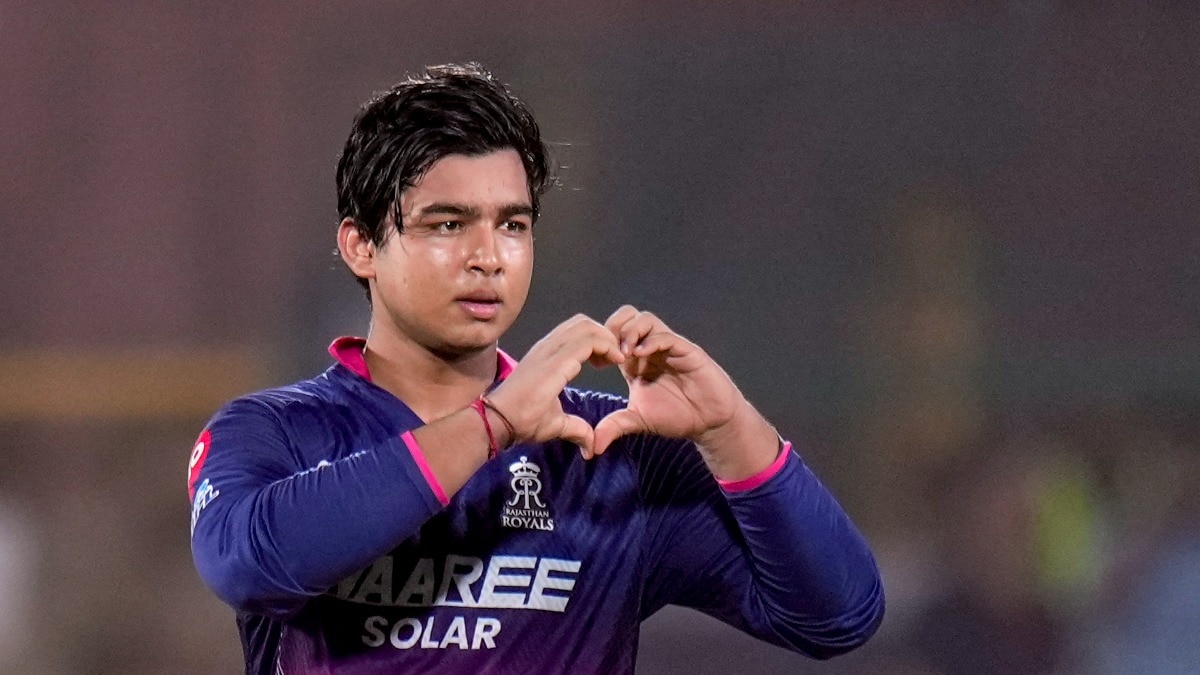
Vaibhav Suryavanshi won the Orange Cap by scoring most runs in IPL 2026 (PTI Photo)
surprise, no noise
Something happened to Indian cricket this summer that is difficult to explain in the traditional terminology of the game. We are a nation of forensic watchers. We count balls faced and analyze match-ups and debate about strike rates in the powerplay before the powerplay ends. Indian cricket fandom is one of the most sophisticated and most exhausting enterprises in global sport. We often don’t just feel things. We assess them.
And then Vaibhav Suryavanshi came to bat and the assessment stopped.
Throughout the season I had the opportunity to cover IPL matches, moving from ground to ground, press box to press box. I’ve watched a little cricket to understand the sound of the crowd: the chants, the drums, the choreographed noise of organized support. I know how it feels when a crowd cheers for a six and how it feels when a crowd roars for a boundary. I thought I knew all the sounds emanating from the cricket field.
In Lucknow, at the beginning of the season, I heard something different. The Shri Atal Bihari Vajpayee Stadium was draped in pink, Rajasthan Royals in pink, but the quality of energy in those stands was something I had not encountered for some time. No noise of partisan support. Beneath it lies something quieter and stranger. I looked around and I saw it on faces: people looking with a kind of suspended disbelief, as if they were afraid that if they looked away, they would miss the thing they had come to see. And they had come to see a boy who had not yet sat in Class 10, walking leisurely onto the crease against international bowlers as if no one had been asked to be nervous.
You understand, Lucknow is not Rajasthan. These were not home fans in any tribal sense. Many of them came from Bihar and eastern Uttar Pradesh, communities that had quietly laid claim to glory, the way a village claims a boy who went away and came back. I heard it in conversations around the grounds, in the way people said his name, not Suryavanshi, not the surname, just grandeur, with a familiarity that had nothing to do with geography and everything to do with something more fundamental. He was theirs. He had decided.
Suryavanshi fans in Lucknow (India Today Photo)
sixty to six
This feeling persisted for several months before I understood what I was seeing. In the eliminator, at New Chandigarh, with Rajasthan against Sunrisers Hyderabad and everything at stake, it became clear. I reached the ground early and stood there for a moment looking at the crowd before walking up to the press box, which was a sight to behold.
Several schoolchildren, six-year-olds, ten-year-olds, a whole generation of children in matching Suryavanshi shirts, holding banners that they had clearly made themselves, the paint slightly uneven, the lettering done with the intense concentration of someone to whom it meant so much. And besides them, their parents, and their parents, grandparents, men and women in their sixties who can tell you where they were when Sachin made his debut, sitting in plastic stadium seats, watching the latest thing.
That crowd was from sixty to six o’clock. An entire period of Indian life was brought to one level, by one boy.
I spoke to a middle-aged man from Haryana. He had come with his wife and two children, both dressed in Vaibhav’s shirts, both practically trembling with anticipation. They were on the road since morning. The kids had been asking for weeks, he explained. When I asked her what it was about, she looked at her children for a moment before answering, and when she did, she wasn’t actually talking about cricket.
“It’s like a personal success,” he said.
A young Vaibhav Suryavanshi fan in New Chandigarh (India Today Photo)
I’ve thought a lot about those words since then. They explain some things that statistics cannot explain. Vaibhav Suryavanshi is not seen just like that. It is inhabited. People don’t root for him the same way you would for a team or a player; They place something of themselves inside her story and then take a breath indistinguishable from hope and see what happens. Their origin makes it almost inevitable. A father who sold the land. A mother wakes up at 3 a.m. to pack breakfast before a 100-km journey to Patna. A backyard pitch in a village in Samastipur. Every family in that stadium in New Chandigarh had some version of this story in their own lives, maybe not cricket, but sacrifice, and faith, and the terrible insecurity of investing everything in a child’s future.
That night when he came out to bat, the sound made by the crowd was not the sound of a six. It was the sound of them all that came out.
world cheer
Even the press box remained untouched. The specific culture, the display of detachment, the studied neutrality, the professional fear of being seen to care. And yet that evening, when Vaibhav missed out on a stunning playoff century, the disappointment in the room was as naked as anything in the stands. The faces fell. People put down their laptops. Without making any decisions, we started wanting something beyond the story from it. It’s the rarest thing a player can do to a reporter. He had made us forget our jobs.
That what In the cold light of the statistics produced during the 2026 season, it was almost hallucinatory. 776 runs. Strike rate of 237. Chris hit seventy-two sixes, breaking Gayle’s 14-year-old record, and did so in 266 balls compared to Gayle’s 456. First batsman in T20 history to score 600 runs in a tournament while striking above 200. But here’s the thing about watching Vaibhav Suryavanshi bat: The numbers feel like a betrayal of experience. They turn into arithmetic what feels like art in that moment.
Pat Cummins, who had personal experience of seeing the boy hit a six on the first ball he bowled, simply called him “my new favorite player”. He hits the ball so hard that it is great to watch. That’s not flattering, coming from the Australian captain, one of the most accomplished fast bowlers in cricket. He is a man who has tried everything and reached laurels.
During England’s summer Test against New Zealand at Lord’s, a match India were not a part of, the commentary kept coming back to Suryavanshi. Michael Atherton, Simon Doull, the voices of English sport, are spending their break on a 15-year-old from Samastipur. Before Vaibhav, only Sachin and Virat had attracted such unexpected attention from British broadcasters. It was becoming impossible to take my eyes off the company.
keep it up, son
Before the eliminator, during pre-match training, he went to where Sunil Gavaskar and Saba Karim were standing and touched their feet. Just like that, in mid-session, without hurrying, because there was an elder nearby and that’s all you do. This clip went viral within a few hours. Gavaskar, who was clearly emotional, would later recall what he told the boy: “Keep going, son. Keep going.” Keep going son.
Vaibhav Suryavanshi ran to touch the feet of Sunil Gavaskar and Sanjay Bangar who were doing the pre-match show.
Suryavanshi then turns his head towards Jatin Sapru, who jumps off his mark to avoid the 15-year-old
He went back to the playing field, completed his preparation and went out and scored 97 runs off 29 balls. Because the respect was deep and real, had a precise geographical extent. It ended on the borderline. Once they crossed that, the bowlers, regardless of reputation, regardless of experience, regardless of fifteen years of some of them in international cricket, were simply the opposition.
And after a presentation ceremony, as soon as he came down from the stage, he immediately took off his trousers to change, in the same way as a schoolboy takes off his kit as he passes through the school gates. The adults nearby paused for a moment. He was already thinking of something else.
The world had created an entire mythology around this boy. It appears that he was the last person to know about it.
Gavaskar declared: “2026 will be remembered as the year of Vaibhav Suryavanshi.”
Not good weather. No bright prospects. One year. It is named after the boy who still has homework to do.
His coach Manish Ojha, a Patna native who had first picked a nine-year-old kid from Samastipur who had traveled 100 kilometers and had no clear limits to his talent, allowed himself a comparison when the national selections came around.
Ojha said, “After Sachin, he is a young player who has been selected for the Indian T20 team.”
Virat Kohli, who took time out from his IPL final celebrations in Ahmedabad to spot Vaibhav, who was there collecting a small collection of the awards he had won, said it in four words. “A Bihari is superior to all.” One from Bihar, the best.
A formal exception was made without fanfare, with the BCCI quietly confirming that Vaibhav’s parents would travel with him for the Ireland and England tours, all expenses paid. Institutions make such signals only when they know they are dealing with something unusual.
Robin Singh, the Bhojpuri commentator who was telling seasoned scouts in 2023 that an 11-year-old kid from Samastipur would be in the IPL within two years, and who was laughed at extensively when he said so, put the whole thing with the simplicity of a man who was ahead of everyone else:
“Players from Bihar don’t need recommendations. All they need is introduction.”
The introduction has been done.
only one act
in belfast at the end of this monthAnd then in England, and then in Japan in September, a 15-year-old boy from Tajpur will turn out to represent India for the first time. He will be the youngest person ever to do so. He will almost certainly hit someone for a six in the first over. And somewhere in India, in living rooms and tea shops and at phones placed in front of kitchen shelves, people will lean forward in that special way, not to analyze, not to debate, but just to watch.
That is what he has returned. Indian cricket fans’ protests have long been loud, tribal, argumentative and exhausting. And then a boy from a farming village came to the crease, and it all fell away. What was left was simpler, older, and more important. You had this feeling as a kid, even before you knew what strike rate was. Before you have your opinion. When sports were just a thing that made your chest tight and your hands cold, and you didn’t have to explain to anyone why.
This is only Act One. The boy has not even given the board exam yet.
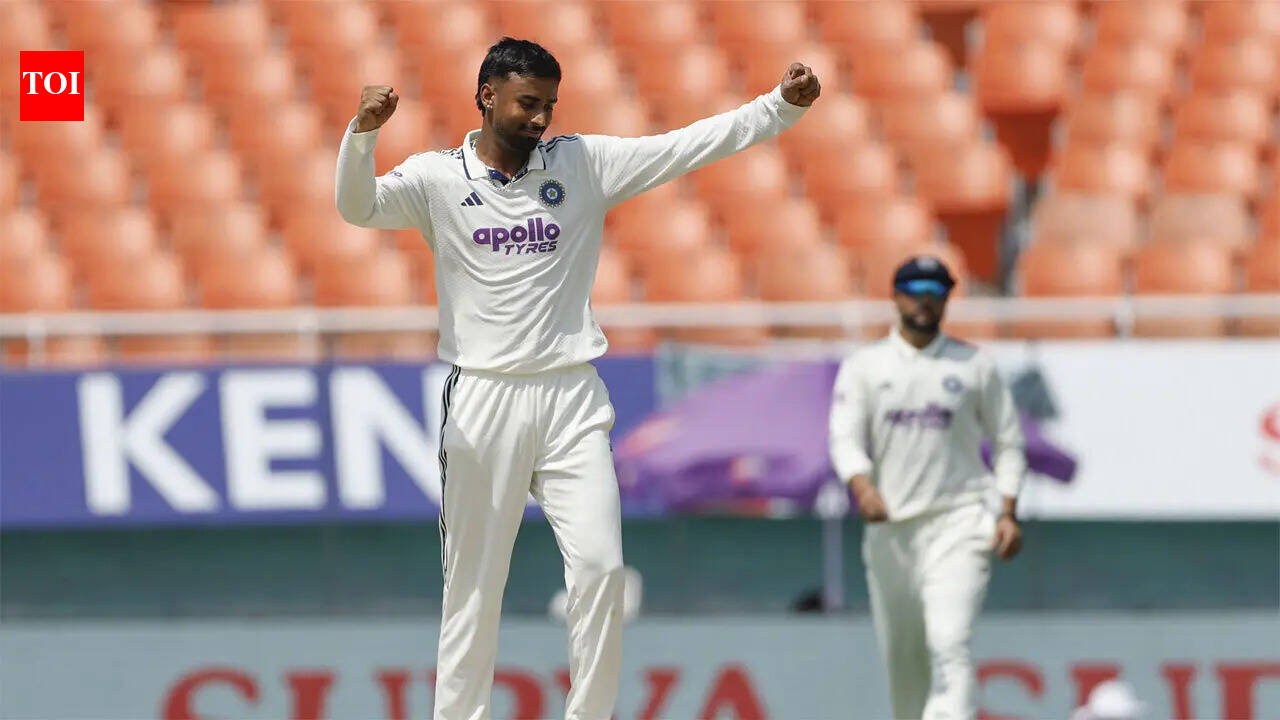
New Delhi: Manav Suthar could hardly have asked for a better start to his Test career. The left-arm spinner made his debut against Afghanistan by taking three wickets on the second day, earning praise from the great Indian captain and batting brilliantly Sunil Gavaskar.Suthar registered his name in the elite list of Indian bowlers who have taken a wicket in their very first over by dismissing Abdul Malik in his very first over in Test cricket. He finished the day with figures of 3/34, removing Abdul Malik. Rahmanullah Gurbaz And Afghanistan closed on 113/5 as Afshar Zazai, still 451 runs behind India.Impressed by the youngster’s all-round performance, Gavaskar highlighted not only Suthar’s bowling but also the patience he showed with the bat.“Manav Suthar has certainly made a great start to his Test career. What stood out was not just his bowling, but the confidence he showed with the bat, especially the way he used his feet and looked comfortable at the crease,” Gavaskar said while speaking on Geostar’s ‘Cricket Live’.“With the ball, he was extremely accurate and constantly put the batsmen under pressure. There was some support available from the surface, which he made good use of, but the real test for any spinner comes on flat pitches where more variation and adaptability are required.”While urging caution in judging a spinner solely on a helpful surface, Gavaskar felt Sutthar had shown enough promise to suggest he could succeed at the highest level.“Having said that, it was a very encouraging debut and he has shown the qualities to become a strong contender at Test level going forward,” he said.Suthar’s selection was supported by a strong domestic record. The Rajasthan all-rounder has taken 129 wickets in 29 first-class matches at an average of 25.76, including a best performance of 8/33. His red-ball resume also includes taking five wickets six times and 10 wickets three times.The 23-year-old has also contributed with the bat, scoring 945 runs in 48 first-class innings at an average of 25.54, including one century and six fifties, with a highest score of 120.Earlier this year, Suthar represented Gujarat Titans in the IPL and took two wickets in four matches.
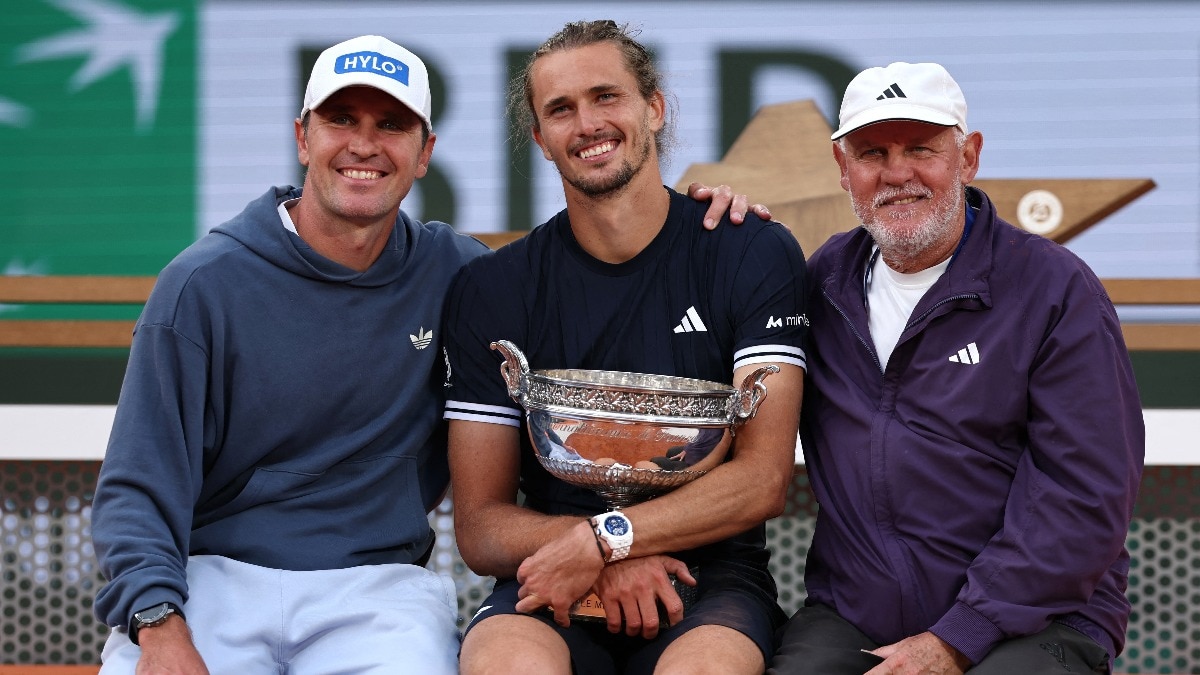
World No. 3 Alexander Zverev paid an emotional tribute to the team that stood by him through years of injuries, heartbreak and painful defeats after winning his first Grand Slam title at the French Open on Sunday.
Speaking during the trophy ceremony, Zverev reflected on the setbacks he and his team had endured throughout their careers together.
“We’ve been through a lot, from injuries, from heartbreaks, from losses,” an emotional Zverev said.
“We have been defeated in some moments, but now we are Grand Slam champions. That’s what matters.”
The win concluded a remarkable journey for the 29-year-old, who had spent years earning the tag of the best player never to win a Grand Slam.
Sunday’s victory also ended a 30-year wait for a German men’s singles major champion. No German had won a Grand Slam title since Boris Becker won the Australian Open trophy in 1996.
Zverev now joins Becker, Michael Stich, Gottfried von Cramm and Heiner Henkel as Germany’s male Grand Slam champions.
Roland Garros has been the backdrop for some defining moments of Zverev’s career. In 2022, he suffered a serious ankle injury during the French Open semi-finals against Rafael Nadal and had to leave the court in a wheelchair. Two years later, he lost to Carlos Alcaraz in the Roland Garros final despite leading by two sets to one.
Those memories were still fresh as he stood with the Musketeers Cup in his hands.
“I’ve had the best moments of my life on these courts, and I’ve also had the worst moments of my life on these courts,” Zverev said.
“I was lying in that corner four years ago with seven torn ligaments and two broken bones. I lost a Grand Slam last year two years ago. But now, finally, it’s a happy ending.”
The German came very close to the major title on several occasions. He served for the US Open title against Dominic Thiem in 2020 before losing in five sets. He then faced a five-set defeat to Alcaraz in the final of the French Open and was defeated by Jannik Sinner in straight sets in the final of the Australian Open last year.
After finally succeeding, Zverev thanked the team that stuck with him through every setback.
The German joked that he could neither get rid of his father, who has trained him throughout his career, nor his brother Misha. He also thanked his physical trainer, who has been working with him since 2014.
“I probably have the longest tenured team and coach on tour,” he said.
Zverev also had warm words for Koboli, whose success in Paris fell one match short of a first Grand Slam title.
“I hope with all my heart that you will lift this trophy soon,” Zverev told the Italian.
“You’re one of the nicest guys on the tour.”
Koboli, who was playing in his first Grand Slam final, congratulated Zverev while finding the loss difficult to accept.
“I’m happy for you but I’m also sad because I was close and now I think you’ve achieved your dream, next time let me win,” said the Italian before compatriot Adriano Panatta, the last Italian man to win Roland Garros in 1976, handed the trophy to Zverev.
Despite the defeat, Koboli reflected on that fortnight as the most memorable of his career.
“This has been the best week of my life. I always watch Roland Garros on TV, not Adriano because I wasn’t born, but it’s a privilege and an honor to have you here. I felt a little pressure on my side, it’s always difficult to play in front of you.”
The Italian also thanked the supporters who cheered him on throughout the tournament.
He said, “I want to say thank you to the blue wall behind me. I can’t look at you or I’ll cry.”
“I just want to ask you one thing: so I want to see you guys smile because it’s been great being with you. Thank you for coming. My mom is still alive so I’m happy.”
However, for Zverev the day marked the achievement he had been chasing for more than a decade.
After years of near-misses, injuries and final defeats, he finally left Roland Garros as a Grand Slam champion.
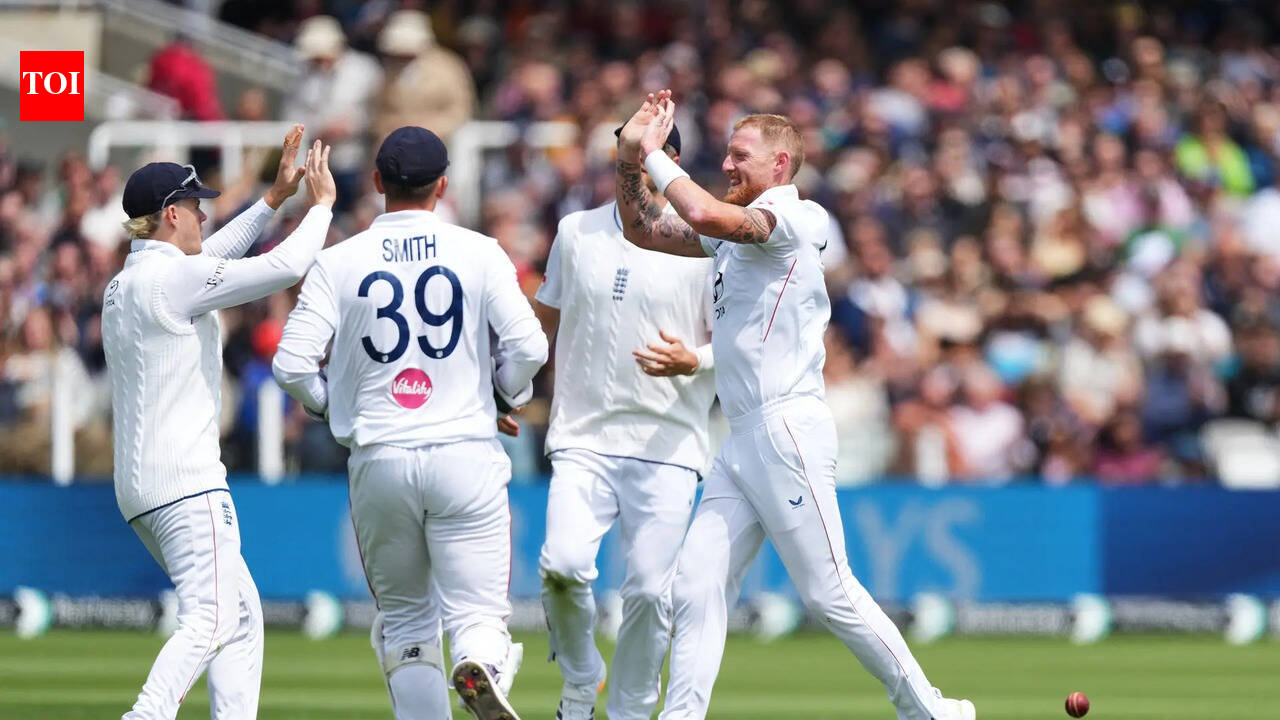
England captain Ben Stokes celebrating with teammates (AP Photo)
The Marylebone Cricket Club (MCC) has acknowledged concerns over the Lord’s pitch used for the opening Test between England and New Zealand, admitting that the surface does not meet the standards expected at the iconic venue.Following England’s 115-run win on Sunday, the MCC issued a statement addressing the behavior of the pitch, which came under scrutiny for inconsistent bounce throughout the match.“We believe the pitch in this Test has shown more variable bounce than we would have liked.“We hold ourselves to the highest standards and are naturally disappointed when a surface falls short of those expectations.”The club emphasized that significant resources are devoted each year to preparing the playing surfaces at Lord’s. It pointed to ongoing investment in pitch maintenance, research and specialist expertise with the aim of creating balanced conditions for both batsmen and bowlers.“MCC makes significant investment each year in preparation for the main infield at Lord’s, as well as in research, technology and expertise, with the aim of producing pitches that provide a fair and consistent contest between bat and ball.”The statement also highlighted the weather-related challenges faced by the groundstaff in preparation for the match. According to the MCC, unusually hot and dry conditions during May were followed by wet weather at the close of the Test, which led to complications during pitch preparation.“Unusually hot and dry weather during May, followed by wet conditions before the match, presented many challenges in pitch preparation.”Acknowledging the issues, the MCC said it is already focusing on making improvements and implementing plans outlined in its recently released cricket strategy.“However, we fully understand the need to act quickly. We will remain fully focused on implementing all aspects of the pitch development and improvements outlined in our recently published MCC Cricket Strategy 2026-29.”The pitch proved to be extremely favorable for seam bowling throughout the match. England won by 115 runs on the fourth morning after bowling out New Zealand for 138 while defending a target of 254.New Zealand started the fourth day at 55/5, but lost the rest of their wickets in 40.3 overs. Gus Atkinson starred with career best figures of 5/30, while Ollie Robinson and passion tongue Took two wickets each. devon conway Highest score was 41 runs, while Glenn Phillips remained unbeaten after scoring 44 runs.The fast bowlers dominated the match from beginning to end and only 166 overs were needed in four innings to get the result. After being bowled out for 140 in their first innings despite Harry Brook making 56, England responded strongly and bowled out New Zealand for 113 on the back of Robinson’s 5/39 to take a lead of 27 runs.After this, England scored 226 runs in its second innings thanks to 57 runs by Emilio Gay and 39 runs by Jamie Smith. Although Nathan Smith claimed career-best figures of 6/70, the hosts set New Zealand a challenging target which ultimately proved beyond reach.Robinson’s five-wicket haul in the first innings earned him the player of the match award as England took a 1–0 lead in the three-Test series. The teams will now go to The Oval for the second Test, which will start from June 17.
India all-rounder Washington Sundar believes that debutant spinner Manav Suthar has all the ingredients to become a major force in Indian Test cricket, after the left-handed batsman had a brilliant performance in his debut appearance against Afghanistan. Sundar said that Suthar’s skill set and work ethic has been evident over the years and predicted that the youngster will win many matches for India.
Speaking at the second day’s press conference, Washington praised his spin-bowling teammate and highlighted the qualities that have made Sutthar one of the most highly rated young spinners in the domestic circuit.
“He (Suthar) has been brilliant. As players who have played with him over the years, we know exactly what he can bring, especially in this format,” Sundar enthused.
“The number of skills he has and the way he has worked on them over the last few years is something to watch. For him to bring out his best skill set, especially on the second day, is amazing… As a real spinner he has got great skill sets. How much he can really spin the ball and how many revs he can really get on the ball – that’s always been a strength. Every time he goes into his load-up and releases the ball, he gives all his energy It’s an amazing skill as well as the approach to each ball.”
For most of the last decade, India’s legendary spin duo of Ravichandran Ashwin and Ravindra Jadeja had a complete monopoly on the Test match department. Although the national selectors have rested key stalwarts for this series, Suthar’s seamless integration with Kuldeep Yadav and Washington Sundar proves that the next generation of Indian slow bowlers is fully prepared to take up the international responsibilities.
How was Manav Suthar’s India Test debut?
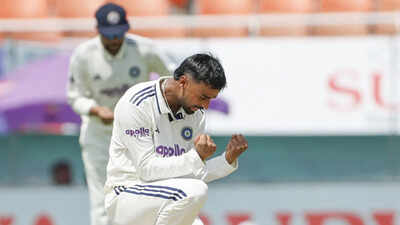
Manav Suthar’s introduction to Test cricket could not have been written more accurately. Brought into the bowling attack as early as the sixth over of the innings, the Rajasthan spinner tempted Afghanistan opener Abdul Malik for a top-edge sweep with his very first ball in international cricket, which fell safely into Indian hands.
The youngster did not stop there, he continued to take full advantage of the turn provided by the New Chandigarh surface to completely defeat the opposition batsmen. In the 20th over, Suthar took a beautiful drift and a sharp outside edge from the dangerous Rahmanullah Gurbaz, then added Afsar Zazai to his account in the evening and finished the second day on a high with impressive figures of 3/21 from his 15.5 overs.
India has an edge over Afghanistan
By the end of the second day’s play, the host nation had put themselves in an almost unbeatable position to secure a decisive victory. Electing to bat after winning the toss, India posted a massive score of 564/8 in the first innings before declaring with the help of brilliant centuries from captain Shubman Gill (126) and vice-captain KL Rahul (100) and brilliant half-centuries from Sai Sudarshan (81), Rishabh Pant (81) and Washington Sundar (52*).
In response, Afghanistan’s batting lineup collapsed under intense pressure from India’s multi-pronged spin attack on a rapidly deteriorating surface. The visitors ended the second day’s play at 113/5 after 39.5 overs and still trail by 451 runs. While Rahmat Shah (43*) has held the fort for the visitors, Suthar and the rest of the Indian bowling unit will look to finish fast on day three.
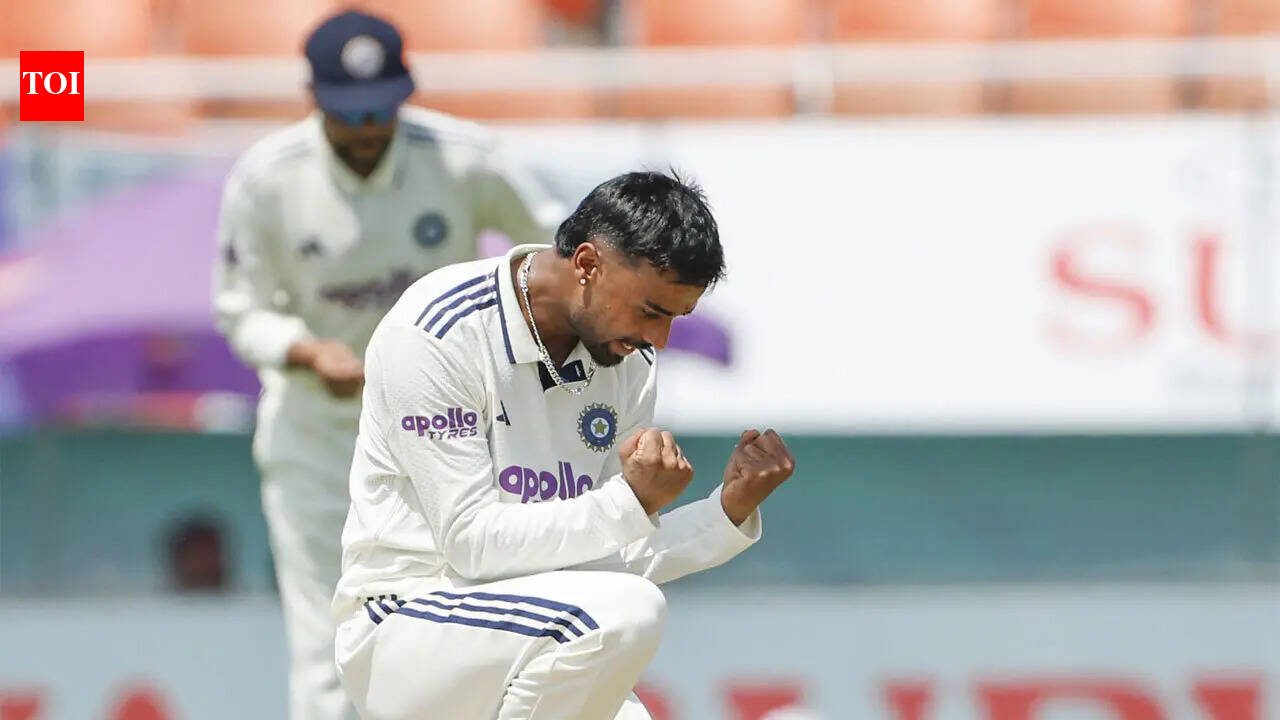
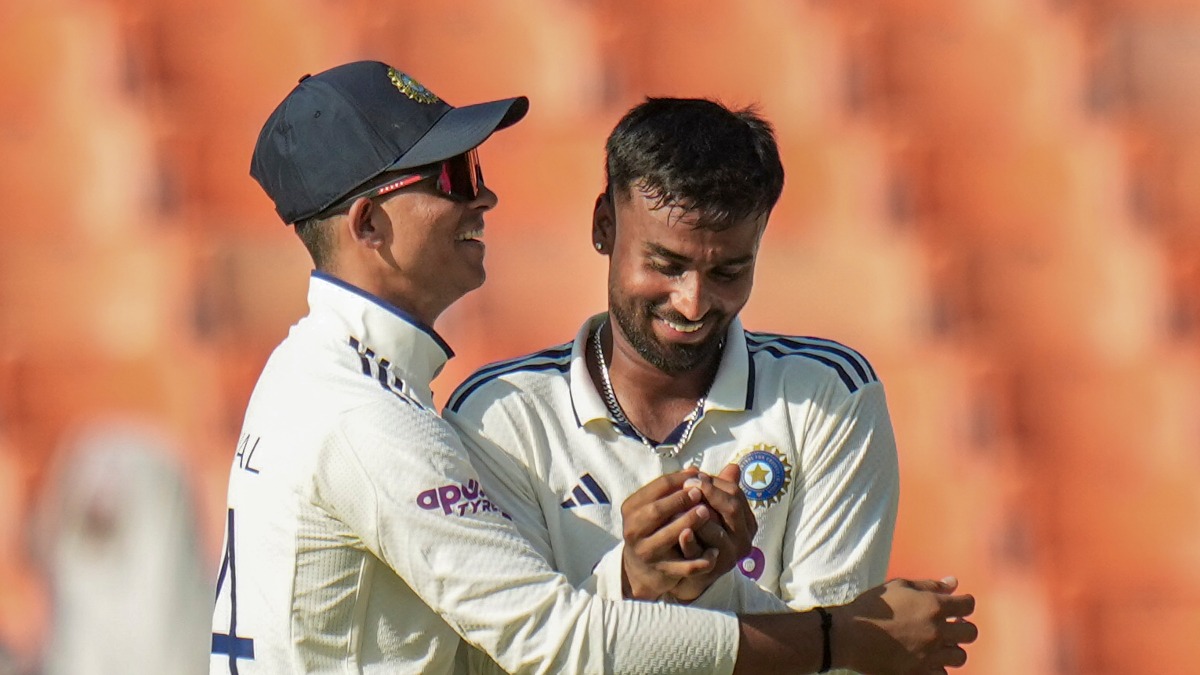
New Delhi: It was nothing short of a dream debut for Manav Suthar as the young left-arm spinner made an immediate impact for India on the second day of the one-off Test against Afghanistan at the Maharaja Yadvendra Singh International Cricket Stadium in Mullanpur, New Chandigarh.captain Shubman Gill Just before tea on the second day, he bowled a red cherry to Suthar and gave the debutant his first spell in Test cricket. It didn’t take long for the 23-year-old to make his mark.Suthar hit a four on the fourth ball of his Test career. Abdul Malik attempted to sweep but could only get a top edge, with Mohammed Siraj diving beyond backward square leg to complete a sharp catch.As soon as Suthar got his first Test wicket, the wicket started celebrating. Teammates rushed in with hugs and high-fives, while the spinner soaked in the moment he’ll always remember.This success was not only memorable – it was historic.By striking in the very first over of his Test career, Suthar became the eighth Indian cricketer to take a wicket in the very first over of his first Test match. Remarkably, he joins a list that is almost eight decades old and includes just seven other names in Indian cricket history.The elite club includes Montu Banerjee (vs West Indies, 1948), Manohar Hardikar (vs West Indies, 1958), Waman Kumar (vs Pakistan, 1961), Chetan Sharma (vs Pakistan, 1984), WV Raman (vs West Indies, 1988), Nilesh Kulkarni (vs Sri Lanka, 1997) and Tinu Yohannan (vs England, 2001) are included.What makes Suthar’s achievement even more special is that no Indian had achieved this feat for 25 years since Yohannan dismissed Marcus Trescothick in his very first over against England in 2001.Selected ahead of fellow spin-bowling all-rounder Harsh Dubey, Suthar almost immediately justified the team management’s faith in him. Before the match, he received Test cap number 319 from senior spinner Kuldeep Yadav, becoming India’s first specialist spin-bowling Test debutant since Axar Patel’s debut in 2021.
Indians have to take a wicket in their first over in the men’s Test
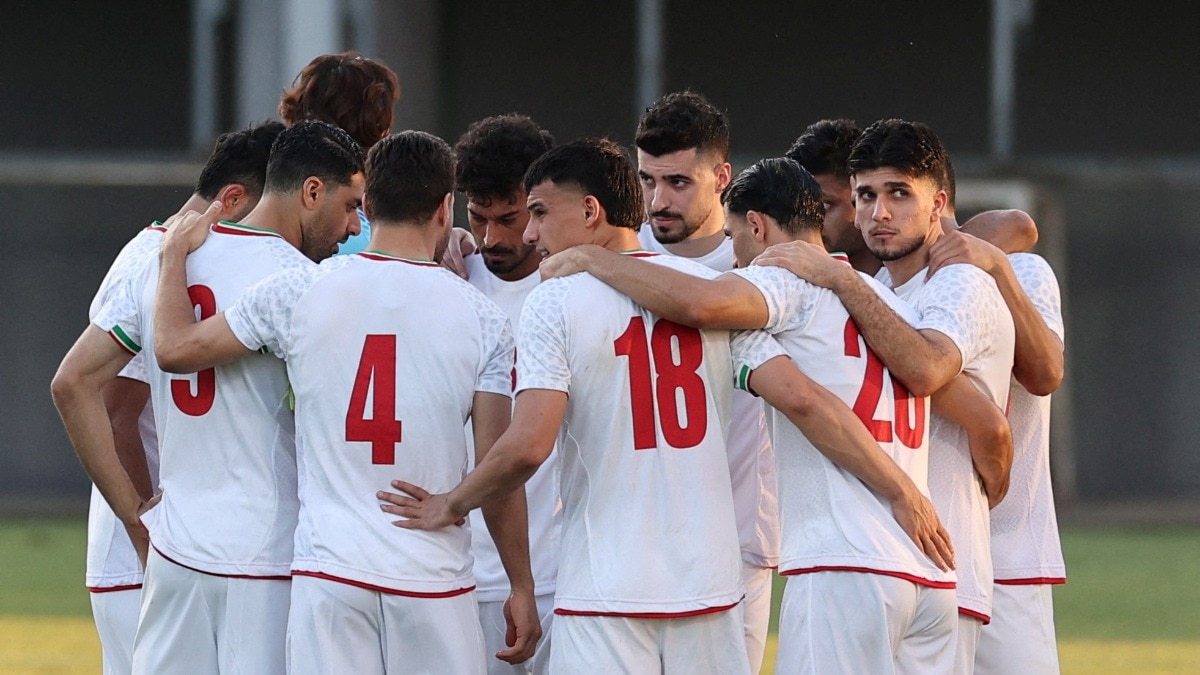
Iran has accused the United States of denying visas to several key members of their World Cup delegation, less than two weeks before the opening match of the FIFA World Cup 2026. The dispute has sparked new controversy around the tournament, with Iranian officials claiming that sanctions are preventing teams from operating under normal conditions.
The latest controversy comes just days after Iranian players were finally allowed to enter the United States after weeks of uncertainty over their participation in the tournament.
Just 10 days before the opening of the World Cup, Iran’s national team was approved to travel to the United States Their preparations threatened to be disrupted after a tense visa standoff. The team later changed their training plans, setting up camps in Antalya, Türkiye and Tijuana, Mexico, before traveling to California for the tournament.
However, before Iran could fully get into World Cup mode, another controversy emerged.
Iran’s football federation and diplomatic officials have now alleged that several members of the team’s backroom staff, administrators and senior officials are living without visas despite the tournament starting next week.
Those reportedly still awaiting approval include Iranian Football Federation general secretary Hedayat Mombeni and vice president Mehdi Mohammad Nabi, who were named among 14 officials and support staff members who have not yet received visas, according to Iranian state television.
The federation has accused the United States of discriminatory behavior and said it intends to pursue the matter through FIFA.
Why were Iran World Cup staff not given US visas?
Controversy arose after US Ambassador to Turkey Tom Barrack praised embassy officials in Ankara for preparing visas for the Iran national team and facilitating their travel to the World Cup.
Barrack said embassy staff have worked to ensure that players and officials can participate in the tournament and looked forward to welcoming both the team and Iranian supporters to the United States.
Iran’s embassy in Ankara responded sharply to those claims.
In a statement posted on social media, the embassy accused the United States of attempting to “whitewash” actions that allegedly violate FIFA rules and host country obligations.
According to Iranian authorities, a number of managerial staff members, officials, technical advisors and administrative personnel deemed essential to the operation of the national team have been denied visas.
The Iranian Football Federation described the move as “retaliatory behavior” and claimed that the decision denied the team a level playing field ahead of the tournament.
Iranian officials further argued that political disputes were being allowed to interfere with the game and insisted that FIFA should intervene to ensure the entry of all accredited members of the participating delegations.
The United States has not publicly addressed the specific allegations.
However, according to reports, US officials have said that all the players have got visas and coaches, trainers and some support staff have also been cleared. One official reportedly suggested that some of the rejected applications may have included individuals seeking visas under “false pretenses”.
The dispute comes against a backdrop of broader tensions involving Iran and the United States, with national team preparations already hampered by logistical complexities associated with travel and training arrangements.
Neither FIFA nor US officials have issued any official public response regarding the status of the remaining visa applications.
Who will Iran play in the FIFA World Cup?
Despite the current uncertainty, Iran are expected to continue their preparations from their training base in Tijuana, Mexico, before flying to the United States for their matches.
The Asian team will begin its FIFA World Cup 2026 campaign against New Zealand on June 15 in Inglewood, California.
Iran will then remain in California to face Belgium on June 21 and then travel to Seattle for their final Group G match against Egypt on June 26.
The team is entering the tournament after mixed practice results. Iran recently beat Mali 2-0 and also recorded wins over Costa Rica and Gambia, although they suffered a defeat against Nigeria during their preparations.
With the World Cup now just days away, Iran will be hoping that the remaining visa issues will be resolved soon so that the focus can finally return to football rather than off-field complications.
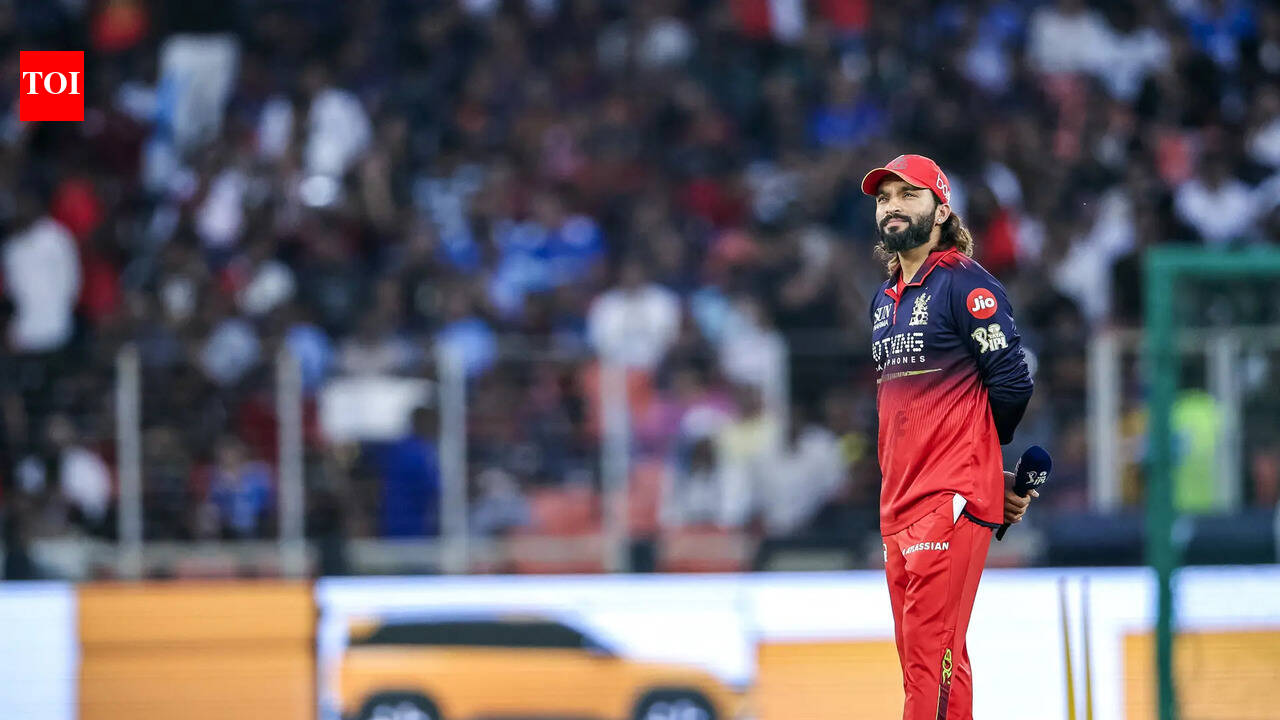
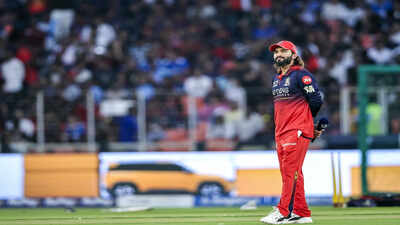
Royal Challengers Bangalore captain Rajat Patidar. (ANI photo)
Former Indian spinner Harbhajan Singh After the captain of Royal Challengers Bangalore has openly raised questions on the national selectors. Rajat Patidar He was left out of India’s latest T20I squad despite another stellar performance Indian Premier League Campaign. bcci The Indian squad for the upcoming T20I series against Ireland, England and the Asian Games was officially announced, with several notable changes attracting attention. Shreyas Iyer has been appointed captain in place of Suryakumar Yadav, while 15-year-old batting sensation Vaibhav Suryavanshi has earned his first senior India call-up. Tilak Verma has been made the vice-captain.Taking to social media soon after the team announcement, Harbhajan expressed his disappointment over Patidar’s exclusion and strongly endorsed the middle-order batsman’s ability.Harbhajan posted, “Sadly Rajat Patidar is not in the Indian team. What more does he need to do? Scored 501 runs, strike rate around 200. Unfair 💔 @rrjjt_01 Easily the best middle order in India. Proper striker with good technique.”
Patidar’s impressive IPL credentials
Harbhajan’s criticism is based on Patidar’s remarkable growth in the last two IPL seasons. The right-handed batsman not only established himself as one of the most destructive middle-order batsmen of the tournament, but also displayed strong leadership skills as captain.Patidar led Royal Challengers Bangalore to their first IPL title in 2025, ending the franchise’s 18-year wait for silverware. He followed that feat with another successful season in 2026, maintaining his impressive batting form and leading RCB to back-to-back titles.In IPL 2026, Patidar scored 501 runs in 15 matches with a strike rate of almost 200. His fearless approach against both pace and spin made him one of the most dangerous middle-order batsmen in the competition. His average during the season was 41.75 and he crossed the boundary 42 times.Indian team for Ireland and England T20I: Shreyas Iyer (captain), Abhishek Sharma, Sanju Samson, Ishan Kishan, Shivam Dubey, Tilak Verma (vice-captain), Nitish Kumar Reddy, Axar Patel, Washington Sundar, Varun Chakraborty, Ravi Bishnoi, Mohammed Siraj, Harshit Rana, Arshdeep Singh, Prince Yadav, Vaibhav Suryavanshi.Indian team for Asian Games: Shreyas Iyer (captain), Sanju Samson, Ishan Kishan, Shivam Dubey, Tilak Verma, Nitish Kumar Reddy, Axar Patel, Washington Sundar, Varun C, Ravi Bishnoi, Harshit Rana, Arshdeep Singh, Vaibhav Suryavanshi, Jasprit Bumrah.
Mira Andreeva was not herself on Saturday. Andreeva’s fans noted her early career that she often seemed to lack the emotional control necessary for consistent winning at the Grand Slam level.
While on tour as a teenager, she sometimes expressed frustration when matches seemed out of her control. Small dips in pace often create visible irritation, whether through body language, hasty decision-making, or moments of audible self-criticism between points.
Earlier this year at Indian Wells, he broke a racket during his third-round exit and expressed his frustration towards the crowd. A few weeks later, she also cried after losing to Marta Kostyuk in the final of the Madrid Open.
But Mira Andreeva who Moved to center court against Maja Chwalinska Was different. She was calm, almost immovable, remaining calm even when the momentum threatened to take her away. Nothing seemed to disturb its rhythm or clarity.
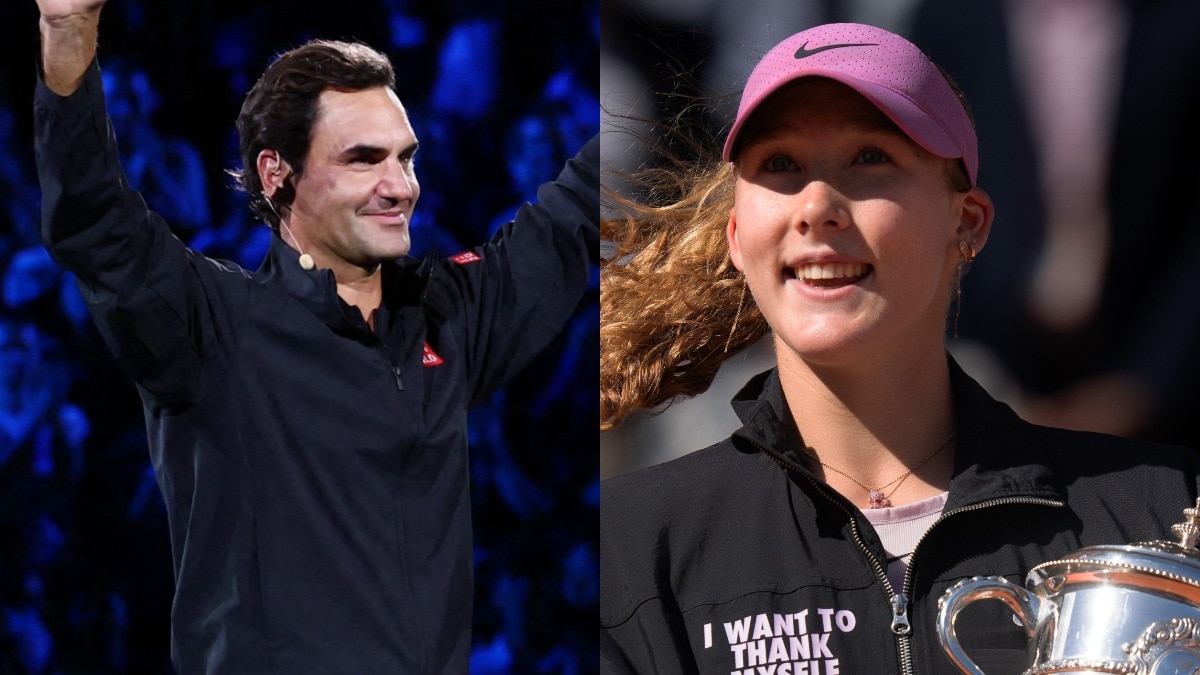
She was calm and patient, as if in a meditative state, showing no signs of nervousness even when Chwalinska broke her serve three times. On the big day, it almost felt as if Roger Federer took over the court through Mirra Andreeva, epitomizing his trademark calmness under pressure.
And why not? Meera, in a way, was trying to emulate her idol. Result: First Grand Slam title.
federer inspiration
Mira Andreeva said that she took inspiration from Roger Federer. Courtesy: Reuters
Federer is remembered for his cool, collected, ice-cold presence on the court, especially in high-pressure moments. However, early in his career, he admitted to being more emotional, sometimes losing control, throwing the racket and showing obvious frustration during matches.
Over time, he worked on refining his temperament and learned to channel those emotions in a more controlled and productive way. Federer has always been a source of inspiration for Mira. Seeing his composure under pressure reinforced the belief that a stable mindset can be as important as technical skills in achieving success.
Mira said after the match, “I’ve watched a lot of Roger’s matches here. Obviously I’ll never have the same aura – no one will have the same aura, but I wanted to try to imitate the way he behaves on the court, because I love watching how he played.”
Federer himself has described his mental approach as a balance between fire and ice: fire is his desire to win, and ice is his ability to accept mistakes and remain calm under pressure. At Roland Garros, Mira held that same duality, there was fire in her heart to finally taste Grand Slam success, and ice in her veins to carry her across the finish line.
mindset reset
Mira Andreeva changed her mindset with the help of her psychologist. Courtesy: Reuters
Controlling natural instincts is never easy, especially during adolescence when emotions run high. For most players, that instability often spills over onto the court under pressure.
However, for Mirra, this change felt less like a technical adjustment and more like an internal shift driven by inspiration. The Russian player, who has spoken openly about his struggles with emotions on the court, said his move toward calm, controlled behavior was not driven by tactical changes, but by a deliberate choice in mindset and temperament.
“Well, I wouldn’t say there was any big reset or something that I decided to completely change or change the approach to the matches. There was nothing like that,” Meera said.
Advice from her psychologist also helped Meira ahead of the high-voltage semi-finals and final, conditions that were unfamiliar to her, having never experienced success at that stage in a Grand Slam before.
Mira credited her psychologist, saying that she spoke to him in a 20 to 25-minute call before both the semi-finals and the final, and said that those conversations helped her unlock a strong fighting spirit within herself.
“I just decided that, as my psychologist says, you can always choose how you will be on the court and how you will play as well as who you will be as a person. So I just decided to choose to be a fighter,” Mira said.
the journey begins now
Mira Andreeva will now look to make an impact on grass at Wimbledon. Courtesy: Reuters
Till Saturday, Mira was not a Grand Slam champion. She won WTA 1000 titles in Indian Wells and Dubai last year, but a Grand Slam title is a different challenge altogether. When she defeated Aryna Sabalenka in the Roland Garros quarterfinals In 2024, her clay-court ability was already evident.
That promise has now turned into reality after two years. Becoming the youngest female player to win a French Open title since Monica Seles in 1992 underlines how far she has come since her Grand Slam debut in 2023.
But the challenge begins now. In less than a month, Mira will step into Wimbledon under completely different circumstances. Grass remains an unfamiliar surface for her, with no run beyond the quarter-finals in this event so far. Later this year, she also awaits the US Open, a tournament where she has never advanced beyond the third round.
There is still a lot left for the Russian teenager. Coco Gauff won her first Grand Slam at the US Open 2023 before adding the Roland Garros title last year, showing the value of versatility on different surfaces.
Mirra will now be expected to build on that same adaptability, developing into a player no longer defined by emotional vulnerability or inconsistency, but by flexibility and control, someone who is a threat on every surface she plays on.