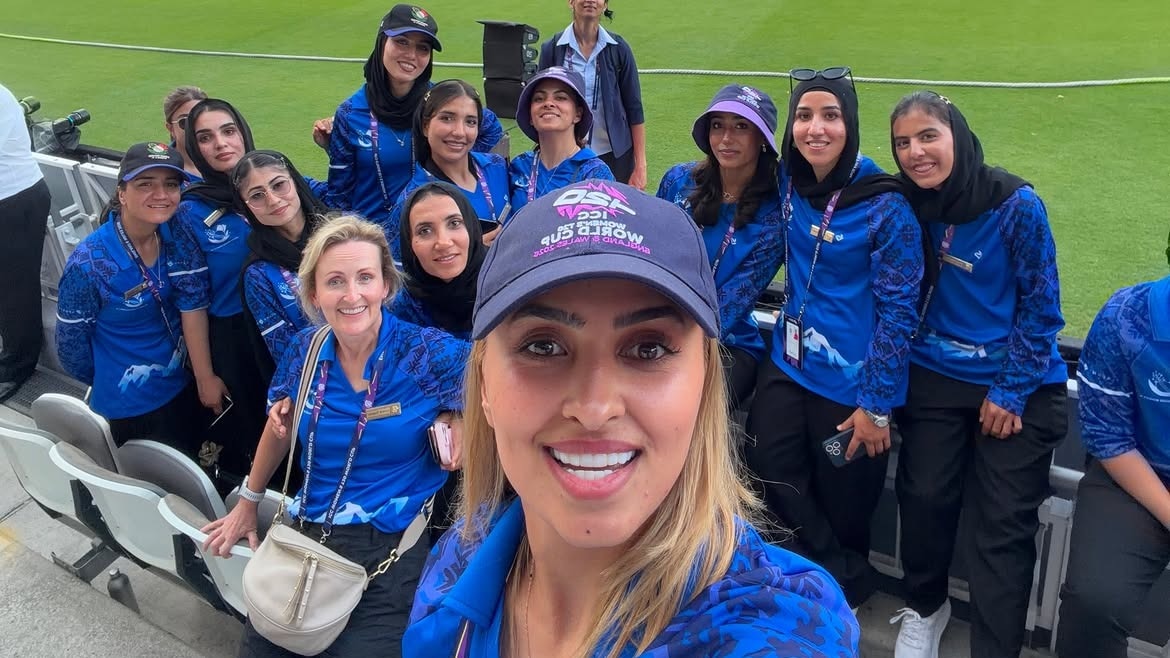
The International Cricket Council (ICC) has strengthened its commitment to Afghan refugee women cricketers by supporting the continuation of its Development Pathway program and setting a target of integrating the team into ICC qualification events by 2030. The decision was confirmed during the ICC annual conference in Edinburgh, where the governing body also reconstituted a special task force to draw up a long-term roadmap for the team.
The move is a big milestone for a group of players who had cricket dreams Shattered after the return of Taliban to power in Afghanistan In August 2021. The regime’s restrictions on women’s education and sport effectively destroyed women’s cricket in the country, forcing dozens of players to flee and rebuild their lives in exile. Many eventually found refuge in Australia, while others settled in England and Canada.
The revised task force also includes representatives from the BCCI, Cricket Australia and the England and Wales Cricket Board (ECB), as well as ICC Independent Director Dr Ross Rivas and ICC Chief Executive Committee member Sarah Keane. Its mandate is to develop a sustainable high-performance structure that can allow refugee teams to participate in ICC qualification pathways by the end of the decade.
“I am honored to join the ICC Special Task Force and contribute to this important initiative,” said Dr. Rivaz.
“The task force is tasked with developing a clear and sustainable roadmap that supports the continued development of Afghan refugee women cricketers through structured coaching, meaningful competitive opportunities and appropriate high-performance pathways.”
From Taliban rule to exile
The Afghanistan Cricket Board had given contracts to 25 female players in early 2021, but the Taliban takeover at the end of that year brought an abrupt end to organized women’s cricket in the country. Many players were forced to go into hiding before fleeing Afghanistan through dangerous routes.
Australia has played an important role in saving the team. Cricket Australia helped secure humanitarian visas for many players and their families, as well as integrate them into local clubs and training programs. The refugee side played their first match in exile under the name “Afghan Women’s XI” in Melbourne in January 2025.
The ICC subsequently established a dedicated support program in partnership with Cricket Australia, the ECB and the BCCI, providing funding, coaching, fitness assistance and training opportunities in their adopted countries.
England’s support and the path to 2030
England has also emerged as a major partner in the revival of Afghan women’s cricket. Over the past year, the ECB has helped organize tours and training camps, giving players a chance to reunite and compete together. The tours of India and England have strengthened the players’ belief that international cricket is within their reach.
Afghan refugee cricketer Firozha Afghan spoke about the importance of those opportunities.
“Over the past year, the opportunities to come together as a group and tour India and England have provided us with some of the most memorable experiences in our lives. The support of training with quality trainers at our home venues has played a big role in our progress,” he said.
“The long-term view of participation in the ICC Qualification Pathways gives us a clear goal to work towards, and we are determined to make the most of every opportunity during that journey.”
For Afghan players, the ICC’s 2030 target is much more than a cricket milestone. It provides hope that despite displacement and years of uncertainty, they will once again have the opportunity to compete on the international stage.
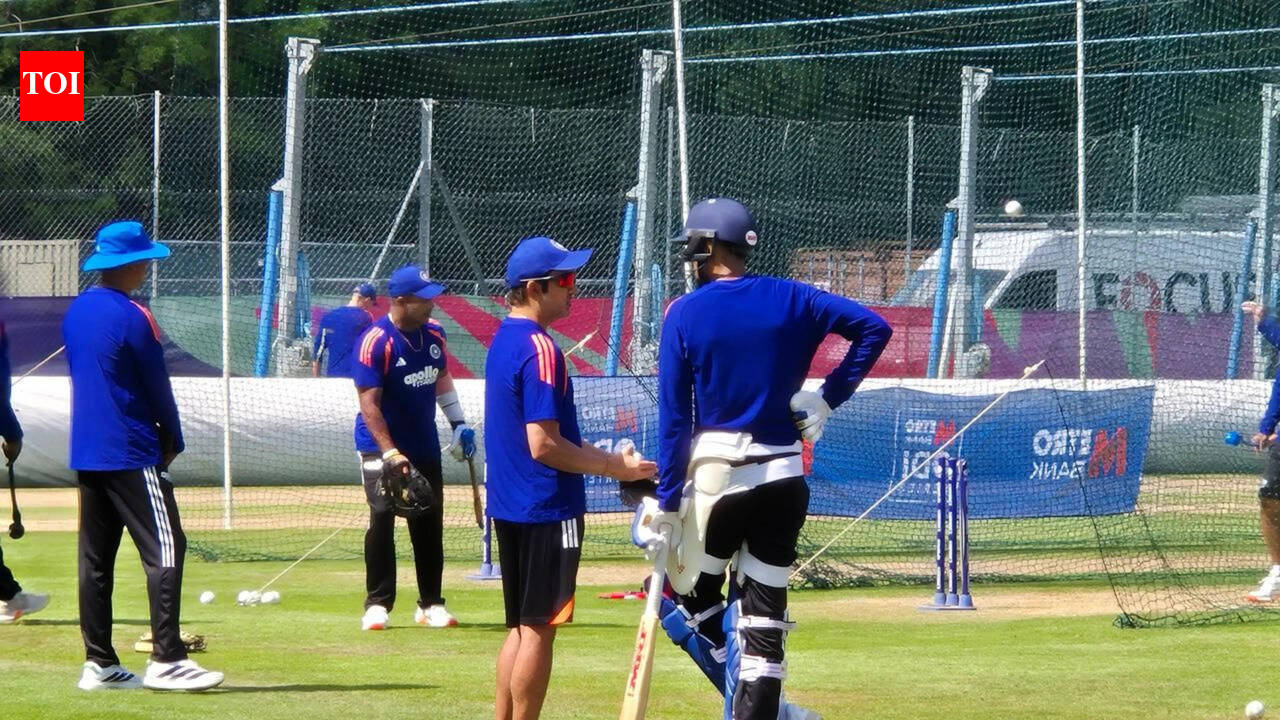
Team India head coach Gautam Gambhir (left) having an in-depth discussion with captain Shubman Gill before the first ODI against England. (Photo Courtesy: Tanuj Lakhina)
times of India. com in birmingham: It has been a challenging three weeks for the Indian team in the United Kingdom. First a 2–0 defeat to Ireland, followed by a 4–0 defeat to England, ended their campaign. Six defeats in seven matches has indeed rekindled the big question: is India unable to adapt to foreign conditions in limited-overs cricket?This question becomes even more worrying considering the ODI World Cup to be held in South Africa after a little more than a year. India’s recent performance in the 50-over format has done little to ease those concerns as the team focuses on the ODI series in England, which begins with the first match at Edgbaston, Birmingham on Tuesday (July 14).Since July 2024, India have had a disappointing record in overseas bilateral ODI series: 0-2 against Sri Lanka and 1-2 against Australia. During this period, India also lost 1-2 to New Zealand at home.
it’s very different. Our mindset is that the combinations for our World Cup preparation and the wickets we get in South Africa will be the same as we will play here.
Shubman Gill
but captain Shubman Gill Emphasizing that this is a new format, a new day and a chance to reset. He also acknowledged the importance of this series because the World Cup is just 15 months away.“It’s very different. Our mindset is that the combination for our World Cup preparation and the wickets we will get in South Africa will be similar to what we will play here. So, we will try to find a combination that works for us. In that sense, this is a very important series for us,” Gill said on the eve of the opening three-match ODI series.Talking about the combination, it will not be an easy task for coach Gautam Gambhir and captain Gill. All-rounders Hardik Pandya, Nitish Kumar Reddy and Harshit Rana are all unavailable due to injuries. Although Prince Yadav has been brought as a replacement for Rana, he may have to sit out. One of Gurnoor Brar, who has looked impressive during the three days of practice, or Prasidh Krishna could come into the XI. There will also be a tough challenge between Shivam Dubey and Washington Sundar.
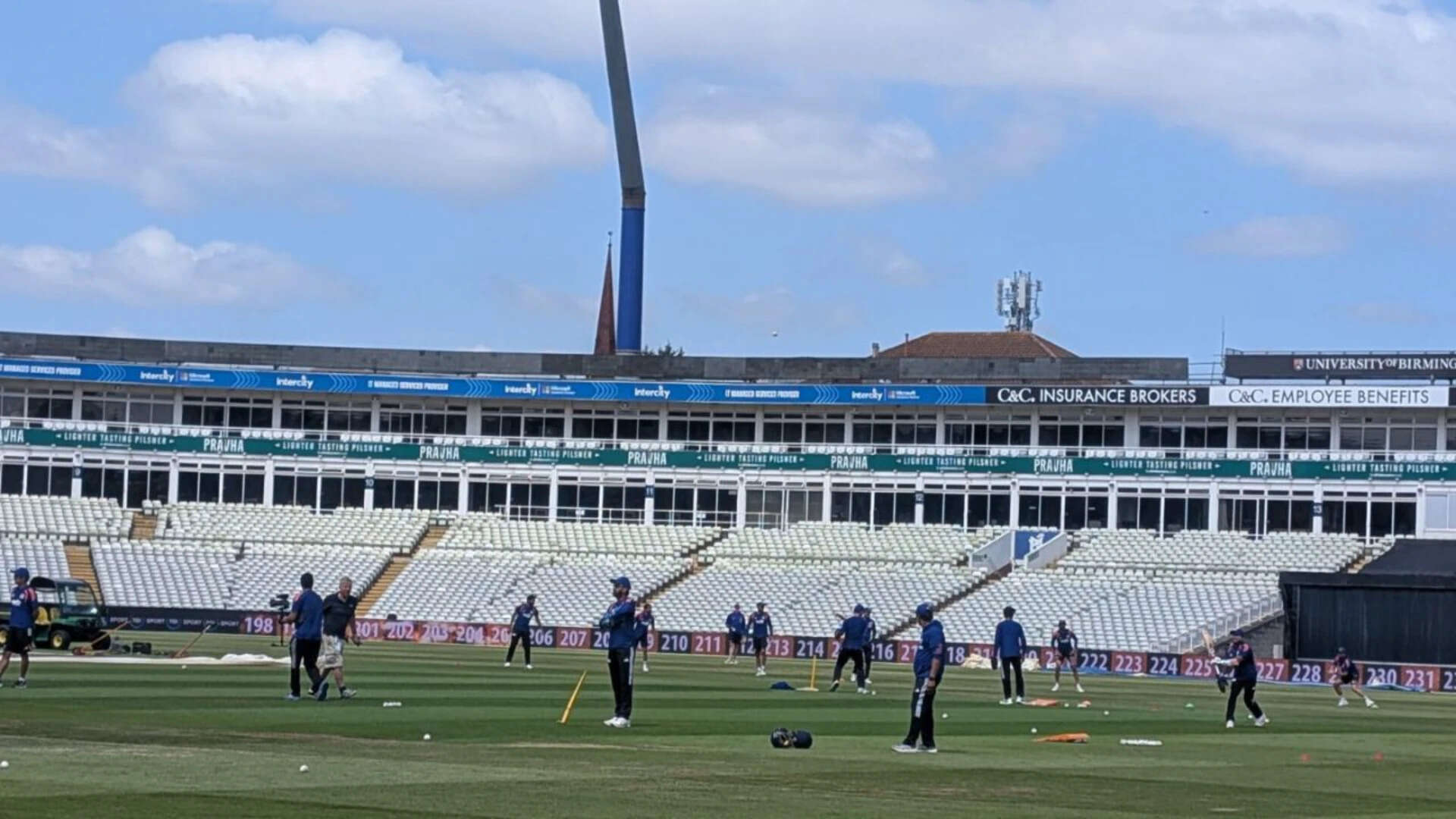
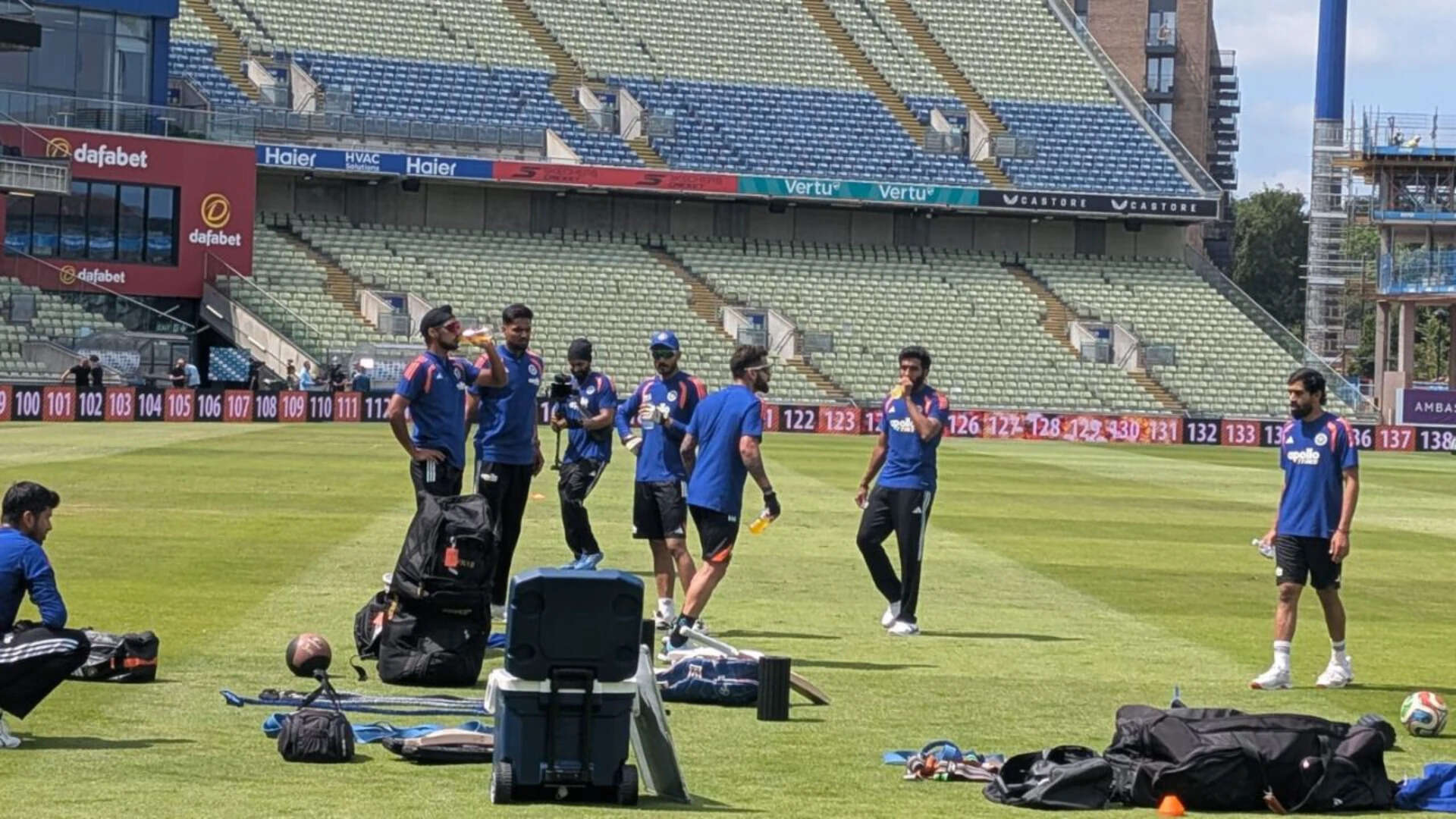
Team India is training at Edgbaston ahead of its first ODI against England. (Photo Courtesy: Tanuj Lakhina)
If the Nets are any indication, Dubey bowled under bowling coach Morne Morkel on the main ground. Later, Rohit Sharma chatted with the 33-year-old and was seen giving some much-needed guidance to the player who has played only four matches since his debut in 2019.Gill admitted that the need to keep changing combinations has become frustrating.“Players love it [Rana and Reddy]He said, “We wanted them to play as many matches as possible before the World Cup so that if they get a chance to play in the World Cup, they feel satisfied.” “So in that sense we are a bit unfortunate because now that he has been injured, we need to try another combination. The playing XI or XII that we wanted to field before the series is no longer possible. In that sense, we are forced to make some changes, but it is not an unstable XI.
Players like Harshit Rana and Nitish Kumar Reddy, we wanted them to play as many matches as possible before the World Cup, so that if they get a chance to play in the World Cup, they feel satisfied.
Shubman Gill
“Obviously, we wanted the players to gain more experience in big series like the England and New Zealand series later this year. The more opportunities the players get in high-pressure matches, the better chance they have to perform well going forward.”Virat, Rohit and Bumrah boosted India’s morale!Due to the disappointing results, it is a pressure-cooker situation for the youngsters in the team. It helps that he is supported by Virat Kohli, who has played 311 ODIs, Rohit Sharma (285) and Jasprit Bumrah (89).
Virat Kohli is training at the Edgbaston cricket ground ahead of India’s first ODI against England. (Photo Courtesy: Tanuj Lakhina)
There is an added layer of intrigue surrounding these three. Kohli returned for the first time since the IPL final after missing the ODI match against Afghanistan due to a hamstring injury. Rohit arrived in England, where he has an excellent ODI record, averaging 64.9 in the country, which increased to 89.4 at Edgbaston. Meanwhile, Bumrah, playing his first ODI after the 2023 World Cup, ending a gap of 968 days, will be one to watch.When both teams face each other, a streak ends. India has defeated England in five consecutive ODIs, winning by huge margins of 100 and 142 runs during a series starting in July 2022. Meanwhile, England have won seven consecutive ODIs at Edgbaston since June 2015. That series included a 210-run win against New Zealand, a 10-wicket win against Sri Lanka, an eight-wicket win against Australia and an emphatic 238-run win against the West Indies.For India, this series is less about the final result and more about identifying the right team combination for next year’s ODI World Cup. The opening day of the road to the 2027 ODI World Cup begins at Edgbaston. Are Gill and Co. ready?
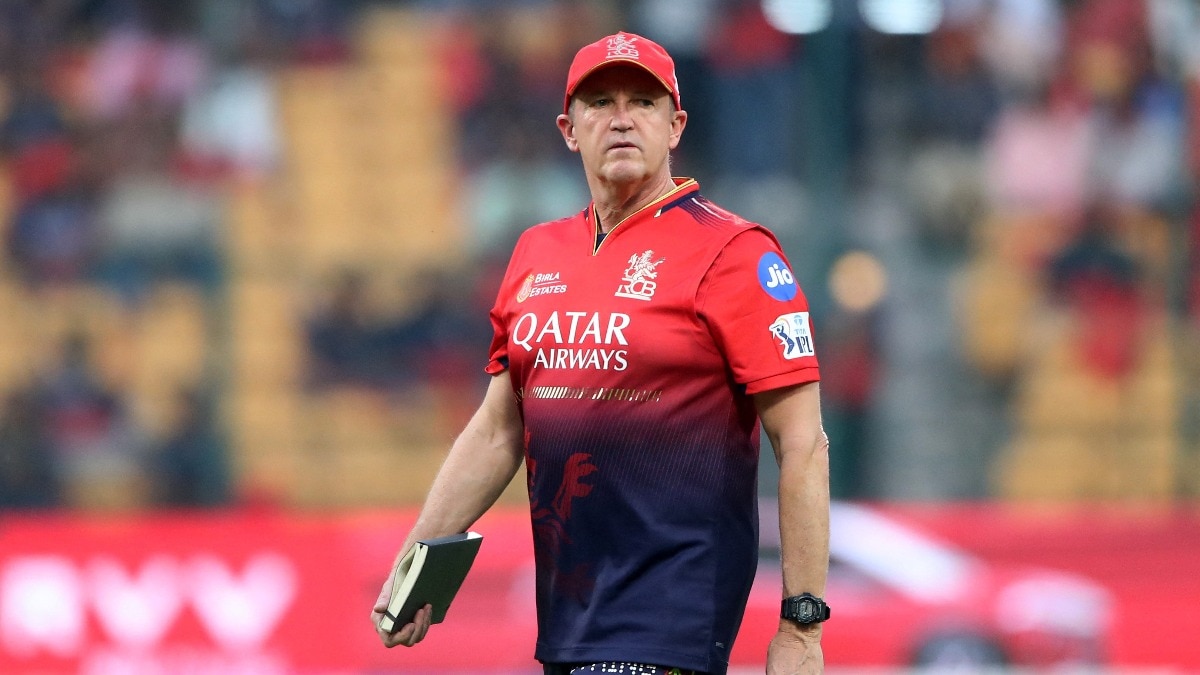
Former India wicketkeeper Dinesh Karthik believes Andy Flower would be an excellent choice to replace Brendon McCullum as England’s Test coach, but feels there is little chance that the Royal Challengers Bangalore head coach will walk away from his IPL commitments.
Flowers has since emerged as one of the early favorites for the role England and Wales Cricket Board (ECB) severed ties with McCullum After a disappointing performance in Test cricket. Former England captain Nasser Hussain publicly supported Flower’s return, arguing that England needed to pay careful attention to the details that defined his previous spell in charge.
However, Karthik, who worked closely with Flower during Royal Challengers Bangalore’s IPL 2026 title-winning campaign, believes Zimbabwe’s busy coaching calendar makes such a move difficult.
“In all seriousness, I think he would be a great candidate,” Karthik said on Sky Sports.
“Certainly he should be one of the names that has been thought about, but I would be very surprised if he took it, given where England are and also the busy schedule he has.”
Karthik pointed out that Flower has built his coaching career around franchise cricket over the years and questioned whether England could realistically accommodate his existing commitments, especially with the IPL overlapping with parts of the international calendar.
“I read an article that said England would be happy to accommodate the IPL and then the rest of Test cricket, but the schedule is like this… When Jacob Bethel didn’t turn up for the first Test, Jofra Archer was not available, it caused an uproar and a lot of people were saying, ‘Why? How is not a single player there?'”
Why can’t Andy Flower leave RCB?
Karthik said that Flower’s current contract with Royal Challengers Bangalore could become a major hurdle if England decide to pursue him.
“With Andy Flower, with the contract already signed with RCB, that would mean he would miss parts of all of them (Tests). Would it be OK for England in preparation for the Ashes if they don’t have a coach for one or two Test matches?” Karthik said.
“I heard there is a Test match against Bangladesh in May next year and if Andy Flower plays for RCB, that could also be a challenge.”
While Karthik had no doubts about Flower’s qualifications, he questioned whether the logistics would allow the former England coach to take up the role.
He said, “Is he good? Certainly. If not the best, he’s probably one of the best in the world. Will he have time? That’s the question. I would be very surprised if the answer is yes.”
Great England player Andy Flower wants
McCullum was removed from the Test coaching role after England’s poor form last year. After winning 11 of their first 13 Test matches after taking charge in 2022, England lost eight of their last 12 matches, including a heavy 4-1 Ashes defeat in Australia, prompting the ECB to end the Buzzball era.
ECB Chief Executive Richard Gould confirmed that while no formal contact has been made yet with any candidates, the board is expected to begin the recruitment process in the coming weeks. Gould also indicated that England are open to appointing a coach who will continue to work in franchise cricket, if it means appointing the best person for the position.
Despite that flexibility, Karthik believes it will be extremely difficult to balance the demands of the England Test team and a long-term IPL commitment with RCB, making Flower’s return to the England dressing room unlikely.
New Delhi: Opener ben duckett He believes England will not hesitate to test India’s senior batsmen with the short ball if they feel it is the right strategy, even though the visitors know the challenge will be very different to that faced during their 4-0 T20I sweep.A barrage of bouncers from England unsettled India’s young batting line-up in the T20Is, as Abhishek SharmaVaibhav Suryavanshi and Ishan Kishan Targeted again and again. When asked whether the same tactic could be used against the returning ODI greats Rohit Sharma, Shubman Gill And Virat KohliDuckett suggested that England remain flexible rather than abandon the idea altogether.“We’ll test them. If they’re very good at it (playing short ball), we probably won’t use the strategy as much. But I’ll be honest, I’m not sure if we feel it’s working we might as well keep it going,” Duckett said in response to a question posed by TOI during a chat on the eve of the opening ODI. “Certainly, our plans as a bowling group will have Brookie’s (Harry Brook) leadership as a rallying point.”Apart from India’s experienced ODI batting lineup, Duckett knows that England’s batsmen will have to be at their best when facing Jasprit Bumrah. Having faced the Indian pioneers only in Test cricket, the left-handed batsman admitted that the demands of the 50-over format make the contest completely different.“(Bumrah) doesn’t have too many weaknesses,” Duckett said. “It (dealing with Bumrah) depends on whether the ball is swinging or the ball is not swinging that much. He can obviously swing the ball both ways, close to 90mph, so hopefully it’s blue skies, no clouds and it doesn’t swing that much. That will be very helpful.”“I think he is the type of bowler that India will use to try to take wickets all the time throughout the innings and we will have to try to counter that. I have faced him only in Test cricket where you don’t have to think about scoring runs very fast eventually. There is no pressure to score, whereas in 50 over cricket you cannot hope to avoid that. You still have to find ways to get rid of him. But I think our guys have dealt with him a lot and everybody is going to have different plans for him,” Duckett said.Despite England’s tremendous success in the T20Is, Duckett was quick to say that the ODI series will be a different test altogether.“Obviously, this is a different Indian team from the T20Is. They have brought in some strong players, so we know it is going to be a really tough challenge. But a lot of our players have been playing well, so we are hopeful of our chances,” Duckett said.However, the return of Rohit Sharma and Virat Kohli will not change England’s approach, the England opener said. “Both (Virat and Rohit) are incredible players, but I don’t think we need to change our team dynamics too much. We have to stick to what we do and try to do better than them. At the end of the day, we don’t need to fear anyone when we go out there.”(This conversation was moderated by Sony Sports)
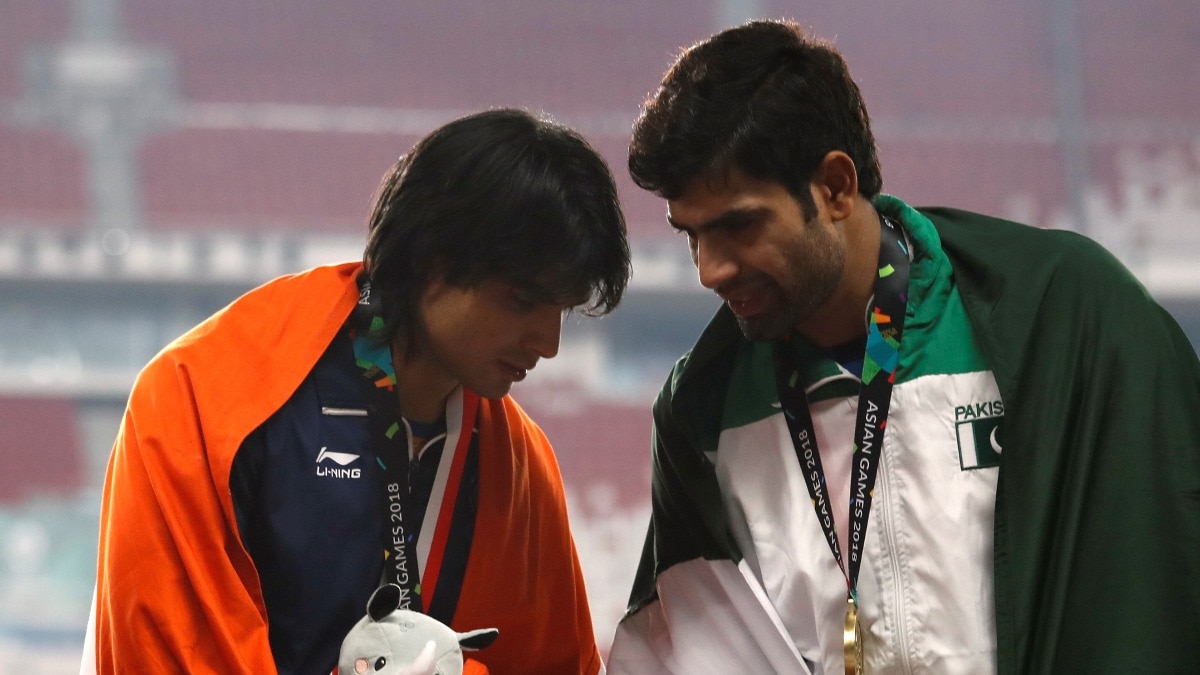
The biggest rivalry in men’s javelin throw is set to return at the Commonwealth Games. Pakistan’s Olympic champion Arshad Nadeem on Monday, July 13, confirmed that he will compete at the Commonwealth Games 2026 in Glasgow, setting up his much-awaited clash with India’s Neeraj Chopra later this month.
The Games, starting on July 23, will be the first Commonwealth meeting between the two since Birmingham 2022, where Chopra had to pull out due to injury. Nadeem, who will lead Pakistan’s athletics contingent in Glasgow, admitted that there will be extra pressure on him this time as he returns as the defending Commonwealth champion.
“There is more pressure on me because I am the defending champion in the upcoming Games, but I have prepared well,” Nadeem told PTI.
“It’s good to be back in competition and yes, I want to successfully defend my gold medal at the Commonwealth Games in Glasgow,” he said.
CWG 2026: Neeraj vs Arshdad
The Glasgow Games will also be the first time Chopra and Nadeem will compete against each other 2025 World Athletics Championships in TokyoWhere both faced disappointing campaigns. Struggling with injuries, Chopra finished eighth while Nadeem finished tenth, a rare off day for two of the biggest names in world javelin throwing.
The two have shared one of athletics’ most compelling rivalries over the years, regularly clashing with each other at the sport’s biggest events.
Nadeem’s most famous win over Chopra came at the Paris Olympics in 2024While the Pakistani stunned the field with an Olympic record throw of 92.97 meters and won the gold medal, Chopra had to be content with the silver medal. This is Nadeem’s only major win over the Indian superstar.
The Pakistani also won Commonwealth gold with a best throw of 90.18m in Birmingham 2022 after Chopra pulled out of the Games due to injury, giving fans his first Commonwealth performance.
“I know what I need to do to regain the title in a strong field,” Nadeem said.
The 29-year-old revealed that he will be competing in an international competition in Switzerland before heading to Glasgow and will use the competition as his final event before the Commonwealth Games.
For Chopra, the Commonwealth Games offers an opportunity to reclaim the title he won in Gold Coast in 2018, while for Nadeem, it is a chance to prove that his Birmingham win was no fluke. With both fit again and returning to the international circuit, athletics’ greatest rivalry is set for another chapter in Glasgow.
Neeraj Chopra vs Arshad Nadeem: Time
The men’s javelin throw final will be held on July 31. The session will start at 11 pm Indian time. The javelin throw final is expected to last till after midnight.
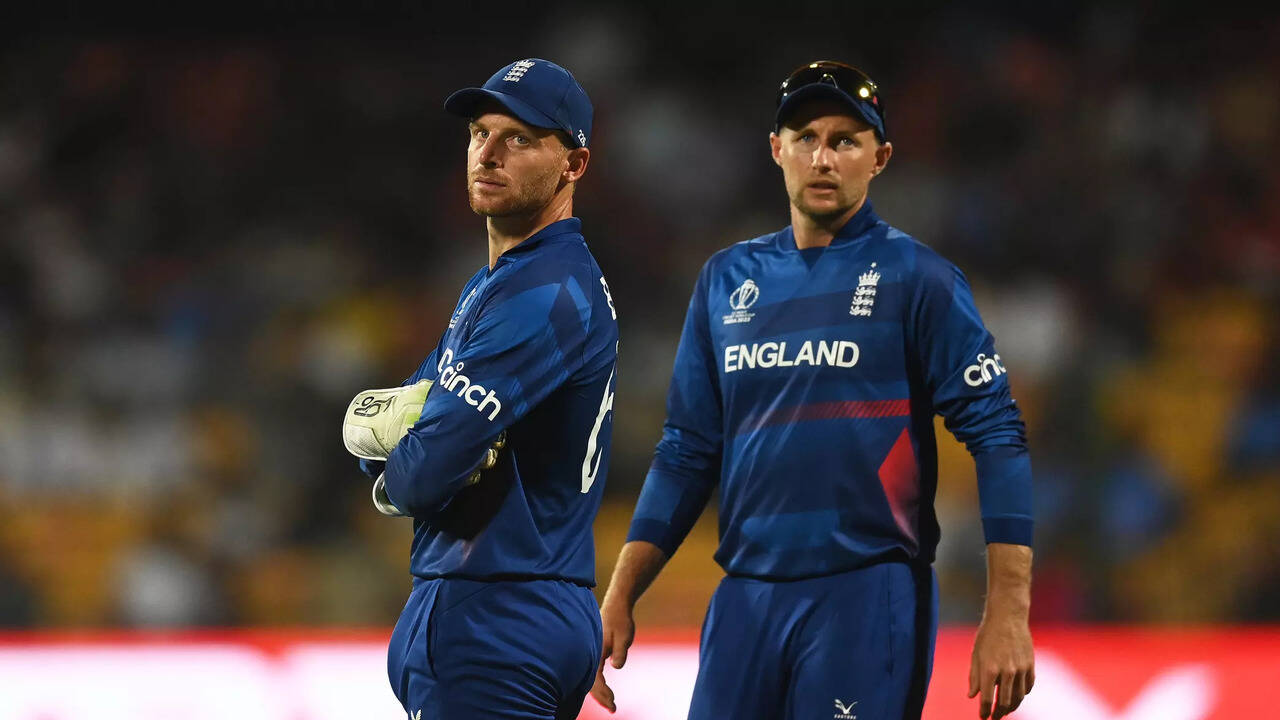
England has promoted jacob bethel to open the batting with ben duckett For the first ODI against India at Edgbaston on Tuesday, while the experienced wicketkeeper-batsman jos buttler Is set to celebrate a major career milestone with his 200th appearance in this format.The move hands Bethel a key role at the top of the order as England continue to search for a settled opening combination. The left-handed batsman, who has featured in 21 ODIs, will become Duckett’s fifth opening partner in recent times after Phil Salt, Jamie Smith, Jack Crawley and Rehan Ahmed. Harry Brook’s side have also opted for a spin-heavy attack to take on India’s strong batting unit comprising Shubman Gill, Rohit Sharma, Virat Kohli and KL Rahul. will jacksLiam Dawson and experienced leg spinner Adil Rashid have all been included in the playing eleven.England has also withdrawn jofra archer He has returned to the ODI team for the first time since November last year. Archer returns after impressing during England’s 4-0 T20I series win and will lead the pace attack alongside Josh Tongue, with Gus Atkinson not selected.The match will be a historic occasion for Buttler, who is set to become the latest England player to reach 200 ODIs. Since making his debut against Pakistan in Dubai on 21 February 2012, the wicketkeeper-batsman has scored 5,515 runs at an average of 39.11, including 11 centuries and 29 half-centuries.The three-match ODI series will continue in Cardiff on July 16 before concluding at Lord’s on July 19.England XI: Jacob Battel, Ben Duckett, Joe Root, Harry Brook (captain), Jos Buttler (wicketkeeper), Sam Curran, Will Jacks, Joffra Archer, Liam Dawson, Josh Tong and Adil Rashid.
Brief scores: India (285, 341/7 declared) beat England (170 and 186) by 270 runs on the fourth day at Lord’s. Yastika Bhatia (113 in second innings), Smriti Mandhana (83 in first innings); Kranti Gaur (5/37 in 1st innings), Sneh Rana (4/42 in 2nd innings).
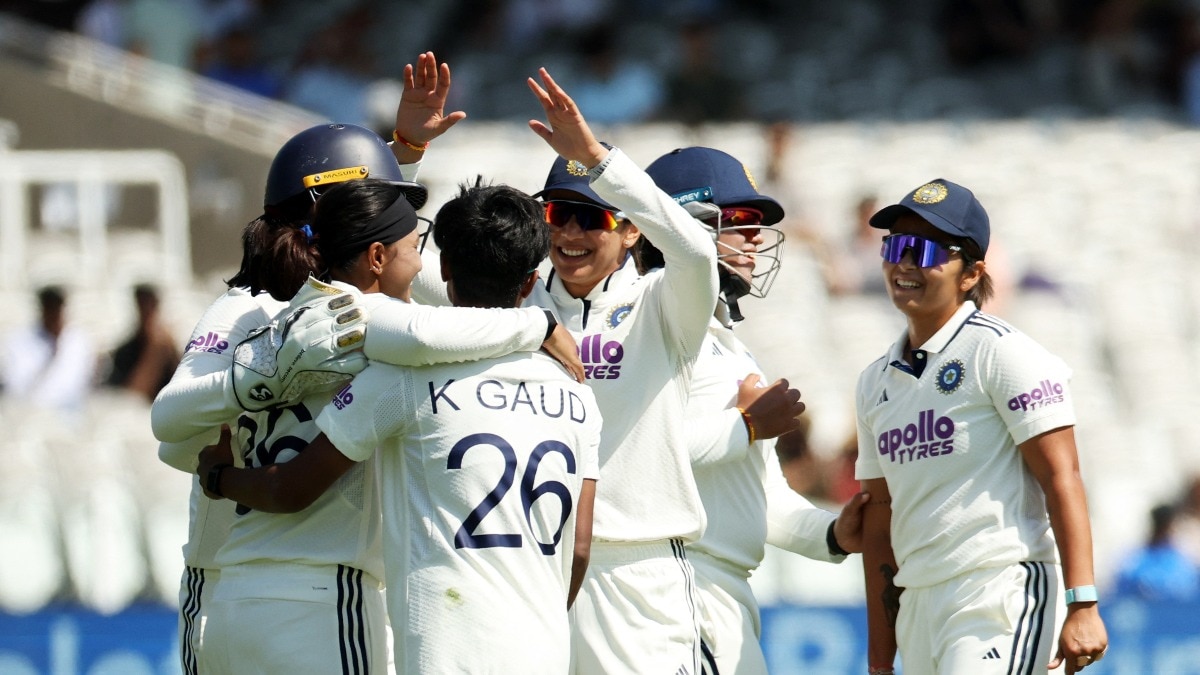
The first women’s Test at Lord’s was worthy of the occasion. Under the captaincy of Harmanpreet Kaur, India performed exactly the same and became the first team to win a women’s Test on the cricket field by defeating England by 270 runs on the final morning.
Lord’s has witnessed some of cricket’s greatest triumphs in the last 140 years. On Monday, the women of India added a historic chapter to themselves. While this generation has won the World Cup on home soil and lit up the Women’s Premier League stage, they will also be remembered for achieving an unforgettable feat at the prestigious venue.
It took less than four overs for the visitors to achieve the final breakthrough on Monday morning, giving them four days of absolute superiority over the hosts. Having arrived in the United Kingdom a fortnight earlier to prepare, India focused solely on home, comfortable with the conditions, the psychological weight of the occasion and the infamous Lord’s slope straight right usually reserved for a familiar home venue.
As Harmanpreet Kaur’s team celebrated the win, International Cricket Council president Jay Shah and former captain Sachin Tendulkar were in the stands cheering the team. Tendulkar later came on to the field to congratulate the winning team as they were returning to the pavilion after Sneh Rana took the final wicket, ending Sophie Ecclestone’s resistance on Monday morning.
unbeaten run in England
With this win, India extended their unbeaten run in Test matches in England. They have won three and drawn seven of their 10 Test matches in the country so far. This was also the fourth win of the women’s team in the last five Test matches.
The foundation of this historic victory was laid by a mixture of aggressive batting and relentless fast bowling in the first two days.
After England won the toss and decided to bowl on a green surface, India posted an impressive score of 285 runs in the first innings. The centerpiece of that effort was a brilliant innings from vice-captain Smriti Mandhana. This brilliant left-handed opener challenged England’s disciplined attack and presented a wonderful example of timing and composure, hitting 11 fours and a brilliant six. Mandhana’s 83-run knock took over the top order, allowing captain Harmanpreet Kaur (58) and the ever-reliable Deepti Sharma (57) to build crucial partnerships that left the hosts frustrated.
Revolution, Yastika Script History
If Mandhana provided the early relief, it was young seam sensation Kranti Gaur who really made the match one-sided. With natural swing and a sharp start from the nursery end, the 22-year-old Madhya Pradesh pacer demolished the England batting line-up in his first innings. Goud bowled with extraordinary discipline, taking a sensational five wickets for just 37 runs, including seven maidens, in 17 overs. His relentless line and length precipitated a dramatic collapse, leaving England all out for 170 and giving India a crucial first innings lead of 115 runs.
With a significant lead, the Indian batsmen completely took the game away from England in the second innings. Mandhana continued her brilliant form and scored 70 runs, while Richa Ghosh played a quickfire inning of 50 runs in 52 balls. However, this innings belonged to wicketkeeper-batsman Yastika Bhatia.
Bhatia registered her name on the prestigious Lord’s Honors Board and became the first woman in history to score a Test century at this ground. Displaying impeccable shot selection and immense mental toughness, Bhatia scored a brilliant 113 off 158 balls with 14 beautiful boundaries. Her historic milestone pushed India into a position of complete control, allowing Harmanpreet Kaur to declare at 341 for seven at tea on the third day. Despite a brave marathon spell from England spinner Sophie Ecclestone, who took five for 118, the target was well beyond the hosts’ reach.
Facing a daunting target of 457, England’s second innings disintegrated in a desperate rearguard effort under relentless pressure. India’s versatile bowling attack gave no respite to the home team. Sneh Rana took three wickets for 42 runs with a clever spell of off-spin, while first innings heroes Goud and Deepti Sharma took two wickets each to break any budding partnerships.
Amy Jones offered the only resistance for the hosts on Sunday evening with an unbeaten 54, but she eventually ran out of partners. Coming back with just one wicket needed on the final morning, India sealed a historic win within 15 minutes as Sneh Rana edged Lauren Filer, leading to a wild celebration on the Lord’s balcony and sealing a comprehensive 270-run win.
LA Knight Riders beat Texas Super Kings (Photo Credits: Sportzpix)
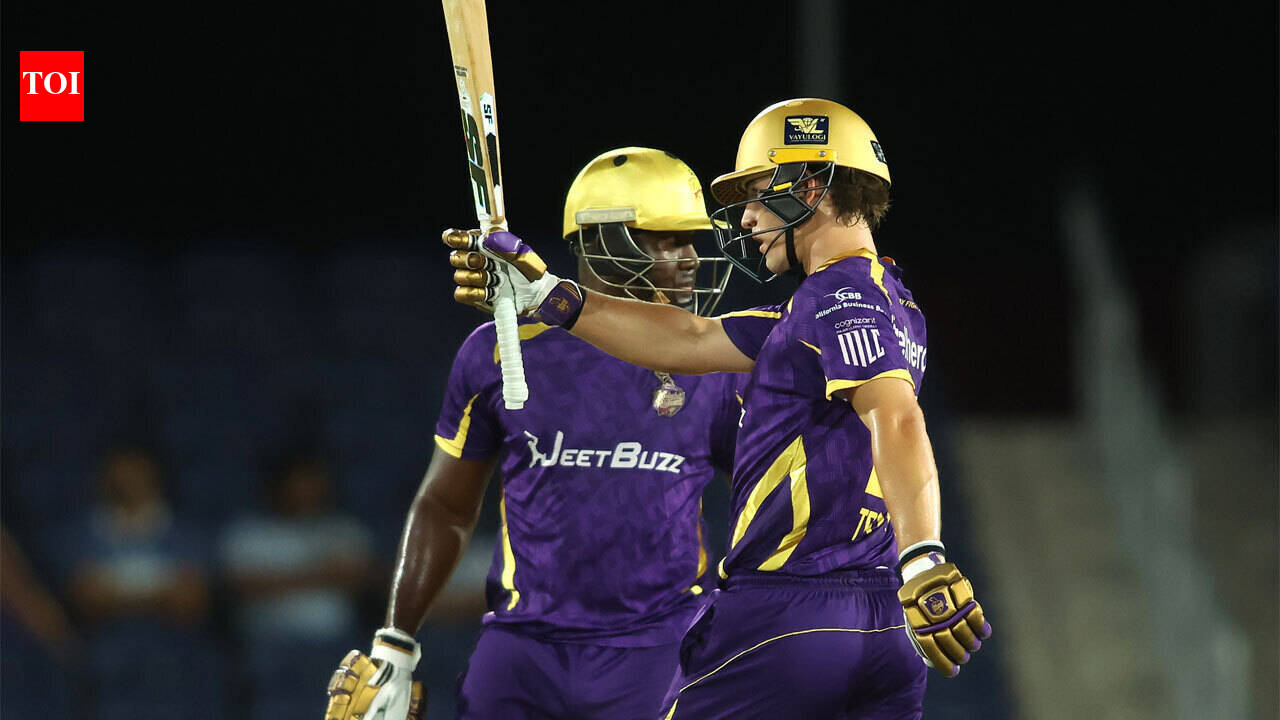
Los Angeles Knight Riders entered the Major League Cricket 2026 Qualifier with a stunning six-wicket win over Texas Super Kings in the final league match of the season, securing second place on the points table with their third consecutive win.led by a restrained pursuit Colin Munro And Matthew Tromp helped LAKR chase down the target of 172 with five balls to spare, setting up a blockbuster qualifier against table-topping San Francisco Unicorns on July 15. Washington Freedom and MI New York will meet in the eliminator on the same day.After floundering in the middle of the campaign, the Knight Riders have found form at the right time and have emerged as genuine title contenders with three consecutive wins.Texas, meanwhile, suffered a disappointing end to its campaign, suffering its fifth consecutive loss, finishing the season at the bottom of the standings.
Monroe, Trump anchor clinical chase
Chasing 172, LAKR made a positive start despite Andre Fletcher struggling for flow. While Fletcher managed to score 26 runs in 30 balls, Munro dominated the opening partnership with a quickfire 62 runs in 36 balls and the duo added 87 runs to set the right platform.Texas briefly clawed its way back with three quick wickets, including that of Monroe, which provided a glimmer of hope.However, Matthew Tromp once again demonstrated his growing maturity with the bat, scoring an unbeaten 58 off just 28 balls. Sherfane Powell provided valuable support to end the chase peacefully without any further drama before Jason Holder joined Tromp.Tromp, who was named the Most Valuable Player, credited the confidence instilled by coaches Shane Watson and Dwayne Bravo.“I went out there to play my natural game and it’s paying off,” Trump said. “We still have a long way to go. We’ve got two big playoff games. Hopefully, we can win the first one, then win the final and lift the trophy.”
Ranjane’s half-century is not enough for Super Kings
Earlier, after Jason Holder decided to bowl first, Shubham Ranjane put up a lone fight by scoring an unbeaten 51 off 34 balls.Although Faf du PlessisRiley Rossouw and Dianne Forrester all got off to fast starts, with no one converting it into a big score as Texas repeatedly lost wickets at crucial moments. Holder restricted Super Kings to 171 runs by taking 3 wickets for 33 runs.Reflecting on the defeat, Du Plessis admitted that his team fell well short of a competitive score.“On this wicket, you needed to score more than 180 to really feel ahead in the game. I thought we probably fell 20-30 runs short,” the captain said.Du Plessis also pointed to missed opportunities on the field and the team’s inability to capitalize on key moments throughout the tournament.“There was a lot of consistency in the way we played, but we kept missing those key moments at key moments. There were three or four occasions when we absolutely tied the game, and unfortunately, it went the other way,” he said.With the momentum firmly in their favor and the key batsmen peaking at the right time, the Knight Riders now enter the playoffs full of confidence as they chase their maiden MLC title against the high-flying Unicorns.
Two months after India won their third T20 World Cup, Suryakumar Yadav was sacked as T20I captain. In came prolific run-scorer Shreyas Iyer, who had dominated the Indian Premier League in the last two seasons.
This was a strange statement from a player who has not played a single T20 match since December 2023. But then again, this is Shreyas, right? A player with tremendous confidence. His numbers in domestic cricket and the IPL justified another shot in India’s T20I setup, while his tactical acumen had long earned praise from teammates and coaches alike. There was little debate over whether he deserved a return. However, making him captain was a much bigger decision.
Shreyas was handed the captaincy of a world champion team and the dressing room was full of proven match winners. After seven matches, that confidence faced a brutal reality check.
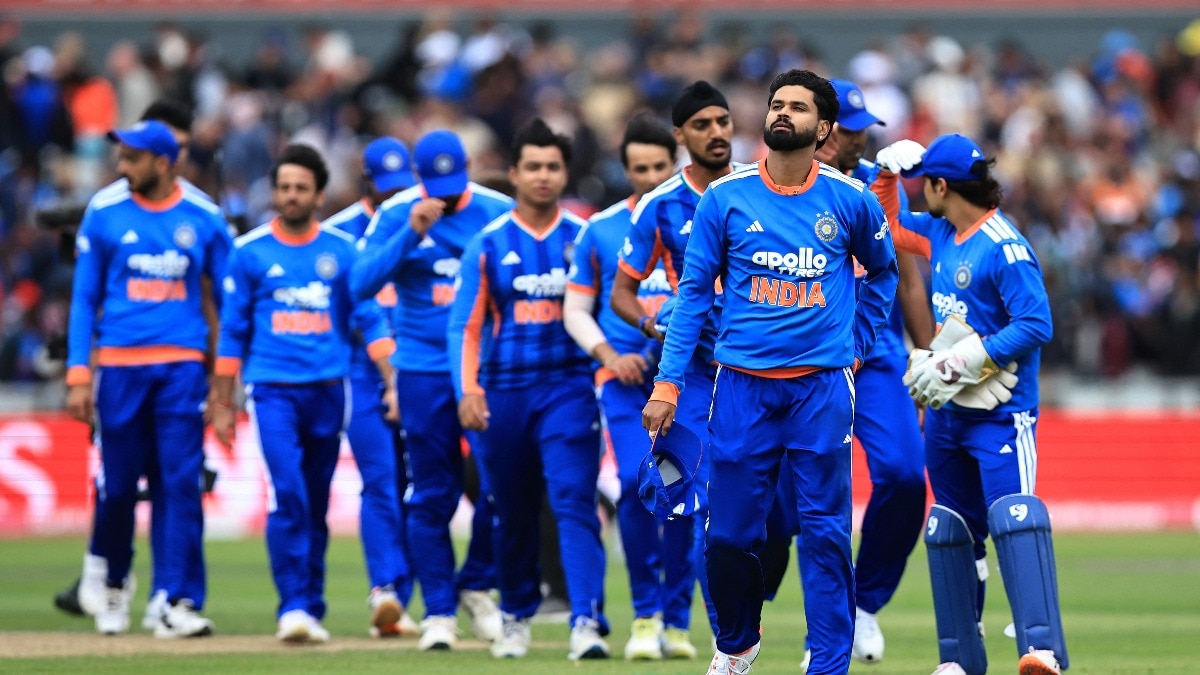
Things have gone horribly wrong and naturally, the catastrophic consequences fall most heavily on the Captain. Shreyas Iyer became First Indian captain not to win in his first seven T20IsWhile the defeat in England is India’s worst bilateral performance in this format. After seven defeats, he has become the only Indian captain along with Shikhar Dhawan to have more defeats than wins in his account.
This is a major decline for a team that had not lost a single series between the 2024 and 2026 World Cups, despite winning the tournament on both sides. In fact, ever since losing in the semi-finals of the 2022 World Cup, the Indian T20I team has been on a meteoric rise and has never seen such days before.
How the mighty have fallen
Shreyas Iyer remained without a win in seven matches on the UK tour (Reuters Photo)
But this is not actually the story of Shreyas Iyer. Captains show better results than any other team, but India’s collapse in Ireland and England speaks volumes about the people who have built this team as well as the man leading it. Gambhir and the selection committee decided to re-establish the T20 team that had recently won the World Cup. After seven matches, it’s fair to ask whether that reset has created more problems than it solved.
Now, before we get into all that, let me preface this by saying that it should not be forgotten that Gautam Gambhir’s methods in white-ball cricket have helped India win both the ICC white-ball tournaments during his tenure. What happened in Ireland and England happened in two bilateral series, and it won’t matter if India wins another ICC title next year.
Perhaps what is really worrying is that, for the first time, India have looked like headless chickens in two consecutive T20I series.
To see how bad things are at the moment, you have to take your memory back to Rahul Dravid’s India. great former cricketer Had decided on his players 18 months before the ODI World CupWhich was reflected in the team’s sensational unbeaten innings till the final. After a heart-breaking defeat in 2023, Rahul Dravid guided the Indian team to the T20 World Cup win in 2024, his only ICC trophy as the head coach of the Indian team. An incredible amount of data went behind that win. Dravid also sought data about wind speed in stadiums, said Himanish Ganju, a data analyst who worked with the team during that period.
It was perhaps a huge drop from the standards when the India captain had said earlier last week that he was unable to figure out the field placement in Ireland because the ground in Belfast was not a circle and had areas that we don’t usually see in cricket grounds. In England, India once again fell behind in preparation and failed to adapt to the conditions in all their T20Is.
This was almost a reflection of Shreyas Iyer, who perhaps did not get enough time to prepare and study after being announced as India captain. The announcement may not have come as a shock to him, but he certainly hasn’t changed, or underestimated, the demands of T20I cricket, a format he hasn’t played in for some years.
This tactical immaturity at the top has spilled over directly into the playing XI, creating a domino effect of bizarre selection dilemmas.
Patidar and chaos in batting order
Rajat Patidar ignored by the selection committee (PTI photo)
An unprepared captain is bad enough. Add to this a finicky team management, and it’s a recipe for disaster.
Take, for example, the problem of Tilak Verma. Everyone knows that India’s biggest strength, their ultra-aggressive batting unit, is also their biggest weakness. There are days when runs flow, and there are days when runs dry up just as quickly.
The main source of inconsistency of the batting unit is the top order, which often loses wickets while trying to provide aggressive starts. In 2024, India played Tilak Verma at No. 3, a direct antidote to this issue. If someone at the top of the order failed, Tilak had the ability to rebuild the innings before handing over to the finishers. Tilak Verma was fixed as India’s No. 3 in the T20 World Cup, but due to a miscalculation of India’s batting line-up, he was eventually shifted to No. 5. This may not have been his permanent position, as Tilak’s best innings in T20Is have come at No. 3, where he has two centuries and three fifties at a strike rate of 152.
Yet, for some unknown reason, the batsman finds himself at No. 6, often facing spinners at the start of his innings, which is considered to be his weak aspect of the game. The fight against spin is not Tilak Verma alone. India’s left-arm heavy batting unit was exposed by right-arm off-spin in the T20 World Cup 2026. One has to wonder whether the team management would have found a solution by now. Unfortunately for India, their biggest discovery in the T20 format turned out to be left-handed batsman Vaibhav Suryavanshi. Well, they couldn’t control that.
However, this is where we encounter the elephant in the room: Selection committee ignored two-time IPL winning captain Rajat Patidar For the No. 3 or 4 spot, despite his proven spin-hitting ability. Ideally, Rajat could compete with Shreyas and Tilak for the middle-order spot, and depending on form, India could pick two of the three.
Instead, what did India do? He made Tilak Verma the vice-captain and Shreyas Iyer the captain, ensuring two places in the batting order. The selection committee did not consider the fact that Abhishek Sharma and Ishan Kishan were at No. 1 and 3, and Sanju or Vaibhav were at No. 2. And there was no way they could have Shreyas bat lower than No. 4, which meant that despite being promoted to vice-captaincy, Tilak was always going to be set up for failure.
A simple solution to this entire problem could have been for a settled top-order batsman (like Ishan or Abhishek) to take over the captaincy of the Indian team on a temporary basis. After this, Shreyas Iyer, Tilak Verma and Rajat Patidar can be given a chance in the middle order, and the rest of the line-up is as follows.
The confusion was not limited to the batting order. India repeatedly cut and changed their bowling combinations, searching for an all-round balance that was never accomplished. Roles shifted from one sport to another, specialists were asked to do jobs they were not chosen for, and teams were becoming unsure of their own identity.
Did Gambhir break the T20 team?
The result of all this is that India have failed to win a single match in two different T20I series. Viewed in isolation, it is completely meaningless; After all it is a bilateral series. But a deeper look reveals that the team management has not stuck to its process even once. After each game, they cut and changed, looking exactly like a panicked unit who didn’t have a Plan B or C if Plan A failed.
An orderly, coherent playing eleven is formed only when there is complete clarity at the top. This requires a leadership group that relies on stable, objective cricketing logic rather than chasing headlines or pursuing personal agendas. Unfortunately, Shreyas Iyer has stepped straight into a chaotic environment, where he is in dire need of solid, unbiased guidance, not a new experiment in every game.
Perhaps seven matches are not enough to assess a captain’s ability. They probably aren’t even good enough to evaluate a coach. But they are sufficient to evaluate a process. Right now, India’s process looks much less certain than it did two months ago.
One has to wonder, in their attempt to reset the Indian team for the next cycle, has the Indian selection committee and team management broken up an Indian team that didn’t really need fixing?
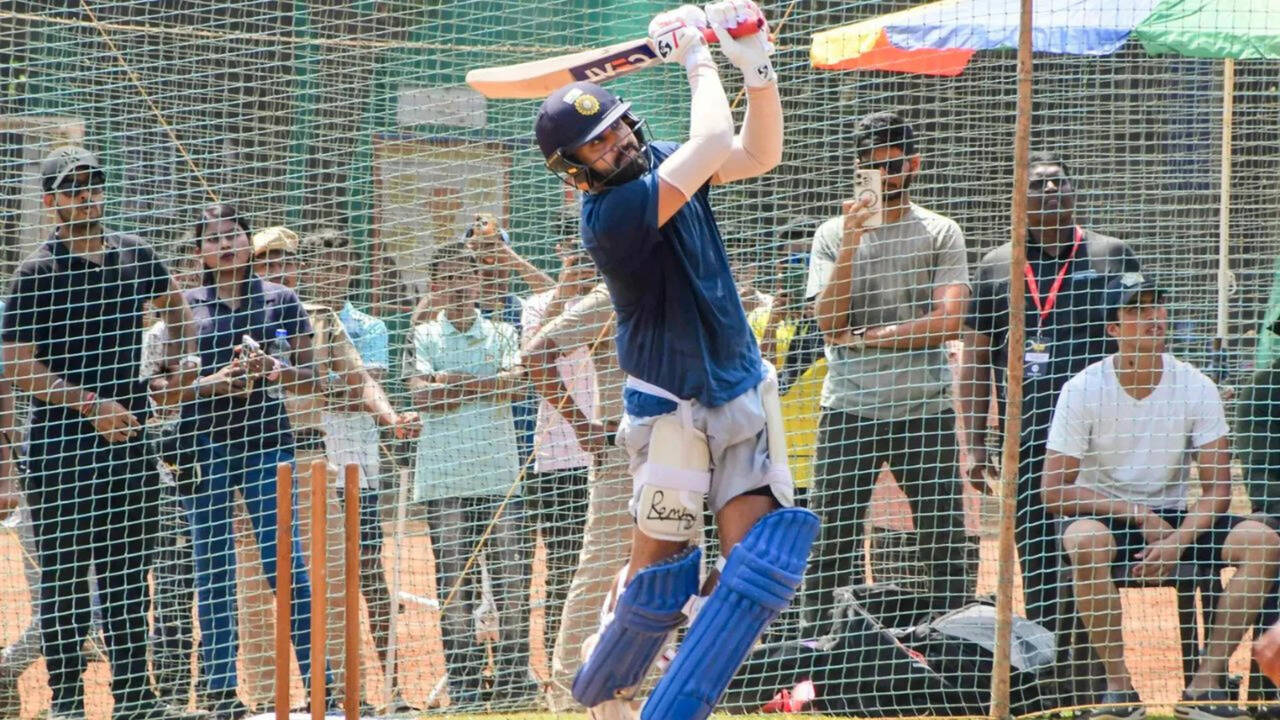
Rohit Sharma during a training session at Shivaji Park in Dadar in Mumbai. (file photo)
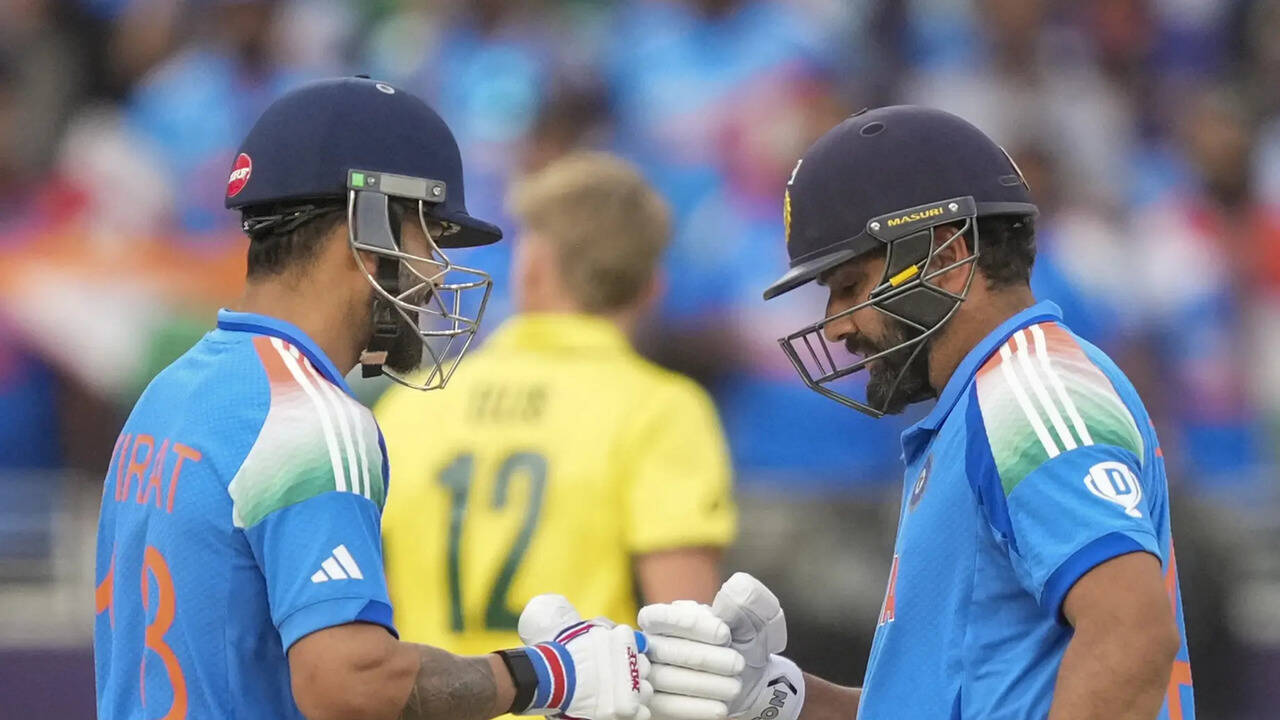
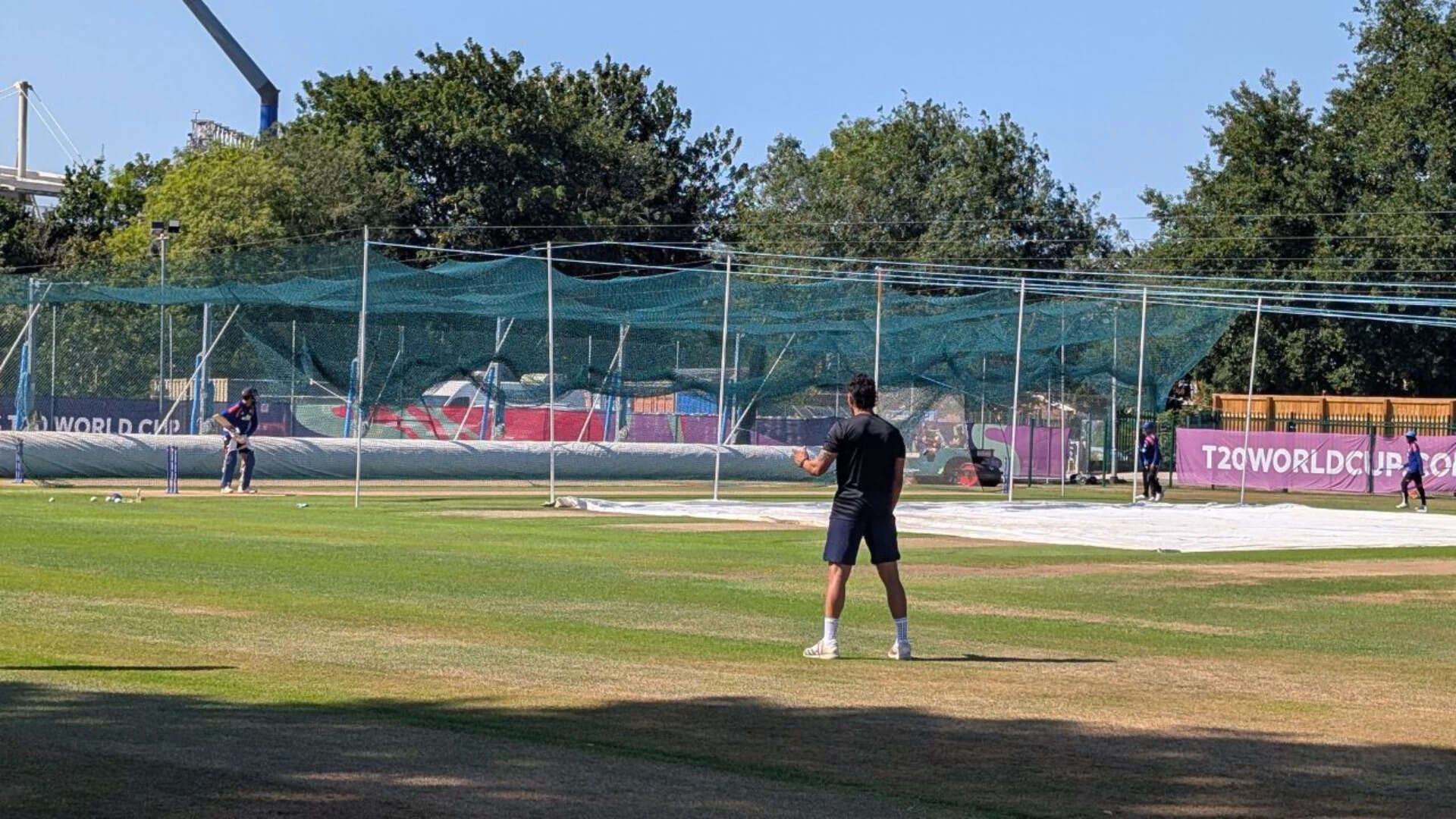
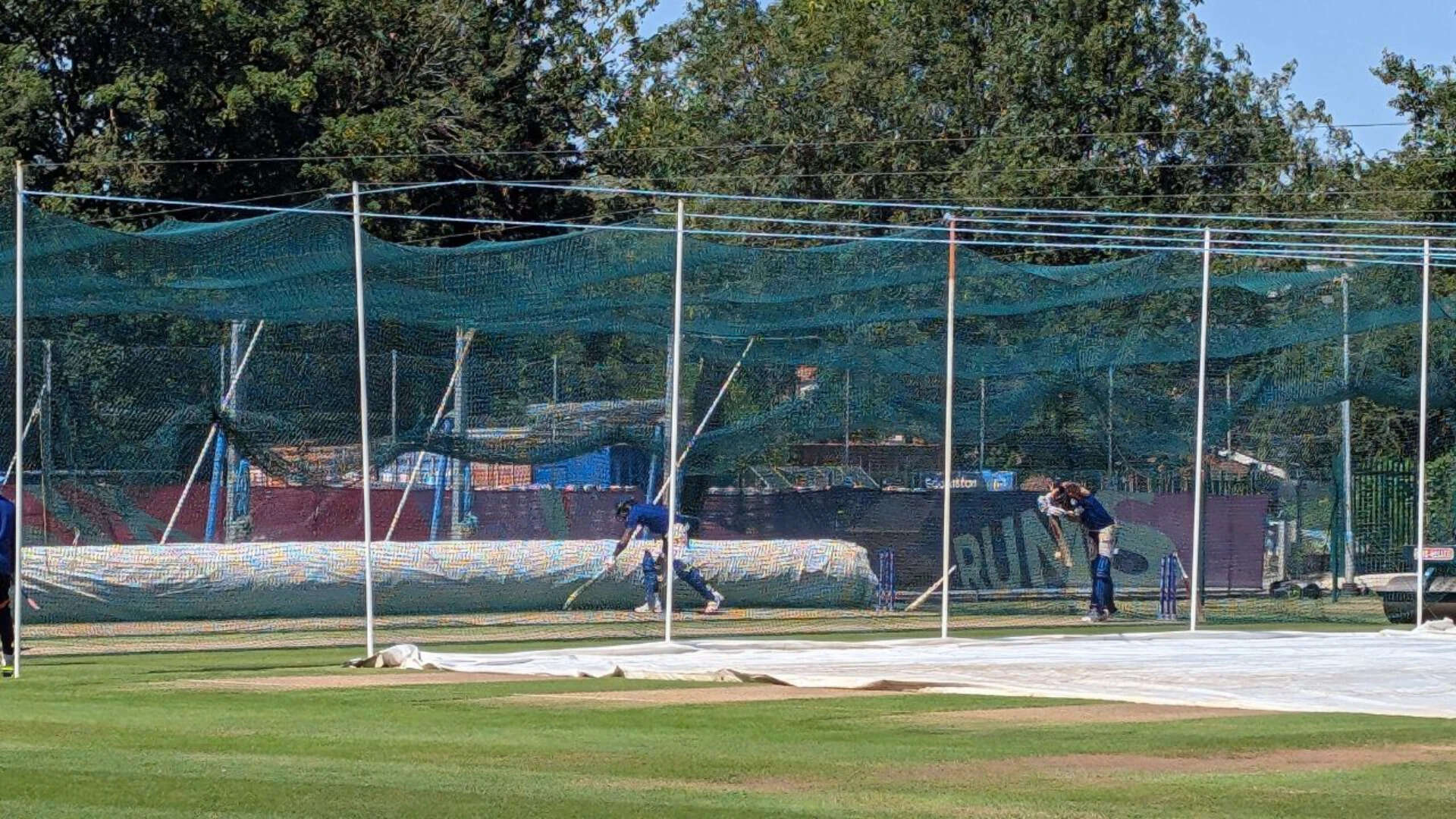
times of India. com in birmingham: Before she was spiced withMumbai Cha RajaSlogans of former Indian captain outside Edgbaston Cricket Ground Rohit Sharma Had to stay in the sun for a long time on Sunday. As seven members of the ODI squad trained for the second day ahead of the start of the series on July 14, it was the 39-year-old’s nearly hour-long batting session that stood out.Rohit started the two-hour session with fielding practice before heading to the nets for batting activity. With the assistance of fielding coach T Dilip, Rohit spent a lot of time preparing himself for the long stay in the sun.as ODI captain Shubman Gill, Virat Kohli And as KL Rahul continued his long batting in the nets, Rohit went to the sidelines and chatted with the rest of the Indian contingent, which included -Kuldeep YadavWho was waiting for his turn to bat.
Rohit Sharma trains in Birmingham. (Photo Courtesy: Tanuj Lakhina)
When the trio of batsmen moved away, Rohit proceeded to take possession of the net next to Gurnoor Brar. After looking uncomfortable on the first ball, the former Indian captain decided to change ends.Rohit, who was looking in good form after this move, asked the support staff for another change. With spin bowling coach Sairaj Bahutule joining in on the practice session, the Indian throwdown specialists – Nuwan Senaviratne, Dayanand Garani and Raghavendra alias Raghu – worked closely with the Edgbaston ground crew to untangle the net webbing.Rohit then spent the next half an hour playing in the open-net match simulation format. Keeping the fielders to his right on the off side, Rohit breached the gap on several occasions and even sent the security team to fetch a ball that had snuck down the outside fence.Rohit, looking quite satisfied with his performance as things progressed, ended his batting session at quarter to four, three hours after the team’s arrival at Edgbaston.Kohli in rhythmEarlier, 37-year-old Virat Kohli faced some fast, stinging balls Jasprit BumrahBrar and a young seamer from a local club in Birmingham.
Virat Kohli trained before the first ODI. (Photo Courtesy: Tanuj Lakhina)
After devoting most of his opening batting session on Saturday to dealing with spin, Kohli began Sunday’s session taking on the seam bowlers as KL Rahul and Gill shared the responsibilities alongside him.In a high-intensity batting session, Kohli looked nervous against the seamers, before getting on with the spinners and finding his composed temperament.For the second consecutive day, after the practice session ended, Kohli stood on the sidelines and shared his learnings. If it was Shubman Gill on Saturday, it was Brar’s turn on Sunday. The 26-year-old seamer asked for suggestions and ‘King’ was ready to impart wisdom.The team, which also includes members of the T20I squad who were in Southampton for the fifth T20I, will undergo their final practice session on Monday (July 13) before the series begins the next day. This will be followed by a three-match series in Cardiff (July 16) and London (July 19).