US loses 16 aircraft, including 10 Reaper drones, amid Iran conflict: Report

The US Air Force suffered a crushing defeat as Washington lost 16 aircraft in the Iran war.

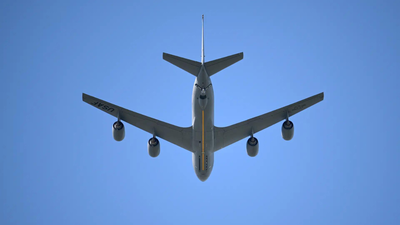
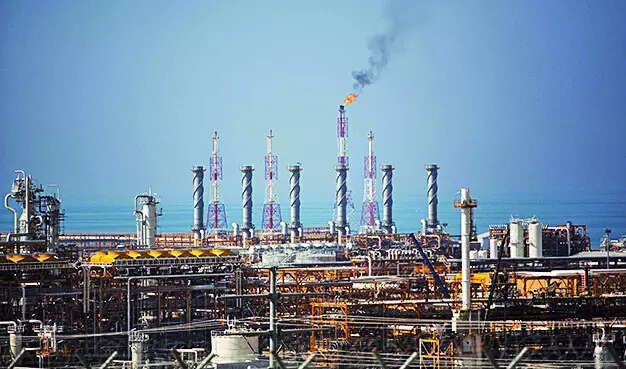
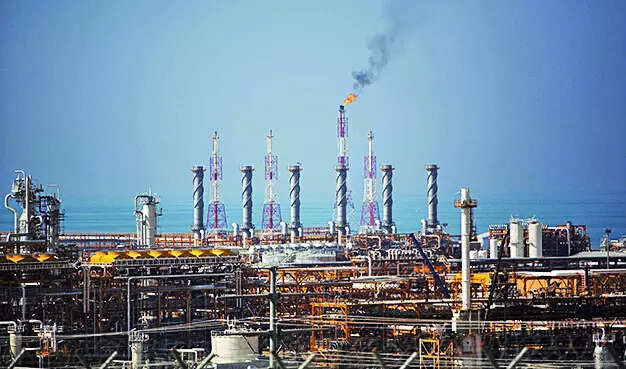
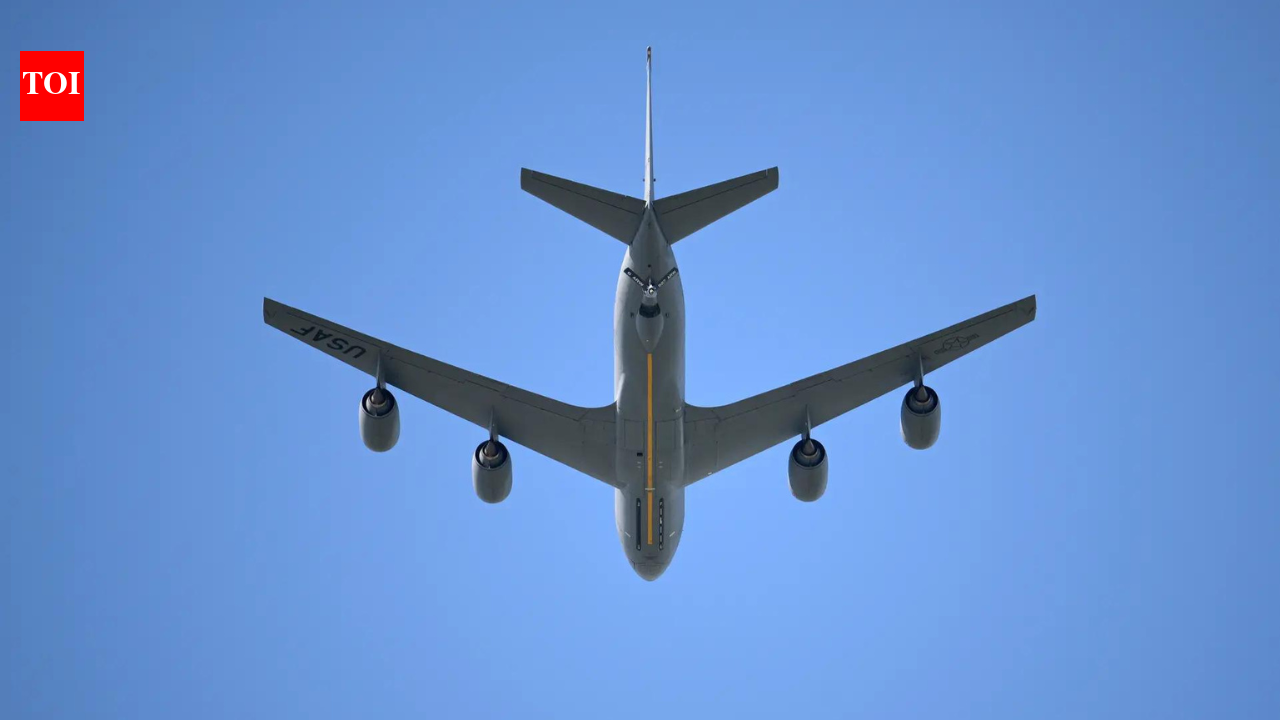
representative image

At least 16 US military aircraft have been destroyed since the conflict with Iran began, including 10 MQ-9 Reaper drones shot down by enemy fire, while several others have been damaged in strikes and operational incidents, according to officials cited by Bloomberg.The most serious losses were attributed to accidents, including three American F-15 fighters shot down by friendly fire in Kuwait and a KC-135 refueling tanker destroyed during a mid-air operation, killing all six crew members. Five additional KC-135 aircraft reportedly damaged in Iranian missile attack on a base saudi arabia.

Watch

The US Air Force suffered a crushing defeat as Washington lost 16 aircraft in the Iran war.

So far, only uncrewed Reaper drones have been downed by Iranian air defenses, at least nine of which have been destroyed in flight. Another was shot down by a ballistic missile at an airfield in Jordan. Two more died in accidents. Drones are designed to be expendable and are often deployed in high-risk environments due to their low cost and lack of onboard pilots.The scale of US operations may contribute to losses. Analysts claimed that the number of sorties flown in the initial phase of the war was greater than those flown during the beginning of the Gulf War. “The difference may be a much higher rate of effort,” Peter Layton said as quoted by Bloomberg.Despite early efforts to neutralize Iran’s air defenses, achieving complete air superiority has proven difficult. A US F-35 fighter jet was recently forced to make an emergency landing at a regional airport after being hit by Iranian fire, although the pilot survived, CNN reported, quoting a CENTCOM official.US military officials acknowledge that only “localized air superiority” has been established over parts of Iranian airspace, highlighting ongoing operational challenges. The continued presence of active air defenses is also complicating efforts to secure key routes such as the Strait of Hormuz.Analysts say accidents are not uncommon during high-intensity operations. Justin Bronk said, “Periodic accidents like the tragic mid-air collision with the KC-135 are an unfortunate possibility in large, high-speed, high-pressure combat missions.”As the war enters its third week, Iran has maintained a steady pace of regional attacks, including attacks on energy infrastructure in Qatar and Saudi Arabia in retaliation for attacks on its South Pars gas field.

Source link

After attack on Israel gas field, Iran attacks Gulf energy sites, world feels the heat

Second ship hit by missile in Gulf waters as Iran steps up attacks in retaliation for gas facility attack

Iran stepped up its attacks on oil and natural gas facilities around the Gulf on Thursday, increasing the risk of war that could send a blow to the global economy.The strikes in response to an Israeli attack on a key Iranian gas field sent fuel prices soaring and threatened to draw Iran’s Arab neighbors into direct conflict. Global supplies are already under pressure from Tehran’s targeting of energy production because of Iran’s stranglehold over the Strait of Hormuz, through which a fifth of the world’s oil is transported.

Watch

Second ship hit by missile in Gulf waters as Iran steps up attacks in retaliation for gas facility attack

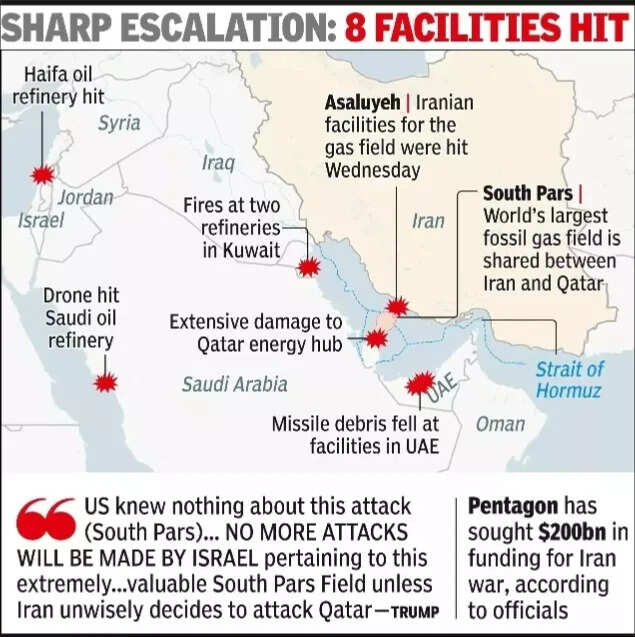
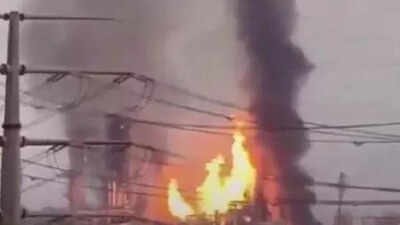
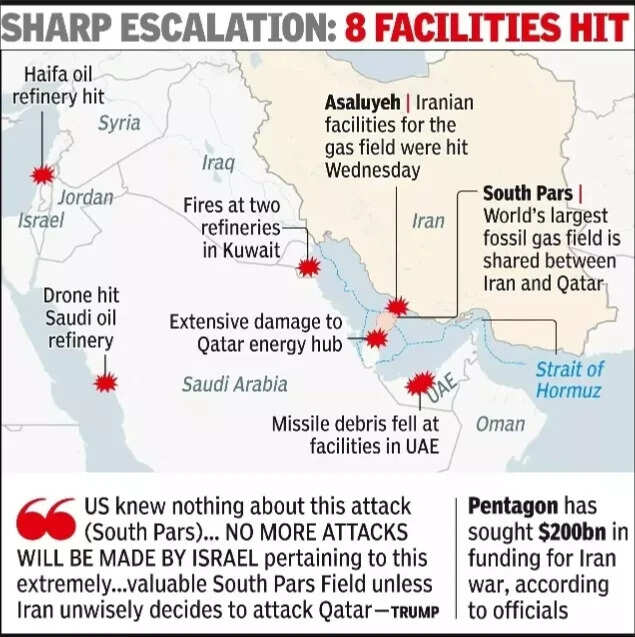
Iran targeted energy facilities in Qatar, Saudi Arabia, Kuwait and the UAE. An Iranian missile attack also hit Israel’s oil refineries in the northern port city of Haifa.Underscoring the danger to ships in the region, a ship was set on fire off the coast of the United Arab Emirates and another ship was damaged near Qatar. Efforts to bypass the strait were also under pressure: an Iranian drone hit a Saudi Arabian refinery in the Red Sea, which the country was hoping to use as an alternative exit route.

Iran attacks Gulf energy sites after attack on Israel gas field; the world feels warm

Brent crude oil, the international standard, reached $118 a barrel, up more than 60% since Israel and the US began the war. The European benchmark for natural gas prices rose 17% on Thursday and have doubled in the past month. Treasury Secretary Scott Besant said Thursday that the United States could lift sanctions on Iranian oil stuck in tankers to help increase global supply and lower prices.Qatar, Saudi Arabia and the UAE condemned the Iranian attacks. Arab League Secretary-General Ahmed Aboul Gheit called these a “dangerous escalation”.But Iran showed no signs of backing down. QatarEnergy’s CEO and minister of state for energy told Reuters the attacks have damaged 17% of Qatar’s LNG export capacity, causing an estimated $20 billion loss in annual revenue and threatening supplies to Europe and Asia. Saudi Arabia said its SAMREF refinery in the Red Sea port city of Yanbu had been affected.Iran also targeted two refineries in Kuwait and gas operations in Abu Dhabi, local officials said. In Israel, more than a half-dozen waves of Iranian attacks targeting large parts of the country sent millions of people into shelters. The attacks caused damage to buildings. An Iranian missile attack hit Israel’s oil refineries in the northern port city of Haifa but did not cause “significant damage,” Israel’s energy ministry said Thursday.In Washington, Defense Secretary Pete Hegseth told reporters that the US military “controls the destiny” of Iran. “Iran has the ability to make the right choice,” he said. He further said that Tehran should not “go further and target Arab allies, Arab countries, that are trying to cause pain, pain that they themselves have caused.”Israel said on Thursday it struck Iranian targets in the Caspian Sea for the first time. Israeli military spokesman Lieutenant Colonel Nadav Shoshani said the strikes hit dozens of targets, including ships, a shipyard and a command center.The Trump administration has cited various war objectives, including reducing Iran’s missile capabilities. Hegseth said Thursday that more leaders could be targeted, specifically mentioning the IRGC and the Basij force, whose leader was killed by Israel earlier this week. “The last job anyone in the world wants right now is senior IRGC or Basij leaders, temporary jobs, all of that,” Hegseth said.

Source link

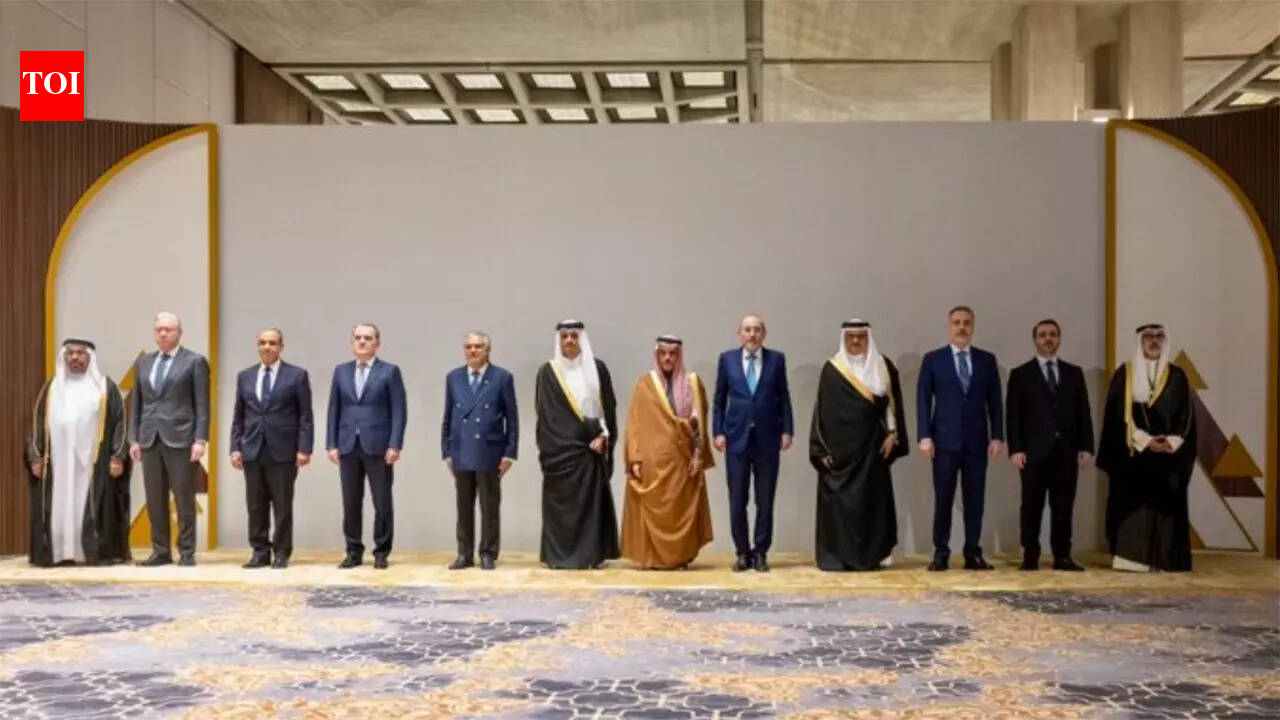
Inside the Riyadh meeting: who was present; What did Saudi Arabia, UAE, Qatar, Turkey, other Arab and Muslim ministers agree on amid Iran vs US-Israel war?

'What has Iran done for Islamic causes?': Saudi slams Tehran after attacks on energy sites

Top Arab and Muslim ministers meet in Riyadh as Iran vs US-Israel war threatens to escalate

As the Iran vs. US-Israel war intensifies and missile attacks occur across the Gulf, a high-level diplomatic gathering in Riyadh has emerged as a defining moment in the region’s response. Foreign ministers from more than a dozen Arab and Muslim countries convened in the Saudi capital for urgent talks not only to respond to the crisis but also to shape a collective stance on Iran’s actions, regional security and the future of diplomacy in the Middle East.The result was a carefully calibrated message to condemn tensions, protect sovereignty but avoid widespread war.

Who was in the Riyadh meeting? saudi arabia, united arab emirates, QueueEgypt, Turkey, Pakistan, Others

Foreign ministers from a wide range of regional and allied countries gathered in Riyadh for the high-level meeting, reflecting the scale of concern over the ongoing conflict. Representatives from Qatar, Azerbaijan, Bahrain, Egypt, Jordan, Kuwait, Lebanon, Pakistan, Saudi Arabia, Syria, Turkey and the United Arab Emirates were present, according to a joint statement issued on Thursday. The diversity of attendees underlined how widely the effects of the war are being felt, ranging from direct military threats and the risk of missile debris to disruptions in energy supplies and fears of mass displacement if tensions escalate.

Watch

‘What has Iran done for Islamic causes?’: Saudi slams Tehran after attacks on energy sites

The meeting brought together ministers from these countries, marking one of the most significant diplomatic alignments since the conflict began. At the heart of the discussion was a shared concern that the war is no longer controlled, civilians and energy infrastructure are being targeted and the risk of full-scale regional conflict is increasing. In a joint stance, the participating countries condemned Iran’s recent attacks across the region, particularly attacks on energy facilities and critical infrastructure such as airports. The language was strong but measured. Rather than calling for retaliation, the ministers focused on de-escalation and stability, indicating a collective desire to prevent the crisis from escalating further.

Iran in focus, delicate balance continues israel: condemnation without full stop

The most important aspect of the Riyadh meeting was the frank but controlled criticism of Iran. The ministers described the attacks as unacceptable and stressed that the sovereignty of nations must be respected, civilian infrastructure must not be targeted and that the escalation threatens regional and global stability. At the same time, the statement fell short of completely isolating Iran diplomatically. This reflects a broader regional reality that despite rising tensions, many countries are reluctant to completely sever ties. tehranBelieving that negotiations are necessary to avoid widespread war.Interestingly, the meeting also discussed Israel’s role in the conflict but in a much more restrained manner. While there was some criticism over Israeli actions in the region, ministers largely avoided directly addressing Israeli attacks on Iran, choosing instead to remain focused on immediate regional stability. This selective emphasis highlights the complex diplomatic balancing act between condemning Iran’s attacks, avoiding escalating tensions with Israel, and maintaining room for broader dialogue. In short, the meeting was less about assigning blame and more about preventing further progress.

Energy security and right to self-defense take center stage at Riyadh meeting

One of the most urgent concerns discussed was the threat to the global energy infrastructure. Recent attacks on gas facilities, oil refineries and shipping routes have raised even greater concern middle east. Ministers warned that continued targeting of energy sites could disrupt global supply chains, drive up oil and gas prices and cause macroeconomic instability. Given that the Gulf region supplies a significant portion of the world’s energy, the message was that this is no longer just a regional conflict; This is a global risk.The joint discussions also reaffirmed a key principle that states have the right to defend themselves under international law. This was not just a legal statement but a strategic signal. By emphasizing self-defense, ministers justified possible defensive actions, warned against further attacks, and strengthened collective security. At the same time, he stopped supporting offensive countermeasures, and again emphasized control over confrontation.

Widespread call to reduce tension in Riyadh meeting

Beyond the immediate reactions, the Riyadh meeting sent a broader diplomatic message that the region cannot sustain a prolonged war, negotiations must remain open and escalating tensions will not benefit anyone. This is in line with ongoing international efforts to bring the parties back to the negotiating table, even as fighting continues. Previous diplomatic activities in the region have similarly emphasized the need to avoid conflict and prioritize dialogue, highlighting a consistent theme in recent geopolitical efforts.The Riyadh meeting comes at a moment of extreme tension, with missile attacks, emergency alerts and energy disruptions making headlines. Bringing together multiple Arab and Muslim countries suggests a coordinated regional response, not isolated responses. The outcome reflects a nuanced position as it was firm on sovereignty, cautious if tensions escalated and open to diplomacy because what happens in the Gulf affects oil prices, global markets and international security.The Riyadh meeting also reflects a deeper reality that the Middle East is entering a new phase of instability. Recent developments have shown that conflicts are crossing borders, economic objectives are becoming military objectives and civilian infrastructure is becoming increasingly vulnerable. In this environment, diplomacy is not only important but also necessary.Perhaps the most important takeaway from the meeting is a sense of collective urgency. Despite political differences, historical rivalries and varying alliances, Arab and Muslim nations have come together to send a unified message that the escalation of tensions must stop. However, this unity is fragile. Balancing relations with Iran, managing relations with global powers, and addressing internal security concerns will continue to test regional cohesion.

Source link

‘Spiders have three life cycles’: The real science behind Spider-Man’s most disturbing trailer yet

'Spiders have three life cycles': The real science behind Spider-Man's most disturbing trailer yet
The real science behind the most disturbing Spider-Man trailer ever The real science behind the most disturbing Spider-Man trailer ever

new trailer for brand new Day Opens with a voiceover describing the three stages of a spider’s life and what happens in the spaces between them. It turns out that science is even stranger than fiction.This week when the first trailer for Spider-Man: Brand New Day was released, Peter Parker is disoriented, waking up in a cocoon, struggling to control the webbing that now comes from his body instead of the mechanical web-shooters he has used during his MCU operations. The shift to organic webbing isn’t entirely new territory for the franchise; Tobey Maguire’s Spider-Man had biologically constructed webs in Sam Raimi’s 2004 film, and the concept was briefly acknowledged in No Way Home. Here it suggests something more unstable, a physical development possibly linked to the DNA mutation or the cumulative stress of being Spider-Man, leaving Parker exposed in ways he wasn’t before. In the comics, such biological changes have sometimes taken much darker turns, with Parker growing extra limbs, developing a more violent physiology, and losing pieces of his humanity in the process.

tom holland spidey

A disoriented Peter Parker awakens inside a giant web cocoon after collapsing, prompting a mysterious and disturbing transformation ahead

The trailer suggests that there are no such extremes, but the direction of travel is clear. In the footage, the voice of actor Keith David, whose role is undisclosed, provides the narration that forms the trailer’s backbone: “Spiders have three life cycles. Between cycles, this can make the spider vulnerable to dangers. And for those spiders that make it across, it’s like a kind of rebirth.” It’s a neat piece of screenwriting that hints at a real arc for Holland’s Parker. It is, in its broad strokes, accurate too, and the reality of what spiders actually go through in those three stages is worth understanding on its own terms.

What exactly are these three steps?

Every spider that has ever existed, from the smallest jumping spider to a dinner plate-sized tarantula, goes through the same three stages: egg, pupa, and adult. There is no larval or pupal stage like the butterfly. Spiders do not undergo metamorphosis. What they do instead is weird in its own quiet way.

A female nursery web spider, Pisaura mirabilis, carrying her egg sac.

A female nursery web spider, Pisaura mirabilis, carrying her egg sac / YouTube Steve Downer – Wildlife + Macro Cinematography

It starts with the egg sac, a structure the mother builds from silk before she lays the eggs. The silk is tough enough to protect from the elements, and a sac can hold anywhere from a handful of eggs to several thousand, depending on the species. Some mothers guard the sac until the eggs hatch. Wolf spider mothers carry it with them entirely, and when the eggs are ready, they cut the sac themselves to free the babies. Other species deposit the sac somewhere safe and abandon their offspring entirely to fate. The eggs usually take a few weeks to hatch, although in colder climates some eggs overwinter inside the sac and emerge only in the spring.

most dangerous stage

When spiders hatch, they are not larvae or grubs. They’re fully formed, tiny spiders, eight legs, many eyes, the entire architecture of an adult, compressed into an almost invisibly small thing. They lack size, and in order to grow larger they need to remove the obstructive exoskeleton, a process called molting. Most species moult five to ten times before reaching adulthood, and during moult, when the old exoskeleton has shed and the new exoskeleton has not yet hardened, the spider is at its most exposed. It doesn’t work properly. It cannot defend itself. The line in the trailer about vulnerability between cycles is, in biological terms, a reasonably plausible description of this window.

baby spiders

A jumping spider takes stock of its spiders/Instagram Sanctuary Asia

Dispersion at this level is one of the more quietly extraordinary things spiders do. Some spiders move away from the egg sac. Others blow up balloons, climb to a high point, raise their bellies, and release fine silk threads that catch the wind and lift them into the air, sometimes carrying them for hundreds of meters, sometimes much further. The silk forms a triangular shape which essentially functions as a kite. This is how spiders adapt to new environments, and this means that a creature born in one place can reach full adulthood in another.

Spider testing air with balloon silk

Spider testing the air with ballooning silk/Image credit: Steve Creek Wildlife Photography

Adulthood, and what is its price

Once the spider reaches adulthood, it is able to reproduce, and for male spiders, that’s often the end of the story. A male first spins a small web, deposits sperm on it, and then draws that sperm into specialized appendages called pedipalps before going in search of a female. The approach requires care; Females are larger, often stronger, and may be mistaken for prey by a male who misjudges the encounter. Many males die shortly after mating, despite popular belief, due to biological inevitability rather than female aggression in some species. Female spiders live much longer. Most spider species live a total of one to two years, but the female tarantula is one species that makes fun of the average, with some living more than twenty years. They continue to ejaculate even into adulthood, which creates a peculiarity: if a female tarantula ejaculates after mating, she leaves the structure in which she stored the sperm, and she has to mate again. In brand new DayThe filmmakers used this biological structure as an allegory where Peter Parker finds himself temporarily torn between a version of himself and whatever comes after him, without his bearing. It remains to be seen whether the film monetizes that metaphor when it releases on July 31. At least the spider from which it is borrowed has biology on its side.

Source link

Eid Ul Fitr 2026: South Africa announces official date; Why is Eid celebrated on different days?

Eid Ul Fitr 2026: South Africa announces official date; Why is Eid celebrated on different days?
South Africa announces Eid al Fitr 2026 date amid global divide

Most of the people of the Muslim world are preparing to celebrate Eid Ul Fitr on Friday, March 20, South Africa has officially aligned with countries celebrating the festival on Saturday, March 21, 2026, once again highlighting the glaring global divide in how Eid dates are set. From Africa to Asia, Just a Day’s Difference reveals a deeper story, shaped by moon-watching traditions, scientific calculations and regional interpretations of Islamic law.

Why is South Africa celebrating? eid ul fitr 2026 on 21st March

In South Africa, Islamic organizations have indicated that Eid will likely fall on Saturday, March 21, as the crescent moon marking the end of Ramadan is unlikely to be visible the previous evening. Astronomical data plays an important role here. Experts said that at sunset on March 19, the moon will be too small, less than 15 hours old, to be seen with the naked eye, making Eid on Friday unlikely. As a result, Muslims in South Africa are expected to complete the full 30 days of Ramadan, leading to Eid the following day.The decision puts South Africa in line with several other countries including India, Pakistan, Malaysia and Indonesia that are celebrating Eid on March 21. Meanwhile, countries like Saudi Arabia, UAE, Qatar, Morocco, Belgium and Egypt have confirmed Friday, March 20 as Eid, following their own moon-sighting procedures. This creates a familiar global pattern. Gulf countries will celebrate Eid on Friday while parts of South Asia and Africa will celebrate Eid on Saturday. Although this may seem like a paradox, it is actually a common consequence of the lunar calendar system.

Eid Al Fitr 2026 in South Africa: A community celebration

Despite the difference of one day, Eid remains an extremely important and vibrant celebration in South Africa. In cities such as Johannesburg, Cape Town and Durban, Muslims gather for early morning Eid prayers, family visits and festive meals, and donations and community outreach. Large congregational prayers, often held in mosques or open grounds, bring together diverse communities, reflecting the multicultural fabric of the country.The distribution of Eid among different dates always arouses curiosity. Every year, the discussion “Why do the dates differ” is widely trending online. Although it may seem unusual, this division is actually quite common. In most years, the Gulf countries celebrate Eid earlier and parts of South Asia and Africa celebrate it a day later. This pattern is due to the Moon moving west, meaning it is often visible earlier in the Middle East than in areas further east or south.

The science behind the difference in the date of Eid ul Fitr

One major factor at the root of the variation is the visibility of the Moon. Eid ul Fitr begins on the first day of the Islamic lunar month of Shawwal, determined by the sighting of the crescent moon. If the moon is not seen on the 29th night of Ramzan, then the month automatically completes 30 days.In the case of South Africa, the Moon was astronomically small, weather conditions in some areas made visibility even more difficult and religious authorities preferred certainty over perception. Due to this, the decision was taken to celebrate Eid on Saturday. Not all countries follow the same methodology for determining Eid. Countries like South Africa rely heavily on physical sightings within their borders. Some nations accept sightings from nearby regions or internationally. Others incorporate traditional methods as well as scientific predictions. These differences are rooted in centuries-old interpretations of Islamic jurisprudence – and they still shape how Eid is celebrated today.The difference in dates often raises a broader question: Why can’t the entire Muslim world celebrate Eid on the same day? The answer lies in the balance between unity of faith and diversity of interpretation. Islam allows multiple valid methods for determining the lunar months, meaning that variations are not seen as divisions but as legitimate differences within the tradition. Even though Eid is celebrated on different days, the essence of the festival remains the same across the world.Whether it is Friday or Saturday, Eid represents the end of fasting, gratitude and contemplation, charity and generosity, and community and togetherness. For many families with relatives in different countries, it also means two days of celebration, as they join loved ones celebrating Eid at different times. In a world that is increasingly connected, these differences become more visible but they also highlight the rich diversity within shared global faith.South Africa will celebrate Eid Al Fitr on Saturday, March 21, 2026, joining many countries in the Gulf that celebrate the festival a day later as the moon was not visible locally on Thursday, March 19. Hence, Ramadan completes 30 days and Eid ul Fitr is shifted to Saturday. Whether celebrated on Friday or Saturday, Eid remains a moment of unity, guided by the same moon, even if it is observed on different nights.

Source link

Trump says US, Qatar not involved in attack on Iran’s gas field

JERUSALEM/WASHINGTON: Israel’s attack on an Iranian gas field on Wednesday was coordinated with the US but was unlikely to be repeated, three Israeli officials said Wednesday, despite President Donald Trump saying he did not know about it in advance. The attack on Iran’s South Pars gas field followed Iranian air strikes on energy infrastructure in Qatar and across the Middle East, marking the largest escalation in the US-Israeli war on Iran.On Wednesday night, Trump said in a social media post that Washington “knew nothing about this particular attack”. Three Israeli officials, who spoke on condition of anonymity to discuss private discussions, said Thursday that Israel was not surprised by Trump’s comments. He described the situation as similar to what happened several weeks ago after Israel attacked a fuel depot in Iran. After those attacks, Pentagon chief Pete Hegseth said that “in that particular case they were not our attacks”.Trump said on Thursday that he has asked his ally, Israeli PM Benjamin Netanyahu, not to further attack gas fields in Iran. “I told him, don’t do it, and he won’t do it,” Trump told reporters at the White House. “We have a very good relationship. It’s coordinated, but sometimes he does things that the United States opposes,” Trump said.In a social media post on Wednesday, Trump said Israel had “violently attacked,” attacking a “relatively small portion” of the territory. Qatar also accused Israel of attacking South Pars. “The United States knew nothing about this particular attack, and the country of Qatar was not involved in any way, shape, or form, nor did it have any idea that it was about to occur,” Trump wrote. He accused Iran of retaliating “unfairly and wrongly” against Qatar’s liquefied natural gas facilities. Iran uses most of its natural gas domestically, but Qatar is the world’s third-largest exporter of liquefied natural gas. The South Pars is part of a larger reservoir that is shared between Qatar and Iran.In his post, Trump vowed that there would be “no further attacks by Israel” on South Pars unless Iran attacks Qatar’s energy facilities. If that happened, he said, the US would “massively blow up” the oil field. Trump said, “I do not want to authorize this level of violence and destruction because it will have a long-term impact on Iran’s future, but if Qatar’s LNG is attacked again, I would not hesitate to do so.”Since the Israeli attack on South Pars, Iranian attacks have caused extensive damage to the world’s largest gas plant in Qatar, targeted a refinery in Saudi Arabia and forced the United Arab Emirates to close gas facilities.Following Iran’s attacks, Gulf Arab countries sought clarification from the Trump administration, with one country contacting US Central Command, a regional source familiar with the matter said.The Pentagon’s Middle East (West Asia) command told the country it was not informed in advance about the Israeli attack, the source said. The person spoke on condition of anonymity and declined to name the country involved.That country then contacted Trump’s special envoy Steve Witkoff, who said that although the attack was not a joint US-Israeli operation, Washington was informed about it ahead of time, the source said. Israel has not publicly accepted responsibility for the attack.The US and Israel have repeatedly tried to highlight their close coordination in their joint air strikes on Iran, but officials from both sides have acknowledged that their objectives were not the same. On Thursday, US Director of National Intelligence Tulsi Gabbard said at a House Intelligence Committee hearing that while Israel has focused on “disabling the Iranian leadership”, the United States has focused on destroying Iran’s ballistic missile program and its navy. agencies

Source link

Meet Ganesh Karthik Shankar: Indian-origin professional who interviewed at Meta, Amazon, Apple and Netflix before joining Google

Meet Ganesh Karthik Shankar: Indian-origin professional who interviewed at Meta, Amazon, Apple and Netflix before joining Google

An Indian-origin UX designer based in Seattle explains why he left a promising role at Amazon and joined Google after interviewing at all five major tech companies in the United States.Ganesh Karthik Shankar, 29, said he continued interviewing with other big tech companies even after starting at Amazon because he wanted to understand how different employers evaluate candidates and find the best fit for his skills. According to Business Insider, his experience includes interviews with Meta, Amazon, Apple, Netflix, and Google, which are often referred to as MAANG companies by job seekers. Shankar worked as a product designer at Amazon since April 2025. He was initially “really excited” about the role, as it offered the chance to work on larger-scale projects and a significant increase in compensation. Despite this, he continued with other interview processes even after starting the job.His decision to leave Google came after the company offered him a UX designer position in February 2026. The new role was strongly linked to their experience and included better compensation. He started his position at Google earlier this month.

How his job search unfolded

Shankar’s job search began in late 2024 when he was a senior UX designer at Qualcomm in San Diego. He said he wants to work with broader impact, especially on projects that impact millions of users. He also expected to get better salary.To prepare, they focused their resume and portfolio on their strengths in complex enterprise software design and technical developer tools. Shankar said that by limiting his applications to roles that matched the region, he received a large number of interview callbacks.Their work on refining their application content and target roles was an important part of their strategy. He focused on opportunities that were relevant to his experience and avoided generic applications.

Role of networking and referrals

Shankar used both referrals and cold outreach to secure interviews. He remains active in the design community, joining organizations, attending events, and staying connected to alumni networks. He also participated in specialized groups such as the Special Interest Group on Computer-Human Interaction, where he made many professional connections.Referrals helped him secure interviews at Amazon, Google, and Meta. At Amazon, he was seconded to the role of product designer in their enterprise customer service division. The process involved an online assessment followed by a conversation with the recruiter and interviews with the hiring managers.At Google, she similarly received a referral for a UX designer role, which began with an online assessment and progressed through recruiter and portfolio discussions.He also received an interview at Meta based on referral. He understood that Meta placed an emphasis on visual design in its hiring process.

Cold Application and Direct Outreach

Not all of his interviews came through referrals. At Apple, he had no referrals and applied directly. A recruiter subsequently contacted via email, beginning the full interview process.He also lacked referrals for Netflix. After applying through LinkedIn, he emailed a hiring manager, who helped him secure an interview.Shankar said contacting hiring managers directly can be successful when done strategically, focusing on roles that are relevant to someone’s experience rather than sending mass messages.

Why did they choose Google over Amazon?

Even after starting at Amazon, Shankar continued interviewing with other companies so he could compare opportunities and evaluate what different employers value.He pointed out that both Amazon and Google are more open to candidates with relevant but imprecise backgrounds than some others. At Apple and Netflix, he said, employers look for candidates whose experience closely matches the role.Eventually, Google’s proposal came out. This matched his specific domain expertise and came with a meaningful increase in compensation, leading him to make the move.Shankar said it was more important to be intentional about the roles they targeted than relying solely on referrals. He also encouraged job seekers to consider cold outreach when appropriate, especially when it’s geared toward hiring managers in areas where the candidate has strong expertise.

Source link

Pakistan tops terror index as global deaths decline, but worst may yet come

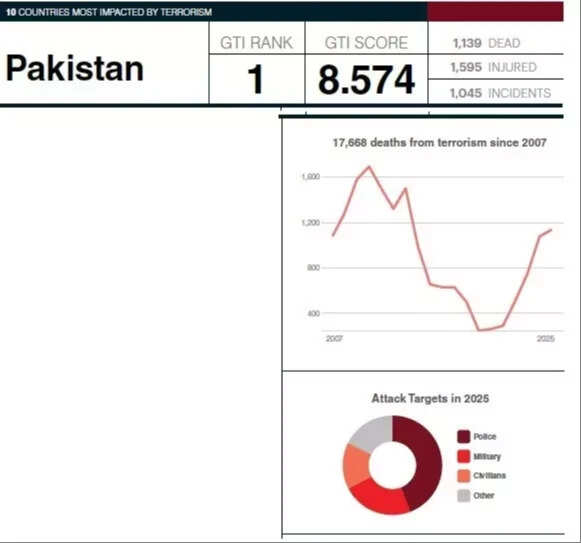
वैश्विक मौतों में गिरावट के कारण पाकिस्तान आतंकी सूचकांक में शीर्ष पर है, लेकिन सबसे खराब स्थिति अभी भी आ सकती है 2026 global terrorism index, released on thursday The sharpest decline in deaths from terrorism has been recorded in years, yet geopolitical storm clouds loom over South Asia, the Sahel and the West, suggesting the relief may be short-livedThe geography of global terrorism has changed again. In 2025, Pakistan Burkina Faso was replaced as the country most affected by terrorism, recording 1,139 deaths and 1,045 incidents – its worst death toll in more than a decade. This change reflects deeper structural currents TalibanReturn of reconstitution of terrorist groups operating across open borders in Afghanistan.For Pakistan, this change is not a sudden surge, but a sharp increase in an entrenched trend. The country has featured in the top ten of the Global Terrorism Index (GTI) in each of the last 12 editions published by the Institute for Economics and Peace, but the pace of decline in recent years is striking, with incidents six times higher in 2025 than in 2020.

Pakistan

It is not difficult to identify the driver. The return of the Taliban to power in Afghanistan in 2021 changed the security calculus on one of the world’s most volatile borders. Militant groups, primarily Tehreek-e-Taliban Pakistan (ttp), has used Afghan territory as a staging post, sanctuary, and training base, launching a sustained campaign against Pakistani security forces and civilians.TTP attacks increased by 24% in 2025, reaching 595 incidents and 637 deaths, the highest figures for the group since 2011. The Balochistan Liberation Army added its own toll most dramatically through the hijacking of the Jaffar Express passenger train near Quetta, where 442 hostages were taken and dozens killed.Meanwhile, Pakistan’s relations with India deteriorated rapidly in May 2025 Indian Air Force (IAF) launched missile operations against Pakistani cities overnight, triggering retaliation and increasing regional instability.At the time of writing, Pakistan has declared a state of war with Afghanistan in February 2026 following cross-border air strikes on Kabul and Kandahar. The GTI report warns that these incidents are likely to displace populations, weaken border controls and create a security vacuum in which groups like the TTP can flourish.

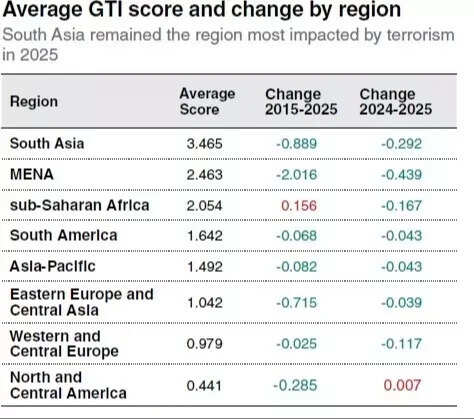
GTI score breakdown by South Asia region

India, a regional bright spotRanked 13th globally with a GTI score of 6.428, India is third in South Asia behind Pakistan and Afghanistan. But its trajectory is one of the region’s more encouraging stories.India recorded a significant improvement in its terrorism profile in 2025, with the number of terrorist attacks falling by 43% compared to the previous year, as well as deaths from terrorism, continuing a broader decline that saw India’s GTI score decline by 0.415 points over the past decade. (Note that the report does not give complete death and incidence numbers for India).The country has moved up two places in the global rankings, although its position at 13th still places it firmly among the world’s most terrorism-affected countries.Within South Asia, GTI identifies the region as the region most affected by terrorism globally, with an average score of 3.465, with India’s performance in stark contrast to its neighbours. While Pakistan tops the table globally, Afghanistan is ranked 11th despite a steady decline in incidents recorded after the Taliban came to power.Both Bangladesh and Nepal recorded stronger improvements than India, with Bangladesh seeing a 100% decline in attacks and Nepal recording no terrorist incidents in 2025 for the third consecutive year.

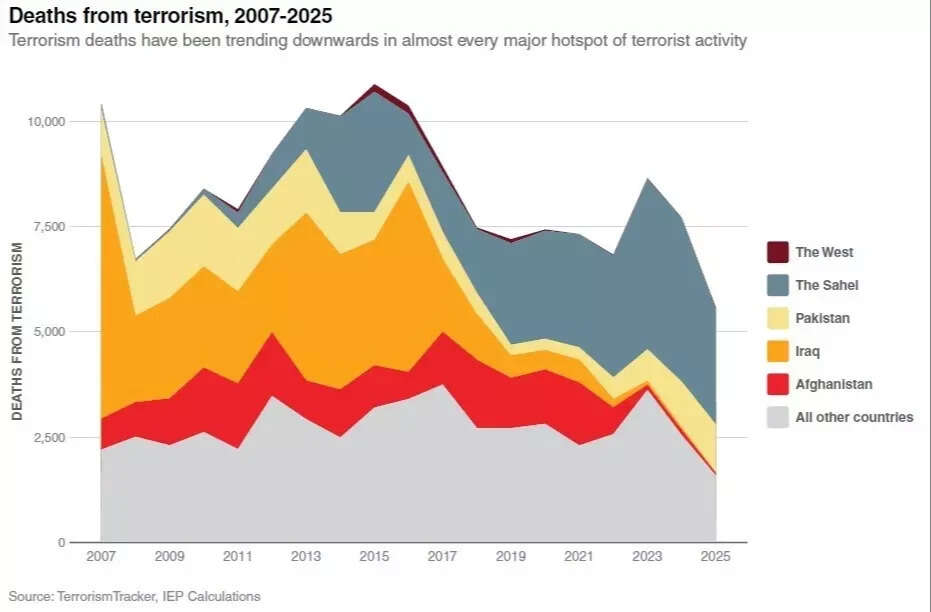
deaths from terrorism

Good news while it lastsLook past these crises, and the 2026 report lays the ground for cautious optimism. Global terrorism deaths fell by 28% between 2024 and 2025, from 7,714 to 5,582, the lowest figure recorded since the index’s baseline period. The number of attacks fell nearly 22% to 2,944.Eighty-one countries improved their GTI scores – the highest number of annual improvements since 2021 – while only 19 countries declined, the lowest on record.The year was also notable for the absence of mass casualty attacks. The deadliest incident of 2025 was the killing of 120 soldiers in Burkina Faso’s Sahel province in October, which was carried out by JNIM (Jamaat Nusrat al-Islam wal-Muslimeen). This figure compares to 237 in 2024 and more than 1,100 in 2023. The average fatality per attack fell from 2.1 to 1.8 deaths.The four groups responsible for the most deaths – Islamic State (IS), JNIM, TTP and al-Shabaab – collectively killed 3,869 people, or 70% of all terrorist deaths. Three out of four recorded fewer deaths than the previous year. The exception was TTP.Terrorism continued a long-term decline in the Middle East and North Africa (MENA). For the first time, no country in the region recorded a decline in its GTI score in 2025. Deaths fell 81% from 1,064 to 205 in the same year.Iraq, once the epicenter of global jihadist violence, has seen a 99% decline in deaths from terrorism over the past two decades. Libya and Lebanon recorded zero deaths for the third and second year running respectively – results that would have seemed impossible a decade ago.Africa’s changing battlefieldThe most consequential regional story is that of sub-Saharan Africa, home to six of the ten countries most affected by terrorism and responsible for more than half of all global deaths. Yet here too, the picture is more nuanced than the headlines suggest.Burkina Faso, which will remain number one on the index in 2023 and 2024, recorded the largest absolute reduction in deaths, with the death toll falling 45% to 846. This was mainly due to a decline in civilian casualties, which fell 84% from 996 to 157.The paradox is that the country is not necessarily becoming safer – it is becoming dangerous in a different way. Fatality per incident increased to 14.3 deaths per attack, as JNIM shifted tactics towards fewer but more intense attacks, primarily targeting security forces. Analysts estimate that Burkinabé forces control 30% or less of the national territory, while jihadists maintain blockades and disrupt trade routes.This strategic development is visible in the Sahel. JNIM is no longer just insurgent – ​​it is targeting economic lifelines. In Mali, the group attacked a fuel convoy bound for Bamako by 2025, with the goal of causing economic disruption capable of destabilizing the ruling junta. The report identifies this as a change in ambition: from weakening the regime to dismantling it.Nigeria moved in the opposite direction, and recorded the largest increase in deaths from terrorism, with the death toll rising by 46% to 750. Islamic State West Africa Province has again stepped up its campaign, with attacks increasing from 20 in 2024 to 92 in 2025.On Christmas Day 2025, the United States fired Tomahawk missiles into northwestern Nigeria, attacking IS camps in coordination with the Nigerian government, underscoring the scale of concern over the resurgence of ISWAP.The Democratic Republic of Congo reached its worst point on the index with 467 deaths in 35 incidents – an average of more than 13 deaths per attack. All incidents were attributed to IS-affiliated groups. The violence included the beheading of 70 civilians abducted from the village of Maiba and an attack on a funeral in North Kivu that killed 71 people.terror comes westThe concentration of terrorism in the Global South may obscure trends in Western democracies, where a 280% increase in deaths – from about 15 to about 57 – had a significant political impact. Australia experienced its deadliest modern attack when two jihadist extremists opened fire on a Hanukkah gathering on Bondi Beach on December 14, killing 15 and wounding more than 40.27 deaths were recorded in the US, including 14 people killed in a vehicle attack in New Orleans that killed a political commentator. charlie kirk. Two people were killed in a synagogue attack in Manchester, Britain.These incidents reflect a broader trend. Politically motivated attacks are projected to increase by approximately 20% globally in 2025. In the West, the line between terrorism and political violence is becoming increasingly difficult to define, especially as lone-actor attacks – which have accounted for 93% of fatalities in Western countries over the past five years – continue to dominate.

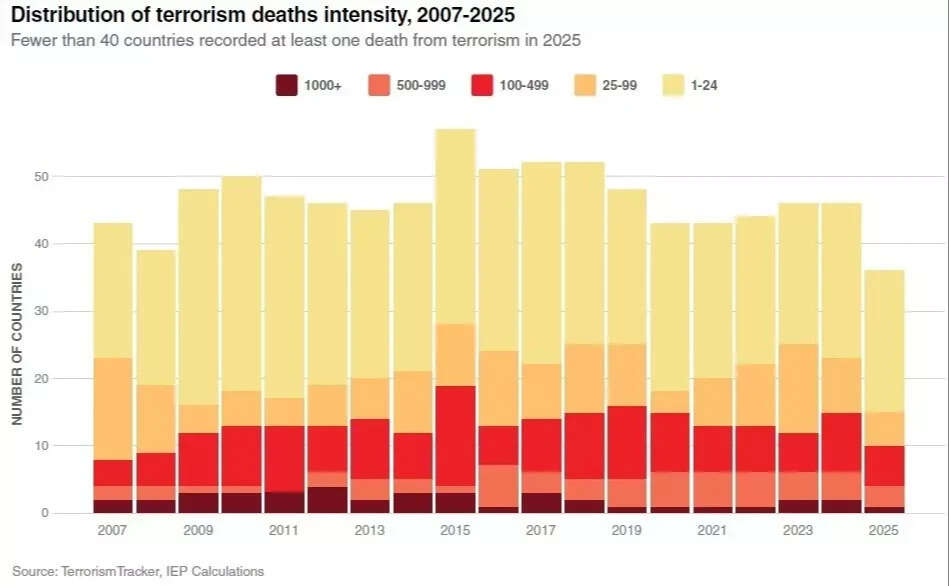
intensity of terror death

kids in the front rowOne of the most worrying findings is related to age. Children and adolescents accounted for 42% of all terror-related investigations in Europe and North America in 2025, a threefold increase since 2021.In the UK, 82 minors were arrested for terrorism offenses between April 2023 and March 2024, compared to 12 in 2019. The timeline of radicalization has become increasingly compressed. Where previously the journey from demonstration to operational readiness took about 16 months, it can now happen within a few weeks.Algorithmic amplification on mainstream platforms, followed by migration to encrypted messaging apps, has created what counterterrorism analysts call an “acceleration gap” – a growing mismatch between the speed of radicalization and the ability of states to respond.Between 2022 and 2025, 97 percent of plots involving minors were foiled, while 68% of plots involving only adults were foiled. Youth are being recruited, but at the moment they are also being stopped.temporary relief?The report’s authors caution against exaggerating the improvement. At the time of writing, IS has announced a new phase of operations in Syria, more than 20,000 individuals have escaped from IS-affiliated detention facilities, and the joint US-Israeli military campaign launched against Iran in February 2026 has increased the risk of proxy attacks.At the same time, jihadist territorial gains in the Sahel – partly due to falling civilian death tolls – represent a slow-growing threat that is not fully captured by headline statistics.The 2026 Global Terrorism Index registers measurable progress. But the consolidation of the Pakistan-Afghanistan conflict, the emboldening of IS, the rapid radicalization of youth recruits and the fragmented political environment in the West suggest that the 2025 decline may prove, as the report itself says, “a temporary reprieve for many countries rather than the beginning of a sustained downward trend”.

Source link

Dubai to host Eid Al Fitr 2026 prayers in over 900 mosques, timing confirmed in UAE emirate amid Iran vs US-Israel war

Dubai to host Eid Al Fitr 2026 prayers in over 900 mosques, timing confirmed in UAE emirate amid Iran vs US-Israel war
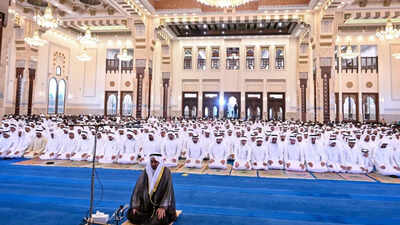
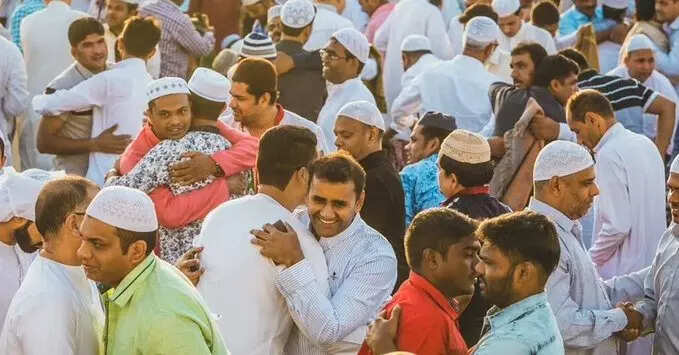
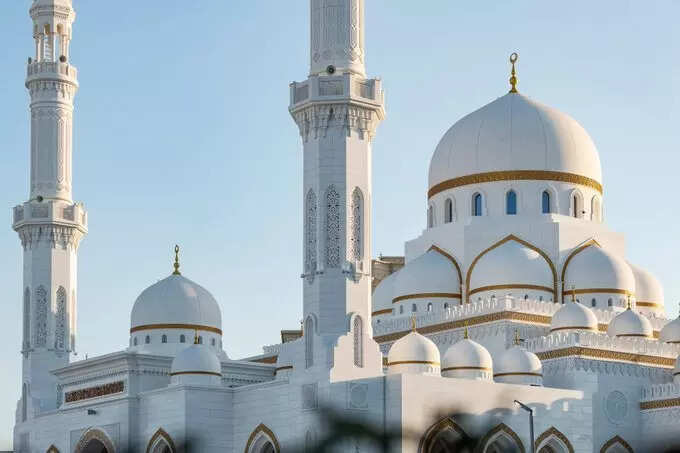
Thousands of people will gather in 900 mosques for Eid Al Fitr 2026 prayers in Dubai.

Dubai is preparing for one of its largest and most coordinated Eid Al Fitr 2026 prayer gatherings in recent years, with officials announcing that more than 900 mosques across the emirate will host the prayers, a ‘Muezzin Al Friz’ that reflects both the spiritual significance of the occasion and the logistical precision required in the current climate, but this year’s celebration comes with a notable change.Although the scale remains grand, the format has changed and embodies a careful balance between tradition, security and emerging regional realities.

citywide dubai Eid Ul Fitr 2026 Prayer Network

According to officials, Eid Al Fitr prayers in Dubai will be held at 6:40 am in more than 900 mosques, ensuring that Muslim worshipers across the city have access to nearby places of worship. This wide distribution is not just about convenience, it is a deliberate strategy to avoid overcrowding, ensure smooth movement of worshipers and maintain security and order across the emirate.Authorities have confirmed full preparations, with coordination between religious bodies and emergency response teams, to manage the massive turnout.

There is no open ground for Eid Al Fitr 2026 prayers in Dubai this year

In a significant deviation from tradition, Dubai, along with other Gulf countries, has restricted Eid Al Fitr prayers to mosques only, and suspended large open-air gatherings such as Eidgah prayers. This decision is rooted in a broader regional context. Amid ongoing geopolitical tensions and heightened security concerns due to the Iran vs. US-Israel war, officials are preferring controlled environments rather than large, open gatherings.

No open ground? Eid Al Fitr 2026 prayer format changed in Dubai amid Iran vs US-Israel war

No open ground? Eid Al Fitr 2026 prayer format changed in Dubai amid Iran vs US-Israel war

Mosques with defined capacities and structured entry systems provide a more manageable setting for larger gatherings. While this may change the familiar sight of extensive Eid prayer grounds, the essence of the celebration remains intact, just more organized and safe.

Eid Al Fitr 2026 Prayer Timings and Significance in Dubai and Others united arab emirates Emirates

The announcement came after the UAE officially confirmed that Eid al Fitr will be celebrated on Friday, March 20, 2026, after the completion of Ramadan. The Eid prayers, held soon after sunrise, are the spiritual highlight of the festival, bringing communities together in a shared moment of gratitude and celebration. In Dubai, a uniform timing of 6:40 am ensures coordination across the emirate, creating a sense of collective worship on a citywide scale. Adding to the ambiance, initiatives such as coordinated Takbeerat (Eid chants) and mosque-wide announcements will create a unified spiritual experience across Dubai. From neighborhood mosques to major prayer centres, the sounds of Eid Takbeerat will resonate together, turning the entire city into a shared place of devotion. This coordination is not merely symbolic; This reflects Dubai’s emphasis on community cohesion even within a structured and regulated environment.

Security in Dubai remains at heightened level during Eid Al Fitr 2026 prayers

Behind the scenes, officials have emphasized security and preparedness. Across the UAE, guidelines have been issued, urging worshipers to arrive early to avoid overcrowding, follow instructions from mosque authorities and maintain orderly movement within prayer spaces. The decision to decentralize prayers across hundreds of mosques is in itself a security measure, reducing the risks associated with large, concentrated gatherings.This comes at a time when the region has observed an emergency alert, with security protocols stepped up and vigilance increased around public gatherings. In this backdrop, careful management is being done to ensure that Eid prayers remain peaceful and safe. Dubai’s approach is part of a broader Gulf-wide trend. Countries including the United Arab Emirates, Kuwait and Qatar have all moved to mosque-only Eid al-Fitr prayers, signaling a regional shift in holding large religious gatherings during times of uncertainty.This marks a marked development from previous years, where large outdoor Eidgahs were common, large crowds gathered in open spaces and celebrations were more decentralized and informal. Now, the focus is on structured, regulated and safety-first celebrations. The announcement has quickly gained popularity as hosting prayers in more than 900 mosques is a logical feat, highlighting Dubai’s ability to manage large-scale events.

​Eid ul Fitr 2026 amid Iran vs US-Israel war tensions: Dubai opts to offer prayers only in mosques​

Eid ul Fitr 2026 amid Iran vs US-Israel war tensions: Dubai opts for prayers only in mosque

The shift from open grounds to mosques marks a significant change in tradition. The decision comes amid ongoing regional tensions, adding a layer of urgency and relevance. For residents, this has a direct impact on how they will celebrate one of the most important days of the year. For many residents, this year’s Eid al Fitr may feel different. The absence of large outdoor gatherings means more localized celebrations, smaller but community-based prayer experiences, and a quieter, more structured environment.Nevertheless, the core elements of corporate prayer, community bonding and spiritual contemplation remain unchanged. In many ways, this shift may also bring the experience closer to home, with neighborhood mosques becoming the center of celebration. Dubai’s Eid al-Fitr prayer plan reflects a broader reality. Large-scale public programs are being designed with flexibility and resiliency in mind. Whether due to health concerns, security risks or logistical challenges, officials are adapting traditional practices to modern circumstances. It is not about limiting celebrations but about reimagining them safely.Dubai’s decision to hold Eid Al Fitr prayers in more than 900 mosques is both ambitious and strategic, with large-scale, structured execution and a safety-first approach.

Source link

Did Rama Duvaji use the N-word? NYC First Lady’s old posts spark backlash

Did Rama Duvaji use the N-word? NYC First Lady's old posts spark backlash

Rama Duvaji, wife of the mayor of New York City Zohran MamdaniHe is facing criticism after his old social media posts related to him resurfaced online.Some of the posts were allegedly made years ago on platforms like Tumblr and X. These posts have gone viral on social media in recent days, drawing attention to their content and ‘racist’ language.An earlier post attributed to Duwaji included the use of racial slurs, including the N-word, in a 2013 message.However, the same New York Post report also said that the authenticity of the account and the post have not been independently verified.Other posts allegedly belonging to Duwaji expressed controversial views on race, politics and international issues. These included posts supporting Palestinian causes and criticizing US foreign policy.The resurfaced posts are said to be from when Duwaji was a teenager or in her 20s. The accounts where the content appeared are no longer active.The controversy comes just months after Duvaji became First Lady of New York City after her husband is elected mayor in 2025. He is an artist and painter and has played no official role in the city government.Mayor Mamdani had earlier responded to criticism over his wife’s social media activity, saying that she is a private person and does not hold any formal position in his administration.The issue has drawn reaction online, with critics questioning the content of the posts and supporters urging caution, noting that some of the claims are based on unverified material circulating on the Internet.This is not the first time that Duvaji’s past online activity has come under scrutiny. Earlier, a social media post related to the October 7, 2023 Hamas attack had sparked debate even before he liked it.

Source link