

10 Darkest Areas on Earth Where You Can Get the Clearest Views of Planets, Stars and the Galaxy world News
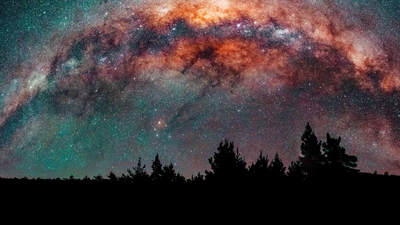
In a world increasingly illuminated by artificial light, truly dark skies have become a rare treasure. According to researchers, more than 80% of the global population now lives under light-polluted skies, making it difficult to see anything but the brightest stars in many urban areas. Yet a handful of remote deserts, mountains, forests and protected reserves offer exceptional night-sky conditions. These locations provide some of the clearest views of the planets, constellations, meteor showers, and the galaxy, and also serve as important sites for scientific research. From Chile’s Atacama Desert to the vast landscapes of Namibia and Australia, these are among the darkest areas on Earth to see the stars.
10 darkest areas around the world
1. Atacama Desert, ChileThe Atacama Desert in northern Chile is often considered the gold standard for astronomical observations. It is one of the driest places on Earth, with some areas receiving almost no rainfall. Combined with its high altitude and exceptionally clear atmosphere, these conditions make it ideal for studying the universe. The desert hosts world-renowned observatories, including ALMA and the European Southern Observatory’s Paranal Observatory. On moonlit nights, the Milky Way appears so bright that it can cast hazy shadows on the ground.
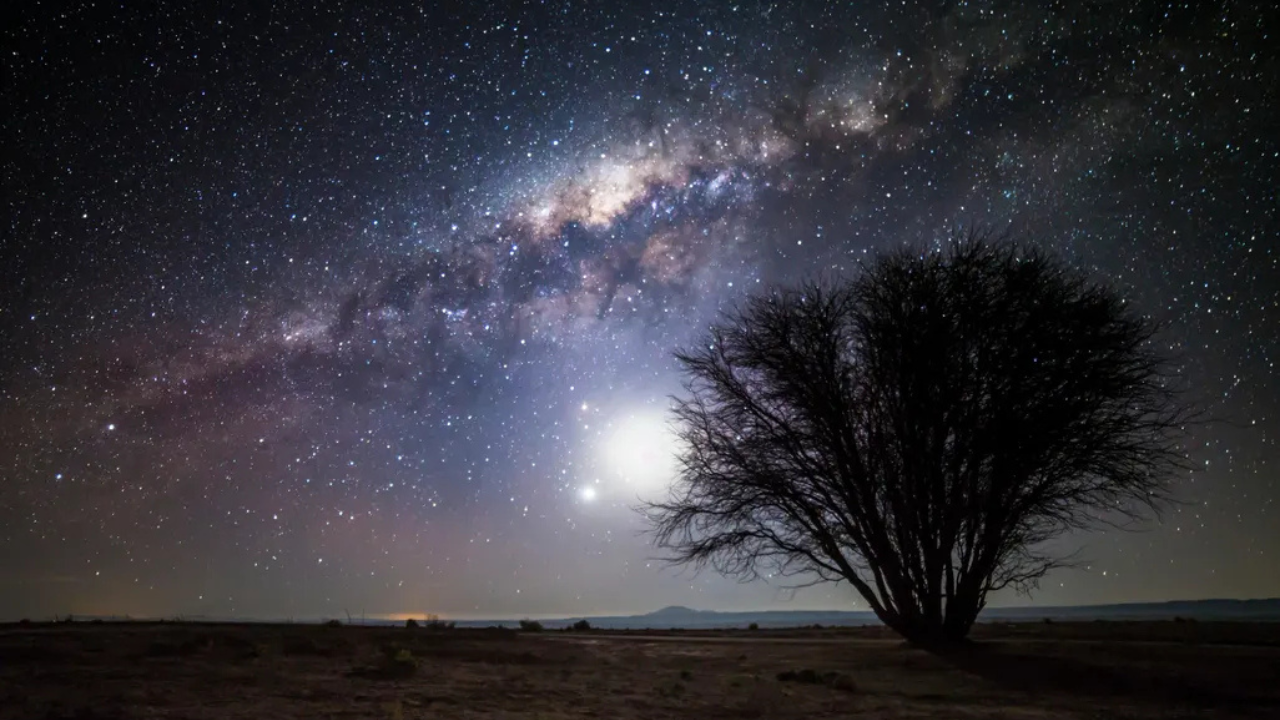
Atacama Desert, Chile
2. Namib Desert, NamibiaThe Namib Desert is one of the oldest deserts in the world and one of Africa’s premier stargazing destinations. Its low population density, dry climate and lack of urban development create remarkably dark skies. Visitors can enjoy unobstructed views of the southern celestial hemisphere including the Large and Small Magellanic Clouds, two dwarf galaxies visible to the naked eye.3. Mauna Kea, Hawaii, United StatesStanding 4,207 meters above sea level, Mauna Kea offers the clearest astronomical viewing conditions anywhere on the planet. The mountain rises above most of Earth’s atmospheric water vapor and cloud cover, giving astronomers a stable and transparent window into space. Several major international observatories are located near its summit.4. Aoraki McKenzie International Dark Sky Reserve, New ZealandLocated on New Zealand’s South Island, the Aoraki MacKenzie International Dark Sky Reserve covers more than 4,300 square kilometres. Strict controls on outdoor lighting help preserve the area’s pristine night skies. Tourists can easily see the Milky Way, star clusters and many constellations of the Southern Hemisphere that are not visible from northern latitudes.
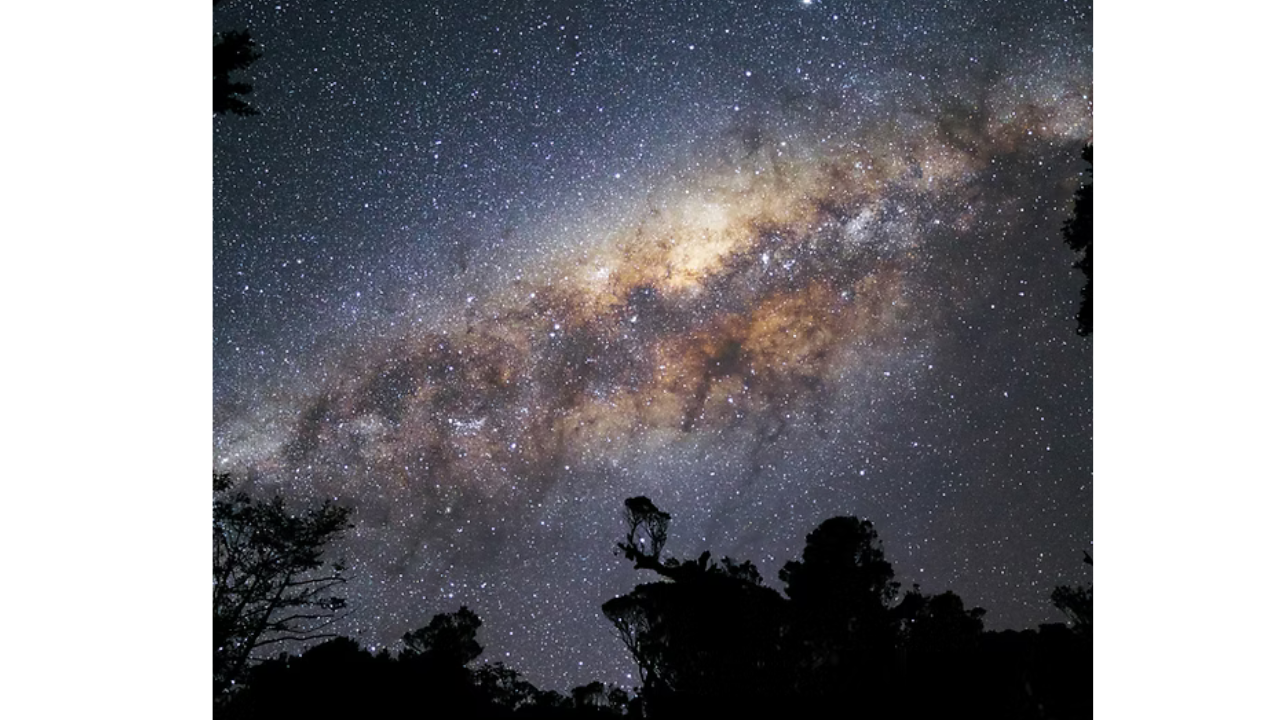
5. Jasper Dark Sky Preserve, CanadaLocated within Jasper National Park in Alberta, the Jasper Dark Sky Preserve is one of the largest accessible dark-sky preserves in the world. The combination of mountainous scenery and minimal light pollution creates excellent conditions for observing stars and planets. This preserve is especially popular during meteor showers and annual astronomy festivals.6. Galloway Forest Park, ScotlandDespite being located in the United Kingdom, Galloway Forest Park remains one of the darkest places in Europe. Named as Dark Sky Park, it offers remarkably clear views of the night sky. On favorable nights, visitors can see more than 7,000 stars, while in heavily light-polluted cities one may see only a few hundred stars.7. Kerry International Dark Sky Reserve, IrelandLocated on the southwest coast of Ireland, the Kerry International Dark Sky Reserve is recognized as one of the world’s premier dark-sky destinations. Its remote location, rugged landscape and low levels of artificial light provide excellent conditions for viewing planets, galaxies and the Milky Way throughout the year.8. Tibetan PlateauThe Tibetan Plateau, often called the “Roof of the World”, offers high altitude viewing conditions that rival those of many professional observatories. Thin air, low humidity and limited growth contribute to exceptionally dark skies. Many remote parts of the plateau provide breathtaking views of the Milky Way stretching beyond the horizon.9. Cherry Springs State Park, Pennsylvania, United StatesCherry Springs State Park has become one of North America’s most famous locations for amateur astronomy. Surrounded by forests and away from major cities, it has extremely low levels of light pollution. Stargazers regularly gather here to observe deep sky objects, including nebulae, galaxies, and star clusters.
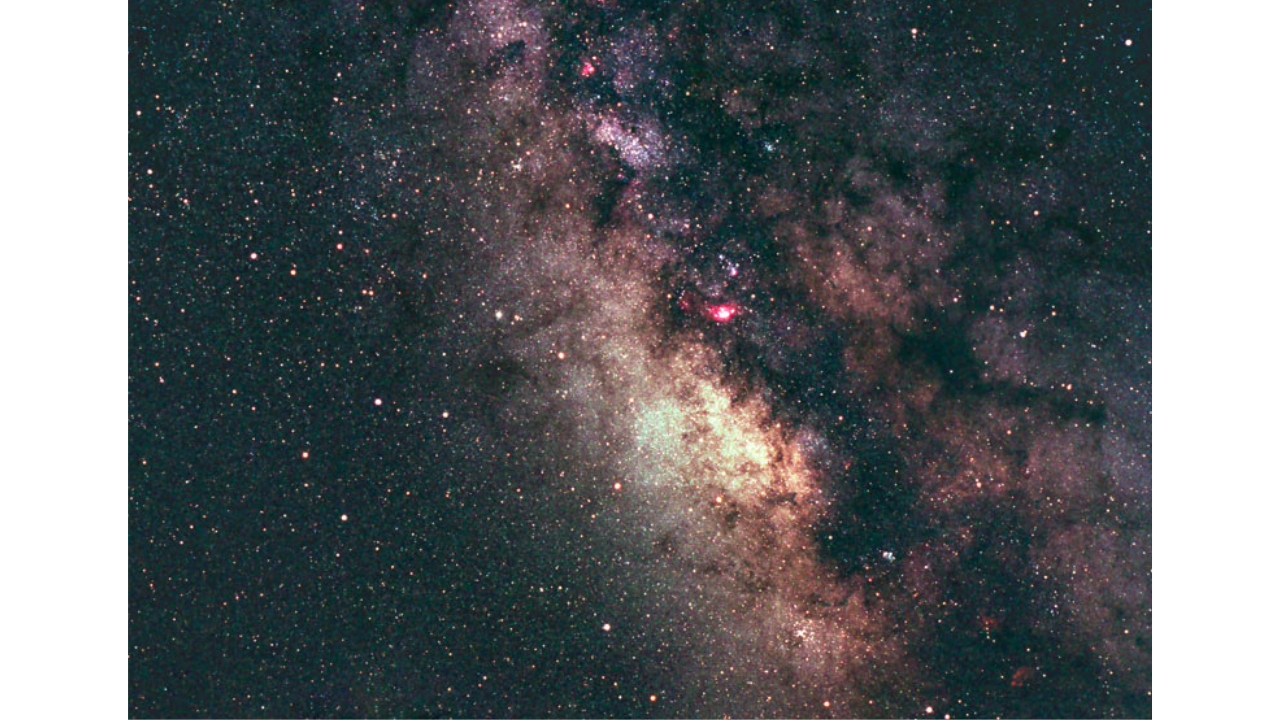
Cherry Springs State Park, Pennsylvania, United States
10. Australian Outback, AustraliaMuch of the Australian Outback is sparsely populated, making it one of the darkest inhabited regions on Earth. The combination of vast open landscapes and minimal artificial lighting creates ideal conditions for stargazing. The area around Uluru and remote parts of Western Australia offer extraordinary views of the southern night sky, including the center of the Milky Way.
Why are dark skies becoming rare?
Light pollution is increasing around the world as cities expand and artificial lighting becomes more widespread. Scientists have found that excessive light at night can affect wildlife behavior, disrupt ecosystems and reduce people’s ability to connect with the natural world. For astronomers, dark skies are essential for observing faint celestial objects and making new discoveries about the universe.
Preserving humanity’s window to the universe
Many of the world’s darkest regions are now protected through dark-sky reserves, national parks, and conservation initiatives. These efforts help ensure that future generations can continue to experience awe-inspiring views of the planets, stars, and galaxy. As light pollution continues to spread, these rare patches of darkness are becoming increasingly valuable, providing scientists with vital observing conditions and helping people maintain a direct connection with the night sky and the wider universe.