‘To benefit India and H-1B’: Controversy over Vivek Ramaswamy’s action on ‘disintegrated’ Ohio universities

'To benefit India and H-1B': Controversy over Vivek Ramaswamy's action on 'disintegrated' Ohio universities

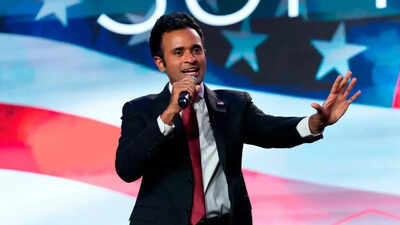
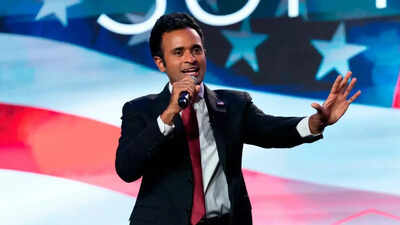
Controversy erupts after pre-DOGE surge Vivek Ramaswami Faced with criticism over claims that his higher education reform plan could harm local universities and jobs, MAGA critics alleged it could indirectly benefit India and H-1B visa holders.The controversy began when a right-wing social media user accused Indian-American Ramaswamy of wanting to “shut down” major engineering and STEM institutions, including the University of Akron, Kent State University and Central State University in Ohio. The post claimed that such a move would “eliminate global Ohio engineering competition to benefit India and H1B” and noted that the three institutions collectively employ about 20,000 people.This criticism follows an opinion piece by Ramaswami in The Columbus Dispatch, where he outlined a plan to reform what he described as Ohio’s “broken” public university system. He did not explicitly call for closure, but he argued that falling enrollment and rising costs demanded structural change.

‘Ohio must reform its ‘broken’ public universities’: Ramaswami

Ramaswami wrote in his article that Ohio is facing demographic and educational change. “The number of high school graduates in Ohio has peaked,” he said, adding that the figure is expected to decline 17 percent by 2041. Also, fewer students are opting for four-year degrees, with the enrollment rate falling from 59 percent in 2015 to 47.6 percent in 2021.He also pointed to rising costs, saying that “the total cost of attending Ohio’s public universities has increased by approximately 50% over the past 15 years”, increasing the pressure on families.Ramaswami said Ohio is dividing its funding among a number of colleges and campuses, including 14 public universities, 24 regional branches and 22 community colleges.Rather than closing universities altogether, he suggested turning universities with fewer students into special “centres of excellence”. He wrote, “Specialization creates distinctiveness and distinctiveness attracts students.” He further said that universities should focus on what they do best to improve quality and cut costs.However, critics of ‘America First’ argue that such restructuring could disproportionately impact small or regional institutions, potentially leading to job losses and reduced access to education. Most of the conservative base is already demanding a complete ban on H1-B visas. Ramaswamy is campaigning in the upcoming Ohio gubernatorial election, where he faces Republican rivals including Casey Putsch, and is expected to face Democrat Amy Acton in the main race. Vivek’s Indian roots have become a major hurdle in his campaign already in deep trouble. However, he has the support and endorsement of US President Donald Trump himself.

Source link

Tamil Nadu assembly election 2026 SWOT analysis: Can Stalin hold the Dravidian fortress or will Vijay’s TVK disrupt the old order? | India News

Tamil Nadu assembly election 2026 SWOT analysis: Can Stalin hold the Dravidian fortress or will Vijay’s TVK disrupt the old order?

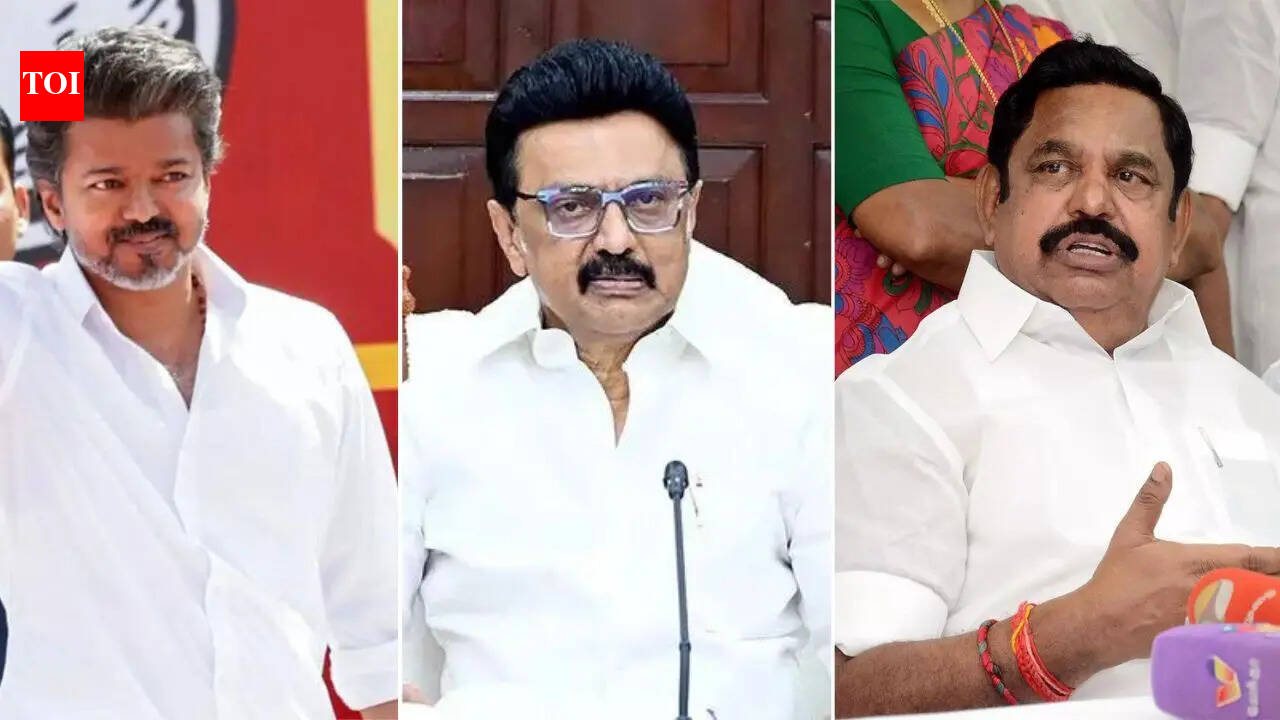
With campaign activity picking up across Tamil Nadu, the 2026 assembly election is shaping up as a high-stakes contest that could test the durability of the state’s long-standing Dravidian political order. What was once a largely bipolar contest is now evolving into a more complex, multi-cornered fight, with new entrants and shifting voter alignments adding layers of uncertainty.At the centre of the contest is M. K. Stalin, who heads into the election seeking a renewed mandate after completing a full term in office. The ruling Dravida Munnetra Kazhagam will rely on its governance record, welfare delivery, and alliance network, but also faces anti-incumbency, economic concerns, and opposition attacks on issues such as law and order and corruption.The opposition space remains fragmented. The All India Anna Dravida Munnetra Kazhagam, led by Edappadi K. Palaniswami, is attempting a recovery after electoral setbacks, but continues to deal with internal divisions and leadership challenges following the death of J. Jayalalithaa. Its alliance with the BJP-led NDA is expected to frame the election around governance gaps and anti-incumbency.Adding a new dimension to the contest is Tamilaga Vettri Kazhagam, led by Vijay, whose entry has introduced uncertainty, particularly in urban and youth voter segments. While the extent of its electoral impact remains unclear, its presence is likely to influence vote distribution in closely contested seats.The election, therefore, is not just a contest for power but a test of whether Tamil Nadu’s traditional two-party dominance can withstand emerging political fragmentation.

A shifting electoral landscape: What’s at stake

This election carries layered stakes. For the DMK, it is about continuity, consolidation, and legacy. For the AIADMK, it is about survival and reinvention. For TVK, it is about proving credibility beyond crowds and charisma. And for smaller players like NTK, it is about converting ideological presence into electoral relevance. Unlike previous elections, where alliances and voter blocs were relatively stable, this contest is marked by overlapping voter bases and fluid loyalties. Youth voters, urban middle classes, and even sections of minority communities are showing signs of shifting preferences, making electoral outcomes harder to predict.The presence of multiple contenders also raises the possibility of split mandates in several constituencies. In such a scenario, organisational strength and booth-level efficiency could prove more decisive than headline popularity.

Snapshot of past elections: Dominance with undercurrents of change

Tamil Nadu’s electoral history has long been defined by the alternating dominance of the DMK and the AIADMK, a pattern that has shaped the state’s political identity for decades. The 2021 Assembly elections continued this trend, with the DMK returning to power under M K Stalin after a decade, securing a comfortable majority along with its allies.Yet, beneath this continuity, subtle shifts have been underway. The AIADMK, despite losing power, retained a substantial vote share, indicating that its support base remains intact in several regions. At the same time, smaller players began to register incremental gains. Naam Tamizhar Katchi, for instance, expanded its vote share without converting it into seats, pointing to a growing appetite for alternatives beyond the Dravidian duopoly.
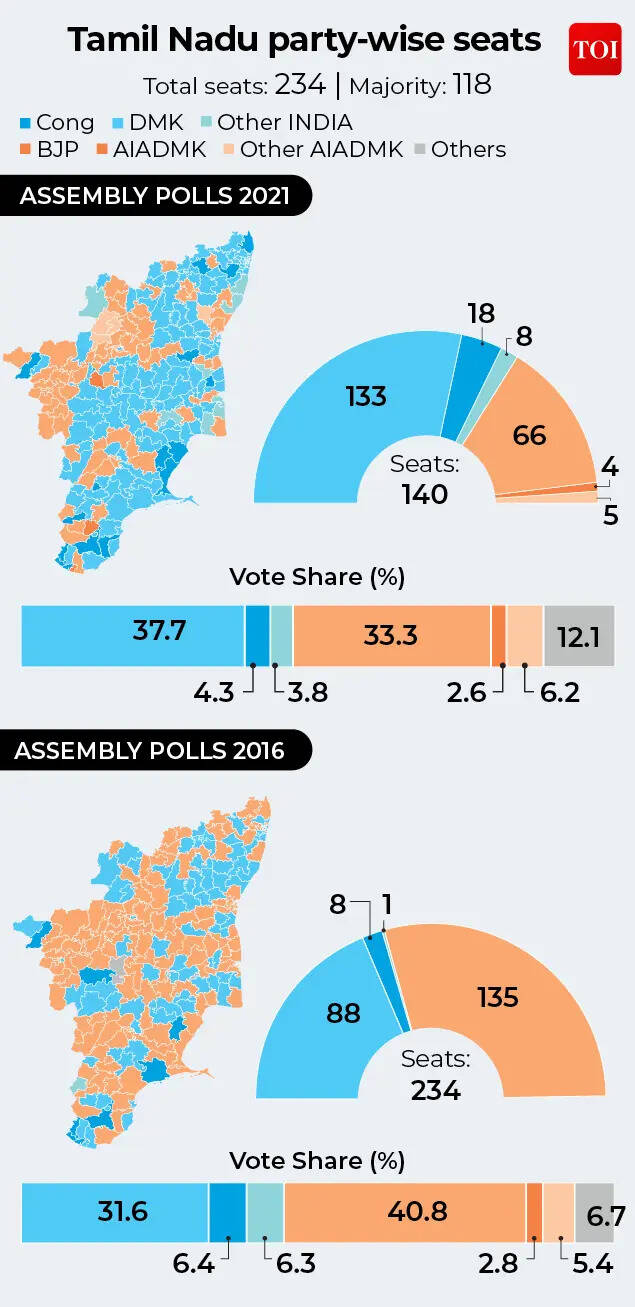
ASSEMBLY POLLS3

.

The Lok Sabha elections further reflected these trends, with the DMK-led alliance consolidating its position, even as the BJP made limited but noticeable inroads in select pockets. Urban voting behaviour, in particular, showed early signs of fragmentation, with younger voters displaying weaker attachment to traditional party loyalties.As the state approaches the 2026 Assembly elections, these undercurrents have grown sharper. The entry of new political formations, internal fractures within established parties, and evolving voter expectations suggest that while the structure of dominance remains, the ground beneath it is steadily shifting.

High-stakes contests and leadership battles

Stalin vs the challengers: a referendum on governance

At the centre of the 2026 contest stands M K Stalin, facing what is effectively a referendum on his first full term in office. Unlike previous elections driven largely by personality clashes between towering leaders, this battle is more layered — combining leadership evaluation with scrutiny of governance delivery.Stalin’s campaign is anchored in the “Dravidian model,” which blends welfare expansion with administrative reform and a strong pitch on federal rights. Schemes targeting women, education, and social security have helped build a wide beneficiary base, while infrastructure projects in urban centres aim to reinforce a development narrative. For the DMK, the election is as much about defending this governance record as it is about retaining political dominance. However, the challenge before Stalin is not from a single, unified opponent. Instead, he faces a fragmented but collectively potent opposition. The AIADMK under Edappadi K Palaniswami is attempting to channel anti-incumbency, focusing on issues such as law and order, corruption allegations, and rising living costs. At the same time, Vijay’s Tamilaga Vettri Kazhagam is targeting urban voters and youth, seeking to convert dissatisfaction into a broader anti-establishment sentiment.This multi-front challenge makes the election less about a direct face-off and more about vote distribution. Even limited erosion of the DMK’s core support — whether among urban middle classes, youth, or minority voters — could alter outcomes in closely contested seats.Ultimately, the contest around Stalin is not just about leadership, but about continuity versus disruption. A renewed mandate would cement his position and mark a rare instance of consecutive victories for the DMK, while any setback could signal that Tamil Nadu’s electorate is ready to move beyond familiar political patterns.

The Udhayanidhi factor: Heir or emerging leader?

Another key figure in this election is Udhayanidhi Stalin. His rapid rise within the DMK has made him both an asset and a point of criticism.For supporters, he represents generational change. For critics, he reinforces the narrative of dynastic politics. This election will test whether he can move beyond being seen as a political heir and establish independent electoral credibility.

Faces to watch: Fragmentation, switches and new entrants

Sasikala’s shadow over the AIADMK

V K Sasikala’s re-entry into active politics has added a crucial variable, particularly in southern Tamil Nadu. Her influence among Thevar communities continues to matter, and even a marginal vote split could impact tight contests.Her political moves also underline the unresolved leadership crisis within the AIADMK. The continued contest over J Jayalalithaa’s legacy remains central to opposition dynamics.

O Panneerselvam’s NDA shift

The induction of O Panneerselvam into the NDA reflects ongoing realignments. Once a key AIADMK leader, his shifting political trajectory mirrors the fragmentation within the party.While his presence may help consolidate certain caste-based support, questions remain about the extent of his electoral influence in the current political climate.

Vijay’s TVK: from fandom to political force

Vijay’s Tamilaga Vettri Kazhagam is perhaps the most closely watched entrant. His ability to convert fan clubs into political units gives him a unique organisational base, especially in urban and semi-urban areas.However, the real test lies in translating crowd mobilisation into votes — a challenge that has historically tripped up celebrity-driven political ventures.

What parties will campaign on

The 2026 Tamil Nadu election is expected to be fought on a layered mix of welfare politics, governance claims, identity narratives, and emerging economic anxieties. While each party enters the contest with its own framing, there is a clear overlap in the issues they will seek to own — from household economics to questions of federalism.For the ruling DMK, the campaign is likely to centre on its “Dravidian model” of governance. Under M K Stalin, the party is expected to foreground its welfare architecture — including schemes aimed at women, education, and social security — alongside its push on urban infrastructure and public service delivery. Equally central will be its political messaging around federal rights, with the DMK positioning itself as a defender of Tamil Nadu’s autonomy against what it describes as increasing centralisation. This framing, pitched as “Tamil Nadu versus Delhi,” is likely to be used to consolidate regional pride and ideological support.The AIADMK-led NDA, on the other hand, is expected to build its campaign around governance gaps and anti-incumbency. Led by Edappadi K Palaniswami, the alliance is likely to highlight concerns over law and order, allegations of corruption, and rising costs of living. Issues such as drug circulation, crimes against women, and urban civic problems — including flooding, waste management, and traffic congestion — are expected to be used to question the DMK’s administrative record. At the same time, the NDA may attempt to balance this critique with a development-oriented narrative, drawing on central government schemes and infrastructure investments to appeal to urban and middle-class voters.For Vijay’s Tamilaga Vettri Kazhagam (TVK), the campaign is likely to take a sharply anti-establishment tone. Positioned as an alternative to both the DMK and the AIADMK, TVK is expected to focus on corruption, accountability, and systemic reform. Its messaging is likely to resonate with younger voters, gig workers, and urban professionals who feel disconnected from traditional party politics. TVK may also emphasise transparency and clean governance, attempting to contrast itself with what it portrays as entrenched political structures.Meanwhile, Seeman’s Naam Tamizhar Katchi (NTK) is expected to stay rooted in its ideological core. Its campaign will likely revolve around Tamil nationalism, environmental protection, agrarian distress, and local resource rights. Issues such as water sharing, land acquisition, and ecological degradation are expected to feature prominently, particularly in rural and coastal constituencies.Across parties, economic concerns are likely to form a common thread. Inflation, employment opportunities, and household financial stress are emerging as key voter concerns, especially among the urban middle class and lower-income groups. Women voters, who have become a decisive electoral bloc, are expected to be at the centre of competing narratives — whether through welfare delivery, safety concerns, or household economics.In essence, while the DMK will seek to defend its record and ideological positioning, the opposition will attempt to convert dissatisfaction into votes, and new entrants will try to redefine the terms of the debate. The election, therefore, is set to be a contest not just of promises, but of competing political narratives about governance, identity, and the future direction of Tamil Nadu.

Campaign themes: Identity, governance and aspiration

Welfare vs economic pressure

The DMK’s campaign is expected to foreground welfare schemes — from free bus travel for women to financial assistance programmes. These initiatives have created a broad beneficiary base, particularly among women.However, rising costs of living, employment concerns, and urban civic issues could temper this advantage. The opposition is likely to frame the election as a question of economic pressure versus welfare delivery.

Law and order and governance narrative

Issues such as crime, drug circulation, and urban infrastructure gaps are expected to feature prominently. The AIADMK-led NDA is likely to target these concerns to build an anti-incumbency narrative.

Tamil identity vs national alignment

The DMK is expected to sharpen its federalism pitch, positioning itself as a defender of Tamil identity against perceived central overreach. This has historically been a powerful narrative in the state.On the other hand, the AIADMK’s alliance with the BJP introduces a contrasting framework — one that emphasises national integration and development, but also risks alienating sections sensitive to identity politics.

A SWOT analysis of key parties highlights their prospects and hurdles:

DMK-led front

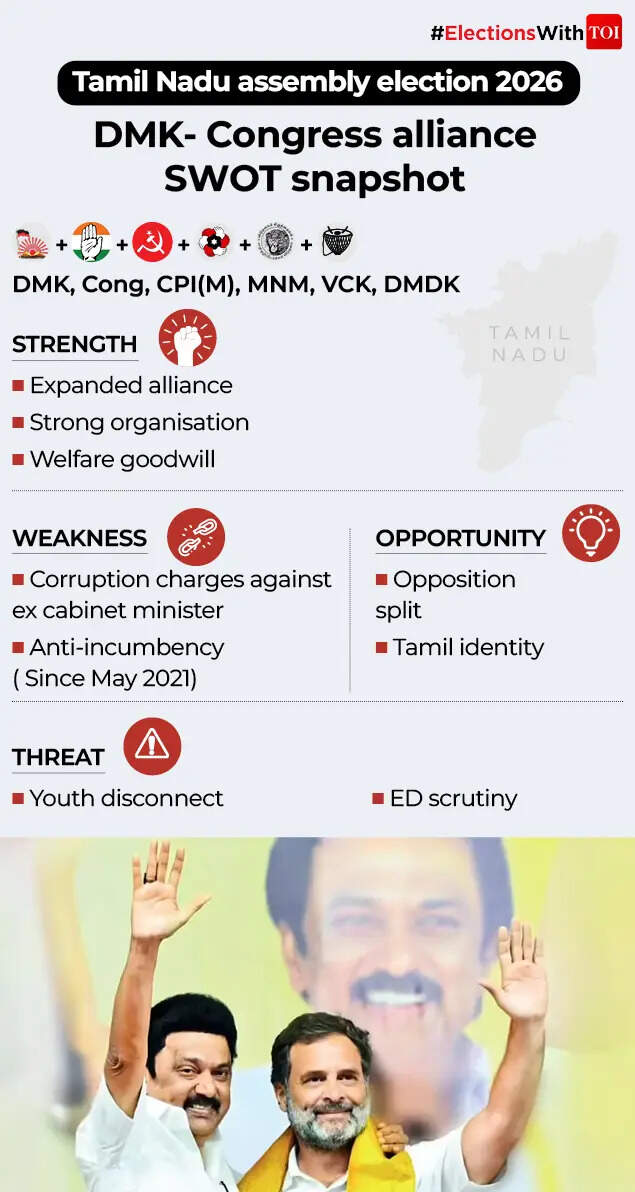
Strength: Under M K Stalin, the DMK has emerged as the most structurally stable political force in the state, combining leadership continuity with a strong organisational backbone. Its cadre-driven machinery, deeply embedded at the booth level, gives it a clear mobilisation advantage across regions. The party’s expansive alliance — spanning minorities, Dalits, Left parties and regional players — allows it to consolidate a broad social coalition and reduce vote fragmentation.The DMK’s governance pitch is anchored in welfare delivery and visible urban development. Schemes such as financial assistance for women, education initiatives, and social security programmes have built a loyal beneficiary base, while infrastructure upgrades in cities like Chennai reinforce its development narrative. Stalin’s positioning as a steady administrator and a vocal advocate of federal rights further strengthens the party’s appeal.
DMK Gfx

.

Weakness: After a full term in power, the DMK faces the weight of anti-incumbency. Concerns around rising living costs, employment stagnation, and urban civic issues — including flooding, waste management and congestion — have created pockets of dissatisfaction.The opposition has also sharpened its attack on the perception of dynastic politics, particularly around Udhayanidhi Stalin’s growing prominence. Allegations of corruption involving senior leaders and recurring law and order concerns add to the party’s vulnerabilities, even if not electorally decisive on their own.Opportunity: A fragmented opposition remains the DMK’s biggest advantage. With votes likely to be split between the AIADMK-led NDA, TVK, and NTK, the ruling front stands to benefit in closely contested constituencies.The party can also deepen its outreach among women voters through welfare schemes, while leveraging its alliance network to tailor constituency-level strategies. Its federalism plank — framing the contest as one between Tamil Nadu and central authority — continues to resonate and offers a strong ideological anchor.Threat: The rise of Vijay’s Tamilaga Vettri Kazhagam poses a direct challenge, particularly among youth, urban voters, and sections of minorities.At the same time, if the AIADMK-led NDA succeeds in consolidating anti-incumbency and presenting a unified narrative, it could tighten contests in key seats. Economic pressures, including inflation and household financial stress, also risk diluting the impact of welfare-driven politics.

AIADMK-led NDA

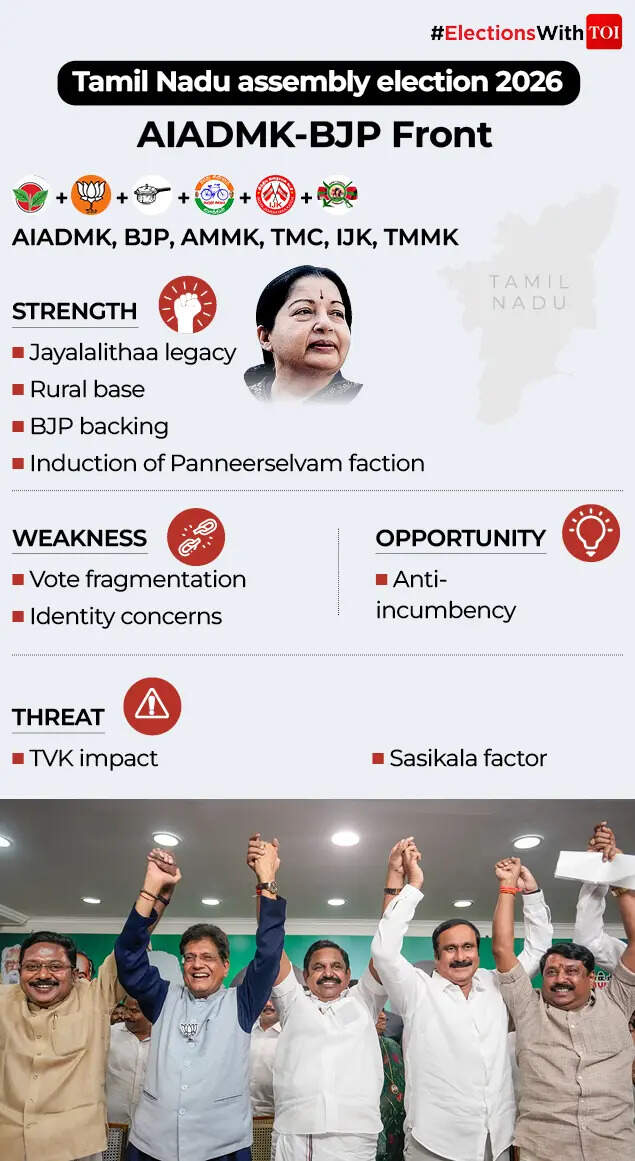
Strength: Despite recent setbacks, the AIADMK retains a residual but significant grassroots network, particularly in western and southern Tamil Nadu. Its cadre base, built over decades, continues to provide electoral depth. The enduring legacy of J Jayalalithaa still carries emotional weight among sections of voters, especially women and rural communities.Its alliance with the BJP-led NDA adds financial resources, campaign infrastructure, and a broader national narrative centred on development and governance. The front is also well-positioned to capitalise on anti-incumbency against the DMK.
AIADMK gfx

.

Weakness: The absence of a unifying, charismatic leader remains the alliance’s biggest structural challenge. While Edappadi K Palaniswami has consolidated organisational control, the party lacks the emotional connect once commanded by Jayalalithaa.Internal fragmentation — including the parallel influence of leaders like V K Sasikala and O Panneerselvam — has weakened its traditional vote base. The alliance with the BJP has also led to erosion of minority support, while its urban presence and appeal among younger voters remain limited.Opportunity: The AIADMK-led NDA’s primary opportunity lies in effectively consolidating anti-incumbency. By foregrounding issues such as law and order, corruption allegations, and rising costs, it can position itself as the principal alternative to the DMK.Strategic caste consolidation through alliance partners and renewed outreach to women voters on issues of safety and household economics could help rebuild its social coalition. It can also appeal to urban middle classes through a development-focused narrative.Threat: The emergence of TVK poses a major threat by splitting the anti-DMK vote, particularly among youth and urban voters.The continued influence of Sasikala in southern districts risks fragmenting the AIADMK’s core support base. Additionally, credibility issues arising from past corruption allegations weaken its ability to attack the DMK on similar grounds. Organisational fatigue and repeated electoral losses could further impact cadre mobilisation.

Tamilaga Vettri Kazhagam (TVK)

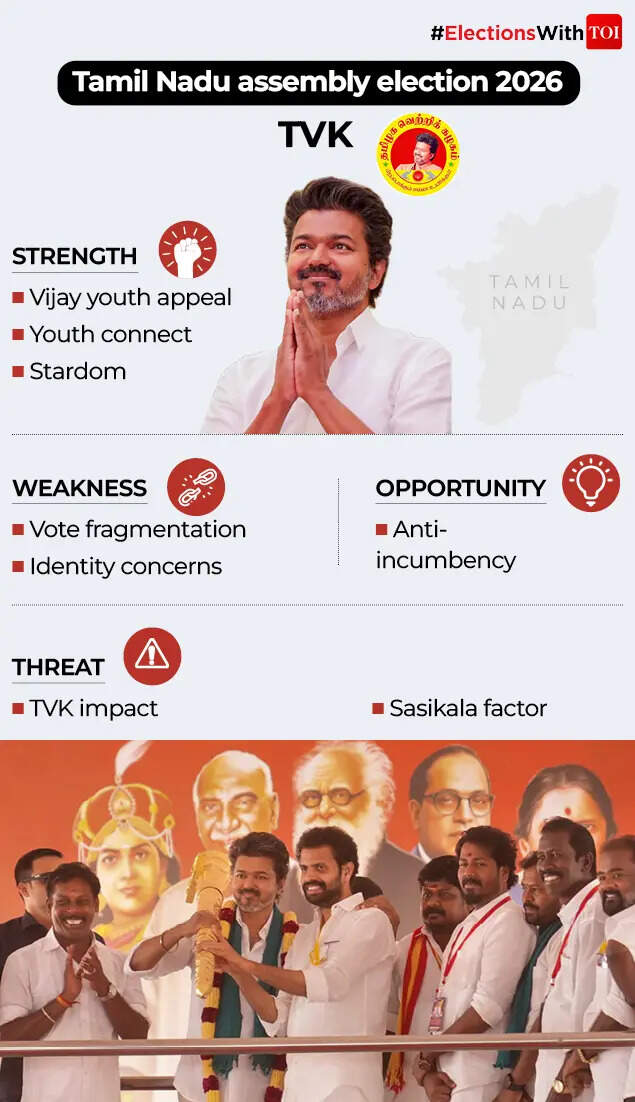
Strength: Led by Vijay, TVK’s biggest strength lies in its ability to convert celebrity appeal into political mobilisation. Its fan clubs provide a ready-made grassroots network, particularly in urban and semi-urban areas.The party has struck a chord with youth and first-time voters, positioning itself as a clean, anti-establishment alternative. Its strong digital presence and high-energy campaign style give it visibility that rivals established parties.
TVK gfx

.

Weakness: Despite its momentum, TVK lacks a tested organisational structure capable of delivering votes at the booth level. Its heavy dependence on Vijay’s personal charisma raises questions about depth and scalability.The absence of governance experience and a second line of leadership adds to scepticism among voters, particularly in rural areas. Candidate selection, largely reliant on newcomers, may also affect electoral credibility.Opportunities: The fragmentation within the AIADMK and the broader opposition space presents TVK with a significant opening. It can attract disillusioned voters seeking an alternative to both Dravidian majors.Urban centres such as Chennai, Coimbatore, and Madurai offer fertile ground, with higher youth populations and visible dissatisfaction with traditional politics. Even a modest electoral performance could establish TVK as a long-term political force.Threat: One of the biggest risks for TVK is being perceived as a “vote-cutter,” inadvertently benefiting the DMK by splitting opposition votes.There also remains a gap between crowd mobilisation and actual vote conversion. Established parties are likely to question its credibility, governance readiness, and ideological clarity. Competition with Seeman’s NTK for similar voter segments could further divide the anti-establishment vote.

The larger question: Continuity or transition?

For M K Stalin, this election is about more than just returning to power. It is about legacy — achieving what M Karunanidhi never did: winning consecutive terms.For the opposition, it is about survival, relevance, and reclaiming lost ground. For new entrants like TVK, it is about breaking into a system that has historically resisted disruption.As Tamil Nadu heads to the polls, the key question is no longer just who will win. It is whether the state’s political structure itself is beginning to change.Will the Dravidian model adapt and endure, or is this the election where new forces begin to redraw the map?The answer will shape not just the next government, but the future trajectory of Tamil Nadu politics.

Source link

भव्य समारोह के साथ ‘श्री राम पर्व’ का समापन, अयोध्या में भक्ति और संस्कृति का अद्भुत संगम

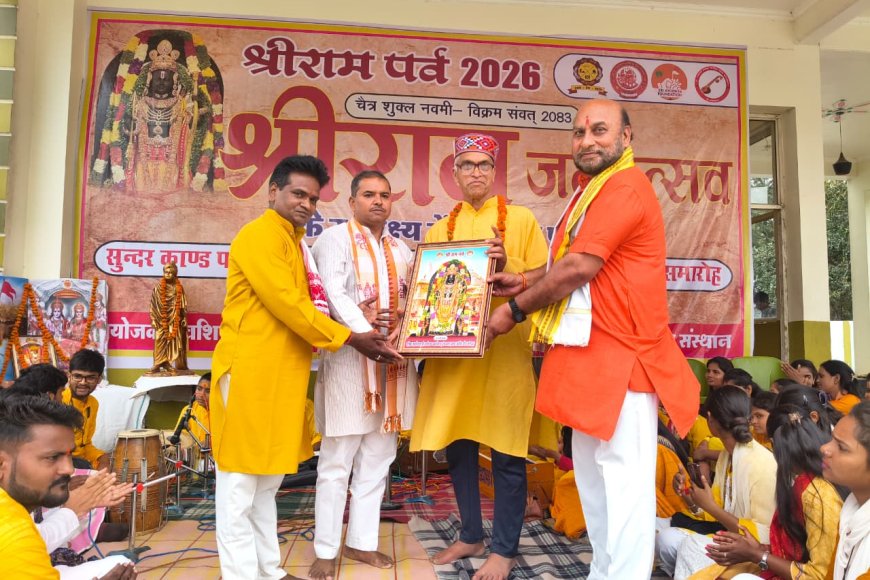
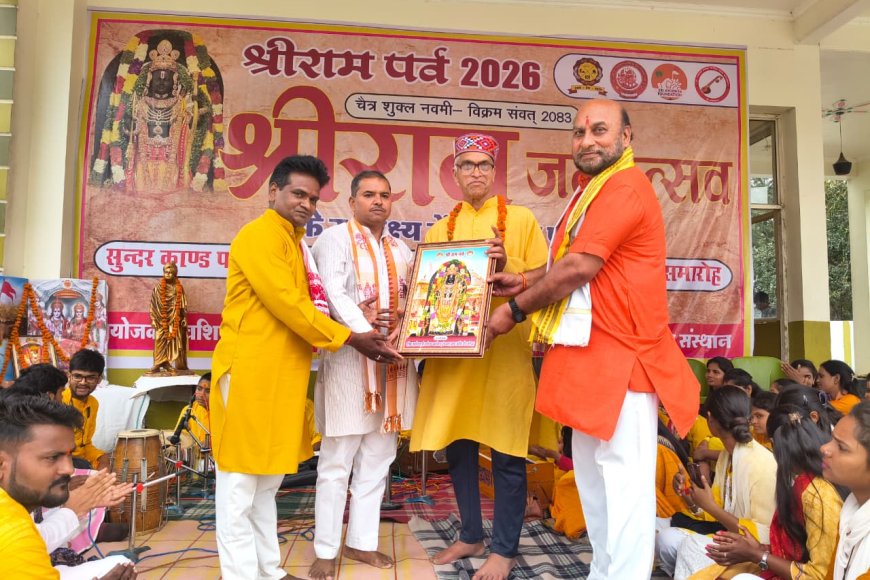
अयोध्या में अभिनंदन समारोह के साथ नौ दिवसीय ‘श्री राम पर्व’ का भव्य समापन हुआ. यह आयोजन मर्यादा पुरूषोत्तम भगवान श्रीराम के आदर्शों को जन-जन तक पहुंचाने और नगर के विकास के संकल्प के साथ आयोजित किया गया था। वर्ष प्रतिपदा से शुरू हुए इस महोत्सव ने भक्ति, संस्कृति और योग को एक मंच पर लाकर लोगों को जोड़ने का काम किया। कार्यक्रम ने आधुनिक जीवनशैली और प्राचीन भारतीय परंपरा के बीच एक मजबूत संबंध स्थापित किया।

16 स्थानों पर आध्यात्मिक कार्यक्रम हुए
कार्यक्रम गिरीश पति त्रिपाठी के संरक्षण एवं इंजीनियर रवि तिवारी के संयोजन में आयोजित किया गया। अयोध्या क्षेत्र में 16 अलग-अलग स्थानों पर विभिन्न आध्यात्मिक कार्यक्रमों का आयोजन किया गया। पं. के छात्र. ज्वाला प्रसाद संगीत शोध संस्थान ने अवध शैली में ‘राग मिश्र पीलू’ और सुंदरकांड का पाठ किया। ये प्रस्तुतियाँ संस्थान के निदेशक डॉ. सत्य प्रकाश मिश्र के मार्गदर्शन में दी गईं। साथ ही सामूहिक हनुमान चालीसा पाठ और भारत माता आरती के माध्यम से भक्ति और देशभक्ति का संगम देखने को मिला.

योग शिविर बना मुख्य आकर्षण
इस महोत्सव का विशेष आकर्षण दर्शन नगर स्थित सूर्य कुंड में आयोजित सात दिवसीय योग शिविर रहा. यह शिविर श्रीनिवास मूर्ति के निर्देशन में आयोजित किया गया। इसमें लोगों को योग आसन, प्राणायाम और शुद्धि प्रक्रियाएं सिखाई गईं, जिससे उन्हें स्वास्थ्य लाभ मिला। शिविर में ब्रह्माकुमारी ईश्वरीय विश्वविद्यालय की बी. का। मुकेश ने भी हिस्सा लिया और योग को आध्यात्मिक शक्ति का आधार बताया.

संगोष्ठी एवं सांस्कृतिक कार्यक्रम
कार्यक्रम के दौरान ‘राम राज्य की अवधारणा’ और ‘नागरिक कर्तव्य’ विषय पर सेमिनार का आयोजन किया गया। वक्ताओं ने कहा कि राम राज्य तभी संभव है जब नागरिक अपने कर्तव्यों के प्रति जागरूक होंगे। समापन अवसर पर सांस्कृतिक संध्या में अयोध्या की कला और परंपरा को खूबसूरती से प्रस्तुत किया गया।

सम्मान समारोह एवं योगदान
समापन समारोह में उन सभी लोगों और संस्थाओं को सम्मानित किया गया जिन्होंने इस आयोजन को सफल बनाने में योगदान दिया. इसमें श्रीनिवास शास्त्री, चन्द्रशेखर तिवारी, विवेक पांडे ‘रुद्राक्ष’, ब्रजमोहन तिवारी और डॉ. उपेन्द्र मणि त्रिपाठी समेत कई लोगों ने अहम भूमिका निभाई। इसके अलावा वशिष्ठ फाउंडेशन, श्री अयोध्या फाउंडेशन और एस्सेल गुरुकुल ट्रस्ट जैसे संगठनों ने भी महत्वपूर्ण योगदान दिया।

आयोजकों ने आभार व्यक्त किया
आयोजक रवि तिवारी ने सभी सहयोगियों का आभार व्यक्त करते हुए कहा कि यह महोत्सव अयोध्या की पहचान वैश्विक स्तर पर स्थापित करने का एक प्रयास है। कार्यक्रम में अनेक प्रबुद्ध नागरिक, योग साधक एवं गणमान्य लोग उपस्थित थे।

(रिपोर्ट:अनूप कुमार अयोध्या)

Source link

TOI journalist receives Ramnath Goenka award for citizen reporting. india news

TOI journalist receives Ramnath Goenka Award for citizen reporting

Sandeep Dighe, special correspondent, Pune, The Times of India, Pune, was honored with the Ramnath Goenka Excellence in Journalism Award at the Prakash Cardele Memorial Award for Civic Journalism category on Friday.Vice President CP Radhakrishnan presented the award for the year 2024 to Dighe at a ceremony in New Delhi. Dighe received the award for his extensive reporting on irregularities in Old Grant Bungalows in Pune and Khadki Cantonment Board areas in 2024.Their report highlighted anomalies such as use of these residential properties for commercial activities, unauthorized construction and in some cases selling of bungalows to builders, in violation of orders for No Objection Certificate from the competent defense authority. He also reported on several civil issues affecting both the cantonment areas.The series of reports attracted the attention of the Directorate General of Defense Estates, Inspector General of State Registration and Army authorities, who then took appropriate action to stop such transactions.

Source link

Clavicular breaks silence after release from jail as he shows no remorse in crocodile video and attack case

Clavicular breaks silence after release from jail as he shows no remorse in crocodile video and attack case
Influencer Clavicular, whose real name is Braden Eric Peters, reacted after giving a casual comment following his release from a Florida prison. Arrested on charges of battery and conspiracy, he is also under investigation for the viral video of him shooting a crocodile. His brief comment, “Just woke up,” prompted criticism as the investigation continued and online outrage grew.

A viral moment outside a Florida prison has put controversial streamer Braden Eric Peters, better known as Clavicular, back in the spotlight. Hours after securing his release on bond, the 20-year-old seemed unfazed by the legal storm brewing around him. Cameras caught him casually walking out, phone in hand, offering little more than a shrug to reporters eager for answers about his arrest and a separate wildlife controversy.The case has attracted intense attention not only because of the allegations, but also because of Clavicular’s growing online personality associated with “luxmaxing” culture. Investigators say there is a pattern of reckless behavior behind the curated content. His recent encounter with the law has made people more suspicious. Critics are wondering how far influencers can go before facing real consequences.

Clavicular quietly walks out of jail, avoids questions over crocodile video assault case

When Clavicular was contacted by reporters outside the prison, he avoided giving detailed answers. He remained silent on questions about the Everglades video and his alleged role in the violent dispute. It was only when a reporter commented on his general online confidence that he responded briefly. “Just woke up,” he said. “I’m a little tired, so maybe next time.”That short answer has since gone viral, not for what it revealed but for what it avoided. Authorities say the charges stem from an incident in February near Kissimmee, where Clavicular allegedly encouraged a fight between two women at a rental property. Investigators believe he not only instigated the controversy but also shared the footage online to draw attention.The legal troubles do not end here. He is also under investigation after a separate video surfaced showing him shooting a dead alligator, an act that sparked outrage and raised concerns of possible wildlife violations in Florida. Although authorities have not confirmed additional charges related to that incident, the footage continues to circulate widely, sparking controversy.Law enforcement officials say the arrest followed a formal complaint and supporting evidence, including video clips, reviewed during the investigation. After refusing to cooperate at the scene, Clavicular was later taken into custody and booked before securing his release.For now, the influencer is free, but the silence following his release has only added to the noise online. As the case unfolds, the gap between internet fame and legal accountability is once again in the spotlight.

Source link

मुजफ्फरनगर: आलोक स्वरूप बने शाश्वत हिंदू प्रतिष्ठान के राष्ट्रीय उपाध्यक्ष, अभिनव स्वरूप जिलाध्यक्ष- मंदिर आधारित सामाजिक-आर्थिक मॉडल का बड़ा ऐलान.

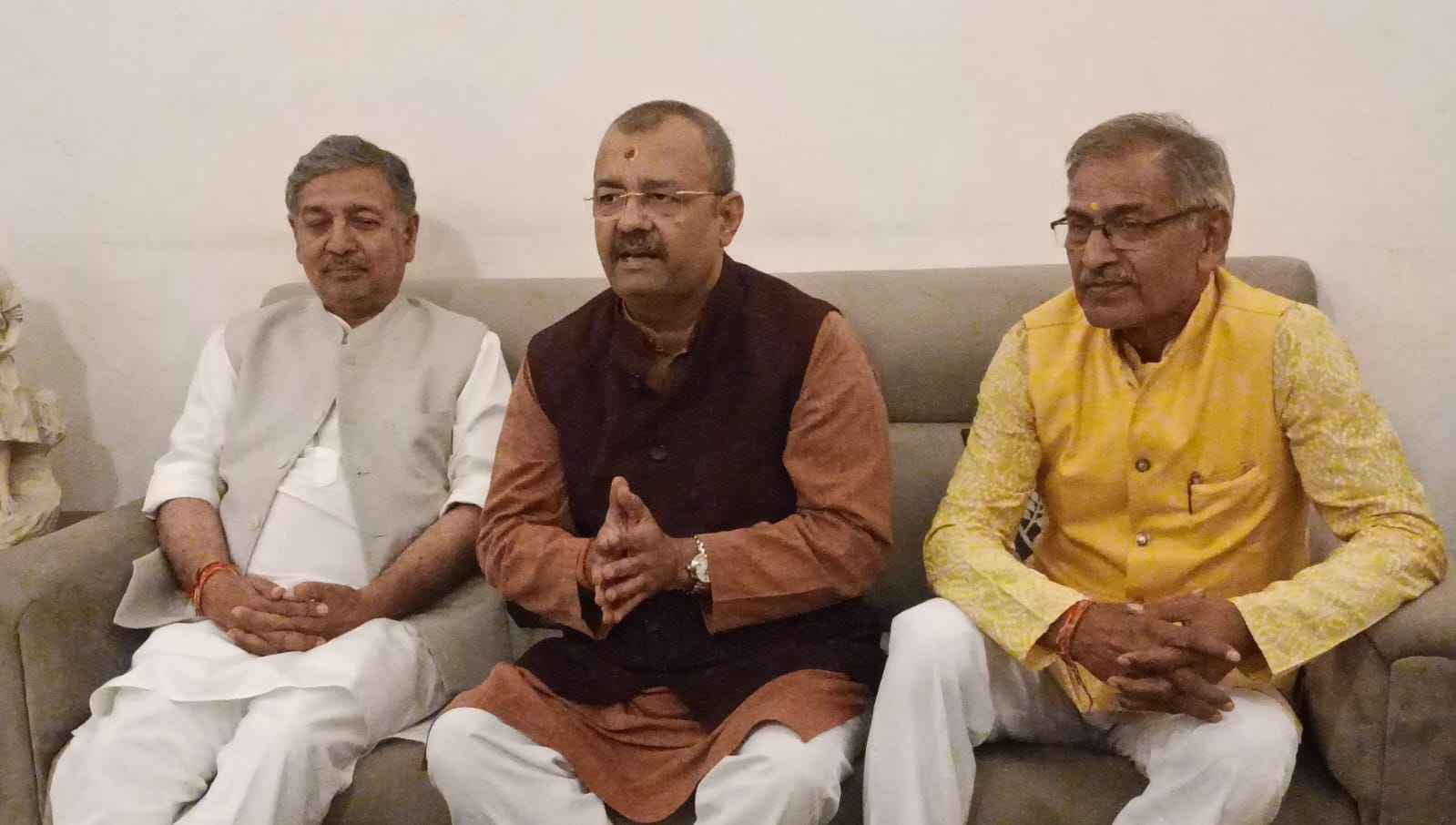
ज़िला मुजफ्फरनगर मुंबई में आयोजित एक महत्वपूर्ण प्रेस कॉन्फ्रेंस के दौरान शाश्वत हिंदू प्रतिष्ठान ने संगठनात्मक विस्तार और मंदिर आधारित सामाजिक-आर्थिक मॉडल के लिए व्यापक योजनाओं की घोषणा की। इस अवसर पर शहर के प्रमुख उद्योगपति स्व प्रकाश रूप संगठन के राष्ट्रीय उपाध्यक्ष एवं उद्योगपति अभिनव रूप जिला अध्यक्ष नियुक्त किया गया. साथ ही श्रवण अग्रवाल जिला महासचिव की जिम्मेदारी दी गई।

भोपा रोड स्थित आलोक स्वरूप के आवास पर आयोजित इस प्रेसवार्ता में संगठन के राष्ट्रीय महासचिव इं. संजय शर्मा आगामी योजनाओं की विस्तृत रूपरेखा प्रस्तुत की और मंदिरों को सामाजिक परिवर्तन का केंद्र बनाने की दिशा में संगठन की रणनीति साझा की। 🏛️


मन्दिरों को सामाजिक एवं आर्थिक गतिविधियों का केन्द्र बनाया जायेगा

प्रेस वार्ता के दौरान बताया गया कि संगठन का उद्देश्य मंदिरों को सिर्फ धार्मिक स्थलों तक सीमित रखना नहीं है बल्कि उन्हें सामाजिक, आर्थिक और सांस्कृतिक गतिविधियों का सशक्त केंद्र बनाना है. इस दिशा में एक व्यापक राष्ट्रीय पहल के रूप में “मंदिर आधारित मॉडल” विकसित किया जा रहा है।

संगठन का मानना ​​है कि भारतीय समाज की ऐतिहासिक संरचना में मंदिर न केवल पूजा स्थल रहे हैं, बल्कि शिक्षा, स्वास्थ्य, सेवा और आर्थिक सहयोग के केंद्र के रूप में भी कार्य करते रहे हैं। इस परंपरा को आधुनिक रूप देने की योजना तैयार की गयी है.


मंदिर परिसर में स्वदेशी उत्पादों को बढ़ावा दिया जाएगा

राष्ट्रीय महासचिव संजय शर्मा ने कहा कि आने वाले समय में मंदिर परिसर में स्वदेशी उत्पादों की बिक्री को बढ़ावा दिया जाएगा. इसके लिए “एटरनल बाज़ार” नाम से एक ई-कॉमर्स प्लेटफॉर्म विकसित किया जा रहा है, जिसके माध्यम से स्थानीय व्यापारियों और लघु उद्योगों को सीधे उपभोक्ताओं से जोड़ने का प्रयास किया जाएगा।

इस पहल का उद्देश्य ‘लोकल फॉर वोकल’ की भावना को मजबूत करना और स्वदेशी अर्थव्यवस्था को नई दिशा देना बताया गया।


मंदिरों में आधुनिक स्वास्थ्य सुविधाओं की भी योजना

संगठन ने यह भी घोषणा की कि भविष्य में मंदिर परिसर के आसपास आधुनिक सुविधाओं वाला एक अस्पताल विकसित करने की योजना बनाई जा रही है। इसका उद्देश्य इन अस्पतालों को उच्च स्तरीय चिकित्सा सेवाओं से जोड़ना है, ताकि समाज के विभिन्न वर्गों को सुलभ स्वास्थ्य सुविधाएं मिल सकें।

इस पहल को धार्मिक आस्था और समाज सेवा के समन्वय का नया मॉडल पेश करने की दिशा में अहम कदम माना जा रहा है.


‘सनातन आंगन’ से होगा सामाजिक समरसता का विस्तार!

संगठन की प्रमुख योजनाओं में “अनन्त आंगन” विशेष रूप से उल्लेखनीय है। इसके माध्यम से मंदिरों को सामाजिक संवाद, सामुदायिक सहयोग और सांस्कृतिक गतिविधियों के केंद्र के रूप में विकसित किया जाएगा।

इस पहल का उद्देश्य समाज में आपसी सहयोग, एकता और सांस्कृतिक जागरूकता को मजबूत करना है।


‘एटरनल कार्ड’ और ‘आशीर्वाद कार्ड’ सामाजिक सहयोग के नए आयाम जोड़ेंगे

प्रेस कॉन्फ्रेंस के दौरान “एटरनल कार्ड” को एक विशेष डेबिट कार्ड के रूप में पेश किया गया, जिसके माध्यम से किए गए प्रत्येक लेनदेन का एक हिस्सा मंदिर संरक्षण और सामाजिक सेवा कार्यों में लगाया जाएगा।

इसके साथ ही, “आशीर्वाद कार्ड” को वफादारी और इनाम आधारित प्रणाली से जोड़ा जाएगा, जो उपयोगकर्ताओं को विभिन्न संस्थानों में विशेष सुविधाएं और लाभ प्राप्त करने में सक्षम बनाएगा।


नई नियुक्तियों से जिले में संगठन को मजबूत आधार मिलेगा।

संगठन के विस्तार के लिए अभिनव स्वरूप को जिला अध्यक्ष बनाना स्थानीय स्तर पर अहम फैसला माना जा रहा है. पदाधिकारियों ने विश्वास जताया कि उनके नेतृत्व में संगठन की गतिविधियों को नई गति मिलेगी।

जिला महासचिव के रूप में श्रवण अग्रवाल की नियुक्ति से संगठनात्मक ढांचा मजबूत होने की उम्मीद है.


आलोक स्वरूप की नियुक्ति से राष्ट्रीय स्तर पर संगठन का प्रभाव बढ़ेगा.

आलोक स्वरूप को राष्ट्रीय उपाध्यक्ष बनाना संगठन के लिए रणनीतिक तौर पर अहम कदम माना जा रहा है. उद्योग एवं सामाजिक क्षेत्र में उनकी सक्रिय भूमिका को देखते हुए संगठन ने उनसे राष्ट्रीय स्तर पर विस्तार कार्यों को गति देने की उम्मीद जताई है।

प्रेस वार्ता के दौरान मौजूद पदाधिकारियों ने कहा कि उनके अनुभव और नेतृत्व से संगठन की योजनाओं को बड़े पैमाने पर क्रियान्वित करने में मदद मिलेगी.


आर्थिक सशक्तिकरण और सांस्कृतिक मूल्यों के समन्वय पर जोर

संगठन के पदाधिकारियों ने कहा कि उनका उद्देश्य केवल धार्मिक गतिविधियों तक ही सीमित नहीं है, बल्कि सांस्कृतिक मूल्यों के साथ आर्थिक रूप से मजबूत समाज का निर्माण करना है। फिनटेक और ई-कॉमर्स प्लेटफॉर्म जैसी आधुनिक तकनीक के माध्यम से मंदिर आधारित आर्थिक प्रणाली विकसित करने की योजना इस दिशा में एक महत्वपूर्ण पहल है।

इस मॉडल को समाज के विभिन्न वर्गों को जोड़कर एक सहकारी प्रणाली विकसित करने का प्रयास माना जा रहा है.


संगठन का मुख्य लक्ष्य समरस समाज का निर्माण बताया गया।

संगठन के प्रतिनिधियों ने स्पष्ट किया कि इटरनल हिंदू फाउंडेशन का उद्देश्य जाति, क्षेत्र, भाषा और अन्य विभाजनकारी प्रवृत्तियों को समाप्त कर समाज में सद्भाव स्थापित करना है। संगठन सनातन विचारधारा से जुड़े ऐसे सभी लोगों को एक मंच पर लाने का प्रयास कर रहा है जो सामाजिक उत्थान के लिए सक्रिय भूमिका निभाना चाहते हैं।


शाश्वत हिंदू प्रतिष्ठान द्वारा मुजफ्फरनगर में मंदिर आधारित सामाजिक-आर्थिक मॉडल की घोषणा और आलोक स्वरूप को राष्ट्रीय उपाध्यक्ष और अभिनव स्वरूप को जिला अध्यक्ष नियुक्त करने से संगठन के विस्तार को एक नई दिशा मिलने की उम्मीद है, वहीं स्वदेशी बाजार, शाश्वत प्रांगण और समाज सेवा आधारित योजनाओं के माध्यम से समाज में सद्भाव और आत्मनिर्भरता को मजबूत करने का लक्ष्य रखा गया है।


Source link

West Bengal Assembly Elections 2026: Cash, care and constant engagement: How the ‘Didi model’ is shaping Bengal’s ballot box. india news

नकद, देखभाल और निरंतर जुड़ाव: कैसे 'दीदी मॉडल' बंगाल के मतपत्र को आकार दे रहा है

Cash, care and constant engagement: How the ‘Didi model’ is shaping Bengal’s ballot box

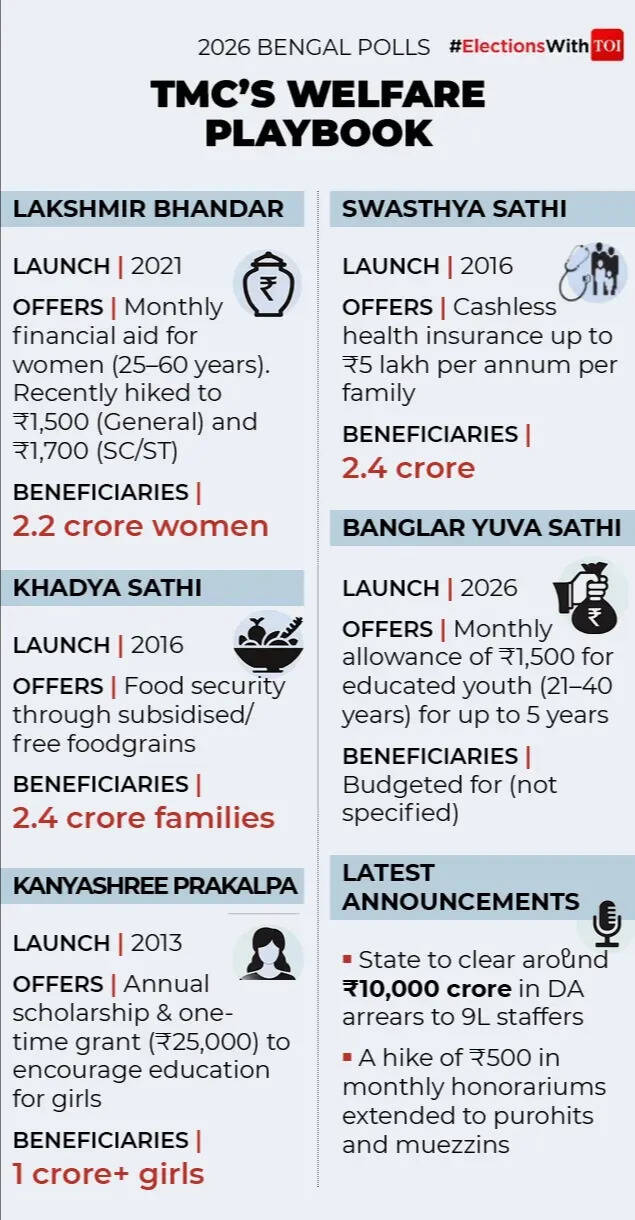
welfare architecture of Mamata BanerjeeThe government of West Bengal has emerged as a defining feature of its governance, linking large-scale social support programs with significant political implications as the state heads towards the 2026 assembly elections.As the state prepares for the first phase of voting on April 23, the “Didi model” of governance is not only serving as flagship social welfare schemes that have redefined rural economics, but also as the ultimate political insurance for Mamata Banerjee’s enduring hold on power.

Watch

Mamata already has half of Bengal, BJP and others competing for what is left: Yashwant Deshmukh

Lakshmi resides in every house

At the heart of this model is the Lakshmir Bhandar Yojana, which was launched in 2021 to provide monthly financial assistance to women aged approximately 25 to 60 years. The scheme covers all female residents of Bengal, irrespective of marital or employment status.Currently, beneficiaries receive Rs 1,000 per month, while women from Scheduled Caste and Scheduled Tribe communities get Rs 1,200. The scheme, designed to cover household expenses and improve financial security, has gained wide acceptance and is increasingly being viewed not as a “freebie” but as an economic entitlement.With the decision, this scheme has also become a major political discussion topic. All India Trinamool Congress (TMC) has promised to increase the assistance amount by Rs 500 if re-elected.However, implementation challenges remain. In a recent case in East Midnapore, around 7,000 women allegedly did not receive payments for nearly five months, prompting the Calcutta High Court to seek a report. Despite such issues, the scheme continues to expand, with around 1.25 lakh new beneficiaries added to the existing base of 2.2 crore women.

no one sleeps hungry

Food security remains another cornerstone of the state’s welfare strategy through the Food Sathi program launched in 2016. The scheme provides rice and wheat at subsidized rates of around Rs 2 per kg and currently covers around 9 crore people.Eligible beneficiaries have been classified on the basis of their ration card. This includes the “poorest of the poor”, including landless labourers, marginal farmers, rural artisans and families of widows or terminally ill persons. Families living in Below Poverty Line (BPL) or Economically Weaker Section (EWS) are also beneficiaries of this scheme.With an outlay of over Rs 1 lakh crore, it is one of the largest initiatives in the country.This is complemented by the Duare Ration Initiative, which delivers food grains directly to about 7 crore people at a cost of over Rs 1,700 crore.The state government claims that these combined efforts have helped lift nearly 1.7 crore people above the poverty line by 2023, reinforcing its narrative of inclusive growth driven by welfare spending.

Mamata's populist plans GFX

.

Cash amount for class on ‘Chhadnatola’

In education and gender empowerment, Kanyashree Prakalp remains a major programme. Launched in 2013, it provides Rs 1,000 annually to girls aged 13 to 18 who attend school and are unmarried, as well as a one-time grant of Rs 25,000 to continue education or training at the age of 18.With a cumulative enrollment of over 7 crore, the program is one of the largest conditional cash transfer schemes for girls globally and was recognized with the United Nations Public Service Award. However, challenges remain in ensuring awareness, documentation and sustained participation beyond eligibility.

health care without bill

Healthcare coverage has been expanded through the Swasthya Sathi scheme launched in 2016. It provides cashless treatment up to Rs 5 lakh per family per year and covers about 9 crore people in 2.5 crore families.It is noteworthy that smart cards are issued in the name of the female head of the family. More than 1 crore have been admitted to hospitals under this scheme, with the government spending more than Rs 13,000 crore. Although it has one of the highest coverage rates in India, at around 74.5 percent, concerns remain regarding hospital involvement, claim settlement and out-of-pocket expenses in private healthcare facilities.

unemployment cushion

Recently, the government has increased its focus on unemployment with the launch of Banglar Yuva Sathi, announced in the interim budget for 2026. The scheme provides Rs 1,500 per month to educated unemployed youth aged 21 to 40 years for five years or until employment is secured.Targeting secondary-eligible individuals not covered under other programs, it was fast-tracked with the initial payment released on March 7, 2026. With an allocation of around Rs 5,000 crore, with estimates going up to Rs 15,000 crore, it is positioned as a key intervention to address unemployment ahead of the elections.Together, these schemes form the backbone of TMC’s welfare-driven governance model combining direct benefit transfers, food security, healthcare and social empowerment. While the scale and reach of these programs have attracted both national and international attention, their long-term sustainability and implementation efficiency are under scrutiny as the political stakes in West Bengal increase.

Source link

‘Pakistan is still in denial’: India reaffirms support for Bangladesh’s justice effort on 1971 atrocities india news

'Pakistan is still in denial': India reaffirms support for Bangladesh's justice effort on 1971 atrocities

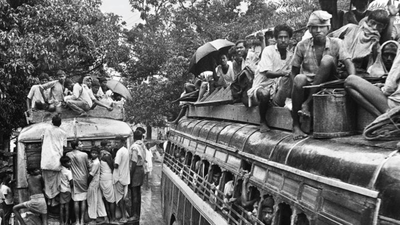
New Delhi: India on Friday reiterated its support to Bangladesh in its bid to bring justice to Bangladesh over atrocities committed by Pakistan during the 1971 military action, saying Islamabad continues to deny its crimes.The comments came as Bangladesh observed March 25 as Genocide Day, remembering one of the darkest chapters of its history. On that day in 1971, Pakistan launched Operation Searchlight to crush the Bangladeshi nationalist movement.At his weekly media briefing, External Affairs Ministry spokesperson Randhir Jaiswal said, “We are all aware of the horrific atrocities committed by Pakistan during ‘Operation Searchlight’ in 1971. The genocide included the systematic and targeted killing of millions of innocent Bangladeshi people and large-scale sexual crimes against women.”He said, “It forced millions of people to flee the country and seek refuge in India as refugees. These atrocities shocked the conscience of the world. However, Pakistan still denies its crimes even today.”Jaiswal said India supports Bangladesh in its “desire for justice”.New Delhi’s comments come three days after Bangladesh Prime Minister Tariq Rahman described Operation Searchlight against unarmed Bangladeshi people as “one of the most heinous massacres in history”.In a social media post a day before the massacre day, Rehman recalled the military action taken by Pakistani forces.“In the history of freedom-loving Bangladesh, 25 March 1971 is one of the most humiliating and cruel days. “On that dark night, Pakistani occupation forces carried out one of the most heinous massacres in history against the unarmed people of Bangladesh in the name of ‘Operation Searchlight’,” he said.Calling it a planned attack, Rehman said the March 25 “massacre” was a pre-planned massacre.India’s victory over Pakistan in the 1971 war, marked by the surrender of over 90,000 Pakistani soldiers on 16 December, ended violence and led to the birth of Bangladesh as an independent country.

Source link

रूड़की समाचार: हाइवे पर पिकअप पलटी, पशु बाजार में पशु बेचने जा रहे तीन लोग घायल – हाइवे पर पिकअप पलटी, पशु बाजार में पशु बेचने जा रहे तीन लोग घायल रूड़की समाचार

संजय चौहान, संवाद न्यूज एजेंसी, देहरादून

द्वारा प्रकाशित: रेनू सकलानी

अद्यतन शनिवार, 28 मार्च 2026 02:04 अपराह्न IST

हाईवे पर पिकअप पलटी, मवेशी बाजार में जानवर बेचने जा रहे तीन लोग घायल रूड़की न्यूज

पिकअप रिफ्लेक्स
– फोटो : संवाद न्यूज एजेंसी


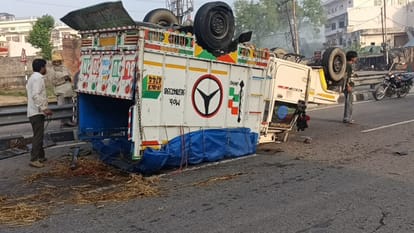
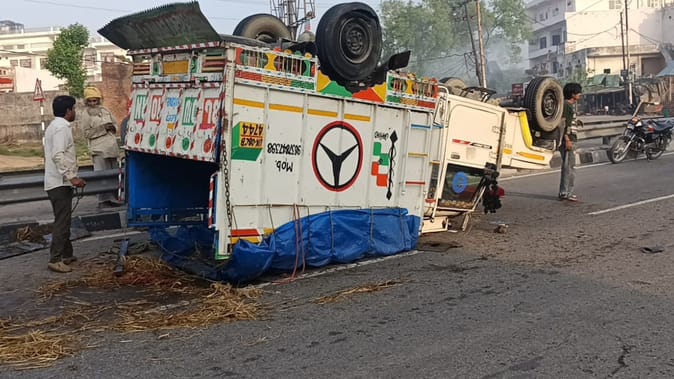
नारसन बॉर्डर से पहले एक पिकअप हाईवे के बीचोबीच पलट गई। गाड़ी बढेढ़ी राजपूताना से मुजफ्फरनगर पशु बाजार की ओर जा रही थी, जिसमें कुछ पशुओं को बेचने के लिए ले जाया जा रहा था।


ट्रेंडिंग वीडियो

हादसे में चालक सहरूम और पशु मालिक कोशिन और रकीब को मामूली चोटें आईं।

ये भी पढ़ें…उत्तराखंड: मैदानी जिलों की 15 विधानसभाओं ने बढ़ाई बीजेपी-कांग्रेस की चिंता, 20% ज्यादा वोटरों का पता नहीं

बताया जा रहा है कि नारसन चौराहे के पास बोलेरो पिकअप का बायीं ओर का पिछला टायर फटने से यह हादसा हुआ। घटना के बाद मौके पर अफरा-तफरी मच गई. हालांकि, घायलों को मामूली चोटें आईं और एक बड़ा हादसा टल गया।

Source link

Sweet robbery: 12 tons of KitKats stolen in Europe before Easter

Sweet robbery: 12 tons of KitKats stolen in Europe before Easter
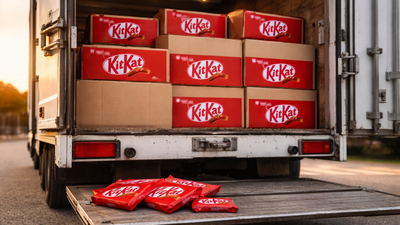
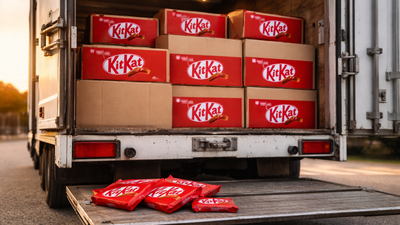
Representative Image (AI-Generated)

Swiss food brand Nestle has reported the theft of a large consignment of its popular KitKat bars in Europe, warning that the incident could disrupt supplies ahead of the Easter season.In a statement, the company confirmed that a truck carrying 413,793 units of its newly launched chocolate range was stolen en route. The shipment, weighing about 12 tonnes, went missing last week during transport between production and distribution points, news agency AFP reported. According to the company, the truck had left central Italy and was heading to Poland, with plans to deliver products in several European countries along the way. However, the exact location where the theft took place has not been disclosed and both the vehicle and its cargo have not been located.A spokesperson for the brand, referring to its famous tagline, said that the company has always encouraged consumers to “take a break” with KitKats, but added that in this case, “it appears that thieves took the message too literally.”The spokesperson said, “We’ve always encouraged people to take a break from KitKat. But it seems thieves have taken the message too literally and made off with more than 12 tonnes of our chocolate.”Nestlé warned that the thefts could lead to a temporary shortage of KitKat bars in stores, especially at a time when demand usually peaks before Easter. The company also warned that stolen products could enter European markets through informal or unauthorized sales channels.The incident is currently under investigation in coordination with local authorities and supply chain partners. Nestle said it was working to trace the missing consignments using the unique batch code printed on each bar. If identified, the system will instruct users to alert the company, allowing further action.“If a match is found, the scanner will be given clear instructions on how to alert KitKat, which will share the evidence appropriately,” the company said.The brand has urged retailers and consumers to remain vigilant as efforts continue to recover the stolen shipments and prevent its spread in the market.

Source link