BJP Tamil Nadu: ‘Don’t leave, we have PM Modi’: BJP Tamil Nadu chief appeals to workers after mass resignation following Annamalai’s exit | india news

'Don't leave, we have PM Modi': BJP TN chief appeals to workers after mass resignation following Annamalai's exit

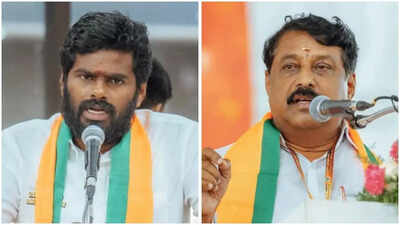
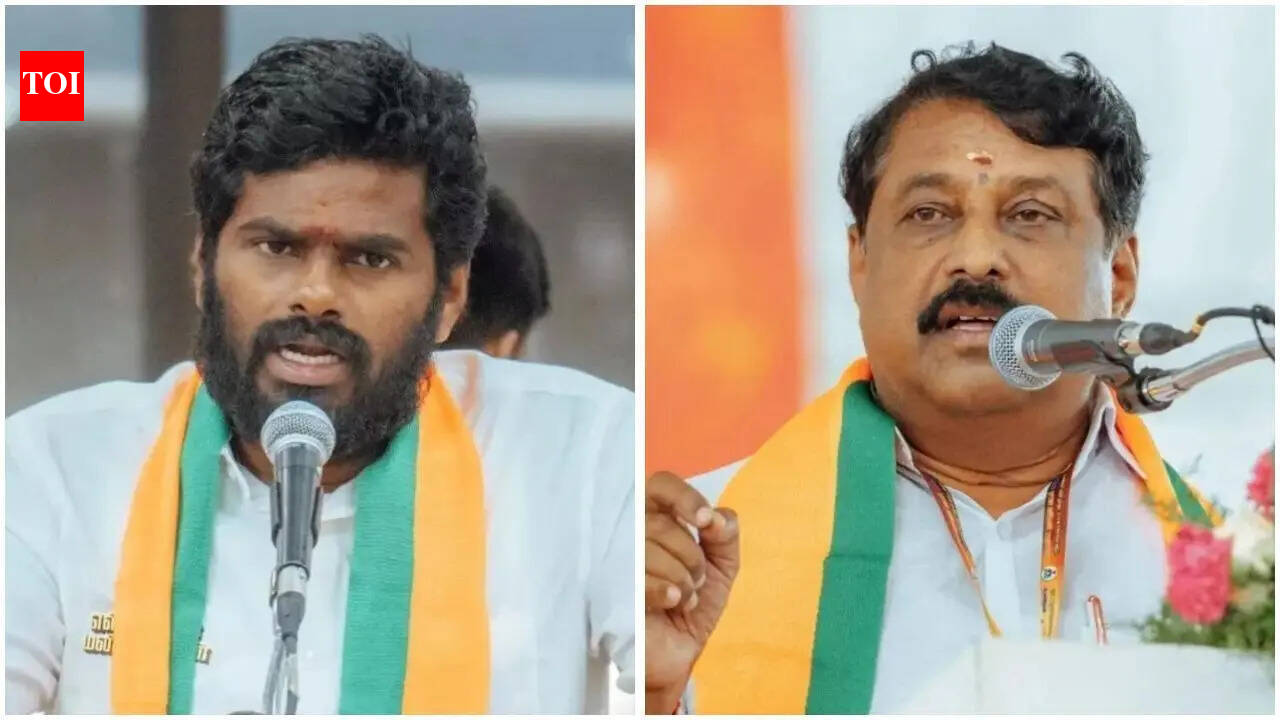
New Delhi: Tamil Nadu BJP President Nainar Nagendran on Saturday met party workers to meet former state chief K. Annamalai appealed not to leave the BJP after resigning and starting a new political movement and said that the party would not be affected by this development.Addressing reporters in Chennai, Nagendran urged workers to stick with the BJP and avoid joining any other party or movement.“My request to BJP workers is – do not go to any other party or any other movement. Please stay here. BJP is a big party in the world. We have the world’s number one leader.” PM Modi,” He said.Nagendran also rejected suggestions that Annamalai’s departure would impact the BJP’s support base in Tamil Nadu.“There is no impact. BJP is a big party. So many leaders left the party, then joined again,” he said.

The appeal comes amid resignations and new political movement

Nagendran’s comments come a day after Annamalai formally quit the BJP and unveiled a new political initiative which he said aims to promote “common man’s politics” and end “cults” and dynastic politics in the state.Even before Annamalai’s exit, a series of resignations have begun within the Tamil Nadu BJP, including that of state vice president Karu Nagarajan, state secretary Sumathi Venkatesh and several other functionaries, leading to speculation that more leaders may join his new political platform.Annamalai, a former IPS officer who led the BJP’s expansion efforts in Tamil Nadu, has said his political goals require a new and more inclusive platform.He has said that he has left BJP on amicable terms and will continue to respect Prime Minister Narendra Modi.

BJP dismisses concerns over cadre exodus

Despite the resignation, Nagendran had earlier insisted that the BJP would remain strong and continue to grow in the state.He said that the future of the party is not tied to any one person and expressed confidence that the workers will remain committed to the ideology of the BJP.He said, “BJP is not a party that was formed recently. It is an ideology-based party and this development will definitely not have any impact. Anyone is free to start a political party. Everyone has this right in a democracy. Annamalai’s resignation from BJP will not have any impact on the party.”His comments reflected the party’s earlier position that the BJP is an ideology-driven organization and the departure of even a single leader would not be a shock to it.The appeal comes at a time when Annamalai’s newly launched movement, “We the Leaders”, has attracted significant attention.The initiative attracted over eight lakh volunteers within hours of its launch, indicating strong initial interest in the former BJP leader’s new political venture.Annamalai has said that the movement will focus on encouraging professionals, technocrats and ordinary citizens to participate in governance while promoting “development-oriented and culturally-rooted” politics in Tamil Nadu.

Source link

‘Where do you think I’m from?’ Indian-origin man protests racist hooliganism in Canada, says everyone must answer

'Where do you think I'm from?' Indian-origin man protests racist hooliganism in Canada, says everyone must answer
Indian-origin man Lovepreet Singh posted a video of how a woman in Canada asked him to ‘go back to India’.

A video of an Indian-origin man strongly protesting against the racist attack of a woman in Nova Scotia, Canada is going viral. The woman driving the car asked the man recording the video to go back to his country. The man rebuked the woman, saying, “Your face tells you that you are a racist person. Your face says it all.”“If you don’t like it, go back,” the woman said.“Go back where?” The man replied. “Wherever you come from,” said the woman“Where do you think I come from?” the man said.“Get away from my car,” the woman yelled.“You may be unemployed, but I have a job,” the man shouted and called the woman a “f**king piece of sh*t” and a ‘f**king Karen’.Indian-origin man Lovepreet Singh then posted the video on his Instagram and said that it happened to him in Kentville, a small town in Nova Scotia, where he works. Lovepreet wrote, “And that’s all it took to ruin my day. Before I could even take out my phone he had already said ‘go back to India’ and later changed it to ‘to your mother’.” Like this!” Lovepreet wrote. As soon as the video went viral, social media users commented that it was clear that Lovepreet was not an illegal or a criminal, but still she had to face such a racist attack.“He’s not illegal, he’s not a criminal, he pays his taxes, he contributes to the local community and is a law-abiding citizen. What does he get in return? Disturbed peace of mind? Harassment? Racism?” one commented.Many people came out in support of the woman and said that it is not clear from the viral video what provoked the woman to attack Lovepreet and some context may be missing.

Source link

4 killed in elephant attack in two days in Keonjhar, Sundergarh. bhubaneswar news

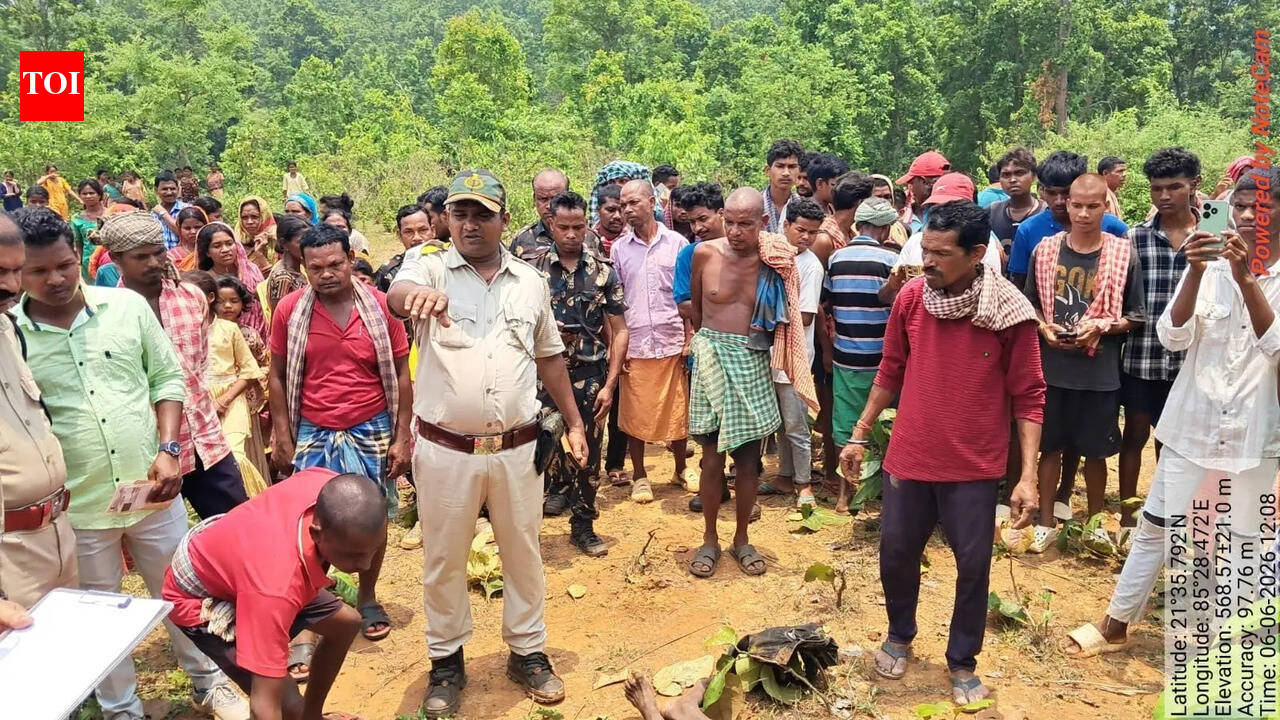
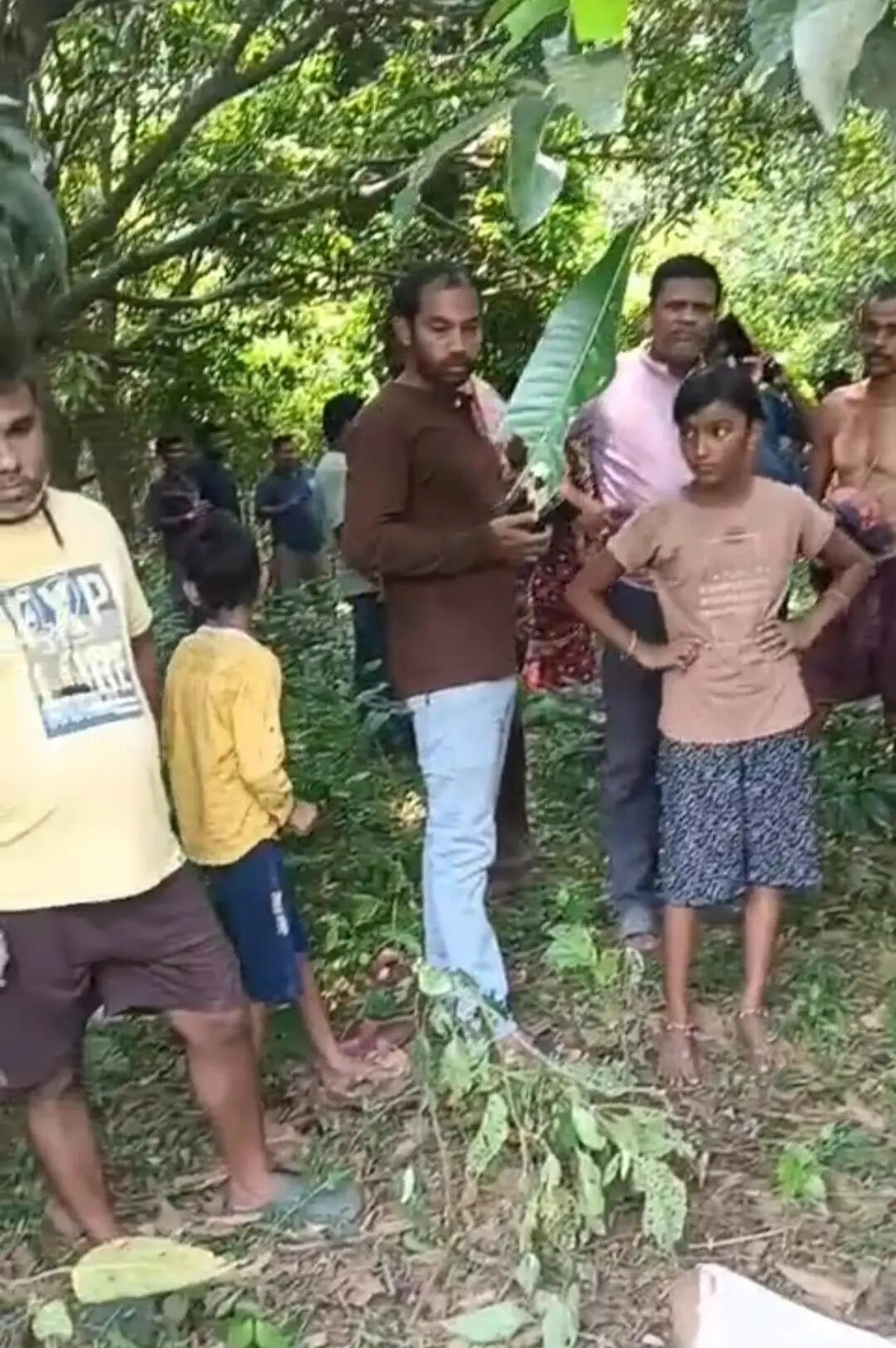
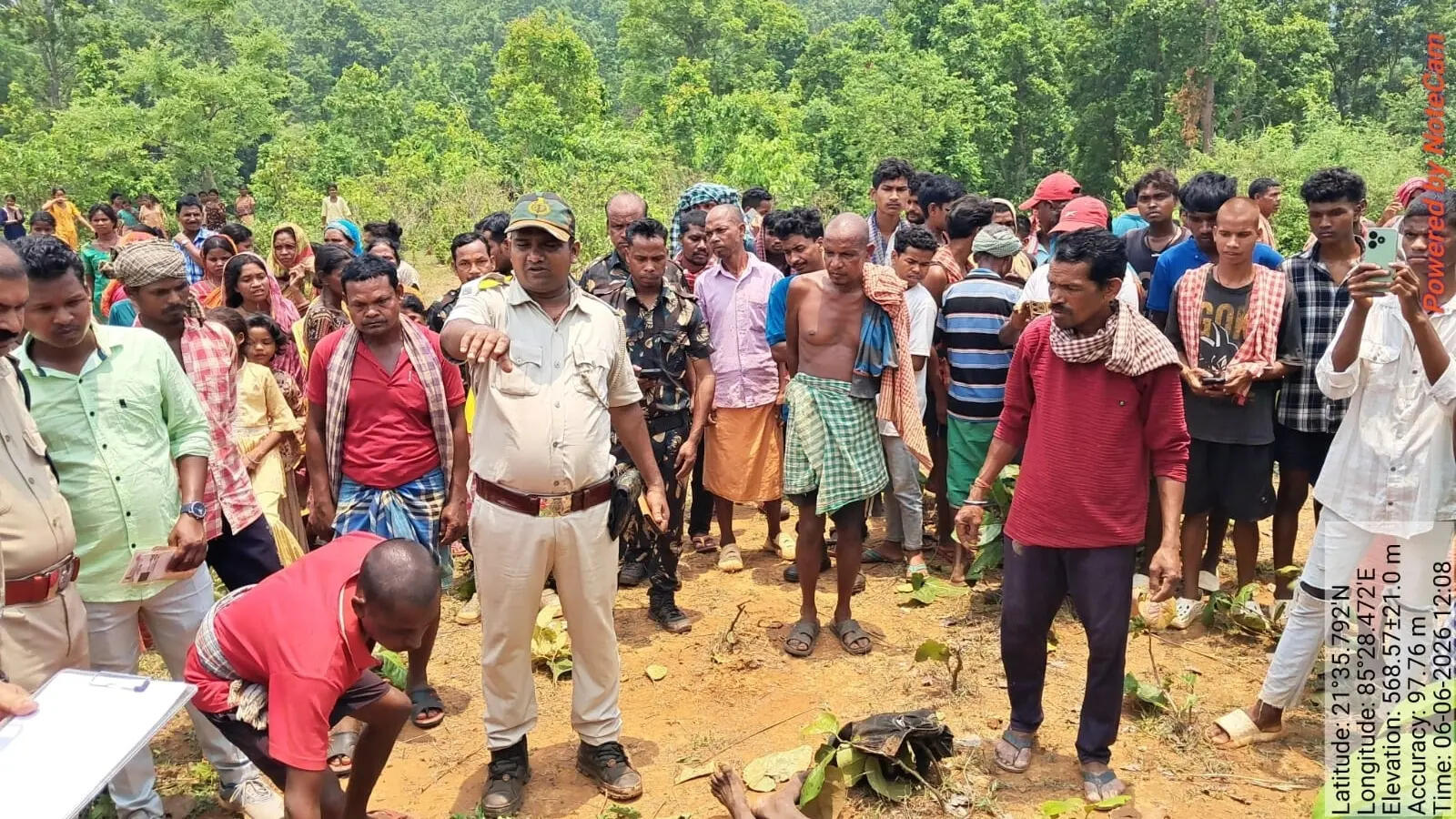
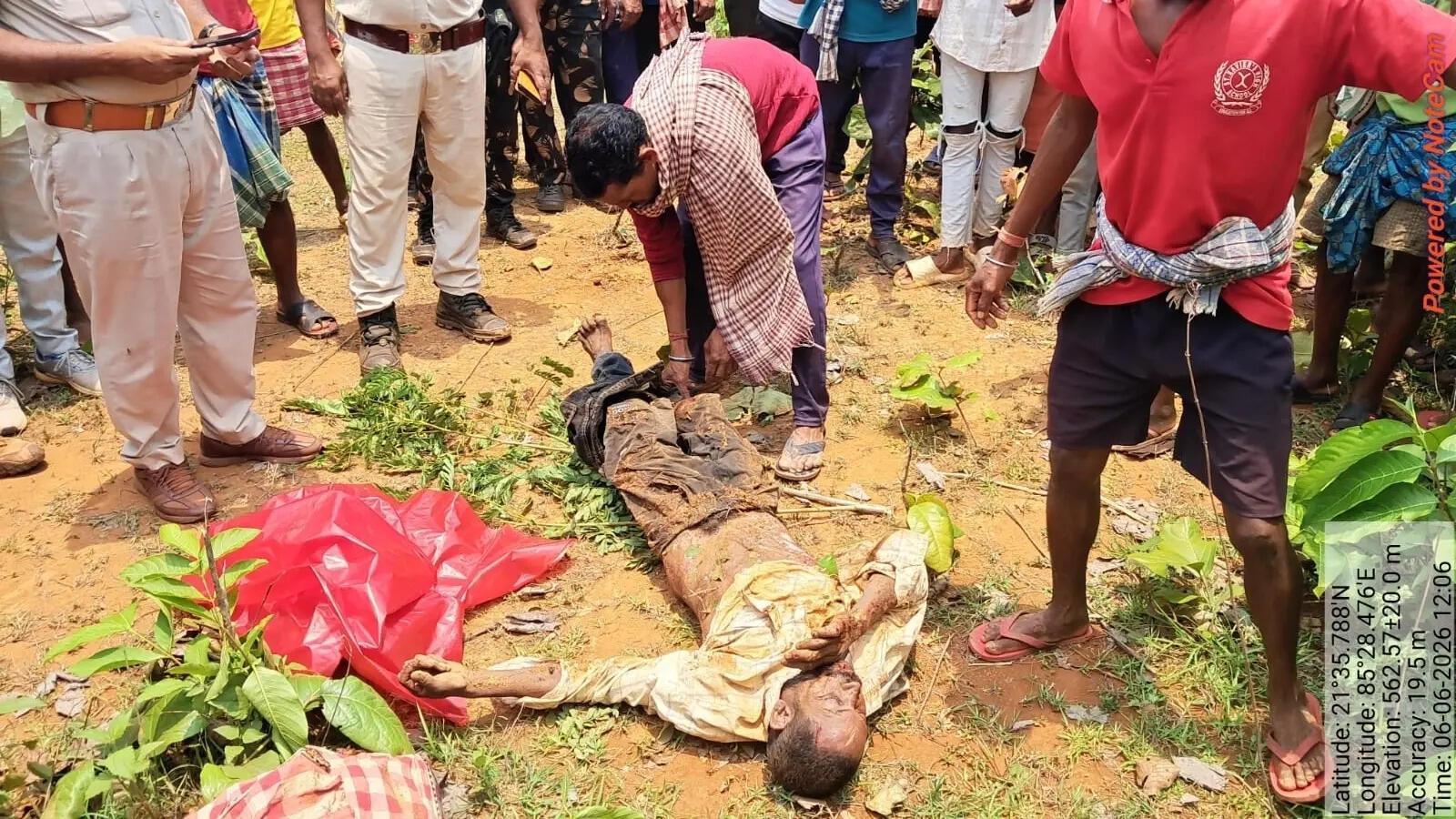
Keonjhar/Rourkela: Panic spread in parts of Keonjhar and Sundargarh districts after four people died in separate elephant attacks in the last two days, leading to an increase in human-elephant conflict in the state.In Keonjhar district, two deaths were reported from different forest divisions. On Saturday morning, 55-year-old woman Manjulata Nath was crushed to death by an elephant in ward number 12. 7 of Anandapur Municipality under Anandapur Wildlife Division. She had gone to the mango orchard to collect fruits when the elephant suddenly appeared and attacked her. Eyewitnesses said the animal grabbed him with its trunk and threw him to the ground, killing him on the spot.The elephant was reportedly roaming in Fakirpur, Salabani and surrounding villages since Friday night and damaging crops and vegetable gardens. When Nath did not return home, family members started a search and later her body was found in the garden. Forest officials reached the spot and with the help of police recovered the body and sent it for post-mortem. DFO (Anandpur) Prashant Kumar Panda visited the area and assured compensation and assistance as per government norms. Another woman Yashoda Malik was also injured in the same incident. Two more deaths were reported from Rourkela forest division in Sundergarh district. Jamuna Mohanta (66) of Saledihi village under Banki range was crushed to death on Saturday morning when she had come out near her house. The elephant reportedly got separated from the herd and killed it before moving towards a nearby forest area. Similarly, Gloria Toppo (65) of Saunapada village in Kuanramunda range died in an elephant attack while collecting Mahua seeds in the forest on Friday. Forest officials and police recovered both the bodies and sent them for autopsy. In each case, the legal heirs are entitled to a compensation of Rs 10 lakh.Forest officials have intensified awareness measures, including miking in sensitive villages, urging people to remain alert about the movement of elephants. Local people in the affected areas protested demanding compensation and preventive measures to stop the attacks.

c8800041-77b5-48b1-96e8-1a40a036dd45_1000345430.jpg

Attachment

04365819-88fd-4b49-a4b9-a84b49bb25ff_1000345484.jpg

Attachment

9767ef5a-90a6-42cf-9d23-1a9e06404126_1000345662.jpg

Attachment

60b68c3e-90d8-4949-8232-3261e1fca194_1000345661.jpg

Attachment

Source link

Dubai Police uses AI to predict accident hotspots, detect speeding vehicles in real time

Dubai Police uses AI to predict accident hotspots, detect speeding vehicles in real time

Artificial intelligence is playing an increasingly important role in keeping Dubai’s roads safe, with Dubai Police deploying smart traffic systems that can predict accident-prone locations, detect speeding vehicles in real time and help officers intervene before incidents escalate.According to a report by Khaleej Times, Dubai Police said its advanced traffic management system continuously analyzes live traffic information including vehicle volume, speed and movement patterns across the emirate.The system combines real-time inputs with historical traffic data to identify risky trends and locations where intervention may be required.Officials said areas where excessive speeding is detected can be brought under radar coverage and targeted enforcement measures will be taken, allowing officials to take preventive action and improve road safety.The force has also integrated AI-powered platforms capable of monitoring driver behavior in real time. These systems are designed to continuously learn and adapt, enabling officers to expand their use to a wider range of traffic violations.Dubai Police said the technology has also been used to develop special solutions to identify vehicles causing excessive noise and disturbance.Beyond enforcement, predictive analytics is helping authorities plan major events, predict congestion, and allocate traffic resources more effectively.Traffic patrols are connected to a network of cameras, surveillance systems and command centers, helping officers receive instant alerts on accidents, violations and traffic build-ups.The emphasis on technology comes as Dubai Police continues to crack down on dangerous driving practices. In a recent enforcement drive, police issued 4,504 fines for overtaking on the hard shoulder during the first five months of the year.Brigadier Juma bin Suwaidan, acting director of the General Traffic Department, warned that the hard shoulder is reserved exclusively for emergencies, including stranded vehicles and emergency responders such as ambulances, civil defense teams and police patrols, Gulf News reported.“This reckless behavior not only shows disregard for traffic laws, but also a lack of concern for the safety of others,” he said. He said motorists do not expect vehicles to drive on the hard shoulder, increasing the risk of collisions and run-over accidents.According to Dubai Police data, the highest number of hard-shoulder overtaking violations was recorded in February with 1,638 offences, followed by January with 1,379 offences. There were 676 violations in March, while 482 and 329 crimes were recorded in May and April respectively.Dubai Police said the awareness campaign remains a key pillar of their road safety strategy alongside enforcement. Authorities believe that combining education with legal deterrence yields the best results by encouraging motorists to obey traffic laws through both awareness and accountability.The latest effort builds on Dubai Police’s comprehensive AI roadmap. During GITEX Global 2023, the force unveiled an AI-based mechanism to deal with minor traffic accidents. The system, which is currently under development and testing, is designed to analyze minor accidents and automatically issue accident reports to motorists without the need for manual review by a police officer.Officials said the initiative aims to speed up issuance of reports, reduce manual processes by 50 per cent and reduce congestion caused by minor accidents.

Source link

‘Bankipur by-election will be a referendum on the BJP-led government’: Prashant Kishore india news

'Bankipur by-election will be a referendum on BJP led government': Prashant Kishore
Prashant Kishore (file photo)

New Delhi: Jan Suraj Party (JSP) chief Prashant Kishore The bypoll to Bihar’s Bankipur assembly seat on Saturday was termed a “referendum” on the promises made by the BJP during last November’s assembly elections, as the state now has its first chief minister from the saffron party.In April, BJP leader Samrat Chaudhary became the chief minister, succeeding party ally Janata Dal (United) supremo Nitish Kumar. Kumar, who served in the top post for more than two decades, has moved to the Rajya Sabha along with BJP chief Nitin Nabin, a former representative of the Bankipur constituency – a fact highlighted by Kishor.After being appointed national president of BJP, Nabin went to the Upper House.The date of Bankipur assembly by-election has not been announced yet.“Bankipur is the seat of the BJP national president. For the last 40 years, no party or leader has succeeded in defeating the BJP there,” Kishor told reporters in Patna.He said, “The (BJP-led) NDA won by giving Rs 10,000 to the people of the state and misleading them with false promises. For the first time, someone from the BJP is the chief minister. Therefore, the bypoll will effectively serve as a referendum on the promises made in November 2025. The public will have the right to vote on those promises – be it the promise of giving Rs 2 lakh, the promise to stop migration from Bihar, or the education system.” And there should be a commitment to improving employment.” opportunity.The former election strategist further said that this is why JSP should contest the elections in Bankipur with “full strength”.JSP, launched by Kishor, made its electoral debut in the Bihar assembly elections in October 2024. However, it did not win any seats despite contesting 238 out of 243 constituencies.

Source link

Mysuru files case against 107 employers for paying low wages to teenage labourers. Mysore News

Mysuru books 107 employers for paying low wages to teenage laborers

Mysore: The Labor Department has stepped up action in Mysuru district, booking 107 employers for not paying minimum wages to teenage workers and levying a fine of Rs 3.8 lakh.According to the rules, employers who employ teenagers and fail to pay minimum wages face criminal and civil penalties under the Child and Adolescent Labor Act and the Minimum Wages Act.In the last three years, officials raided 4,351 workplaces, including industries, hotels, brick manufacturing units, puffed rice units and garages in urban and rural areas of the district.Eight child laborers under the age of 14 were rescued during these raids. Officials said the children were rehabilitated, action was recommended against their employers and cases were registered.The officials have also identified 107 employers who are hiring teenage laborers and paying them less than the prescribed wages, thereby defrauding such workers. Since teenagers are allowed by law to work in non-hazardous areas, these employers were found to be abusing the provisions during inspections.talking to times of IndiaDistrict Labor Officer Chetan Kumar He said the department is conducting regular raids against child labor and punishing employers as per law. The fine collected was used for the rehabilitation of juvenile workers in the district, he said.child helplineThe District Labor Officer said that if members of the public find employers employing child labor or paying low wages to adolescent workers, they can lodge a complaint on the child helpline 1098 or the labor department’s helpline 155214.

Source link

UAE suspends visas and bans entry for citizens of three countries amid Ebola precautions World News

UAE suspends visas and bans entry for citizens of three countries amid Ebola precautions

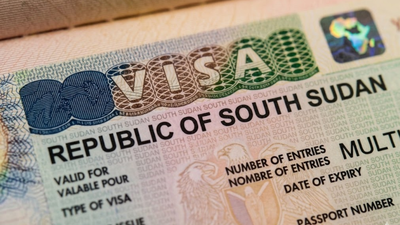
The UAE has announced the temporary suspension of new visas for citizens of the Democratic Republic of Congo, Uganda and South Sudan as authorities take steps to curb the spread of Ebola.The decision, jointly announced by the National Emergency Crisis and Disaster Management Authority (NCEMA) and the Federal Identity, Citizenship, Customs and Port Security (ICP) Authority, will be effective from June 6.Under the new rules, travelers coming from the three countries will not be allowed to enter the UAE, including those traveling from third countries. Officials said entry will be allowed only to individuals who have been outside the affected countries for more than 21 days before arriving in the emirate.Officials said the sanctions are part of broader efforts to strengthen national preparedness and respond to developments related to the Ebola outbreak in parts of Africa.The visa suspension will remain in place until further notice and may be extended based on public health assessments.Despite the restrictions, cargo operations between the UAE and the affected countries will continue. According to officials, transit flights will also operate normally.NCEMA and ICP said they will continue to monitor the situation in coordination with domestic and international partners and review whether additional measures are needed based on the increased health risks.The Ministry of Health and Prevention said the UAE’s public health situation remains stable and precautionary measures are already in place across the country. These include disease surveillance, early detection systems, screening processes at airports and healthcare preparedness measures.In a public advisory issued on June 3, the ministry said the current Ebola outbreak is largely concentrated in the Democratic Republic of the Congo and parts of Uganda.Authorities stressed that they will continue to assess developments and implement further measures as necessary in line with approved health protocols and risk assessments.

Source link

Bringing back the chirping sparrow: revitalizing our urban ecosystems india news

The bird that woke us up has become silent. Can we bring back the sparrow's chirping?

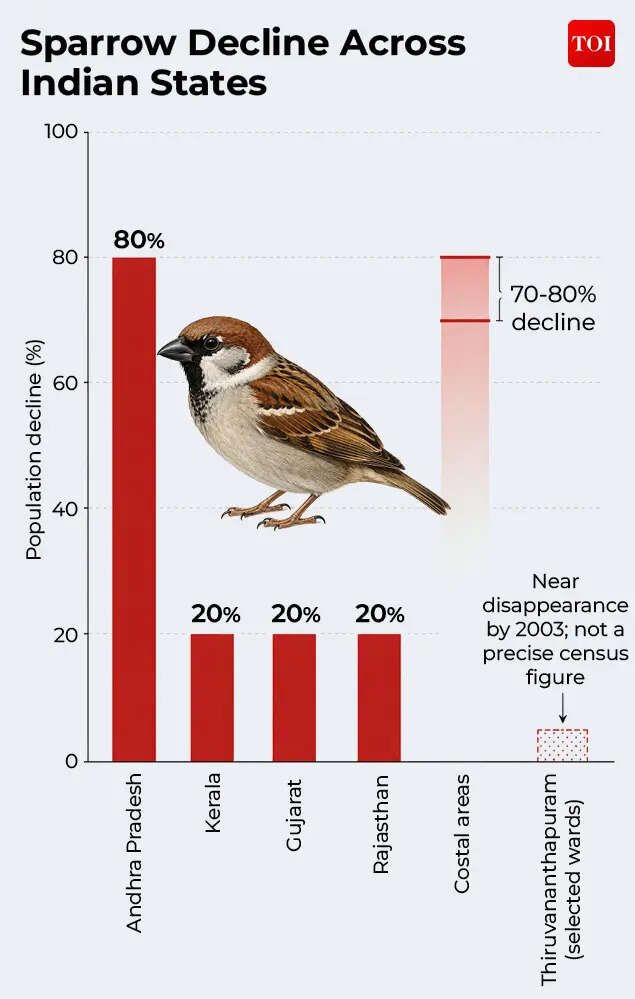
The first sight of the new dawn unfolds with almost breathtaking views. The morning dew sits fresh on the leaves. The temperatures provide a brief respite from the oncoming oven-like heat waves and the sky is a thousand different shades of yellow and orange.But something is not quite right.The song of the birds is no longer the sound of dawn. Horn-blowing cars have replaced them in most urban metropolises. Now that it is gone its absence is a stark reminder. The chirps you didn’t know you were hearing, those ambient sounds that were always there, suddenly became quiet.The house sparrow has not gone extinct. It has simply been pushed out. From our balconies, from our memories, from our cities. And the places it’s gone tell a story we don’t want to hear.Sparrowhawk decline is a global issue, with BirdLife International reporting that sparrowhawk numbers in Europe have declined by approximately 64% since the 1970s. The British Trust for Ornithology estimates that the sparrow population in London alone declined by 71 percent between 1994 and 2002. This decline has also been seen in North America and parts of Asia, with the largest declines occurring in urban and suburban areas.India is also not untouched by this extinction and the reason behind it is really no mystery. In Andhra Pradesh alone the sparrow population declined by 80 percent. In Kerala, Gujarat and Rajasthan it declined by 20 percent. In coastal areas the decline was sharper, ranging from 70 to 80 percent. In parts of Thiruvananthapuram, where volunteers had observed small flocks of six to eight sparrows by 1998, they had disappeared without a trace by 2003. The reason behind this defeat is really no mystery.

.

architecture of absence

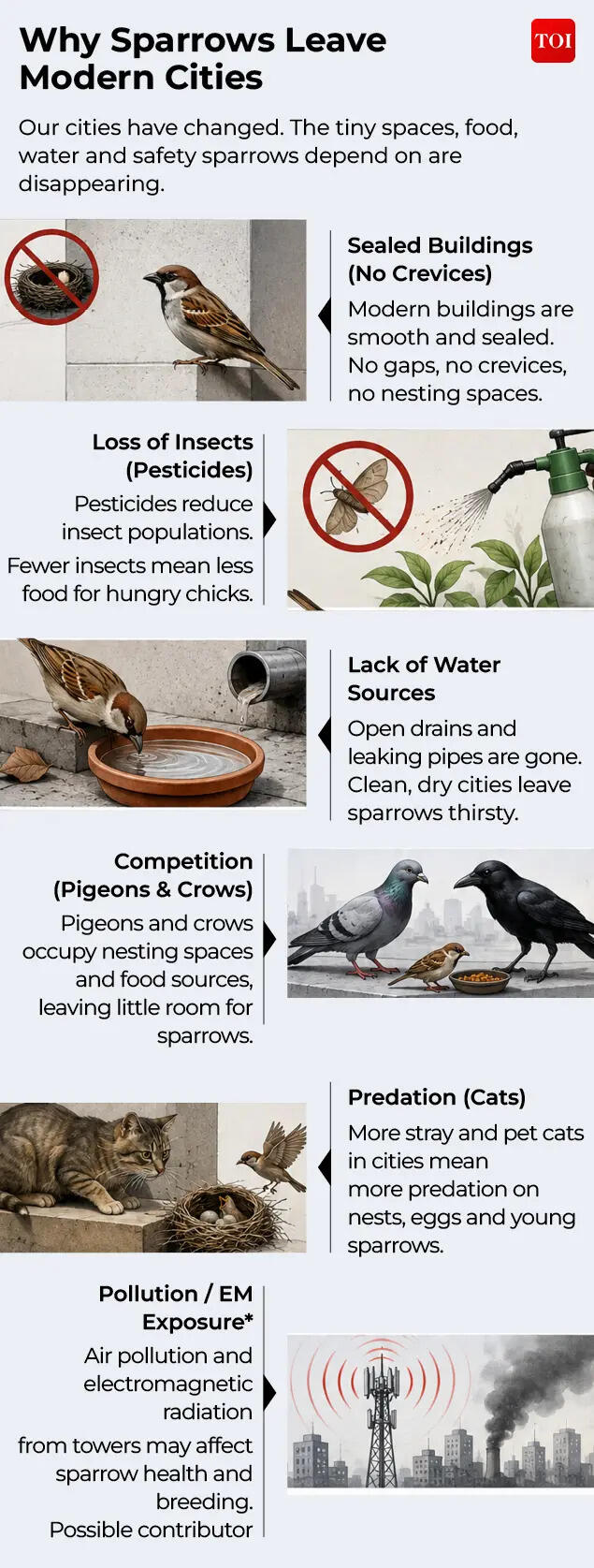
Walking through the narrow streets of old cities, you can find corners and places where the sparrow still feels comfortable calling its home. Hidden in those parts of the old city that still respect the sacredness of its appearance.As cities change and skyscrapers pollute the skylines of metropolises, trees and parks are uprooted to make way for overcrowded infrastructure, the sparrow also moves out. It leaves behind a home that it no longer recognizes.Bird researcher Sujan Chatterjee puts it bluntly: “Modern architecture plays a decisive role here. Old houses, with their ventilators, tiled roofs and small gaps, offer natural nesting sites. Today’s glass and concrete structures are sealed, smooth and inaccessible.”The old, spacious buildings have been replaced by matchless flats. Hedges are being replaced by iron fences. The gardens have been paved over, leaving no soil for the sparrows to bathe in. The flow of electromagnetic waves from criss-crossing cable wires and cellphone towers injures the sparrows, causing irritation and reducing their reproductive capacity.The bird that once nested in every balcony, that woke generations of Indians with its incessant chirping, that was so common as to be almost invisible – that bird is now a marker of class. Its presence or absence tells you more about the neighborhood than any real estate brochure.Sparrows need three things: a place to build a nest, food to eat, and water to drink. It is a relatively sedentary bird, traveling no more than a kilometer or two in search of food. It prefers thatched houses and bungalows rather than concrete structures like flats to build its nests.In older neighborhoods, buildings naturally provide nesting sites. Buildings in the new neighborhoods have been sealed. Glass facade and smooth concrete, no ceiling, no gaps and no cracks. Air conditioning units are installed in ways that block rather than create smaller spaces. Modern architecture is architecture that keeps birds away.
.

Why do sparrows leave modern cities?

The question of food is equally clear. Sparrows eat seeds, grains and insects. On average, each sparrow eats about 1,000 caterpillars per year. As Chatterjee says, “Increased use of pesticides has reduced the population of insects, which are important for feeding the sparrowhawks. Clean, uncluttered urban landscapes, while visually appealing, have depleted the resources that once sustained the sparrow.” The decline in insect numbers is a boon for your home but a curse for the sparrow.Even the water equation has changed. There is water everywhere in old neighborhoods. Open drains, dripping pipes, open buckets, bird bath in the courtyard. Sparrows never have to fly far to drink water. In new neighborhoods, drains have been covered and pipes no longer leak much. Water is controlled, controlled, cleaned. It’s good for hygiene but terrible for sparrows.

hidden killer

The introduction of unleaded petrol may also play a role. Dennis Summers-Smith’s theory suggests that unleaded fuel, considered environmentally friendly, contains harmful byproducts. The fuel uses methyl tertiary butyl ether (MTBE) as an anti-knocking agent. Along with the by-products of combustion, it also kills small insects. Although adult sparrows can survive without insects in their diet, they need them to feed their young.Air pollution is another factor. Rising pollution levels in metropolitan cities indicate that the air is becoming dangerously toxic – for birds and humans alike. Since sparrows primarily eat grains, their decline could also mean that the grains we eat contain greater amounts of pesticides than before.Pigeons have become aggressive competitors. They take over nesting sites and often damage sparrow nests. The increasing population of crows poses an additional threat. Unlike crows, which have adapted to thrive on human waste, sparrows cannot survive on garbage. They depend on specific ecological conditions: access to seeds, insects for their young, and secure nesting sites. The world operates with the philosophy of survival of the fittest at every level.Invasive species such as starlings also compete with sparrows for food. These birds often have a more flexible diet, occupy urban areas more easily, and compete with sparrows for habitat and resources.Increased predation by cats and competition for food by other species including pigeons, crows and mynas have made survival even more difficult.This pattern is evident across India. In older, traditionally built, mixed-use neighborhoods, where people live, work, and trade in the same streets, sparrows still survive. These are often poorer, more crowded, less “planned” areas of the city. Real estate developers are desperate to redevelop them.In new, affluent, gated, clean neighborhoods, where houses are set back from the road, where every building is sealed, where every open space is sanitized, sparrows have disappeared.

Why do sparrows matter?

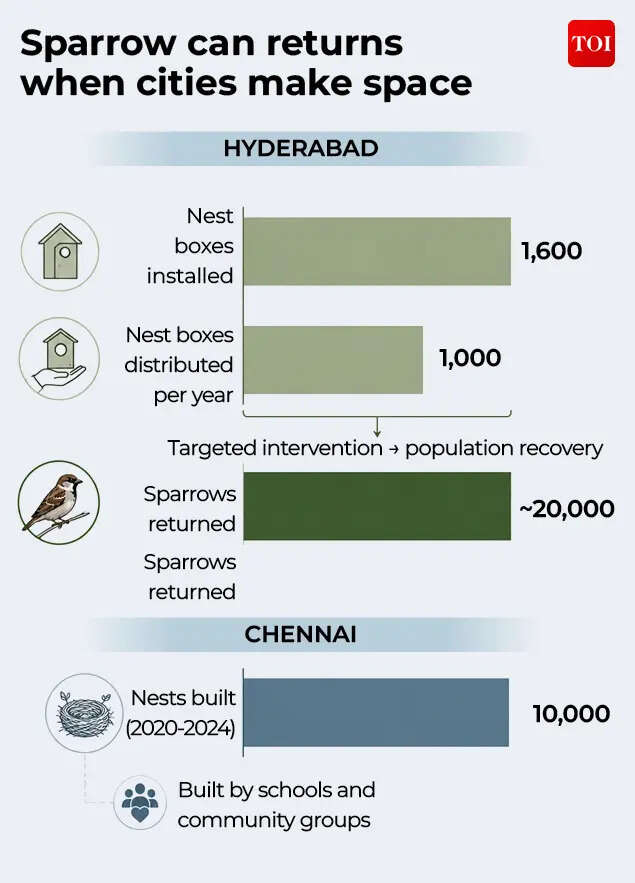
Sparrows aren’t just good neighbors. They play an important role in the ecosystem. They consume insects, which controls pests and reduces the need for pesticides. A new study indicates that the loss of birds may contribute to the spread of diseases to humans. High bird diversity appears to protect humans from exposure to West Nile virus, which is spread by mosquitoes. Where there are more birds to bite, mosquitoes will bite proportionally fewer people, partially reducing the chance of transmission or spread of infection.The spread of diseases is a worrying threat due to the decline in sparrow populations.In Hyderabad, a grassroots effort has begun to show what targeted intervention can achieve. The ‘Bring Back Sparrows’ campaign, launched in 2016 by the Animal Warriors Conservation Society, was started with a simple idea: if natural nesting places are disappearing, why not create them?Over the past decade, the organization has installed more than 1,600 nest boxes in areas like Aminpur, Gachibowli, Dilsukh Nagar and Alwal. In addition, more than 1,000 nest boxes are distributed to homes, institutions, and community groups each year. About 20,000 sparrows have returned to these areas.

.

In Mumbai, Mohammed Dilarao started the box initiative, placing small wooden boxes on trees that sparrows could use as nests. They also placed small feeders with grains, insects, and water to help the sparrows settle.In Chennai, the Koodugal Trust has involved school children in making nests for sparrows. Between 2020 and 2024, the Trust built more than 10,000 nests. School children build small wooden houses which act as shelter and provide food for the sparrows. Due to this effort, the number of sparrows in the area has increased significantly.In Mysore, Karnataka, the ‘Early Bird’ initiative introduces children to birds through a library, activity kits and trips to villages for bird watching. These learning efforts are making children aware and knowledgeable about the role of sparrows and other birds in the ecosystem.Rajya Sabha member Brijlal has installed 50 nests in his house. Sparrows come here every year to lay eggs. He takes care of them and provides them with food. The Prime Minister appreciated his work Narendra ModiWho highlighted the role of such individual efforts in conservation.

what needs to change

Chatterjee believes the answer lies less in major interventions and more in moderation.He explains, “We often say that sparrows have disappeared. But instead of asking why, we should ask what kind of place we are creating.”He suggests that the solution is to allow nature to return. “Keep certain parts of your garden neat and tidy. Let it grow. Leave some areas undisturbed. It’s not difficult to reintroduce animals, but you have to leave room for them.”“Beauty and habitat don’t always go together,” says Chatterjee. “If everything is cut down, cleared and controlled, there will be nothing left for wildlife.”At a policy level, he suggests bird-friendly infrastructure. “This could start with something as simple as rethinking our roadways, planting native bird-friendly shrubs and reducing plastic use. Birds and butterflies need dense bushes and shrubs as hiding and nesting places. If we keep pruning, cleaning and manicured everything in the name of beautification, we risk eradicating the habitats they depend on.You do not need any government scheme to save sparrows. Leave a bowl of water on your balcony, let a corner of your garden go wild, plant some native plants instead of another exotic ornamental plant, place a nest box where there can be an air conditioner. Throw out some weed seeds from time to time.The sparrow has not gone very far. This place is waiting.The dawn is still beautiful, the dew is still freezing, and the sky is still ablaze with orange and yellow. We can’t silence the horns, but we can make room for chirping again.

Source link

Suryakumar out, Shreyas and Vaibhav Suryavanshi in: How India’s Ireland and England teams look different from the T20 World Cup. cricket news

Suryakumar out, Shreyas and Vaibhav Suryavanshi in: How India's Ireland and England teams look different from the T20 World Cup
How India’s Ireland and England teams look different from the T20 World Cup (Image: X)

The Board of Control for Cricket in India (BCCI) has officially announced India’s squad for the upcoming T20I tours of Ireland and England, and the selection signals the beginning of a new chapter in the team’s white-ball journey. While the core of India’s T20 World Cup-winning team remains intact, the latest squad features a new captain, several new faces and the absence of some established stars.

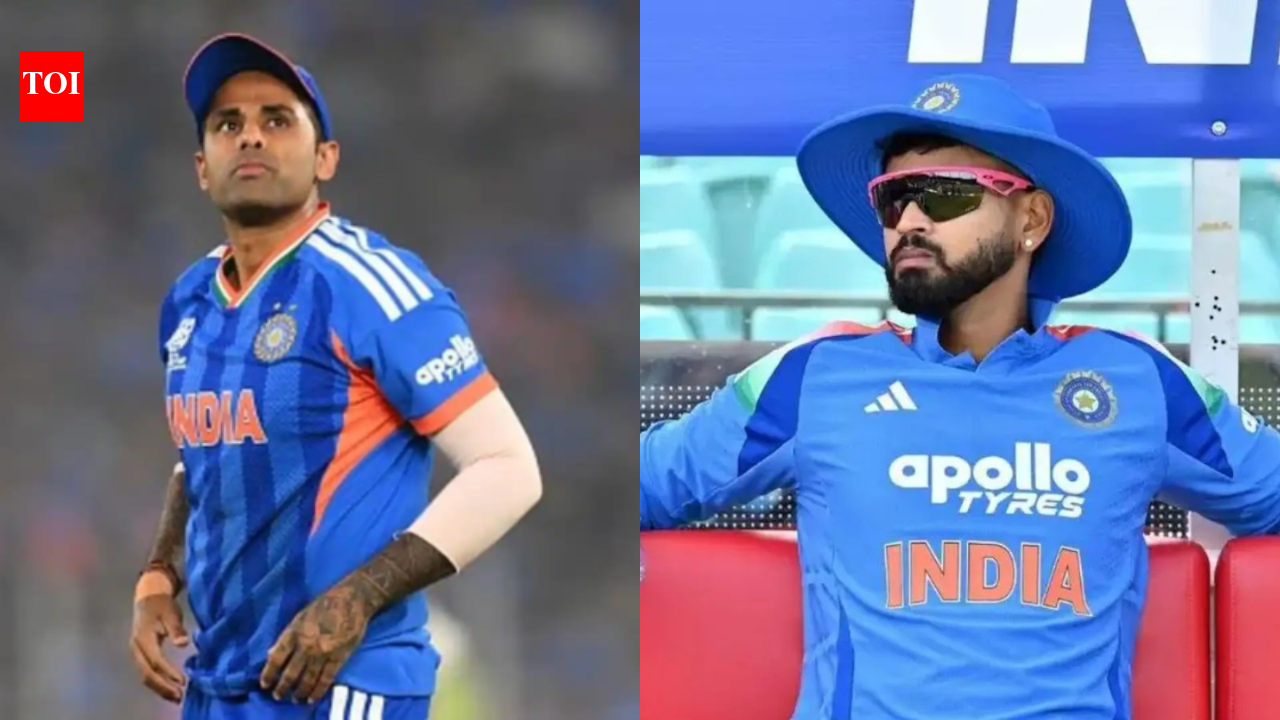
Shreyas Iyer has been made captain in place of Suryakumar Yadav.

Perhaps the biggest change is at the top. Shreyas Iyer has been appointed as India’s new T20I captain, replacing Suryakumar Yadav, who led India to victory in the 2026 T20 World Cup. The move marks the beginning of a new leadership cycle as India begins preparations for the 2028 T20 World Cup.Tilak Verma has also been promoted to the role of vice-captain, underscoring the management’s confidence in the young left-hander as a future leader.

Six new faces, six major exits

India has made six important changes compared to the T20 World Cup squad.Players who were involved in the World Cup setup but are absent from the Ireland and England tour squads include Suryakumar Yadav, Hardik Pandya, Jasprit Bumrah, Kuldeep Yadav and Rinku Singh. While Bumrah and Hardik have been rested and managed keeping long-term fitness goals in mind.The upcoming players are Shreyas Iyer, Nitish Kumar Reddy, Ravi Bishnoi, Harshit Rana, Prince Yadav and teenage sensation Vaibhav Suryavanshi.

.

Vaibhav Suryavanshi is in the news in the new look squad

No selection has generated more excitement than Vaibhav Suryavanshi. The 15-year-old Rajasthan Royals batsman has completed one of the most remarkable feats in Indian cricket history. After dominating the Under-19 World Cup and producing a sensational IPL 2026 season, Suryavanshi has earned his first senior India call-up. The talented left-hander scored 776 runs at a whopping strike rate of 237.30 during IPL 2026 and is now on the verge of becoming the youngest player to represent the India men’s team.

India’s T20 World Cup squad 2026

Suryakumar Yadav (captain), Abhishek Sharma, Tilak Verma, Sanju Samson, Shivam Dubey, Ishan Kishan, Hardik Pandya, Arshdeep Singh, Jasprit Bumrah, Harshit Rana, Varun Chakraborty, Kuldeep Yadav, Axar Patel, Washington Sundar, Rinku Singh, Mohammed Siraj (replacement).

India’s T20I squad for Ireland and England

Shreyas Iyer (captain), Abhishek Sharma, Sanju Samson, Ishan Kishan, Shivam Dubey, Tilak Verma (vice-captain), Nitish Kumar Reddy, Axar Patel, Washington Sundar, Varun Chakraborty, Ravi Bishnoi, Mohammed Siraj, Harshit Rana, Arshdeep Singh, Prince Yadav, Vaibhav Suryavanshi.

Source link