
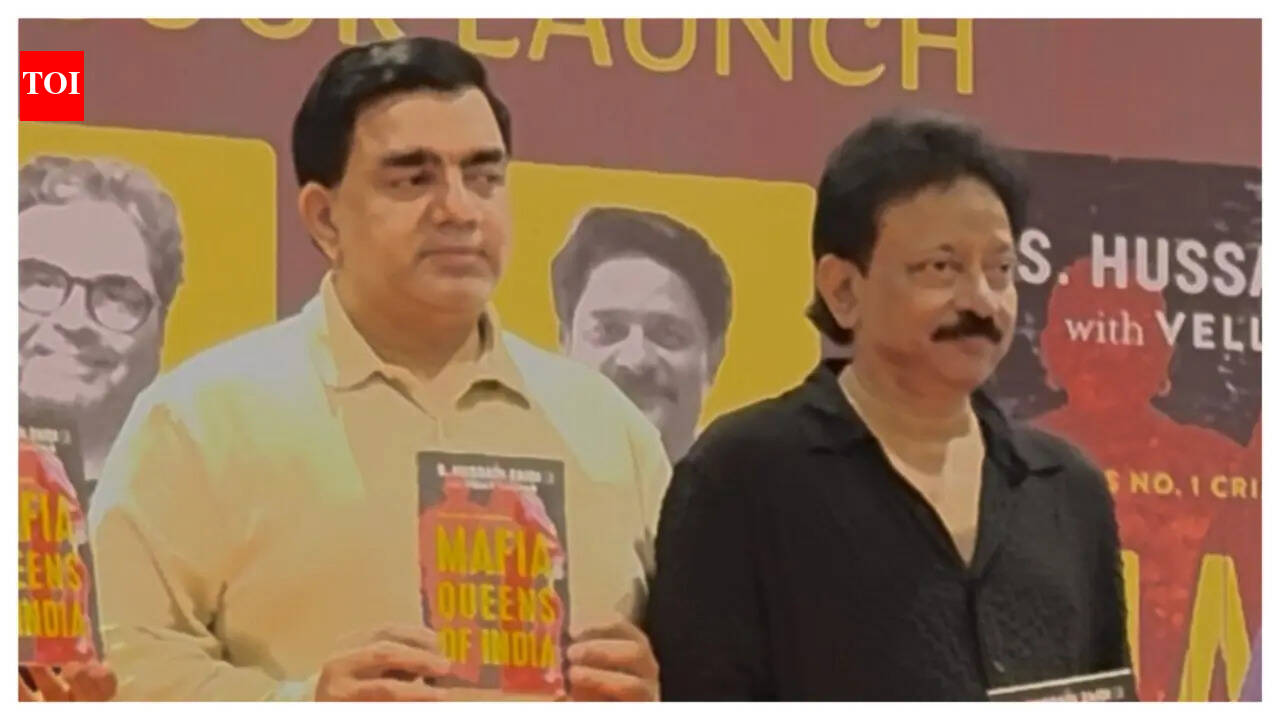

Ram Gopal Varma described ‘Mafia Queens of India’ as an excellent aspect of crime storytelling. events movie news
At the launch of S Hussain Zaidi’s latest book Mafia Queens of India, which he has co-written with his wife and veteran journalist Veli Thevar, filmmaker. Ram Gopal Verma There was sharp commentary on why this book stands out in a genre long dominated by familiar tropes.
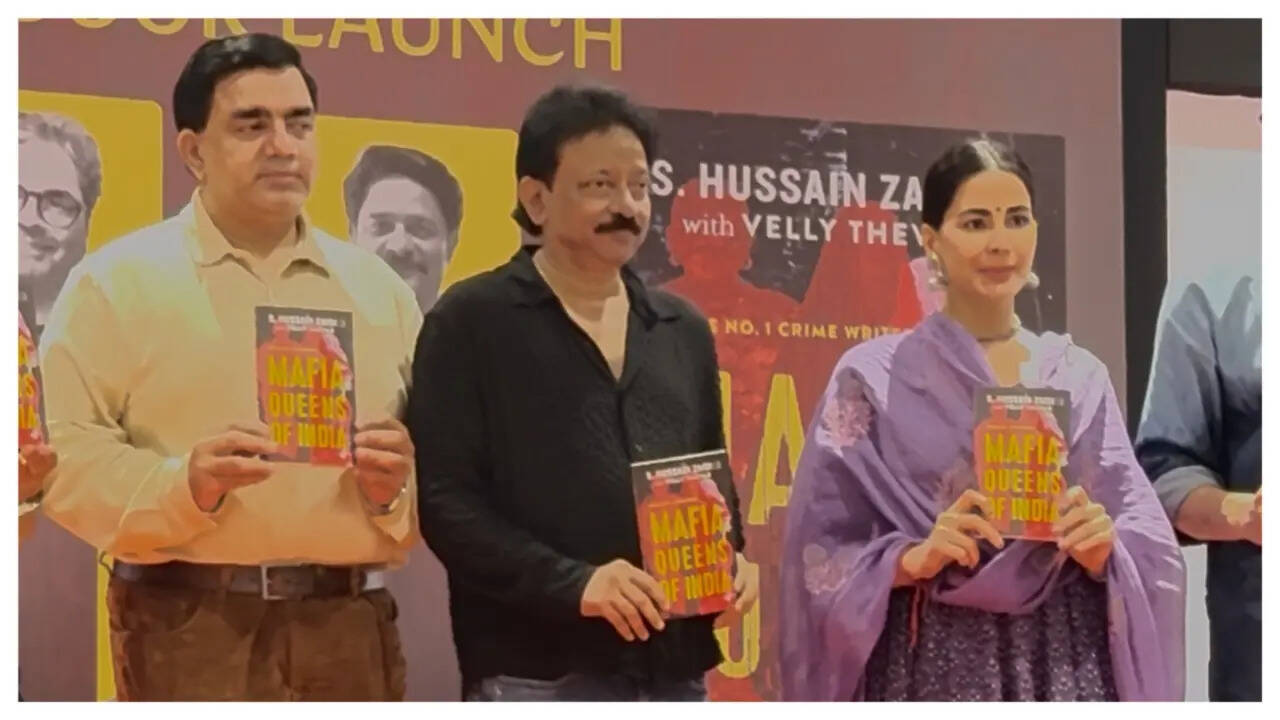
(L-R) S Hussain Zaidi, Ram Gopal Varma and Kirti Kulhari In a panel discussion moderated by actress Kirti Kulhari, Varma focused on what he sees as the book’s defining strength; Its focus is on the women of the underworld. “When you hear the word ‘mafia,’ the first thing you rarely think of is women,” she said, underscoring how deeply ingrained this notion is in the popular imagination. For him, that change in perspective is what gives the book its edge. “I think it’s a great angle in itself,” commented Varma, pointing to the narrative novelty of exploring the crime through female characters instead of the usual male characters. Drawing attention to the author’s background, Verma highlighted the depth of reporting behind the work. He said that S. Hussain Zaidi’s experience lends authenticity to the stories, making them more than dramatic retellings of criminal life. “Going through these stories will be a whole new kind of experience,” he said. Throughout his remarks, Verma maintained a measured, analytical tone, focusing less on sensationalism and more on the craft of storytelling. His comments suggest that although the underworld has been widely explored in Indian cinema, such approaches have remained relatively unused. By framing the book as a reimagining of how mafia narratives can be told, Verma established it as both a literary and cinematic opportunity that challenges conventions while opening the door to new interpretations of crime and power.