

Will Iran play in the 2026 World Cup? The government responded after the FIFA president said the team would participate. international sports news
Iran is part of the 48-team confirmed squad for the 2026 FIFA World Cup, and while there was previously uncertainty over their participation due to security concerns over playing in the United States, Iran’s government now says the country is fully prepared for the tournament.The latest update comes after Iran’s Sports and Youth Minister Ahmad Donyamali addressed the situation following comments from FIFA President Gianni Infantino, who said: “The Iranian team is definitely coming.”
FIFA status and how the tournament is structured
Gianni Infantino, president of FIFA, world football’s governing body, addressed the issue at CNBC’s Invest in America forum on April 15 and confirmed that Iran will participate in the tournament.“The Iranian team is definitely coming,” he said, expressing hope that “the situation will be peaceful by then.”Infantino stressed that the players deserved to compete, saying that they “represent their people” and have earned their place. “They really want to play, and they should play,” he said, reiterating his view that sports should remain separate from politics.
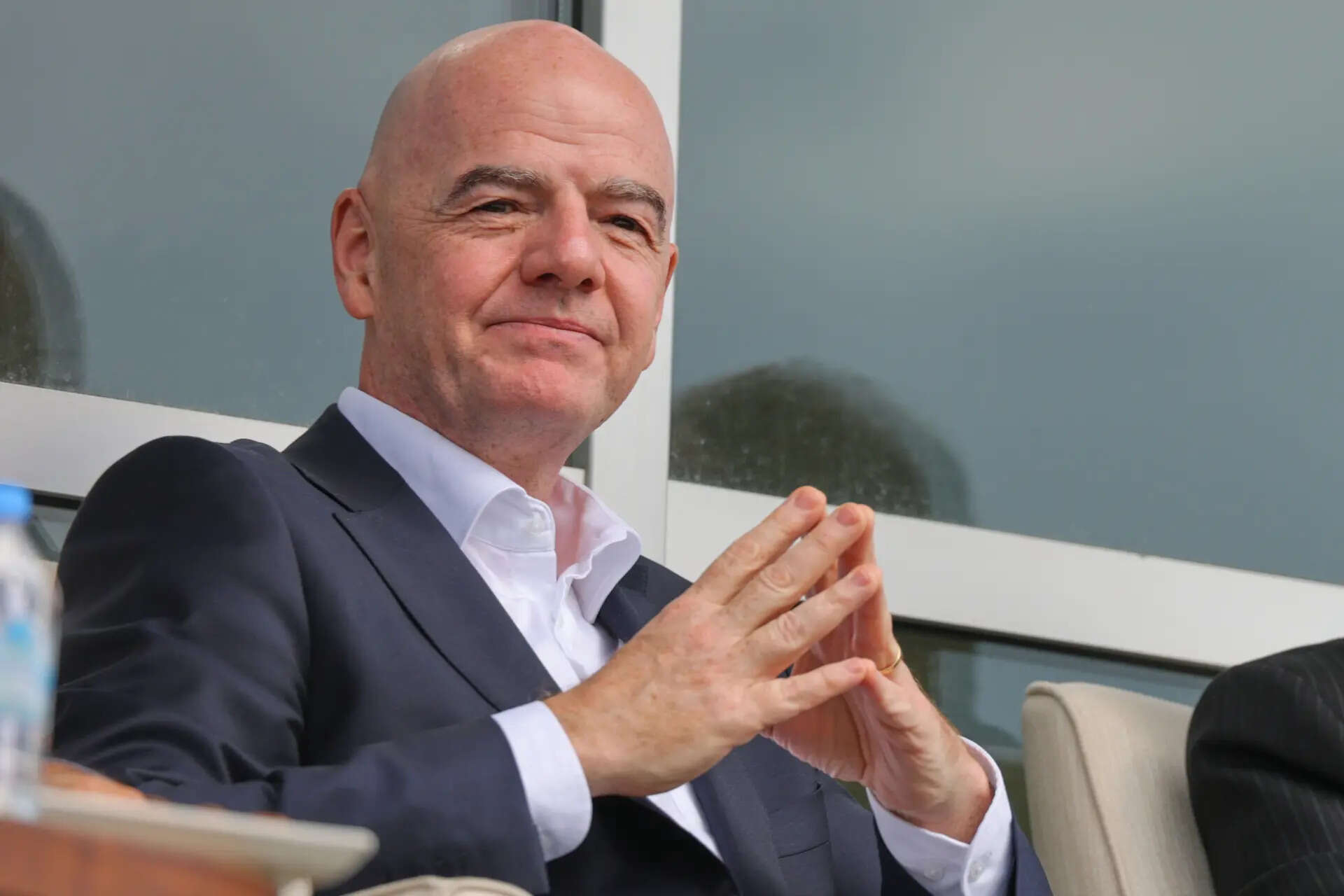
FIFA President Gianni Infantino observes a friendly soccer match between Iran and Costa Rica in Antalya, southern Turkey, Tuesday, March 31, 2026. (AP Photo/Riza Ozel)
This situation matches how the tournament is set up. The 2026 World Cup will run from June 11 to July 19 and will be the biggest World Cup in history, featuring 48 teams and 104 matches. 78 of them will be played in the United States, including every match through the quarterfinals at MetLife Stadium in New York/New Jersey. Canada and Mexico will each host 13 matches, for a total of 16 venues across the three countries – 11 in the US, three in Mexico and two in Canada.
Why have Iran’s match venues become an issue?
Since the United States is hosting most of the games, Iran’s entire group-stage schedule is currently scheduled there. They are in Group G with Belgium, Egypt and New Zealand, and matches are planned for the US West Coast. As per the current situation, Iran is scheduled to face New Zealand on June 16 at SoFi Stadium in California, Belgium on June 21 at the same venue and Egypt on June 27 at Lumen Field in Seattle. If they progress, any knockout matches will also be played in the US, given how the bracket is structured.
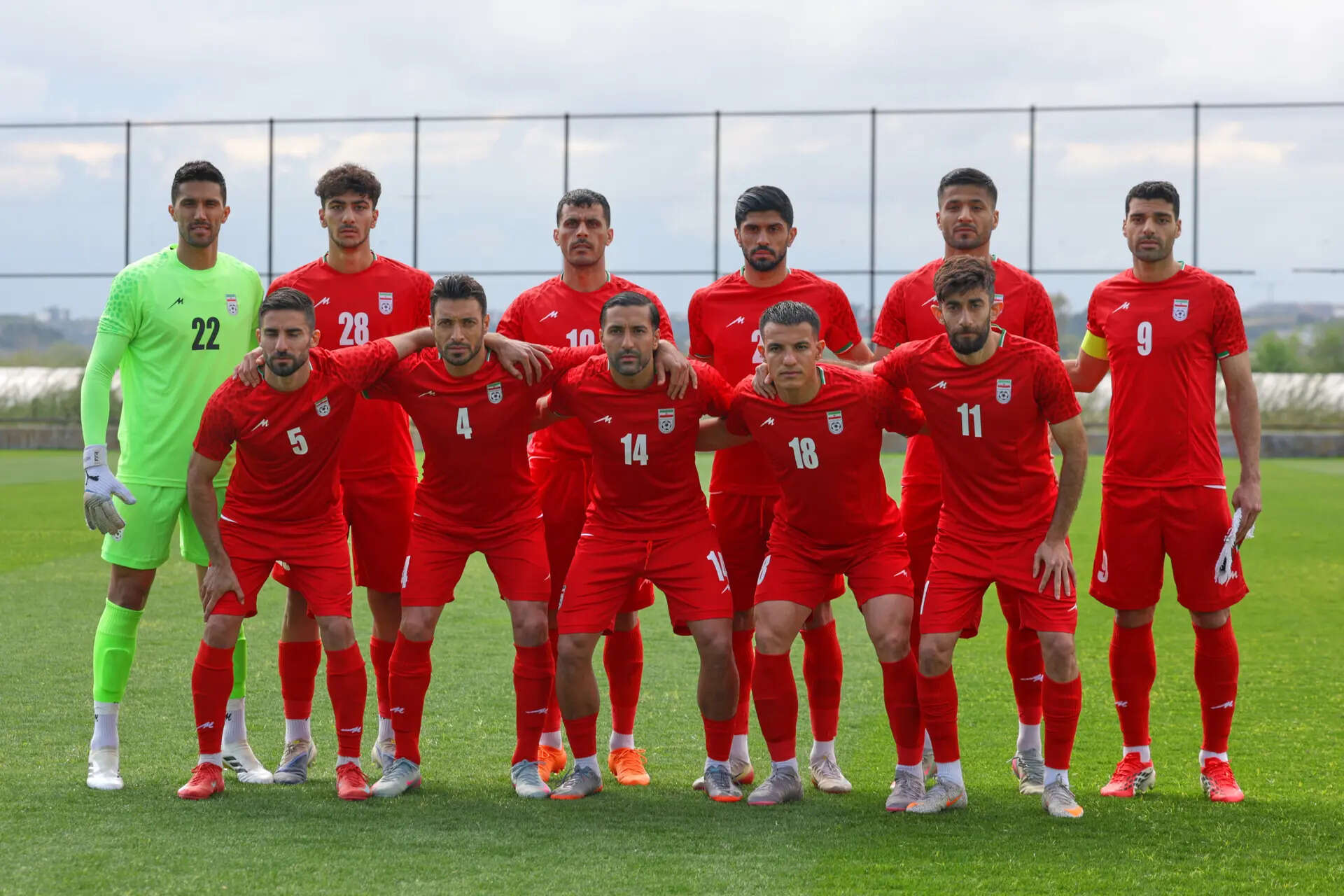
Iran players pose for photographers before a friendly soccer match between Iran and Costa Rica in Antalya, southern Turkey, on Tuesday, March 31, 2026. (AP Photo/Riza Ozel)
For this reason, Iran’s Football Federation had to formally request a change. Federation president Mehdi Taj confirmed that discussions with FIFA include the possibility of moving those matches to Mexico if security guarantees cannot be ensured.
Request to move matches and FIFA’s response
Mexico indicated it was willing to host Iran’s events, but the request yielded no changes. Mexican President Claudia Sheinbaum confirmed at a press conference in Mexico City that FIFA had rejected the proposal. “FIFA ultimately decided that matches could not be moved from their original venues,” he said. “This would have made the logistics very complicated and this decision was taken by FIFA.” That decision effectively stopped Iran’s matches in the United States under the current schedule.
US President’s remarks and Infantino’s stance
The situation has also been created by the comments of US President Donald Trump. On March 11, 2026, he posted on Truth Social in response to reports of Iran potentially quitting the 2026 FIFA World Cup amid rising US–Iran tensions, stating that Iran were “welcome” to attend, but also suggested that they should stay away “for their life and safety.”Meanwhile, Gianni Infantino is sticking to his position. After meeting with Iranian players, coaches and officials in Türkiye on 31 March, he reiterated that the matches would go ahead as planned.
Iran government position
Within Iran, the approach has shifted from caution to explicit preparation. Sports and Youth Minister Ahmed Donyamali had earlier told reporters on Tuesday, April 21, that discussions were going on through a committee process.“We discussed about the national team, the conditions of the national team and we also formed a committee,” he said. “Today we also have a meeting under this discussion and we are performing our legal duty.”He said both participation and non-participation were still on the table: “We must be prepared. In any case, a decision can be taken not to go. And if a decision is taken to go, we must be prepared anyway, so that our presence, if any, will be a strong presence.” He also said that the final decision would depend on “the conditions that exist today, the government and perhaps the National Security Council”.However, a recent update suggests a more streamlined direction. Government spokesperson Fatemeh Mohajerani said on wednesday Iran’s institutions are now fully prepared for the national team’s participation in the 2026 FIFA World Cup in the United States, Canada and Mexico, it said in a statement to state broadcaster IRIB.The Ministry of Youth and Sports has ensured all necessary arrangements for the team’s participation, he said, adding that preparations were made under the direction of the Sports Minister with a focus on providing the necessary facilities for a successful performance.
Qualification record and current status
Iran secured qualification by topping their Asian qualifying group in March 2025, becoming one of the first teams to secure a place in the tournament. They have appeared in the last six World Cups, including the 2022 edition in Qatar.Currently, Iran’s participation is officially intact, the fixtures are scheduled and FIFA is considering their place as confirmed. While earlier statements suggested that the final decision depended on changing circumstances and high-level approval, a recent government update indicated that Iranian institutions are now fully prepared for the national team’s participation in the 2026 FIFA World Cup, signaling a shift toward readiness rather than uncertainty.