
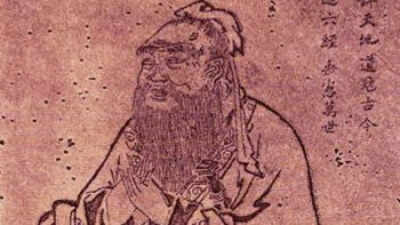

Today’s Quote from Chinese Philosopher Confucius: “Instead of being attacked, attack the evil within you…” | world News
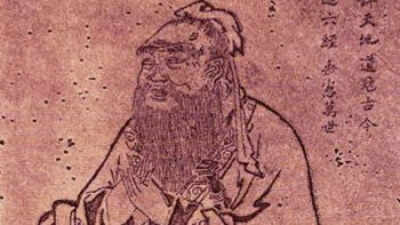
Some quotes remain relevant because they describe a habit that seems almost timeless. Words related to Confucius do exactly that. Long before social media, televised debates, or modern politics existed, Confucius was pondering something that still sounds familiar today: people often find it easier to find faults in others than to examine their own faults.The quote does not deny that wrongdoings exist in the world. This is not to suggest that people should ignore harmful behavior or pretend that injustice is acceptable. Instead, it shifts the focus to a different starting point. Before looking outward, it asks people to look inward.This idea seems simple. In practice, this may be difficult.Most people can identify habits, decisions, or attitudes of others that they dislike. It is a natural part of being human. The hardest thing is to apply the same level of scrutiny to yourself. Personal weaknesses are often less visible on the inside. They come up with explanations, excuses, and justifications that don’t always extend to other people.Perhaps that’s why this quote continues to circulate centuries after it was first attributed to Confucius. It touches on a trend that is visible in everyday life, whether in families, workplaces, friendships or public discussions.The challenge it presents is not about perfection. It’s about honesty.
today’s thought by confucius
“Instead of attacking the evil in others, attack the evil within yourself.”
Understand the meaning behind Confucius’ quotes
Basically this quote is about introspection.=Confucius is drawing attention to a general imbalance. People often spend significant energy identifying the problems of other individuals while spending little time examining their own behavior. The quote suggests reversing that order.The phrase “the evil within you” is not necessarily referring to dramatic wrongdoing. It can also be understood as personal flaws, harmful habits, prejudice, dishonesty, arrogance or other traits that negatively influence behavior.Most people have blind spots. They may become impatient when criticizing someone else for being rude. They may expect understanding from others while offering little of themselves. These contradictions are common because humans generally judge themselves and others by different standards.The quote encourages a different approach.Instead of focusing first on what others are doing wrong, it suggests starting with personal responsibility. This does not solve every problem, but it changes the direction of attention. The emphasis moves from accusation to contemplation.There is a quiet discipline in that thought. It asks people to spend less time blaming and more time understanding their role in situations.
Looking inward is often harder than looking outward
Most people do not wake up with the intention of avoiding introspection.The difficulty is that examining individual flaws can be inconvenient. It requires admitting mistakes, recognizing weaknesses, and accepting that some problems may originate closer to home than we want to admit.It is usually easy to find fault in others.The evidence appears to be external. The conduct is someone else’s. There is no need to question personal assumptions or face inconvenient truths.Self-examination works differently.This requires honesty that is often difficult to maintain consistently. People must ask questions that they may not enjoy answering. Was that reaction appropriate? Was that criticism fair? Could the situation have been handled differently?These questions rarely produce immediate comfort.Yet they often provide insights that criticism alone cannot provide.Perhaps this is one reason why Confucius gave so much importance to self-cultivation. Personal growth begins when people become willing to evaluate themselves with the same seriousness that they apply to others.
Everyday life provides constant examples
The wisdom of the quote becomes apparent when viewed through common experiences.Consider differences between friends. One person may focus entirely on what the other did wrong. They replay observations, decisions, and mistakes in their mind. The other person’s behavior becomes the center of the story.Sometimes that assessment is partially correct.Yet conflicts are rarely shaped by one person alone. Misunderstandings, assumptions, and reactions often come into play on both sides.The same pattern is visible in workplaces too. Employees can complain about managers. Managers can complain about employees. Colleagues may criticize each other’s decisions.In some cases, the criticism is justified.Yet, meaningful improvement often begins when individuals ask what they themselves could do differently. This question does not erase responsibility elsewhere, but creates room for progress.Without it, the conversation can become an endless exchange of blame.
Confucius placed character at the center of life
The quote reflects themes that appear in the teachings associated with Confucius.He had a keen interest in character, conduct and personal responsibility. Rather than focusing solely on laws or punishments, he stressed the importance of developing moral habits within individuals.His thinking suggested that strong communities begin with strong character.If people develop honesty, humility, respect, and self-discipline, the benefits extend beyond the individual. Families function more effectively. Communities become more stable. Relationships improve.This perspective explains why self-improvement holds such an important place in Confucian thought.The goal is not self-criticism for its own sake. The goal is continuous improvement.A person who recognizes weaknesses can work to overcome them. The person who refuses to accept weaknesses often remains trapped in them.
The quote reflects that idea directly and memorably.
Modern culture often rewards criticismOne reason this quote feels surprisingly current is that modern life provides endless opportunities to judge others.People comment on public figures, coworkers, neighbors, and strangers online. Opinions are shared instantly. Decisions come quickly.Criticism itself is not a problem. Holding people accountable can be important. Healthy societies depend on inquiry and discussion.The challenge arises when criticism becomes easier than reflection.It is possible to spend hours analyzing the mistakes of others while paying little attention to individual behavior. In that situation, the balance advocated by Confucius begins to disappear.The quote almost acts like a reminder to stop and reconsider priorities.Before asking if someone else needs to change, it asks if there is something within ourselves that deserves attention first.This question remains relevant regardless of the era.
Self-improvement is rarely dramatic
Popular culture often presents personal growth as a dramatic transformation.Reality is calm.People get better with small adjustments repeated over time. They become more patient. They learn to listen more carefully. They identify habits that cause problems and gradually work to change them.These changes are rarely dramatic enough to attract attention.Yet they often have a significant impact on daily life.The quote is consistent with that slow understanding of reform. It does not encourage big announcements. This encourages ongoing effort.The focus remains on what individuals can control rather than what they cannot.That perspective can be surprisingly insightful. People may have limited influence on the behavior of others, but they generally have greater influence on their own actions.Confucius draws attention to that area of responsibility.
Why does this quote still resonate today?
There’s a reason these words continue to appear centuries after Confucius was alive.They address a habit that remains deeply human.Most people can remember moments when they were quick to notice flaws in someone else while ignoring similar issues in themselves. The experience is so common it almost feels universal.The quote does not imply accusation or condemnation. Instead, it provides a different starting point.Look inside first.Examine individual behavior before rushing to judge others. Focus on the weaknesses in your character before focusing exclusively on weaknesses elsewhere.That approach does not eliminate conflict or disagreement. It doesn’t solve every problem. This can create a strong foundation for understanding, accountability, and growth.Maybe that’s why this quote has stuck around for so long.The world changes. Technology changes. Societies change.Human nature, at least in some respects, remains remarkably familiar.
Other famous quotes from Confucius
- “The man who moves a mountain begins by picking up small stones and moving them.”
- “When we see people with opposite characters, we must turn inward and examine ourselves.”
- “Our greatest glory lies not in never falling, but in getting up every time we fall.”
- “The will to win, the desire to succeed, the urge to reach your full potential are the keys that will unlock the door to personal excellence.”
- “Real knowledge is to know the extent of one’s ignorance.”