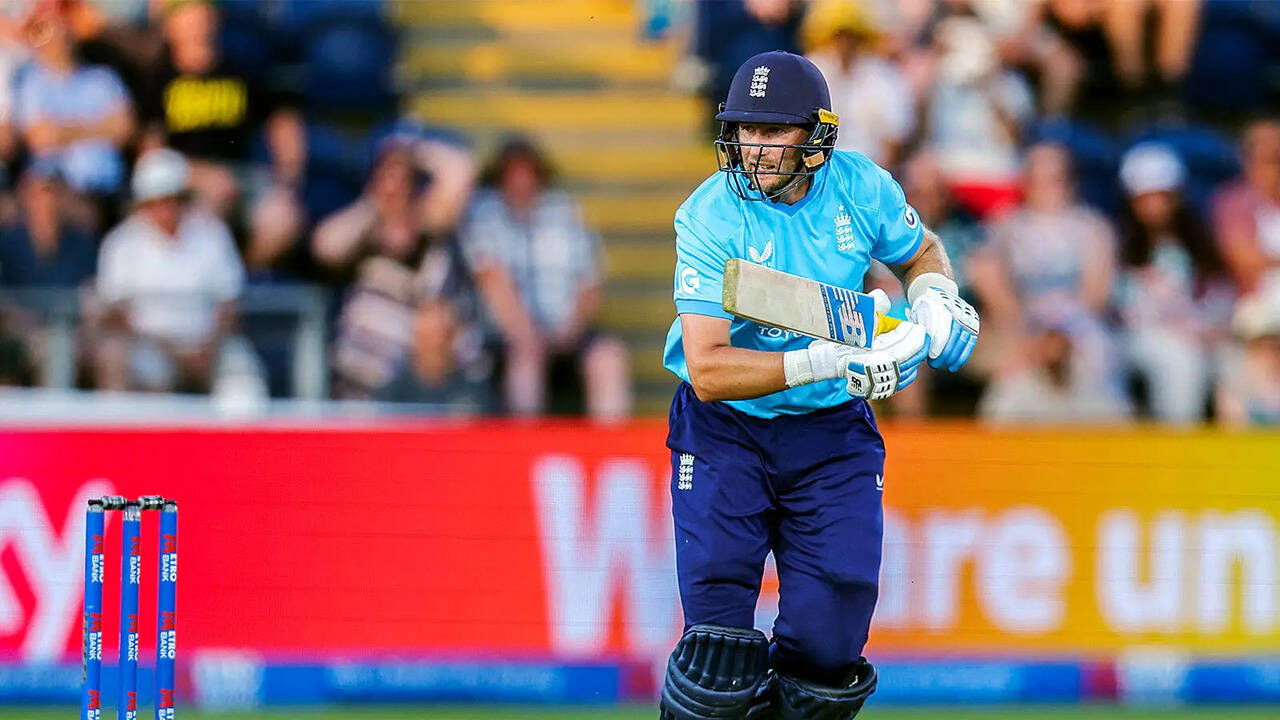
Joe Root has continued his excellent Test form in the ODI series and produced another masterclass against India. The mainstay of England’s batting remained unbeaten in all three innings of the July 2026 ODI series, scoring 249 runs without being out, becoming the first England batsman to score six consecutive ODI half-centuries.Root’s remarkable consistency made him the batsman with the most runs without losing his wicket in a bilateral ODI series, surpassing Jos Buttler’s 248* against Netherlands in 2022 and Ricky Ponting’s 241* against New Zealand in 2007.
Most runs without being out in a bilateral ODI series
249 – Joe Root vs India, 2026 (76*, 99*, 74*)
248 – Jos Buttler vs Netherlands, 2022 (162*, 86*)
241 – Ricky Ponting vs New Zealand, 2007 (107*, 134*)
Root’s unbeaten performance throughout the series:
match
date
it goes
balls
strike rate
venue
1st ODI
14 July 2026
76*
76
100.00
Edgbaston, Birmingham
2nd ODI
16 July 2026
99*
133
74.44
Sophia Gardens, Cardiff
3rd ODI
19 July 2026
74*
48
154.17
Lord’s, London
1st ODI: Stepped forward during a top-order collapse and rescued England from 107/6 and took the hosts to a competitive 258.2nd ODI: Slipping to 125/5, England’s successful chase of 234 began when Gus Atkinson scored the winning run, just short of a century. 3rd ODI: Changing gears brilliantly in the death overs, he stitched an 82-run partnership with Jos Buttler in the final five overs to take England to 387/3, a new highest ODI score at Lord’s, breaking a 51-year-old record.
Playing XI for India vs England at Lord’s
India: Rohit Sharma, Shubman Gill (captain), Virat Kohli, Ishan Kishan, Shreyas Iyer, KL Rahul (wicketkeeper), Axar Patel, Gurnoor Brar, Prince Yadav, Arshdeep Singh, Prasidh Krishna.England: Ben Duckett, Jacob Bethel, Joe Root, Harry Brook (c), Jos Buttler (wk), Sam Curran, Will Jacks, Gus Atkinson, Jofra Archer, Adil Rashid, Josh Tong.
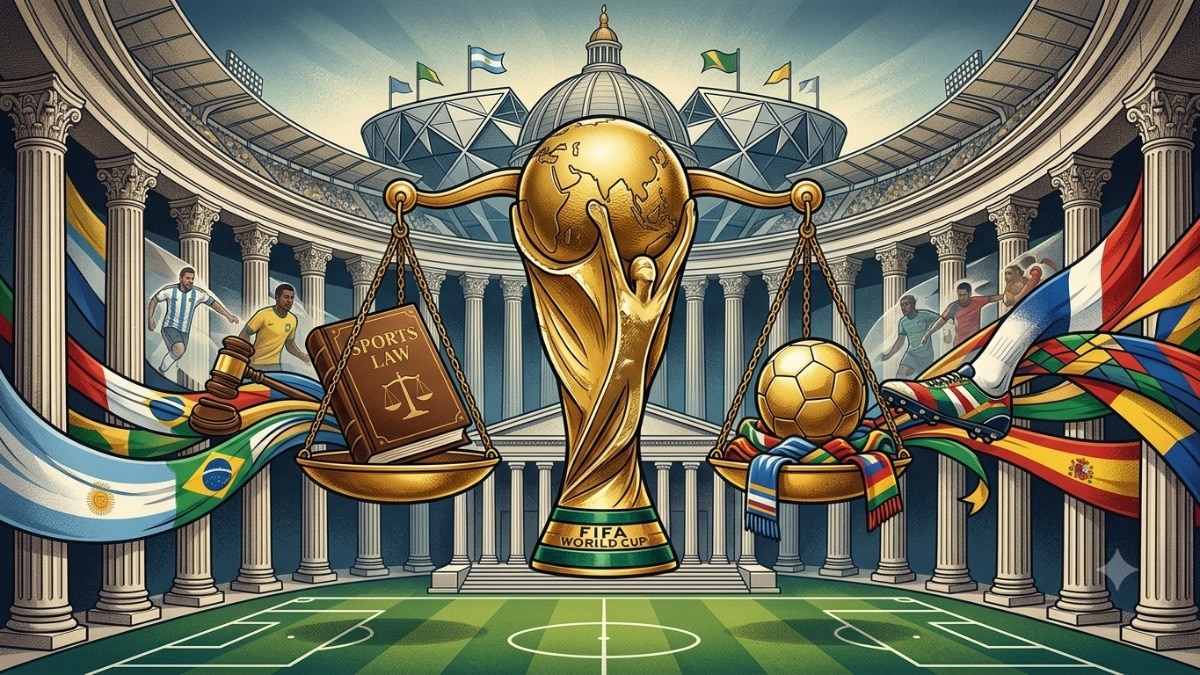
Stepping onto a football pitch is, in many ways, an analogy of entering a courtroom. Both the field and the courtroom are ritual-driven arenas where conflict is freed from chaos and disorder to live and die by a strict web of rules. In both, the final, unshakable authority – barring appeal – is entrusted to a neutral arbiter (be they in the referee’s kit, or on the bench) with the sole responsibility of ensuring that due process triumphs over bias. A trial is built on the foundation of procedure and sacred rules of evidence to uncover the truth and deliver justice.
Similarly, a football match depends on the sacred laws of the game to ensure fairness. Both systems depend entirely on a fragile, hope-filled assumption: that the rules apply equally to everyone, and that the process is immune to outside influence. Both are based on a simple basic principle to understand: may the best win.
shared ritual
Nevertheless, as of 2026 FIFA World Cup As the United States, Canada and Mexico reach their final resolutions, that vision is beginning to disintegrate in real time. The tournament is defined as much by administrative and legal friction, or, well, rules and regulations, as it is by sheer sporting talent. For example, when the chairman of FIFA’s disciplinary committee bypassed the process on his own volition American striker Folarin Balogun’s red card overturned suspension, or when the organization took advantage of Article 27 of its code to overturn Cristiano Ronaldo’s competitive ban so as to allow him to compete in his final World Cup, the decisions did not merely serve the role of promoting debate and discussion. They seem akin to a slow creep familiar to any qualified legal scholar, and certainly to any constitutional scholar: the erosion of due process protections to protect the powerful and profitable.
Where the rules are bent to preserve the interests of the elite, whether on the field or in the court, the entire system quickly loses its legitimacy. Remove the foundation, and you’ll very soon find that you have nothing of value left.
For decades, the field was considered a strange, crude mix of crude contracts and the internal bylaws of voluntary associations. This was the law of private clubs, each his own, then organized into disorganized leagues and federations. However, today, the rules of the game have become entirely formal, redundantly specific in some cases, and excessively rigid in others.
corporate creep
The 2026 tournament perfectly demonstrates the shift from quirkiness to commercialism. To protect market value and broadcast revenue, FIFA implemented a tennis-style seeding system that guaranteed that the top-ranked teams would be spared early elimination. Even more worrying is the introduction of mobility Pricing pushed ticket prices to last To the tune of over US$11,000, effectively locking the public out of the game initially intended for the public, and in the process, triggering consumer protection investigations in New York, New Jersey, Texas, and California.
If the evolution of sports law from quixotic to corporate represents the triumph of sovereignty over greed above all else, this tournament exposes to the world the rot of the domestic policies of host countries. Herein lies the nuance of modern sports: sporting events, indeed, mega-sporting events like the FIFA World Cup, do not exist in a vacuum. They are a lens magnifying the existing flaws in the system.
Take, for example, the (essentially Zionist) reaction before the World Cup Lamin Yamal Celebrating by waving the Palestinian flag; A Spanish player, waving the flag of the nation that is recognized by Spain, was praised for this act by the leaders of his own country, he was harassed by individuals and politicians from half the world away and demanded that his club (FC Barcelona) and his country strip him of his right to play for daring to speak out publicly. Through the lens of sport, his work becomes magnified, and cracks become visible.
human cost
Further, consider the civil liberties warnings issued by organizations such as the ACLU and Amnesty International during the tournament’s conduct. The World Cup coincides with an aggressive increase in domestic crackdowns on immigration in the United States, evidenced by mass detentions, increased border enforcement, and aggressive social media screening of incoming travelers, overshadowed by the curtain of celebrity due to the FIFA World Cup. The tournament, promoted under its 2026 logo as a celebration of unity, is held against a backdrop of restricted public spaces and unreasonably accelerated deportations. Under the guise of the World Cup there has been an abundance of security, surveillance and increasingly stringent police measures.
Obviously, this friction also extends to municipal administration, and, on a more broad level, to human rights. In many host cities, local governments have taken to demolishing camps, displacing homeless populations to present a sanitized, commercially plastic-perfect image to broadcasters – not unlike what our government in India does every time we host a global event, as seen during the G20 meeting in recent times, with hasty reconstruction, wall construction and poverty denial.
Sports law is no longer just about regulating the functioning of sport, or arbitrating contractual disputes in relation to sport. This, especially in recent years, has become a major arena where greed, pride and human rights openly collide.
For those of us at home, studying law and enthralled by the World Cup season, the modern, if somewhat nihilistic, message is crystal clear: the pitch can no longer serve as a useless escape from reality. Nor, indeed, can sport be considered a meaningless pastime. Even looking beyond the fortunes earned in sport, we must recognize its wider impact, not just in the moment the ball hits the back of the net, but in our daily lives, and in some ways, in the politics we live by.
(Neil Binoy is a Delhi-based law student and columnist on legal issues and policy.)
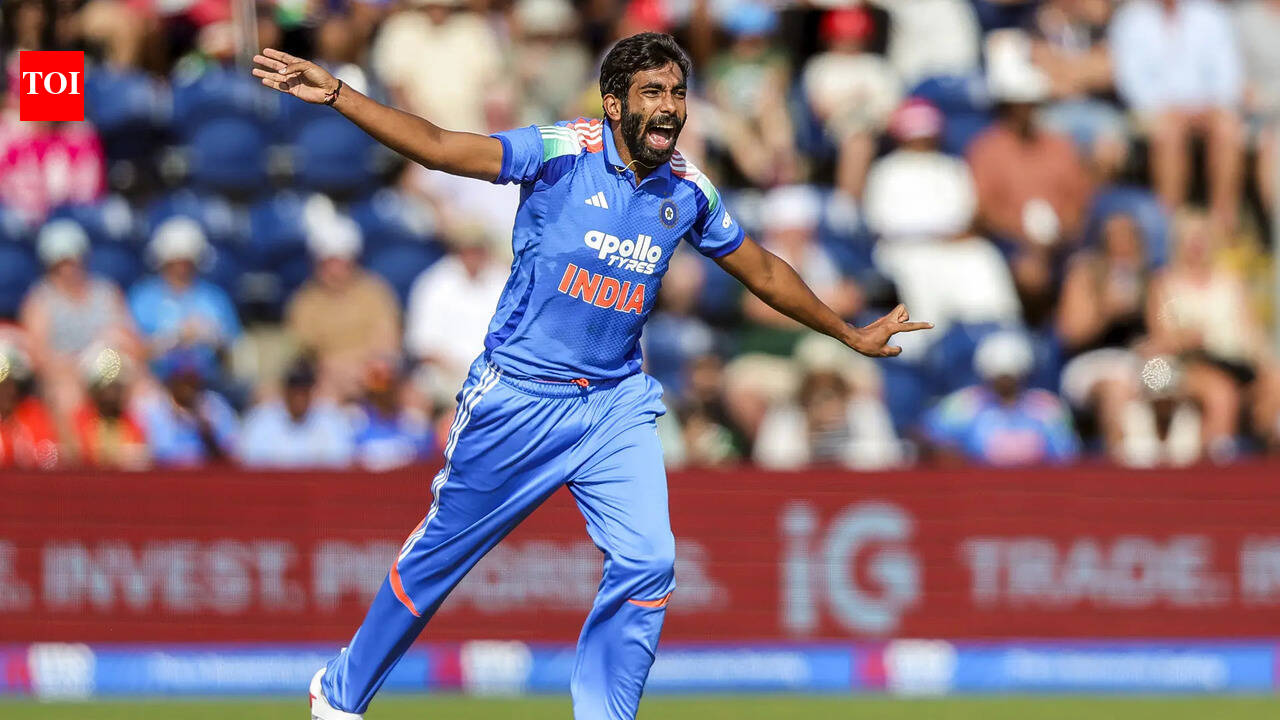
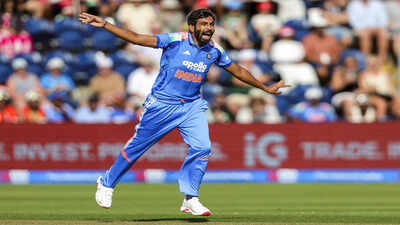
India have suffered a major blow ahead of the ODI series decider against England at Lord’s, with fast bowler Jasprit Bumrah ruled out with a knee injury. Captain Shubman Gill confirmed the news after England won the toss and decided to bat first.“We would have bowled. Boom didn’t play due to a knee injury. KL, Prince and Arshdeep came in. We were looking to play four fast bowlers. We were in a good position and had lost a lot of wickets,” Gill said during the toss. While Bumrah’s absence is a big blow for the visitors, KL Rahul returns to the playing eleven after missing the last ODI due to illness. India have also brought back Prince Yadav and Arshdeep Singh as they opted for a four-man pace attack in the winner-take-all contest.England have made one change and included Josh Tong in place of Saqib Mahmood. Captain Harry Brook said after electing to bat first that Joe Root’s match-winning innings in the last ODI provided the ideal template for his team.“Today we will have a bat. Looks like a good surface. Tongues come back for Saqib Mahmood. The way Rooty batted, he sets a great template. “Hopefully we will assess the conditions quickly,” Harry Brook said during the toss.
playing eleven
India: Rohit Sharma, Shubman Gill (captain), Virat Kohli, Ishan Kishan, Shreyas Iyer, KL Rahul (wicketkeeper), Axar Patel, Gurnoor Brar, Prince Yadav, Arshdeep Singh, Prasidh Krishna.England: Ben Duckett, Jacob Bethel, Joe Root, Harry Brook (c), Jos Buttler (wk), Sam Curran, Will Jacks, Gus Atkinson, Jofra Archer, Adil Rashid, Josh Tong.
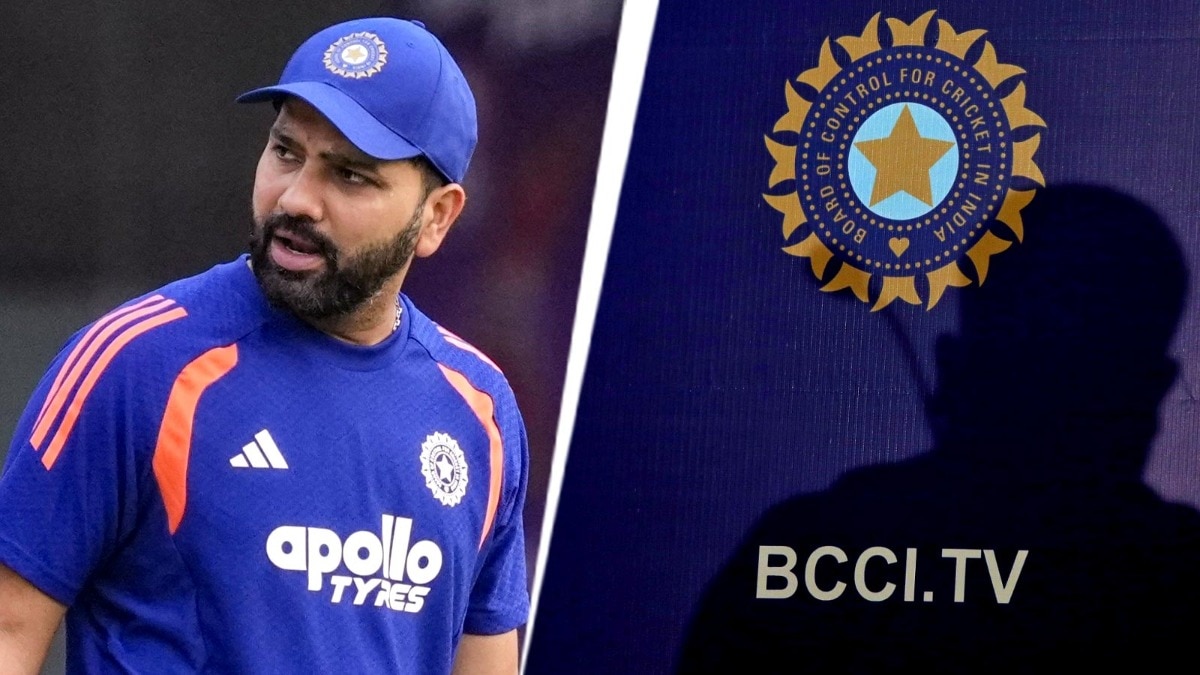
BCCI secretary Devjit Saikia said late on Friday, July 17, that the ODI match at Lord’s will not be former India captain Rohit Sharma’s last ODI, amid speculations that Rohit is no longer in the plans of the selectors and team management. Reports claimed that India has decided to proceed The experienced opening batsman is set to draw curtains on his career after the Lord’s ODI ahead of the 2027 ODI World Cup.
Saikia dispelled those concernsPutting an end to the rumours. Ok. Great. But why is the Indian Cricket Board Secretary talking about Rohit Sharma’s retirement plan?
This seems like a silly question. But the more you think about it, the stranger it becomes.
Perhaps Rohit had never intended to retire in the first place. Or maybe he did.
But that is not the point.
Devjit Saikia is the Secretary of the BCCI – the top administrative officer of the board. He is not the person taking decisions in the Indian dressing room. Yet he was there assuring everyone that Rohit’s ODI career would not end at Lord’s.
You have to wonder what goes on in the mind of an administrator when they suddenly want to decide the career plan of one of India’s greatest cricketers.
Shouldn’t cricket be left to cricketing ability? India has a strong ecosystem for this, built by, guess who? BCCI.
There are selectors to judge form, coaches to manage players, captains to lead the team and players to decide when enough is enough. The job of an administrator is everything related to cricket: paperwork, broadcast deals, logistics, administration and budgeting.
At this point, you may wonder: What’s the harm in a harmless comment?
I would argue that there is.
one man rules all
BCCI secretary Devjit Saikia addressing the post-selection meeting with selection committee chairman Ajit Agarkar (PTI photo)
It is no secret that the BCCI has traded its old, anarchic democratic mantle for a much shinier, far more absolutist “one man rules all” philosophy. Notice the difference here. Rules all, does not rule all.
Governance requires distribution of authority. It accepts roles and responsibilities. Governance simply requires one person who has direct access to the microphone.
Ever since Sourav Ganguly was removed from the chairman’s chair, public communication about Indian cricket has increasingly flowed through the office of the secretary. During Jay Shah’s tenure, he informed about almost every major development related to the Indian team. This pattern has certainly continued under Devjit Saikia.
Maybe this makes communication easier. Perhaps this will also keep Indian cricket running smoothly. But it leaves behind an uncomfortable question. Why are capable men and women, many of whom have spent decades inside the sport, being silenced? And if they are not competent enough, why are they in positions of power in the first place?
If the head coach or chairman of selectors can’t address speculation about a modern great player, why are they in those positions in the first place?
history repeats itself
Why are we talking about secretaries today?
Because we’ve seen this drama before.
Focus your mind on September 2021. Rumors were spreading that Virat Kohli was going to lose the T20I captaincy of India. Accountability is part of the elite game. Even a player of Kohli’s stature was not immune from scrutiny after India’s multiple failures in ICC tournaments.
But when Kohli’s future in cricket was being debated, the administrative machinery intervened.
Jay Shah had announced, “There is no proposal to replace Kohli and the team is being led by Virat and we are supporting him.”
“We are sensitive to the fact that such a proposal is not in the interest of the Indian team when it competes in the World Cup.”
Forty-eight hours later, Virat Kohli resigned. It was a masterclass in institutional gaslighting.
Who exactly were the public supposed to believe? The BCCI Secretary, who had categorically ruled out such a move? The head coach, who never addressed the issue publicly? Or the hurt Virat Kohli himself, who quietly walked away from captaincy for seven years?
That was September 2021. Five years later, we’re back in exactly the same place.
Once again, an administrator has become the face of cricket’s decisions. Once again the selectors are maintaining silence. Once again the coach has become silent. Once again, the player himself has not said anything.
At this point, someone will inevitably ask, and they should ask: What did Saikia have to do? A microphone was thrust into his face.
Easy. All he could say was: “It is not my place to comment on a player’s future. Please ask the captain, coach or selectors.”
That’s it. The matter is over.
God save Indian cricket
Whether Rohit Sharma will retire after Lord’s, after the Asia Cup, after the World Cup or two years from now is almost irrelevant.
The big question is: Why has Indian cricket reached the point where the secretary is at the center of power? Why can’t he hand over command to the respective department heads, who are in their positions because they are capable.
If administrators become the spokespersons then the people who actually run the cricket team will gradually stop mattering. Slowly, almost imperceptibly, the institution becomes hollow from within.
Cricket deserves better than this. Institutions also do this.
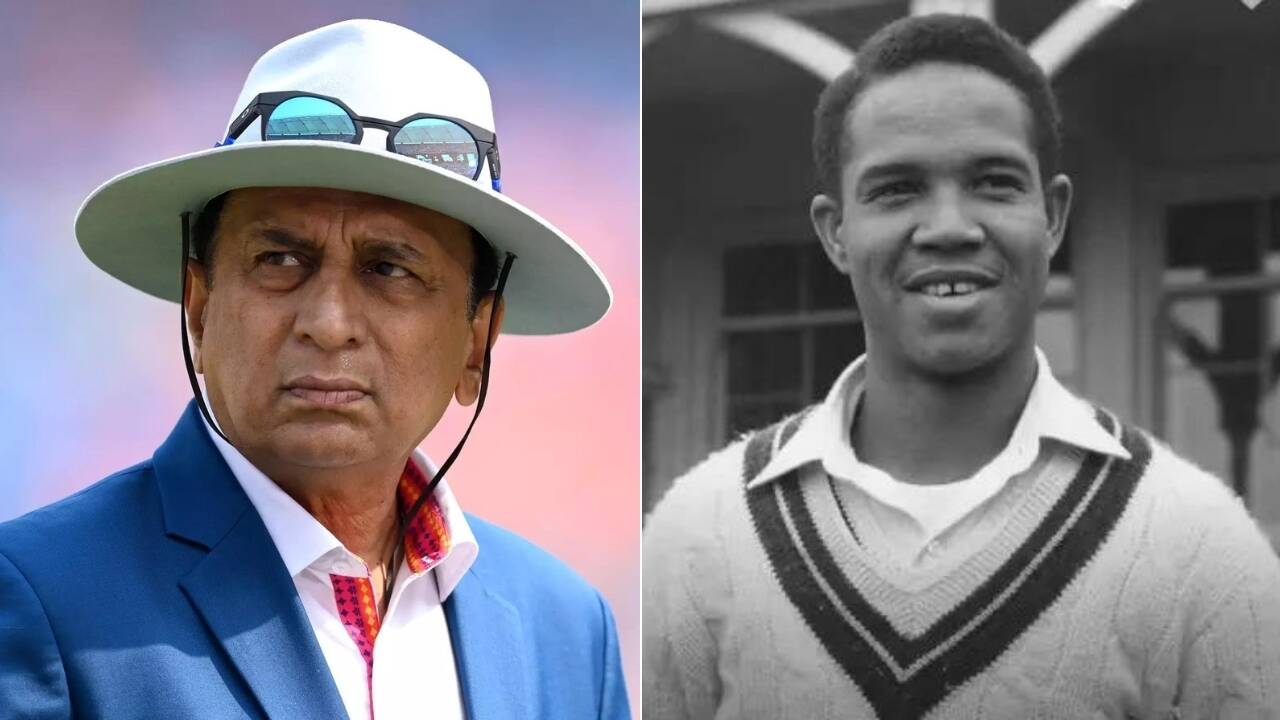
Garfield Sobers was the greatest all-rounder of all time. In 93 Tests, he scored 8,032 runs, took 235 wickets and took 109 catches, including some of the finest gems in the slips. But during India’s 1971 tour of the Caribbean, the West Indies maestro was left out Sunil Gavaskar At least three times, thereby inadvertently giving a career boost to the young opening batsman playing his first Test series. Gavaskar, who described Sobers as “the greatest cricketer of all time” in his book ‘Idols’, details those missed opportunities in his autobiography ‘Sunny Days’.He wrote, “I was pleased to see Sobers bowl slower to Holder as I tried to drive him on the backfoot. Sobers fell in this attempt but the ball fell. It was a lucky break.” This opportunity was given when Sunny was 20 years old and he scored 65 runs for the first time. This was the same Test where India registered its first win against the West Indies in Trinidad. In fact, Sobers also had a hand in Gavaskar getting his first century. The opening batsman wrote, “Just as I was nearing my first century, dark clouds started gathering and it started drizzling. However, play continued and on 94 I was caught taking what was probably the easiest catch of all.”Sunny appeared to play forward to a flighted delivery from off-spinner Jack Noriega. Gavaskar wrote, “The ball turned and bounced off my gloves and went to Sobers, who would have taken a dolly if he had been standing there before throwing the ball. But Gary, anticipating my forward defensive stroke, had moved forward.” Sobers missed catching the ball. At the end of the over, Gary stood in front of me and said, ‘Man, why are you chasing me, can’t you find another fielder?’ He had fucked me three times so far and this last one was the easiest of them all.Sunny was out after scoring 116 runs.But the great West Indian player took everything in stride. Gavaskar scored 124 and 220 in the last Test, taking his tally of runs in the series to 774. Sunny wrote, “As I returned to the pavilion, Sobers smiled and tipped my cap.” Both cricketers were in the same team, Rest of the World, against Australia in 1971–72. Sobers’s 254 against Lillee and Company in Melbourne was described by Donald Bradman as “the greatest ever scored since the war”. And yet “the remarkable thing is that he never wore a thigh guard in his life,” Sunny wrote.
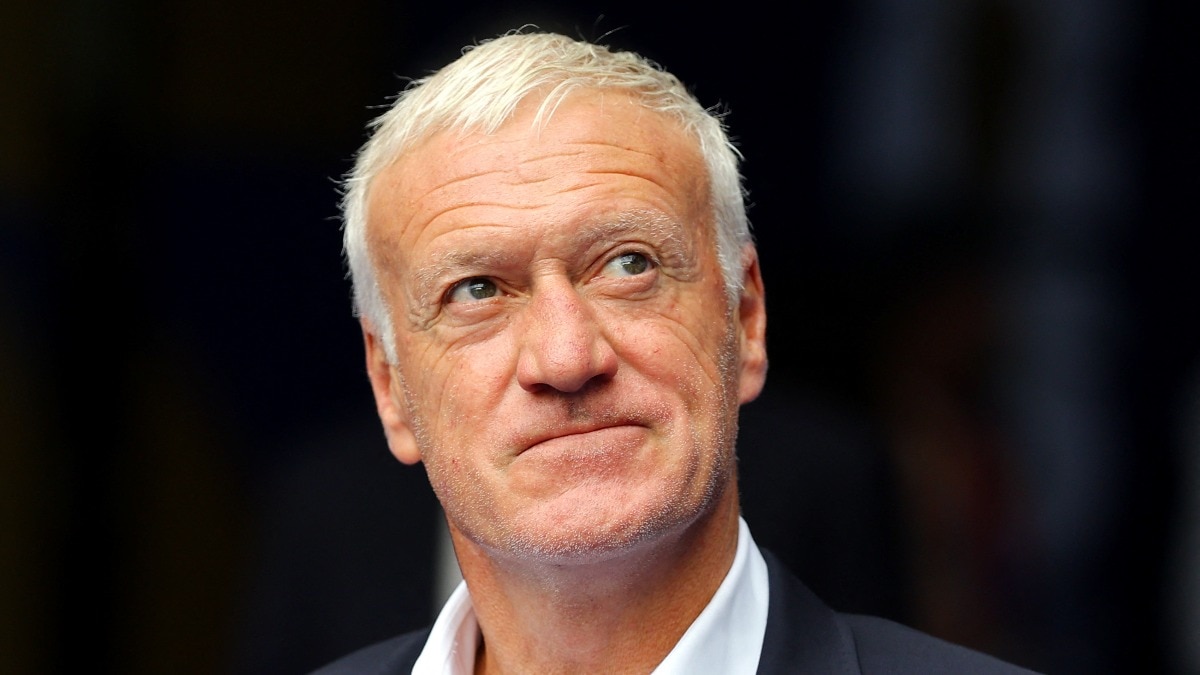
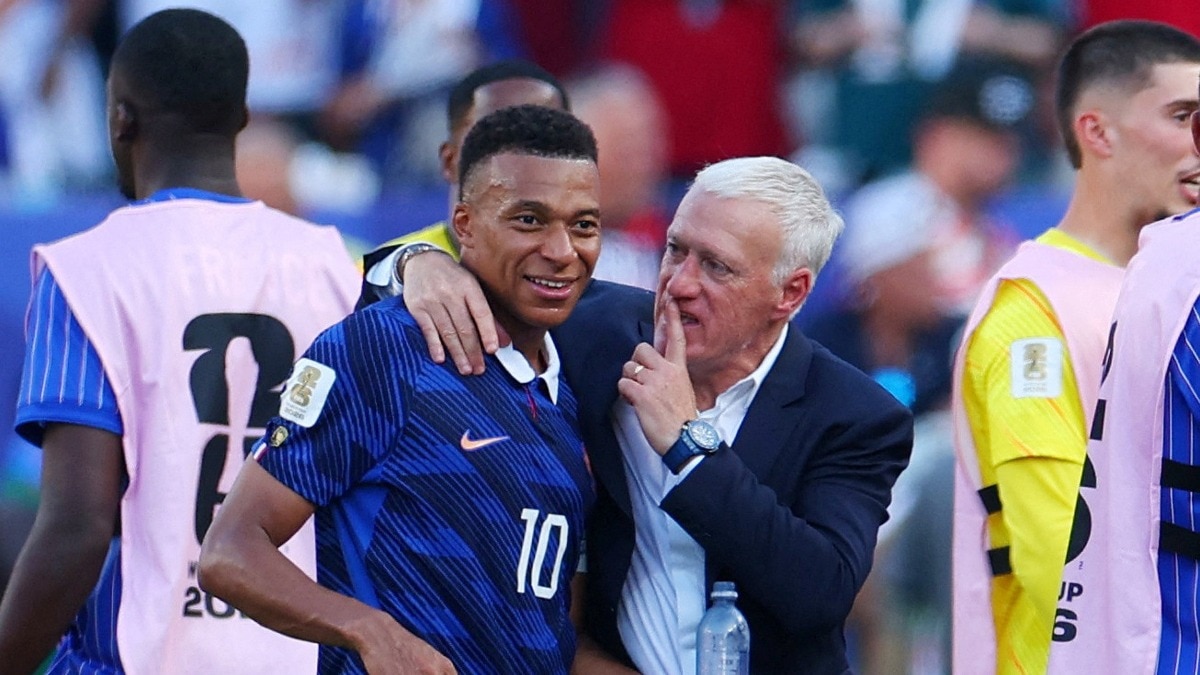
France captain Kylian Mbappe admitted Les Bleus failed to give Didier Deschamps the farewell he hoped for after a dramatic 6-4 defeat to England in the FIFA World Cup third-place playoff, but insisted a disappointing afternoon will never tarnish the outgoing coach’s legacy.
Deschamps departed after 14 years in charge of the France national team with a fourth-place finish, seeing his team trail 4–0 at half-time and stage a strong comeback in the second half, which ultimately failed.
Mbappe, who scored twice in the defeat, admitted that France had let him and his coach down during a disastrous opening 45 minutes, but praised the team’s response after the break.
Reflecting on the rollercoaster encounter, Mbappe admitted that France were overwhelmed by England’s intensity from the opening whistle.
“There were two completely different halves. During the first half, I can understand why some people think we made a fool of ourselves and didn’t do justice to the jersey,” Mbappé said.
“Instead I would say that we were human, and we couldn’t afford for this to happen. We were completely shocked, and they really shook us up.”
England took a 4–0 lead before half-time thanks to Declan Rice, Ezri Konsa and Bukayo Saka, whose two first-half goals left France with an impossible task.
However, Mbappé was encouraged by the character shown by his teammates after the restart as Les Bleus threatened an unexpected comeback.
“In the second half, we became top-level players, mental machines.”
France scored four times after the interval through Mbappe, Bradley Barcola and Ousmane Dembele to reduce the deficit to one goal, before Bukayo Saka converted a late penalty and Jude Bellingham scored another goal in stoppage time to ensure England’s bronze medal.
legacy intact
Despite the defeat, Mbappe said the biggest disappointment was not being able to send off Deschamps with a win in his final game as France coach.
“In the end, we didn’t win and that’s a shame for the coach. We wanted to do something for him.”
The France captain admitted the first-half collapse gave the impression the team had abandoned the man who led them to 2018 FIFA World Cup Title and second final four years later.
“The first part gives the impression that we let him down. That’s not at all how we wanted him to feel.”
However, Mbappe was adamant that Deschamps’ place among France’s greatest coaches should not be judged on a difficult afternoon.
“That match will not tarnish Didier Deschamps’ legacy.”
Deschamps is one of the most distinguished managers in French football history, winning the World Cup in 2018, reaching another final in 2022 and leading France to fourth place in 2026.
While France fell behind collectively, Mbappé enjoyed another record-breaking evening. His two goals took his career World Cup tally to 22, moving him ahead of Lionel Messi’s total, while his 10 goals in the tournament secured the Golden Boot despite Les Bleus missing the podium.
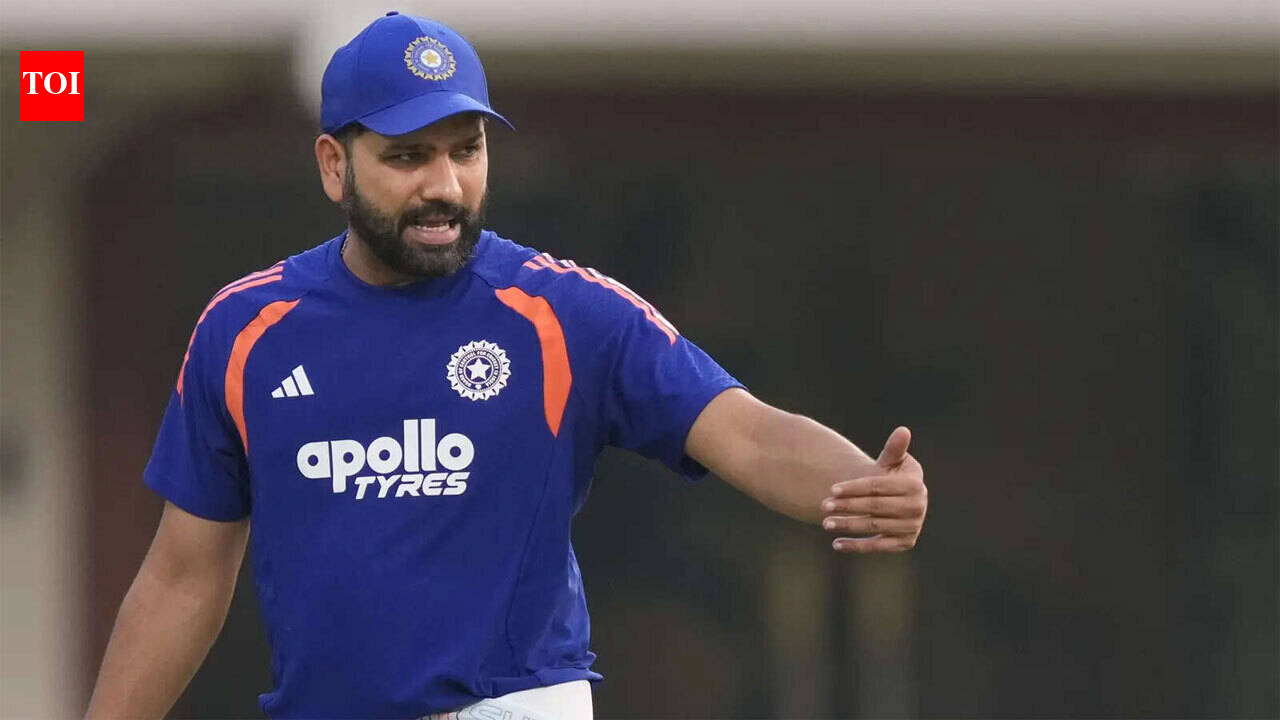
TimesofIndia.com in London: as if a lot of mantras were being chanted Rohit Sharma Moved to the prestigious Lord’s cricket ground on Saturday. When he came out after about three hours, the mood remained the same.“The most important man in all of India!” shouted one fan. Another declared, “Ek shatak pakka kal! (A century tomorrow for sure!),” as Rohit smiled and took his place in the luxury black bus. It may be possible that runs are not flowing for ‘Hitman’. The protesters may be pushing him out of the team instead of supporting him to stay. But fans don’t see things that way. Rohit Sharma has scored 891 runs since the beginning of 2025 Shubman Gill974 more Virat KohliThis year he has scored 241 runs, which is behind Gill’s 484 runs and Kohli’s 310 runs. Pressure, even if the team management denies it, may be playing a role.As Rohit and Kohli prepare for their last bilateral game in England, their contributions to the game have not been forgotten.“He’s obviously been an amazing player for many years and it’s good to see him still playing the game,” the England captain said. harry brook Said before the third ODI, the series is tied at 1-1.Rohit has scored only 37 runs in the current series, 11 in Birmingham and 26 in Cardiff, raising questions about whether the 39-year-old’s place in India’s ODI team is under threat. Batting coach Sitanshu Kotak stressed that there is no pressure to speak.On Saturday, Morne Morkel put another proverbial hand on Rohit’s shoulder.“It’s hard work early on with the new ball. We’ve seen that throughout the series. The ball is moving.”“So batting first is not easy. There is no doubt that Rohit will work on it. He has done it before also. He is experienced and he brings calmness to the batting order.” So, without a doubt, there are no worries or concerns about the way he is going about things,” the South African said.His record at Lord’s does not inspire much confidence. The right-handed batsman has played five matches at the venue and scored just 133 runs, including 83 in a Test in 2021. In four white-ball matches, he has managed only 29 runs, with a top score of 15 in 2018. In fact, his last outing here ended with a duck in 10 balls as England defeated India by 100 runs.Hoping to change this, Rohit took part in optional practice sessions ahead of the third ODI Ishan KishanKL Rahul, Kuldeep Yadav and Prince Yadav.During the batting that lasted for over an hour, Rohit faced Kuldeep, Mayank Yadav and sidearm specialists. He seemed to be in pretty good rhythm and control. During the break he laughed and joked with the support staff members. After he finished, he went to the bench, took off his gear and had a long conversation with the coach. Gautam Gambhir. Even before the net session, Rohit was seen standing and laughing with Gambhir and Kotak on the Lord’s balcony.This may be the last ODI of Rohit Sharma’s illustrious career, but the crowd will undoubtedly turn out in large numbers to get a final glimpse of one of India’s greatest white-ball cricketers at one of the most iconic venues in the game.
Just hours before France take on England in the FIFA World Cup 2026 third-place playoff, captain Kylian Mbappe paid an emotional tribute to outgoing head coach Didier Deschamps, admitting the team failed to give one of the country’s greatest managers the farewell he deserved.
Before the match, Mbappé took to social media with a heartfelt message thanking the coach who led one of the most successful eras in French football history.
“Today is your last dance,” Mbappe wrote on X (formerly known as Twitter).
“We should have offered you a better ending, but we failed.”
Kylian Mbappe posted a heartfelt message for Didier Deschamps ahead of the third-place game against England. (Image: Reuters)
‘Time will judge’
The France captain reflected on Deschamps’ remarkable 14-year tenure, saying the manager’s contribution to the national team goes far beyond the trophies he has delivered.
“It is very difficult to put into words what you achieved in 14 years, you were a key actor in the revival of this team,” Mbappe wrote.
“People don’t always know how to appreciate your greatness, but time and history will take care of that.”
Deschamps took over in France in 2012 and turned Les Bleus into one of the major forces in international football. he led the team 2018 FIFA World Cup title in RussiaThe UEFA Nations League crown in 2021, and also reached the finals of Euro 2016, 2022 World Cup and 2026 World Cup.
Already a World Cup-winning captain in 1998, Deschamps became only the third man to win football’s biggest prize as both a player and coach, cementing his place among the game’s most revered figures.
end of an era
Mbappé thanked Deschamps for his confidence in him throughout his international career and said it was a privilege to represent France under one of the country’s greatest football figures.
“Thank you for giving me the chance and opportunity to represent my country on the biggest stage for so many years,” Mbappe wrote.
“I feel fortunate to be able to stand beside one of our country’s greatest giants, and I have excellent memories of all the things we lived and accomplished together.”
The Real Madrid forward concluded by wishing Deschamps success in whatever comes next.
“I wish you all the best on your new adventure, and thank you again for everything you bring to this jersey, which means so much to us.”
France will now look to ensure Deschamps’ final match ends with a win when they take on England in the third-place playoff. Whatever the result, the match will bring down the curtain on a 14-year reign that restored France to the pinnacle of world football and established Deschamps as one of the country’s greatest managers, with Zinedine Zidane widely expected to succeed him.