

Kolkata notephilist maps 2026 FIFA World Cup through currency kolkata news
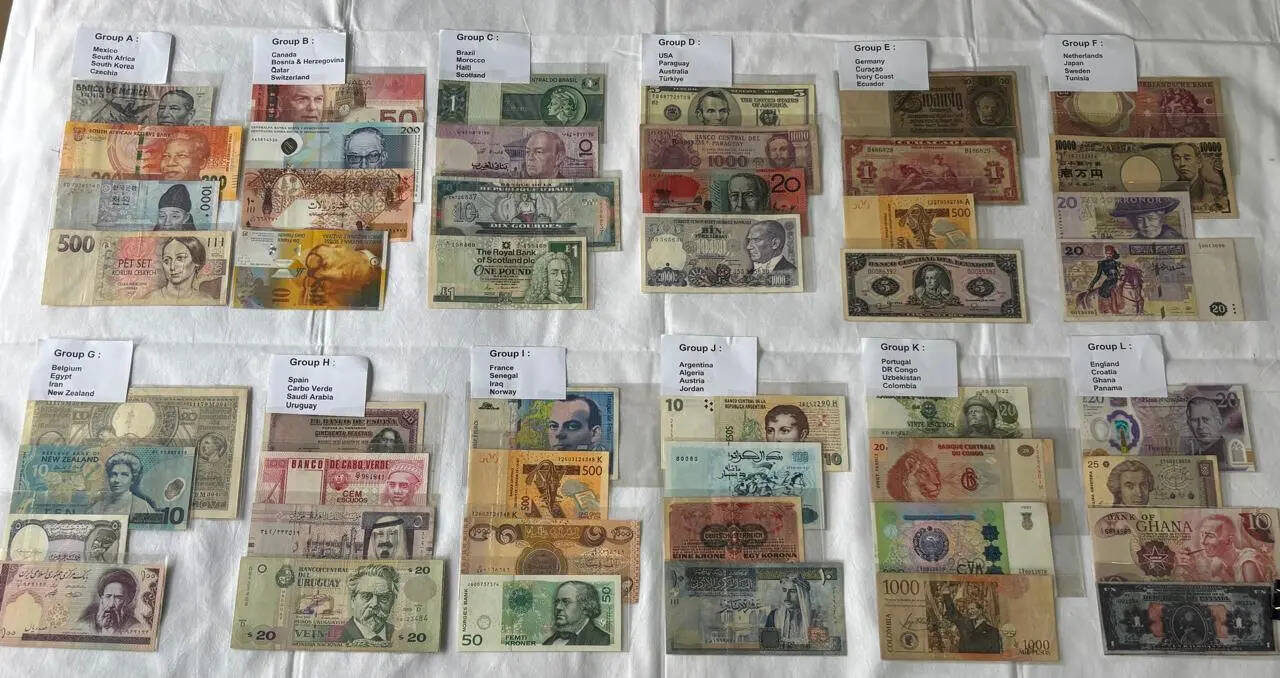
Kolkata: At a time when the FIFA World Cup is expanding its football map, Kolkata-based notaphilist Anindya Kar has created a paper trail of the tournament through currency.The tax collection brings together banknotes representing all 48 participating nations of the 2026 FIFA World Cup, turning the expanded tournament into a compact collection of national identity, history, art and economy. To them, each note is more than a collector’s item; It is a cultural document containing images, monuments, wildlife, scripts, symbols and political memories of the nations that will appear on football’s biggest stage.
The 2026 edition is historic in many ways. For the first time, the World Cup is being hosted by three countries – the United States, Canada and Mexico. The only previous multi-nation hosting arrangement was in 2002, when South Korea and Japan jointly hosted the tournament. The number of participating teams has also increased from 32 to 48, taking the total number of matches to 104.
The expanded structure has added a round of 32 before the subsequent knockout stages. The eventual champions will now have to play eight matches instead of seven, making the path to the trophy longer and more challenging.Tax collection reflects that sheer scale. Notes of football legends are placed next to the currencies of countries making rare or first appearances on the global football stage. The presence of countries such as Curaçao, Cape Verde, Uzbekistan and Jordan gives added value to the collection, as their banknotes represent not only economies but also football milestones.
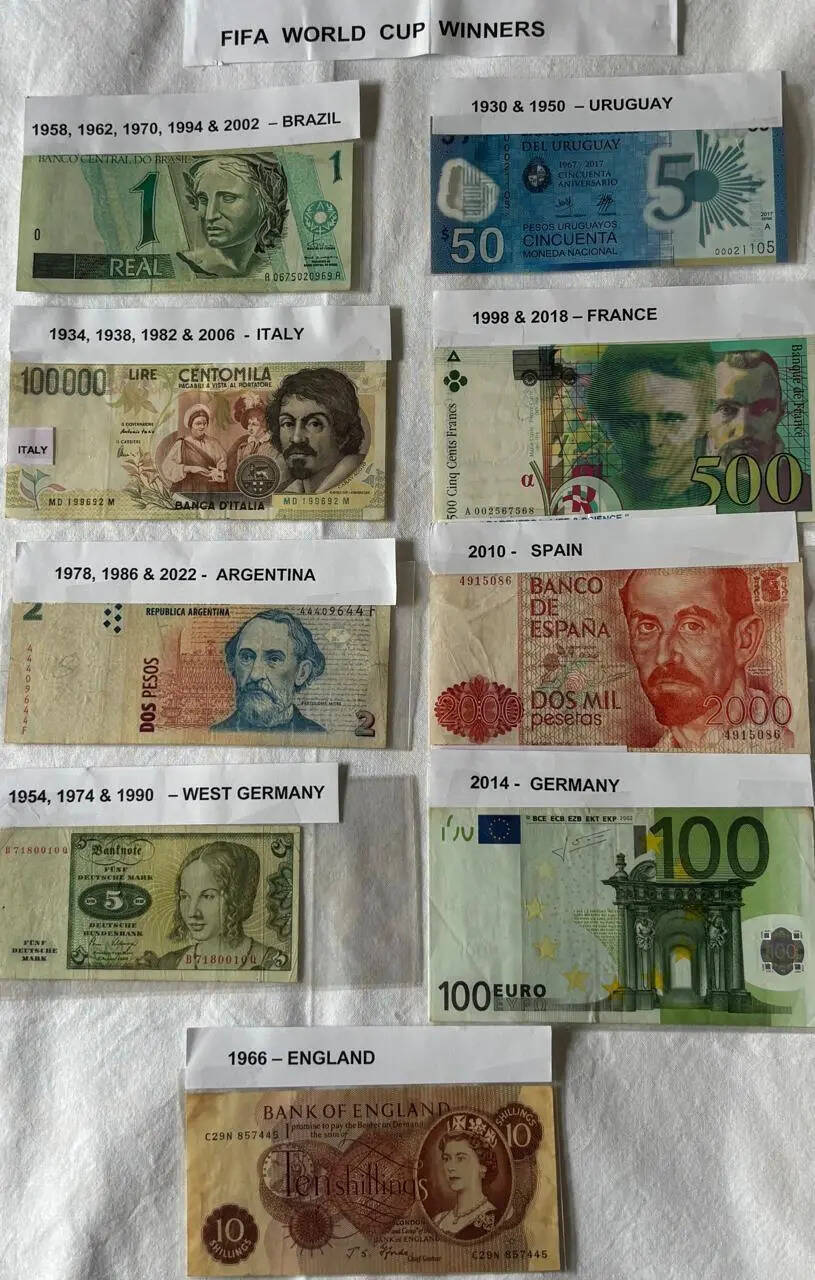
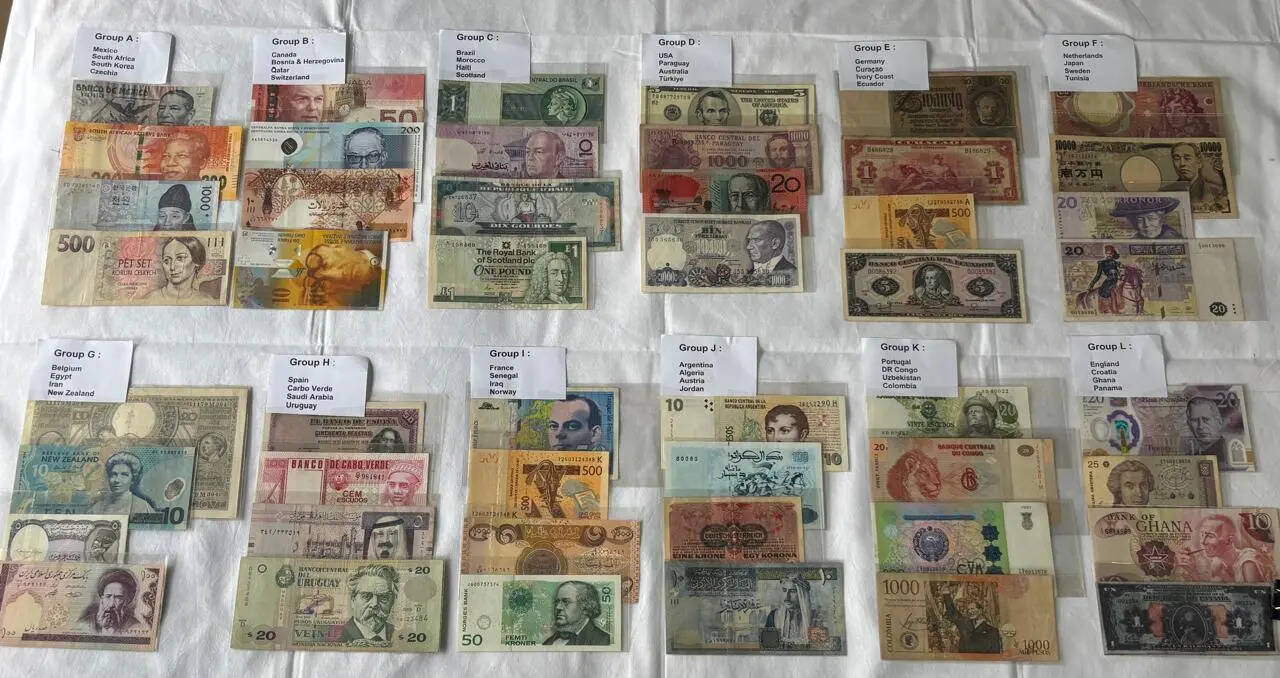
He said, “A distinctive feature of the display are the European countries that now use the euro. The euro was introduced into circulation on January 1, 2002. 21 of the 27 countries of the European Union currently use the euro. For the 12 countries that use the euro at the World Cup, I have avoided regular euro notes and instead used earlier national currencies to give the collection an ancient character.”Belgium is represented by the original Belgian 100 franc banknote of 1943, denominated as 20 Belgas, featuring intricate World War II-era artwork and the watermark of King Leopold I. Germany is represented by a 20 Reichsmark note issued during the Weimar Republic on January 22, 1929, featuring Werner von Siemens. The Netherlands is represented by the 25 gulden note of 10 April 1955, which bears the portrait of astronomer Christiaan Huygens.
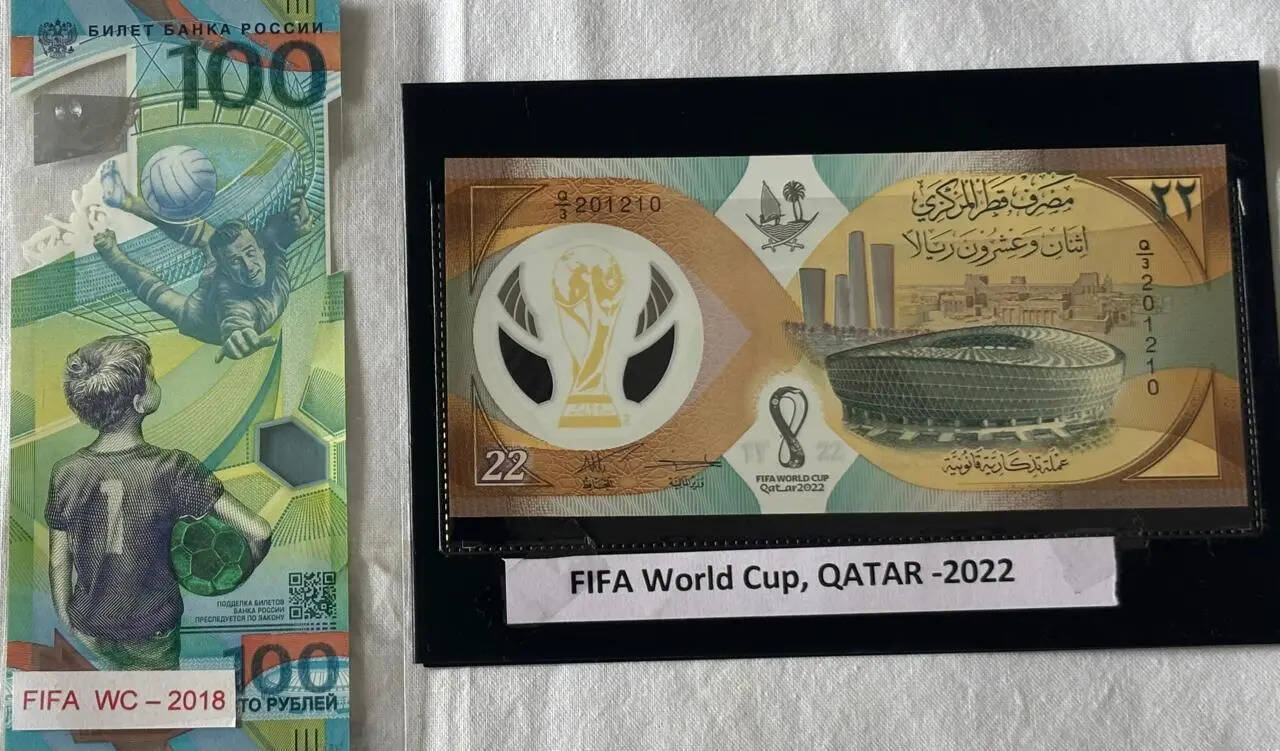
Austria’s place in the display comes via a 1916 krone note with the overprint “DEUTSCHÖSTERREICH” issued by the Austro-Hungarian Bank. Curaçao, one of the highlights of the collection, is represented by a Gulden Muntbilljet issued between 1942 and 1947, featuring Mercury and the ship, and printed by the American Bank Note Company.Notaphilist said, “The notes tell stories beyond the pitch. Some feature photos of writers, engineers and kings; others feature rivers, bridges, birds, architecture and national symbols. The car’s extensive collection includes a Bosnia and Herzegovina 200 Convertible Mark note featuring Nobel Prize-winning writer Ivo Andrić and the famous bridge over the Drina River.”For tax sake, it’s not a World Cup album of stickers, jerseys or stamps. This is a tournament told through money – a display where football meets geography, diplomacy, design and memory.