

Barrierless tolling leads to recovery of Rs 30 lakh as half of users pay dues india news
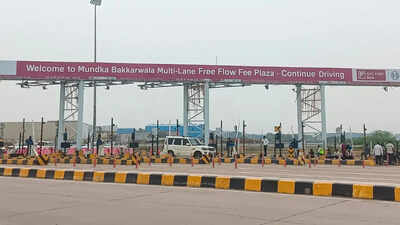
Free Flow Fee Plaza (PTI Image)
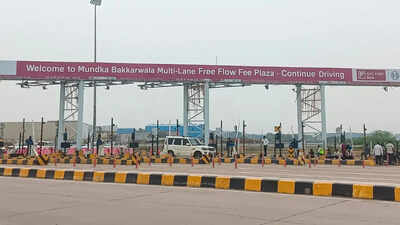
New Delhi: Breaking the perception that people avoid paying pending highway tolls, NHAI on Monday said half of those who received e-notices after the first multi-lane free flow (MLFF), or barrierless tolling, started on NH-48 in Gujarat have paid their dues – about Rs 30 lakh.E-notices were issued to vehicle owners for failure to pay toll after the introduction of the MLFF system by IHMCL, the tolling and technology arm of NHAI, from May 1. Road Transport Minister Nitin Gadkari inaugurated the second such facility in Delhi on Monday.“This seamless system will make travel easier as no one will need to stop. This will save time, fuel and NHAI’s expenses for toll collection. We will save at least Rs 6,000-7,000 crore annually.” This will also prevent leakage of toll revenue. People have no objection to paying toll if it is uninterrupted,” he told TOI.NHAI Chairman Santosh Yadav said that 50% of vehicle owners pay the pending toll, which “proves the hypothesis that people are generally law abiding”. He said IHMCL has so far bid for 17 MLFF plazas and bids have been invited for another 108.Gadkari said once all 700 toll plazas become barrier-free, it is estimated to save Rs 295 crore per year in terms of fuel and help reduce 81,000 tonnes of CO2 emissions besides reduction in travel time and increase in logistics efficiency. “Our operating cost of toll collection will increase from the current 12-15% to 3-4% and this savings will be used for more highway projects,” Gadkari said.The minister said that high-powered cameras installed at MLFF toll plazas will also help in curbing traffic violations. Yadav said that learning from the earlier MLFF tolling, measures would be taken at subsequent toll plazas to alert drivers about the barrier-less tolling space.Yadav also announced several initiatives that will be launched soon to inform and alert drivers about diversions, fog, cattle and landslide prone areas on their mobile phones and to track ambulances in case of emergency. These alerts will be shown on navigation apps.