

Bengaluru Metro highlights technical feasibility challenges for Blue Line solar traction
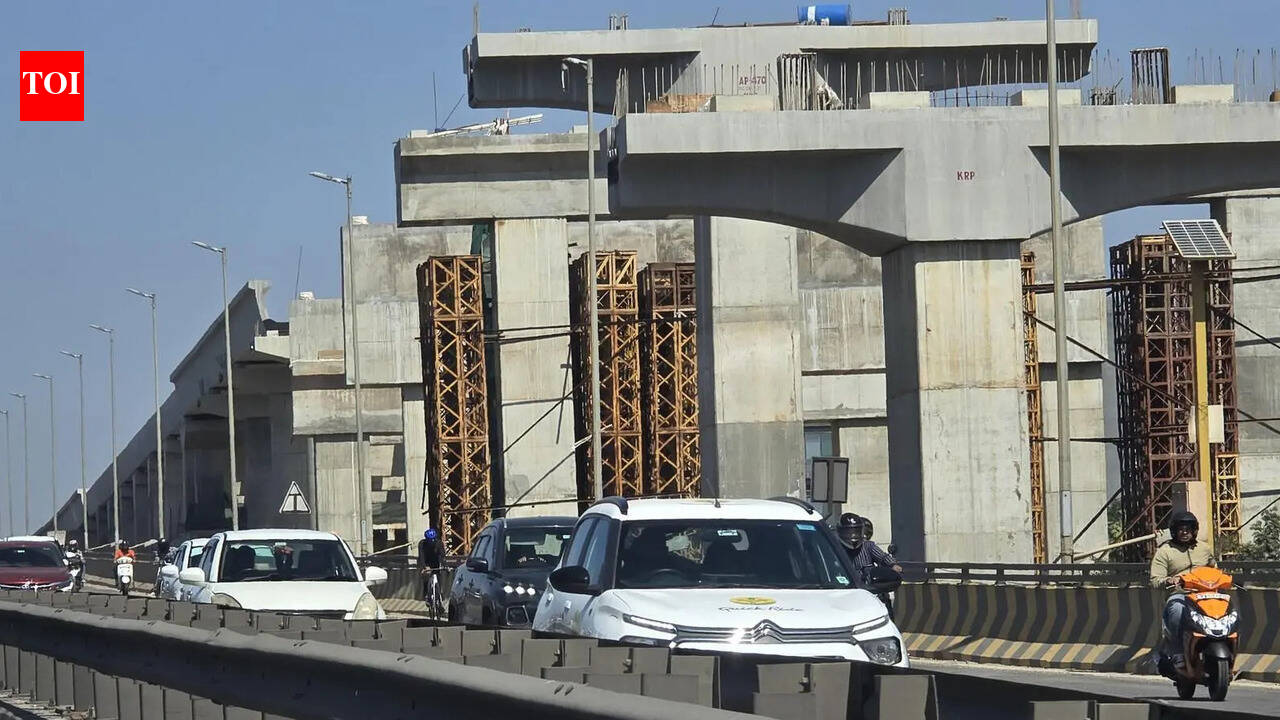
Bengaluru: Bangalore Metro Rail Corporation Limited (BMRCL) officials have identified several technical and design challenges in adopting full solar traction for the upcoming Blue Line.Responding to a study by the Indian Institute of Science (IISc) that has proposed running the corridor entirely on solar power, BMRCL officials, addressing a seminar on the study, on Tuesday said solar traction is not a part of the detailed project report (DPR) on which the Blue Line is being implemented. “Of course, the study has revealed half the information and it gives us … an opportunity to really think about how we can best implement this. But there are some challenges that need to be resolved before we draw conclusions,” said Dodde Gowda, chief engineer (traction), BMRCL.Namma MetroThe Blue Line corridor, when completed, will be 55 km long and will stretch from Central Silk Board to Kempegowda International Airport in North Bengaluru. It will also serve the Outer Ring Road (ORR), which is home to a large number of technology parks in the city.Gowda said rooftop solar capacity estimates will need to be reevaluated based on feasibility and installation best practices, citing prior experience where vendor assessments led to “heavily undercuts” of initial expectations. He said lack of space for expansion between KR Pura and Central Silk Board was another limiting factor.“Only at four stations do we have this extra space for installation of solar equipment and instruments. For the remaining stations, the layout has already been done; it is at a very advanced stage and now the equipment is being moved to these substations for installation as we are working on a very tight target,” Gowda informed.He said BMRCL is already implementing solar initiatives on other corridors including the Yellow Line and Green Line extension along Kanakapura Road.On financing, Gowda said solar traction has not been included in the DPR cost and would require alternative models such as public-private partnership. He said private parties currently install and operate solar systems and are paid for production, but would need to raise additional funds to scale it up for traction.He also highlighted the need for a dedicated technical study on injecting solar power into the 33kV network of the Metro. Beyond solar panels, components such as cables, transformers and switchgear will be needed, officials said.