

Bought something bad? Here’s how you can take a company to consumer court

New Delhi: Bought a defective product? Facing poor service from a company, builder, bank, airline, hospital or online platform? Indian consumer law allows you to approach the Consumer Commission for compensation and relief without going through the lengthy civil court process.Under the Consumer Protection Act, 2019, consumers can file complaints against unfair trade practices, defective goods, deficiency in services, overcharging, misleading advertisements, etc.
Who can file a consumer complaint?
The complaint can be filed by an individual consumer, group of consumers, legal heir or representative, registered consumer association or even by the Central or State Government in some cases. “Consumer” generally means a person who purchases goods or hires services for personal use and not for commercial resale.You can approach the consumer commission for issues like faulty mobile phones, electronics or appliances, online shopping fraud, delay in possession by builders, insurance claim rejection, banking or credit card disputes, medical negligence, airline cancellation or poor service, misleading advertisements, charging more than MRP and poor telecom or internet services.Before filing a case, it is advisable to send a written notice or email to the company or seller explaining your problem, the compensation or refund you want, and the deadline for resolution. Many disputes are resolved at this level.Keep copies of invoices, receipts, emails, chats, screenshots, warranty cards and transaction details. These documents become important evidence later on.
Where should you file a complaint?
Consumer cases are filed before consumer commissions based on the price you paid for goods or services. Under the 2019 Act, jurisdiction is determined by the actual consideration paid and not by the compensation being claimed.There are three levels of consumer commission. The District Consumer Disputes Redressal Commission handles cases where the value of goods or services paid is up to ₹50 lakh. For claims above ₹50 lakh and up to ₹2 crore, the case goes to the State Consumer Disputes Redressal Commission. Cases where the value paid exceeds ₹2 crore are heard by the National Consumer Disputes Redressal Commission, commonly known as NCDRC.The complaint can generally be filed where the opposite party lives or works, where the business is conducted, or where the cause of action arose. Importantly, under the 2019 Act, a consumer can also file from where they live or work – they do not need to travel to the seller’s location.
Can complaints be filed online?
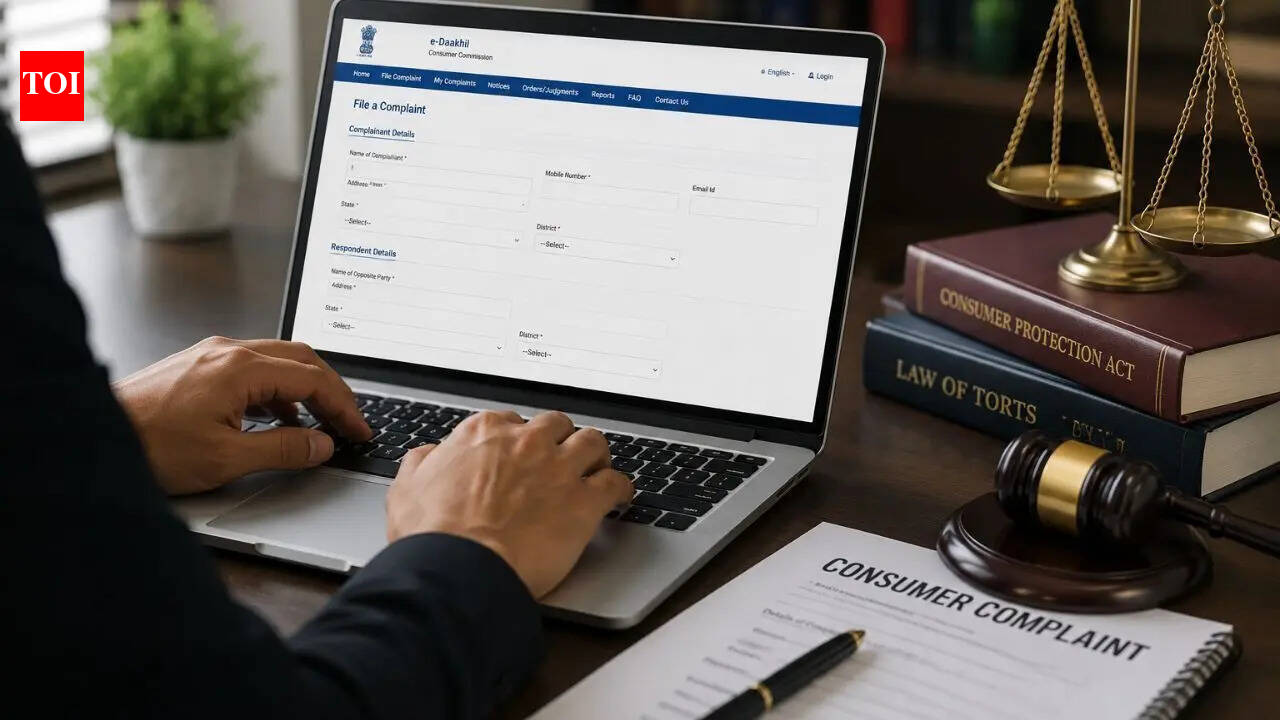
Yes. Consumers can lodge complaints online through the government’s eDaakhil portal (edaakhil.nic.in). The portal allows users to lodge complaints, upload documents, pay fees online and track the status of the case digitally.
What details should be contained in the complaint?
The consumer complaint must clearly state the name and address of both the parties, the facts of the dispute, the date of purchase or transaction, the amount paid, the deficiency or defect involved, supporting evidence and the relief sought.You can seek refund, replacement, compensation, removal of defects, litigation costs, or compensation for mental harassment.
Is it mandatory to appoint a lawyer?
No, consumer courts are designed to be consumer-friendly, and individuals can argue their cases without hiring a lawyer. However, for complex or high-value cases, legal aid may still be a better option.
What is the filing deadline?
The complaint must generally be filed within two years from the date when the cause of action arose. If there is delay, the Commission may allow the case even if sufficient cause for the delay is shown.Once the complaint is accepted, a notice is issued to the opposite party, the company or seller files a reply, the evidence is examined, a hearing is held and the Commission passes an order.Before proceeding to a full hearing, the Commission may refer the case to arbitration if both parties agree. This may result in a quick resolution without the need for a lengthy hearing.The Commission may order refund, replacement of goods, compensation, penalty for unfair practices or closure of misleading advertisements.
Can the order be challenged?
Yes. Appeals against the orders can be made from the District Commission to the State Commission within 45 days, from the State Commission to the National Commission within 30 days and to the National Commission within 30 days. Supreme Court within 30 days.