

Campaign jingles are an old election staple, but now AI is crafting them. india news
As Tamil Nadu goes to polls on April 23, the election campaign is getting a new soundtrack – catchy, hyperlocal, AI-generated songs designed to stay in the minds of voters long after the rallies are over. From Coimbatore to the Cauvery Delta, candidates are trying to strike the right chord with voters through customized campaign tunes, with over 30 songs composed during the nomination phase alone. And this is no low-budget side act. Parties and candidates are willing to spend anywhere between Rs 10,000 to Rs 25,000 per song to increase their reach.The Playbook goes far beyond wall posters and van announcements. Political parties are now blending music, AI and social media algorithms to push more targeted campaigns, particularly on Instagram and Facebook, where ads are being tailored to suit budgets and voter demographics through meta ads.At the center of this fusion of music and politics is a growing ecosystem of AI creators. Ninth Direction’s creative head R Loganathan says they have delivered more than 30 AI-generated songs for 15 candidates alone, including many in Coimbatore. “Unlike previous elections, AI is now being used for better public outreach, especially through AI-generated campaign songs,” he told TOI. “There is a similar demand from DMK and ADMK candidates as well as some DMK alliance parties like Congress and Left parties.“His client list spans party lines and geographies – from DMK and ADMK candidates in Tiruppur, Coimbatore and the Delta to DMK alliance candidates in the southern districts. Loganathan says his journalism background is helping him craft songs better tailored to individual candidates. “I have also received requests from former ministers for song packages ranging from Rs 10,000 to Rs 25,000. Depending on the package chosen, we provide a song in different tunes to the candidate.“But the trend of digital is not limited to songs only. Campaigns are also going global. Sources say the DMK’s IT wing is running an intensive social media operation from the UAE, targeting audiences abroad and using platforms like TikTok, which is banned in India but is active in several Gulf countries. A Dubai-based social media manager confirmed the scale of that effort, saying that the DMK’s IT machinery is more robust there than rival parties. “To connect with the Tamil audience here, they use extensive SEO strategies,” he said. “TikTok is banned in India, but it is active in many other countries, including the Gulf, allowing them to share content from Tamil Nadu and reach Tamil populations abroad.”At home, campaign professionals say the real change came during the 2024 Lok Sabha elections, when the use of meta ads and algorithm-driven targeting increased. A popular YouTuber, now working as a freelance social media manager for the DMK, said this strategy has since become central to the IT wing of every major party.“Meta ads help target demographics and interests, while paid search engine optimization helps candidates better connect with niche and younger audiences,” he said. “For Tamilaga Vetri Kazhagam, it is easier because they are already using songs that are trending. But candidates who are new to social media or less active online have to rely heavily on paid promotions, and algorithms designed to deliver ads to targeted audiences in specific locations.“But in the digital campaign sector, the price of visibility is very high. The more a candidate spends, the more often they appear on voters’ screens, the YouTuber said. “Although there is an official limit on election spending for each candidate, many spend over their budget through third-party services that are not reported.”
| Not Vijay, it’s Vij-ai
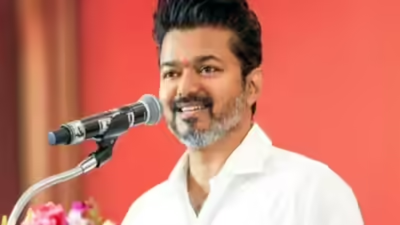
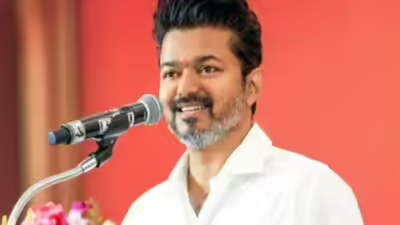
He waved, grabbed the mic and was seen talking to the crowd. As a campaign vehicle of the Tamil Nadu Vettri Kazhagam passed through Kumbakonam in Tamil Nadu, for a few seconds many in the audience thought that party chief Vijay had actually arrived in person. Calls started coming in, discussions started circulating and excitement spread rapidly. But the crowd-pulling spectacle was actually a technological trick: an AI-powered holographic projection of the actor-turned-politician, mounted on a vehicle, with synchronized speech, realistic gestures and a surprisingly lifelike appearance that quickly went viral online. And this idea is gaining momentum. The companies behind the technology say candidates from all parties are now enquiring, with some even looking for holographic recreations of political icons like M Karunanidhi and J Jayalalitha. Hologram campaigning in itself is not new – PM Modi used it in the 2014 general election – but the latest version comes with an AI boost. Better lip-sync, seamless body movement and easy portability are making these projections more effective even in small towns and rural areas. The Kumbakonam show was reportedly organized by a team of just six people, including young engineers, using a 3D hologram fan display system for sharper, more dynamic visuals than traditional projectors. However, this technology is not cheap, costing around Rs 50,000 per day. |