
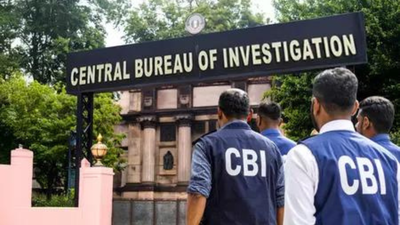

CBI arrests 2 in Rs 2,700 crore fraud charges after extradition from UAE. india news
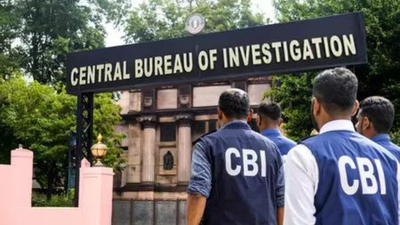 The CBI said Parekh was wanted in a banking and financial fraud case worth Rs 2,672 crore. A case was registered by the CBI in Kolkata in 2016 on charges of defrauding a consortium of 25 banks.“The accused, in conspiracy with other promoters and directors, facilitated the diversion of bank funds through a network of overseas entities and business activities, including in the UAE, while actively managing the export-related operations and financial transactions of the company and its associated entities abroad by using fraudulent practices such as manipulation of financial transactions and misuse of banking channels.”Based on the Interpol Red Notice, the accused was based in UAE. At India’s request, the subject was detained by UAE authorities. After appropriate legal proceedings and close coordination between Indian and UAE authorities, it was decided to hand over the matter to Indian authorities. The man reached Delhi on May 1 and was taken into custody in Kolkata.In the second case, accused Kumar was wanted in connection with a case registered by Haryana Police for crimes including cheating, forgery, criminal conspiracy and use of forged documents to fraudulently obtain a passport.“The accused was the key conspirator of a well-organized racket involved in obtaining Indian passports on the basis of forged documents and false information. The accused had allegedly helped several persons with criminal background in obtaining passports by using fake identities and addresses,” the CBI said.The accused also played an important role in coordinating illegal activities and managing the immigration of such persons. On the request of Haryana Police, CBI got a red notice published against the subject through Interpol channels.Subsequently, the subject’s geo-location was traced and he was arrested by UAE authorities. Subsequently, an extradition request was submitted to the UAE authorities. He reached Mumbai on May 1 where he was taken into custody by Haryana Police.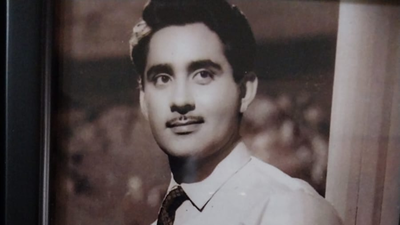
‘Saranga’ hero and ‘Uljhan’ producer Sudesh Kumar passes away. india news
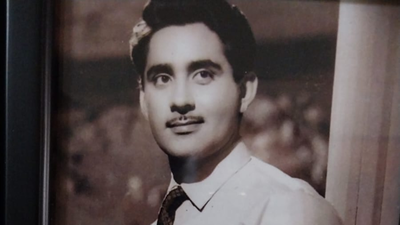 The actor was admitted to Breach Candy hospital on Monday after suffering from breathing problems. “On his request, we brought him back home on Thursday, where we set up a temporary medical unit. But he breathed his last the next morning,” his wife Jaya Dhawan told TOI over phone.Born in 1931 in the border city of Peshawar in pre-independence India – birthplace of Dilip Kumar and Raj Kapoor and from where Shah Rukh Khan draws his lineage – Sudesh’s family relocated to Bombay when he was young. “He graduated in science from Elphinstone College. His father wanted him to become a doctor,” Jaya said.But Kumar joined Prithviraj Kapoor’s theater group. “They were also distant relatives,” she recalled. One of his early films was ‘Paisa’ (1957) directed by Prithviraj.His real name was Sudesh Dhawan. But the actor’s screen name kept changing. He was Sudesh in some, Sudesh Kumar in some and Sudesh Kumar in most. The actor initially got roles in low-budget costume dramas and devotional plays before gaining mainstream attention in the role of a doctor in Prasad Productions’ superhit family drama, ‘Chhoti Behen’ (1959). He was paired opposite Nanda who played the hero.In the sixties, Sudesh regularly established his foothold in the southern society, working with premium directors like K Shankar (‘Bharosa’, 1963), Vasu Menon (‘Grahasti’, 1963), A Bhimsingh (‘Khandaan’, 1965 and ‘Gopi’, 1970) and CV Sridhar (‘Dharti’, 1970). Old-timers will remember him dancing with the step-perfect Mumtaz to the rock and roll track, “Aa Dance Karein, Thoda Romance Karein”. Jaya said, “Khandaan was one of her favorite films.”Another interesting addition to the critical and commercial success of producer-director Vasant Joglekar was Aaj Aur Kal (1963), set in the princely states of pre-independence India. Sudesh played the role of a young Congress leader, who is also the son of a humble coachman, who wants to attract people to the national movement and thereby attracts Raja’s younger daughter (Tanuja).He is best remembered for producer-director Dhirubhai Desai’s ‘Saranga’ (1961), where a prince falls in love with a commoner girl with tragic consequences. Two tracks from the film, ‘Saranga Teri Yaad Mein’ (singer: Mukesh, lyrics: Bharat Vyas, music: Sardar Malik) and ‘Ha Deewana Hoon Main’ (same trio) became chartbusters, finishing at number 9 and number 20 on the annual list of the popular countdown show, Binaka Geetmala. The title song has received over 2.5 million views on YouTube which underlines its eternal appeal. A heartbroken Sudesh walking through a thicket of leaves while lip-synching to the song is one of the unforgettable images of old Bollywood.With dwindling meaningful screen presence, Sudesh began making films prolifically in the 1970s. But before this he had assisted Raj Khosla in ‘Do Badan (1966)’. As a producer, his first venture was Man Mandir (1970), starring the unlikely pairing of Sanjeev Kumar and Waheeda Rehman.Sudesh formed a successful director-producer combo with Raghunath Jhalani, delivering two smart and moderately successful off-beat thrillers, Uljhan (again with Sanjeev Kumar) and Badalte Rishtey (with Jeetendra, Reena Roy and Rishi Kapoor) and the box-office turkey, Jaan Hatheli Pe (1987).In 1982, he was married to Mumbai-raised Jaya Naik née Dhawan, who had modeled for Vicco, Complan and Farex, among other products. They were neighbors who first met outside the residence of Sudesh’s close friend, popular lyricist Rajendra Krishna.“Even a year ago he was full of life and energy,” recalls the lyricist’s son Rajesh Duggal. Jaya said that she had visited the southern temples in February. He said, “Despite his age, he was remarkably fit. He never used a walking stick.”The last rites were performed at the Shivaji Park crematorium on Friday.
MP tourism cruise disaster: Bargi dam tragedy: MP tourism launches cruise despite forecast of strong winds | india news

Officials said the search will continue until all the passengers are traced.
Jabalpur/Bhopal: Wind warnings ignored came under scrutiny as the death toll in the Bargi Dam cruise accident rose to 11 on Saturday, with rescue teams pulling out two more bodies – both children – from a reservoir in central Madhya Pradesh.The drowning incident has become a source of criticism after the cruise, operated by MP Tourism, was launched on Thursday evening despite a forecast of winds gusting up to 50 kmph – far above the recommended 25-30 kmph limit for water sports – after officials revealed that the cruise was launched on Thursday evening. Later the wind speed was estimated to increase to about 74 km per hour.Safety practices elsewhere in the state appeared to be in line with those guidelines. Water sports at Lower Lake in Bhopal were suspended on the same day due to high wind warning. National water sports coach Mayank Thakur said they defended slightly below the official limit, stopping operations even at speeds of 20-22 kmph. “The life of every single athlete is precious,” he said.Prashant Kushwaha, associated with the International Canoe Federation, underlined that none of the warnings from meteorological officials were taken lightly. “If the wind speed exceeds safety standards, we prohibit the launching of boats,” he said.Accounts from within the tourism department alleged a pattern of neglect. An employee said that weather information is often not taken before launching boats.Attempts to contact senior officials received no response.The latest victims, identified as Viraj Soni (4) and Tamil (5), were pulled out of the reservoir of Bargi dam.Six members of the Soni family of Darhai village were on board the ship. Four survived. The body of Viraj’s mother Nisha was found first. Tamil was on the cruise with his father and cousin. Both are still missing.Bargi sub-divisional police officer Anjul Ayank Mishra confirmed the recovery, adding that eight women and three children were killed.The search operation continues for the third day, four people are missing. Over 200 personnel of police, SDRF, NDRF and Army continued the search in the water, battling strong winds and poor visibility.According to CCTV footage at the entry point, 43 people boarded the cruise, investigators said. Twenty-eight were rescued that night. Rescue teams recovered four bodies on Thursday, and five more the next day.Officials said the search will continue until all the passengers are traced.
2 academicians will become part of NITI Aayog. india news
The Bretton Woods system of monetary management established rules for commercial relations between the US, Canada, Western European countries, Australia, and 44 other countries.
New Delhi: The government on Saturday named academicians Joram Aniya and R Balasubramaniam as new members policy commission As a part of the revival of think tanks.PM Narendra Modi congratulated both the academicians in a post on X. “His rich experience and deep understanding of various issues will significantly strengthen policy making. I am confident that his contribution will help drive innovation and development in all sectors. I wish him a very useful and effective tenure in his upcoming tenure.Aniya’s induction into NITI Aayog is an important step as it brings forward an eminent intellectual voice from Arunachal Pradesh. Officials said she is currently an associate professor and member of the Arunachal Pradesh Private Educational Regulatory Commission, and has rich experience in teaching, research and public policy engagement.She said she is the first woman from the Nyishi community to earn a doctorate and the first woman in the Hindi language in the state to make significant contributions to literature, culture and indigenous knowledge systems. He has written and edited several books on Nyishi literature and culture, along with numerous research publications.Balasubramaniam, who has taught at Cornell University, is a member of the Human Resources in Capacity Building Commission set up by the government.A qualified physician, Balasubramaniam is the founder of the Swami Vivekananda Youth Movement and the grassroots research and advocacy movement. Balasubramaniam holds a Master of Public Administration degree from Harvard Kennedy School, Harvard University.Late last month, the government appointed former Chief Economic Advisor Ashok Lahiri as the new vice-chairman of NITI Aayog. IISER, Bhopal director Gobardhan Das, economist KV Raju, AIIMS director M Srinivas and science and technology secretary Abhay Karandikar were named as new members. Rajiv Gauba will also remain a full-time member.Lahiri is expected to take charge next week and with the new members, the think tank is expected to provide vital information amid the challenge posed by the conflict in West Asia.
Gulmarg Skiing: Jammu and Kashmir: Warming Gulmarg turns to technology for future four-season skiing. india news
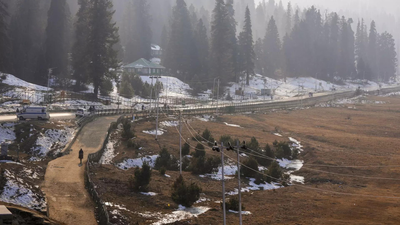
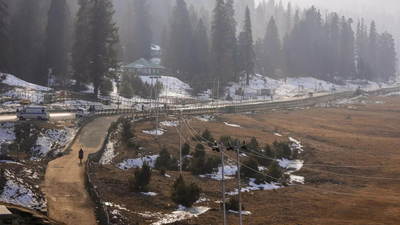 Plans are progressing rapidly. Artificial snow. Synthetic slope. A complete rethink of how to survive skiing in hot Kashmir.The push comes from a bitter truth. Chief Minister Omar Abdullah, who also looks after tourism, had warned last December that irregular snowfall could turn Gulmarg’s skiing heritage into a memory. Europe already relies heavily on artificial snow. Japan has reimagined infrastructure. He had said, Kashmir cannot afford to get out of its skis.The goal is clear: reduce reliance on natural snowfall and make skiing a four-season activity.J&K Cable Car Corporation Limited has invited bids to bring out consultants for a detailed project report and tender documents for the artificial snow making system at Kongdori, a bowl-shaped valley about 4.5 km from Gulmarg bus station. Last date of submission: 2 May.A parallel tender calls for plans for an all-season artificial ski surface, expansion of drag-lift slopes and the installation of a covered “magic carpet” – a conveyor-belt-like lift that gently lifts skiers, beginners and even snow tubes up without the need for poles or harnesses. That bidding will close on May 13.Official documents outline a technical deep dive before any implementation – meteorological, hydrological, topographic and geotechnical studies to map out feasibility. Foreign companies can join, but only through Indian-registered offices or partnerships led by domestic companies.Changes at the ground level could be widespread. The existing drag-lift slopes – narrow, single-use, snow dependent – will be widened and divided into lanes for skiers, snowboarders and snow tubers separated by certified safety nets. Synthetic turf will allow gliding even when snow refuses to fall. The covered conveyor will move crowds efficiently, reducing queues and making access easier for beginners.The figures are telling. Gulmarg once had 100–120 skiable days a year, with continuous snowfall from December to March. The last decade and a half has rewritten the script – late snowfall, mid-season melt, thinning snow at lower altitudes, early closures.The tourism economy is feeling the pressure. Ski schools shortened schedules. Hotel bets. Adventure operators grapple with uncertainty.Artificial snowmaking provides buffers – machines that spray fine droplets of water into cold air to crystallize into snow, creating and maintaining a scalable base. Synthetic surfaces extend usability even after winter, ensuring that slopes do not remain unusable.Still, the stakes remain high. Cost, environmental balance, water use and long-term climate trends will shape success. Technology can buy time, not rewrite the weather. The slopes of Gulmarg may still hold. But in the cold mountain air one question remains – not only how to ski, but how long the winter will last.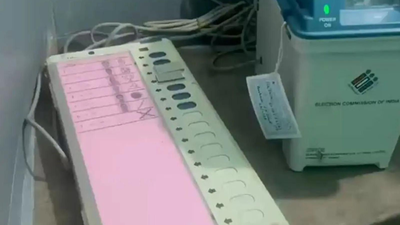
‘Subversion of democratic process’: Election Commission orders fresh polling in West Bengal’s Falta constituency on May 21 | india news
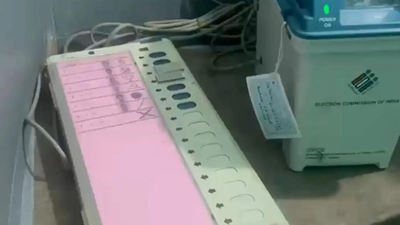
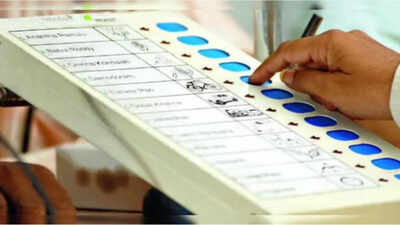
In a rare move, the Election Commission on Saturday ordered “fresh” voting in the entire constituency of Falta on May 21. Citing “serious electoral crimes of the democratic process”, she announced her decision with vote counting scheduled for 24 May. The Election Commission’s decision to order repoll in parts of Falta assembly constituency comes after allegations of electoral irregularities were leveled during the second phase of voting on April 29.“Considering the serious electoral crimes and subversion of the democratic process during polling at a large number of polling stations in Falta Assembly Constituency on April 29, the Election Commission directs that fresh polling will be conducted at all 285 polling stations including auxiliary polling stations,” the spokesperson was quoted as saying by PTI.The BJP had claimed that its party symbol was allegedly pasted on electronic voting machines (EVMs) at several booths in the constituency, thereby preventing voters from choosing its option. Party leaders including Suvendu Adhikari raised the issue with the senior leadership, while BJP IT cell chief Amit Malviya described it as the “Diamond Harbor model” and demanded immediate corrective action.Specific polling stations, including Harindanga High School and booth number 189, were said to be affected by the party.The Chief Electoral Officer of West Bengal had responded at that time that any such complaint would be verified and if confirmed, re-polling would be conducted.Following reports from returning officers, observers and what the election body called “physical circumstances”, the Election Commission ordered repolling at select booths, including Falta, to ensure the integrity of the electoral process.The move comes amid heightened political tension in the Diamond Harbor area, with both the BJP and the ruling Trinamool Congress accusing each other of influencing the voting process.Falta Assembly constituency, where voting took place on April 29 in the second phase of the 2026 West Bengal elections, saw a six-cornered contest. Prominent candidates in the fray include Jahangir Khan of Trinamool Congress (TMC), Debangshu Panda of Bharatiya Janata Party (BJP), Abdur Razzaq Mollah of Congress and Shambhu Nath Kurmi of CPI(M) along with independents Deep Hati and Chandrakant Roy.
Re-polling took place in South 24 Parganas on May 2.
Re-polling was conducted amid tight security at 15 polling stations in two assembly constituencies of South 24 Parganas district on May 2, in which heavy turnout was recorded.According to officials, polling was largely peaceful at 11 booths in Magrahat West and four in Diamond Harbor with over 86 per cent turnout.The repoll was ordered following complaints of irregularities during the April 29 voting phase.The protests broke out after the Trinamool Congress alleged harassment of a specially-abled voter and his mother by central forces following a separate incident at a booth in Diamond Harbour. Officials said the situation was brought under control and voting continued without any major disruption.
SC rejects TMC’s plea on counting staff
Earlier in the day, the Supreme Court refused to give any direction on Trinamool Congress’ plea challenging the deployment of central government employees in the counting process of the West Bengal Assembly elections.A bench of Justices PS Narasimha and Joymalya Bagchi recorded the Election Commission’s assurance that its April 13 circular will be implemented and said no further order was necessary.TMC had moved the court after the Calcutta High Court rejected its challenge. During the hearing, the court said that the returning officer, a state government official, has overall control of the counting process, and agents appointed by the party will be present.The Election Commission told the court that personnel from both the central and state governments would be deployed, with one from each acting as counting observers and assistants. Counting of votes is to take place on May 4.Read more: SC special bench rejects TMC’s plea on counting staff
Mamata Banerjee confident of TMC’s victory
Amid the ongoing election process and controversies, West Bengal Chief Minister Mamata Banerjee expressed confidence that the Trinamool Congress will win a decisive victory in the assembly elections.Addressing counting agents via video conferencing, he rejected the exit poll projections and described them as an attempt to “manipulate the stock market”.He said, “We are winning and winning from 200+ seats. Exit polls are nothing but an attempt to manipulate the stock market. They did it in 2021, 2024 and even now.”Banerjee also alleged that central forces acted arbitrarily during the polling and said party workers facing such actions would be “rewarded”.Read more: Mamata Banerjee rejects Bengal exit polls, predicts over 200 seats for TMC
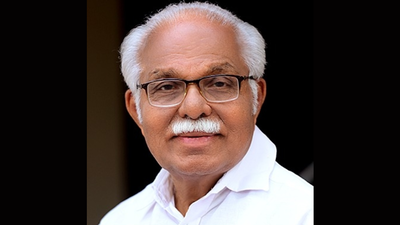
Kerala elections: Congress leader PJ Kurien says three names in race for CM post if UDF wins India News
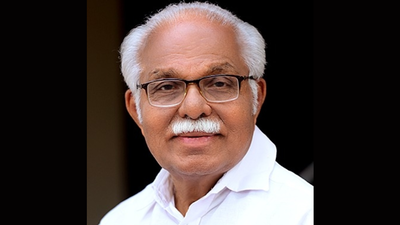
New Delhi: Veteran Congress leader PJ Kurien on Saturday made it clear that though the Congress has many leaders capable of becoming the Chief Minister, only three names are currently under serious consideration if the UDF comes to power in Kerala. However, he chose not to reveal who those contenders are.Speaking to a TV channel, Kurien said that unlike the Left Front, Congress has no dearth of capable leaders. He said that no matter who is chosen as Chief Minister, the decision will be accepted by everyone in the party, even if they personally disagree.He said that he also has his own choice for this post, but he will respect the final decision of the party.Kurien said there is nothing wrong if someone wants or aspires to become the chief minister, as this is a democratic system and everyone has the right to express their opinion.He said, “After the results are declared on May 4 and the UDF wins, the high command will intervene, the opinion of the state leadership and MLAs will be sought and a final decision will be taken on who will be the CM. It will be accepted unanimously by everyone in the party.”He also clarified that no senior leader, including KC Venugopal, Ramesh Chennithala and VD Satheesan, has publicly expressed his desire to become chief minister, and said it is the media that has fueled such speculations.On exit polls, Kurien said the UDF would win with a much larger majority than anticipated, claiming there was a strong anti-incumbency wave among voters wanting a change in the government.Several exit polls have indicated a tight contest between the ruling LDF and the UDF, pointing to the possibility of a hung assembly, although most give the UDF a slight lead.Voting took place in all 140 constituencies in Kerala in a single phase on April 9, with the results expected on May 4.
West Bengal Assembly Elections: Mamata’s test or BJP’s moment? The thriller of 2026 explained in 10 charts. india news
Bengal breathes politics. Roam the streets of Howrah, Kolkata or any city in the state, you will find tea shops caucus (The uncles) debate ideology, leaders and the future, as if each conversation carries the weight of history. This is not a new thing. From the era of Jyoti Basu, whose long tenure defined stability and cadre-driven governance, to the Mamata Banerjee-led turmoil in 2011, Bengal has time and again shown that when the turn turns, it turns decisively. The politics here is not distant or abstract. It is woven into everyday life, shaped by neighborhood debates as well as in party offices.The 2026 assembly elections unfold within that entrenched political culture, but with a new layer of uncertainty. In two phases on April 23 and 29, more than 6.8 crore voters participated to elect their representatives to the 294-member state assembly. Yet this election is not just about voting percentage or party strength. Particularly intensive revision of voter rolls, which has significantly reduced the number of voters, has made the very act of voting a subject of controversy.At the center of the competition is a more intense bipolarity than before. The Trinamool Congress faces its most direct challenge yet from the Bharatiya Janata Party, which has turned the election into a contest not just of numbers but also of organisation, cadre strength, identity politics and welfare delivery. The result will come (probably) on May 4, the day of counting. Whether this is a sign of continuity or a more decisive change remains the question.Here are 10 things you need to know about Bengal Assembly elections 2026:
a historic vote
The decisive data for the 2026 elections is voting. Phase 1 recorded around 93 per cent participation covering 152 constituencies. Phase 2, in 142 constituencies, reached 90 per cent by late evening, already surpassing previous standards.
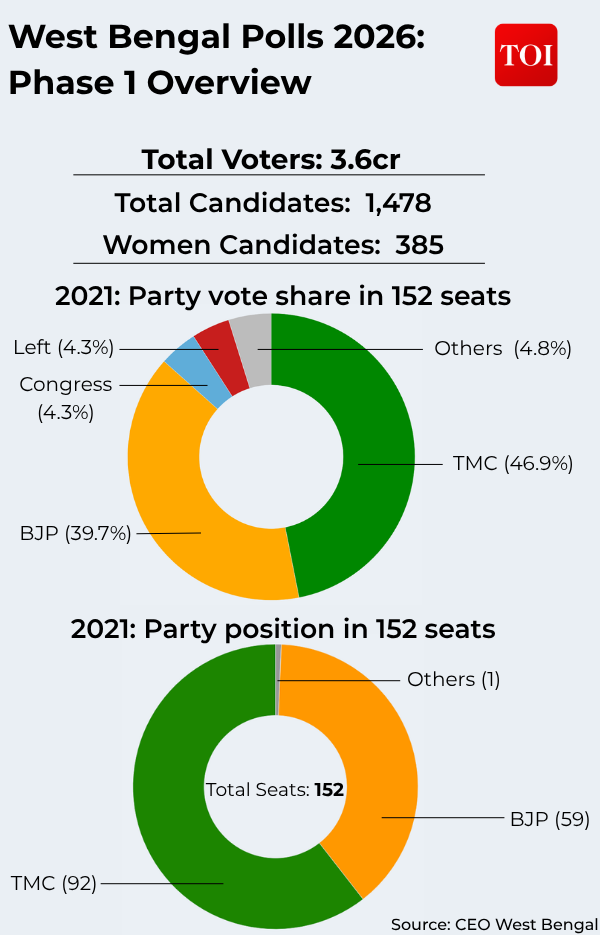
At first glance, these numbers indicate an unprecedented increase in voter enthusiasm. The reality is more complex. The special intensive revision reduced the total number of voters from about 7.66 crore to about 6.82 crore. Smaller voter base inevitably increases voting percentage.
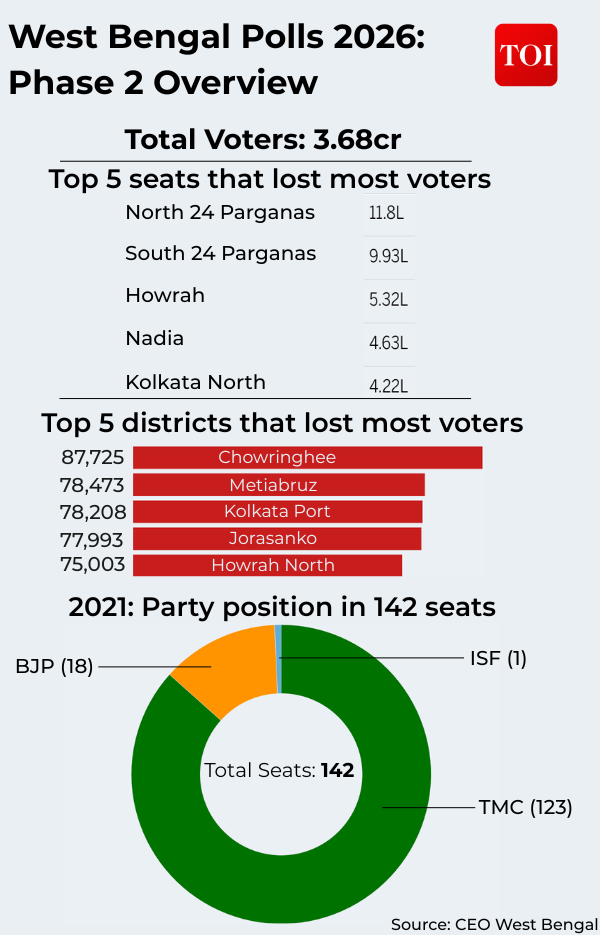
Yet this is not merely a statistical effect. In Phase 1 constituencies, the total number of votes cast increased by nearly 2 lakh compared to 2021. In districts like Murshidabad, some booths reported over 96 per cent voting.
sir-irius controversy
No issue has shaped the 2026 elections more than the particularly thorough revision of electoral rolls. About 90 lakh names, or about 12 percent of the electorate, were removed before voting. Of these, more than 60 lakh were classified as absent or dead, while about 27 lakh cases remained under adjudication.The Election Commission has said that this exercise was necessary to remove duplicate, dead and “absentee” voters. But the flashpoint has been the category of “logical inconsistency”, under which millions of people were flagged over minor issues such as spelling errors or mismatched records. For many people, the line between reform and exclusion appears blurred.
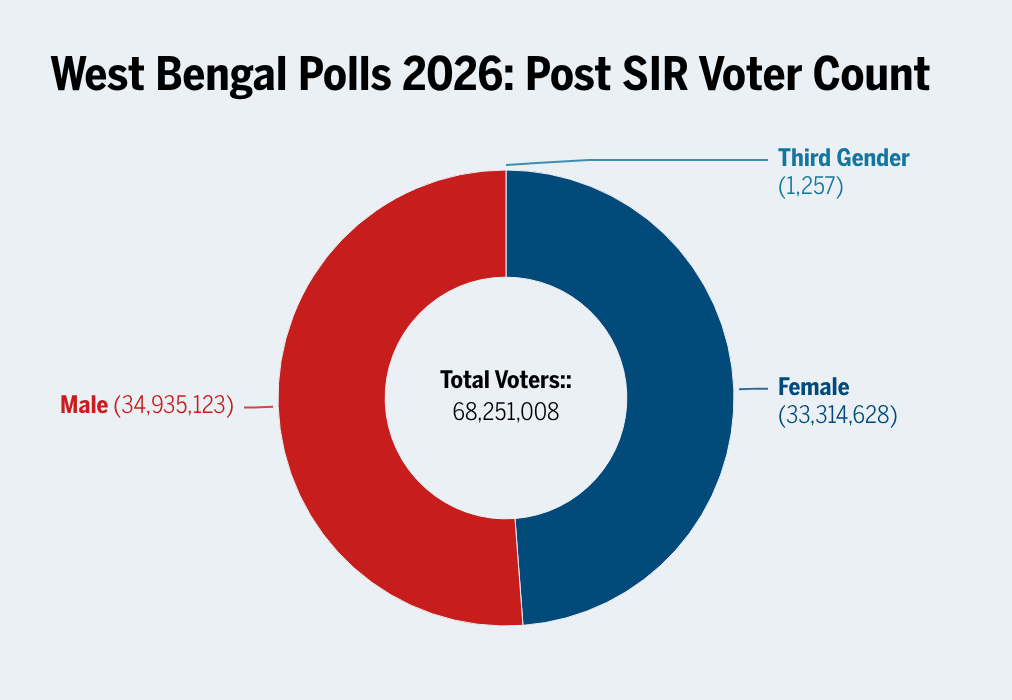
Chief Minister Mamata Banerjee is clearly calling the process “arbitrary” and alleging BJP An attempt to disenfranchise a section of voters. The BJP, in turn, has defended the SIR as a long-overdue cleanup, arguing that credible elections require accurate rolls.On the ground, the results were immediate. In districts like Murshidabad and Malda, reports of missing names have sparked anger and concern, even as many voters returned home specifically to ensure their presence in the rolls.
What are the exit polls predicting?
Exit polls in West Bengal have long struggled with accuracy. In 2021, several agencies predicted a close contest, with some projecting an advantage for the BJP. The final result was a decisive victory for Trinamool with 215 seats against 77.Projections for 2026 are divided. Some surveys suggest the BJP may cross the majority mark, while others indicate a slight lead for Trinamool or even a hung assembly. The spread itself reflects uncertainty. The complexity introduced by Bengal’s hyper-local political networks, allegations of intimidation, and issues like SIR makes standardized sampling difficult – and as is always the case with exit polls, they can (and often do) be wrong on results day.
bastions and swing zone
The electoral map of Bengal remains regionally distinct. North Bengal including Jalpaiguri and Cooch Behar has been inclined towards BJP since 2019. In the 2021 assembly elections, the party won the majority of seats in this belt, establishing its strongest hold in the state.The Presidency division, covering South Bengal, especially Kolkata and surrounding districts, remains the mainstay of the Trinamool Congress. In 2021, the party dominated the region and covered many of these constituencies in the second phase of the 2026 elections. For TMC to retain power, it is necessary to retain South Bengal. For the BJP, a lead here is essential to convert its northern strength into a statewide majority. The Matua-dominated area of North 24 Parganas has emerged as a major battleground, where promises of citizenship have become a central campaign issue.
battle of bhawanipur
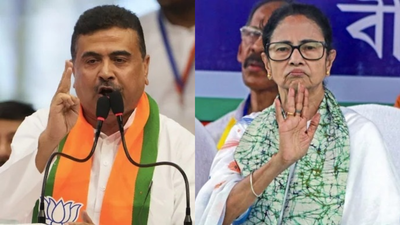
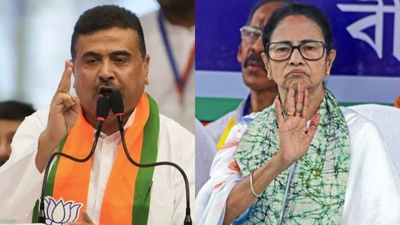
Some seats hold symbolic importance for Bhawanipur. This is Mamata Banerjee’s constituency and the focal point of the political narrative. After losing Nandigram in 2021, she returned to the Assembly through by-election here.
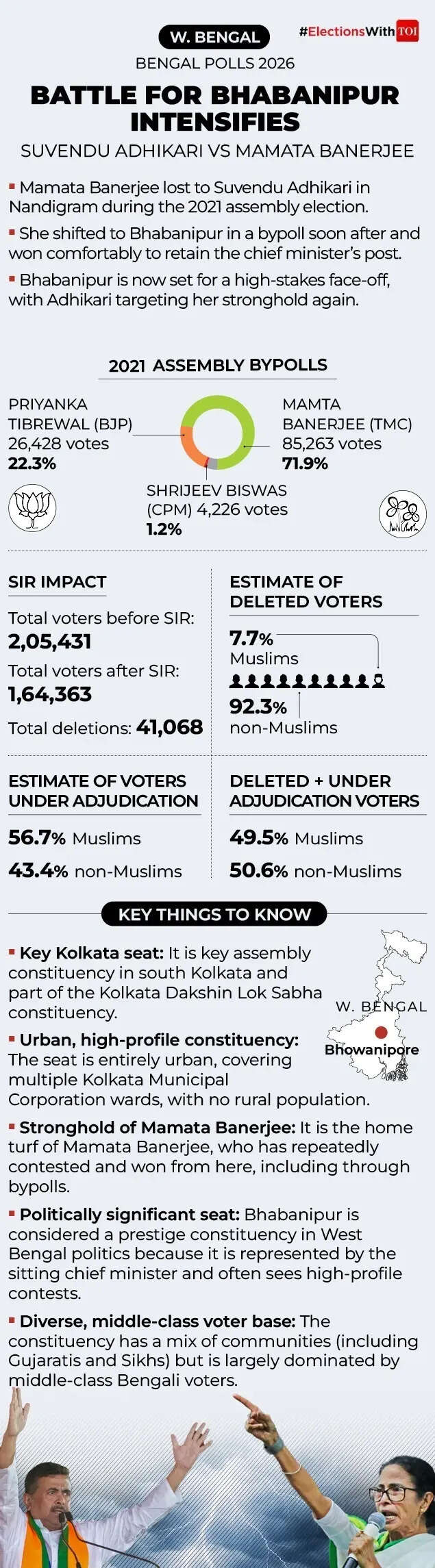
In 2026, the BJP once again fielded Suvendu Adhikari against him, turning the contest into a high-profile rematch. Both sides described the fight as a symbol of the big election.Also read: Like last time in Nandigram, has BJP laid another trap for Mamata in Bhawanipur also?The intensity of allegations regarding deletion of voters’ names increased further. Trinamool claimed disproportionate influence on minority voters, while the BJP rejected the charge. Beyond the numbers, the Bhawanipur result has symbolic significance. Banerjee’s victory will strengthen her personal authority.A second defeat to BJP’s Suvendu Adhikari, once his close ally, would be a major blow to his reputation, with far-reaching consequences at both the state and national levels.
candidate
Data from the Association for Democratic Reforms highlights an ongoing pattern in Indian elections. About 23 percent of candidates in 2026 declared criminal cases, of which about one in five had serious charges.
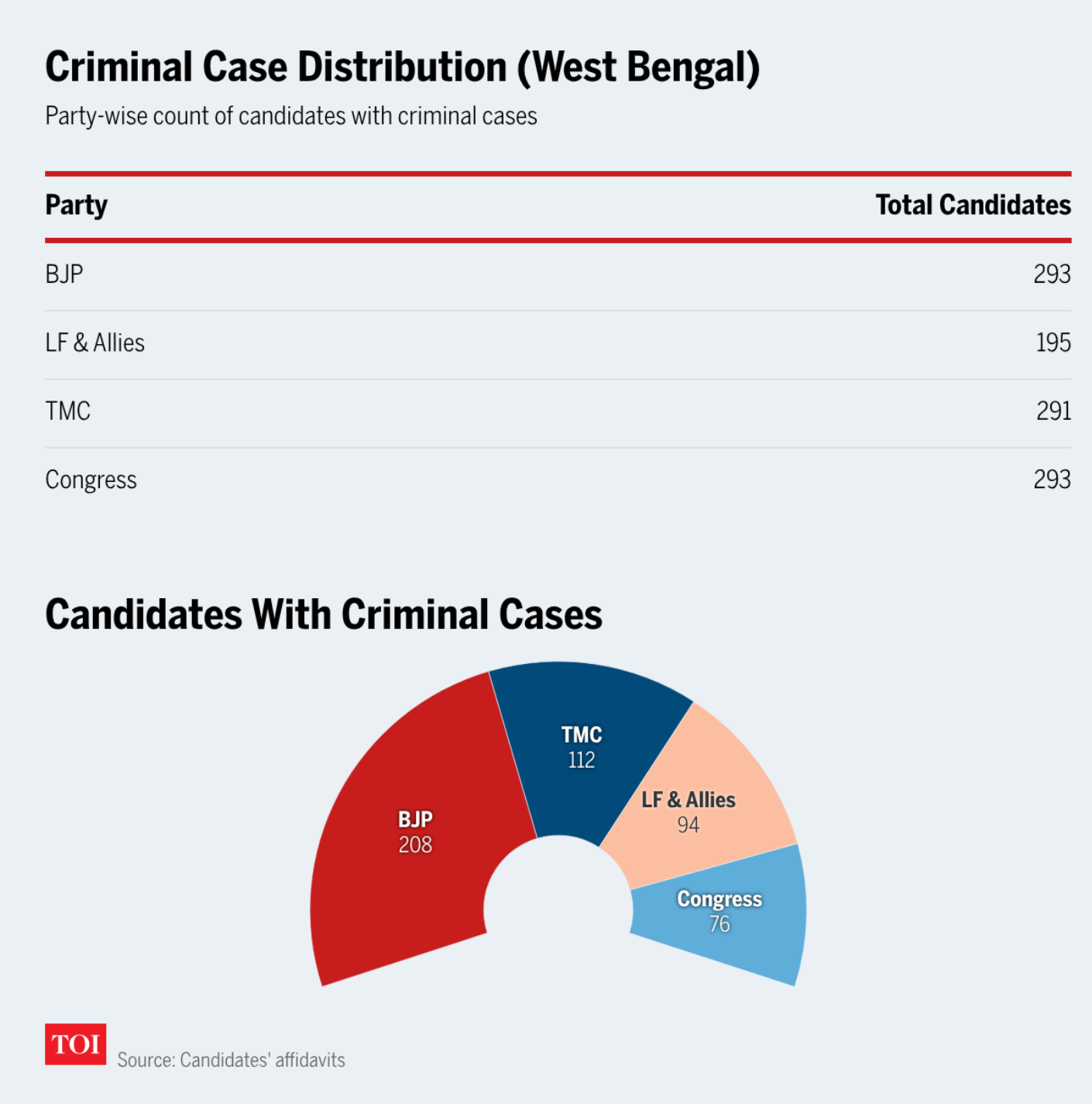
Dozens filed cases related to violent crimes, including murder, while others faced charges related to crimes against women. There is a distribution cut between the parties.
female voter
West Bengal’s electorate is close to gender parity, with about 3.44 crore women voters. Women’s voting percentage has historically equaled or even exceeded that of men, making them a crucial constituency. The Trinamool Congress has invested heavily in welfare schemes targeting women, especially direct cash transfers such as the Lakshmi Bhandar. These programs played a key role in its 2021 victory and remain central to its campaign.
welfare politics
Since 2011, the Trinamool government has created a comprehensive welfare framework. Schemes covering income support, health care and education have created a direct link between the state and families.
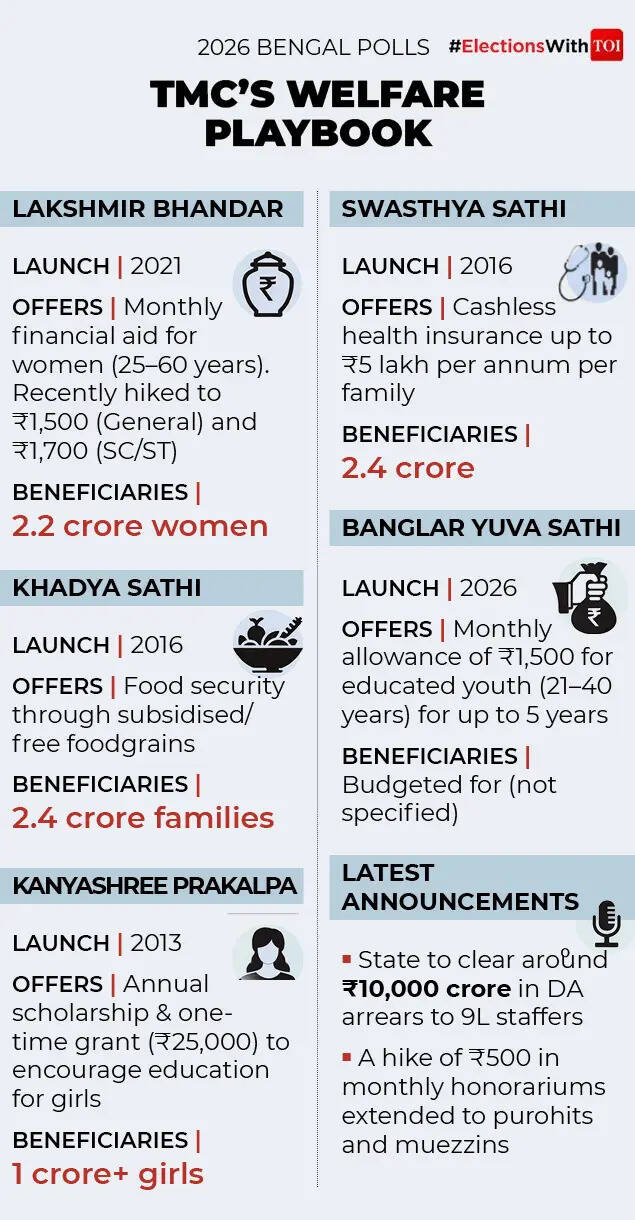
This model has given a new shape to electoral competition. The party’s campaign is not based on mere identity or ideology, but on concrete benefits to be delivered on a large scale.The BJP has attempted to counter this by promising higher payments and faster implementation of citizenship provisions. Also, it has focused on issues like corruption, governance and law and order.The competition is therefore not between welfare and its absence, but between competing claims on delivery, credibility and intention.
Left and Congress: From dominance to decline
The scale of the Left Front’s decline remains astonishing. From uninterrupted rule between 1977 and 2011, it has moved towards complete absence in the 2021 assembly.
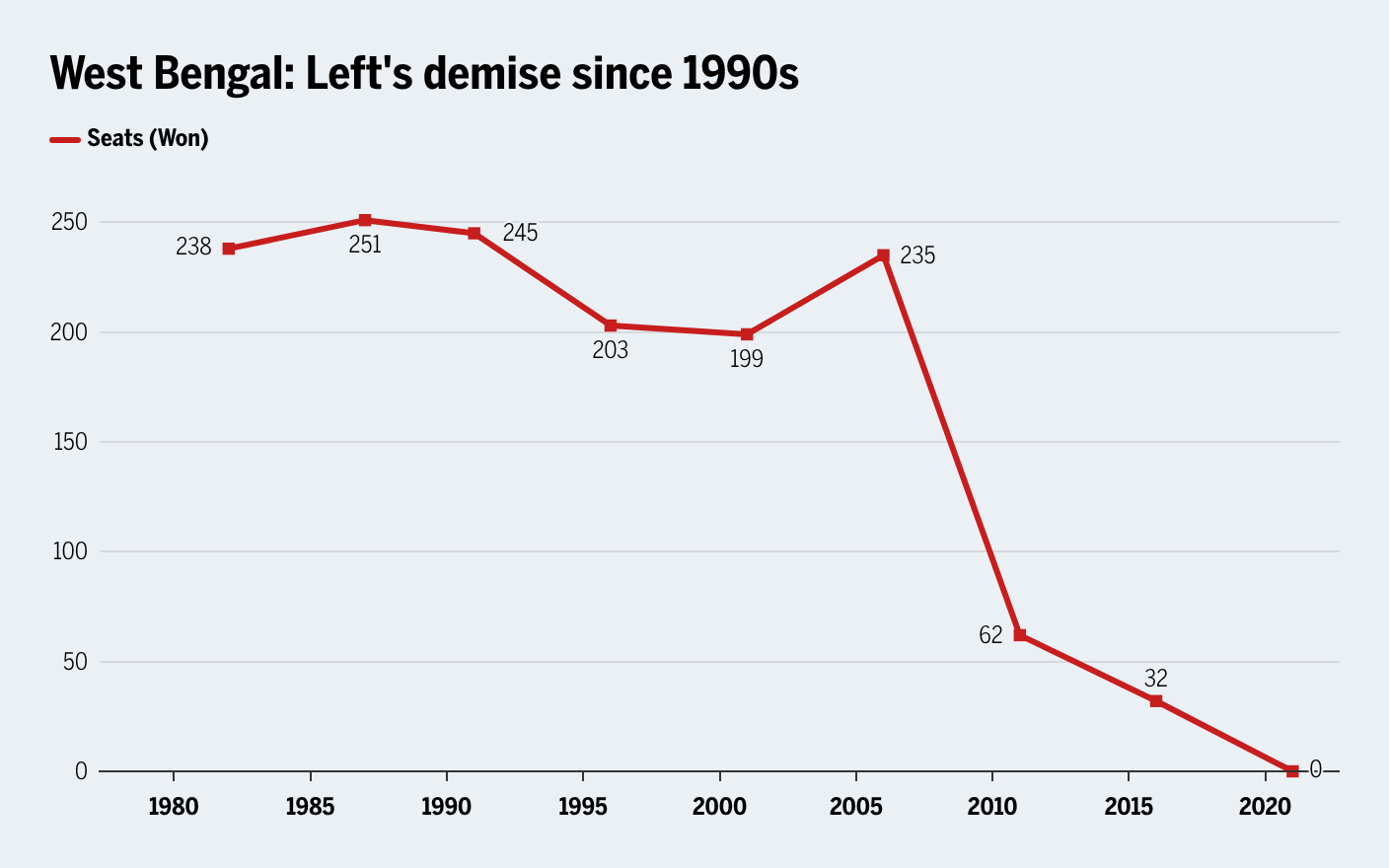
Its previous success was based on land reforms and a strong cadre network. Over time, that structure became rigid and disputes like Singur and Nandigram lost its support.Also read: From red to green to saffron? BJP eyes change of power in Bengal as Mamata is saving her groundThe Congress, which was once dominant in the decades after independence, has also adopted a similar path. In 2026, this is present in terms of candidates, but lacks a realistic path to power.A significant portion of the Left’s former vote base has shifted to the BJP, reshaping Bengal’s political alignment and making the contest largely bipolar.
Shift or cycle?
The central question for the 2026 elections is whether West Bengal is undergoing a structural political transformation or experiencing a cyclical phase of anti-incumbency.The history of the state shows that when change occurs, it is decisive. The transition from Congress to the Left and from the Left to Trinamool was not a gradual adjustment but a massive restructuring.
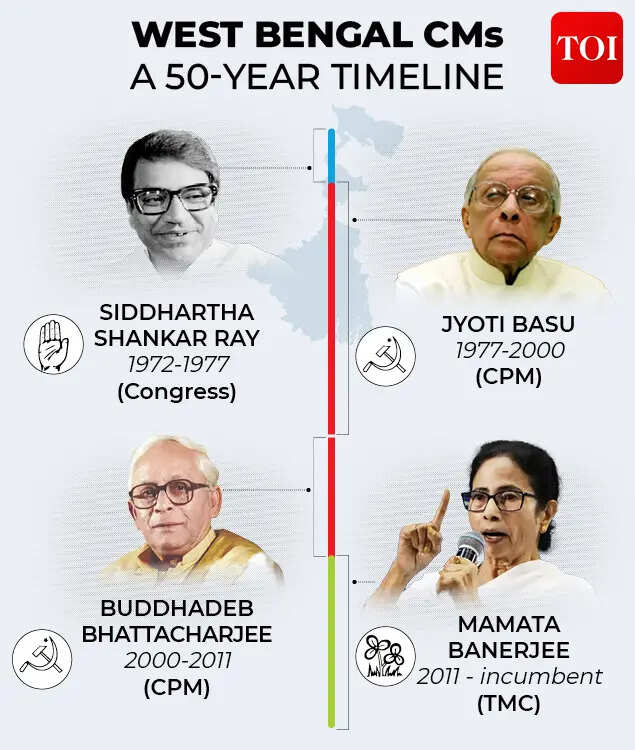
The BJP argues that 2026 represents a similar moment. The resistance is rooted in identity and political culture. Mamata Banerjee’s positioning as a defender of Bengali identity and voting rights continues to resonate with many voters.At the same time, the expansion of BJP in the last decade is undeniable. From marginal presence to major challenger, its rise has changed the competitive landscape.It is clear that Bengal has repeatedly replaced major political structures when circumstances have been favourable. Whether Trinamool will become the fourth such case or maintain its position will be decided by the results.
what to expect
Ultimately, the 2026 West Bengal election will be reduced to a single number, with the final counting of seats taking place on May 4. Yet the days following Phase 2 have already shown that in Bengal, the story rarely stops when voting ends. As Mamata had said during the 2021 assembly elections when her party swept the BJP, ‘Khela Hobe’. At the same time, even after the second phase of voting is over, ‘Khela’ continues on the streets of Bengal. With Mamata herself visiting a strongroom in Kolkata, the TMC alleged irregularities in the management of ballot units, claims strongly rejected by the BJP and the Election Commission.The subsequent images, of party workers camping outside counting centres, tight security, sporadic clashes, reinforce a familiar truth. In Bengal, elections unfold beyond polling day, in narratives, in suspense and in the stipulated hours before the counting.And yet, beneath the noise, one constant stands out. Participation. In an election marked by uncertainty over voter rolls and a deeply political message, millions of people still chose to vote. Ultimately this will be the only thing that matters. Whether this provides continuity or another decisive shift will soon become clear.

Tamil Nadu Assembly Election Results 2026: From MK Stalin to Vijay – Key contests to watch across various constituencies india news

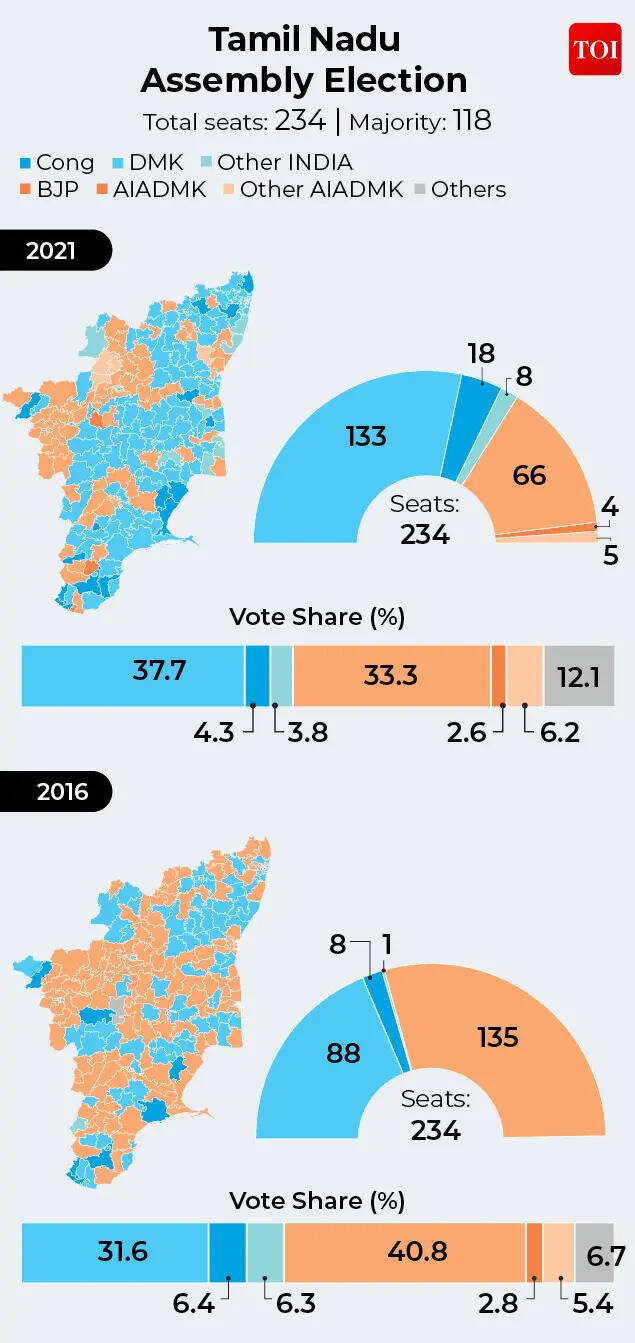
With voting concluding in all 234 constituencies in a single phase on April 23, Tamil Nadu witnessed the highest ever voter turnout, crossing 84.80 per cent. The counting of votes is to take place on May 4, when the fate of the state will be decided. The election has turned into a high stakes and multi-cornered contest. The ruling Dravida Munnetra Kazhagam (DMK), led by Chief Minister MK Stalin, is seeking continuity on the basis of his governance and welfare record. Opposition All India Anna Dravida Munnetra Kazhagam (AIADMK), is attempting a political comeback under the leadership of Edappadi K Palaniswami VictoryTamilaga Vettri Kazhagam (TVK) has emerged as a disruptive force, especially among urban and youth voters.
Kolathur: MK Stalin vs P Santhana Krishnan vs VS Babu
Kolathur is one of the most politically important constituencies in the state. Stalin is contesting here for the fourth consecutive time, having held the seat since 2011 and winning comfortably in both 2016 and 2021 with over 60 per cent vote share.He is contesting against AIADMK’s P Santhana Krishnan, while TVK has fielded VS Babu.In the 2021 assembly elections, Stalin secured 1,05,522 votes (60.9% vote share), defeating AIADMK’s Adirajaram, who received 35,138 votes. In 2016, he won by 91,303 votes against AIADMK’s JCD Prabhakar, who secured 53,573 votes.The constituency, located in Chennai, has developed into a dense residential-commercial area with increasing pressure on civic amenities. Voter turnout in this high-profile seat increased to 86.12 percent compared to 61.68 percent in 2021, reflecting increased political engagement.
Perambur: C Joseph Vijay vs RD Shekhar
With Vijay’s electoral debut, Perambur has emerged as a major battleground. He is pitted against sitting DMK MLA RD Shekhar, while the AIADMK-led alliance has fielded M Thilagabama and NTK has fielded S Merlin Siriya Pushpam.In the 2021 elections, Shekhar won with 1,05,267 votes (52.5% vote share), defeating AIADMK’s NR Dhanapalan, who secured 50,291 votes. In 2016, the seat had seen a close contest, with AIADMK’s P Vetrivel winning by just 519 votes.A working-class constituency in North Chennai, the politics of Perambur is shaped by labor issues and civic concerns. Voter turnout increased sharply from 63 percent to 89.74 percent in 2021, making it one of the most-watched seats.
Tiruchirappalli (East): C Joseph Vijay vs G Rajasekharan
Tiruchirappalli (East), an entirely urban constituency, has become a key contest with Vijay winning the ground against AIADMK’s G Rajasekharan.In the 2021 assembly elections, DMK’s S. Inigo Irudayaraj won with 94,302 votes (54.56% vote share), and AIADMK’s N. Velamandi defeated Natarajan by a margin of 53,797 votes.This constituency has historically alternated between the DMK and the AIADMK, with the DMK winning decisively in the last election. Vijay’s presence has brought a new change, especially among urban and young voters.
Bodinayakanur: O Panneerselvam vs VT Narayanasamy
Bodinayakanur in Theni district is the home turf of former chief minister O Panneerselvam, who is now contesting the elections on a DMK ticket. He is contesting against AIADMK’s VT Narayanasamy.In the 2021 election, Panneerselvam won by 1,00,050 votes, defeating DMK’s Thanga Tamil Selvan by 11,021 votes. He also won from this constituency in 2016 and 2011 as an AIADMK candidate.Historically dominated by the AIADMK, the party has won the seat seven times since 1977, while the DMK has won it twice, making it a crucial test to switch loyalties.
Edappadi: Edappadi K Palaniswami vs Kasi C
Edappadi, located in Salem district, is a key contest for AIADMK chief Edappadi K Palaniswami, who wants to retain his stronghold. He is contesting against DMK’s Kasi C.In the 2016 assembly elections, Palaniswami won by 98,703 votes, defeating PMK’s Annadurai N by 42,022 votes. In 2011, he had won by a margin of 34,738 votes by securing 1,04,586 votes.
Mylapore: Tamilisai Sundararajan vs Dha Velu vs P Venkataramanan
In Mylapore, there is a triangular contest between DMK’s Dha Velu, BJP’s Tamilisai Soundararajan and TVK’s P Venkataramanan. Sundararajan is the former Governor of Telangana. In the 2021 elections, Velu won with 68,392 votes (44.95% vote share), defeating AIADMK’s R Nataraja, who secured 55,759 votes. Nataraj had won this seat in 2016.The constituency recorded 74.89 percent voting this year, up from 56.24 percent in 2021. As one of the oldest and most culturally significant areas of Chennai, Mylapore remains a politically influential urban seat.
Chepauk-Thiruvallikeni: Udhayanidhi Stalin vs Adhirajaram
Chepauk-Thiruvallikeni is a key constituency where DMK’s Deputy Chief Minister Udhayanidhi Stalin is in the fray against AIADMK’s Adhirajaram, along with TVK’s D Selvam.In the 2021 elections, Udhayanidhi Stalin won with 93,285 votes (67.9% vote share), defeating PMK’s Kasali AVA, who had contested the election as part of the AIADMK alliance.Voter turnout increased from 57.82 percent to 84.28 percent in 2021, showing increased participation in this high-profile seat.
Sriperumbudur: K Selvaperunthagai vs K Palani vs K Thennarasu
Sriperumbudur is witnessing a triangular contest between Tamil Nadu Congress Committee President K Selvaperunthagai, AIADMK’s K Palani and TVK’s K Thennarasu.In the 2021 elections, Selvaperunthagai polled 1,15,353 votes (43.65% vote share), defeating Palani by 10,879 votes. In 2016, Palani had won the seat by a margin of 10,716 votes.Voter turnout this year increased from 74 percent to 86.09 percent in 2021. The constituency, known for its industrial base, is a leading indicator of labor and economic sentiment.
Sattur: Nainar Nagendran vs Polygon Ground
In Sattur, located in Virudhunagar district, there is a contest between BJP state president Nainar Nagendran and TVK’s Ajit M.In the 2021 elections, MDMK’s ARR Raghuraman (contesting on the DMK symbol) won by 74,174 votes, defeating AIADMK’s RK Ravichandran by 11,179 votes.This constituency has been alternating between DMK and AIADMK over the years, making it a competitive seat where vote division could play a decisive role.
what is at stake
The 2026 elections are not just about forming the next government but about the future of the political structure of Tamil Nadu.For Stalin and the DMK, it is about continuity, integration and potentially securing consecutive terms. For the AIADMK, it is about revival after internal challenges in the post-Jayalalitha phase. For Vijay’s TVK, this is the first big test of whether celebrity-driven mobilization can translate into electoral success.
Assembly Election Results 2026: Result date and time for Assam, Kerala, Tamil Nadu, West Bengal, Puducherry, exit poll prediction, where and how to check and other details | india news
New Delhi: The stage is set for the announcement of the results of the 2026 assembly elections in West Bengal, Tamil Nadu, Kerala, Assam and Puducherry and the counting of votes is scheduled to begin at 8 am on May 4. The results will decide the fate of 824 assembly seats and decide the political direction in five assemblies.The Election Commission has said that counting of votes will take place simultaneously in all constituencies, with initial trends expected within the first one to two hours. Initial trends are likely to emerge by morning, while final results are expected by evening. Voters can track real-time updates on the ECI website and timeofinfdia.com.Watch complete coverage of the elections here: https://timesofindia.indiatimes.com/elections/assembly-electionsVoting for these elections took place in April, with Assam, Kerala and Puducherry voting in two phases on 9 April, Tamil Nadu on 23 April and West Bengal on 23 April and 29 April. West Bengal witnessed the highest turnout, over 92 per cent across all phases, while Assam saw a record 85.38 per cent participation. Voting was 84.69 percent in Tamil Nadu, 79.63 percent in Kerala and 89.87 percent in Puducherry.
How are votes counted
The counting process follows a structured and stringent monitoring system. Postal ballots are taken first, then votes are recorded in electronic voting machines. Counting for each constituency is conducted in multiple rounds, with results updated after each round. The returning officer declares the final result after all the rounds are completed and verified.Security at counting centers remains tight, strong rooms are guarded and access is restricted to authorized personnel and candidates’ representatives. The use of EVMs ensures faster tabulation, although verification processes and round-wise counting mean that the process continues throughout the day.
Exit polls, poll of polls: what do the projections say?
Exit polls for the 2026 assembly elections indicate a fragmented and state-specific verdict, with no national trend emerging in Assam, Kerala, Tamil Nadu, West Bengal and Puducherry.Most surveys in West Bengal point to a close contest between the Trinamool Congress and the BJP, raising the possibility of a hung assembly. Both parties are close to the majority mark in the 294-member House, according to surveys, which suggests that even minor fluctuations in votes could determine the winner. While some agencies like P-MARQ are projecting a BJP lead with 150-175 seats, other agencies like Matrice show a tight race, with the two parties at a distance. Tamil Nadu presents a more complex picture. While many exit polls predict that the DMK-led alliance led by MK Stalin may retain power with a comfortable majority, others highlight the disruptive entry of the Vijay-led Tamilaga Vetri Kazhagam. Axis My India projects TVK as a likely front-runner with 98–120 seats, even placing Vijay ahead of Stalin in preference for the chief ministerial post, although most other pollsters limit TVK to a smaller number, while still acknowledging its potential to influence the results. In Assam, projections are more conclusive, with exit polls predicting a massive BJP victory. Most surveys predict the party to win between 85 to 100 seats in the 126-member assembly, far ahead of the Congress, which is expected to win between 25-35 seats. As exit polls have predicted, a close contest is expected in Kerala. The poll of polls has given a slight lead to the Congress-led United Democratic Front, which is projected to get around 70-75 seats, while the Left Democratic Front is projected to get around 60-65 seats. However, differing estimates from different agencies underline the uncertainty, with some even predicting a narrow victory for the LDF. In Puducherry, exit polls are suggesting a clear result, with the NDA projected to retain power in the 30-member assembly. Most estimates put the alliance in the range of 16-20 seats, while the Congress-DMK alliance is expected to trail with 6-8 seats. Smaller players including TVK may win some seats. Overall, the exit polls point to a mix of continuity and disruption with tight contests in key states and the potential for new political forces to change the established equations.