
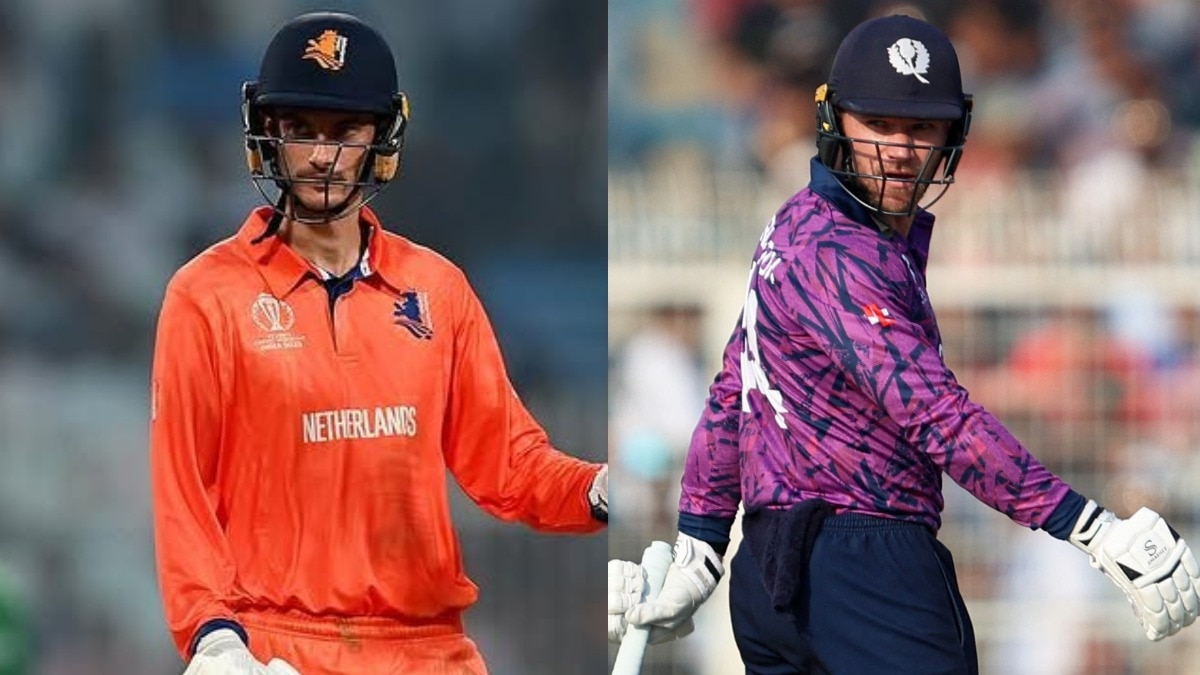

ODI World Cup: Associate captains fear ICC is closing doors to emerging teams with format change
The International Cricket Council’s decision to revamp the format of the 2027 ODI World Cup has been criticized by several associate captains, who believe the changes will make it more difficult for emerging nations to compete in cricket’s showpiece event.
Approved at ICC annual conference, new structure will retain 14-team tournament Start a “Super Series” involving the three lowest ranked qualifying sidesOnly one team is advancing to the main competition.
The move has drawn strong reactions from Netherlands captain Scott Edwards, Namibia captain Gerhard Erasmus and Scotland’s Richie Berrington, all of whom have questioned whether the changes are in line with the ICC’s goal of expanding the game globally.
Collaborative teams fear losing opportunities
The Associate nations have long pushed for greater representation at ICC events, with teams such as Scotland, Namibia and the Netherlands putting in memorable performances against Full Member sides in recent years. However, the latest restructuring has raised concerns that the road to the World Cup is becoming even more difficult.
Edwards described the decision as “incredibly disappointing”, arguing that Associate teams had spent years building competitive ODI schedules only to see their chances dwindle.
Also read: The World Cup needs more stories like Cape Verde. cricket only wants india vs pak
Edwards said, “Qualifying for the ODI World Cup is a huge achievement for any country, so when the reality of that opportunity changes after years of planning, it is incredibly disappointing.”
“The ICC talks a lot about growing the game globally, but decisions like this make it harder for associate nations to play against the best teams in the world.”
The Dutch captain said that matches against elite opponents are important not only to improve standards but also to inspire future generations of cricketers. In his view, sport should “create more opportunities on the global stage, not less”.
Erasmus echoed those concerns, stressing that ODI cricket remains the top format for players from Associate nations. He argued that qualifying teams should not face additional hurdles before getting the chance to compete against the world’s best.
For players from emerging cricket-playing nations, Erasmus said, the 50-over World Cup is “our longer form”, making access to the tournament even more important.
Meanwhile, Scotland captain Richie Berrington focused on the decision-making process. He urged administrators to involve players in a more meaningful way when introducing major changes to global tournaments.
“Players are not expected to make every decision, but we should be meaningfully consulted on decisions that have a significant impact on the game and players’ careers,” Berrington said.
“Better decisions are made when different perspectives are brought forward, and we are urging the sport to start doing just that.”
This criticism has also been supported by the World Cricketers’ Association, which has questioned the transparency of the decision. The players’ body argued that reducing opportunities for Associate teams runs contrary to cricket’s stated ambition of global growth and pointed out that countries have invested years in qualification pathways.
How does the new format of the ODI World Cup work?
The 2027 ODI World Cup, which will be hosted by South Africa, Zimbabwe and Namibia, will have a new three-phase format. Although 14 teams will qualify for the tournament, not all of them will enter the main competition directly.
The three lowest-ranked qualifying teams will first compete in a “Super Series”, with only one side advancing to the next stage. After this the remaining teams will enter the main stage of the tournament.
From there, teams will be divided into two groups, with each side playing every other team in its pool. The top teams will then advance to the newly introduced “Super 7” stage, where they will play further matches to decide the four semi-finalists. The tournament will conclude with semi-finals and finals and is expected to feature 57 matches.
However, concerns for allies extend beyond the format. Many fear that increasingly complex qualification pathways will limit opportunities for exposure, funding and face elite opposition. For countries that are still trying to establish themselves on the world stage, such opportunities are invaluable.
That’s why captains like Edwards, Erasmus and Berrington have spoken out. At a time when cricket is trying to move beyond its traditional strengths, he believes the game should open more doors for emerging teams and not create new obstacles in their path.
– ends