


‘We shouldn’t be in the top 4’- Riyan Parag’s brutal RR reality check after DC defeat

Rajasthan Royals captain Riyan Parag (AP Photo)
Riyan Parag after this there was no turning back Rajasthan RoyalsA five-wicket defeat against Delhi Capitals in a crucial IPL 2026 encounter at the Arun Jaitley Stadium, openly admitting that his team let the game slip away from a winnable position. RR were firmly in control at 160 for 2 in 14 overs, and looked set for a score of 220-230, but a dramatic collapse began Mitchell StarcWith the help of four wickets, their score became 193 runs for 8 wickets. After this, Delhi Capitals achieved the target in just 19.2 overs. Parag, who led the way and scored 51 runs, described the middle and death overs as the turning point. “Actually, almost everything. We were in a pretty good position after 14 overs. After I got out, we just couldn’t take advantage of it. It had to be 220-230, something like that,” he said. He also defended his tactical call of bringing Donovan Ferreira into the attack during the middle overs, a move that did not yield results. “Ferreira was not a gamble. I know it looks like a gamble on TV, but then you have two left-handers. I would rather bowl Donovan than have Shanaka bowl another over, take a chance. It didn’t really work out.” Parag was equally critical of RR’s overall performance, especially in the field. “Too bad. I think if you want to win trophies, if you want to be competitive every year, you have to be better than what we did today. Extremely disappointed.” He also pointed to a worrying drop in standards compared to recent games. “I think we are a much better team than what we have played or shown in the last 4-5 games. But today… energy-wise, skill-wise, execution-wise, it was definitely not up to the mark. And if we keep playing like this, we should not be in the race for the top 4.” With RR still in the race for the playoffs but under pressure, Parag made it clear that there can be no reliance on other results. “I don’t like leading like this… We had the opportunity, we didn’t take it. So if we don’t deserve, it’s our fault. Not anyone else’s.” First, KL Rahul (56), Abhishek Porel (51), Akshar Patel (34*) and Ashutosh Sharma gave DC the win after Starc’s match-turning magic broke RR’s strong start.

Approval for installation of 13L rooftop solar system under ULA model for 10 States/UTs

New Delhi: To accelerate the adoption of renewable energy among low-income and vulnerable households, the government has approved the installation of more than 13 lakh rooftop solar systems under the utility-based aggregation (ULA) model in 10 states/union territories (UTs).The effort is part of the Centre’s broader focus on expanding solar power capacity as a clean and green alternative to fossil fuel-based power generation.Andhra Pradesh, Odisha, Telangana and Union Territories of Dadra and Nagar Haveli and Daman and Diu have already started installation, while Bihar, Kerala, Jammu and Kashmir, Tripura, Rajasthan, Chhattisgarh, Karnataka, Maharashtra and Delhi have sent proposals to the Centre, officials said.The Ministry of New and Renewable Energy (MNRE) has set a target of installing one crore rooftop solar systems across the country by March 2027 under the PM Surya Ghar Muft Bijli Yojana, of which 30 lakh will be installed under the ULA model.Under the PM Surya Ghar Yojana, more than 60% of rooftop installations are in the 3-4 kW category, highlighting the low participation of poor households with low power demand. The ULA model seeks to bridge this gap through utility-based deployment, efficient scale-up and financing support, officials said.Under the PM Surya Ghar Free Electricity Scheme, more than 31 lakh rooftop solar systems with a total capacity of 11.4 GW have been installed so far.
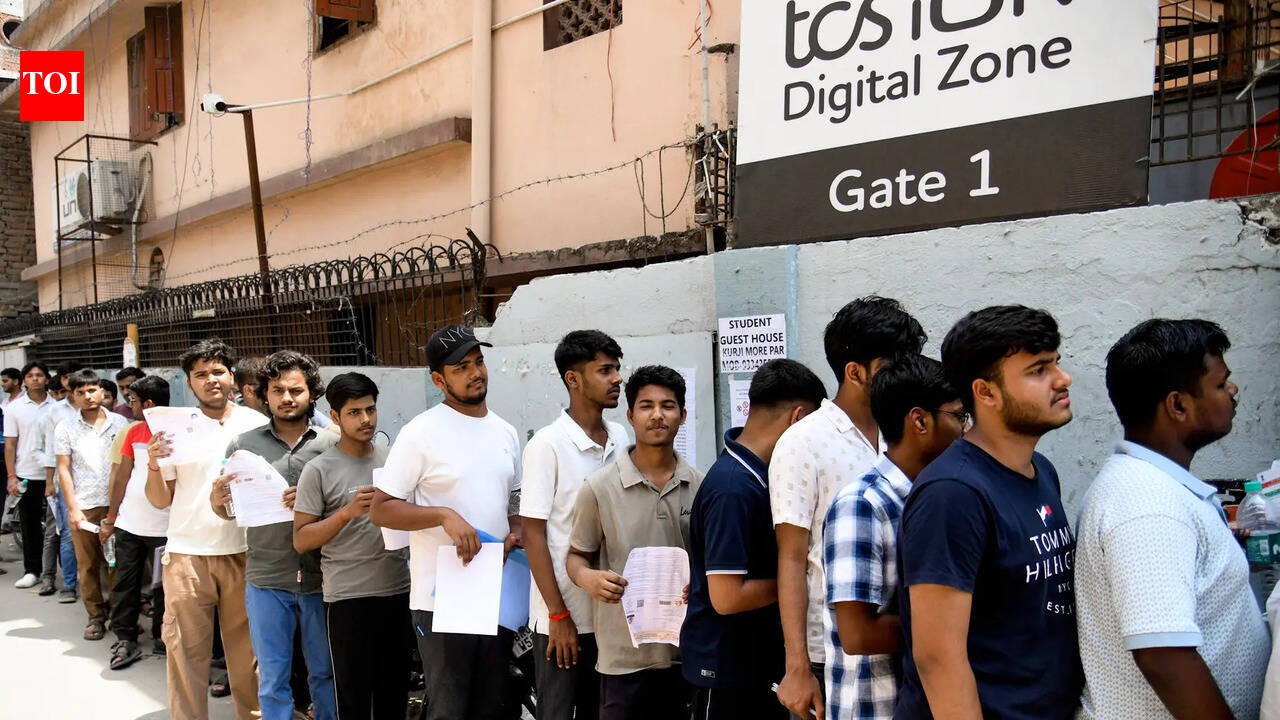
Maths difficult, Physics long in JEE Advanced: Students
Patna: More than 14,000 students appeared for JEE Advanced 2026 across Bihar on Sunday, of which around 9,000 candidates took the exam at around 18 centers in Patna.The exam was conducted in two shifts – Paper 1 from 9 am to 12 noon and Paper 2 from 2.30 pm to 5.30 pm. Students emerging from centers across Patliputra found the paper a bit tough, with Mathematics in Paper 1 and Physics in Paper 2 emerging as the toughest sections.According to the candidates, more importance was given to coordinate geometry and vectors in mathematics, while questions from integration were less than expected. Physics in Paper 2 was described as long and calculation-heavy.“Topics like ray optics and rotation dominated the paper. On the other hand, Chemistry was relatively easy compared to other subjects. Overall the paper was difficult. Now, it all depends on how many questions I solve correctly. For this, I will match it with the answer key,” said Shashank Srivastava, a student.Students said Paper 1 consisted of four categories of questions – single correct question (SCQ), multiple correct question (MCQ), matrix matching and integer-based questions.Abhyanand, an academic and former Bihar DGP (retired IPS), said the negative marking pattern has been comparatively relaxed this year. “It was not as rigorous as it used to be in previous years. However, the Physics questions were a little tougher than before. Mathematics was challenging but possible with good practice. For Chemistry, the questions were a little better than the standard level – we can call it moderate,” he said.Physics expert Anand Kumar Jha said that Physics in Paper 2 and Mathematics in Paper 1 will probably decide the rank. “This year’s JEE Advanced was a little easier compared to last year’s paper, so a slight increase in the cutoff is expected,” he said.This exam, conducted by IIT Roorkee this year, is the gateway for admission to other premier institutes including IIT and IISc Bengaluru.

Police launch investigation after deadly robbery attack in east Belfast, UK

Police launch investigation after deadly robbery attack in east Belfast, UK
A murder investigation has been launched after a man died in an attack by robbers at an apartment building in east Belfast. Nicholas, also known as Nicky Gordon, died after suffering serious injuries as a result of an attack by intruders inside the apartment building early Tuesday morning. Gordon was taken to hospital, where he died. The police service was notified of the incident at 08:25 BST on Tuesday, while the actual incident occurred at around 04:45 am, as reported by the BBC. Speaking to the press, Detective Chief Inspector Duffy said that “a number of intruders” entered the apartment building and “attacked another male before leaving”. Ambulance personnel reached the spot after some time.The two suspects were charged with aggravated burglary with intent to cause grievous bodily harm. The two suspects include a 24-year-old man and a 49-year-old woman. When the police investigated the case, the police granted him bail. The PSNI said officers “will continue to work aggressively to locate other people involved”.Several local political officials indicated that the local community had become concerned after news of violent crime. One such official, Democratic Unionist Party MLA David Brooks, said such cases cause fear and anxiety for many residents of the local community. He said: “It’s not something you expect to happen in your local community, but given the nature of these burglaries, people are also concerned about their homes and safety.“Another Alliance Party MLA, Peter McReynolds, said the local community was shocked and distressed by the case, as such a crime is rare in that particular community.
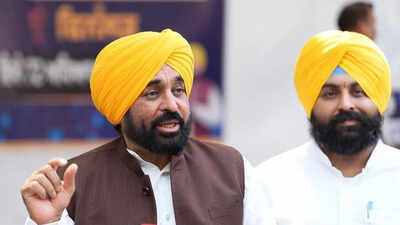
Punjab strengthens fight against ‘silent killer’ hypertension through prevention, early detection and cashless treatment
As the world celebrates World Hypertension Day, Punjab Government’s Mukhyamantri Sehat Yojana (MMSY) is emerging as an important safety net for patients suffering from hypertension and related diseases by ensuring affordable and timely health care.High blood pressure, often called the “silent killer” by doctors, gives little warning before it triggers stroke, heart failure or kidney disease. This condition is now common in all age groups.With hypertension rising as a major health concern in Punjab, the state government is focusing on prevention, early detection and treatment. While CM Di Yogshala promotes healthy living, Aam Aadmi Clinic ensures prompt diagnosis – over 1 crore people have been screened and 24 lakh have been treated – and MMSY provides cashless care, helping prevent serious complications.According to the World Health Organization (WHO), the burden of hypertension is increasing rapidly in India due to poor eating habits, stress, tobacco use, lack of physical activity and irregular daily routine. Doctors warn that many patients remain unaware of their condition until serious complications develop. Amid this crisis, Punjab’s Mukhyamantri Sehat Yojana has become a vital safety net, helping thousands of people receive treatment without the burden of unaffordable medical bills.Health Minister Dr Balbir Singh said that regular check-ups are being done at all health facilities including 990 Aam Aadmi Clinics, where people aged 30 years and above are being screened for high blood pressure and linked to timely treatment. He said more than 1 crore people aged 30 and above have been screened and 24 lakh have been enrolled for treatment. “Monthly follow-ups, free medicines and timely referrals ensure continuous care with strong rural-urban primary health care coverage,” he said.A landmark initiative of the Punjab Government aimed at making yoga accessible to every section of the society, CM The Yogashala has conducted over 10,600 yoga classes with approximately 3 lakh participants. The initiative promotes yoga, stress management and healthy lifestyle to help control high blood pressure and other lifestyle diseases.Hospital admissions related to stroke, heart emergencies and kidney diseases caused by uncontrolled blood pressure are covered under the MMSY scheme, providing financial relief to families already struggling with emotional distress.Most of the hypertensive patients in Punjab belong to the middle-aged and elderly population, with the highest burden seen in people aged 40 to 80 years. Data from the State Health Agency (SHA) shows that Gurdaspur recorded patients up to 94 years of age, while SAS Nagar recorded cases up to 98 years of age, underscoring the deep reach of the disease among senior citizens.The highest and widespread cases in both genders were reported in districts like Patiala, SAS Nagar, Hoshiarpur, Jalandhar and Faridkot. In Amritsar and Ludhiana, hospital records show a particularly high concentration among women aged 50 to 77 years.Dr Saurabh Sharma, associate professor and head of the department of cardiology at Government Medical College and Rajindra Hospital, Patiala, says hypertension is no longer just an old person’s disease.“Modern lifestyle brings a different set of health challenges for all age groups. While most cases of hypertension are seen in people aged 40 to 90 years and above, we are also seeing cases in teenagers and people in their twenties and thirties,” he says.Dr. Sharma says that lifestyle factors like stress, poor diet, lack of exercise and irregular routine play a major role. He warned that complications are emerging earlier than before. “What we’re seeing now is not just high blood pressure, but its complications coming from earlier — stroke, heart failure and kidney disease.”On schemes like Mukhyamantri Sehat Yojana, Dr Sharma says they are important as they ensure that patients do not delay treatment due to financial fear. “In a hypertensive emergency, delay is often the difference between recovery and tragedy.”Health officials say the importance of the scheme lies not only in treatment but also in timely intervention. In earlier years, many families used to delay hospitalization due to financial fear. Such delays often prove dangerous, sometimes even fatal. Under the Sehat Yojana, patients are increasingly seeking medical attention earlier, thereby increasing their chances of recovery.For middle-class families, pensioners and government employees, the scheme has become a buffer against catastrophic health care expenditure.
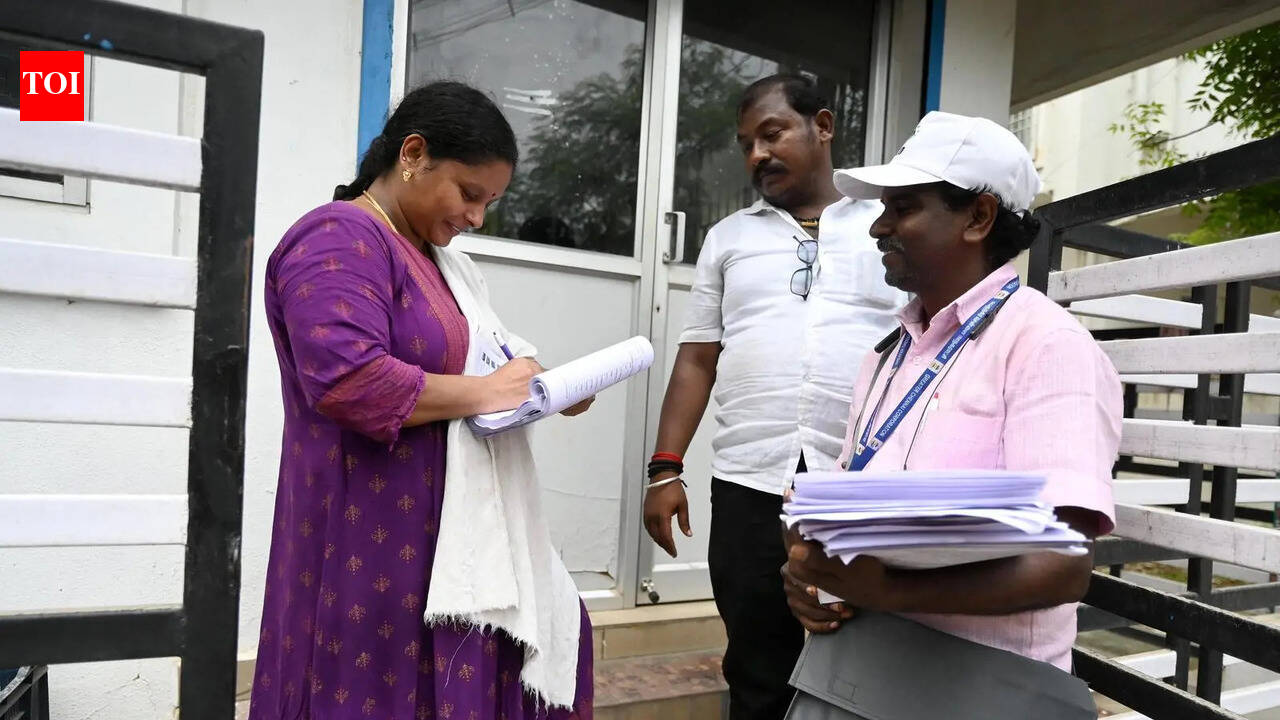
Expressed concern over the functioning of BLO
Hyderabad: Political parties have alleged that booth level officers (BLOs) are not conducting door-to-door verification in some parts of Hyderabad ahead of the Pre-Special Intensive Revision (Pre-SIR) exercise, raising concerns regarding voter mapping and roll verification.Majlis Bachao Tehreek (MBT) spokesperson Amjad Ullah Khan said in a complaint Chief Electoral Officer of TelanganaAlleged irregularities in the functioning of BLOs in Yakutpura, Chandrayangutta, Malakpet, Charminar, Bahadurpura and Caravan assembly constituencies under Hyderabad Parliamentary constituency.‘BLOs are working from party offices’Khan alleged that instead of visiting voters’ homes for verification, some BLOs were working from local party offices or residences of political leaders, forcing voters to visit these places for verification. The complaint also alleged that official BLO phone numbers were being answered by local political workers or leaders instead of the officials concerned.According to the complaint, these practices have created fears among voters that the verification process could be compromised and voter rolls could be manipulated, including the possible deletion of voters believed to be affiliated with rival political parties.Data privacy concerns flaggedMBT also alleged that BLO login IDs and passwords were shared with unauthorized persons, enabling them to download and operate the BLO app and access confidential voter data. Khan said this has raised serious concerns over voter data privacy, including sensitive information related to Muslim women voters.He requested the CEO to order an immediate inquiry into the functioning of BLOs in the affected constituencies, ensure strict door-to-door verification, investigate the alleged misuse of login credentials, put in place security measures for voter information and initiate disciplinary action against officials violating election norms.

The snake in the backyard now a noose to hang? The reputation of Pak Army is being tarnished by one attack after another.
 global terrorism index 2026.The index, released on March 30, placed Pakistan at the top of the list of countries most affected by terrorism, this is the first time that it has been at the first position.A report in the Eurasian Times, referring to Pakistan’s powerful army chief and now field marshal, said, “While Asim Munir’s army was busy projecting power and making global headlines – mediating between the US and Iran, sending fighter planes and troops to Riyadh – it was ‘surprisingly losing ground at home’ to its own militant groups that it once nurtured.”According to the report, since the US-Iran conflict began in late February, terror attacks within Pakistan have not only continued but have also intensified in many areas, especially areas bordering Afghanistan.74% and 67% of the deaths occurred in these attacks in the restive Khyber Pakhtunkhwa and Balochistan provinces, respectively, adding that Tehrik-e-Taliban Pakistan (TTP) and the Balochistan Liberation Army (BLA) have “wreaked havoc” on the Pakistani military and have, in fact, become “more sophisticated, more lethal”.Earlier this year, the Balochistan Liberation Army (BLA) carried out one of its most coordinated attacks in years, hitting at least nine districts of Balochistan, including the capital Quetta and the port city of Gwadar, the report said. Police stations, banks, markets and security establishments were reportedly targeted in the attacks, killing dozens of civilians and security personnel.It also mentioned a major suicide bombing outside a Shia mosque in Islamabad, which killed at least 31 worshippers. One of the deadliest attacks in the capital in recent years, the attack was widely attributed to Islamic State – Khorasan.In a rare incident, Baloch insurgents also ambushed a coast guard patrol near Gwadar, killing three officers. This is the first recorded incident of BLA attacking a Pakistani maritime vessel.There have already been five attacks in Khyber Pakhtunkhwa and Balochistan between May 7 and 15.“Field Marshal Asim Munir’s forces are struggling to secure their cantonments and border areas despite showing strength abroad – whether in Riyadh or brokering talks in Islamabad,” the report said.Pakistan Put signature on A joint strategic defense agreement with Saudi Arabia in September last year. Under the agreement, an attack on one is considered an attack on the other. Islamabad last month under the agreement deployed A military contingent of about 13,000 troops and 10 to 18 jets is headed to Saudi Arabia, one of the Gulf countries that Iran attacked in response to the US-Israeli attacks on the Islamic republic that sparked the current Middle East conflict.(with agency input)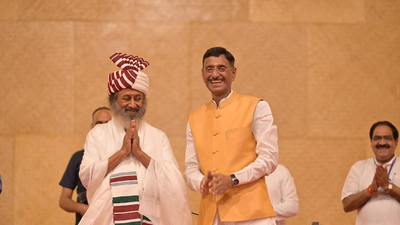
Sri Sri Ravi Shankar’s Art of Living completes 45 years; Karnataka Governor, Union Minister of State attend the function
The International Center for the Art of Living in Bengaluru hosted senior political leaders, spiritual figures and dignitaries as part of its ongoing 45-year celebrations in honor of founder Gurudev. Sri Sri Ravi Shankar and humanitarian initiatives of the organization. The guests included Karnataka Governor Thaawar Chand Gehlot and Union Minister of State for Defence, Sanjay Seth, who participated in a special satsang and meditation program at the newly constructed Dhyana Mandir. Addressing the gathering, Governor Gehlot said, “Hate and violence can be controlled through love and knowledge. This message of Gurudev Ji is being transformed into actions and results through the Art of Living.” He also highlighted the organization’s work in areas including education, river revitalization, chemical-free farming, ethics in business, disaster relief and conflict resolution. Meanwhile, Union Minister Sanjay Seth lauded Gurudev’s efforts in making meditation and wellness practices more accessible. He said, “People used to think that meditation was done in caves and the Himalayas, but you have taken meditation to every home.” The celebration marks 45 years of the Art of Living and coincidentally with Gurudev Sri Sri Ravi Shankar turning 70 on May 13. The organization said that policy makers, faith leaders, industry representatives and artists from India and abroad have participated in these events. During the event, Gurudev launched Psychosocial Peacebuilding: A Guide into the Heart of Sustainable Peace, a book by peacekeeping expert Dr Katrian Hertog, which focuses on sustainable peace-building practices. In this program folk music was also presented by Rajasthani singer Swaroop Khan. Earlier this month, Prime Minister Narendra Modi Inaugurated the Dhyana Mandir at the Ashram and launched several nationwide service initiatives related to education, health care, environmental protection and sustainable development.
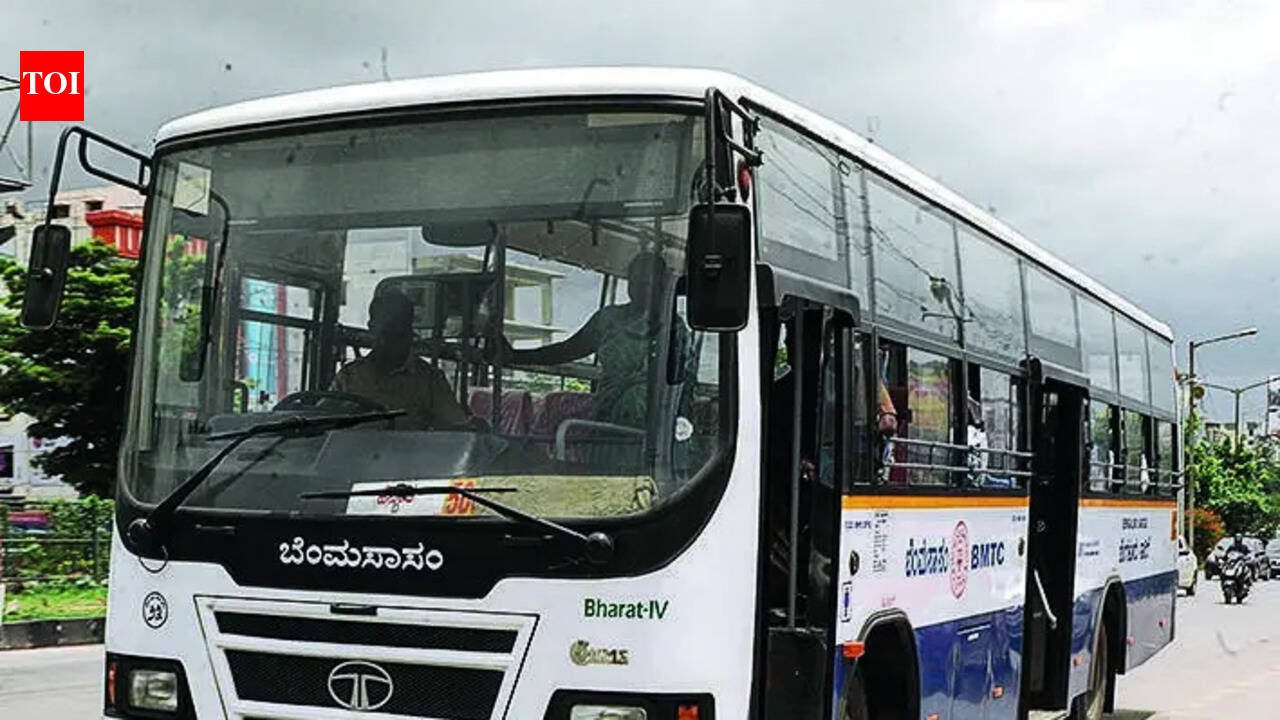
BMTC employees get full 26 months dues, then recall notice comes

Bengaluru: For a brief moment on Saturday, around 100 employees of BMTC’s Yesvantpur Depot-26 must have felt that the long-promised reward had finally come true. Then calls started coming.In what the corporation termed a “technical error”, a billing clerk mistakenly credited the entire 26 months of pay revision arrears to about 100 staff members instead of the sanctioned first installment of 11 months.While drivers, conductors, mechanics and administrative staff received the right amount elsewhere, a lucky few suddenly found themselves economically transported several stops ahead of schedule.However, BMTC moved swiftly to pull the handbrake. According to an official clarification issued on Sunday, the depot manager informed the central office immediately after noticing the anomaly. Employees who received additional funds were contacted and requested to return the excess payment.BMTC clarified that the payment, along with receipts, is being collected officially through the account linked to the department using a QR scanner at the Chaudeshwari Mandir bus stop office. The corporation appeared particularly eager to clarify the issue after social media users responded with both skepticism and delight.The video circulating online claimed that “26 months’ worth of money belongs to the employees” and questioned why the money was being collected “through the temple scanner”. BMTC stressed that the process is completely official, transparent and properly documented.So far 35 staff members have returned the extra amount.This incident briefly presented Bengaluru’s most short-lived wage upgrade. Employees who felt unexpectedly appreciated by the system were politely asked to make a return trip within a few hours.

Why did this 23-year-old man move to Australia to buy a house in Britain?

Like countless young people dreaming of a fresh start abroad, 23-year-old Tom Cowan left home in search of better opportunities, brighter days and the promise of a more secure future.But while many Britons move to Australia chasing sunshine, beaches and a comfortable lifestyle, the Welshman’s journey around the world is rooted in something far more personal, the hope of one day returning home, buying a house and earning enough money to give his family a better life.The former business management student from Blaenau Ffestiniog in north Wales moved to Melbourne, nearly 17,000km away, earlier this year with one goal in mind – save £50,000 in two years so he can buy a house in Wales and support his family.
Tom says the decision was extremely personal
“My mother gave me and my little sister everything,” she said in a video documenting her life abroad. “She never spent money on herself. I want to be in a position where I can eventually give back.”Unlike many expats who pursue luxury, Tom has adopted a naked lifestyle. He shares a room with his girlfriend, works long construction shifts, avoids unnecessary expenses and spends his free time in outdoor public gyms rather than expensive fitness centers.“I don’t need new clothes or instant gratification,” he said. “I just want stability and opportunity for my family.”
From overdraft to foreign gambling
Tom’s journey began with a difficult financial situation. He says his bank balance after graduating from Liverpool University in 2025 was minus £400.Determined to move to Australia, he spent seven months working as a ground labourer, saving about £11,000 before flying to Asia and eventually settling in Melbourne in March.
economics immediately understood
Tom says he now earns around £20.50 an hour in Australia, which is significantly higher than the £15 an hour wage he earns for similar work in the UK. Despite the high cost of living in Australia, he claims that overtime opportunities and cheap shared accommodation have helped him save up fast.Their target is ambitious: saving around £400 a week for two years. So far, he has managed to set aside almost £2,000.Social media accountability turns her into an unexpected inspirationTo keep himself disciplined, Tom started documenting his savings journey on Instagram, expecting only a few people to see it. Instead, thousands did.Within a few weeks, his page gained over 2,000 followers, many of whom now keep track of his spending habits, gym routine and work updates.The reaction surprised him. Strangers have offered advice, jobs and even temporary housing.Tom says the online attention also keeps him accountable.“If I suddenly stopped saving money or stopped exercising, people would notice,” he joked.One of his most emotional videos – where he discussed leaving his family behind to pursue a better future – was recorded in Welsh rather than English.He admitted, “I can express my feelings better in Welsh.”
Why are more Britons eyeing Australia?
Tom’s story comes as increasing numbers of Britons are considering moving to Australia.New data from Australian property platform realestate.com.au reportedly shows that searches for rental homes by UK-based users have increased by 28 percent over the past year.Migration experts say pessimism over Britain’s economic outlook, political uncertainty and rising living costs are driving many young professionals to seek opportunities abroad. And Tom is far from alone.
‘The mountains will pull me back one day’
However, for now, Tom says he’s focusing on the bigger picture. He misses his family and the mountains of Snowdonia in Wales, but believes the temporary hardship is worth it if it creates long-term stability.“I feel happiest when I’m working toward something,” he said.Some people may find their lifestyle joyless – long shifts, tight budgets and little social spending.But for Tom, discipline has become beneficial in itself. “It gives me respect for myself,” he said. “that makes me happy.”
The dream that sometimes draws people back home
British-born Annie Symonds once made the jump from London to Sydney in exchange for beaches and sunshine and gray skies.She established her life in Australia, gaining permanent residency and settling in the affluent Kirribilli suburb of Sydney after falling in love with an Australian man.But after seven years abroad, homesickness eventually drew him back to Britain.Their experience shows that many expatriates face the emotional pull of balancing career opportunities abroad with the allure of family, familiarity, and home.