

SpaceX’s Starship flight hits most targets in pre-IPO testing
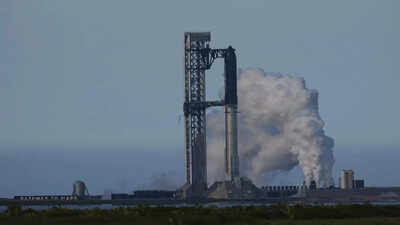
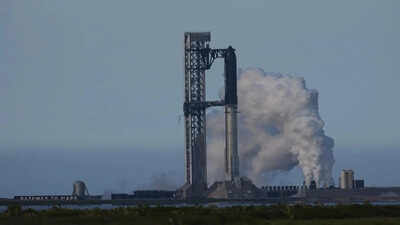
STARBASE: SpaceX on Friday completed a largely successful test flight of its next-generation Starship rocket, deployed a constellation of simulated satellites and executed a controlled splashdown in the Indian Ocean in a high-level debut of the new advanced vehicle as Elon Musk’s company prepares to go public.The latest uncrewed launch of Starship – which is designed to launch Starlink satellites more frequently and send future NASA missions to the Moon – achieved a significant milestone for the vehicle after months of testing delays. The result could also boost investor confidence ahead of SpaceX’s initial public offering next month, which is expected to be the largest in history.Starship, which SpaceX has spent more than $15 billion developing as a fully reusable spacecraft, is key to Musk’s goals of cutting launch costs, expanding his Starlink business and pursuing ambitions ranging from deep space exploration to orbital data centers — all factored into his targeted $1.75 trillion IPO valuation.Friday’s launch marked SpaceX’s 12th test flight of the Starship prototype since 2023 and the first flight of its V3 iteration, a major upgrade of both the cruise vessel and its Super Heavy booster, as well as the first blast-off from a specially designed launch pad for the new rocket.meaningful stepSpaceX was counting on a successful test flight to bolster its claim that the largest and most powerful rocket ever flown is close to commercial readiness after years of explosive setbacks and development delays. Friday’s test appears to have achieved most of its key objectives.The massive vehicle, which consists of an upper stage Starship spacecraft mounted atop a Super Heavy booster rocket, blasted off at about 5:30 a.m. CT (2230 GMT) from SpaceX facilities at Starbase, Texas, on the Gulf of Mexico near Brownsville.A few minutes later, the two stages apparently separated, allowing the Starship vehicle to ascend to its cruise stage despite the loss of one of its six engines, then eject its simulated satellite payload before surviving fiery atmospheric re-entry and splashdown. Its flight lasted more than an hour in total.This is a Reuters story