

76% of UK universities report decline in Indian student numbers as international enrollments fall 31% ahead of new visa rules World News
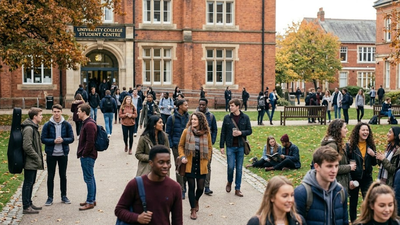
Enrollment of Indian students at UK universities has fallen, new data shows, with stricter visa rules leading to a wider decline in international postgraduate admissions.A survey by British Universities International Liaison Association found that 70% of UK universities reported fewer international students joining courses in January 2026, with total enrollments down 31% compared to the same period last year.The decline is also reflected in Indian students, with 76% of universities reporting lower enrollments from India. Similar patterns were seen across South Asia, where 82% of universities reported a decline in student numbers from Pakistan, where numbers fell by an average of 75%, while 65% reported a decline from Bangladesh. These markets are seen as higher risk under the evolving visa framework.The findings show that universities are already adjusting their recruitment strategies ahead of strict compliance measures. Nearly a third of institutions have restricted recruitment in certain countries, while 58% have strengthened credibility checks or interview limits. In a similar proportion higher deposits or stricter financial requirements have been introduced to reduce the risk of visa refusal.According to BUILA’s press release, from June, the UK government will introduce a traffic light system to assess universities’ compliance with visa rules. Institutions must keep visa denial rates below 4% to maintain a “green” rating. Those placed in the “amber” category will not be allowed to increase their international student numbers, raising concerns about future growth and competitiveness. Nearly half of the universities surveyed are expected to receive at least one non-green rating under the new system.Despite stringent internal controls, universities report continuing challenges in visa processing. Nearly 60% said they had seen higher than usual UK visa and immigration refusal rates during the January entry period. Additionally, 41% flagged delays and issues with interview scheduling, while more than a third raised concerns about inconsistent or unclear reasons for rejection, even if applicants meet expected standards.The sector has warned that these trends could discourage genuine students and affect the UK’s global position in higher education. Andrew Bird, president of BUILA, said: “The UK already operates one of the toughest student visa compliance regimes in the world, and our members fully support protecting its integrity. But the government keeps changing the goalposts.”He said: “If introduced as currently proposed, the new system risks significant reputational damage to our world-leading higher education sector. It could deter genuine students from applying.”BUILA has urged the government to refine the proposed system, including using “amber” ratings as a warning rather than a trigger for sanctions, and to improve transparency in visa decisions with clearer reasons for refusal and better early-warning signals for universities.