

Another lost trekking season in Kashmir. india news
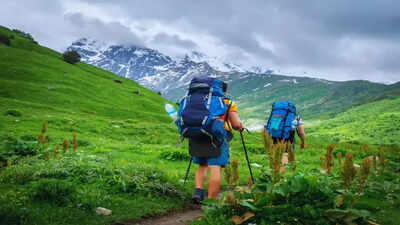
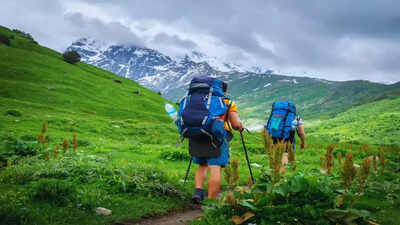
Srinagar: For nearly two decades, adventure tourism turned the mountains of Kashmir into a magnet for high-end domestic tourists and foreign visitors. Trekkers traverse alpine meadows, glacier-fed valleys and climbers climb Kolahoi Peak, making the area one of the valley’s fastest growing tourism industries. Most of that activity has now subsided.Following last year’s Pahalgam terror attack and Operation Sindoor, all trekking routes across Kashmir have been closed, bringing the valley’s once-thriving adventure tourism industry to a near standstill.Ruf Tramboo, president of the Winter Games Association and a well-known mountaineer of the valley, said, “Adventure tourism in Kashmir grew extensively in the last two decades and it became an essential part of Kashmir tourism. But in the last one year it has waned.”From his office overlooking Dal Lake, Tramboo said the government has promoted trekking on a large scale over the past six years, encouraging local entrepreneurs to invest heavily in camping equipment, trekking logistics and mountaineering infrastructure. A tourism department official said the government opened more trekking routes in the valley after the abrogation of Article 370, taking the number to 75. Even forest huts were made available for tourists.Over time, tourists began to arrive, particularly from Southeast Asian countries, which were less affected by safety travel advisories than Europe and the US. “Our trekking season is from June to October. Due to the prolonged closure (after the Pahalgam attack), we have effectively lost this year,” he said.Major routes include the Kashmir Great Lakes Trek – a 70 km route through alpine lakes, glacial streams, meadows and mountain passes – the Kolahoi Glacier Trek, the Tarsar Marser Trek, the Tosamaidan-Yusmarg Trek and the Dara-Pahalgam, an offbeat high altitude route that connects Srinagar to the lush valleys of Pahalgam. The Dara-Sonmarg route through Warwan valley in Kishtwar and the Kashmir-Ladakh route also attracted enthusiasts.The Great Lakes Trek, which climbs the Harmukh Pass to about 13,800 feet, was the most popular. Arif, better known as the mountaineer, who runs Cliffhangers India, an adventure tourism company in Kashmir, said the Great Lakes trek opened up other routes.Arif said that in 2024 his company will take at least two groups every week on the Great Lakes trek, creating jobs for guides, porters, cooks, ponymen and camping staff in villages along the route. Trumbu said his company will put about 2,000 to 2,500 horses to work each year.Arif said, “We will also arrange South Indian food. I had more than 45 employees and we employed hundreds of horsemen. Now we are only a five-member team. The Great Lakes trek was safer as it is surrounded by army camps. We want at least it to be reopened to keep the industry alive.”As the recession deepened, Aari shifted his base to Manali. Tramboo now takes trekkers to Ladakh. “I had the option to walk out but others are not so lucky. They may leave the business,” Arif said.There is little clarity on when the situation might improve. “The decision to open trekking routes is beyond our jurisdiction,” the tourism department official said. He said rafting is now allowed only in Sonamarg and Pahalgam.