
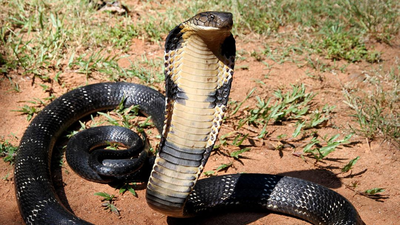

World’s deadliest snake: King Cobra Capitals: 10 countries where the world’s deadliest snake thrives world News
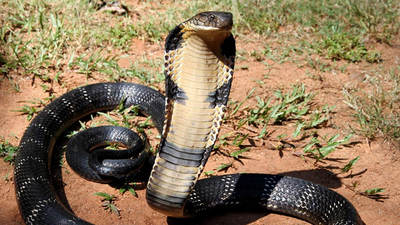
The king cobra is one of the most dangerous and scientifically fascinating reptiles on Earth. Recognized as the world’s longest venomous snake, it can grow more than 18 feet and release powerful neurotoxic venom capable of killing larger animals. Despite its deadly reputation, this species is naturally shy and generally avoids confrontation with humans. King cobras inhabit the forests, bamboo groves, mangroves and wetlands of South and Southeast Asia, where warm temperatures and dense vegetation create ideal conditions for hunting. Although exact population numbers are difficult to measure, several countries are considered major strongholds for the species, supporting some of the most important king cobra habitats in the world.
top 10 countries With a significant population of king cobras.
IndiaIndia is considered one of the most important king cobra habitats in the world. This species is found in the Western Ghats, Northeast India, the Himalayan foothills and the Andaman Islands. Dense rainforests, heavy monsoon conditions and abundant prey make these areas ideal for survival.The Agumbe Rainforest in Karnataka is particularly famous and is often referred to as the “King Cobra Capital of India”. Scientists at the Agumbe Rainforest Research Station have tracked and studied king cobras for years, helping researchers better understand their movements, nesting habits and territorial behavior.India is also unique because here female king cobras have been seen making nests out of leaves and forest debris before laying eggs. This behavior is extremely rare in snakes.ThailandThailand has one of the most visible and stable king cobra populations in Southeast Asia. This species thrives in tropical forests, agricultural edges, wetlands and bamboo thickets throughout the country.Thailand is famous for wildlife rescue teams that often relocate king cobras found in villages and near roads. In some parts of the country, trained handlers and snake conservationists work closely with local communities to reduce fatal encounters.The snake also appears in Thai folklore and traditional beliefs, where it is often viewed with both fear and respect.
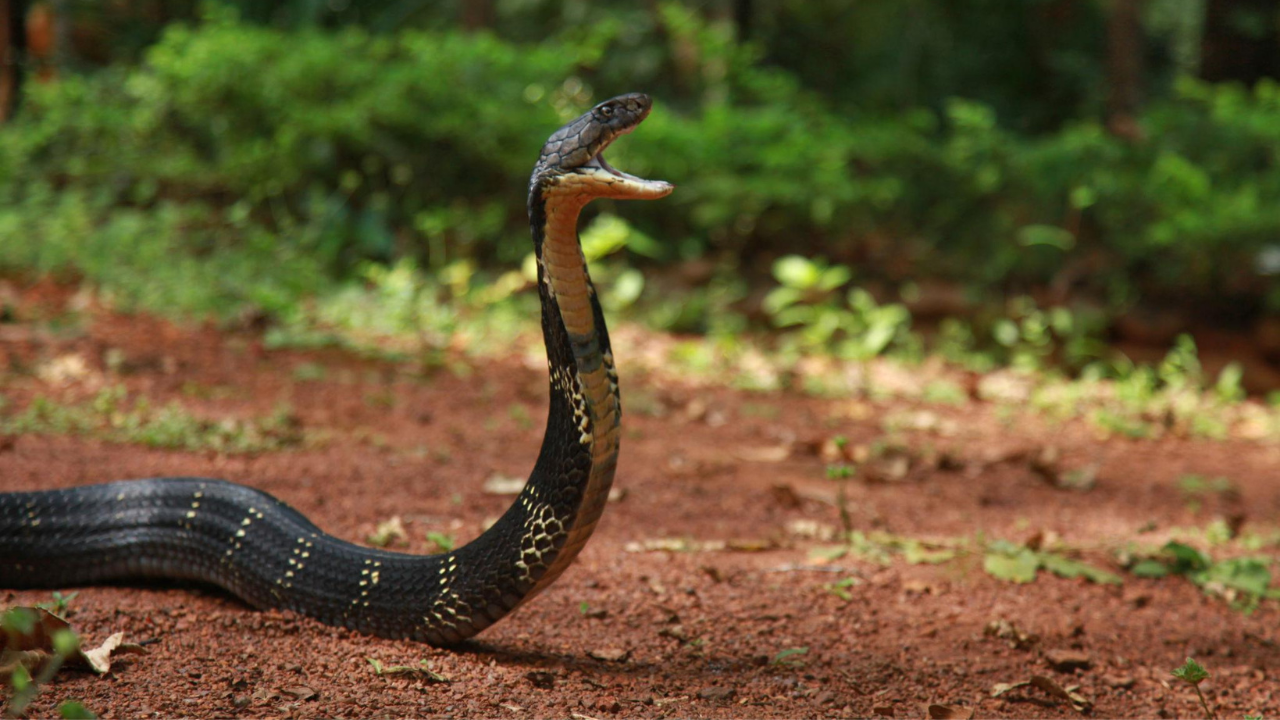
IndonesiaIndonesia supports major populations of king cobras due to its vast rainforest systems spanning thousands of islands. This species is found in Sumatra, Java, Bali and Kalimantan in Borneo.Indonesia’s humid tropical climate provides ideal conditions for the king cobra to hunt reptiles and small snakes. The dense forest cover also helps them remain hidden from predators and humans.Scientists believe that some island populations may show physical and behavioral differences due to long-term geographic isolation.malaysiaMalaysia is another major habitat of the king cobra, particularly in the forests of Peninsular Malaysia and Borneo. This species is commonly associated with rainforest ecosystems, river banks, swamps and mangrove forests.Malaysia’s rich biodiversity gives the king cobra access to a wide range of prey species. They are considered apex reptile predators and play an important ecological role by controlling snake populations in the forests.This species is frequently documented in wildlife sanctuaries such as Taman Negara, one of the oldest rainforests in the world.myanmarMyanmar forms an important link in the chain of king cobras between India and mainland Southeast Asia. Large tracts of forest and hilly terrain provide suitable habitat for the species.Although Myanmar has been less studied than neighboring countries, researchers believe there may be significant populations of king cobras in its forests because many areas remain relatively untouched.The country’s biodiversity hotspots are also home to several other venomous snake species, forming a rich reptile ecosystem.
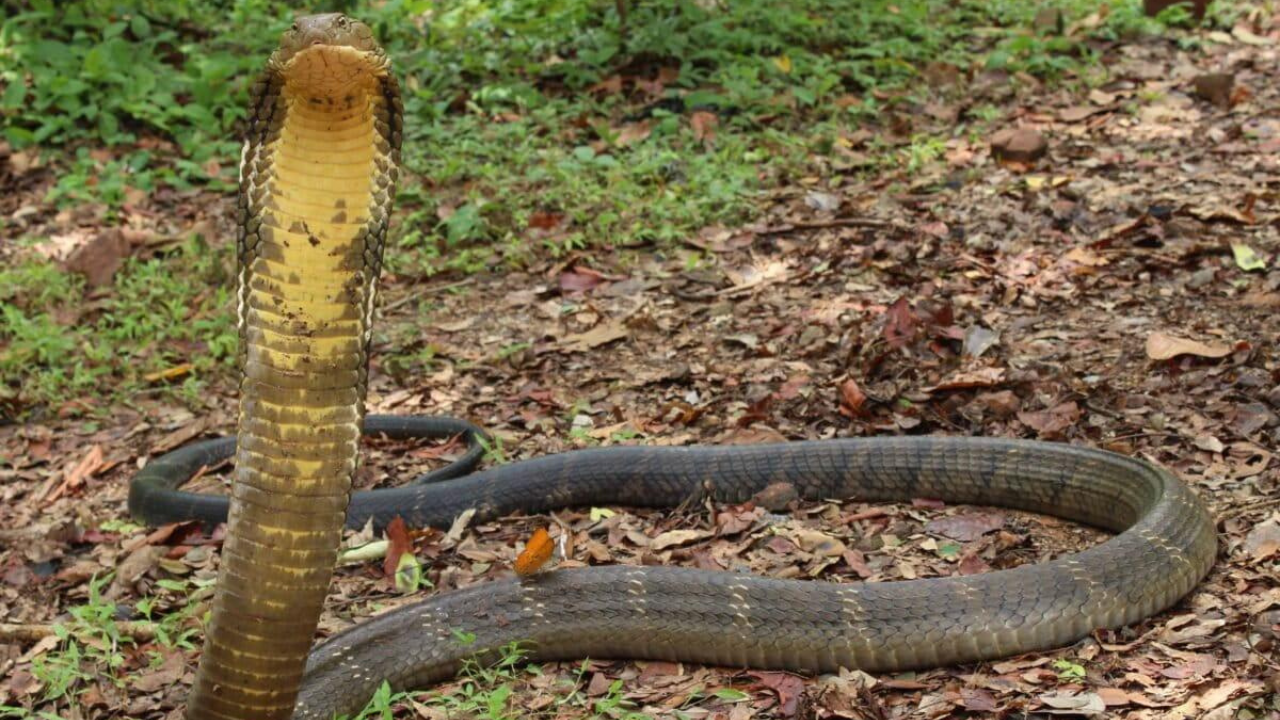
bangladeshBangladesh The king cobra mainly inhabits forested areas and hilly areas such as the Chittagong Hill Tracts and Sylhet forests.This species is rarely seen due to its secretive behaviour, but occasional sightings are reported near forest villages and tea plantation areas.Bangladesh’s tropical climate and dense vegetation provide suitable hunting conditions for the snake, although habitat loss remains a growing concern.NepalThe king cobra population in Nepal is mainly in the hot Terai region and the foothills of the lower Himalayas. The snake is uncommon in cold mountainous regions but survives well in subtropical forests and grassland ecosystems.King cobras in Nepal are often associated with protected areas and forest corridors associated with northern habitats in India.The species also holds cultural significance in parts of Nepal, where cobras are associated with traditional religious beliefs and festivals.vietnamVietnam remains an important habitat for the king cobra, particularly in tropical forests and protected reserves across the country.Vietnam has long faced challenges from the illegal wildlife trade, and king cobras are sometimes targeted for snake wine, exotic meat markets, and traditional medicine practices.Conservation groups have warned that habitat destruction and poaching could threaten local populations if protection is not strengthened.cambodiaCambodia supports king cobra populations in tropical forests, wetlands and remote wildlife sanctuaries.The snake plays an important role in Cambodia’s ecosystem by controlling populations of rodents and other snakes. Many of the king cobra’s habitats overlap with protected forests that also shelter elephants, clouded leopards, and rare bird species.Wildlife experts continue to study how deforestation is affecting reptile populations across the country.ChinaChina represents the northern edge of the king cobra’s natural range. This species is found mainly in southern provinces such as Yunnan, Guangxi, Guangdong, Hainan and parts of Hong Kong.The hot and humid forests of southern China allow the king cobra to survive despite the cooler climate further north.Chinese researchers have increasingly focused on the study of king cobra venom because of its complex neurotoxin and potential medical applications.Why are king cobras so unique?Unlike true cobras, the king cobra belongs to its own genus Ophiophagus, which means “snake eater”. Its diet consists mainly of other snakes, including rat snakes, pythons, kraits, and even small cobras.This species is highly intelligent compared to many reptiles and is known for its strong defensive behavior. When threatened, it can raise about one-third of its body off the ground, spread its hood and produce a deep snarling hiss.King cobras are also one of the few snake species where females actively guard their nests until the eggs hatch.
Are king cobras endangered?
The king cobra is currently listed as vulnerable by the International Union for Conservation of Nature. Habitat destruction, deforestation, road accidents, illegal wildlife trade and human conflict are decimating populations throughout Asia.As forests shrink and urban areas expand, encounters between humans and king cobras are becoming more common. Wildlife conservation groups in India and Southeast Asia are now working to protect forest corridors and educate communities about safe coexistence with one of the world’s most iconic snakes.