
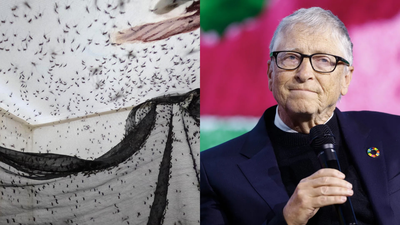

Why does a Bill Gates-backed insect factory release 30 million mosquitoes every week?
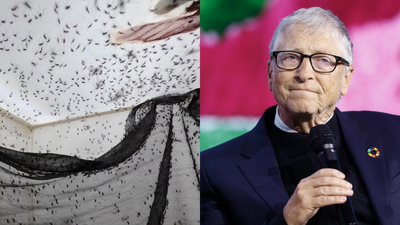
Inside Medellín, Colombia, scientists are breeding millions of mosquitoes every week and then deliberately releasing them into the environment. At first, this may seem strange, especially since mosquitoes are known to spread dangerous diseases. But researchers say these insects are actually being used to prevent the spread of diseases like dengue, Zika, chikungunya and yellow fever. The project, partially supported by the Bill & Melinda Gates Foundation and supported by the World Mosquito Programme, produces approximately 30 million mosquitoes every week. These mosquitoes carry a harmless bacteria called Wolbachia, which makes it very difficult for the virus to spread from mosquitoes to humans.
Inside the world’s largest mosquito factory backed by Bill Gates
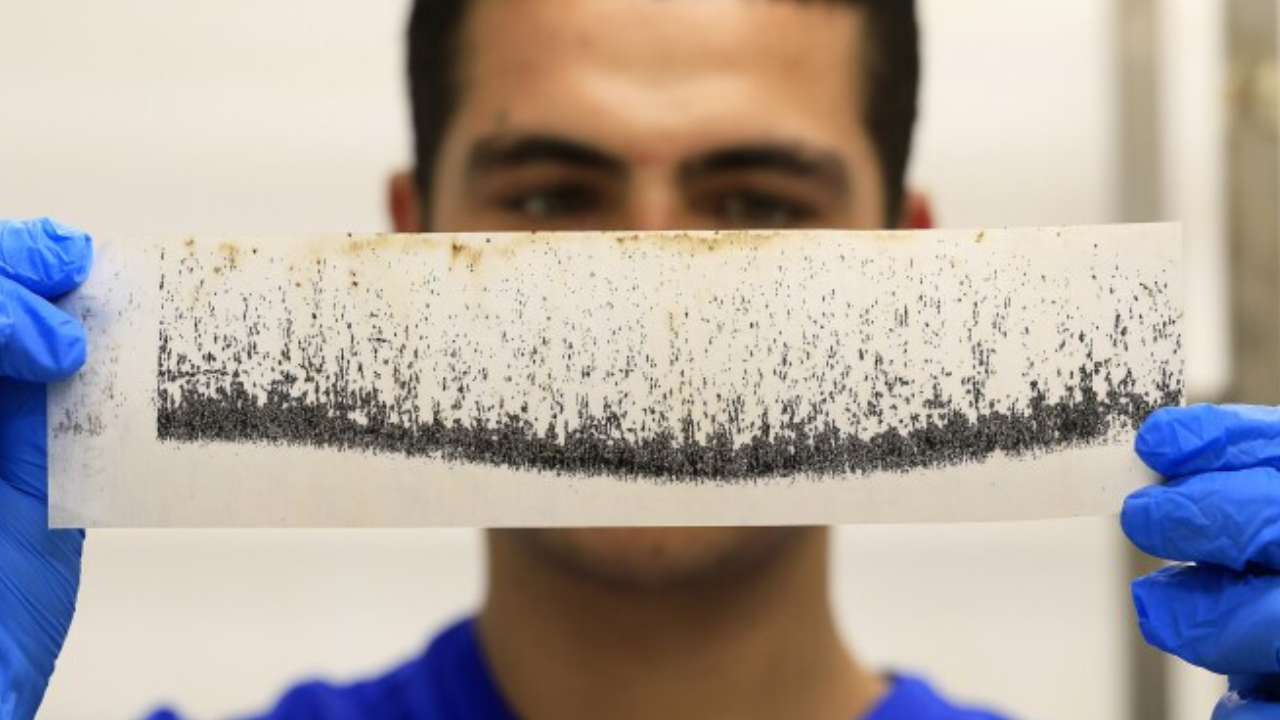
The Medellin facility is one of the largest mosquito breeding centers in the world, producing millions of mosquitoes every week as part of an unusual public health mission. Scientists there mainly breed the Aedes aegypti species, which is known to spread diseases like dengue, Zika and chikungunya. Inside temperature-controlled laboratories, researchers carefully monitor every stage of the insects’ life cycle, from eggs and larvae to adult mosquitoes, before preparing the insects for release into nearby communities.What makes these mosquitoes different is a naturally occurring bacteria called Wolbachia. Scientists found that when Aedes aegypti mosquitoes carry Wolbachia, they are much less likely to spread the dangerous virus to humans. Mosquitoes are not genetically modified. Instead, researchers introduce the bacteria into mosquito eggs under laboratory conditions and then breed future generations with the same traits.Once released into the wild, these mosquitoes begin to mate with local mosquito populations, allowing the Wolbachia bacteria to spread naturally over time. As more mosquitoes carry the bacteria in an area, fewer are able to spread viruses like dengue. Researchers say the goal is not to eliminate mosquitoes completely, but to gradually replace populations of more dangerous mosquitoes with less harmful ones. That’s why scientists consider this program different from traditional pesticide spraying, which focuses on killing insects directly.Mosquitoes are released using several methods. In some neighborhoods, residents find small containers filled with naturally occurring mosquito eggs. In other areas, adult mosquitoes are released from vehicles or special containers. The local community is also extensively involved in the program, with residents helping scientists monitor mosquito populations and installing mosquito nets around their neighbourhoods.The project gained worldwide attention after Bill Gates visited the facility and later described it as one of the most promising new approaches to fighting mosquito-borne diseases. Today, the Medellín mosquito factory has become a symbol of how scientists are trying to fight global disease outbreaks by using biology rather than relying solely on chemicals and pesticides.Researchers say the goal is not to increase mosquito populations forever, but to gradually replace disease-carrying mosquitoes with less harmful ones.
The project has shown promising results
Studies from different countries have revealed encouraging results. In Indonesia, areas where Wolbachia mosquitoes were released showed a large reduction in dengue infections and hospital visits.Researchers in Colombia have also noted a sharp decline in dengue cases since the program began in Medellín in 2015.Scientists believe this method could become an important tool for countries where mosquito-borne diseases affect millions of people every year.
Conspiracy theories surrounding the Mosquito Project
The mosquito release program has also become the subject of online conspiracy theories, with viral social media posts claiming that the insects are “mutant mosquitoes”, part of secret experiments, or linked to population control efforts. After video and photos from the Colombian facility circulated online, some posts also suggested that the mosquitoes were deliberately genetically engineered to spread diseases.Scientists and health organizations involved in the program reject those claims. Researchers say the mosquitoes are not genetically modified and instead carry Wolbachia, a naturally occurring bacteria that is already found in many insect species. Experts say that this project is designed to reduce the spread of diseases like dengue and Zika.
A hope for global disease control
Mosquito-borne diseases infect millions of people every year, especially in tropical countries. Traditional methods such as chemical spraying and fumigation have struggled to completely stop outbreaks.Researchers believe that Wolbachia-based mosquito control could offer a safe and long-lasting solution. Rather than eliminating mosquito populations entirely, this method aims to make them less dangerous to humans.That’s why the Medellín mosquito factory has become an important symbol of a new approach to public health, where scientists are using biology to fight some of the world’s fastest-spreading diseases.