
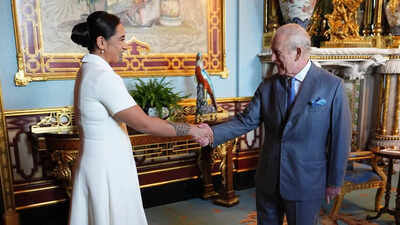

Buckingham Palace hosts historic meeting between King Charles and New Zealand’s Maori Queen
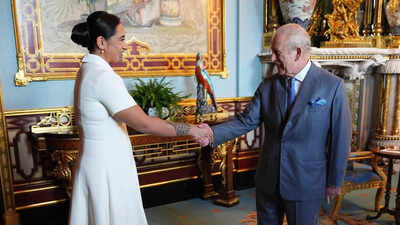
The world watches the Māori Queen meet King Charles during a historic visit to London / Image: @TheRoyalFamily
Buckingham Palace witnessed an extraordinary royal moment this week when New Zealand’s Maori Queen, Ngā Wai Hono i Te Puu, met King Charles III during a historic visit to London that is now capturing the attention of the entire Commonwealth.The audience marked the first official Buckingham Palace meeting between the British monarch and the young Māori queen since she ascended the Kingitanga throne in 2024 following the death of her father, King Tuhetia. At just 29 years old, she has quickly become one of the world’s most-watched indigenous leaders, and her appearance with King Charles has sparked huge interest in both New Zealand and the UK.Photos released from the palace showed the two leaders chatting warmly during a week packed with royal events in London. Although formal on the surface, for many watching closely this meeting holds a much deeper significance.For Māori communities, it represents a continuation of a centuries-old relationship between indigenous leaders and the British Crown. For royal audiences in Britain, it offered a brilliant glimpse of how the modern monarchy is increasingly engaging with Indigenous voices, youth leadership and environmental issues.The meeting comes at a time when discussions over colonial history, treaty rights and representation have become more prominent in the Commonwealth.
Why does the Maori Queen’s visit matter?
The Māori Queen’s visit was not just about royal tradition or formal photographs.Behind the palace walls, discussions reportedly focused on issues shaping the future of younger generations, including climate challenges, indigenous leadership, economic opportunities and youth empowerment.According to representatives of the Kingitanga movement, Ngā wai Hono i Te Po used the visit to highlight how indigenous knowledge and modern global leadership can work together in tackling major world issues.This message appears to closely match King Charles’s long-term interests. Long before he became monarch, Charles spent decades advocating for environmental protection, sustainability, and interreligious dialogue. Palace observers noted the apparent overlap between the king’s priorities and the Māori queen’s growing international platform.The time of the meeting is also important.New Zealand is approaching the 200th anniversary of Te Tiriti o Waitangi in 2040, the treaty signed between Māori chiefs and representatives of the British Crown that still shapes political and social debate today. Questions of indigenous rights, treaty obligations and national identity continue to dominate public conversation in New Zealand, giving the Buckingham Palace meeting additional symbolic importance.
Prince William meets young Maori entrepreneurs
The Māori Queen also chatted with Prince William at Windsor Castle in another historic moment during her UK visit, before meeting King Charles.Their discussions reportedly focused on young people, environmental action and indigenous-led initiatives, topics that were becoming central to the younger generation of royal diplomacy.Four Māori young entrepreneurs were invited to Britain along with the Queen to events involving The King’s Trust, the charity founded by King Charles almost 50 years ago. Using the opportunity to showcase Māori innovation and community-driven businesses, the group attended high-profile events at Buckingham Palace and the Royal Albert Hall.The presence of young Māori business leaders added a modern edge to the royal visit and reflected the Māori Queen’s broader focus on creating opportunities for younger generations rather than relying solely on formal tradition.The generational shift is one reason the Queen has attracted global attention since taking over the throne last year. In contrast to older royalists primarily concerned with protocol, Ngā wai Hono i Te Po represents a youthful leadership style that blends indigenous tradition with modern activism, diplomacy and global outreach.
future commonwealth relations
Many people in Britain found the photographs of Buckingham Palace different from those of ordinary royal visitors.There was history in the room, but there was also a sense of change.The meeting reflected how relations between the Crown and Indigenous communities are evolving in the modern era. In countries belonging to the Commonwealth, debates over colonial history, reparations, cultural recognition and indigenous representation continue to rage. Against that backdrop, the sight of King Charles welcoming the Māori Queen had both symbolic and political significance.This moment also highlighted the changing face of imperial diplomacy.Rather than focusing solely on kingship and ceremony, modern royal engagements are increasingly centered around social impact, climate issues, youth opportunities, and cultural identity. The Māori Queen’s visit to London brought all those themes together in one of Britain’s most historic royal settings.For Buckingham Palace, it was another reminder that the monarchy’s global relevance depends on how it engages with the rapidly changing Commonwealth.For the Māori Queen, it was a defining international moment, placing her firmly on the world stage.