Kejriwal tried to stop the defection, but it was a case of too little, too late. india news

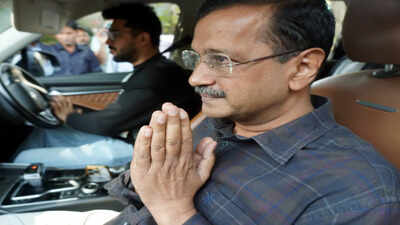
Kejriwal tried to stop defection, but it was a case of too little, too late
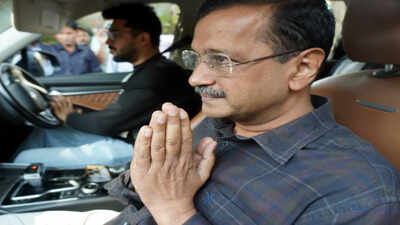
Arvind Kejriwal (file photo)

New Delhi: After learning that his party’s MPs in the Rajya Sabha might end up breaking away and joining the BJP, AAP supremo Arvind Kejriwal made a last-ditch effort to manage the situation by reaching out to most of them, but it proved too late.People familiar with the development said Sandeep Pathak’s joining the breakaway group was the biggest surprise as Kejriwal saw him as a loyalist who would not change sides.Meanwhile, AAP MP Sanjay Singh on Sunday said he has submitted a petition to Rajya Sabha Speaker CP Radhakrishnan seeking disqualification of the seven AAP MPs who merged with the BJP. He said the party would also take legal action if necessary and claimed the move was a violation of the anti-defection law.Singh said several Supreme Court judgments, including those in Uttarakhand and Arunachal, have made it clear how such defection can lead to disqualification.Meanwhile, sources said events leading up to the defection show that Kejriwal had started reaching out to AAP MPs from April 22 onwards, holding meetings with at least Vikramjit Singh Sawhney, Ashok Mittal and Sandeep Pathak. Harbhajan Singh was in Mumbai, but it is understood that Kejriwal has spoken to him.When Sahni met Kejriwal on April 22, Kejriwal asked him if there was any pressure on him and whether he had received any call to join the BJP. Sources said that it has been learned that Kejriwal also met Sandeep Pathak for one and a half hour and after the meeting he was assured that Pathak will not cross the border.Kejriwal spoke to Sahni again on Friday and asked the MP to meet him in the evening. However, Raghav Chadha held a press conference in the afternoon, where it was announced that the MPs would join BJP. The fact that Kejriwal’s efforts did not succeed shows that the problem had been brewing for a long time.Not only Chadha, readers were also dissatisfied for a long time. Both of them played an important role in the party’s victory in Punjab. However, sources said Pathak was gradually marginalized after the party lost the Delhi elections. Sahni told TOI that growing disillusionment with the functioning of the state government and the crisis Punjab was facing was one of the reasons for his decision.

Source link

West Bengal Elections: NIA to investigate bomb found in tinderbox Bhangar. india news

West Bengal Elections: NIA to investigate bomb found in tinderbox Bhangar

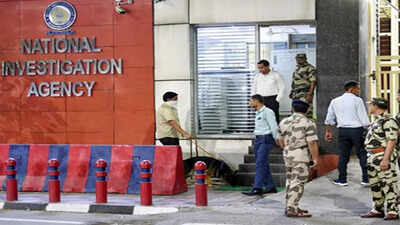
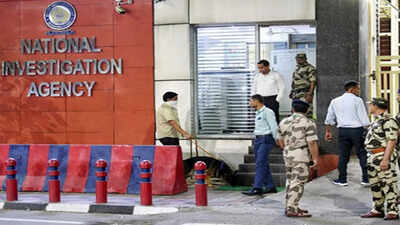
New Delhi: The government on Sunday ordered an NIA probe into the seizure of 79 crude bombs the previous day in Bhangar, a minority area and flashpoint near Kolkata, where the TMC is locked in a high-stakes duel with a smaller rival in the April 29 elections. The government said the bomb recovery should be investigated for a larger conspiracy and national security threats. Police found bombs, jute ropes etc. in an abandoned house. No arrests have been made yet. “This case pertains to illegal storage of explosives endangering life and property with the intention to create fear,” the government said.

Source link

Modi hits back at TMC’s vegetarian claim with prayers at Kali temple india news

Modi hits back at TMC's vegetarian claim with prayers at Kali temple
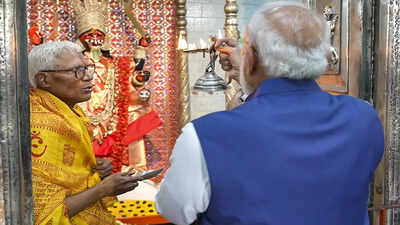
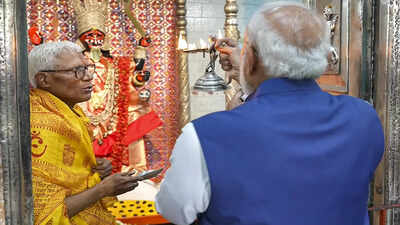
In this screenshot of a video posted on April 26, 2026, Prime Minister Narendra Modi offers prayers at ‘Thanthaniya Kalibari’ amid the ongoing West Bengal Assembly elections in Kolkata.

New Delhi: PM Narendra Modi Before his road show in Kolkata on Sunday, Thanthania offered prayers at Kalibari – one of the few abodes of Goddess Kali where meat is offered as ‘prasad’ – which political circles interpreted as his strong gesture to woo voters. TMClaunch of BJP As a ‘North Indian Party’ that is steeped in vegetarianism and is uncomfortable with the eating habits of Bengal rooted in non-vegetarian food.Thanthania Kalibari, where the goddess is worshiped as Maa Siddeshwari, is one of the oldest and most revered Kali temples in Kolkata and Ramakrishna Paramahamsa is believed to have frequently visited there, where he sang hymns to the goddess.CM Mamata Banerjee has led the TMC’s charge that if it comes to power, the BJP will try to curb the state’s meat-eating habits and replace them with the practice of North Indian states, where consumption of non-vegetarian food during religiously auspicious days is frowned upon.His projection of the BJP as a party of outsiders unfamiliar with Bengali values ​​has been the focus of his political attacks, prompting the national party to make concerted efforts to dispel this narrative.BJP officials, including MP Anurag Thakur, had shared pictures of themselves eating ‘maachh-bhaat’ during their campaign in Bengal.The BJP hopes that the temple visit by Modi, who is himself a vegetarian and fasts during Navratri, will take the message home.This practice of non-vegetarian ‘Prasad’ was started by Ramakrishna Paramahamsa, one of the most revered spiritual figures of the state. When he fell ill, his followers prayed at the temple for his speedy recovery and served non-vegetarian ‘Prasad’ to the Lord.

Source link

Solar infra helped India meet record 256GW electricity demand. india news

Solar infra helps India meet record 256GW power demand

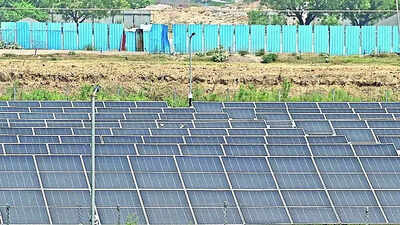
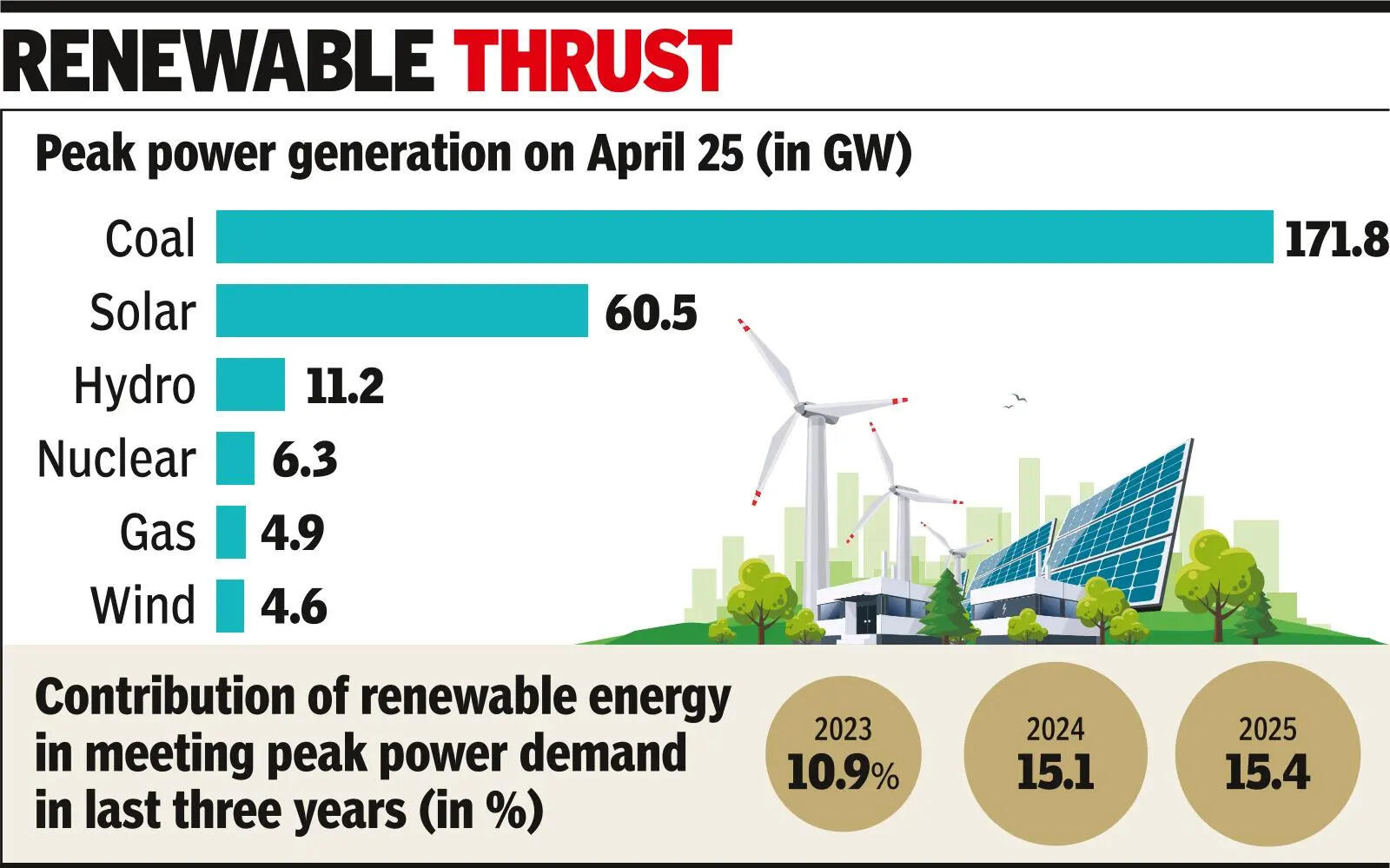
New Delhi: Riding on the growing contribution of solar power in the power generation mix, India on Saturday easily met its maximum power demand of 256 gigawatt (GW), the highest ever in a single day, amid rising temperatures across the country.At the time of peak demand of 256.1 GW, which was reached at 3.38 pm, solar power contributed about 57 GW or about 22% of the total generation. Data from the Grid Controller of India showed that around 12.30 pm, power generation from solar plants and rooftop systems increased to about 81 GW, about a third of the total generation of 242 GW, underscoring its growing importance in the power mix.

renewable thrust

Generation contributes 22% to meet heatwave-driven spike

Driven by higher consumption, Saturday’s demand also surpassed the previous record of 252.1 GW set a day earlier on April 24. The Power Ministry has estimated the maximum demand to reach 271 GW this year.While coal-fired plants continue to provide baseload, officials said the contribution of non-fossil sources – including solar, wind, hydro and nuclear – has increased significantly.PM Narendra Modi in ‘Mann Ki Baat’ stressed the importance of renewable energy amid global instability, called solar and wind the key to India’s future and urged adoption of clean energy. He described the achievement of criticality by the Kalpakkam Fast Breeder Reactor as a “historic milestone”.Santosh Sarangi, Secretary, Ministry of New and Renewable Energy, said that solar power generation including rooftop systems is growing rapidly and is playing an important role in meeting the peak demand. “With more installation of battery energy storage systems, it will also be able to meet the evening peak demand in future,” he said.

Source link

ISRO says that every village in the country was mapped from space; Satellite data will help in starting rural projects in a better way. india news

ISRO says that every village in the country was mapped from space; Satellite data to help launch rural projects better

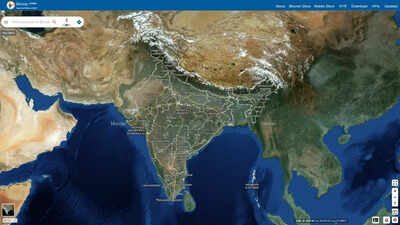
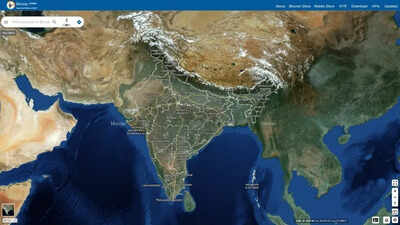
New Delhi: In a major development for India, ISRO has mapped every village in the country from space and the satellite data will go a long way in supporting gram panchayats in decentralized planning, monitoring of assets and improving governance at the grassroots level.ISRO announced on National Panchayati Raj Day on Friday that it has completed high-resolution land use and land cover mapping for the entire country at a scale of 1:10000 – this means 1 cm on the map represents just 100 meters on the ground, enough to distinguish a paddy field from a pond. According to the 2011 census, there were 649,481 villages in India.ISRO has made this satellite data available to government organizations. “This dataset supports gram panchayat development plans and is integrated as one of the information layers on the Gramachitra (village map) web portal of the Ministry of Panchayati Raj, enabling stronger, data-driven governance at the grassroots level,” ISRO posted on Friday. Grammarchitra web portal is a tool designed to help local bodies take data-driven development decisions.Mapping of villages will help in effective preparation of Gram Panchayat development plans, enable data-driven decision making and assist in identifying land resources and utilization patterns. Overall, it will improve transparency and accountability in the implementation of government projects in rural India.The effort is part of a larger initiative to use satellite imagery, including data from ISRO’s Bhuvan Geoportal, for disaster management, agricultural planning and infrastructure development in rural and remote areas. Mapping of all the villages of the country by ISRO will go a long way in strengthening democracy at the grassroots level.

Source link

BRICS did not reach a consensus on the Middle East due to sharp differences, the government supports the Palestine issue. india news

BRICS consensus on Middle East unclear due to sharp differences, government supports Palestine issue

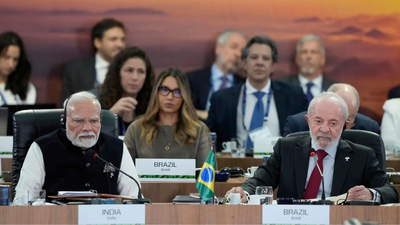
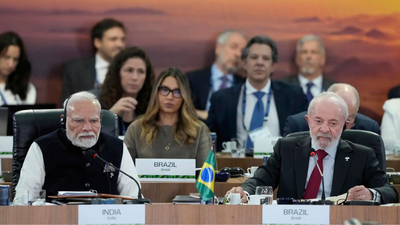
Official sources said last week’s BRICS meeting of officials on the Middle East could not produce a consensus document because of the wide difference in stances among the members involved in the conflict.According to Indian officials, all other efforts to bridge the gap were not successful. India holds the chairmanship of BRICS this year and will host the foreign ministers’ meeting next month, ahead of the summit later this year. Due to lack of consensus, no joint statement could be reached in the meeting of junior foreign ministers and special envoys last week.Instead, a statement from the Chairman was issued stating that members expressed deep concern over the recent conflict in the Middle East and offered views and assessments on the matter. The discussions covered the Palestine issue and the situation in Gaza, including the provision of humanitarian assistance, the role of UNRWA, the zero-tolerance approach towards terrorism, welcoming the ceasefire in Lebanon.While Iran is seeking BRICS solidarity against the US and Iran, urging India to work towards a consensus, a joint statement remains elusive with the UAE and Saudi Arabia – which are in favor of the conflict – even in the grouping of major emerging economies. Government sources denied any softening of India’s position on the Palestine issue and reiterated that India remains committed to a two-state solution.“On the Palestine issue, India recently reached an agreed position with the Arab League, including Palestine, on January 26. India has been clear in its support for the two-state solution,” a source said, adding that several BRICS countries had supported the Sharm el-Sheikh peace summit and UNSC resolution 2803, which endorsed a comprehensive 20-point peace plan to end the conflict in Gaza, including the establishment of a peace board.Official sources said these have been remarkable developments in the last year.Since the beginning of the conflict in Gaza, India has provided approximately 70 MT humanitarian assistance in two tranches, including 16.5 MT medicines and medical supplies. It also released $5 million last year and another $5 million this year to the United Nations Relief and Works Agency for Palestine Refugees in the Near East (UNRWA). Recently, 65 tons of medicines were also sent to UNRWA and the Palestine Ministry of Health in October and November 2024.According to Indian officials, India’s policy towards Palestine is long-standing and includes support for a negotiated two-state solution and the establishment of a sovereign, independent and viable State of Palestine living at peace with Israel within secure and recognized borders. India also supports Palestine’s membership in the United Nations.

Source link

NSA Doval meets UAE President; Discuss bilateral relations, West Asia energy situation. india news

NSA Doval meets UAE President; Bilateral relations, West Asia energy situation discussed

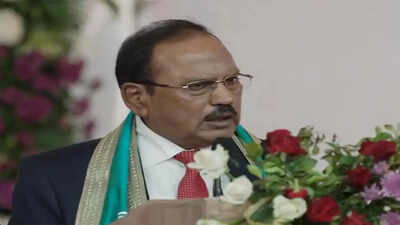
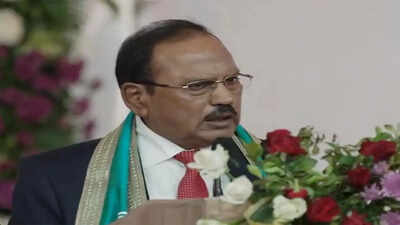
New Delhi: National Security Advisor (NSA) Ajit Doval on Sunday met UAE President Sheikh Mohammed bin Zayed Al Nahyan and discussed measures to deepen the strategic partnership. The discussion also focused on recent developments in West Asia and global energy security concerns as well as their impact on regional and international security and stability.During the meeting with the UAE President, Doval also wished him good luck. PM Narendra Modi And also discussed measures to deepen bilateral relations. The meeting was also attended by Sheikh Khalid bin Mohammed bin Zayed Al Nahyan, Crown Prince of Abu Dhabi, and Ali bin Hammad Al Shamsi, Secretary-General of the Supreme Council for National Security.In a post on Twitter, the Indian Embassy in UAE said, “NSA Ajit Doval paid an official visit to the UAE. He met President His Highness Sheikh Mohammed bin Zayed Al Nahyan… Measures to deepen the comprehensive strategic partnership, regional situation and other issues of mutual interest were discussed.”According to UAE’s government news agency WAM. Doval greeted PM Modi and the UAE President congratulated the Indian leadership and wished for further growth and prosperity for India and its people.This is the second high-level visit from India to the UAE. Earlier this month, Jaishankar met UAE President Sheikh Mohammed bin Zayed Al Nahyan in Abu Dhabi and conveyed good wishes on behalf of PM Modi.Pointing to the strength of the India-UAE strategic partnership, Jaishankar said that despite the complex regional environment, the ongoing dialogue between the two countries remains strong and transparent.

Source link

Delhi government tightens heat wave action plan amid rising temperatures. india news

Delhi government tightens heat wave action plan amid rising temperatures

New Delhi: Amid rising temperatures and heat wave situation intensifying, Delhi Chief Minister Rekha Gupta on Sunday directed officials to strictly implement the Heat Wave Action Plan 2026 on the ground. Highlighting the increasing severity of heat conditions, the Chief Minister pointed to a worrying trend: Delhi has seen temperatures above 40 degrees Celsius for almost 40 consecutive days in the last two to three years. This year, the government has conducted a detailed scientific assessment of the entire city using satellite data to identify high-risk areas. Among the most sensitive areas is Ayanagar in South Delhi, where earlier the temperature was recorded up to 45.5 degrees Celsius. Extreme highs are also observed in Najafgarh (43.7 °C in 2025) and Safdarjung (46.8 °C in 2023). Other emerging thermal hotspots include Wazirpur, Jahangirpuri, Khayala, Shastri Park, Vishwas Nagar, Harkesh Nagar, Hari Nagar and Delhi Gate. Additionally, densely populated areas like Savda, Mubarakpur Dabas, Bhalswa, Nand Nagari, Gokulpuri and Bakkarwala are experiencing a pronounced ‘heat island’ effect. Special safety measures have been prepared for these areas, including increasing ORS stocks at health centres, deployment of rapid response teams and additional water tankers. In a notable directive, the Chief Minister asked departments, especially DDA, Education Department and Delhi Jal Board, to ensure water and shade not only for people but also for animals and birds. Water containers for birds and dedicated watering points for stray animals are being set up in parks, bus depots and school campuses. According to the Chief Minister’s Office (CMO), for the safety of school children, if necessary, the government may administer ORS solution to them before leaving them for school, to reduce the risk of dehydration during their commute. For construction workers, strict measures will be implemented during peak summer hours. During extreme summer conditions outdoor work may be stopped between 12 noon and 3 pm. The workers will also be provided with drinking water, caps and towels for protection from the sun. First aid kits and ice packs will be made available at workplaces if needed. Delhi is also moving towards ‘Cool Roof Policy 2026’. Reflective coating has already been installed on approximately 28,674 square feet at Kashmere Gate ISBT, which will help in reducing indoor temperatures. To deal with the heat, high-pressure misting systems will be installed at bus stops, while anti-smog guns will be used to cool dense areas. The health department has put more than 339 health centers on alert in all 13 districts. More than 30 hospitals have set up dedicated five-bed ‘cool rooms’ for heatwave patients. Residents can seek help through 24×7 helpline numbers 1077, 1070 or 112. Additionally, 39 rapid response teams and trained ASHA workers are on standby. Arrangements for cold drinking water and ORS will be made at busy public places including bus stops and terminals. Reiterating the government’s firm commitment towards electricity supply, Chief Minister Gupta said that the demand for electricity in the capital can create a new record in the summer season this year. It is estimated that Delhi’s maximum power demand this season will cross the 9,000 MW mark, which is much higher than last year’s maximum demand of 8,442 MW. In light of this huge demand, we have issued strict instructions to the power distribution companies, making it clear that any cut in supply will not be tolerated. According to the Chief Minister, a special priority protocol has been implemented to ensure uninterrupted 24×7 power supply to critical facilities like hospitals, water treatment plants (WTP) and mobile towers. Power companies have also been directed to keep additional quick response teams and mobile transformers on standby to address issues related to transformers and technical breakdowns, thereby ensuring that supply can be restored immediately in case of any emergency.

Source link

India’s ‘heart’ becomes a choking lung: Can Delhi fix its pollution crisis? | india news

भारत का 'दिल' घुटता हुआ फेफड़ा बन गया: क्या दिल्ली अपने प्रदूषण संकट को ठीक कर सकती है?

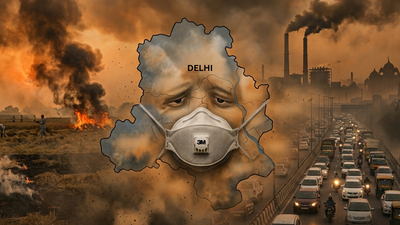
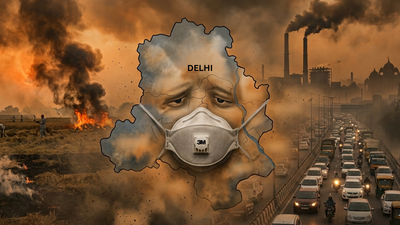
Is there any solution to Delhi pollution?

Delhi, the heart of India, is fast turning into a city where one cannot breathe. As pollution levels continue to rise – with the AQI touching 226 (poor) – the Air Quality Management Commission has once again triggered Stage-I GRAP, indicating “adverse meteorological conditions”. It is a familiar script – a script from which capital seems unable to escape.This has now become a routine. Air quality deteriorates, GRAP guidelines are implemented, quality improves, guidelines are canceled and then pollution increases again.The city has seen unique pollution control measures: odd-even policy, 24/7 online OCEMS monitoring, mechanical sweeping/sprinkles, and strict enforcement of GRAP phases, among others.However, these measures prove to be mere precautions to curb the extremes, not solutions.But is there any solution to Delhi’s pollution? Or are the suffocating lungs the new, permanent identity of the capital?It makes sense to discuss the answer to that question only when we understand the exact causes of Delhi’s pollution – and no, it’s not just vehicles.

Geography of Natural Pollution Traps

The situation of Delhi is actually a geographical trap. Unlike coastal cities, where sea breezes help disperse pollutants, Delhi is surrounded by the Indo-Gangetic plain.

Delhi Pollution: Vehicle Pollution

Cities like Mumbai or Chennai regularly experience sea breezes that help disperse pollutants. Not Delhi. Instead, it lies in a basin-like area bordering the Himalayas to the north. This topography restricts the movement of air masses, especially during the winter months.During the winter months, especially from October to February, a combination of low wind speeds and a phenomenon known as “temperature inversion” creates a blanket over the city.

What is thermal (temperature) inversion?

One of the most important phenomena behind increased pollution in winter in Delhi is temperature inversion, often called thermal inversion. Under normal conditions, air temperature decreases with altitude. Warm air near the surface rises, carrying pollutants upward where they disperse. This process is known as vertical mixing.However, the situation reverses during winter:

  • Cold, dense air stagnates near the ground.
  • A layer of hot air is formed above it.
  • This forms a “lid” that traps pollutants close to the surface.

As a result, emissions from vehicles, industries, and other sources accumulate instead of being dispersed. According to research from the Council on Energy, Environment and Water (CEEW), specifically their study on “Seasonal variability of air pollution in North India”, these stable atmospheric conditions are the primary driver of winter pollution spikes, even when emissions remain relatively stable. Additionally, lower wind speeds during winter reduce horizontal dispersion, making pollution levels even worse.

Source Puzzle: What’s really polluting Delhi’s air?

Public discussion often reduces Delhi’s pollution problem to a single factor, most commonly stubble burning.While crop residue burning plays a significant role, especially in October and November, scientific evidence suggests that pollution is the result of multiple overlapping sources. A comprehensive understanding comes from CAQM, which released the “Integrated Emissions Inventory and Source Apportionment Study for Delhi-NCR” (2023-2024).

Delhi Pollution: Dust Pollution

The study consolidates findings from institutes like IIT Kanpur, TERI (The Energy and Resources Institute), and SAFAR (System of Air Quality and Weather Forecasting and Research).

Major Contributors:

secondary particles

According to the CAQM Integrated Source Apportionment Study and IIT Kanpur Emission Inventory report, secondary particles are not emitted directly. Instead, they are formed in the atmosphere through chemical reactions involving gases such as nitrogen oxides (NOx), sulfur dioxide (SO₂), and ammonia (NH₃).These gases are released by vehicles, industries, thermal power plants and agricultural activities. When these gases react with sunlight and atmospheric conditions, they form fine particulate matter (PM2.5).

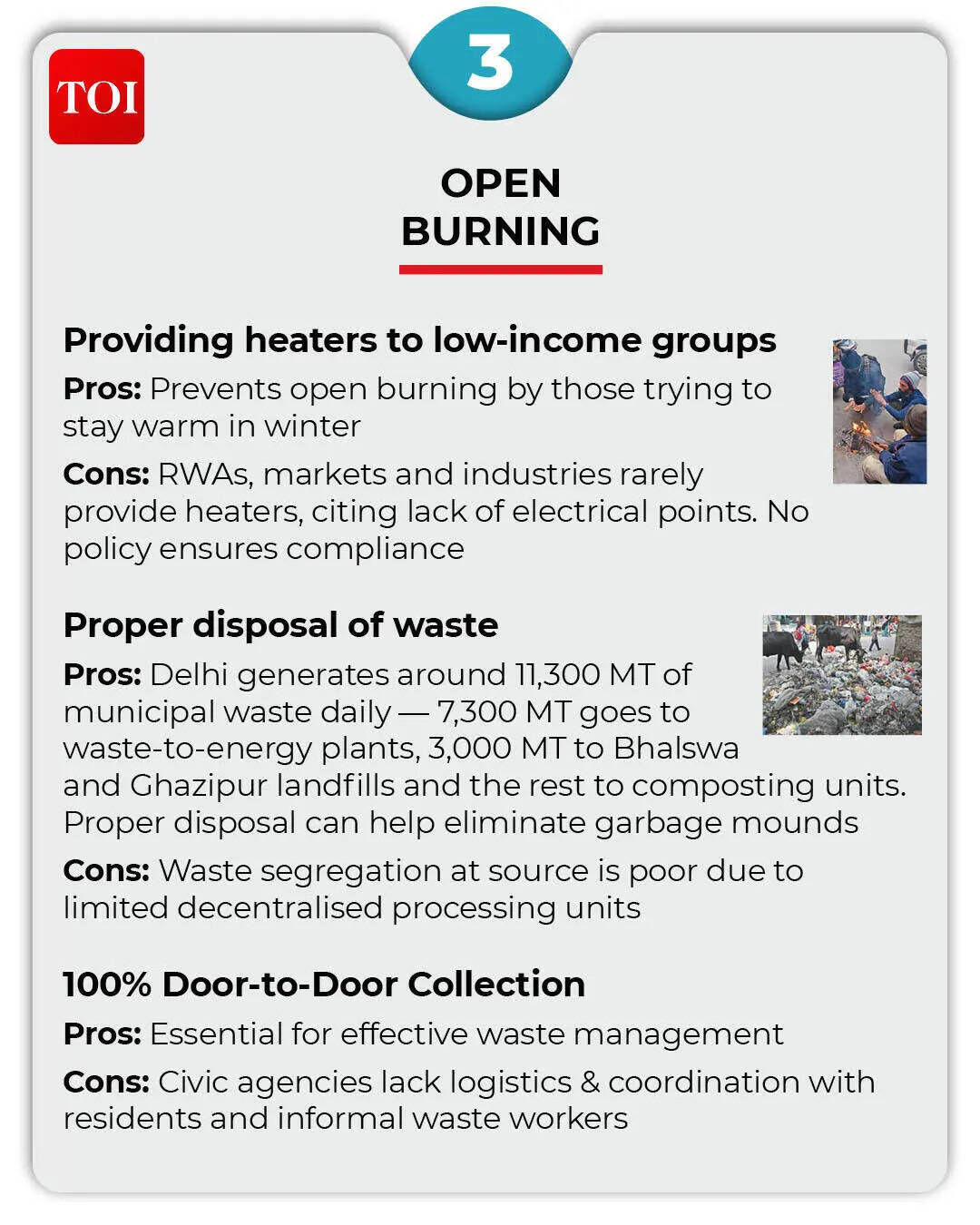
Delhi pollution: open burning

These particles are particularly dangerous because they are small enough to enter the bloodstream through the lungs.

vehicle emissions

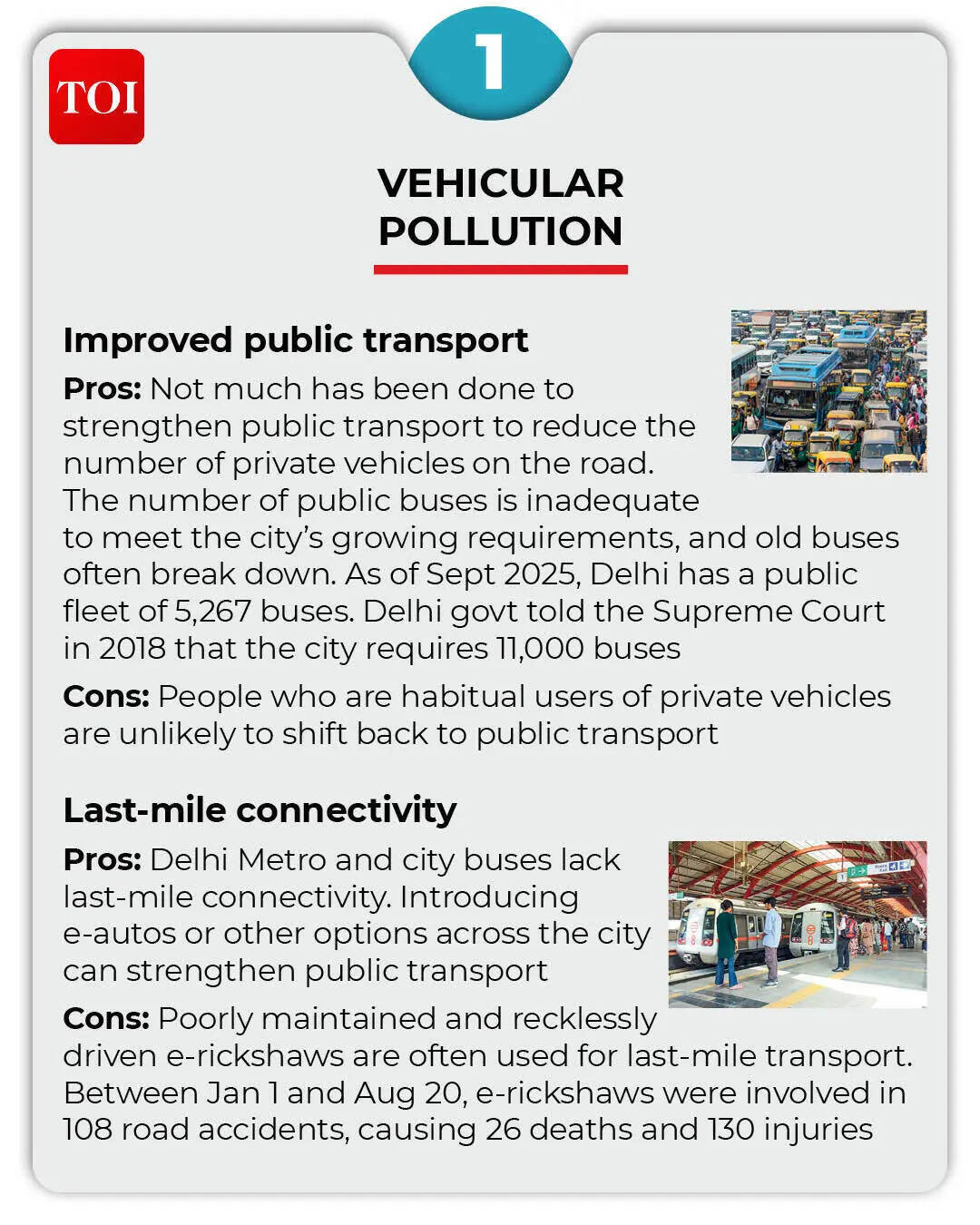
Next comes vehicular emissions, which is one of the largest direct contributors to pollution. Diesel vehicles emit high levels of NOx and particulate matter, while congestion increases emissions per kilometer.According to TERI data, “Air Pollution in Delhi: Sources and Mitigation Strategies” (2022) and real-time tracking by SAFAR, older vehicles contribute disproportionately to the total load.

stubble burning

The main culprit making headlines every year is stubble burning. This also includes burning of crop residues Punjab and Haryana, domestic solid fuel use, and open burning of garbage. While stubble burning is seasonal, its impact increases during thermal inversion conditions.

dust particles

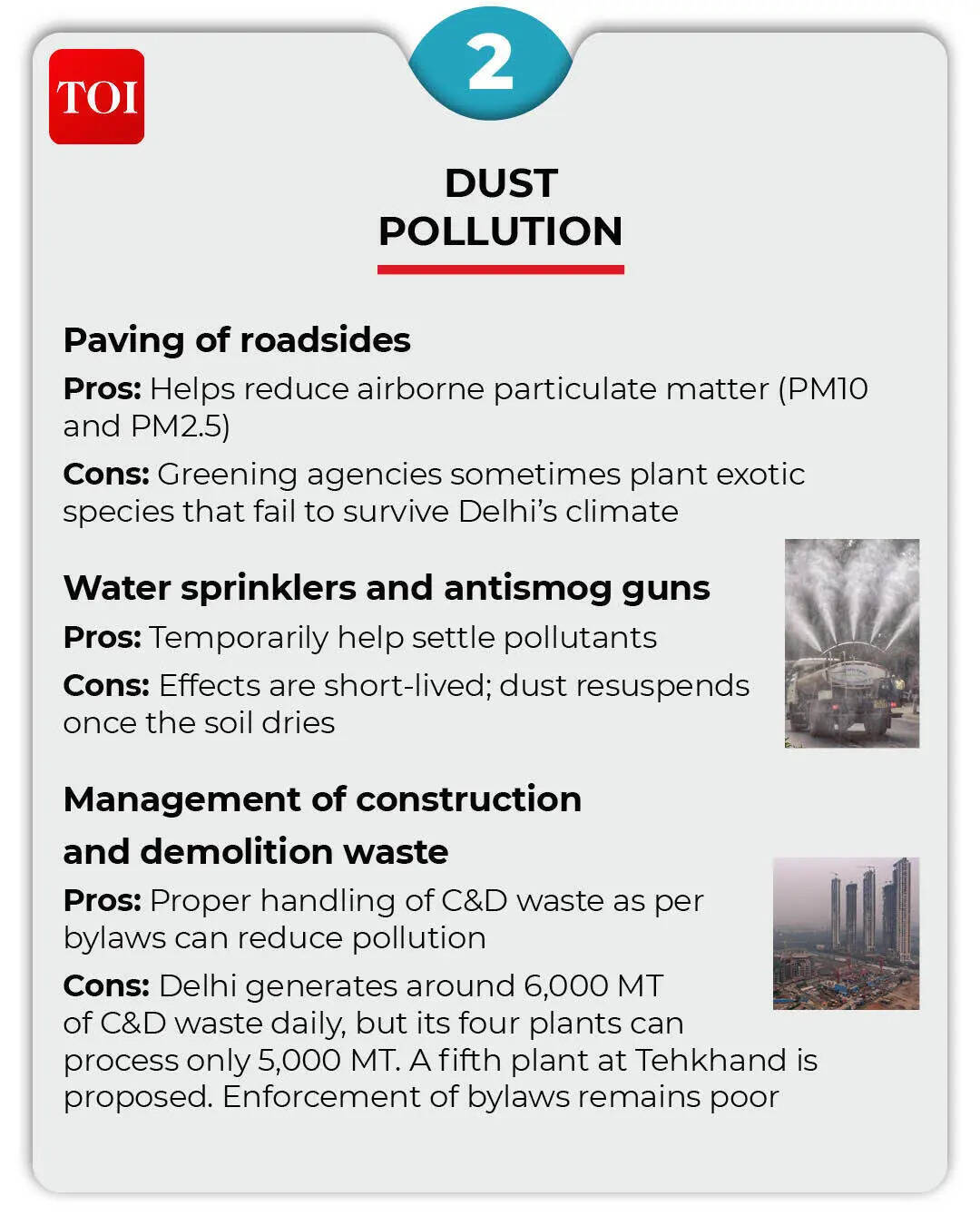
Dust is one of the most underestimated contributors. This includes dust blown onto roads due to vehicular movement, construction activities and bare soil.

Delhi pollution: stubble burning

The Central Pollution Control Board (CPCB) and the National Air Quality Monitoring Program say that dust particles are often larger (PM10), but they can break into finer particles and remain suspended in dry conditions. The data further said, industries in Delhi-NCR, including brick kilns, small-scale manufacturing units and power plants, release significant amounts of SO₂, NOx and particulate matter.

other sources

Other sources also include waste burning, diesel generators, cremation emissions, and airport operations.

GRAP Puzzle: Mitigation vs. Solution

The Graded Response Action Plan (GRAP) is Delhi’s primary emergency response system. It comprises a set of measures introduced based on Air Quality Index (AQI) categories ranging from Stage I (poor) to Stage IV (severe plus). Measures include halting construction, banning diesel generators, introducing an odd-even vehicle scheme and closing schools.

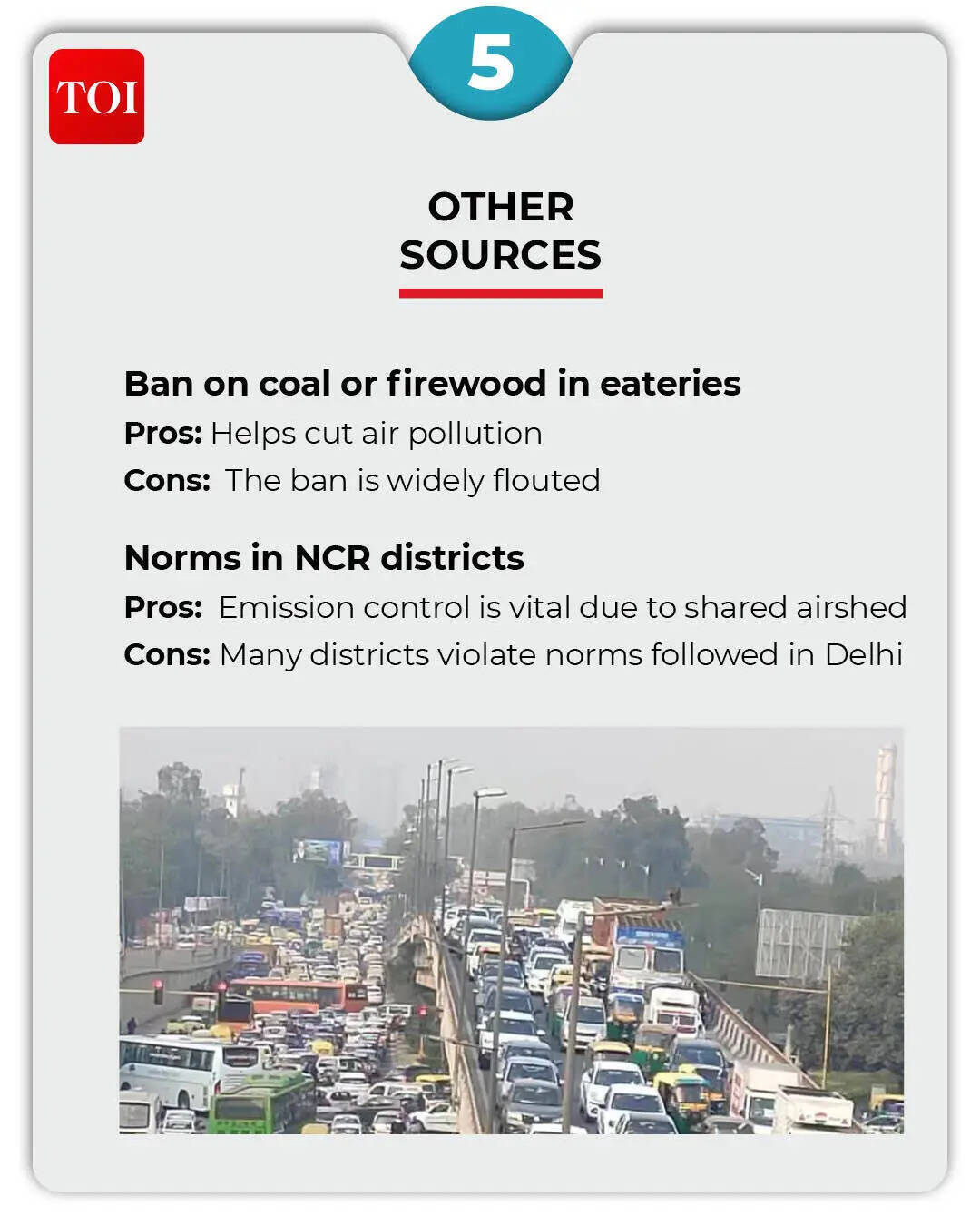
Delhi Pollution: Other Sources

Why does GRAP fall short?

Despite its necessity, GRAP is often criticized for being reactive rather than preventive. The policy assessment by CEEW titled “Evaluation of Emergency Air Pollution Measures in Delhi-NCR” to 2025 highlights three key limitations:Despite its necessity, GRAP is often criticized for being reactive rather than preventive. The policy assessment by CEEW titled “Evaluation of Emergency Air Pollution Measures in Delhi-NCR” to 2025 highlights three key limitations:

  1. Delayed activation: Measures are often implemented only when the air has already reached toxic levels.
  2. Temporary relief: Pollution levels fall only when restrictions are activated, causing a “rebound effect”.
  3. Economic disruption: Construction bans and transportation restrictions have had a huge impact on the livelihoods of daily wage earners.

In short, GRAP treats the symptoms of the crisis, not its underlying causes. As long as baseline pollution remains high, the city will be one season away from an emergency.

The way forward: beyond emergency measures

The solution lies in reducing baseline emissions year-round, not just during the peak of winter. Scientific and policy frameworks suggest a multi-pronged approach:

Transition to clean transportation

According to NITI Aayog’s “India Electric Mobility Transformation Report” (2023), it is important to expand electric vehicles (EVs) and strengthen public transport. The 23% contribution of the transport sector can be significantly reduced by phasing out old diesel vehicles and improving the “last-mile connectivity” of Delhi Metro.

industrial decarbonization

Data from the TERI Industrial Emissions Transition Study shows that a shift to cleaner fuels such as natural gas and electricity is necessary. This includes shifting of highly polluting units and imposing strict emission norms for brick kilns and power plants.

Dust control as a priority

The CPCB guidelines on construction and demolition waste management (updated 2023) emphasize mechanized road cleaning and dust suppression systems. Given that summer contributes up to 27% of PM2.5 dust, year-round compliance at construction sites cannot be compromised.

dealing with secondary particles

Since secondary particulates are formed from gases, controlling them requires agricultural reforms to reduce NOx and SO₂ emissions through better fuel standards (BS-VI compliance) and reducing ammonia emissions from fertilizers and livestock.

regional coordination

Delhi’s pollution is not limited to its borders. CAQM Regional Action Framework Report emphasizes the need for interstate cooperation between Punjab, Haryana. Uttar PradeshAnd Delhi. This includes coordinated crop management policies and shared enforcement mechanisms to address the airshed as a unit.

Can Delhi’s air really improve?

Evidence suggests that improvement is possible. During the COVID-19 lockdown in 2020, Delhi saw a dramatic reduction in pollution levels. This unexpected experiment revealed that pollution is largely human-induced and that rapid improvements are possible if emissions are cut. However, such extreme situations are not a permanent solution. The real challenge lies in balancing economic growth and urban expansion with environmental sustainability.The CAQM report (2023-2024) states that while annual average levels of PM2.5 have declined since 2016, the trendline has remained almost flat since 2019. This stagnation suggests that current policies have reached their limits of effectiveness and new, more aggressive structural reforms are needed.

From crisis management to structural change

Delhi’s pollution crisis is not an inevitable act of nature. This is the result of a combination of geographical constraints, meteorological conditions, diverse emissions sources and policy limitations. The city’s current approach focuses on “curbing the extremes”, but the real solution lies in “reducing the bottom line”.Unless emissions in the transportation, industrial, and agricultural sectors are systematically reduced through year-round enforcement, GRAP will continue to act as a temporary bandaid rather than a cure. Delhi can breathe again, but only if the policy shifts from reactive emergency measures to sustained structural reforms. This requires political will, scientific planning, and large-scale public involvement that goes far beyond seasonal alarm. The question is no longer whether a solution exists – the question is whether the city is committed to the long-term changes needed to implement it.

Source link

‘Implementation of UCC, ban on triple talaq, end of polygamy’: Amit Shah makes key promises of BJP at Bengal rally. india news

'Implementation of UCC, ban on triple talaq, end of polygamy': Amit Shah lists key promises of BJP in Bengal rally

New Delhi: Home Minister Amit Shah on Sunday outlined a series of key political and governance promises for West Bengal, including implementation of the Uniform Civil Code (UCC), banning triple talaq and abolishing it. polygamy If BJP comes to power in the state.Addressing a rally in Ranaghat, Shah said, “If BJP comes to power, it will implement Uniform Civil Code in Bengal, end polygamy, ban triple talaq.”He said that after assuming power in the state, the BJP government will take several legal and administrative steps.The BJP leader also promised direct financial assistance and welfare benefits for women and youth and said the party would provide monthly assistance after the government is formed.Shah said, “The BJP government is going to be formed on May 4. After May, the BJP government will send Rs 3,000 every month to the account of every sister and mother of Bengal and Rs 3,000 every month to the bank account of all unemployed youth. All the mothers and sisters will not have to buy any bus ticket, they will travel for free.”Shah also linked the regime change to law enforcement measures, alleged that animal trafficking networks were active in parts of the state, especially Nadia district, and promised to take strict action if the BJP came to power.Shah said, “After the formation of the government in West Bengal, we will form a special squad to stop animal smuggling.”At a separate public meeting in Nadia, Shah highlighted the BJP’s national security record.Shah said, “Brothers and sisters, I have come to Nadia, first of all I want to pay my heartfelt tribute to Martyr Jontu Ali Shaikh. He sacrificed his life for the country in the encounter with Pakistan on April 22 and later the Prime Minister launched Operation Sindoor.”He attacked previous governments, claiming a soft stance towards terrorism and compared it with the BJP’s record in power.He said, “Brothers and sisters, when Mamata and Congress were in power, terrorists were fed biryani. Narendra Modi came to power in 2014. When the Uri attack happened, surgical strikes were conducted. After the Pulwama attack, air strikes were conducted. And after the Pahalgam attack, we entered Pakistan and eliminated the terrorists.”Shah stressed that the present government has taken a strong stance against terrorism and extremism.“PM Modi has freed this country from Naxalism, and will now bring the BJP government to power – we will selectively drive out the infiltrators,” he said. He said that if the party comes to power in Bengal, illegal infiltrators will be identified and driven out.He also accused the opposition of patronizing illegal migration networks and reiterated that strict action would be taken after the elections.Shah also claimed that the BJP has made electoral gains in the initial phase of voting and urged voters to participate freely in the remaining phases.“If BJP takes power in the state, ‘Gunda Raj’ and ‘Syndicate Raj’ will end in West Bengal,” he said.The Home Minister said that if elected, the party will ensure strong law and order and greater administrative transparency.According to the Election Commission, voting for the first phase of the assembly elections concluded at 6 pm on Thursday, with West Bengal recording more than 91.78 percent voting. The second phase of voting will be held on April 29 and counting of votes will take place on May 4.

Source link