

Digital 2.0: Mobile access increased, but not empowerment. india news
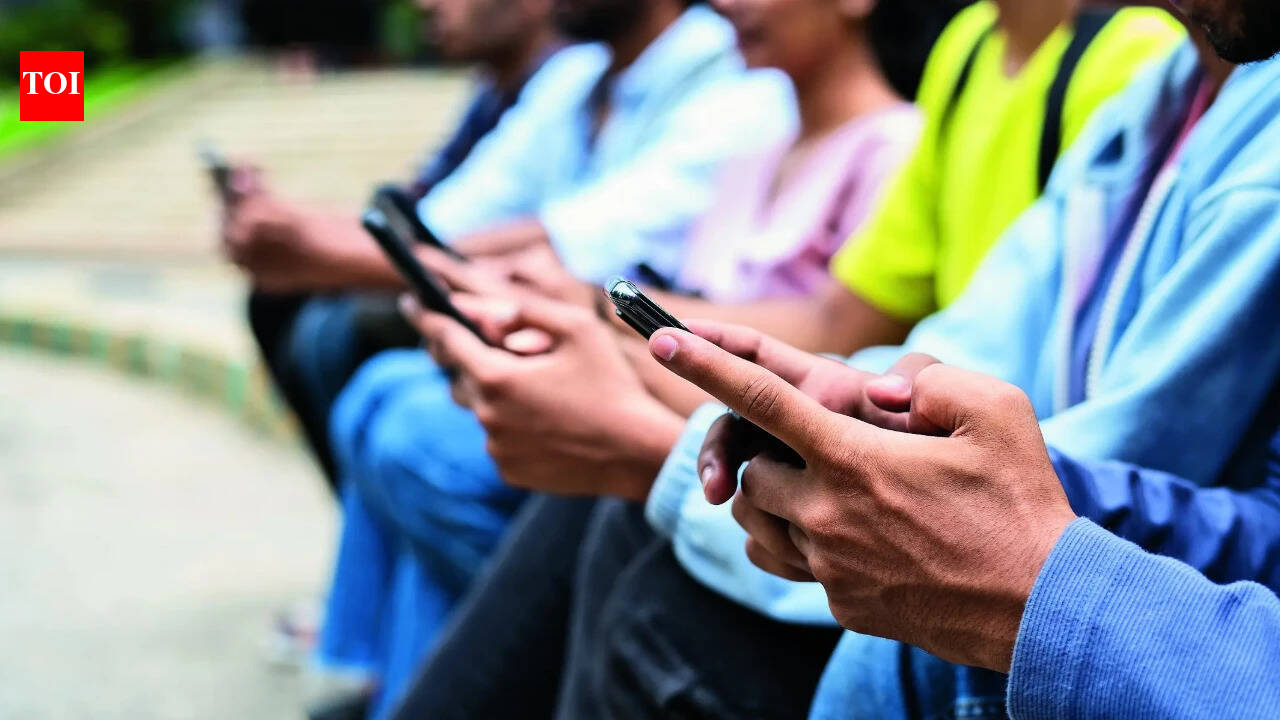
New Delhi: India’s digital revolution has succeeded in delivering mobile phones to almost every household, but it has failed to provide meaningful digital inclusion. A report found that while 95.1% of households own a mobile device and 74.8% own a smartphone or internet-enabled phone, only 39.7% of individuals aged 15 and above use the internet, 16.1% of connected households use it for online education and only 11.4% access government services online.‘The Evolving Landscape of Digital Inclusion in India’, released by the National Council of Applied Economic Research in partnership with The Quantum Hub and the Women in Digital Economy Network, argues that India’s digital divide has entered a new phase. The first division was over phone ownership; The next question is about whether people can use digital technologies to access education, jobs, finance, welfare services and social opportunities.Based on India Human Development Survey data covering 47,000 households and 2.1 lakh individuals, the study shows that mobile-led inclusion has increased access but not necessarily empowerment. “India’s next digital challenge is not just to expand connectivity, but to ensure meaningful and equitable participation in the digital economy,” the report said. The main question was whether digital transformation would “reduce, or exacerbate, existing social and economic inequalities”.While mobile ownership is almost universal, only 8% of households own a computer/laptop, and 2.3% own a tablet. Computer ownership has dropped to 1.2% among the poorest households, compared to 23.1% among the richest households.Connectivity gap also persists. About 27.5% of households remain offline, including 32.2% in rural India and 52.1% in the poorest consumption group. Even in connected homes, Internet use is largely entertainment driven. About 66% of people use it to watch movies, television or news content, and 53.8% use social media, while 16.1% use it for online courses and 11.4% who access government services digitally.The report identifies “hidden divisions”. One in five families require help from someone from outside, one in three among families with no formal education require help.Gender disparities remain significant. Internet usage among working-age adults is 57.6% among males and 35.6% among females, while only 37.8% of children aged 13–16 actively use the Internet.The study calls for four priorities: expanding affordable broadband and public Wi-Fi, improving access to computers and shared devices, strengthening digital literacy and skills, and targeting women, rural households, poor households, and disadvantaged communities.