

Love wasabi? Here’s the real reason wasabi is always served with sushi
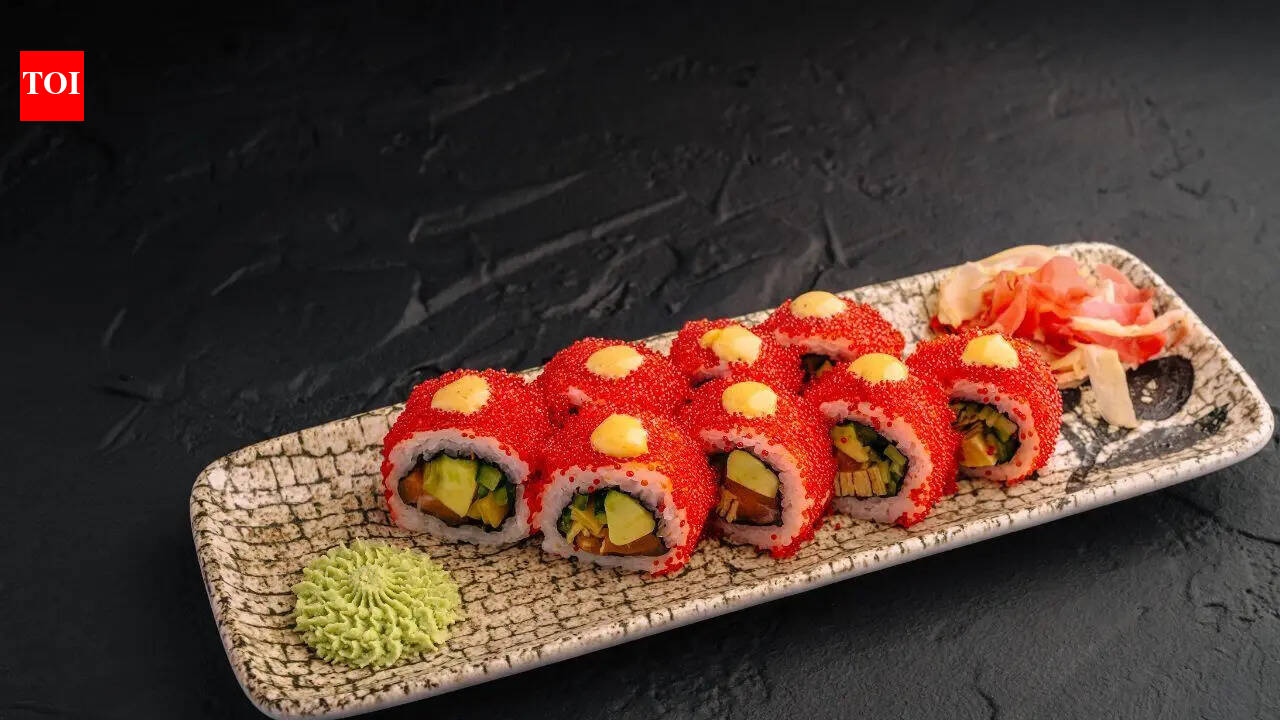
If you’ve ever eaten sushi, you know that bright green paste lying on the side of your plate. An accidental bite can send a fast, furious wave straight to your nose. While most people think it’s just to add a spicy kick, the real reason for associating wasabi with sushi goes back centuries — and it used to be a matter of survival.InventionYears ago, long before the invention of the refrigerator, it was incredibly difficult to keep raw fish fresh. Japanese cooks discovered that freshly grated wasabi acted as a natural shield against food poisoning. It contains a compound called allyl isothiocyanate, which fights harmful bacteria. Originally, cooks would hide a piece of wasabi between rice and fish as a natural preservative to keep diners safe. Today, we have modern refrigeration, but wasabi sticks around because it makes sushi taste incredible. High heat destroys the richness of fatty fish like salmon and tuna. This balances the oils, reduces any heavy fishy aromas, and cleanses your palate between different pieces.
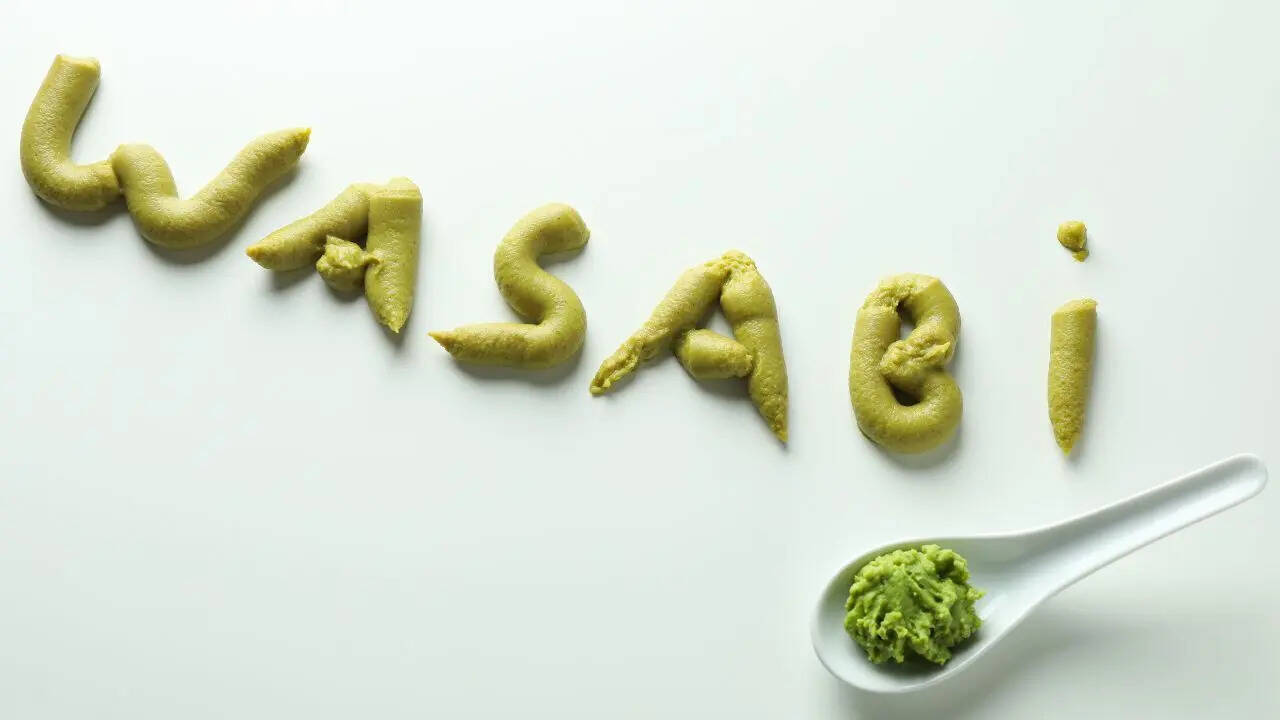
love for wasabiSurprisingly, the green paste you usually find at local restaurants is not actually true wasabi. True wasabi comes from a rare plant called Eutrema japonicum, which grows only near cool mountain rivers in Japan. Because it takes up to three years to mature and is incredibly expensive, most places use a clever imitation.The “fake” wasabi that most of us eat is actually a mixture of horseradish, mustard powder, and green food coloring. Since horseradish contains similar spicy compounds, it mimics the kick perfectly. However, real wasabi is more delicate, slightly sweet and smooth, while the fake version gives you a harsher, more aggressive burn.
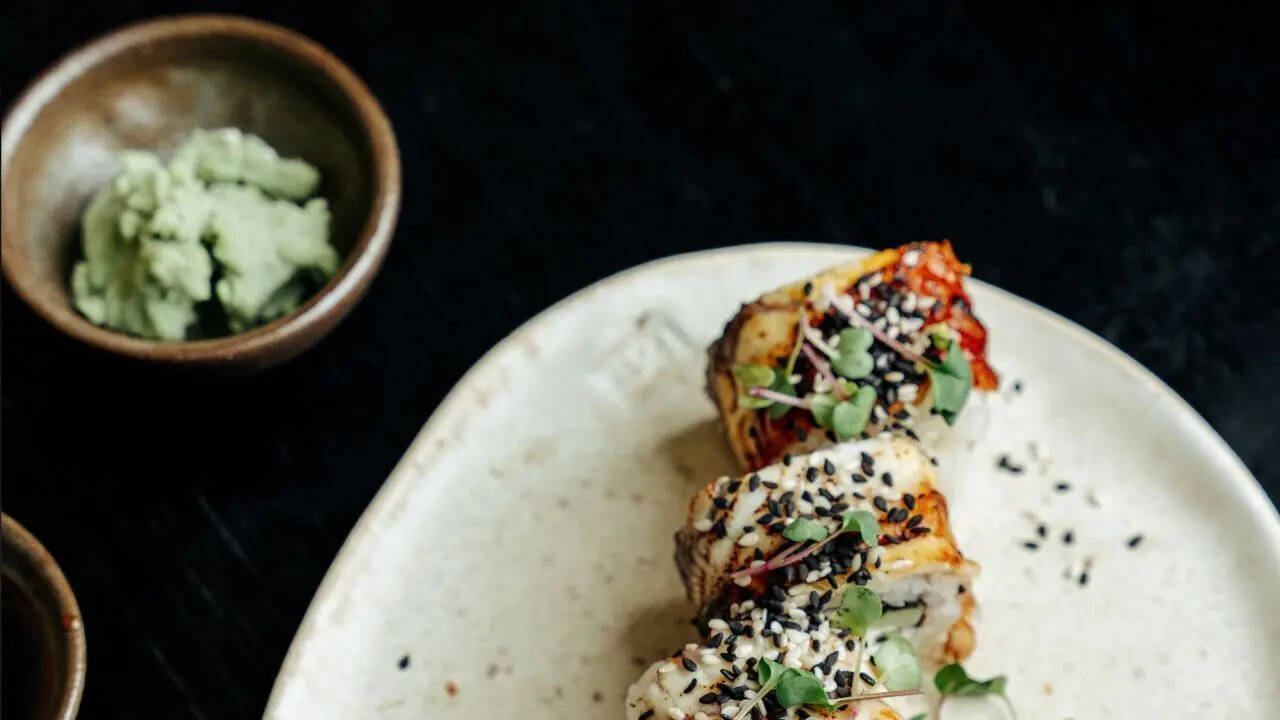
Tracing the History of Wasabi:Wasabi has been a part of Japanese history for thousands of years, with archaeological evidence showing that people ate the wild mountain plant as far back as 14,000 BC. Long before anyone touched a piece of sushi, ancient Japanese society used it strictly as a medicine to treat respiratory and digestive problems and to preserve wounds. Actual cultivation began in the early 1600s when a villager from Shizuoka successfully grew it in a mountain spring and presented it to the shogun, Tokugawa Ieyasu. The shogun liked it so much – partly because the plant’s leaves resembled his family’s crested – that he declared it a highly guarded treasure, and banned anyone else from growing it outside his territory. By the late 1700s and early 1800s, following the invention of modern, unfermented sushi in Tokyo, wasabi officially came out of the medicine cabinet and onto the dinner plate as a natural defense against food poisoning.