

MLB Rumors: Baltimore Orioles’ $161 million deal could be one of MLB’s worst free-agent contracts ever | mlb news
By April 2026 baltimore orioles This is a very different team from what it was a decade ago. The roster is built around young players who are already making an impact. Names like Gunnar Henderson, Adley Rutschman, Jackson Holiday, Coby Mayo, Ryan Mountcastle, Colton Cowser, Dylan Beavers and Leodi Taveras are now on the move.The team has also added experienced players like Pete Alonso and Ryan Helsley to support that core. This version of the Orioles is careful with money and focused on long-term growth. But an old decision still haunts the team.That decision led to a seven-year, $161 million contract chris davis In 2016. At that time it seemed that the team was keeping its best power hitter. Now it is remembered very differently.
ESPN ranks this deal as the worst ever
ESPN analyst Bradford Doolittle ranked the worst free-agent contracts in MLB history. Davis’ deal is second on that list. Only the contract signed by Barry Zito with the San Francisco Giants is considered worse.This ranking is based on numbers. This looks at how much money was paid, how long the contract lasted and how much value the player gave back. Davis’ deal scores very poorly in all three areas.
This contract still affects the Baltimore Orioles today.
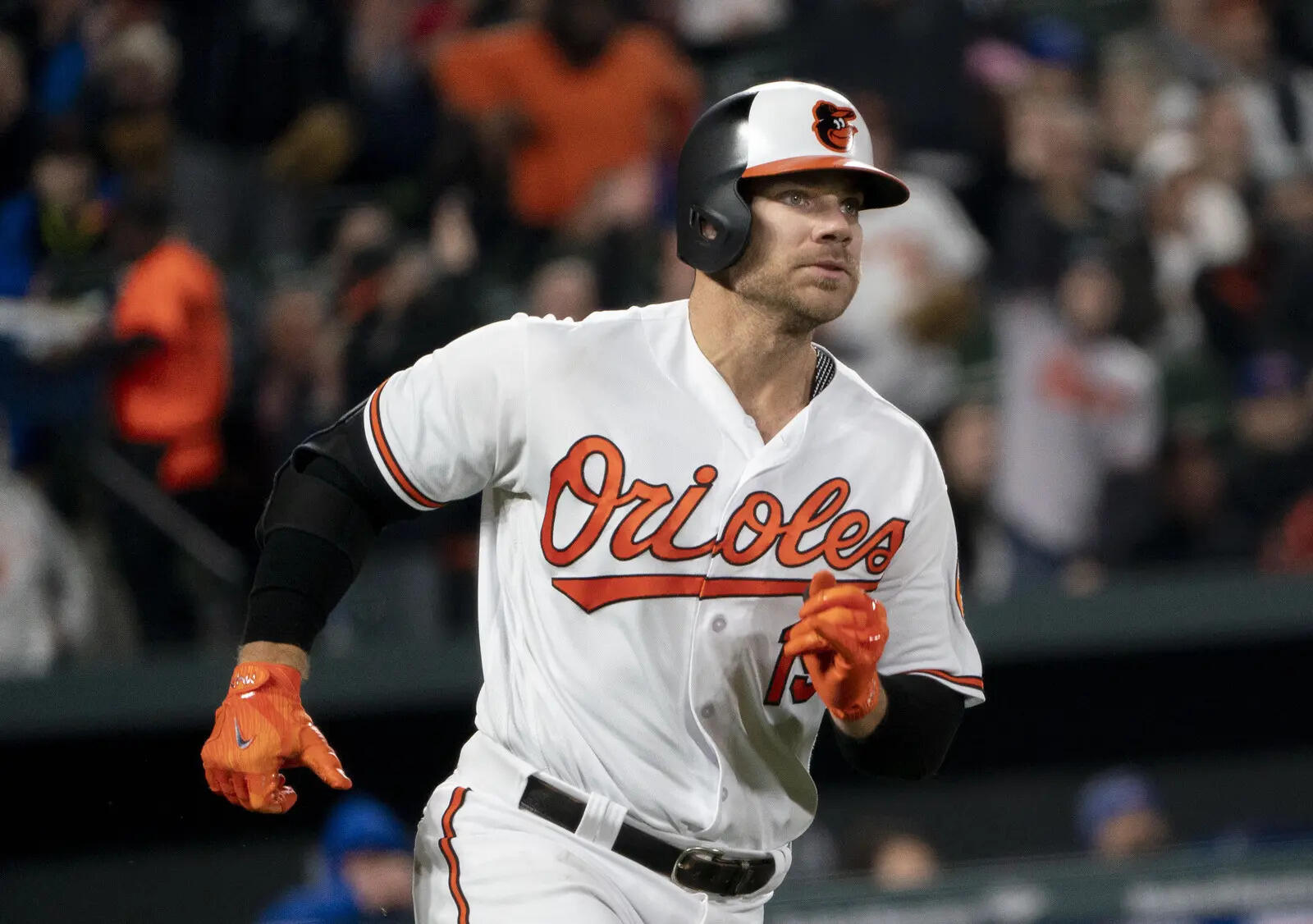
Baltimore Orioles’ Chris Davis (Image via Getty)
The deal covered the 2016 to 2022 seasons and paid Davis approximately $23 million per year while playing. But the payments did not stop after he left the field.The Orioles are still owed $42 million in deferred money. These payments will continue till 2037. This means the team is still paying Chris Davis years after his career ended.This situation is similar to the famous case of Bobby Bonilla. Even in 2026, the Orioles are still working on this contract on their books.
what happened on the field
When Chris Davis signed the deal, the move seemed justified given his recent statistics. He hit 53 home runs in 2013 and 47 home runs in 2015. He also had a strong .923 OPS in 2015.But after some time his performance dropped. • 2016: 38 home runs, .792 OPS, 3.0 bWAR • 2017: 96 OPS+, -0.4 bWAR • 2018: 49 OPS+, -3.3 bWAR • 2019-2020: Very little production, including a .115 average and .337 OPS in 2020Instead of remaining productive, Davis struggled badly. Throughout the contract, he finished with approximately -2.8 bWAR. This is a very poor return for such a big deal.
How does this compare to Barry Zito’s deal
Barry Zito’s contract is still considered the worst. During his time with the Giants, he had a record of 63–80 and an ERA+ of 87. This means that they performed below league average.There are some glaring differences between the two deals.First of all, Chris Davis declined very rapidly. In just a few seasons, he went from being a strong hitter to one of the league’s least effective players.Second, the Orioles felt the impact more. They don’t have the same financial strength as bigger teams, so the contract hurt their rebuild even more.Because of this, Davis’ deal is considered slightly better than Zito’s, but still the worst deal ever.
Impact on the rebuilding of the Baltimore Orioles
When Mike Elias took over in 2018, the Orioles were already dealing with this contract. It limited what the team could do and became a symbol of past mistakes.The current team is made differently. Players like Henderson, Rutschman and Cowser represent a new direction. The front office now focuses on young talent and better spending.The Chris Davis deal shows how different the old approach was from the current one.
Why is the contract ranked so low?
There are some obvious reasons why this deal is at the bottom. • The total price was too high • The contract lasted for a long time • Performance declined rapidly • Player generated negative value • Team still paying contract years laterOther contracts like Stephen Strasburg, Kris Bryant and Anthony Rendon are also considered bad. But Davis’ deal is different because it covers all of these problems.
Lessons for the current Baltimore Orioles
The Orioles are in a much better place today. Their lineup is stronger, and their spending is more controlled. Players like Henderson and Rutschman are leading the team, while players like Alonso provide balance.Still, Davis’ contract isn’t completely over. The team is still paying for it, and it’s a reminder of what can go wrong.Also read: MLB Trade Rumors: Miami Marlins could put $56 million superstar on the trade block after impressive start to 2026 seasonThat’s why this deal is still viewed as the second-worst free-agent contract in MLB history. These involved large sums of money, long commitments and a significant decline in performance. Even years later, the impact is still there.