

World Brain Tumor Day: Can your lifestyle really affect brain health and tumor risk? |
The human brain controls every thought, memory, movement and emotion. Yet most people think little about brain health until something goes wrong.World Brain Tumor Day serves as a reminder that while heart health, diabetes and cancer prevention often dominate the public conversation, neurological health should receive equal attention. Brain tumors are one of the most complex medical conditions because, unlike many other cancers, their exact causes are often difficult to identify.Brain tumors occur when abnormal cells begin to grow within the brain or surrounding tissues. Some tumors are benign and grow slowly, while others are malignant and can spread rapidly. Symptoms can vary widely, ranging from frequent headaches and seizures to changes in vision, speech, memory, or personality.The challenge is that many brain tumors develop in people who have no obvious risk factors. This raises a common question: Can lifestyle choices make a difference?According to Dr. Arvind Budiger, Technical Director, BDR Pharmaceuticals, lifestyle cannot directly determine whether a person has a brain tumor or not, but it can play an important role in maintaining overall brain health.“A common question asked by patients and caregivers is whether lifestyle affects brain health and the development of brain tumors. Although the exact cause of most brain tumors is still unknown, growing scientific evidence suggests that having a healthy brain through a good lifestyle can significantly reduce the risk factors that cause brain tumors.”
What science knows and doesn’t know about brain tumor risk
One of the biggest misconceptions related to brain tumors is that any specific food, gadget or daily habit is directly responsible for its occurrence.Current scientific evidence paints a more complex picture.according to US National Cancer InstituteThe strongest established risk factor for some brain tumors is exposure to high doses of ionizing radiation, often from previous medical treatments involving radiation. Certain inherited genetic syndromes may also increase the risk. Increasing age is another factor associated with certain tumor types.Similarly, comprehensive Research The survey, conducted by the World Health Organization’s International Agency for Research on Cancer (IARC), found that the evidence linking mobile phone use to brain tumors is inconclusive and studies are ongoing.This uncertainty can be frustrating for patients and families looking for clear answers. However, experts caution against oversimplifying the disease, which is influenced by many biological and genetic factors.As Dr. Badiger points out, “Although some cancers, such as lung cancer, have strong risk factors, including smoking habits, there is no clear link established between lifestyle and the development of brain tumors.”That distinction is important. Lifestyle cannot directly prevent brain tumors, but it can strengthen the body’s resilience, support brain function and reduce the burden of other diseases that affect neurological health.
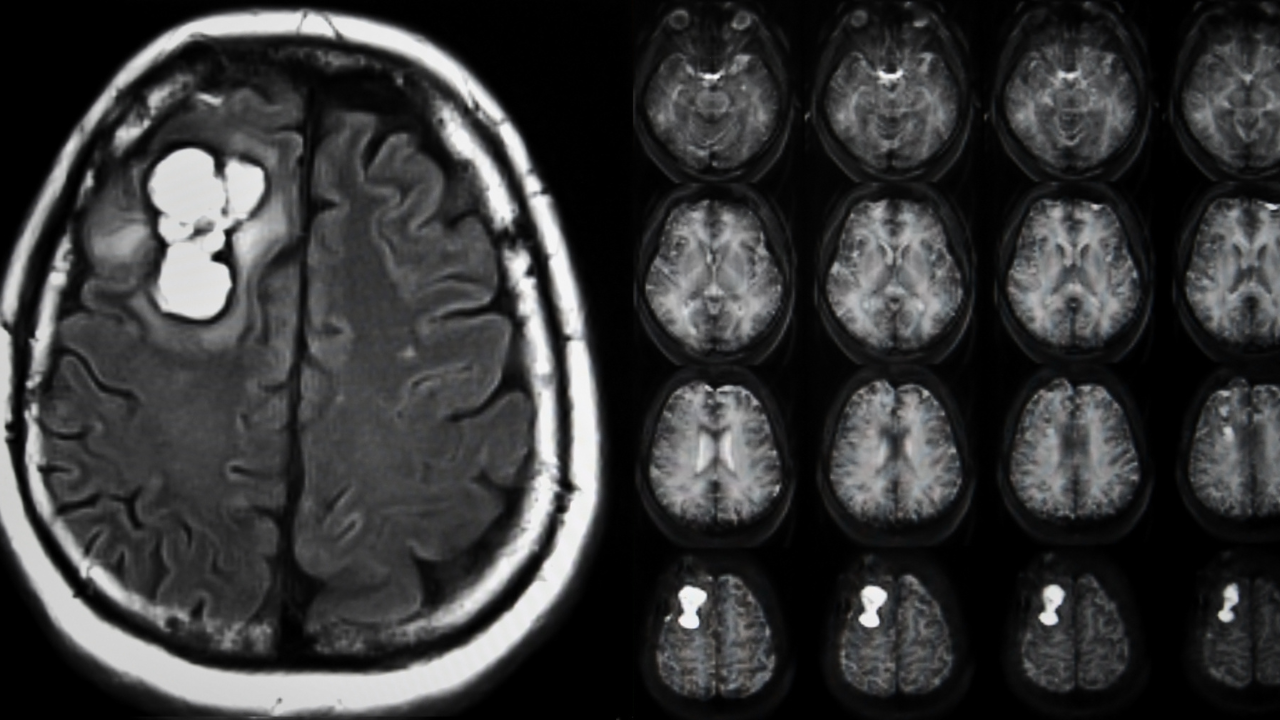
Nevertheless, experts believe that maintaining overall brain health through healthy lifestyle habits may help reduce some risk factors and support long-term neurological well-being.
Nourishing the brain: why everyday food choices matter
The brain consumes about 20 percent of the body’s energy despite being only a small fraction of the total body weight.What goes on the plate every day can impact how efficiently the brain performs its functions.Research funded by NIH Suggest that diets rich in fruits, vegetables, whole grains, healthy fats, nuts, legumes and lean proteins are associated with better cognitive health and may help protect against age-related neurological decline.“Eating a healthy and balanced diet ensures intake of foods containing key nutrients essential for brain health. Fruits, vegetables, grains, nuts and proteins contain antioxidants that protect against oxidative stress and other chronic conditions,” said Dr. Badiger.What makes this advice especially relevant is that brain health isn’t just about avoiding disease. It is about preserving memory, concentration, emotional balance and cognitive performance over decades.
The often overlooked power of sleep, exercise, and stress control
Modern lifestyle often celebrates busyness while considering comfort as luxury. Neuroscientists would argue the opposite.Sleep is one of the most important maintenance processes of the brain. During sleep, the brain removes metabolic waste, consolidates memories and repairs neural pathways.Dr. Badiger explains, “The process of rest and recovery is important for the proper functioning of your brain because it facilitates repair, restoration of the brain, and removal of waste. Lack of sleep can adversely affect your cognitive ability in the future.”Exercise also plays an important role. Physical activity increases blood flow to the brain, improves heart health and aids the growth of new nerve connections.Meanwhile, stress has emerged as a major concern in today’s always-connected world.Chronic stress can affect memory, concentration, mood, and sleep quality. Managing stress doesn’t require dramatic lifestyle changes. Regular walks, meditation, hobbies, meaningful conversations and maintaining social relationships can all help protect mental well-being.As Dr. Badiger said, “Stress affects your health both mentally and physically. You can manage this through meditation, engaging in exercise and maintaining social interactions.”
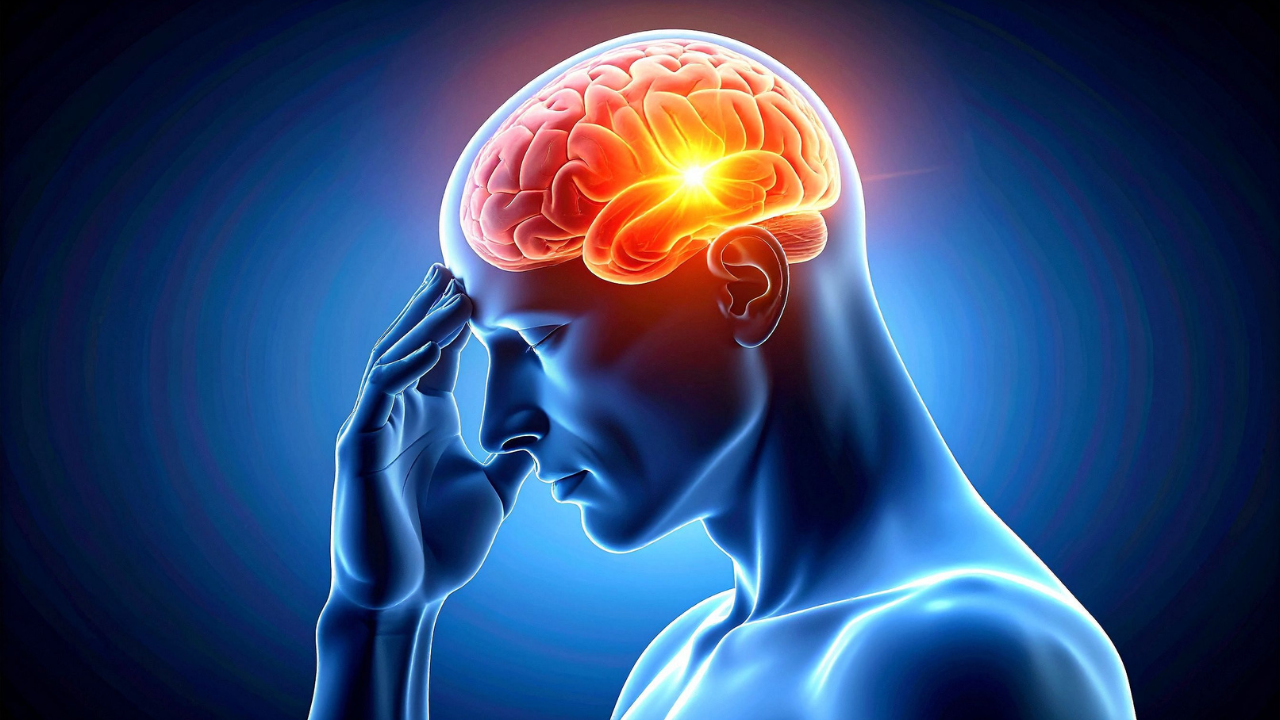
On World Brain Tumor Day, experts explain what science currently knows about brain tumors, the role of lifestyle choices, and why everyday habits still matter even if the direct connection remains unclear.
Prevention is uncertain, awareness is essential
Perhaps the most important message on World Brain Tumor Day is that good health habits should never take the place of medical care.A healthy lifestyle can aid brain function, but it does not make a person immune to neurological disease.Persistent headaches, unexplained seizures, blurred vision, memory problems, difficulty speaking or sudden personality changes should not be dismissed as stress or aging without proper evaluation.Dr. Badiger advised, “Despite leading a healthy life, it is important for you to know all the symptoms that may point towards a neurological condition. In case of persistent headaches, seizures, blurred vision, memory loss or speech problems, immediately consult a medical specialist.”Scientists around the world continue to investigate the causes of brain tumors. Until clear answers emerge, awareness will remain one of the most valuable tools available.The reality is both reassuring and humbling. No lifestyle habit can guarantee protection from brain tumors. Yet every healthy meal, every night of quality sleep, every walk, and every effort to manage stress contributes to a strong, healthy brain that is capable of supporting overall well-being across the lifespan.Medical experts consultedThis article includes expert inputs shared with TOI Health:Dr. Arvind Budiger, Technical Director, BDR Pharmaceuticals.The inputs were used to explore whether everyday lifestyle habits such as diet, sleep, exercise, stress management and avoidance of harmful substances can support brain health and potentially influence factors associated with brain tumor risk, as well as current scientific evidence regarding prevention and early awareness.