
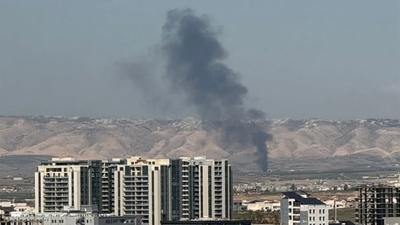

Saudi Arabia air strikes: Saudi Arabia carried out secret retaliatory air strikes on Iran during regional war: report
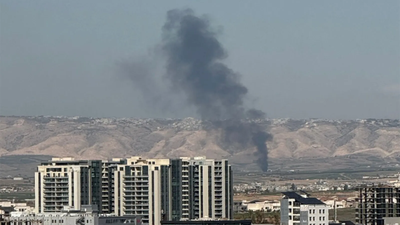
Saudi Arabia carried out a series of unprovoked air strikes on Iran in late March in response to attacks inside the kingdom during the Middle East conflict, according to sources cited by Reuters.The strikes are the first known case of Saudi Arabia taking direct military action on Iranian soil, underscoring a major shift in the kingdom’s approach toward its main regional rival.The conflict began after the United States and Israel launched airstrikes on Iran on 28 February. In the weeks that followed, Iran targeted all six Gulf Cooperation Council states with missiles and drones, attacking US military bases, civilian sites, airports and oil infrastructure, while also closing the Strait of Hormuz and disrupting global trade.Saudi Arabia, despite its close military ties with the US, felt vulnerable as attacks breached the US security umbrella during the 10-week war.A Western official said the Saudi air force strikes were carried out as a “tit-for-tat attack in retaliation for the attack on Saudi (Arabia)”.These attacks reflected the growing scope of conflict throughout the Middle East and revealed a regional conflict that has remained largely out of public view. The Wall Street Journal reported on Monday that the United Arab Emirates has also launched military attacks on Iran.The Saudi and Emirati actions together showed that the Gulf monarchies were responding militarily to the Iranian attack. However, their viewpoints differed.The UAE took a more hardline stance, trying to impose costs on Iran and rarely engaging in public diplomacy with Tehran. Meanwhile, Saudi Arabia has tried to defuse the conflict and has been in regular contact with Iranian officials, including Tehran’s ambassador to Riyadh, who did not respond to a request for comment.According to Iranian and Western officials, Saudi Arabia informed Iran about the attacks, leading to intense diplomatic engagement and warning the Saudis of further retaliation. The exchange ultimately led to an agreement on reducing tensions between the two countries.Ali Waze, Iran project director at the International Crisis Group, said tensions would be eased after the retaliatory Saudi strikes, “which would see practical recognition on both sides that unchecked escalation has unacceptable costs.”Such an order would reflect “not trust, but a shared interest in putting limits on confrontation before it escalates into a broader regional conflict,” he said, quoted by Reuters.The informal tensions eased a week before Washington and Tehran agreed to a ceasefire in their broader conflict on April 7. The White House did not respond to a request for comment.At a press conference in Riyadh on 19 March, Saudi Foreign Minister Prince Faisal bin Farhan said that the kingdom “reserves the right to take military action if deemed necessary.”Three days later, Saudi Arabia declared Iran’s military attaché and four embassy staff members persona non grata.A senior Saudi Foreign Ministry official did not directly comment on whether any agreement had been reached on reducing tensions with Iran, but said, “We reaffirm Saudi Arabia’s consistent stance of advocating de-escalation, self-restraint and de-escalation in the pursuit of stability, security and prosperity of the region and its people.”According to reports, more than 105 drone and missile attacks were carried out targeting Saudi Arabia during the week of March 25-31. Between April 1-6, this number dropped to just under 25.