
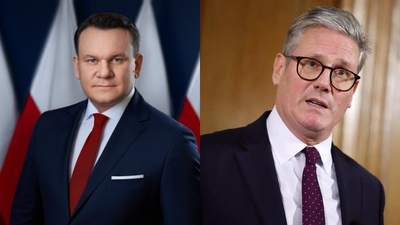

Polish EU MP Dominik Tarzynski threatens legal action against Starmer over ‘hate and division’ remarks at London rally
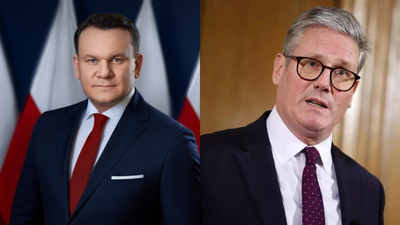
Polish member of the European Parliament Dominik Tarzynski has threatened legal action against British Prime Minister Keir Starmer after the British leader accused organizers of the controversial London rally of promoting “hate and division”.The controversy began ahead of the “Unite the Kingdom” march in London, an event associated with anti-immigration activist Tommy Robinson and expected to focus on issues of immigration and policing.In a video message posted on Twitter, Starmer defended the peaceful protests but sharply criticized those behind the demonstrations.“Yesterday’s march in London is a stark reminder of who we are up against in the fight for our values,” Starmer said.“Organizers, including convicted thugs and racists, are spreading hatred and division. Quite frankly.”He said his government would continue to take action against individuals accused of promoting extremism and violence.“We will ban people coming to Britain who want to instigate this, as we have already done,” Starmer said.Tarczynski, a member of Poland’s right-wing Law and Justice party, responded to Starmer’s post following reports that his UK electronic travel authorization had been canceled ahead of the rally.Tarczynski wrote, “I am a democratically elected member of the European Parliament. I represent the European Union.”“You will have to pay the price for calling me a hate agitator.”The Polish politician also claimed that he would personally take legal action against Starmer after the next UK election.He wrote, “I will wait patiently until the British throw you on the ash heap of history. Then I will come to court to defend my honor and the honor of my voters.”The exchange came as British authorities moved to block several foreign right-wing figures from entering the country ahead of the demonstration.Starmer argued that Britain remains “a country built on decency, fairness and respect” and insisted that the majority of people in Britain rejected divisive politics.