

PFA chief warns stars could be ‘too tired’ for 2026 World Cup amid busy calendar
FIFA World Cup 2026 (via Getty Images)
The 2026 World Cup is still weeks away, but concerns about player fatigue, extreme weather conditions and football’s increasingly crowded calendar are already dominating conversations behind the scenes.The elite players are heading into another expanded World Cup after tough domestic campaigns filled with league matches, European competitions and international fixtures. FIFA expanded the tournament from 32 to 48 teams starting in 2026, expanding the competition to 104 matches to expand the game globally, generate more revenue, and create more qualification opportunities for countries in Asia, Africa and North America.But with clubs and governing bodies adding more games to an already overloaded calendar, there are growing fears that football’s biggest stars are being pushed beyond physically sustainable limits.
‘The World Cup will become survival of the fittest’
According to an exclusive report of mirrorMaheta Molango, chief executive of the Professional Footballers’ Association, revealed that players have already discussed the possibility of taking action because they feel they are being “pushed to the limits”. Molango warned that there is a risk in this summer’s tournament thinking less about quality and more about physical stamina. “The World Cup should be the culmination of a dream but the reality is it will be survival of the fittest. That’s not right,” Molango said. “Let’s get to the root of the problem. It can’t be survival of the fittest. Now you see games that are not won by the best team, they are won by the fittest team.

Professional Footballers’ Association CEO Maheta Molango/Image: PFA
“Players are superheroes. They get paid very well, too.” But this does not mean that they should be pushed to the limits from a human perspective. Molango also warned that tired players ultimately harm the quality of the game. “There’s a real risk to the player. And for those who don’t care, there’s a real risk to the product because people will pay thousands of pounds to watch them ‘walk’.”
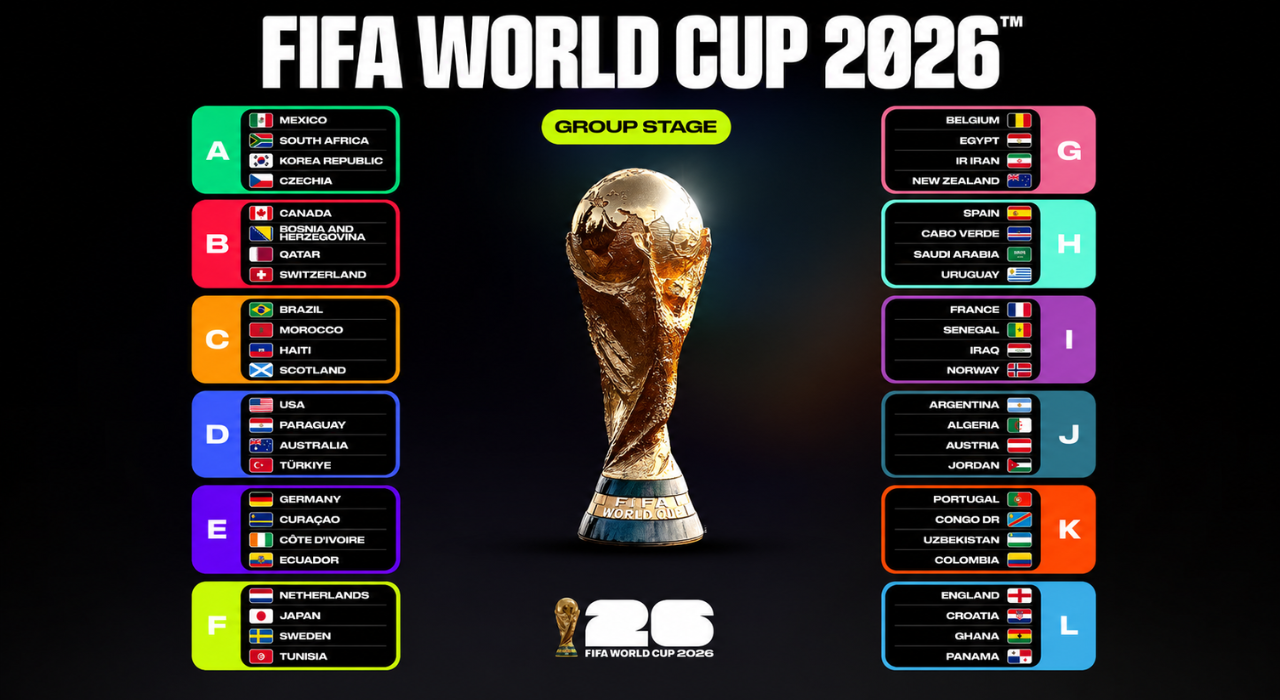
fifa world cup 2026 groups/fifa
He said that modern football players are becoming increasingly aware of their collective impact and are no longer willing to quietly accept every scheduling demand placed on them. “Maybe players need to self-regulate. I’m not going to play in the friendly you’ve organised. “The authorities have decided to encroach, we live in a world of goons and they think you can just get your way. “But unfortunately, people don’t realize that they’re dealing with humans and that humans are not as stupid as they think. They understand the power of collectivity. They are not fools. They are smart and active.”
Van Dijk, Rice and Europe’s most accomplished stars
This concern is supported by workload figures in Europe’s biggest leagues. According to Opta data, 19 Premier League players have already surpassed 4,000 minutes in all competitions this season before reaching the World Cup. virgil van dijk He currently leads Europe’s five major leagues in minutes played for Liverpool with 4,761 minutes, while teammate Dominik Szoboszlai is fourth with 4,556 minutes.
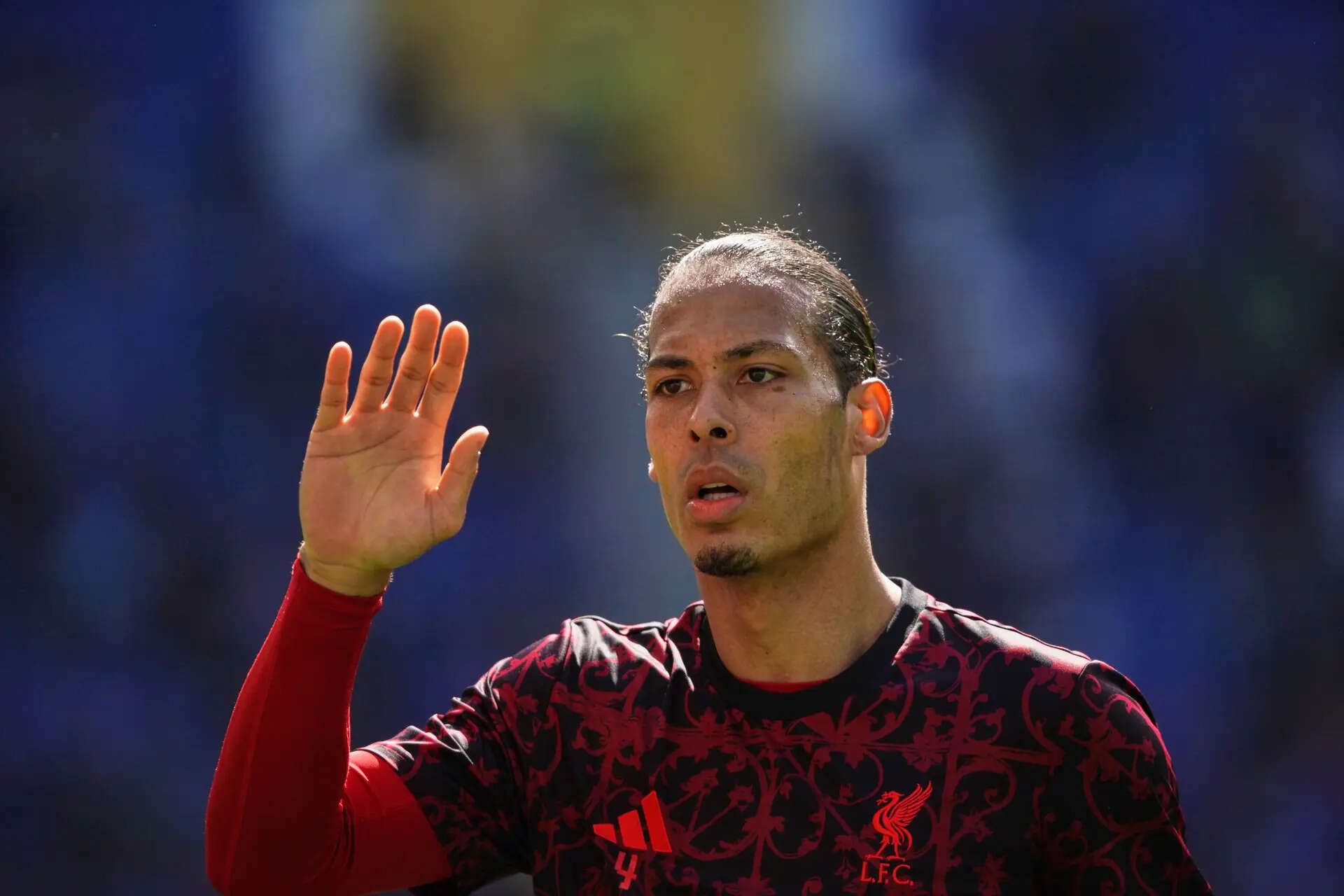
Liverpool’s Virgil van Dijk warms up before the English Premier League football match between Everton and Liverpool on Sunday, April 19, 2026 in Liverpool, England. (AP Photo/Ian Hodgson)
Aston Villa’s Morgan Rodgers is the highest-ranked English player on the list with 4,382 minutes played, while Declan Rice has already accumulated 4,246 minutes during Arsenal’s marathon campaign. Players from Newcastle United, Crystal Palace and Nottingham Forest are also ranked highly due to European football and international commitments. Last year, a FIFPRO report on player workload criticized an “unprecedentedly long and congested season” and recommended a mandatory four-week off-season along with the winter break. In September 2024, Rodri had already warned that the player was “close” to action after playing a 63-game season for Manchester City. Later that month, he tore his ACL. Molango said many players are now privately acknowledging warnings they were previously reluctant to face. “I was talking to a player who said to me: ‘I don’t drink, I don’t go out, I couldn’t do anything else to keep fit but I’ve been injured.’ “He said to me, ‘You were right! We had heard about the calendar when you came to see us two years ago, but… you were right.'”
Fear about heat, dry pitches and World Cup conditions
In addition to the rush for stability, players are also concerned about the physical conditions awaiting them in the United States. Molango took part in the Premier League summer series in the US last year and described the temperatures as worrying. “I went to a game in Philadelphia at 3 o’clock in the afternoon and I couldn’t breathe because of the temperature,” he said. “The games were going on continuously and the difference between the early and late games was like night and day.”
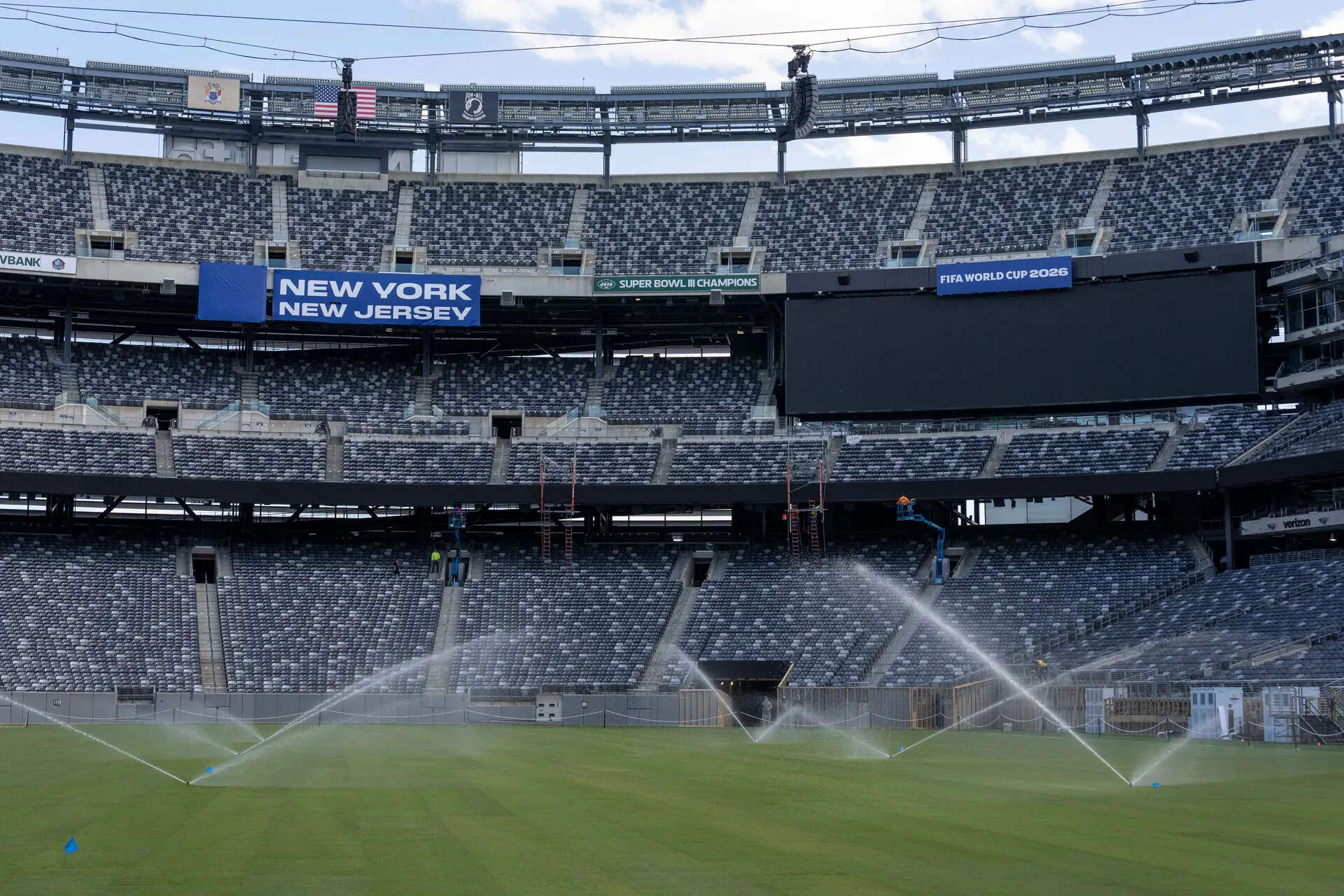
Water grass spraying during pitch installation for the FIFA World Cup 2026 at NYNJ Stadium in East Rutherford, NJ, on Thursday, May 7, 2026 (AP Photo/Yuki Iwamura)
He also revealed that several players participating in the Club World Cup had complained directly to him about the conditions. “I’ve talked directly to players who told me they can’t breathe. The grass is so dry because they’re American football pitches. You go to Atlanta and the pitch is so dry. They’re not playing NFL.” Chelsea’s Enzo Fernandez previously described the temperatures at the Club World Cup as “unbelievable” and “dangerous”, admitting it was making him “really dizzy”. Molango acknowledged that FIFA had adjusted some kick-off times and locations after receiving concerns, but stressed that the problems were not over.
Players are becoming more willing to push back
Molango also pointed to a previous standoff in Spain as evidence that players are increasingly willing to refuse participation if they feel decisions are harming them. “La Liga has done a great job over the last few years,” he said. “They wanted to play a game in Miami. They did their usual thing and decided to go ahead. The players simply said that we are not going. Ultimately the game was cancelled. “This should have been a warning to football. If the players are not there. There is no game. They need to understand what the players think.” The PFA chief believes today’s generation of football players is more socially aware, more connected to the wider football pyramid and more aware of their long-term responsibility to the game. “You need to remember that most of them come from the football pyramid. Even from the national team. harry kane Leyton has played for Orient. I don’t have to explain to him what it means. I don’t have to explain it to Kyle Walker. Declan Rice was rejected from an academy. “They get it. Jude Bellingham played in the Championship with Birmingham City. I don’t need to tell them what it means.” Molango also touched on the mentality within the women’s game. “I loved one expression from Sherni. ‘We want to leave the shirt in a better place.’ “The Kim Littles, Leah Williamson. It’s not just about them. They want to leave a legacy and leave the shirt in a better place. “It wasn’t necessarily the case 20 years ago.”
‘Everyone forgets the 68 games’
One of Molango’s biggest concerns is how quickly public expectations outstrip the physical costs of the modern football schedule.Using Declan Rice as an example, Molango warned that players could be mentally and physically exhausted at the World Cup after marathon club seasons lasting almost 70 games.“Who will sympathize with Declan Rice?”. Molango asked.“Everyone forgets 68 games. If he’s lucky he can win 68 games even before the World Cup. Who remembers that? Nobody. They’ll be busy saying: We need to win the World Cup.”
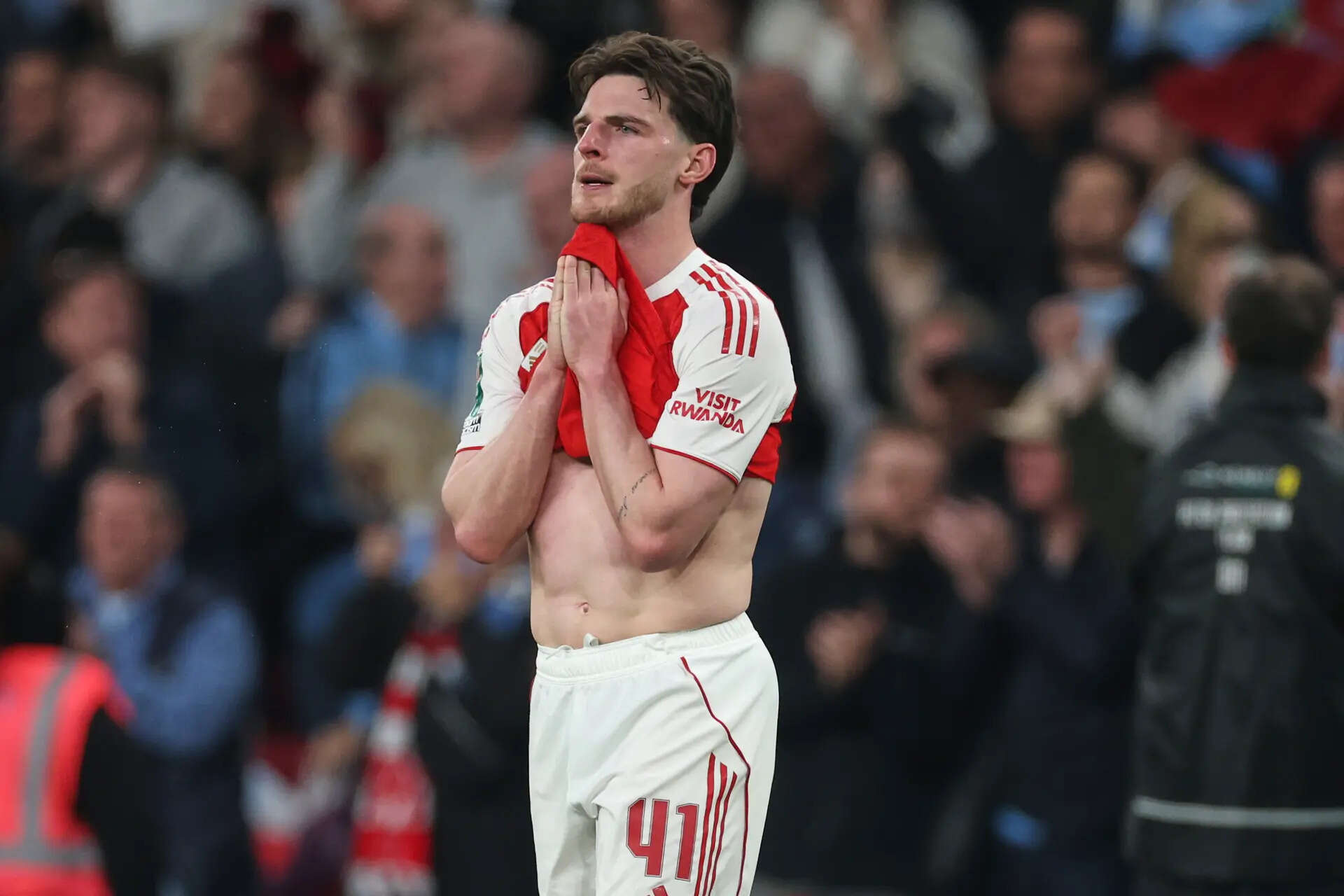
Arsenal’s Declan Rice reacts after losing the English League Cup final football match between Arsenal and Manchester City on Sunday, March 22, 2026 in London. (AP Photo/Richard Pelham)
The PFA wants limits imposed on annual match totals, stricter rules for back-to-back seasons and guaranteed rest periods. “The data says 50 to 60 games a year max. That’s 45 back-to-backs max. At least one month’s rest each summer. “But they say, ‘Sorry, but the calendar is off until 2030.’ But when it comes to adding games, there is no problem. But when it comes to reducing games, it stops. Molango concluded with a warning aimed directly at football’s governing bodies. “The days of considering players as the weakest link are over. They are the strongest link.”