


Sleep experts warn why you shouldn’t clean your bed first thing in the morning

Think making your bed first thing in the morning means you’ve got your life in order? think again. Every night, humans lose 285 ml to 1 liter of fluid through sweat and respiration. When you smooth out those sheets and plump up those pillowcases before your morning coffee, you’re essentially sealing the lid on a hot, humid incubator.A 2025 study in Indoor Air Journal (2026 widely cited in environmental health research) established that “Sleeping individuals release substantial moisture through sweat and respiration, which contribute to high humidity levels within bedding systems.” This confirms that humans lose significant moisture overnight and highlights that this moisture is trapped if the bed is made immediately.The average mattress is home to between 100,000 and 10 million dust mites and your clean habits could be making the problem worse. In an interview with The Times of India, Aaron M Fuhrman, founder and CEO of SleepPlay, a US-based modern CPAP and sleep therapy destination, explains why leaving your bed unmade may actually be a smarter, more hygienic choice.
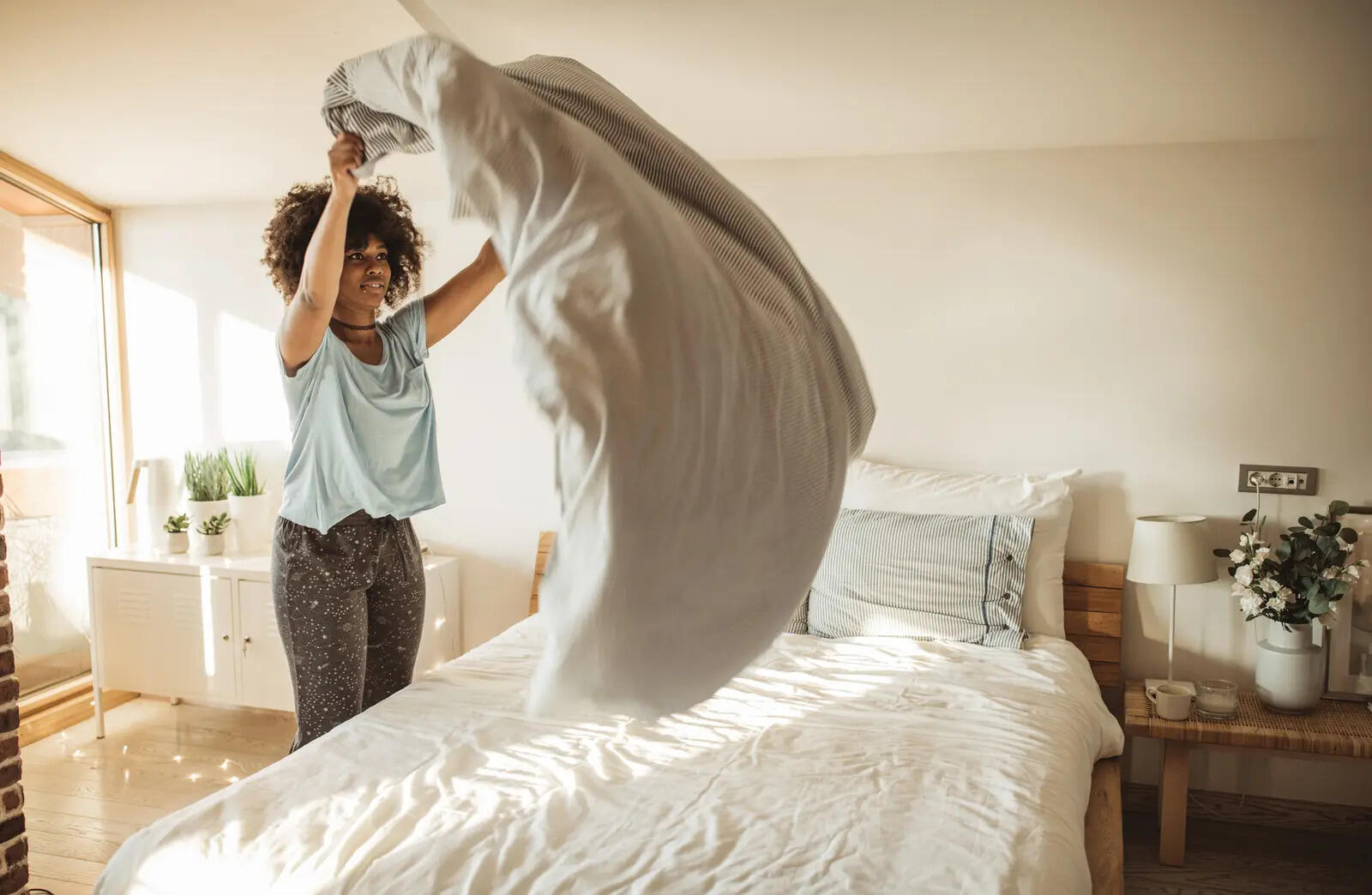
Your morning bed-making habit is making you sick: The shocking truth
“Most people don’t realize that they are creating the perfect environment for dust mites every morning,” Fuhrman said. “When you realize what’s going on under those neatly laid sheets, you may think twice about making your bed right away.”Read on as we break down the science behind unmade beds and highlight some expert practical solutions to keep your sleep space healthy.
Risks of Making Your Bed Early
Quickly seal up to 1 liter of moisture released from your bedding overnight, preventing it from evaporating. This creates a microclimate of over 50% humidity where dust mites thrive and reproduce twice as fast.According to a recent news 2026 Studies in Building and Environment“Relative humidity above 50% substantially increases dust mite survival and reproduction, particularly in the bedding microenvironment where moisture is retained,” the researchers found. This showed that trapped moisture creates a humidity level where dust mites thrive and supports the idea that making the bed too early can make conditions worse.“Think of it like leaving wet clothes in a closed basket,” Fuhrman explained. “You’re trapping all the moisture overnight between your mattress and quilt, creating exactly the conditions that dust mites love.”A 2026 Household Allergen Exposure Review by the World Health Organizationreported that dust mites are among the most common indoor allergens, thriving in “warm, humid environments such as bedding and mattresses.”
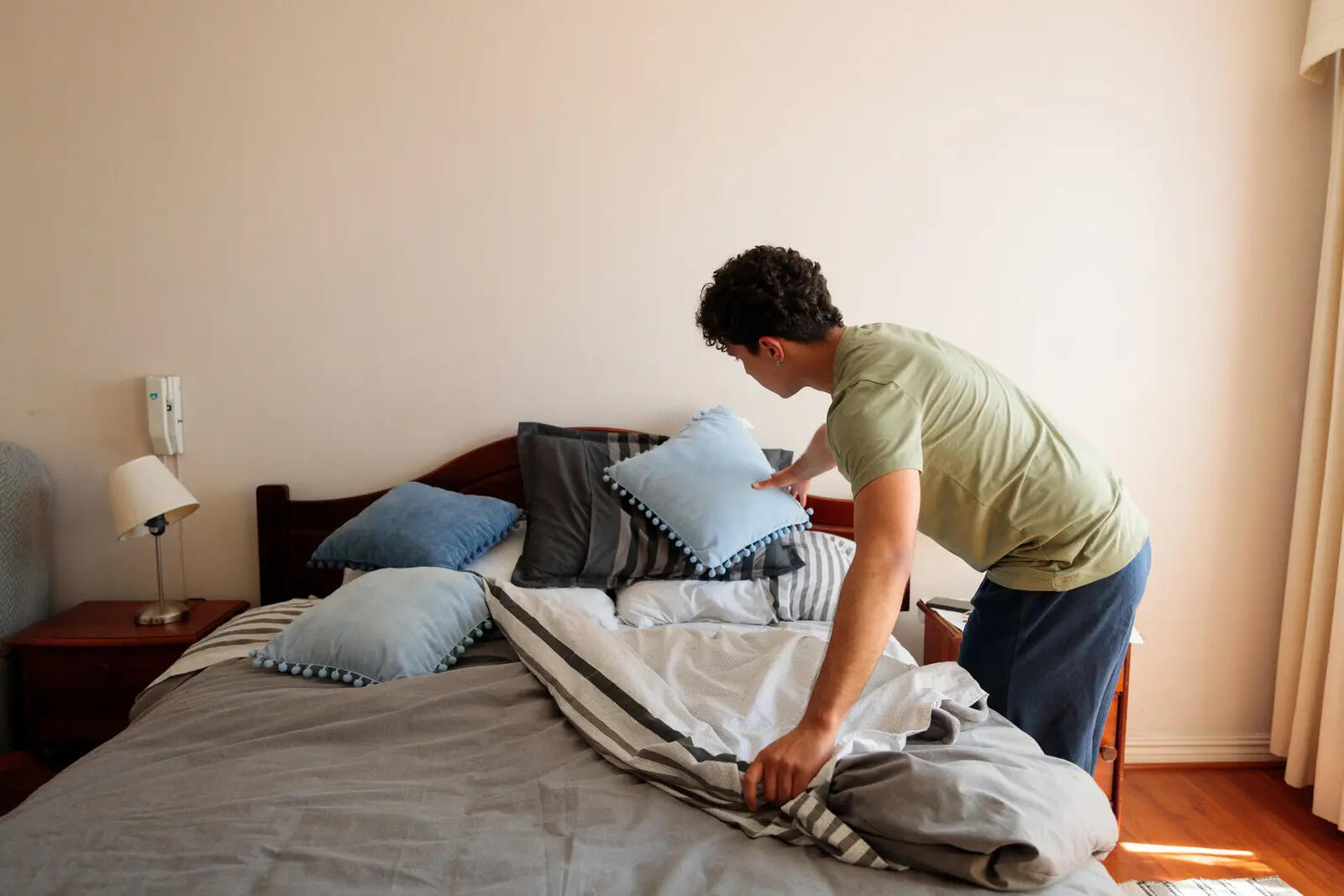
Sleep experts warn that making your bed immediately after waking up traps up to 1 liter of moisture, creating a breeding ground for millions of dust mites.
The problem goes beyond dust particles. Constant moisture trapped between the mattress and heavy quilt can lead to the growth of microscopic mold. Although you won’t see visible mold spots, microscopic mold spores can grow in these moist conditions, potentially triggering allergies and respiratory problems.“For people with sleep apnea or other respiratory conditions, it becomes even more severe,” Fuhrman said. “You’re spending eight hours a day breathing an environment that can work against your health.”
Solution: How to keep your bed healthy
Experts suggest four simple strategies that can dramatically reduce moisture and dust mite populations without requiring major lifestyle changes:
- 60-minute rule: Leave your bed open for at least an hour after waking up. This simple delay allows moisture to naturally evaporate from your sheets and mattress. “Simply pull back your quilt when you wake up and let everything air out while you eat breakfast or get ready for work,” suggests Fuhrman. “It’s the easiest change you can make.”
- Strip Back Method: Pull your quilt down from the bottom of the bed, exposing the entire sleeping surface. This maximizes airflow across the sheets and mattress, accelerating moisture evaporation. “The more surface area exposed to air, the faster moisture is lost,” Fuhrman explains. “It also helps regulate the temperature of the mattress, making it less hospitable to dust mites.”
- Let it breathe: Open your bedroom windows and curtains to increase ventilation and let in sunlight. Natural light and fresh air are the biggest enemies of dust mites. “Dust mites hate dry, well-ventilated spaces,” Fuhrman said. “Even five minutes of fresh air circulation can make a real difference to the microclimate of your bed.” a fresh 2026 study in Journal of Environmental Healthnoted, “Increased airflow and exposure to daylight significantly reduces microbial load and prevents the growth of mold and allergens in fabrics.” This scientifically supports the recommendations of leaving bedding unmade, opening windows and letting sunlight in, and supports claims of naturally reducing mold spores and allergies.
- Wash weekly at 60°C: Wash your bedding weekly at a minimum temperature of 60°C (140°F). This is the range required to effectively kill dust mites and their eggs. “Lower temperatures may get your sheets cleaner, but they won’t eliminate the dust mite population,” Fuhrman said. “The 60-degree mark can’t be compromised if you want to kill them rather than just wash them.”
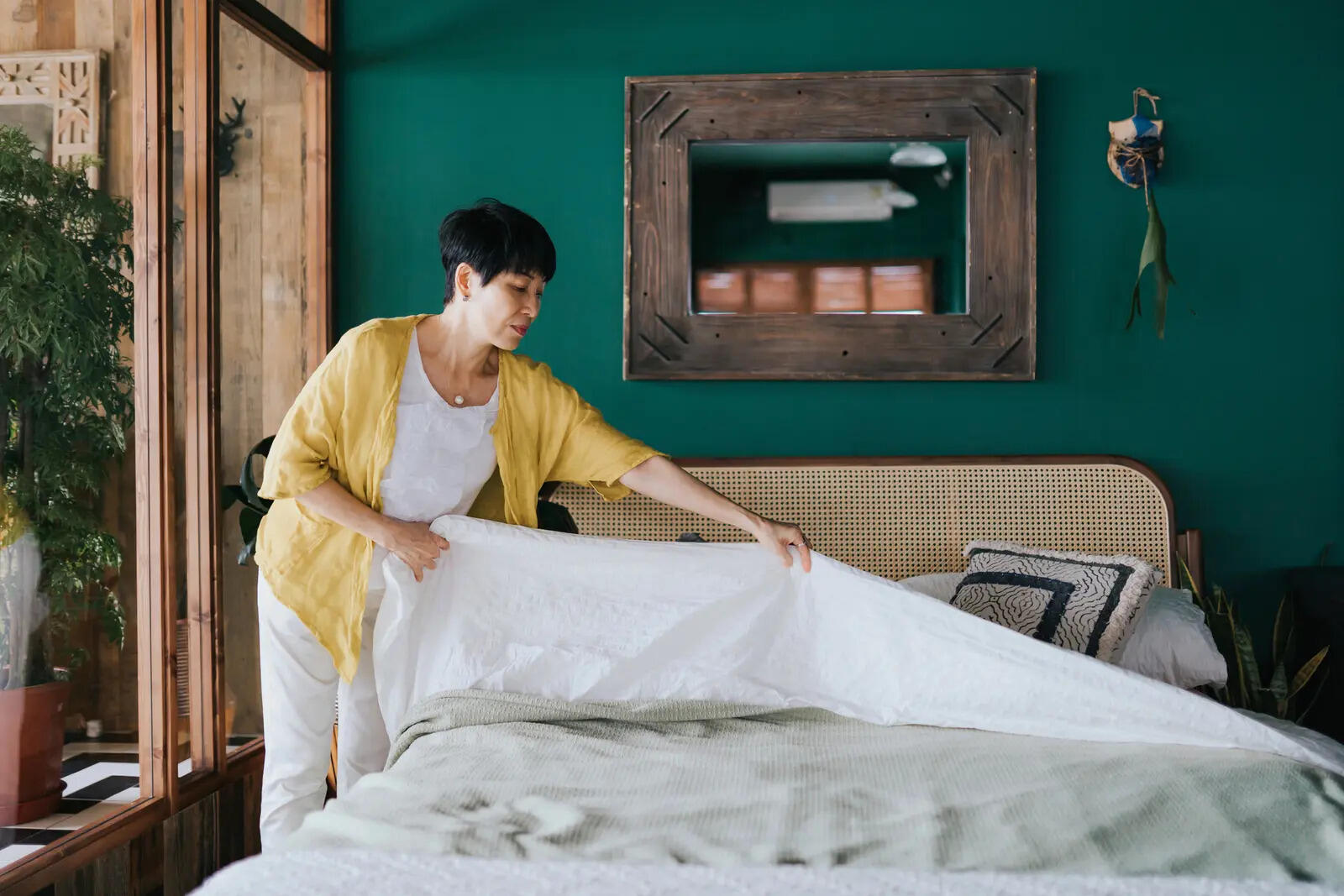
Benefits of unmade bedding: Reduce dust particles and improve sleep hygiene
Making your bed immediately after waking up may seem productive but in reality you are creating a perfect storm for dust mites and potential mold growth. The moisture trapped in your night’s sleep needs somewhere to go and sealing it under your quilt is not the solution. The good news is that it doesn’t require expensive products or complicated routines to get it right. Simply waiting an hour before making your bed, pulling back your covers, and opening a window can dramatically improve your sleeping environment. This is one of those rare situations where doing less actually gets you better results.