New Delhi: Elections in India are fought through ideas and manifesto promises as well as through images presented to the public. Where in the 2026 assembly elections Congress depends on its allies in states like Tamil Nadu, Rahul GandhiHis approach to coalition politics raises questions about whether the grand old party is doing enough to show unity on the ground.At the root of this suspicion lies a simple but powerful political tool: the joint rally. In a highly visible election campaign, a common platform is not merely symbolic; This is strategic. It signals unity to voters, clarity to workers and credibility of the alliance. On the contrary, its absence creates room for speculation, which is often used by the opposition to create doubt in the minds of voters.
Watch
TN Elections 2026: Is a hung assembly a possibility? Delimitation Alliance Optics | victory factor
Distances are visible in strong alliance!
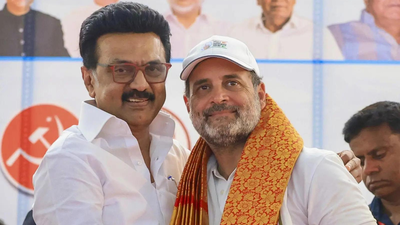
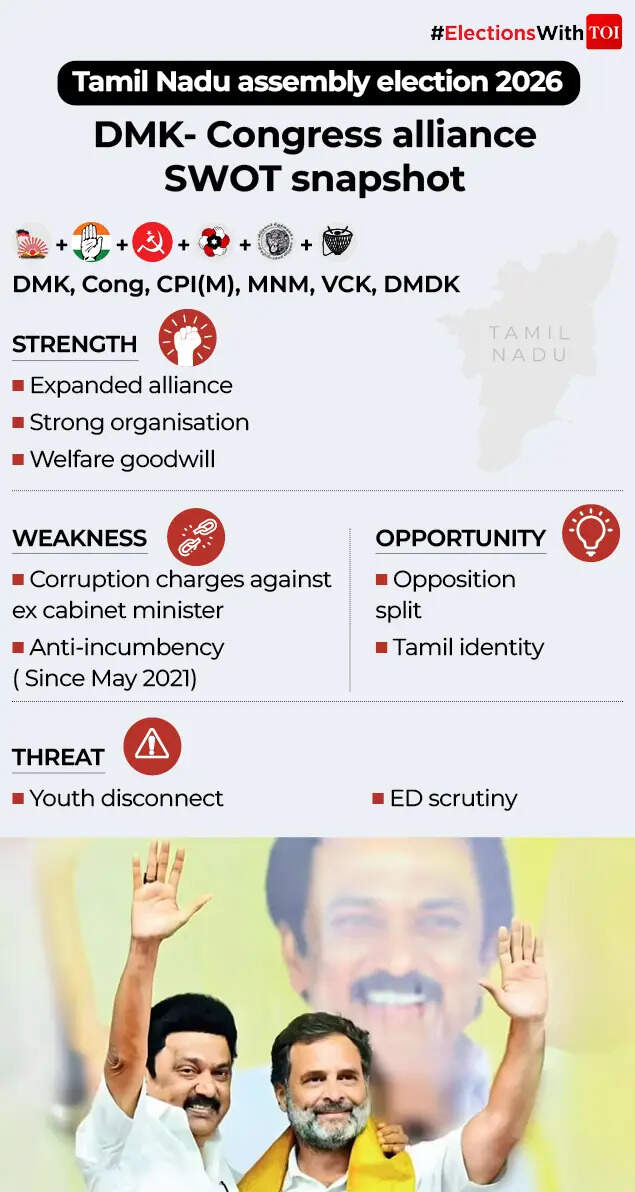
In Tamil Nadu, where the Congress is fighting the elections under a long-standing alliance DMK Under the leadership of MK Stalin, the lack of this alliance is clearly visible.In the last elections, Rahul Gandhi and Stalin shared the stage, exuded cordiality and strengthened the alliance through visible coordination. This time that visual continuity was missing.Despite the high election stakes, both the leaders were not seen together in any joint rally. The absence sparked both political comment and opposition attacks.See complete coverage of 2026 assembly electionsTOI local editor Arun Ram calls it a clear missed opportunity: “DMK and Congress have failed to bring these two leaders together… I think if they had come together for at least a public rally, they would have given a strong message that the alliance is strong enough.”
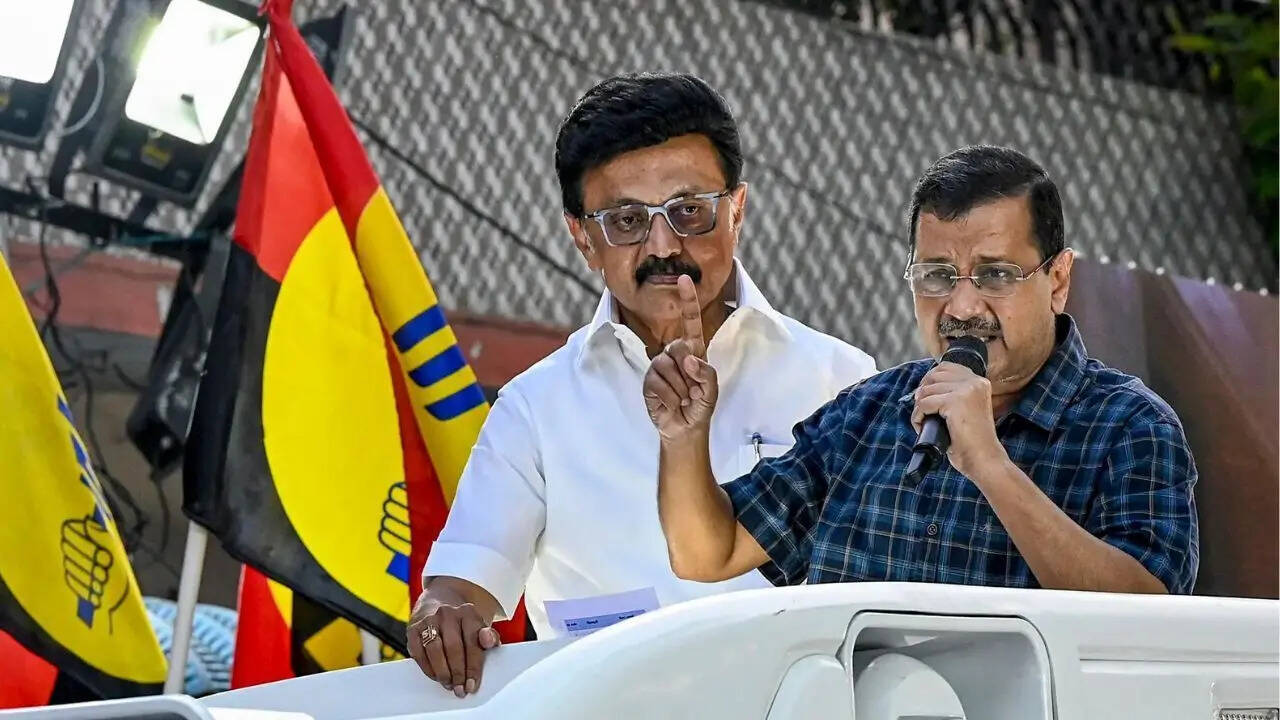
Explanations from DMK circles, that aligning the schedules would have disrupted Stalin’s campaign by dozens of stops, have done little to offset the perception costs.This cost becomes more acute when compared with the presence of Aam Aadmi Party chief Arvind Kejriwal, who recently shared the stage with Stalin during a road show in Chennai. For viewers and voters, the scenes were telling: a leader with limited electoral stake in Tamil Nadu coming forward to signal unity, while the key face of the Congress remained absent from the joint platform.
perception takes risks
The difference in optics in Tamil Nadu is not evident alone. This comes against the backdrop of internal tensions within the alliance.A section of the state Congress leadership had earlier raised the issue of power-sharing by pushing the idea of a coalition arrangement – which the DMK has strongly opposed. While the central leadership moved to address these demands, the political signal had already been sent.In such a situation, ‘missing’ Rahul Gandhi has other meanings. In this case, the joint rally could have at least served as a visible assurance that differences, real or perceived, would not affect the alliance in the state.Arun Ram highlights this dynamic: “..given this background we have seen a section of Congress leaders demanding a share in power… There were rumors of some tension at least between Rahul Gandhi and MK Stalin.”The absence of a common platform allowed those rumors to gain momentum. Rival parties such as the All India Anna Dravida Munnetra Kazhagam (AIADMK) and the BJP increasingly escalated these perceptions, causing the alliance to become strained rather than cohesive.
BJP leader K Annamalai said, “Rahul Gandhi does not want to campaign with MK Stalin.” He wants to campaign separately. MK Stalin does not want to campaign with Rahul Gandhi; He wants to run a different campaign. In the last elections, the relationship between Rahul and Stalin was seen as one of deep personal cordiality. From giving sweets to calling each other “elder and younger brothers”, the plan was designed to instill a sense of unity among grassroots workers.However, this time, the frame was surprisingly blank, as both the leaders were working on parallel tracks during the election campaign.
‘MIA’ Rahul Gandhi
What we saw in Tamil Nadu during this assembly election is nothing new. A similar pattern of limited joint campaigning by Rahul Gandhi was seen in key states.Congress alliance in Bihar is led by RJD Tejashwi Yadav Questions have also been faced regarding coordination.Tejashwi’s high-frequency campaign, which often included multiple rallies a day, was not matched by Rahul Gandhi’s consistent joint presence. In the run-up to the 2025 elections, reports of a “postponed” joint Vote Rights Yatra with Tejashwi emerged, further lending credence to the idea that the two leaders struggled to coordinate their presence even when the stake was survival.The alliance with the National Conference (NC) in Jammu and Kashmir is equally fraught with visible gaps. With the 2024 elections and subsequent changes in local administration over the next two years, the chemistry between Omar Abdullah and Rahul Gandhi has fluctuated wildly.
Contradictions within the Indian faction
Meanwhile, Arvind Kejriwal’s decision to join the 2026 assembly campaign for Stalin and Mamata has also highlighted differences in the way coalition politics is conducted within the broader opposition.Leaders like Arvind Kejriwal have adopted a more proactive approach – campaigning in states, sharing platforms with regional allies, and strengthening the broader anti-BJP narrative even in areas where his party has limited direct stakes.
This approach is visible not only in Tamil Nadu but also in West Bengal, where Kejriwal is expected to campaign at the invitation of Mamata Banerjee.At the grassroots level, the alliance functions through coordination between workers of different parties. This coordination largely depends on leadership signals.
The price of not seeing each other
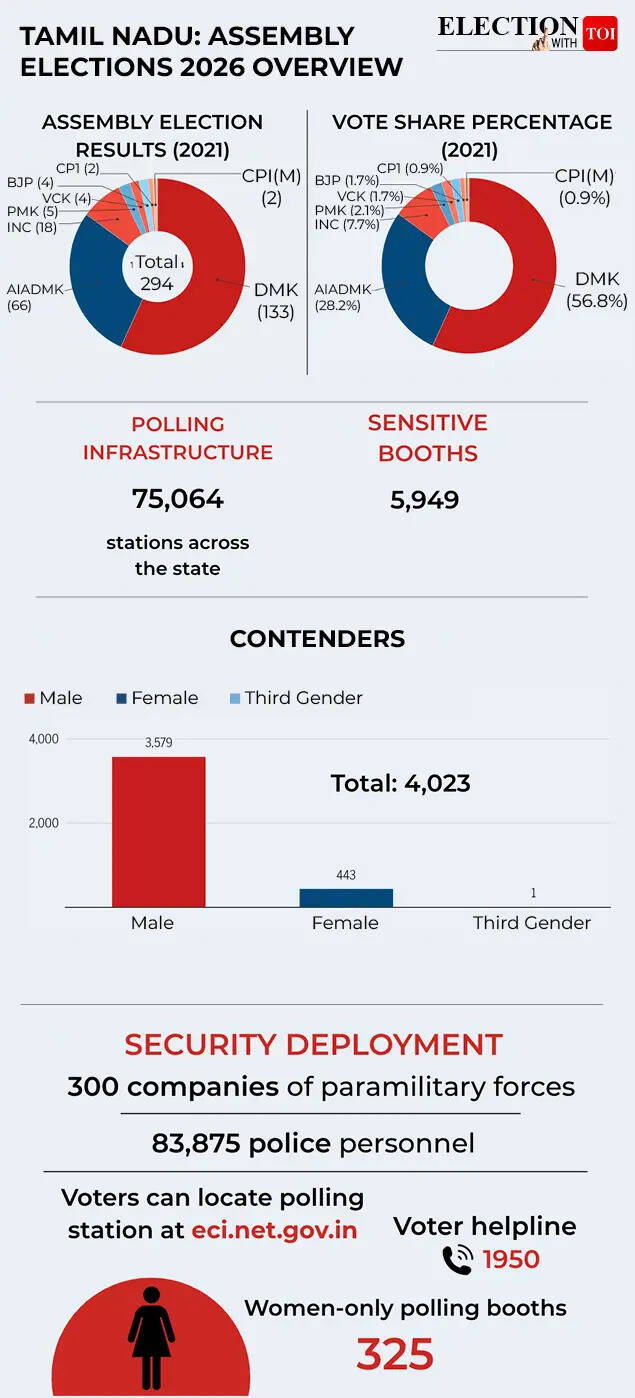
Under the leadership of Rahul Gandhi, the Congress has been successful in forming alliances that are both strategic and necessary on paper. But elections are not fought only on paper.They are fought on platforms, in images and through moments that signal unity to voters and confidence to workers.A single joint rally in Tamil Nadu could have strengthened the perception of a united alliance.Instead, his absence has repeatedly raised a question: Is the coalition as united on the ground as it is on paper?Tamil Nadu already went to polls in a single phase on Thursday, with over 84% turnout breaking all previous records. On May 4, when the results will be declared, the effectiveness of the Congress-DMK alliance will finally be judged not just by the optics, but by the electoral results on the ground.It remains to be seen whether the perceived difference in coordination between Rahul Gandhi and MK Stalin translates into votes.




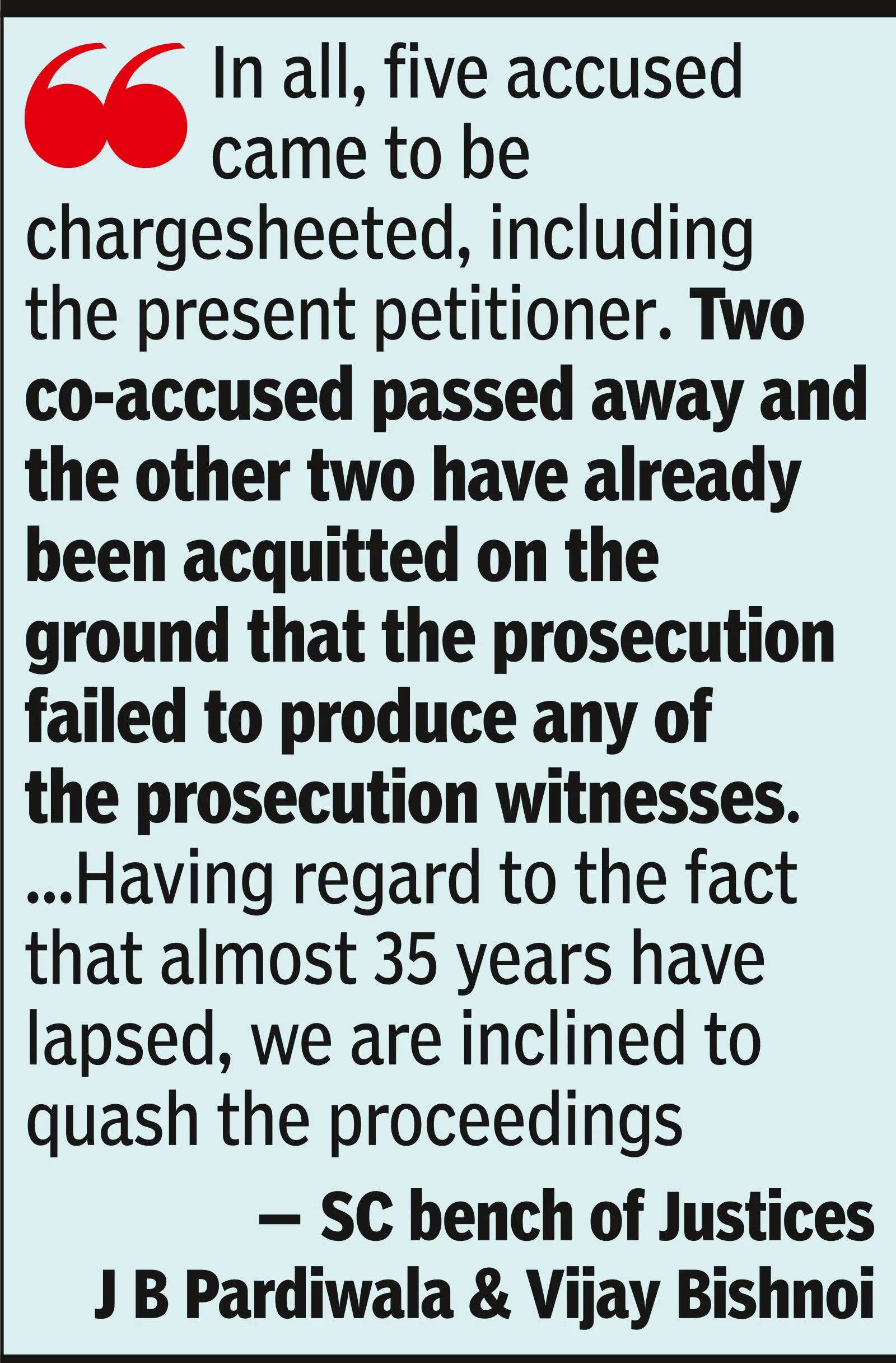
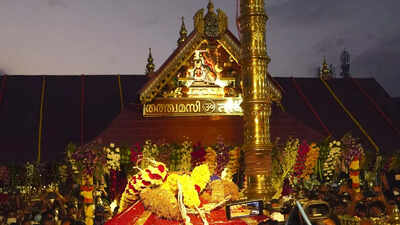
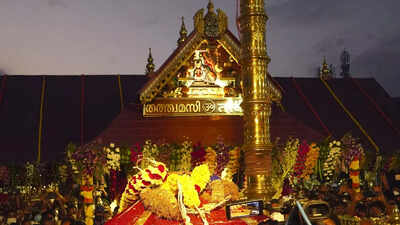 Supreme Court On Thursday, prima facie it was agreed that the right of devotees to decide the way and manner of worshiping God is non-judicial.The Supreme Court’s comments came after senior lawyer J Muth Raj argued that in Hinduism, every village has a ‘Gram Devta’, every family has a ‘Kul Devta’ and ‘Ishta Devta’, whose worship varies, and it is impossible for the court to examine the essentiality of such practices when it is linked to an umbrella religion.
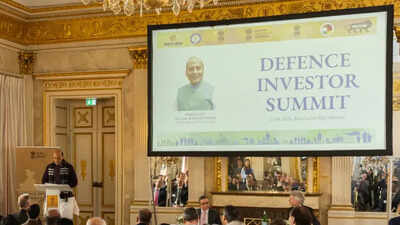
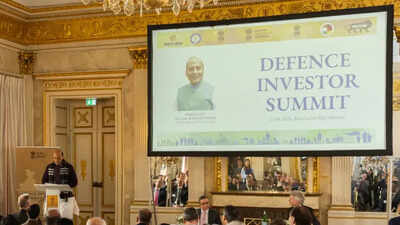 -Rajnath Singh He invited German industry to co-produce with India, especially in the area of specific technologies, as he underlined the need to build partnerships based on credibility and shared interests, calling them inevitable in the current shifts in geopolitical alignments, disruptions in supply chains and rapid technological changes.Addressing German defense industry leaders during the Defense Investor Summit in Munich, Rajnath said Indian companies are keen to tie up with German companies for co-development and co-production in areas including advanced radar and sensor technology, multi-sensor, AI-enabled UAVs, sonobuoys and high-power low-frequency underwater transmitters.“India offers an expanding market, skilled workforce and a developed industrial ecosystem with a commitment to stability, predictability and rule of law. This is not a short-term opportunity, but a long-term strategic proposition,” he said, adding, “India’s goal of self-reliance is not inward-looking, we see it as the ability to design, develop and produce with trusted partners.”Referring to the significant untapped potential under Rearma Europe
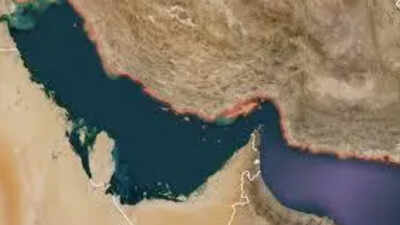 Indian Navy Navy chief Admiral DK Tripathi has made public its maritime security strategy recently, which mentions Hormuz as a “priority area of interest” among other such “choke points”.Maritime choke points in the Indian Ocean Region (IOR) constitute critical nodes that have a disproportionate impact on global trade and energy security. Such choke points in the IOR are the Cape of Good Hope, Mozambique Channel, Bab-el-Mandeb, Suez Canal, Strait of Hormuz, Malacca and Singapore Straits, Sunda Strait, Lombok Strait, Ombai Strait and Vater Strait. The Straits of Malacca and Singapore connect the Indian Ocean to the South China Sea and the Pacific Ocean, providing the shortest sea route from the Persian Gulf to the East Asia/West Pacific regions.The Sunda Strait serves as an alternative route to Malacca and Singapore, being 50 nautical miles (nm) long and 15 nm wide at its north-east entrance. Large ships prefer not to pass through this strait due to navigational hazards, depth restrictions and strong currents. The Ombai Strait is located between the islands of Alor and Timor, and the Wetar Strait is located between Timor and Wetar islands. Due to distance, transit through this region is generally not preferred as an alternative to the Straits of Malacca and Singapore.As India’s economic and strategic activities in the oceans expand, the range and intensity of external influences affecting national interests are expected to increase significantly in the coming years, requiring the Indian Navy to operate on a wide geographical canvas. As a result, the entire maritime area beyond the primary area of maritime interest has been designated as a ‘secondary’ area of maritime interest, the document said.The list of priority areas of maritime interest of the Indian Navy includes “India’s coastal areas and maritime zones; the Arabian Sea, the Bay of Bengal, the Andaman Sea, the Laccadive Sea and their coastal areas; the Persian Gulf region and its coastal areas; the Gulf of Oman, the Gulf of Aden, the Red Sea and their coastal areas; the South-West Indian Ocean, including the IOR island nations and the coastal areas of the east coast of Africa and choke points to and from the Indian Ocean Including the Six Degree Channel, the 8/9 Degree Channel, the Straits of Hormuz, Malacca, Lombok and the Cape of Good Hope and their vital energy and resource interests;Beyond energy, the maritime sector is the primary source of imports critical to India’s food security, public health and industrial capacity. India will meet 73% of its fertilizer requirements in 2025 through domestic production. Yet, as the world’s second largest fertilizer consumer, India remained dependent on imports for Muriate of Potash (MOP) and heavily depended on foreign sources for Diammonium Phosphate (DAP). It said approximately 16 million tonnes of edible oil is imported annually by sea, with India’s maritime strength, infrastructure and sea-based activities being key drivers for its economic growth and prosperity.