
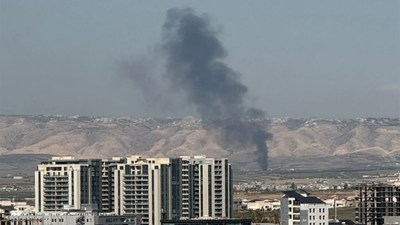

US, Iran considering 30-day ceasefire plan, reopening of Strait of Hormuz; N-negotiations still in limbo
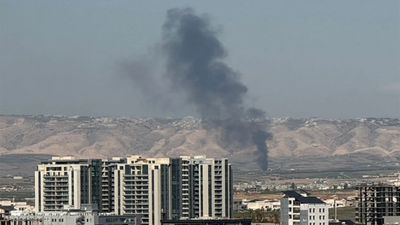
The New York Times, citing three senior Iranian officials familiar with the talks, reported that Iran and the US are discussing a temporary framework that could halt hostilities, reopen the Strait of Hormuz to commercial traffic and make room for broader talks on Tehran’s nuclear program.According to the NYT, the proposed short-term arrangement would establish a 30-day pause in hostilities while both sides continue negotiations toward a broader and more permanent agreement. Officials said discussions between the two sides are continuing, with negotiators exchanging proposals on the wording and structure of a potential long-term framework.The proposed interim framework focuses on three immediate steps: lifting the US blockade of Iranian shipping and ports, reopening the Strait of Hormuz to commercial maritime traffic, and ending ongoing military hostilities under the ceasefire agreement.Officials said more contentious issues would be addressed during the proposed 30-day negotiation period, including sanctions relief, the long-term future of Iran’s nuclear program and the release of Iranian financial assets frozen abroad.According to The New York Times, one of the major points of debate in the talks remains Washington’s demands for prior commitments regarding the future of Iran’s nuclear program and its stockpile of highly enriched uranium.Iranian officials said US negotiators are seeking an agreement in principle under which Iran would transfer its enriched uranium reserves to the US, close three nuclear facilities and suspend uranium enrichment activities for 20 years.Officials also said Tehran is committed to not pursuing nuclear weapons and suspending uranium enrichment, although the duration and conditions of any such suspension remain under discussion.Officials said Tehran has instead proposed reducing part of its uranium reserves and transferring the remainder to a third country, potentially Russia.Under Iran’s proposal, uranium enrichment would be suspended for 10 to 15 years, although no agreement has reportedly been reached on the future of the three nuclear facilities.