
Oil prices today: Crude oil eases after surge after Trump, Netanyahu try to ease concerns over Iran war
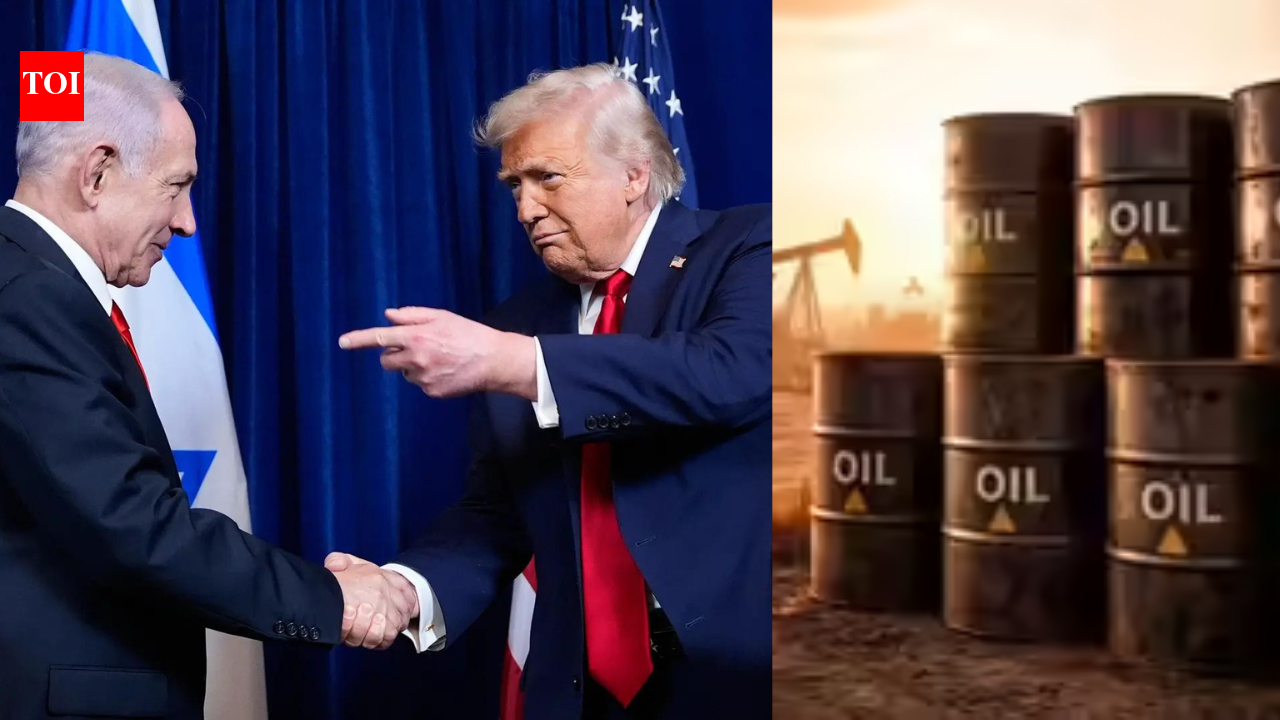
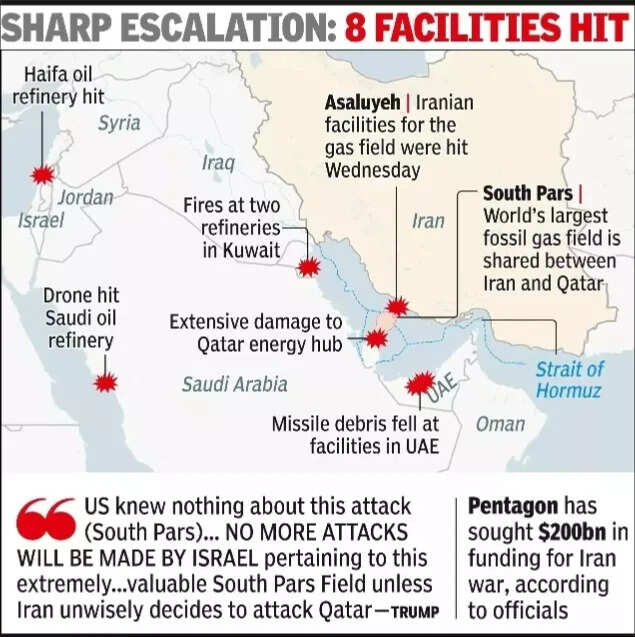
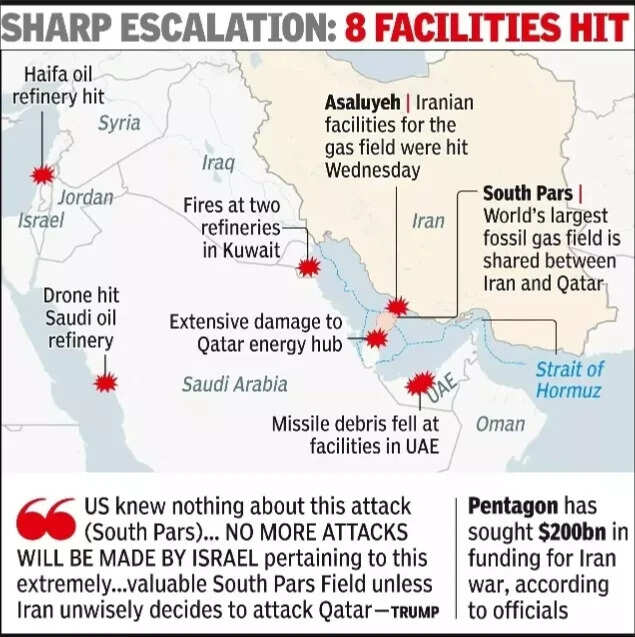
Global crude oil prices fell on Friday after a sustained surge, as statements by US President Donald Trump and Israeli Prime Minister Benjamin Netanyahu helped ease market concerns over a further increase in attacks on energy infrastructure.Brent crude slipped to $107 a barrel after hitting its highest level since July 2022, while West Texas Intermediate (WTI) for May hovered around $94. According to Bloomberg, the pullback came after a sharp surge due to supply disruptions in the Persian Gulf region. Asked about the possibility of deploying US ground forces, Trump said he was “not putting troops anywhere”. Meanwhile, Netanyahu indicated that Israel would avoid further attacks on Iranian energy facilities. The comments come after a wave of attacks earlier this week caused significant damage to key energy assets, including Qatar’s largest liquefied natural gas plant, which could take years to repair. Crude oil prices have surged this month, with Brent rising nearly 50% amid a near-complete disruption of flows through the Strait of Hormuz, a vital route for global oil supplies. The disruption also widened the price gap between Brent and WTI to nearly $13 a barrel, reflecting stronger global supply concerns than the US market. “I thought there was a possibility that it could be much worse,” Trump said during a meeting with Japan’s prime minister. “It’s not bad, and it will be over very soon.”According to Bloomberg, US measures to control fuel prices, including the release of crude oil from strategic reserves, have increased pressure on WTI, contributing to its weak performance relative to Brent. Brent is on track for a weekly gain of about 4%, while WTI is headed for a decline of about 5%.Meanwhile, European natural gas prices have nearly doubled from pre-conflict levels, while fuel costs have risen globally, raising concerns about inflation.Netanyahu said Israel had previously acted independently in targeting Iran’s South Pars gas field, but would stop additional energy-related attacks. “I can see this war ending much quicker than people think,” he said, without giving a timeframe.Meanwhile, US Treasury Secretary Scott Besant indicated that Washington is considering steps to lower oil prices, including potentially lifting sanctions on Iranian oil and tapping reserves. A White House official also said there were no plans to restrict US oil and gas exports after discussions with industry leaders. The International Energy Agency (IEA) has outlined a framework for the release of emergency reserves by member countries, with Japan, Canada and South Korea being major contributors. The agency estimates the conflict has disrupted Gulf producers’ output by about 10 million barrels per day, one of the largest supply shocks in the history of the oil market.Market participants remain cautious. “As fighting and conflict continue and energy infrastructure moves continue, it will be very difficult to calm the markets,” Rebecca Babin of CIBC Private Wealth Group LLC told Bloomberg. “It just becomes a game of what the next target is.”Analysts say the oil market is likely to remain volatile as long as Gulf infrastructure and shipping routes remain at risk.








 Supreme Court The Gwalior bench of the Madhya Pradesh HC on Thursday stayed the decision of the Madhya Pradesh HC that had canceled the 2024 bypoll victory of Congress MLA Mukesh Malhotra, reports Suchandana Gupta.The HC had invalidated the assembly bypoll results on a plea by Malhotra’s nearest rival, BJP’s Ram Niwas Rawat, who claimed that Malhotra had not disclosed criminal cases against him in his election affidavit.Hearing Congress’ plea challenging the HC decision, the Supreme Court upheld Malhotra’s status as MLA from Vijaypur constituency with conditions: he will not be allowed to cast his vote during the RS elections, will not participate in voting in the Assembly elections, and will not be able to receive his salary and allowances as an MLA or access funds under MLLADS. However, he will remain the MLA of Vijaypur till the final decision of the Supreme Court. news network