

CGHS patients: CGHS patients face life-threatening delays in treatment approval. india news
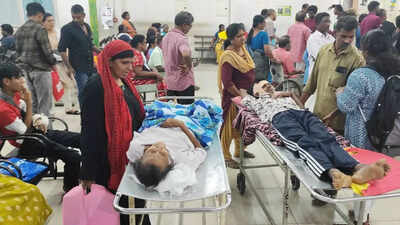
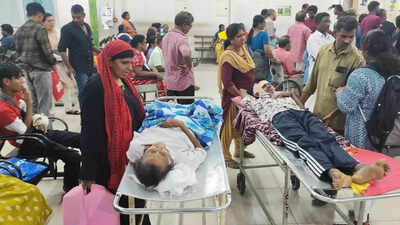
New Delhi: For thousands of elderly and seriously ill patients dependent on the Central Government Health Scheme (CGHS), the biggest threat is now not just the disease itself, but also the delay in getting approval for treatment.A memorandum sent to Union Health Minister Jagat Prakash Nadda highlighted how life-saving procedures and medicines are getting stuck in the slow-moving approval system, forcing patients to wait for 45 to 120 days – which many do not have.Under the existing mechanism, even after a government specialist prescribes urgent treatment, cases involving high-cost or unlisted treatments must be cleared by a Central Standing Technical Committee (STC) in Delhi. The process involves multiple layers of file movement and depends on meetings that may be held only once a month.For diseases such as cancer, heart failure and advanced kidney disease, such delays can be decisive.“Delay in treatment means loss of life. The condition of patients is deteriorating pending approval,” said TK Damodaran, general secretary of CGHS Beneficiaries Welfare Association of India.The association has documented cases where critical treatment windows were missed. In liver cancer, about 23% of patients saw tumors become inoperable while waiting for approval for ablation procedures. In lung cancer patients requiring immunotherapy, disease progression was reported in more than 40% of cases while waiting. Heart failure patients requiring advanced equipment faced delays of more than three months, while deaths were reported while files were pending.Doctors say such delays impair clinical judgment. “These treatments are time-bound. If the intervention is delayed, the outcomes get significantly worse,” said a senior specialist at a government hospital.Attempts to contact the CGHS director for comments received no response. He neither answered calls nor responded to questions sent to him on WhatsApp.This issue raises serious legal concerns. In the case of Parmanand Katara vs. Union of India, the Supreme Court held that preservation of life is paramount. In Paschim Banga Khet Mazdoor Samiti v. State of West Bengal, it ruled that failure to provide timely treatment is a violation of the right to life under Article 21.Despite advances in digital health systems, approval remains centralized, with decisions for patients across the country being taken by a Delhi-based panel. Health policy experts say this creates inequity and turns a patient’s right to treatment into a lengthy administrative process.The association has urged immediate reforms, including decentralizing approval powers, setting strict timelines and introducing deemed approval if decisions are not taken within a few days. It has also sought automatic clearance and emergency provisions for life-saving care for elderly patients.As India pushes for faster, technology-driven healthcare delivery, the gap between medical urgency and administrative response is becoming harder to ignore.“Doctors prescribe immediately. The system responds months later,” Damodaran said.